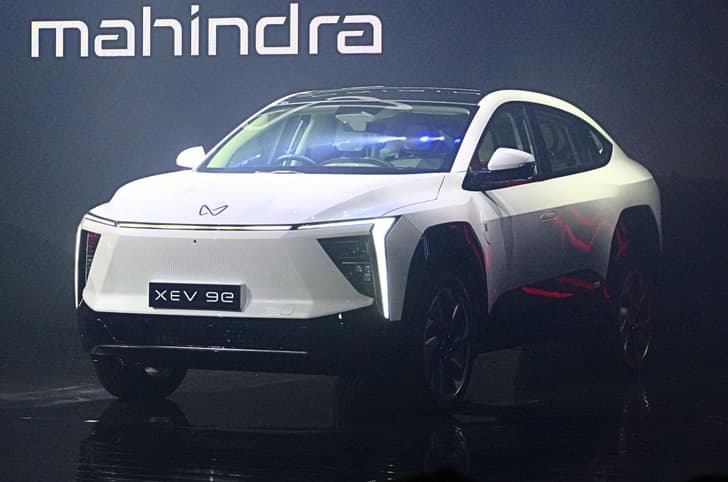
Mahindra XEV 9e
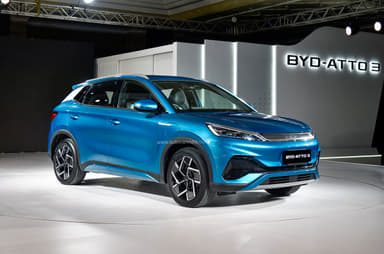
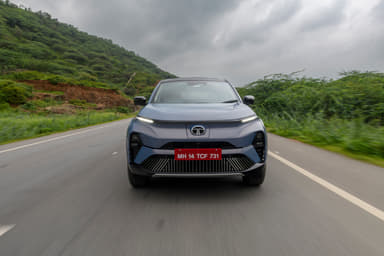
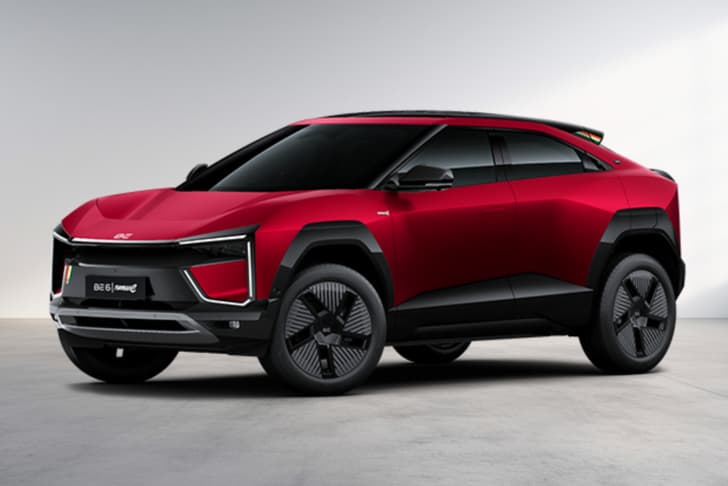
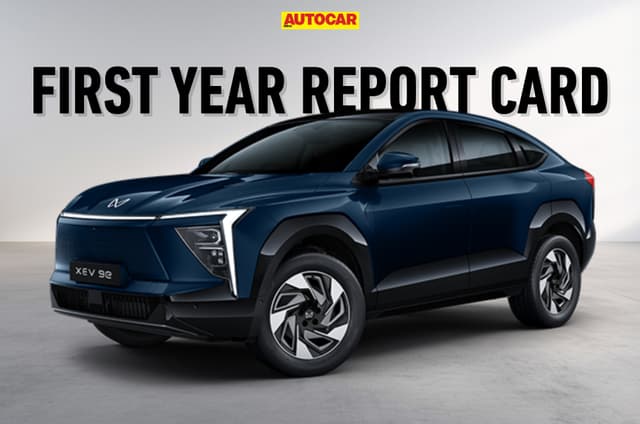
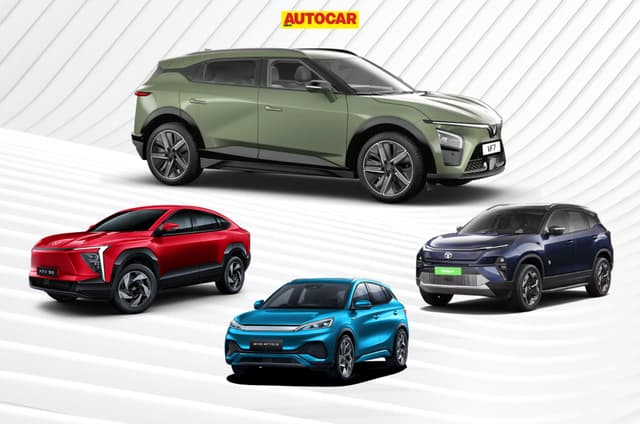
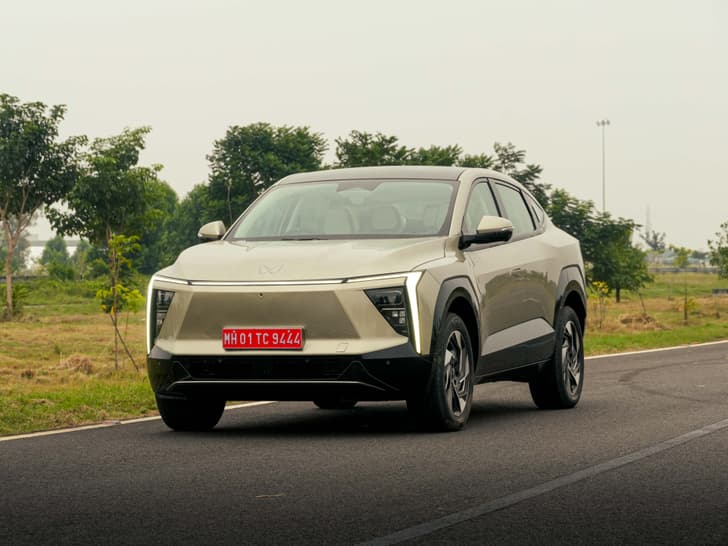
The Mahindra XEV 9e is an electric coupe-SUV built on Mahindra's new INGLO platform, and it went on sale in November 2024. It sits above the BE 6 as Mahindra's flagship electric SUV, and rivals models like the Tata Harrier EV, BYD Atto 3 and VinFast VF7. As per us at Autocar India, the XEV 9e is a real game-changer for Indian EVs. It is great to drive and is packed with tech. Plus, with a real-world range of over 450km on the 79kWh version, it can easily be the only car in the family.
Mahindra XEV 9e Key Features
Here are the main features you get on the XEV 9e, from the base variant to the top one.
Category | Key Features |
Battery and motor |
|
Charging |
|
Space and practicality |
|
Infotainment and tech |
|
Comfort and convenience |
|
Safety |
|
XEV 9e Road Test Findings
What we liked
- The 79kWh version is quick. It did 0-100kph in 7.45 seconds in our tests. Plus, overtaking with it is very easy.
- It is superbly refined. There is barely any road, wind or tyre noise in the cabin.
- The rear seat is wide enough for three adults, and the floor isn't raised. Therefore, you don't sit knees-up like in many EVs.
What we did not like
- The infotainment is cluttered and confusing. Plus, the basic controls like the AC and drive modes can be accessed through the touchscreen, which we found to be buried.
- Pressing the touch buttons on the steering wheel a little too hard sets off the horn.
- The view out of the rear window is very restricted.
- The boot floor and the edge you lift bags over are high, as the motor and spare wheel sit underneath.
Who Should Buy The XEV 9e?
Who it suits | Why it fits |
Families who want one car for everything | With a real-world range of 456km on the 79kWh version and lots of luggage space, we feel it can be the only car in the family, not just a city runabout. |
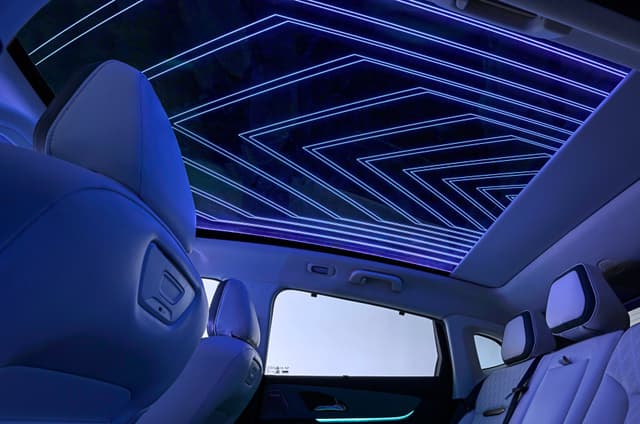
Buyers who love the latest tech | We found features on it that we have never seen on a car under Rs 50 lakh, like a glass roof that lights up in sync with your music, and the option to park the car from outside using the key (Remote Park Assist system). |
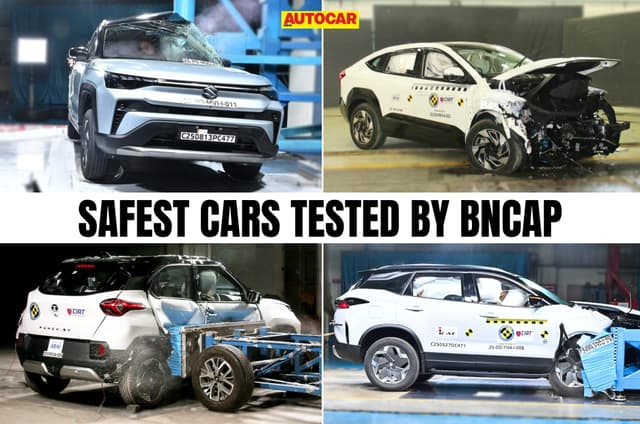
Safety-conscious buyers | It has received a 5-star safety rating from BNCAP, and in our experience, its ADAS is so well tuned for Indian roads that you don't feel the need to switch it off. |
The XEV 9e is less suited to those who can't charge at home. As they would have to rely on public chargers, and as per us, DC fast chargers that support its highest charging speed are still hard to find.
Mahindra XEV 9e Price Details
- Pack One 59kWh (base model): Rs 21.90 lakh (ex-showroom)
- Pack Two 79kWh (mid variant): Rs 26.50 lakh (ex-showroom)
- Pack Three 79kWh (top model): Rs 30.50 lakh (ex-showroom)
Mahindra XEV 9e Latest Updates
- July 2, 2026: Mahindra XEV 9e CineLuxe Edition adds Satin Desert Myst exterior shade option.
- March 1, 2026: Mahindra launches XEV 9e Cineluxe Edition at Rs 29.35 lakh; this special edition comes with a few cosmetic updates while maintaining a robust equipment list.
XEV 9e Specifications
522 km - 656 km
79 kWh
AC 11.7hrs (11.2kW) • DC 20min (140kW)
3 Years / 100000 km
5
286 hp
5
380 Nm
XEV 9e Highlights
5 Star BNCAP Rating
Fully Digital Instrument Cluster
79 kWh Electric Battery
Front Passenger Screen
LED Headlamps
Head-up Display
+4
5
Become an
Autocar Shopper
Unlock benefits up to ₹50,000 on XEV 9e
Unbiased buying guidance
Guaranteed lowest price
Priority car delivery
Offer valid till 15th November 2026
Mahindra XEV 9e price & variants
The XEV 9e comes in 5 variants across four packs: Pack One, Pack Two, Pack Three Select and Pack Three. The Pack One and Pack Three Select use the 59kWh battery, the Pack Three uses the 79kWh battery, and the Pack Two is offered with both. There is also a CineLuxe Edition, based on the Pack Three 79kWh, with cosmetic changes inside and out.
The Mahindra XEV 9e price in India starts at Rs 21.90 lakh for the base variant, Pack One 59kWh and goes up to Rs 30.50 lakh for the top variant, Pack Three 79kWh (ex-showroom). Meanwhile, the XEV 9e on road price in major Indian cities, like Delhi, Mumbai, and Chennai ranges between Rs 23.33 lakh to 32.49 lakh. If you are planning to buy the base variant of Mahindra XEV 9e on a loan, then in that case, the EMI will start at around Rs 33,787 per month.
Which XEV 9e variant should you buy?
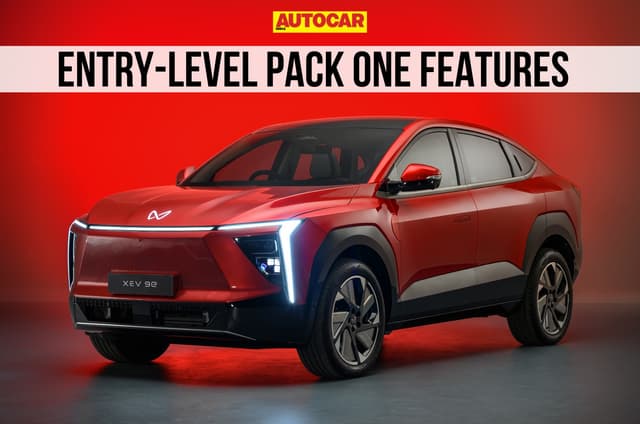
- If you want the most affordable XEV 9e, opt for the Pack One 59kWh variant. Though it gets all three screens, connected car tech and cruise control, it misses out on the glass roof and ADAS.
- If you want ADAS and the glass roof, pick the Pack Two 59kWh variant. It adds both, along with the Harman Kardon sound system, without pushing up the XEV 9e price too much.
- In case you want the bigger battery without spending much, go for the Pack Two 79kWh variant. It is the most affordable way to get the 79kWh battery and the 286hp motor.
- If you want ventilated seats and adaptive suspension, opt for the Pack Three Select variant. It also adds a 360-degree camera and seven airbags.
- If you want the fully loaded XEV 9e, opt for the Pack Three 79kWh variant. It is the only version with the augmented reality head-up display and the full five-radar ADAS suite.
Note: Under Mahindra's Battery-as-a-Service (BaaS) plan, the XEV 9e starts at Rs 13.90 lakh (ex-showroom), and you pay for the battery at Rs 3.75 per km.
Mahindra XEV 9e Expert Review
We like
Dazzling array of tech
Great to drive
World-class refinement
We don't like
Ergonomic flaws
Very restricted rear view
Confusing infotainment interface
7.0
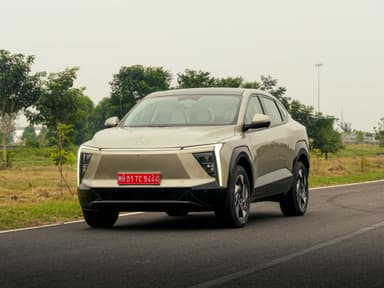
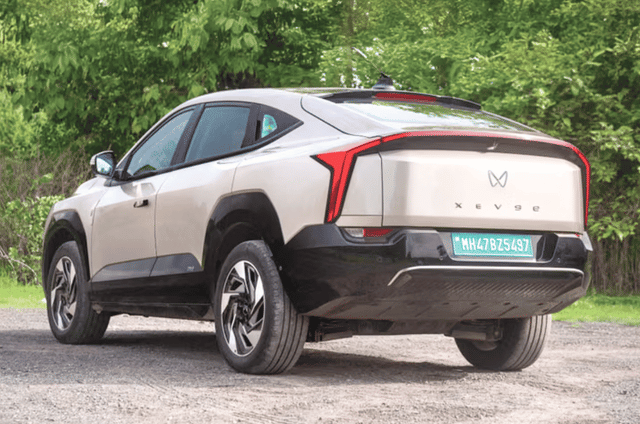
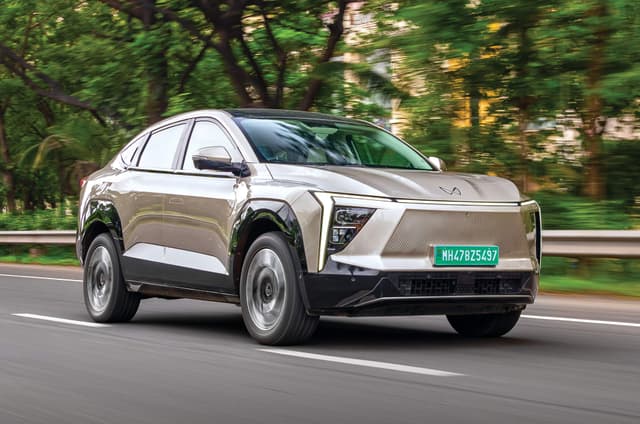
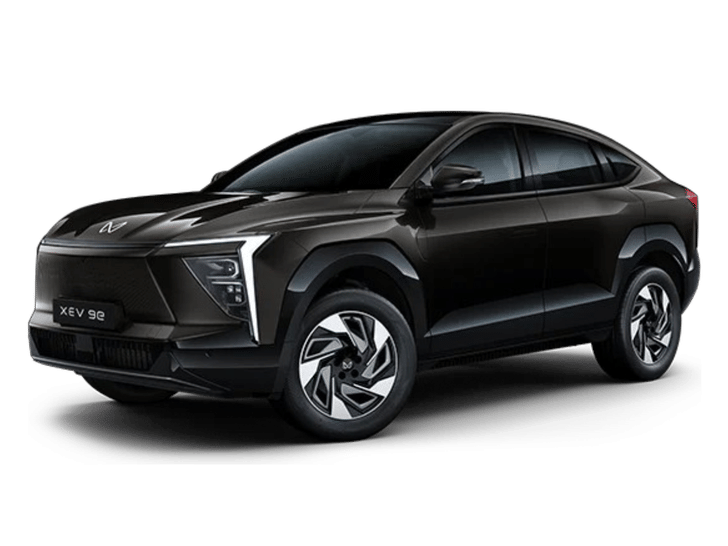
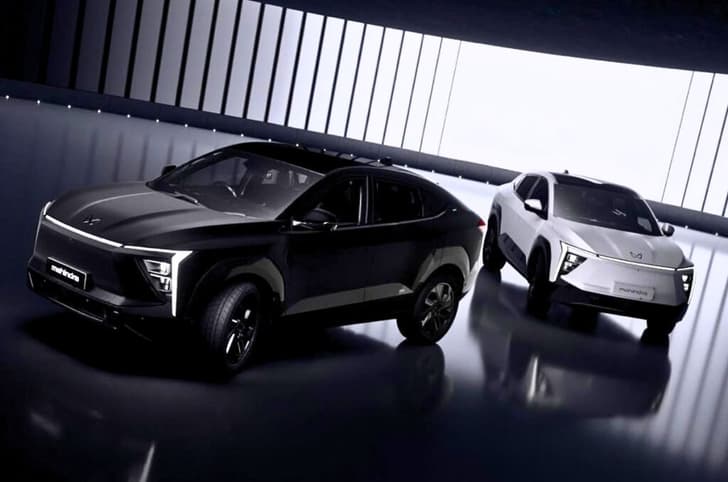
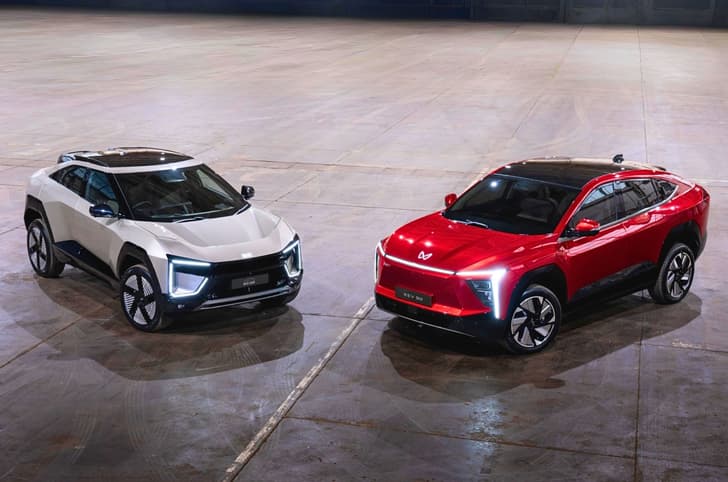
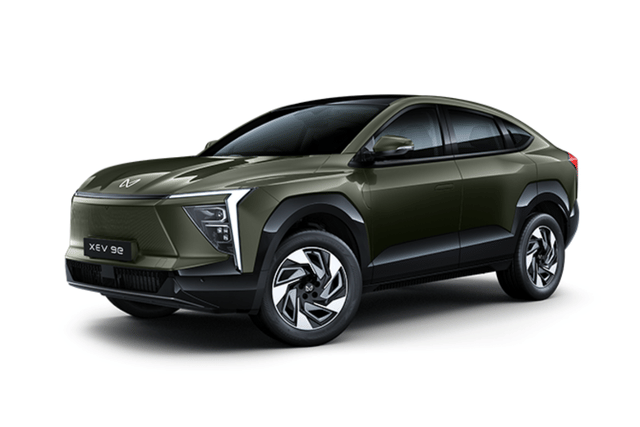
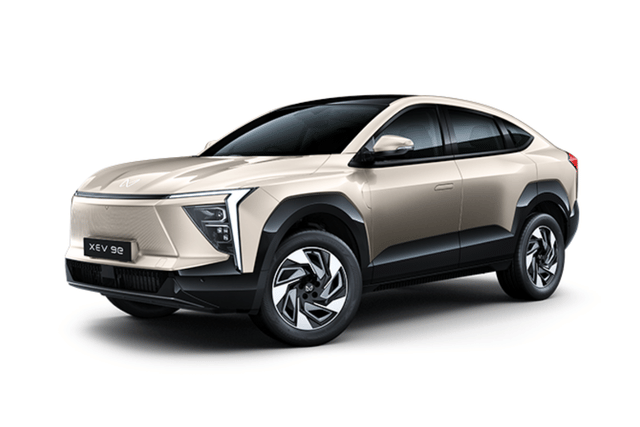
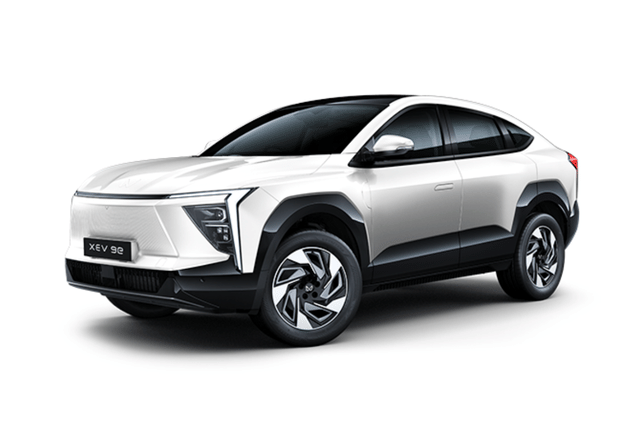
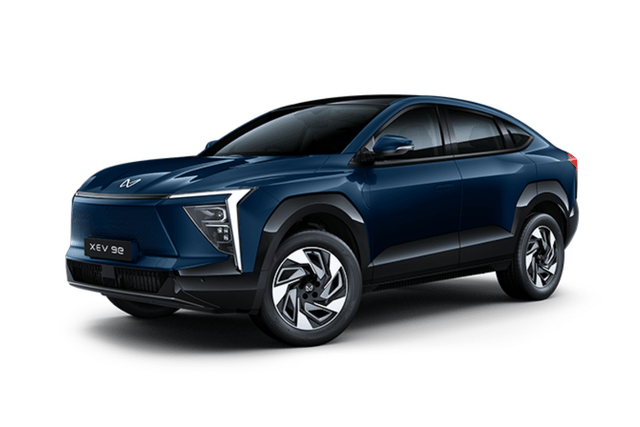
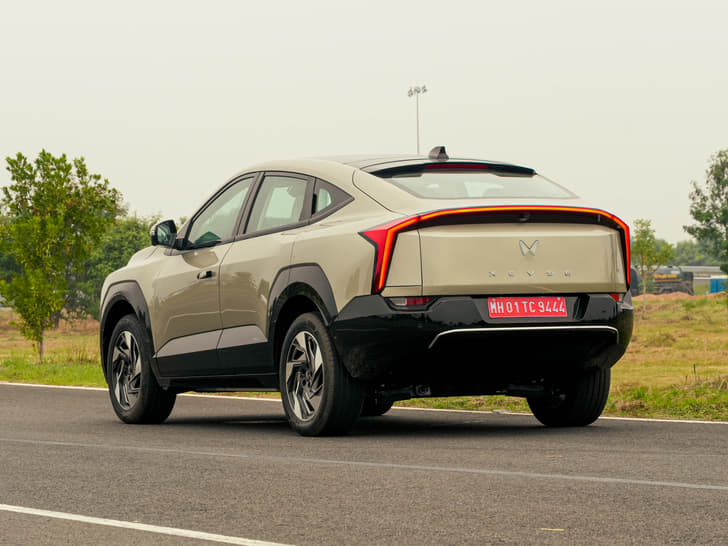
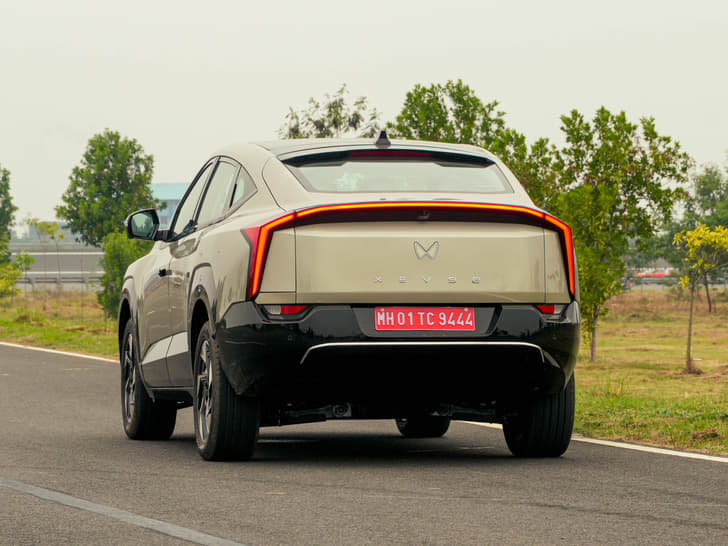
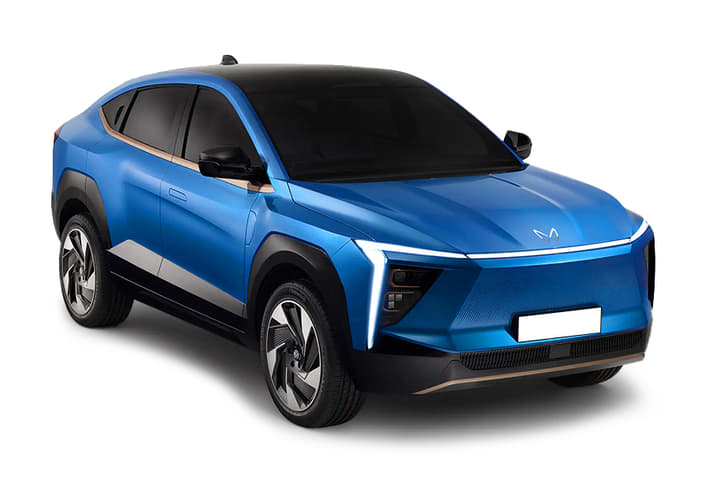
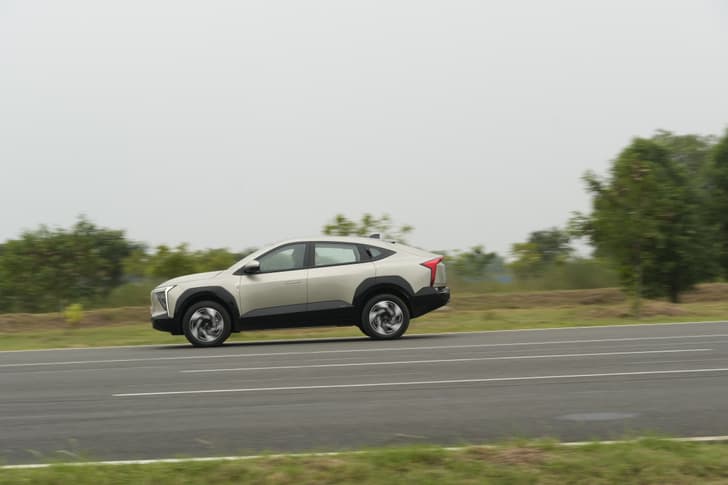
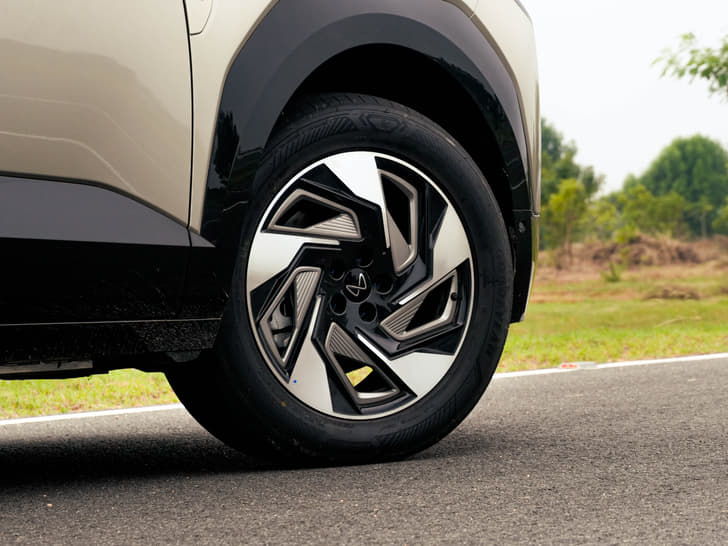
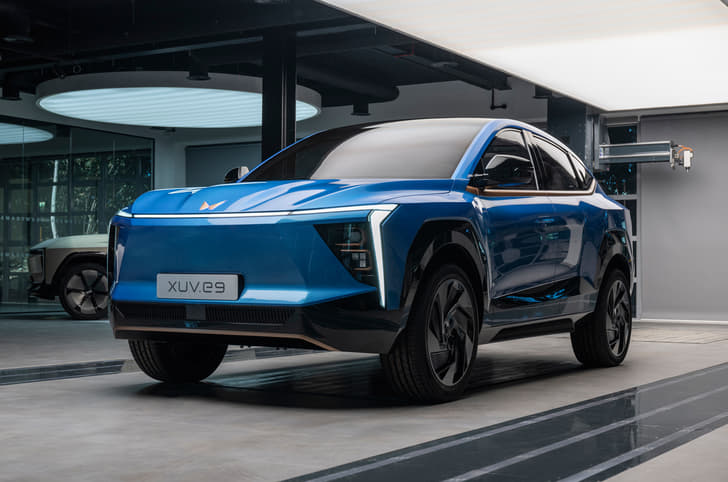
The XEV 9e resembles what a facelifted XUV700 might look like—muscular, angular, and new-age. At over 4.7 metres, the 9e is slightly longer than the XUV700. 19-inch rims are standard with 20 inchers available as an option. A coupe-SUV roofline and full-width LED tail lighting add drama and presence.
The powered tailgate has gesture control and opens to a 663-litre boot. While deep enough for large bags, it isn’t very tall. Under the bonnet is a 150-litre frunk, large enough for a few soft bags.
The 9e is a born-electric SUV, built on Mahindra’s new Inglo skateboard platform.
8.0
Wide-opening doors make entry to the cabin easy. Inside, the three-screen setup (digital dials, centre touchscreen, passenger screen), two-spoke steering, and new gear selector give a modern feel.
Front-seat comfort is good, and the rear seat is spacious with ample legroom and width. The flat floor helps the middle passenger, though headroom is tight for tall occupants due to the sloping roof.
10.0
Two battery options—59kWh and 79kWh — are on offer and power the rear-mounted motor. The motor produces 231hp when paired with the smaller of the battery pack and 286hp with the larger one. The 79kWh version offers strong performance and silent, refined driving. Drive modes let you fine-tune your experience.
9.0
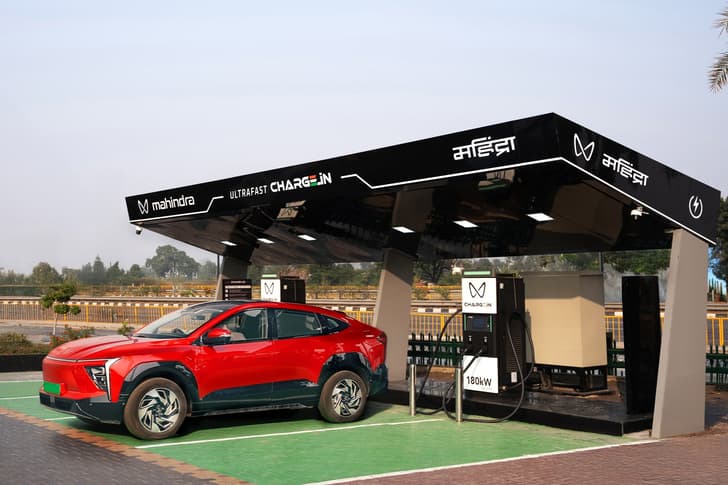
MIDC range is 542km (59kWh) and 656km (79kWh), with over 500km claimed real-world. It supports 7.2kW/11kW AC charging and 175kW DC fast charging for 20–80% in 20 minutes.
9.0
Large tyres and a well damped suspension absorb bumps well, lending a toughness to the large EV. High-speed handling is surprisingly agile and the experience is helped by a well weighted steering. Regen braking is included and one-pedal driving is easy to get used to.
9.0
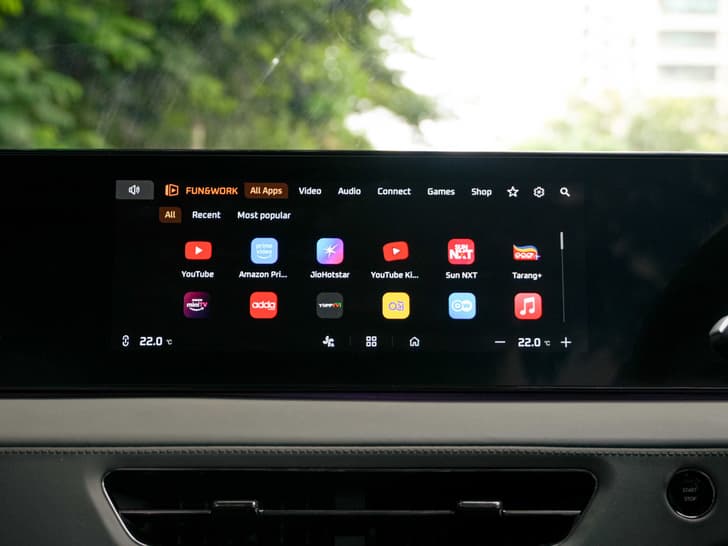
The XEV 9e comes loaded with features. The 12.3-inch digital dials are vibrant and versatile, displaying full maps, ADAS visuals, and side camera feeds. There’s also a head-up display with AR. The centre touchscreen is slick but cluttered and not intuitive in its layout. There’s also a dedicated screen for the front passenger. While it is a premium touch, the lack of a privacy filter is distracting for the driver. A 16-speaker, 1400W Harman Kardon system with Dolby Atmos and auto parking enhance the experience.
Safety-wise, the 9e boasts a full five-star Bharat NCAP rating. The safety suite includes seven airbags, ABS, ESC, hill controls, and ADAS using 12 ultrasonic sensors, five radars, and six cameras. The ADAS is well-calibrated for Indian conditions.
8.0
The Mahindra XEV 9e starts at Rs 21.9 lakh (ex-showroom), going up to Rs 31.25 lakh. It blends presence, comfort, and EV performance with a loaded feature set. The user interface needs polish, but the overall proposition is tempting enough to lure buyers from ICE SUVs.
Reviewed by: Nikhil Bhatia
Mahindra XEV 9e Official Brochure
Download the complete brochure with specs, features, and variants.
Mahindra XEV 9e User Reviews
Tell us about your experience
Mahindra XEV 9e reviews

Mahindra XEV 9e comparison


Mahindra XEV 9e EMI Calculator
Mahindra XEV 9e Range
As per Mahindra, the XEV 9e range is 522km for the 59kWh version and 656km for the 79kWh version on the MIDC cycle.
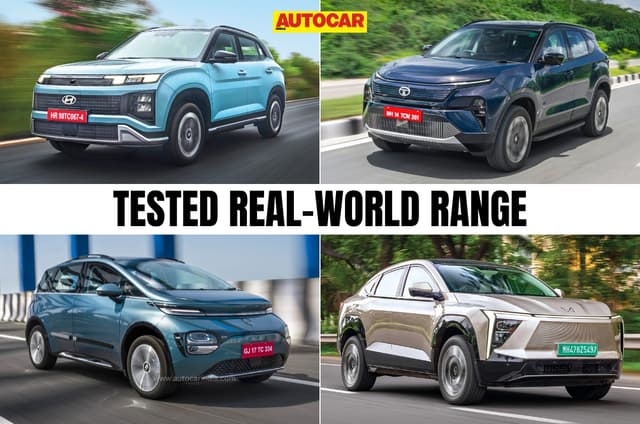
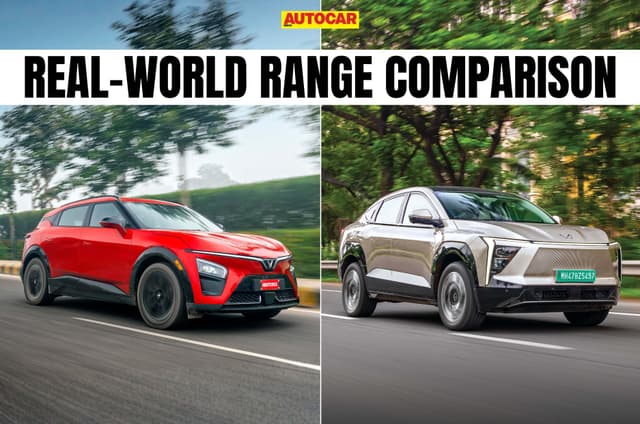
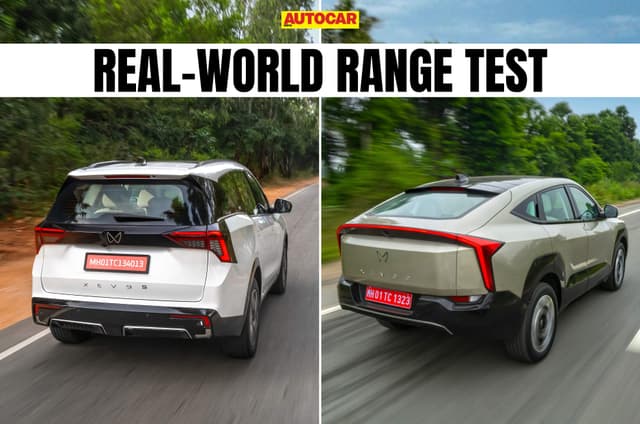
In our real-world tests, the 79kWh version covered 425km in the city and 488km on the highway, a combined range of 456km. That is not far off Mahindra's claim of over 500km in the real world. We haven't tested the 59kWh version yet, but we plan to do so and will update our findings here once we do.
| PowertrainThe combination of engine type, fuel, and transmission that powers your vehicle and determines how it drives and what it runs on. | ARAI RangeMileage certified by the government, tested under controlled lab conditions. Real-world mileage will vary. | User Reported RangeMileage figures are reported by vehicle owners and represent the approximate real-world efficiency you may experience. Actual mileage will vary based on driving conditions, habits, and vehicle condition. |
|---|---|---|
Electric-Automatic (Auto) 59 kWh | 522 km | 430 km |
Electric-Automatic (Auto) 79 kWh | 656 km | 430 km |
Hear from the
Autocar Community
Join the Discussions
Mahindra XEV 9e news
Mahindra XEV 9e Images
Browse through our XEV 9e images to see this coupe-SUV up close, across 48 photos. A few details are worth zooming in on:
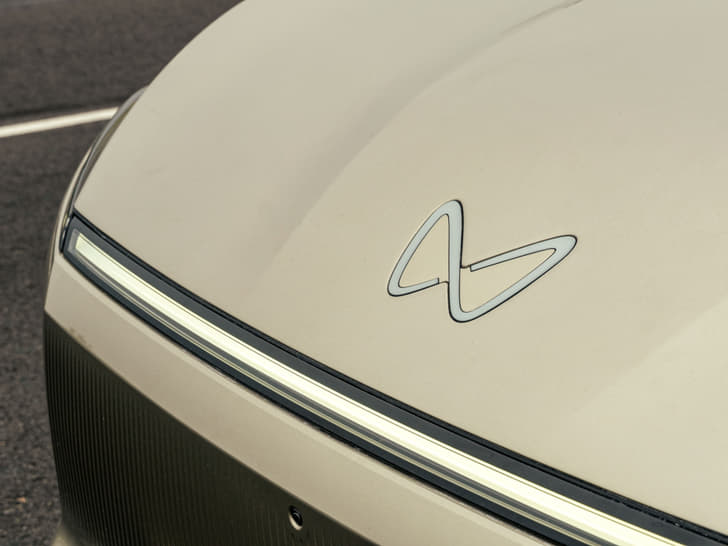
- The light bars that span the full width at the front and the rear
- The sloping coupe roofline, flush front door handles and rear handles hidden in the C-pillar
- The three 12.3-inch screens that stretch across the dashboard
- The 150-litre frunk under the bonnet

Mahindra XEV 9e videos
Our XEV 9e video gallery has 4 videos that show:
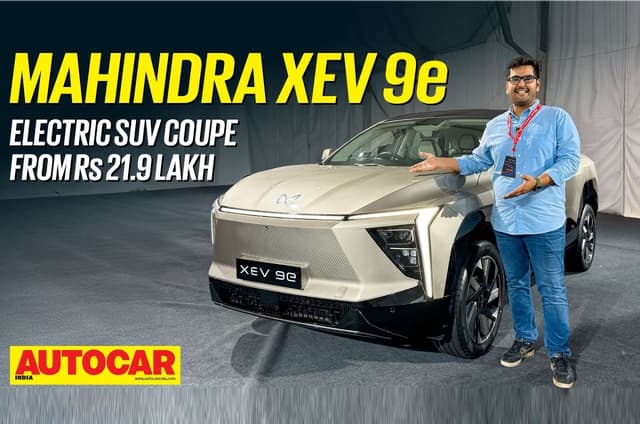
- A walkaround of the XEV 9e, covering its design and the tech-heavy cabin.
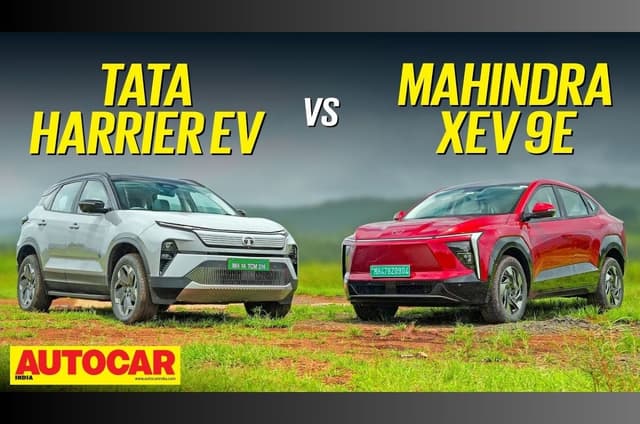
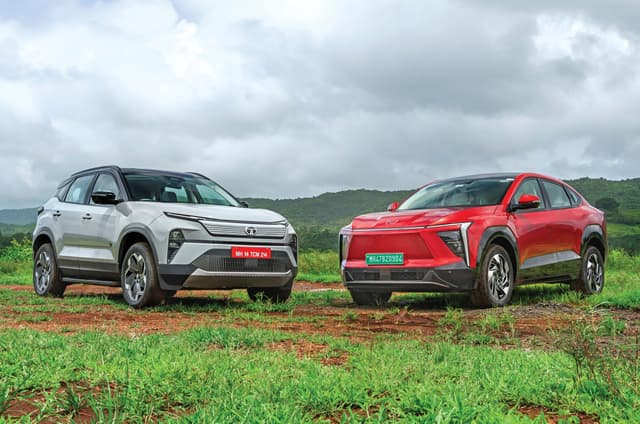
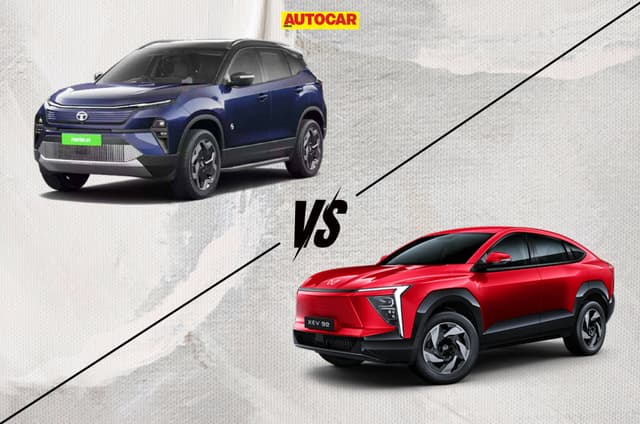
- How it compares with the Tata Harrier EV on ride, features and practicality.
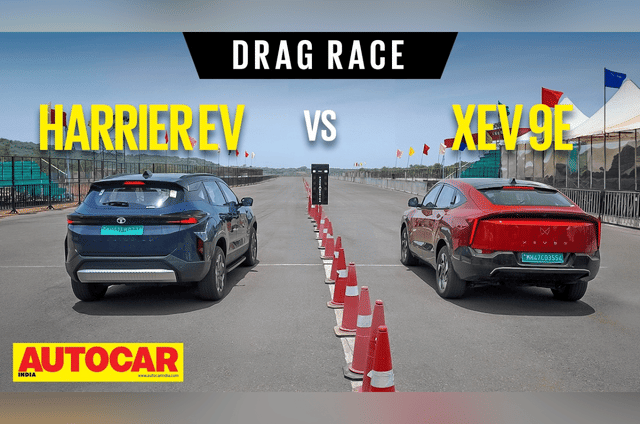
- How quick it is against the Harrier EV, in a drag race.
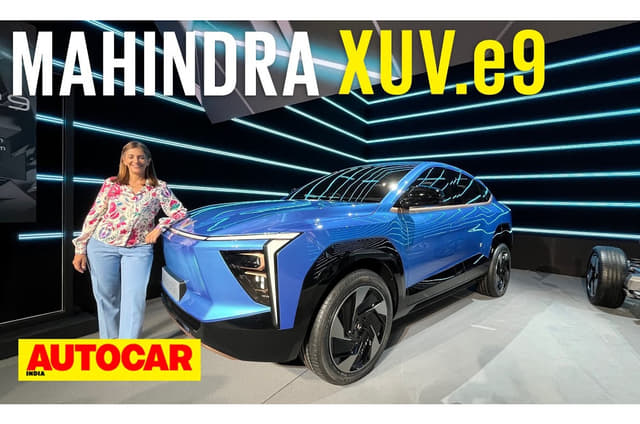
- The XUV.e9 concept that previewed its design.


Mahindra XEV 9e Colours
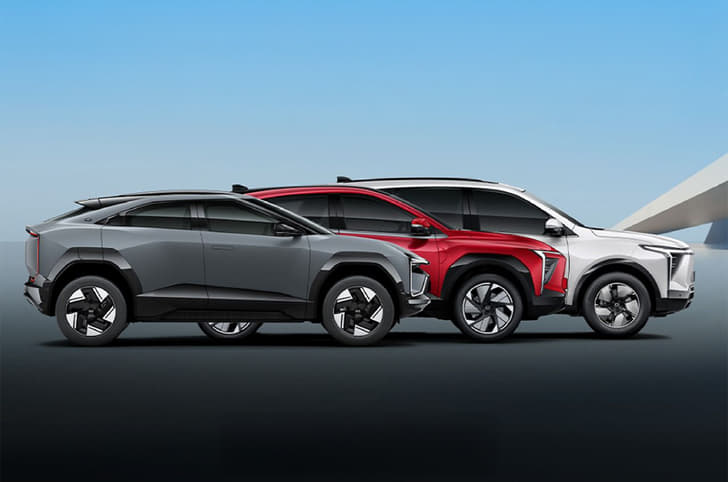
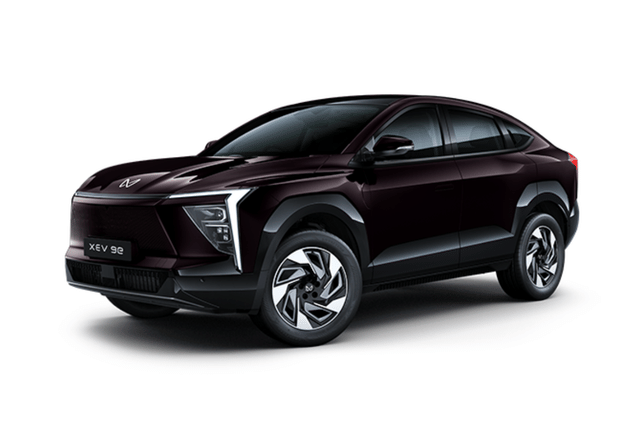
The Mahindra XEV 9e comes in 7 single-tone colours, and every pack can be had in all of them.
Colour | Notes |
Everest White, Stealth Black, Nebula Blue, Tango Red, Desert Myst, Deep Forest, Ruby Velvet | Offered on every pack |
Satin Desert Myst | Added to the CineLuxe Edition in July 2026 |
Mahindra XEV 9e Similar Cars to Explore
Mahindra XEV 9e FAQs
The XEV 9e price in India ranges from Rs. 21.90 lakh to Rs. 30.50 lakh (ex-showroom).
The Mahindra XEV 9e launch date is November 26, 2024, with deliveries starting from mid-March 2025.
Mahindra XEV 9e booking officially began on February 14, 2025.
The XEV 9e is available with two battery options: 59kWh and 79kWh.
The XEV 9e on-road price starts at Rs. 25.28 lakh (Delhi) for the XEV 9e base model (Pack One 59kWh). The XEV 9e top model costs Rs. 35.14 lakh for the (Pack Three Select 59kWh).
Mahindra XEV 9e is a 5 seater car.
XEV 9e offers 6 airbags in Pack One and Pack Two variants. Meanwhile, the Pack Three and Pack Three Select come with 7 airbags.
Yes, XEV 9e has ABS.
XEV 9e range for the 59kWh battery capacity is 542km, and for the 79kWh battery capacity is 656km.
The XEV 9e has 207mm of ground clearance.
Our testing shows that the real world range of the XEV 9e 79kWh is roughly 456km.
The Mahindra XEV 9e boot space is 663 litres, plus a 150-litre frunk.
Questions you may find useful
I am looking to buy a new EV for my daily office commute, which is roughly 100 km round-trip. My current ride is a Toyota Innova Crysta. While it is a reliable workhorse, I find it increasingly tiring for daily use. The constant body roll, low-speed bounciness, and typical ladder-frame wobble over uneven roads are wearing me down. I want to switch to a smooth, refined electric SUV. My usage will be a mix of self-driving and being chauffeur-driven. My absolute top priorities are: Ride Comfort & Stability: I need a car that glides over bad roads, handles speed bumps cleanly, and minimises vertical movement/head-toss. I want to avoid the wobbliness of the Crysta at all costs. Cabin Space: Generous legroom, good under-thigh support, and a spacious cabin environment are highly important. I am currently considering four upcoming/recently launched options, but I am torn between them: Mahindra XEV 9e, Mahindra XEV 9s, Tata Sierra EV, Tata Harrier EV. Given my 100 km daily run, battery efficiency is a factor, but comfort overrides everything else. Which of these four will offer the most stable, plush, and fatigue-free ride for someone moving away from an Innova Crysta? I do not intend to sell the Innova Crysta, as I want to keep it for the airport and family runs for long distance.
For your 100 km daily commute, with comfort and stability as the absolute priorities, the Tata Sierra EV is the top recommendation. This Tata car is built on Tata's Gen 2 EV architecture, which is a dedicated electric platform with a flat floor and a long wheelbase. This gives it a very stable, planted feel on the road, and the suspension is tuned for comfort, with a soft, absorbent ride that deals with bad roads, speed bumps and undulations far better than a ladder-frame vehicle like the Crysta. The Sierra EV also has a spacious cabin with generous legroom, good under-thigh support and a wide, airy feel, making it a genuinely comfortable place to spend long hours, whether you are driving or being driven. Also, its 75 kWh battery pack gives it a strong range, so you don't have to worry about recharging even on long trips. The Mahindra XEV 9e and 9s are both strong products, but they are not quite as plush or as settled. The Harrier EV has a redesigned floor pan, but it still doesn't feel as spacious or airy inside as the Sierra. The Sierra also has a larger boot compared to the Harrier. Given that you are keeping the Crysta for airport runs and long-distance family trips, the Sierra EV is the best fit for your daily commute. It is the most comfortable, the most stable and the most fatigue-free option of the four.
Spent the weekend comparing the BE 6 and XEV 9e on paper. Interesting how different they feel despite sharing the same platform underneath.
I currently drive a Jeep Compass Diesel 4x2 and want to change my vehicle within a budget of Rs. 25-30 lakh. My annual running is around 10,000 km, with most of my driving being in the city and 4-5 highway trips a year. Please suggest whether I should go for an EV, petrol or diesel. I have shortlisted the following models: Mahindra XUV 7XO, Mahindra XEV 9e, Toyota Innova Hycross, and Kia Seltos Or is there any other option I should consider? Please suggest.
Assuming that you can arrange for home charging, given that you've shortlisted the Mahindra XEV 9E, it is the one to go for. It packs in strong performance, this Mahindra car is comfortable, and despite its size, it is surprisingly easy to drive. With home charging, your running costs will be very low. And finally, with a real-world range of 450-500km, as well as its ultra fast charging capability, the XEV 9E is a good choice for those occasional highway drives too.If you're keen on getting a petrol-automatic, the Mahindra XUV 7XO and Kia Seltos are options you must certainly consider.
Hello Autocar, I'm planning to buy an EV with a budget of around Rs. 20-22 lakh (ex-showroom). Although I can stretch it a bit if it's worth it. The models that I'm currently considering are Tata Sierra Adventure 75, Tata Harrier EV Adventure 65 and Mahindra XEV 9e 59 kWh (base variant). My usage will be around 70% city driving. I also own a 2025 Hyundai Creta Petrol CVT, so I'm looking for an EV that genuinely feels like an upgrade rather than just a different powertrain. Among these, I liked the XEV 9e the most, but I'm a bit concerned about the long-term practicality and battery life of the 59 kWh pack, since it's the smallest battery among the three. Which one would you recommend, and is there any other EV in this price range that I should consider?
Go for the Mahindra XEV 9e 59 kWh. It is the most complete electric car from the ones you're considering and will genuinely feel like an upgrade over your Creta. The Sierra and Harrier EV are good cars, but the XEV 9e feels more premium, more modern and more sorted as an overall package. Going for the smaller 59 kWh battery should not be a concern since it is still a large pack, and Mahindra’s battery management system is well engineered. The car is also more efficient than the Tata EVs, so real-world range is not as far behind as the numbers would suggest. The only reason to stretch to the larger battery is if you regularly do very long highway runs. For your 70% city usage, the 59 kWh pack is more than sufficient. The Sierra EV is the better Tata EV, but the XEV 9e is the better car overall.
Totally confused between XUV 7XO diesel auto and XEV 9E. My yearly usage is 10 to 15k kms. My usage will be primarily as a 5-seater. Among these two, which car has better ride and handling?
Pick the XUV 7XO diesel automatic for the better ride-handling balance. Over broken roads and big speed breakers, it stays calmer, and with five on board, it keeps its composure without that side-to-side bob you often feel in heavier SUVs. At highway speeds, it tracks straight, the steering has a natural weight, and body control feels more reassuring when you need to change lanes or brake hard.The XEV 9e does feel flatter through bends thanks to the battery’s low position, so quick direction changes are tidy, but its extra weight makes sharp edges and patchy city tarmac come through more firmly, and the braking feel is less consistent. On a long drive with family and bags, the Mahindra diesel’s suspension tuning feels more relaxed and confident.One caveat. In city traffic, the XEV 9e is quieter and smoother, so if most of your 10-15k km each year are short urban runs, you might enjoy that. But for mixed use as a five-seater, the XUV 7XO rides better and feels more secure.
Upcoming Cars


Mahindra Cars


Trending Cars


Latest Cars


Last Updated on: 30 Oct 2026