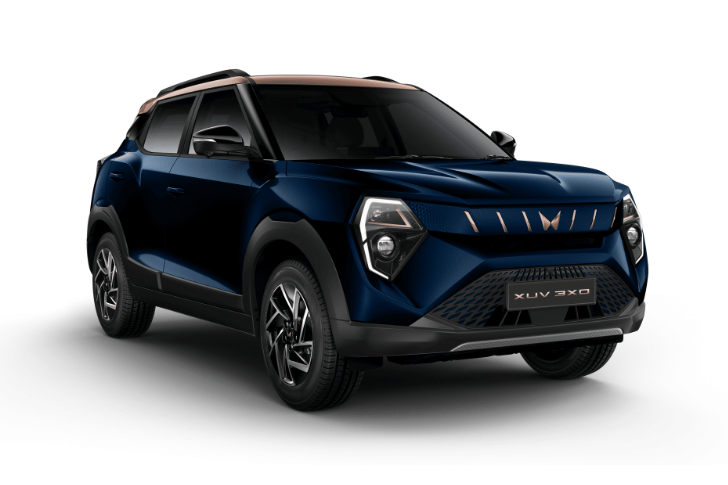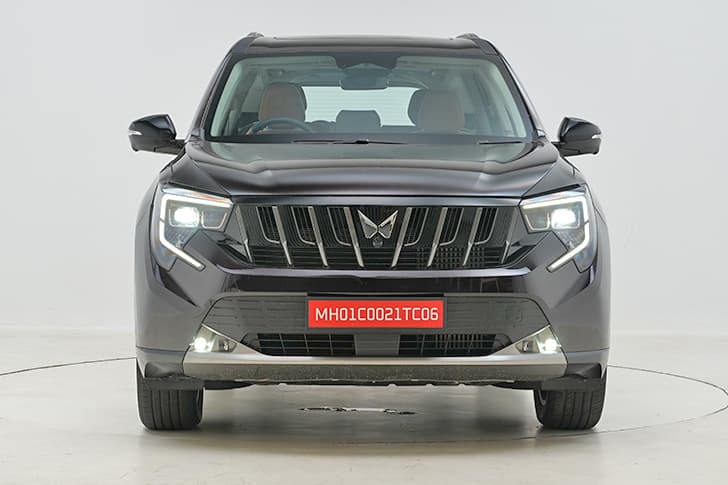




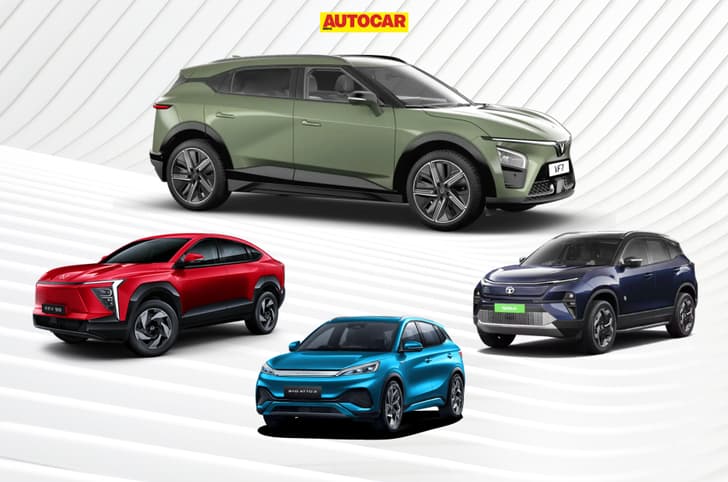
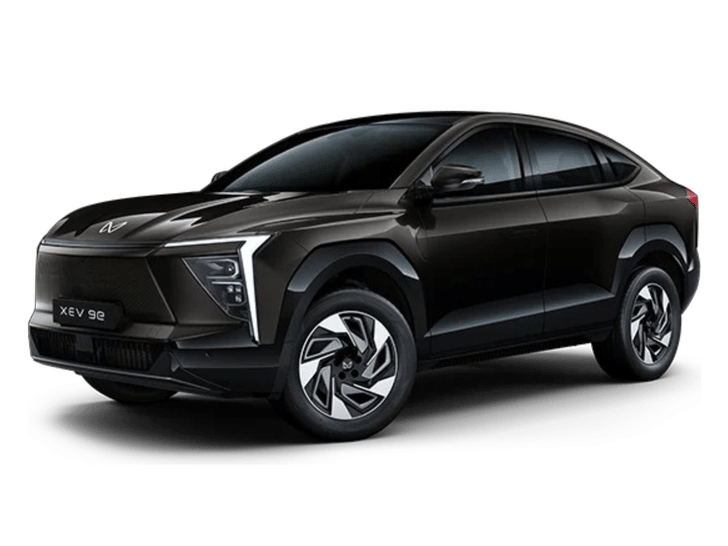
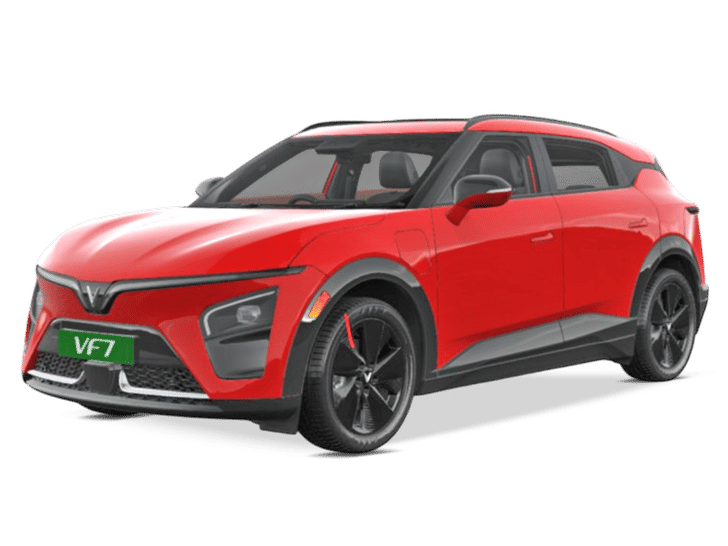
The Vinfast VF7 is one of the Vietnamese EV maker’s inaugural models for the Indian market, and it sits at the pinnacle of its line-up. Vinfast has priced the VF7 quite aggressively, allowing it to take on electric SUVs like the Mahindra XEV 9e, Tata Harrier EV and BYD Atto 3. We’ve pitted the flagship Vinfast against its rivals on paper to see how competitive an offering it is.
2025 Vinfast VF7 vs rivals: Price
VF7 is the most affordable electric SUV here.
*Prices are exclusive of home charger and installation costs.
The VF7 prices in India start at Rs 20.89 lakh and top off at Rs 25.49 lakh, making it the most affordable option in this set. It undercuts the Harrier EV’s starting price by Rs 60,000, the XEV 9e by Rs 1 lakh and the fully imported Atto 3 by a whopping Rs 4.10 lakh. The difference between the top-end variants, meanwhile, stretches up to Rs 8.50 lakh in the VF7’s favour.
2025 Vinfast VF7 vs rivals: Battery and range
Keeping top-spec variants in mind, VF7 is the most powerful SUV here.
Two batteries are on offer for the VF7: a 59.6kWh unit in the base Earth variant and a 70.8kWh pack in all other trims. These are comparable with the XEV 9e’s battery options, while the Harrier EV offers the largest battery pack for lower variants. However, the VF7’s maximum powertrain output of 350hp and 500Nm comfortably places it as the most powerful electric SUV here. Vinfast quotes a 0-100kph time of 5.8 seconds for the top-end VF7 Sky trim, which is also quicker than the rest.
Harrier EV and VF7 uniquely offer AWD.
Notably, the VF7 and Harrier EV are the only SUVs here to offer all-wheel drive, albeit in their top-spec trims only. It’s worth noting, though, that the Harrier EV’s AWD system is much more off-road-centric than that of the VF7, offering features like six terrain modes, low-speed cruise control, a 540-degree camera view, and more.
VF7 claimed range is middle-of-the-road compared to rivals.
Coming to range, the VF7 ekes out a maximum claimed figure of 532km in its Wind variants, which falls short of the Harrier EV’s 627km and the XEV 9e’s 656km figures. Interestingly, the base Atto 3 delivers a 30km higher claimed range compared to that of the VF7’s entry-level Earth variant, but the latter pulls ahead by up to 11km in higher trims.
2025 Vinfast VF7 vs rivals: Charging speeds
Goes from 10 to 70 percent in as little as 24 minutes with a DC charger.
The VF7 supports up to 7.2kW AC charging and up to 110kW DC fast charging, with the latter achieving a 10 to 70 percent charge in 24 minutes for the 59.6kWh battery and in 28 minutes for the 70.8kWh unit. Vinfast has yet to reveal AC charging speeds for the VF7, but the SUV’s DC charging speed is largely comparable to that of the Harrier EV. The XEV 9e remains the quickest in this regard, while the Atto 3 is the slowest.
What community is saying on the XEV 9e?
2025 Vinfast VF7 vs rivals: Dimensions
VF7 has the longest wheelbase and the tallest height.
Though the VF7 is shorter than the Harrier EV and XEV 9e, it has the longest wheelbase here by a margin of up to 120mm, which bodes well for interior space. The Vinfast SUV also sits taller than the rest by up to a whopping 275mm, despite its ground clearance being on the lower side. Compared to the Atto 3, the VF7 is larger on every single front.
Only the XEV 9e’s boot is larger than that of the VF7.
Coming to boot space, the VF7 has a 537-litre boot, which only falls short of the XEV 9e’s cavernous 663-litre load volume. The Atto 3’s boot space stands at 440 litres, and though Tata claims a 502-litre volume for the Harrier EV, it isn’t comparable to the others as it’s measured up until the roof as opposed to the usual parcel-tray level.
VF7 and Atto 3 have no frunk.
However, the VF7 takes a blow in the frunk department, as it actually doesn’t have one, and neither does the Atto 3. The Harrier EV offers frunk space of up to 67 litres, and the XEV 9e yet again leads the pack with a 150-litre volume.
All prices are ex-showroom, India.



 Uday Singh
 Glenn Noronha
 Dipan Sur