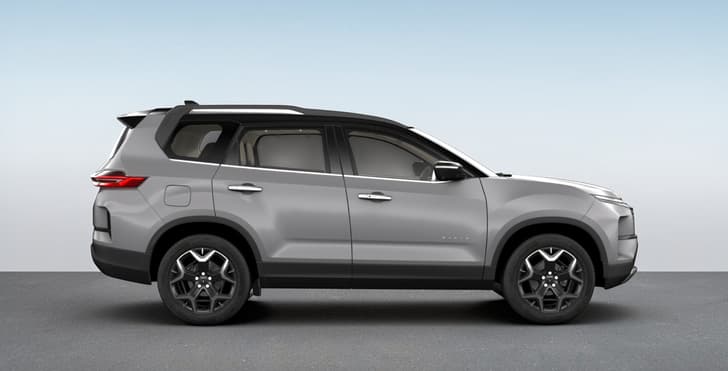
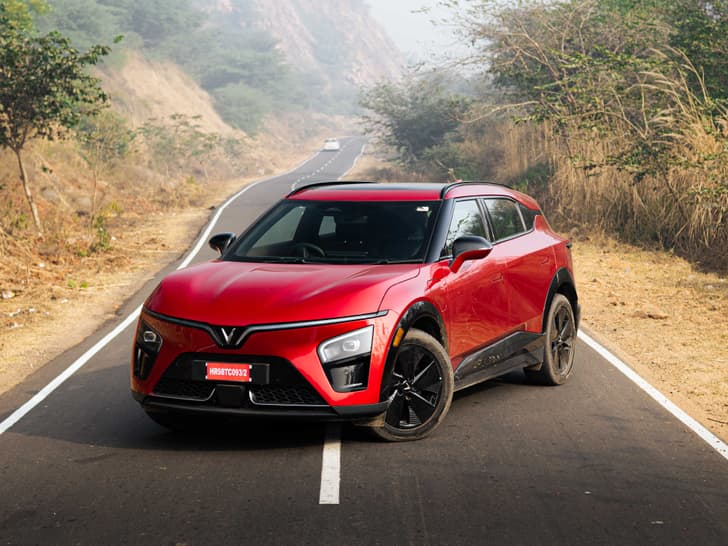
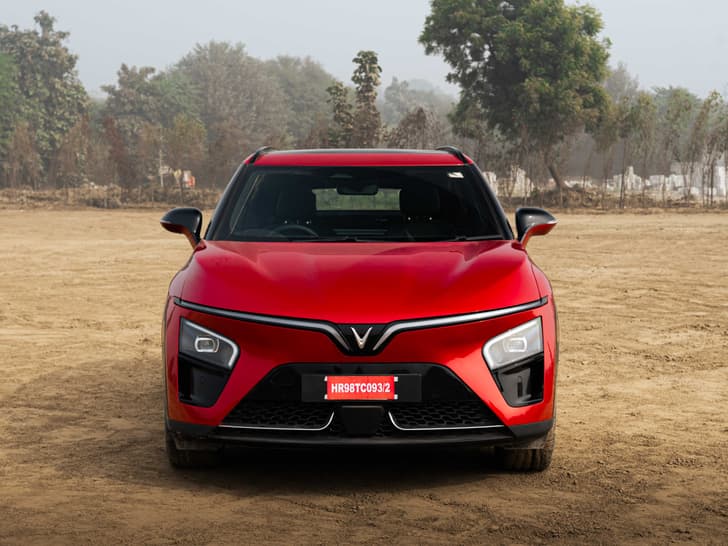
VinFast VF7, BE6, or PE?


Last Updated on: 13 Oct 2026
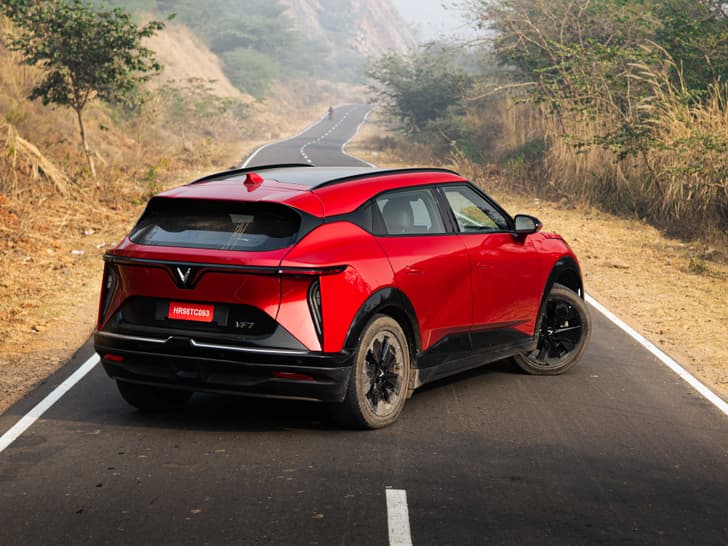
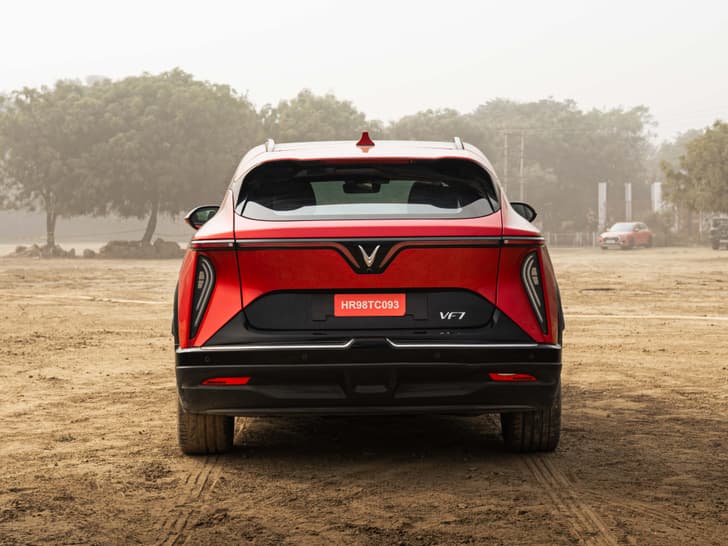
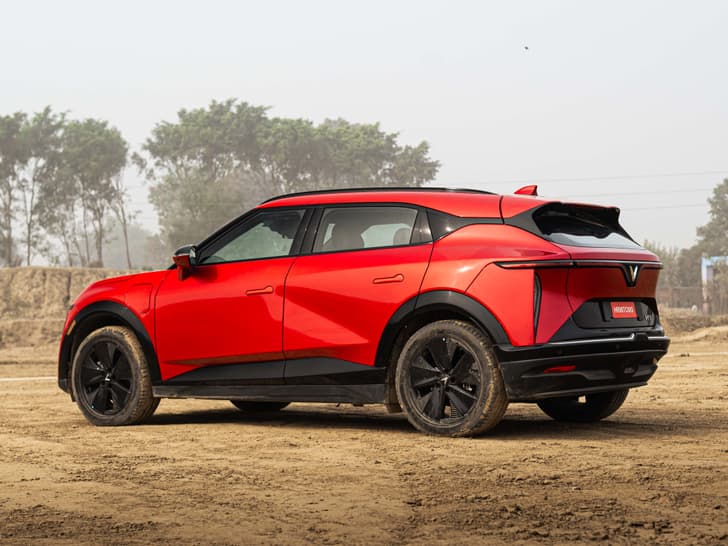
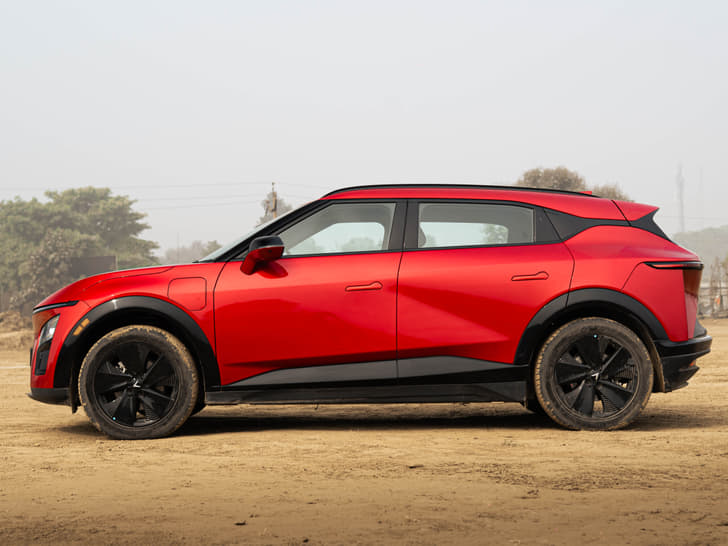
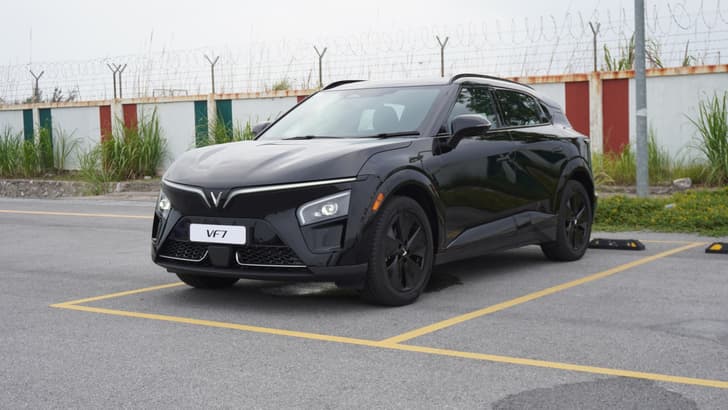
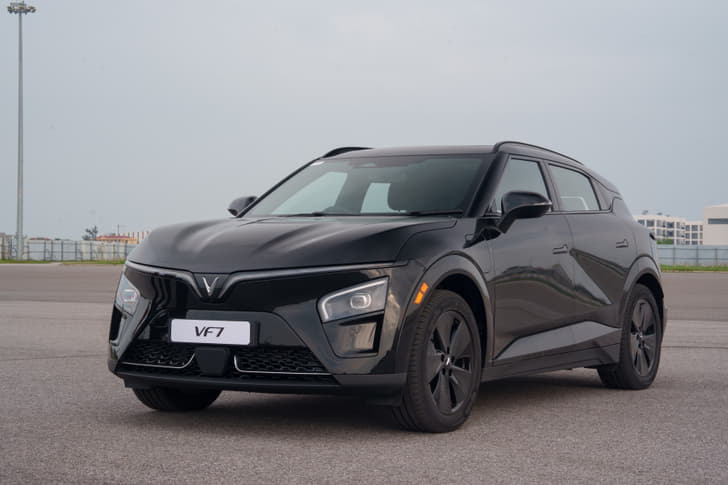
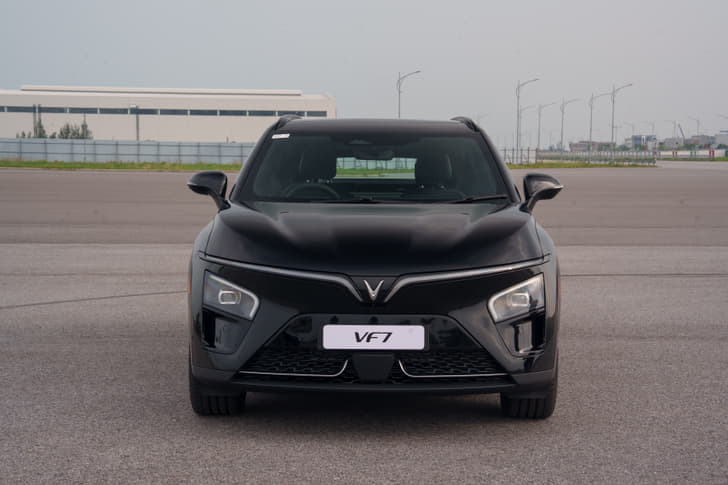
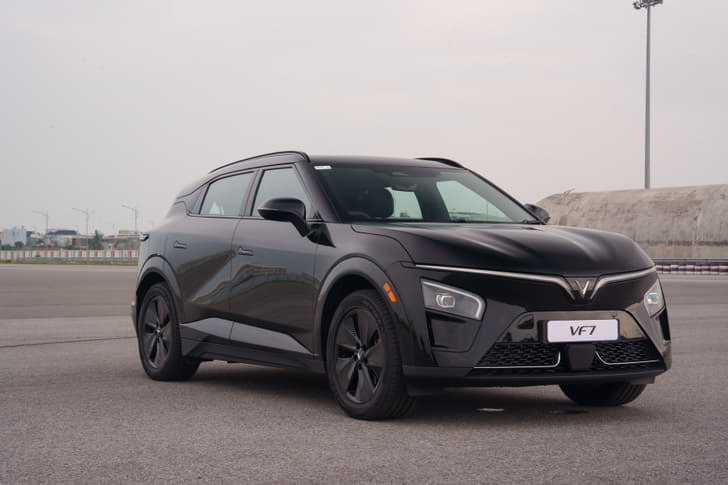
Fuel Type/ Propulsion | Electric |
Motor Type | Permanent Magnet Synchronous Motor |
Pure Electric Driving Mode | Yes |
Gearbox Type | Auto |
Number of Gears | 1 |
Manual Shifts via Gear Lever on Automatic Gearbox | No |
Paddle Shifters for Automatic Gearbox | No |
Sport Mode for Automatic Gearbox | Yes |
Drive Layout | Front Wheel Drive |
Lockable Differential/s | No |
Max Motor Power | 177hp |
Max Motor Torque | 250Nm |
Auto Start/Stop | No |
Battery Capacity | 59.6 kWh |
Charging Time | 24 min 10% to 70% (100kW DC) hrs |
Claimed Range | 438 km |
Autocar Tested EV Range | 390.11 km |
0-100kph | 9.5 s |
Front Suspension Type | Independent, MacPherson Strut |
Front Springs | Coil Springs |
Rear Suspension Type | Independent, Multi-link |
Rear Springs | Coil Springs |
Damper Control | No |
Ride Height Adjust | No |
Type of Power Assist | Electric |
Steering Adjust type | Manual |
Steering Adjust | Tilt and Telescopic |
Front Brakes | Discs |
Rear Brakes | Discs |
Wheel Size | 19 inches |
Wheels | Alloys |
Spare Wheel | No |
Length | 4550 mm |
Width | 1893 mm |
Height | 1596 mm |
Wheelbase | 2840 mm |
Ground Clearance | 190 mm |
Kerb Weight | 2090 kg |
Boot Capacity | 537 litres |
Doors | 5 |
| Power Windows | Front and Rear |
| Acoustic Windshield | |
| Powered Tailgate | |
| Bluetooth Connectivity | |
| Power Windows with One Touch-Down | All |
| Digital Instrument Cluster | Fully Digital |
| Airbags | 7 |
| Impact Sensing Auto Door Unlock | |
| Rear Cross Traffic Alert | |
| Overspeed Warning | |
| Passenger Airbag | |
| Speed Sensing Door Lock |
| Body Coloured Bumpers | |
| Follow Me Home Headlamps | |
| Pop-Out Door Handle | Auto |
| Projector Headlamps | |
| Door Handle Finish | Body Coloured |
| LED DRLs |
| Speedometer | Digital |
| Tachometer | Digital |
| Trip Meter | |
| Average Fuel Consumption | |
| Average Speed | |
| Distance to Empty |
| Audio System | |
| Front USB port | Type A |
| Speakers | 6 |
| CD Player | |
| Branded Music System | |
| USB Input |
| Remote AC On / Off via App | |
| Over the air (OTA) updates |
 Blind Spot MonitorFully Digital Digital Instrument ClusterPhone-based Satellite NavigationOver the air (OTA) updatesFront Only Ventilated SeatsAdaptive Cruise ControlPowered TailgateWireless Phone ChargingRoof RailsLane Departure AvoidanceFixed Glass SunroofAdaptive Cruise ControlPowered TailgateWireless Phone ChargingRoof RailsHeads Up DisplayHands-free Boot OpeningElectric Adjust for Front Passenger's SeatAdaptive Cruise ControlPowered TailgateImpact Sensing Auto Door UnlockFixed Glass SunroofAdaptive Cruise ControlPowered Tailgate8 Speakers
Join the Discussions
I am planning to buy a VinFast VF7 with the 70.8kWh battery pack. However, after going through various online videos of users reporting serious issues such as paint chipping, suspension leaks, dashboard cracks and inefficient service support, I am having second thoughts. The trouble is that options such as the Mahindra BE 6 and XEV 9e also have user-reported issues, particularly around software. Is buying an EV in the Rs 25-30 lakh price range risky? If not, which would you choose between the VF7, BE 6 and XEV 9e? There will be three rear passengers.

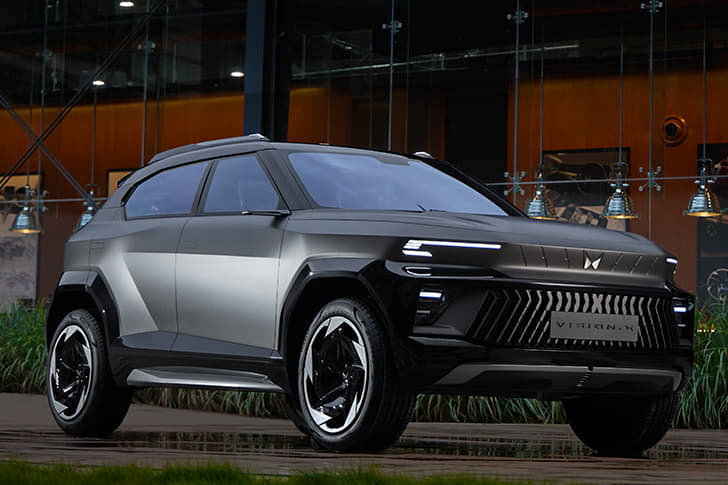
 Vinfast VF7Mahindra BE 6 SporteqMahindra XEV 9e
Looking to buy a new EV in the Rs 24-25 lakh range. I have shortlisted the Tata Sierra EV and VinFast VF7. My expected running is around 1,200km per month, with about 75% city use. Which of these is more likely to offer a fuss-free experience in terms of running and service? I am not too bothered about features, but safety and reliability are important. Both options seem sorted on the former, but I am not clear on the latter.
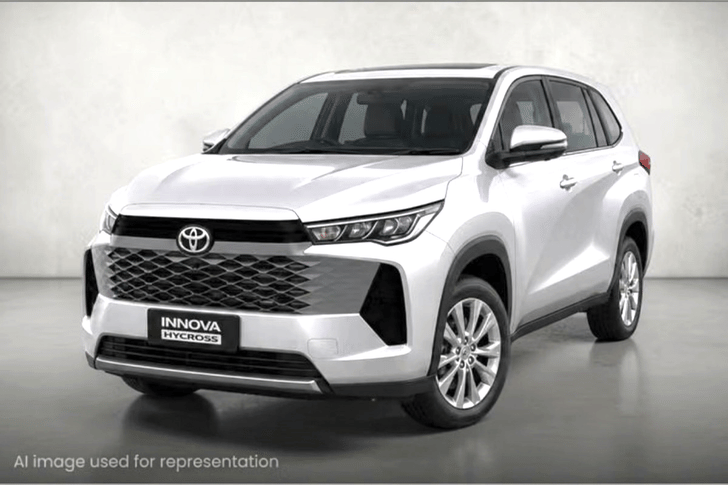
Tata Sierra EVTata Punch EVTata Nexon EVVinfast VF7I drive around 50-60KM AVRG per day , so what car do you recommend me , i already own a skoda rapid 1.6tdi 2013 model and a innova crysta 2.4v 2022 model , and looking into a daily driver in ev segment and needs to suit my family of 4 , the car i looked into was vf6 , vf7 , xev9e , mg zs ev. Should i go ahead with the xev9e or the the above mentioned cars or should i wait for the Tata siera launch ?
Between the VinFast VF7 and the BYD Atto 3, which would be the safer ownership choice in India, considering service network, parts availability, and long-term support?
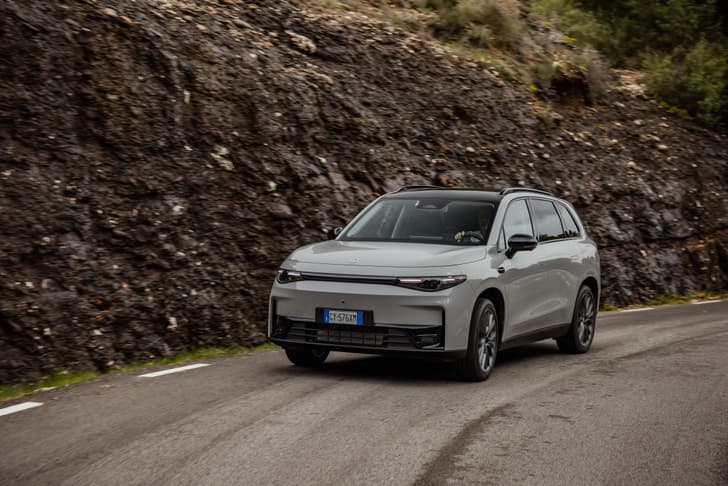
Vinfast VF7BYD Atto 3Which would be the better choice among the BYD Sealion 7, Mahindra XEV 9e, and Vinfast VF7? I currently own a Skoda Superb, which is 6 years old, and my ownership experience has been good so far. However, I am considering switching to an EV as a replacement, mainly because I am concerned about potential mechatronics-related repairs and higher maintenance costs as the car ages, even though I have not faced any issues yet. My heart says the BYD Sealion 7 would be the ideal replacement or upgrade for the Superb because of its build quality, premium cabin, and overall feel. However, my mind wonders whether it truly offers good value for money considering its premium price tag, although budget is not a major constraint for me. My daily driving is around 20-30 km, mostly within the city, with only occasional outstation trips. Considering my usage pattern and expectations, which of these EVs would you recommend?
BYD Sealion 7Skoda SuperbMahindra XEV 9eVinfast VF7