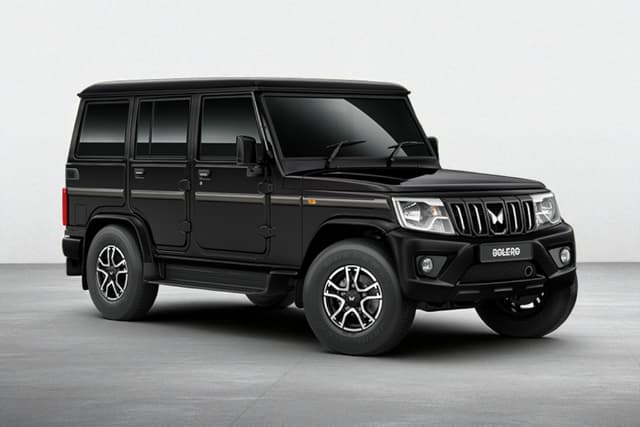
Mahindra cars in India (18)
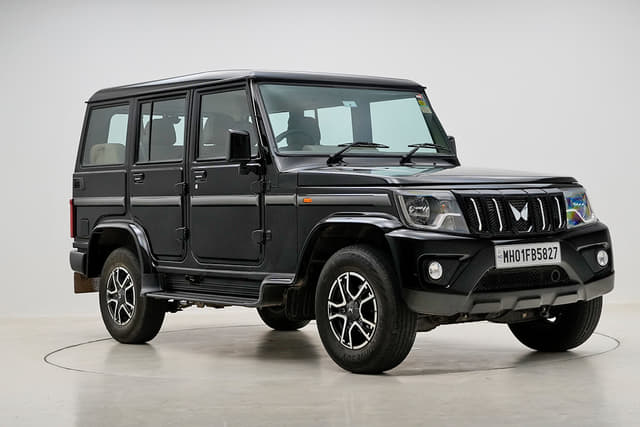
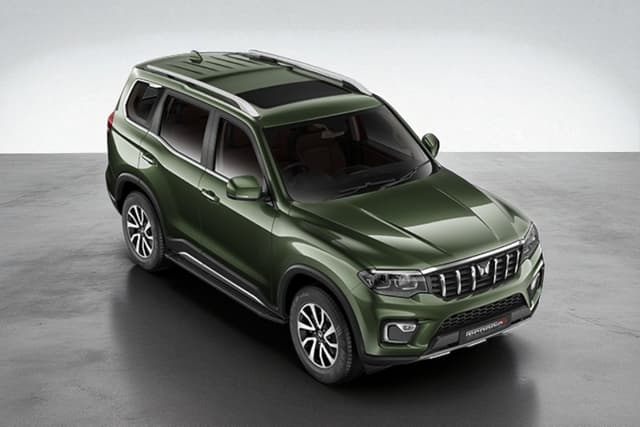
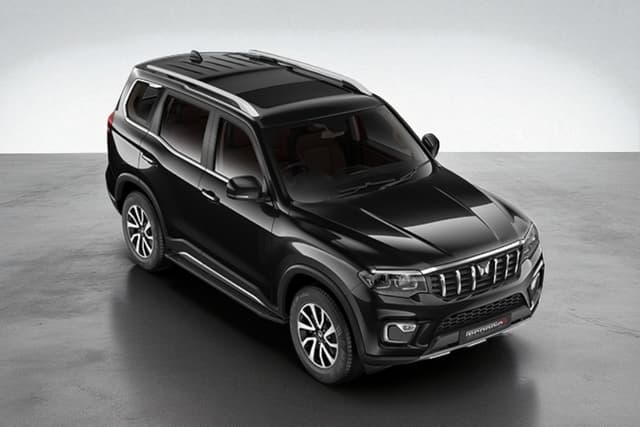
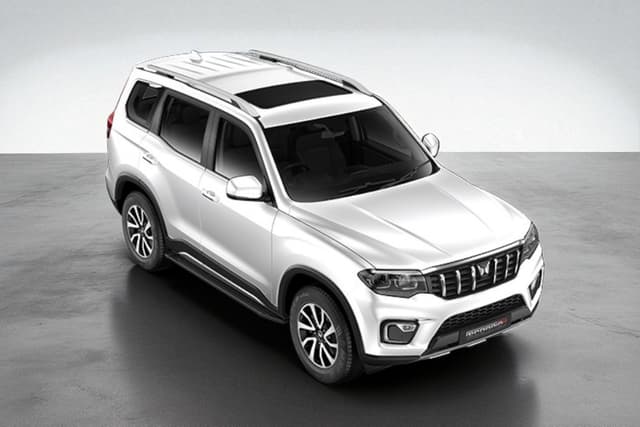
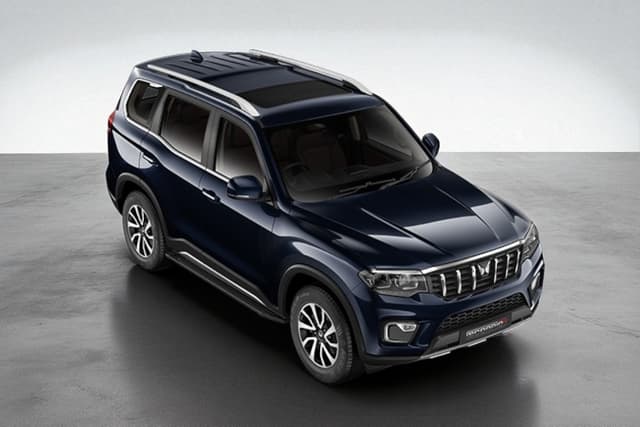
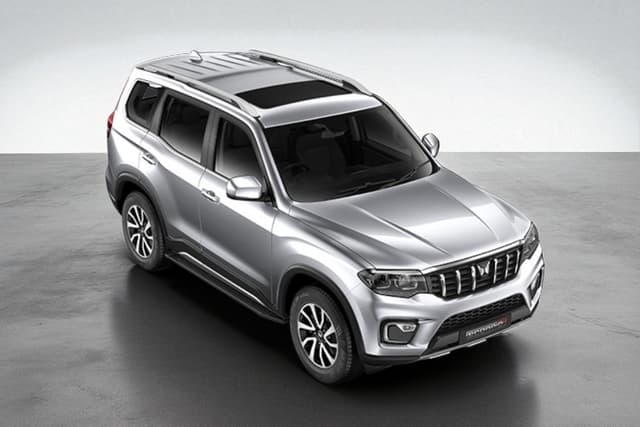
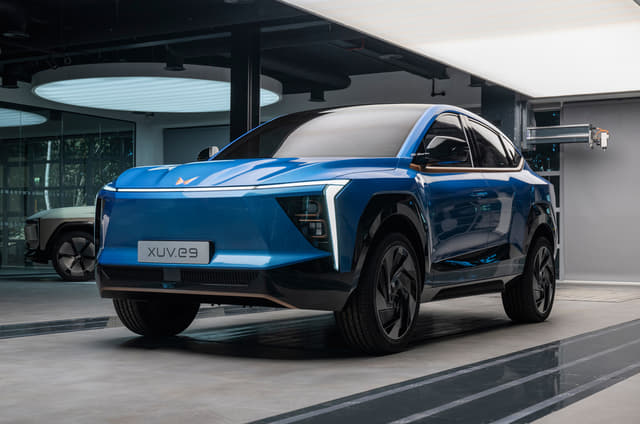
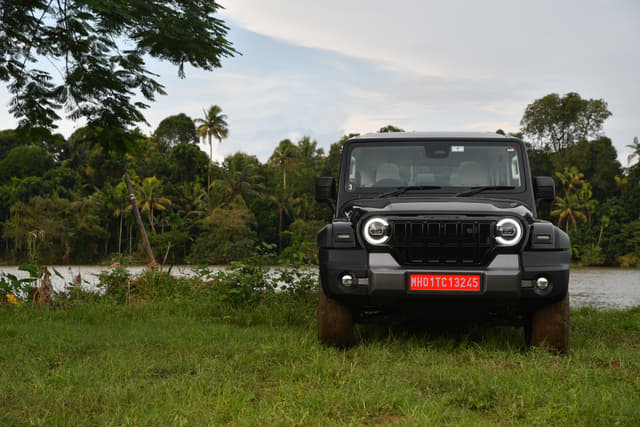
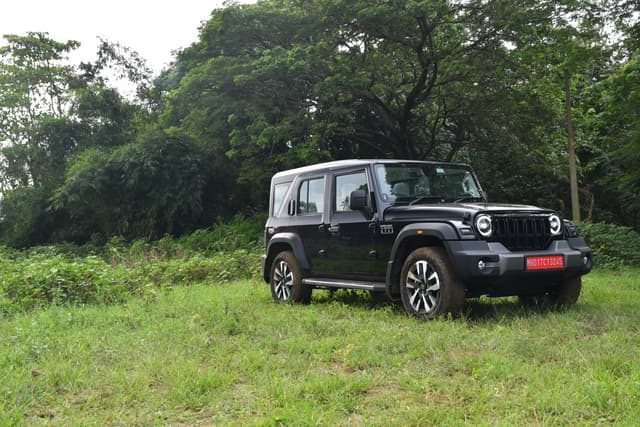
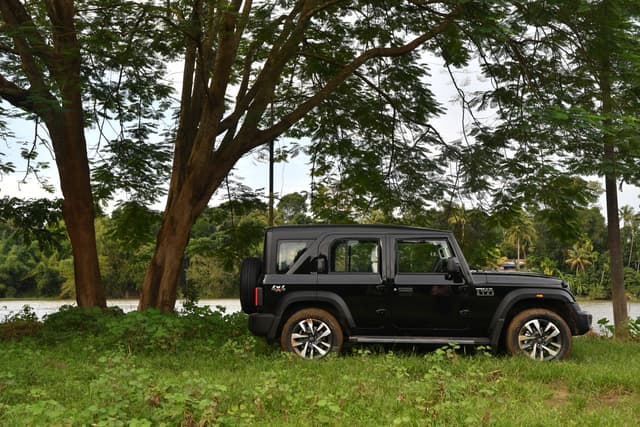
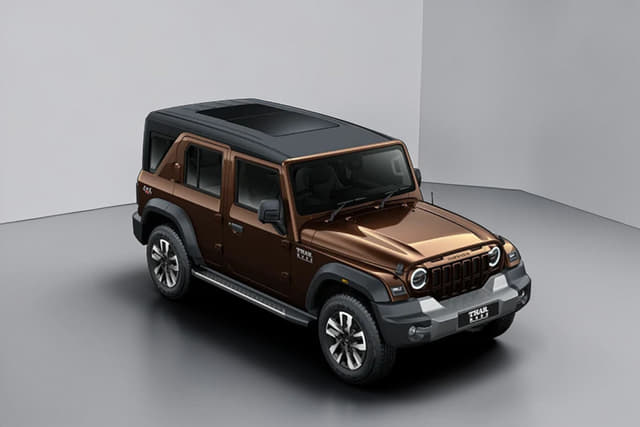
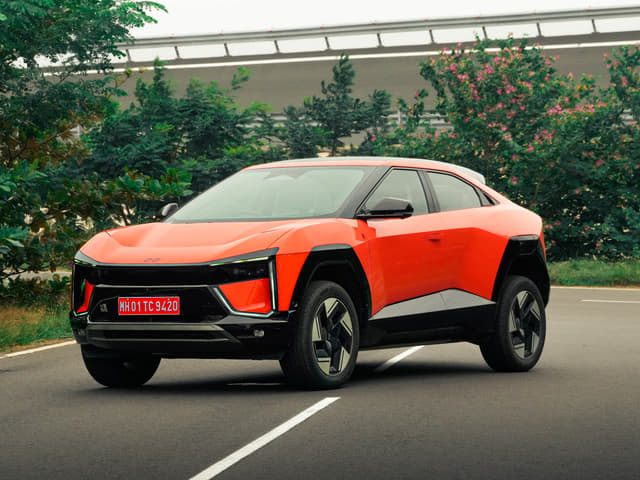
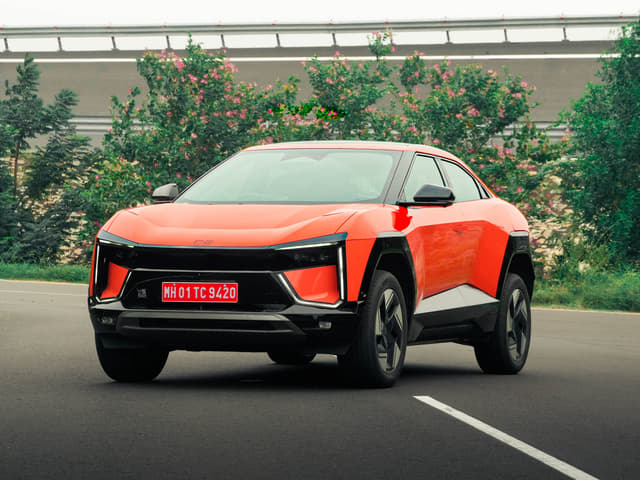
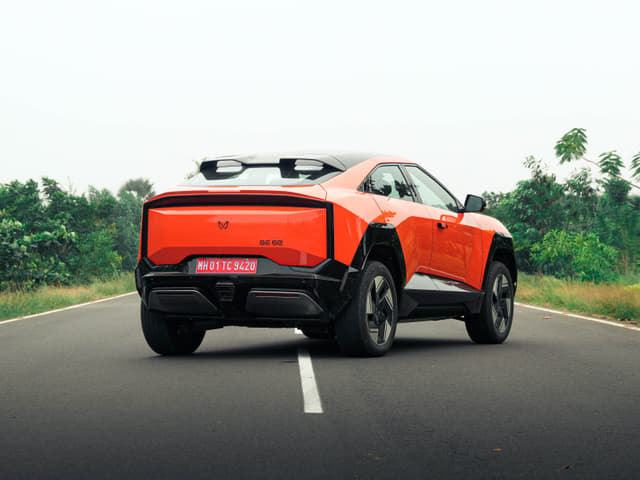
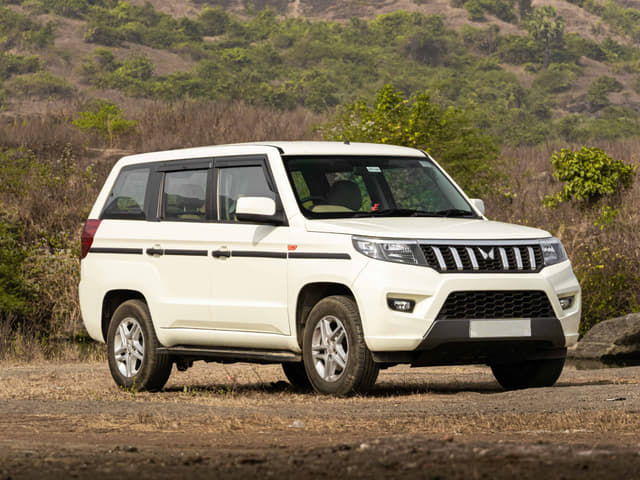
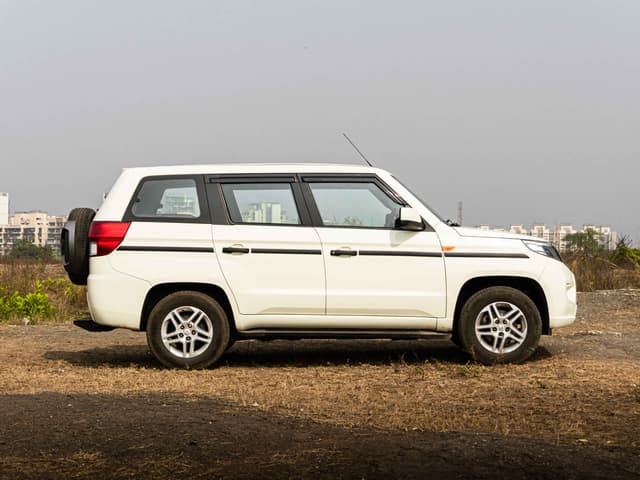
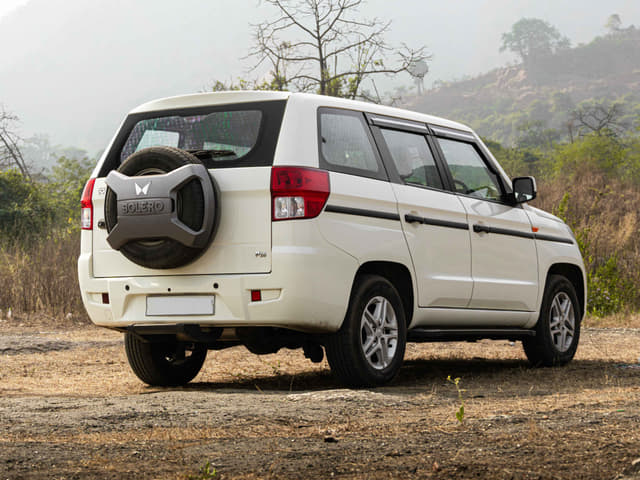
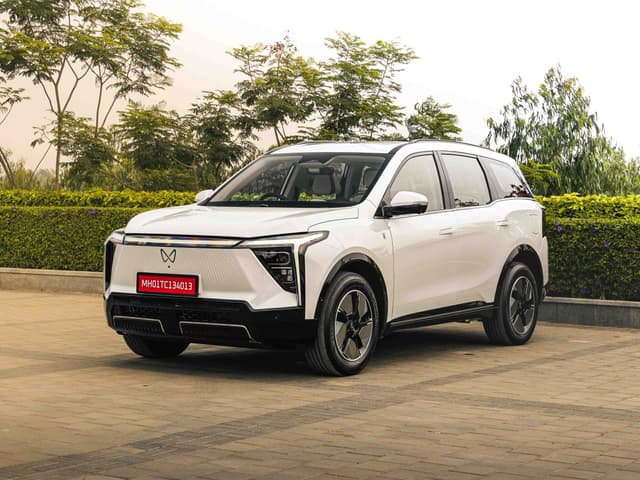
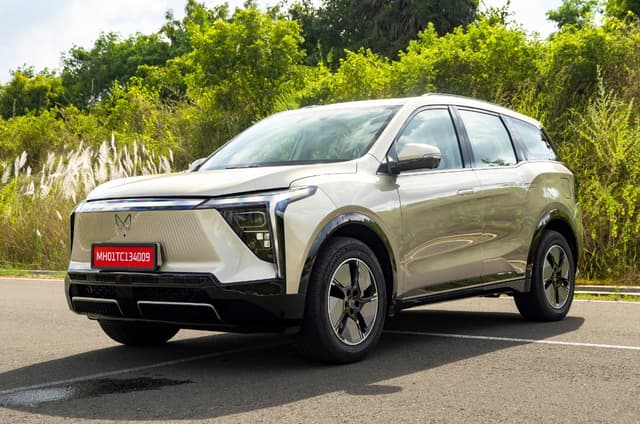
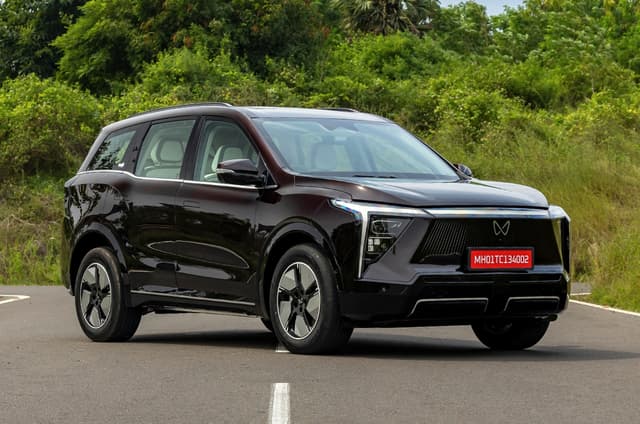
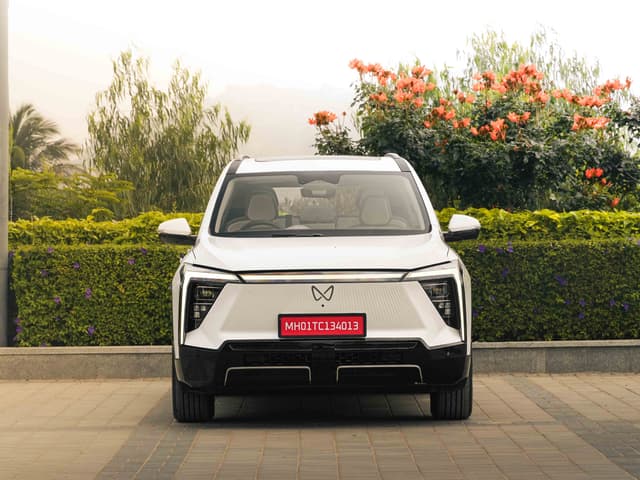
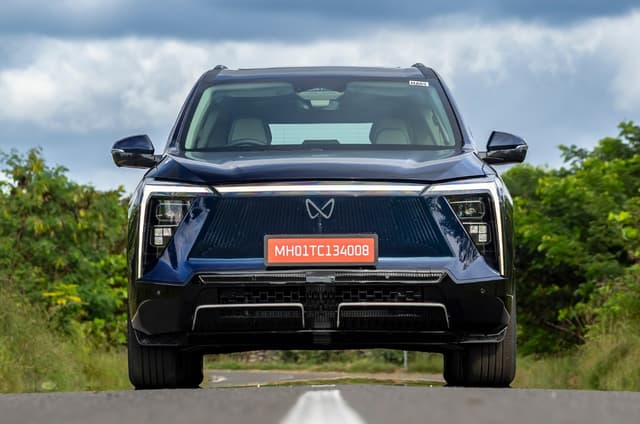
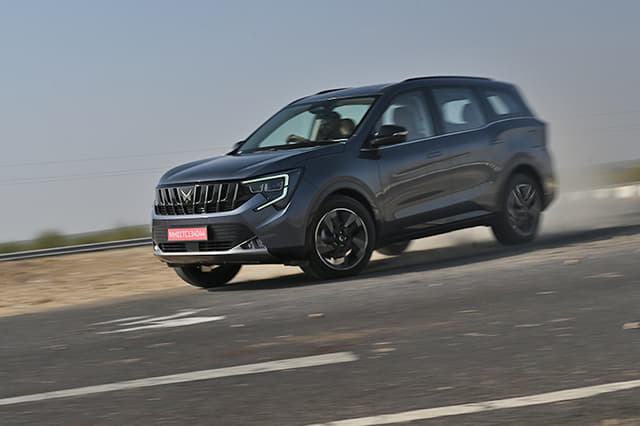
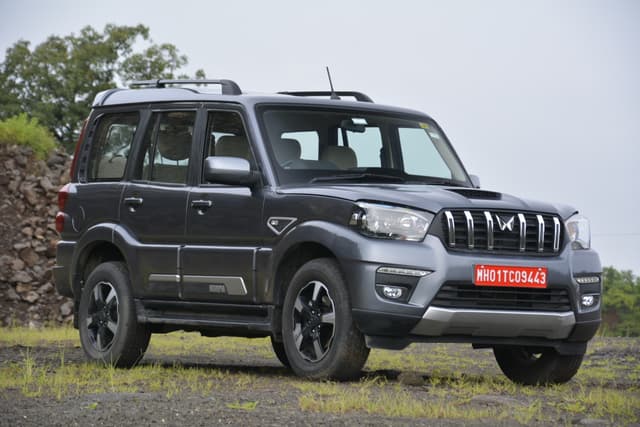
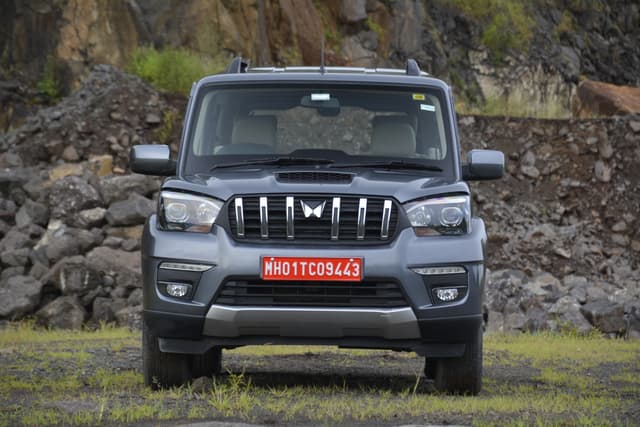
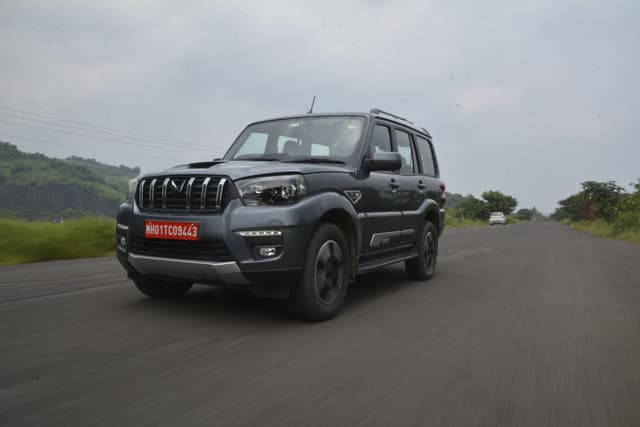
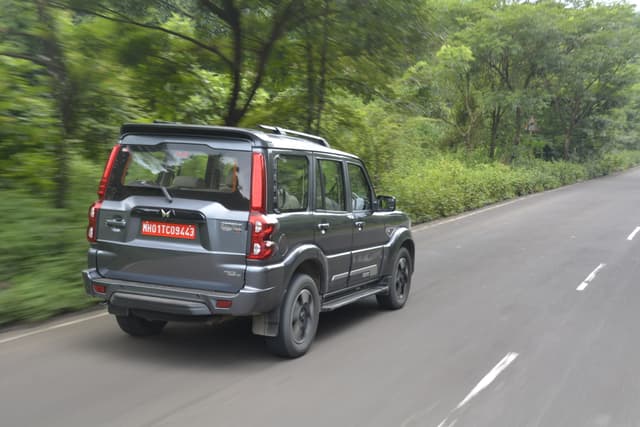
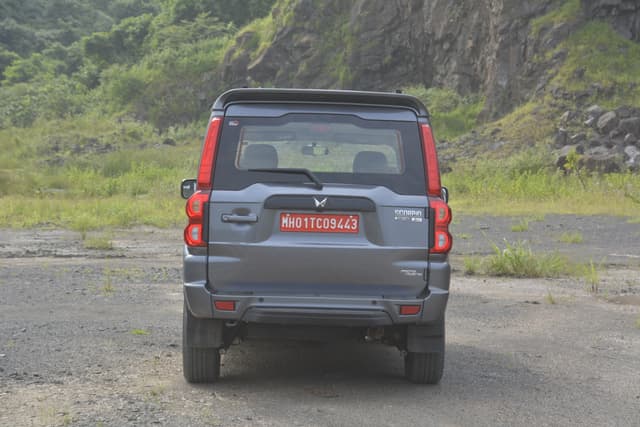
Initially a steel trading firm founded by brothers Kailash and Jagdish Mahindra, along with Malik Ghulam Muhammad in October 1945, Mahindra officially began its automotive journey in 1949. This was followed by the assembly of the brand’s first contracted Jeep CJ series for the Indian military. Mahindra’s entire line-up currently consists of utility models that primarily include SUVs and pickup trucks, with petrol, diesel and fully electric powertrain options.


Filter your search


Filter your search
Find cars by fuel type
Mahindra Cars - FAQs
While Mahindra's legacy is rooted in SUVs and farm equipment like tractors, the company launched the Logan sedan in April 2007 as a joint venture with Renault. This was followed by the Verito and Verito Vibe hatchback a few years later.
Only a handful of Mahindra's body-on-frame SUVs come equipped with old-school mechanical four-wheel drive systems with a low-ratio transfer case and a locking differential.
While new Tata SUVs are all based on monocoque platforms, select Mahindra models are still available with rugged body-on-frame architecture for those who wish to go off-roading regularly without worrying about accidental structural damage.
Trending Questions on Mahindra Cars - Answered by Autocar Experts
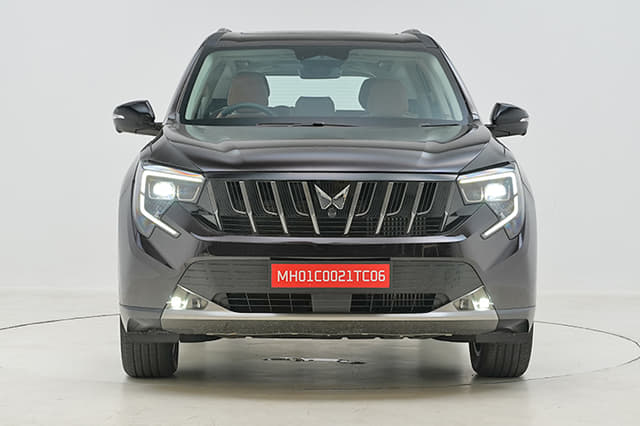
I am planning to buy the Mahindra XUV 7XO AX7 Automatic, but I am confused between the petrol and diesel variants. My annual running is around 10,000 - 12,000 km, with an even 50:50 split between city and highway driving. Most of my city drives are short trips of around 3 km one way in light traffic, such as commuting to the office or grocery shopping. Evening city drives are usually 6-8 km one way. These trips happen about three times a week. I live in a Tier 2 city, so traffic is generally not very heavy. My highway trips are usually 100-200 km one way, although they are not very frequent. Around twice a year, I undertake longer trips of about 600 km one way. I also tend to keep the engine idling occasionally while parked to use the air conditioning. I prefer the diesel because of mileage, but I am concerned about DPF-related issues. On the other hand, I am worried that E20 petrol has already reduced fuel efficiency, and E25 could lower it even further. My questions are: 1. Is diesel the right choice for my usage? Am I likely to face DPF issues frequently, and if so, how can I avoid or manage them? 2. What is the real-world fuel efficiency of the petrol automatic in city and highway conditions? Based on YouTube videos, I have seen figures of around 6-7 km/l in the city and 11-12 km/l on the highway. Are these realistic?
Go for the diesel. Your usage pattern is actually quite well suited to a modern diesel, and the Mahindra XUV 7XO diesel is a strong engine with good efficiency and refinement. The DPF concern is understandable, but your usage does not fall into the high-risk category. You are doing 10-12,000 km a year with a 50-50 city-highway split, and your city driving is in a tier 2 city with light traffic and regular 6-8 km runs. That is enough to keep the DPF healthy, especially if you occasionally take the car on a longer run. The Mahindra car diesel also has a DPF regeneration indicator, so you will know when the car needs a longer drive.The petrol automatic is a good engine, but it is not particularly efficient in a car of this size and weight. Real-world city mileage of 6-7 km/l and highway figures of 11-12 km/l are realistic. The diesel will be significantly more efficient, especially on the highway, and that will make a meaningful difference over time.E20 is not a major concern. Modern engines are designed for it, and the impact is mostly a small drop in fuel economy. There is no official roadmap for E25, and premium petrol is not required.The only reason to choose petrol would be if your usage was almost entirely short city runs in heavy traffic. In your case, the diesel makes more sense.
Hi, We currently own a 7-year-old Hyundai i20 Active, which we use for 60 - 70% city driving and the remaining 30-40% on highways. We are planning to buy an electric car, but we are a bit concerned about the current uncertainty surrounding government policies related to EVs. We have shortlisted the Hyundai Creta Electric and the Mahindra XEV 9S. Which one would you recommend for our usage? Also, what is your opinion on the resale value of EVs over the next 5-7 years?
Given your usage pattern of 60-70% city driving with regular highway runs, the Hyundai Creta Electric is the more sensible choice. This Hyundai car is a more mature and well-rounded product, with Hyundai’s strong service network and a proven track record in EVs. The Creta Electric also benefits from a more mainstream brand image, which should help with long-term ownership confidence and potentially better resale value.The Mahindra XEV 9S is a very capable EV with a larger battery and longer claimed range, but it is a much bigger and heavier car, which makes it less suited to city driving.On resale value, electric cars are still a developing story in India. Battery health, warranty coverage and the pace of technological change will all play a role. Mainstream brands with strong service networks are likely to hold value better, and Hyundai’s wider reach gives it an advantage here. That said, EV resale values are still not as predictable as ICE cars, so it is best to view the purchase as a long-term ownership proposition rather than banking on strong resale.Overall, the Creta Electric strikes a better balance between city usability, highway capability and ownership confidence.
I want to buy a seven-seater car for my family. It will be used by my uncle and me, and my budget is Rs. 25 lakh. I am looking for an automatic transmission, a panoramic sunroof, and good fuel efficiency.
Go for the Kia Carens Clavis diesel automatic. It is the most sensible and well-rounded choice for your requirements. The Carens is a genuinely spacious seven-seater with a comfortable third row, which is important when the car will be shared between families. The diesel automatic is the right powertrain for strong fuel efficiency and effortless performance, especially on highways and with a full load. The Carens also comes well equipped with features like a panoramic sunroof, and Kia’s service network and ownership experience are among the best in the segment. The only real drawback is that the Carens does not have the same SUV-like road presence as some rivals, but as a practical family car it is hard to fault. If you want something with a more rugged SUV feel, the Mahindra XUV 7XO diesel automatic is worth considering, but mileage would be lower. The Carens is the better all-round family car.
Hello, I am looking for a car under Rs. 10 lakh as a first-time buyer, with a spacious second row where three healthy adults can sit comfortably without feeling claustrophobic. My usage will be limited to family trips and not for daily commuting.
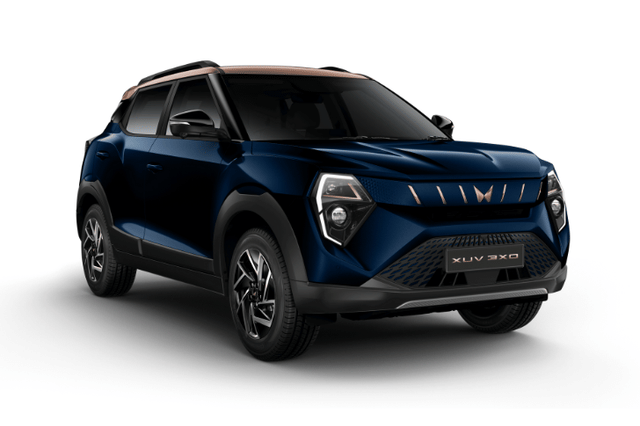
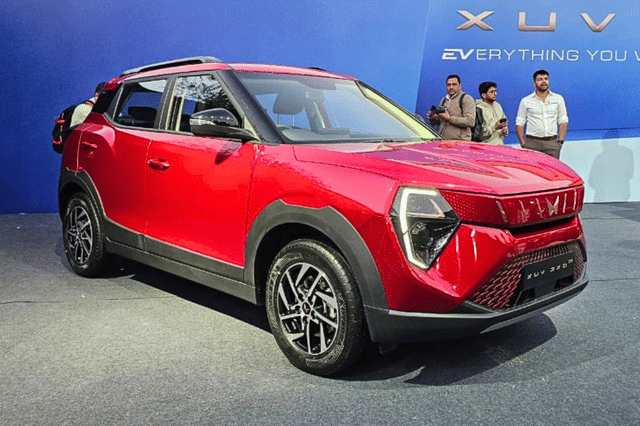
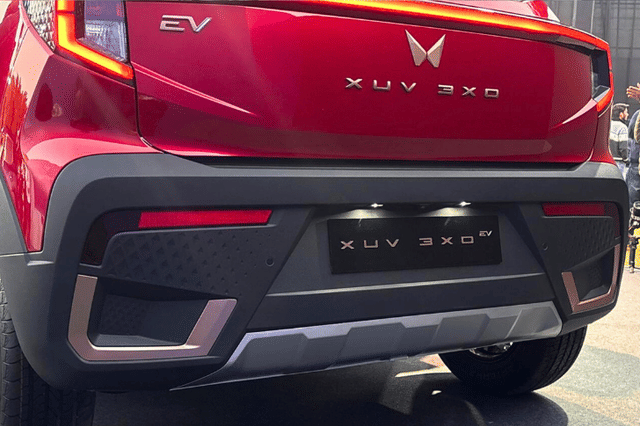
The Mahindra XUV 3XO would be ideal as it has the widest rear seat, thus your requirement of seating 3 healthy individuals would be best served here. This Mahindra car is also short in length and thus for a first car would not be too challenging to drive. Fuel efficiency will not be as good as rivals like say the Maruti Suzuki Brezza but given your limited running this should not bother you too much. Opt for the 1.2 litre MPFi engine as it performance is more than adequate for regular use.
Edited: I am currently driving a Tata Punch and am planning to upgrade. My budget is around Rs. 15 lakh. I'm looking for a car that offers: a reliable and refined engine, good torque and performance, especially for hilly drives and mountain roads, peace of mind in terms of ownership, reasonable service and maintenance costs (not overly expensive like Tata), and Good long-term reliability. My usage is: daily office commute of around 30 km, frequent weekend highway trips and long drives, and regular visits to hilly destinations, so the engine should be capable of handling inclines confidently. I'm open to SUVs, sedans, hatchbacks, or crossovers; body style isn't a priority. I just want the best overall package in terms of driving experience, reliability, comfort, safety, and ownership costs. What would you recommend in this budget, and why? Also, if there are any models I should avoid, I'd love to know your reasons.
Based on your requirements, the Skoda Kylaq 1.0 TSI would be our top recommendation among the cars under 15 lakh. It offers a strong and refined turbo petrol engine with good low-end torque, which makes it well suited for hilly drives and mountain roads. The Kylaq is also one of the most engaging cars to drive in this price range, with a well-sorted chassis and a comfortable ride. Skoda has improved its ownership experience significantly in recent years.If you are looking for a more premium and feature-rich option, the Mahindra XUV 3XO is also worth considering. This Mahindra car offers a more spacious cabin, a wider rear seat, and a more premium overall feel. However, the Kylaq is the better driver's car.
Last Updated on: 1 Aug 2026