

Autocar India

Last Updated on: 27 Jun 2026

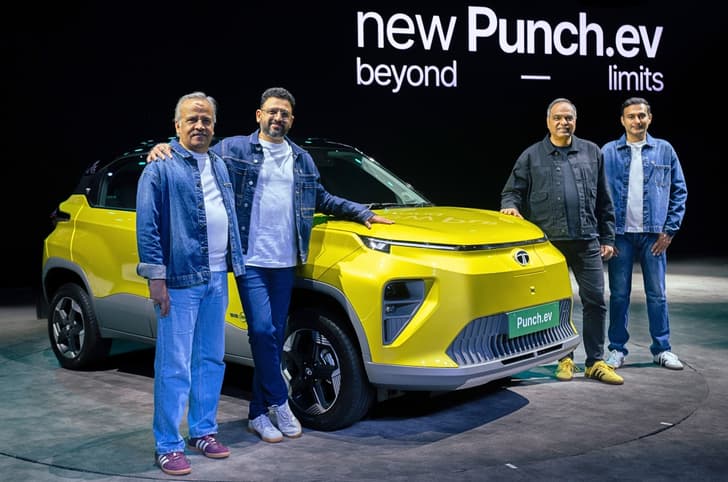
Tata Punch EV

Autocar score
9
₹10.13 - ₹13.35 Lakh
On road price, Mumbai
Mumbai
Starting₹14,641 /month
EMI calculator

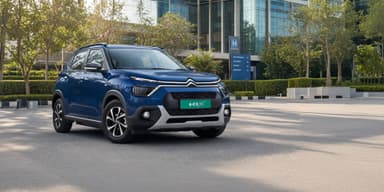
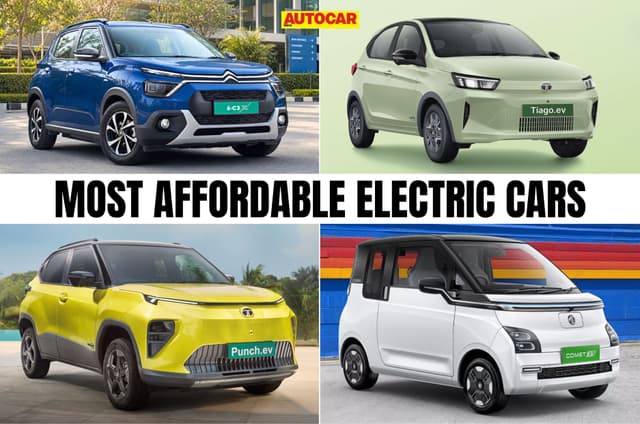
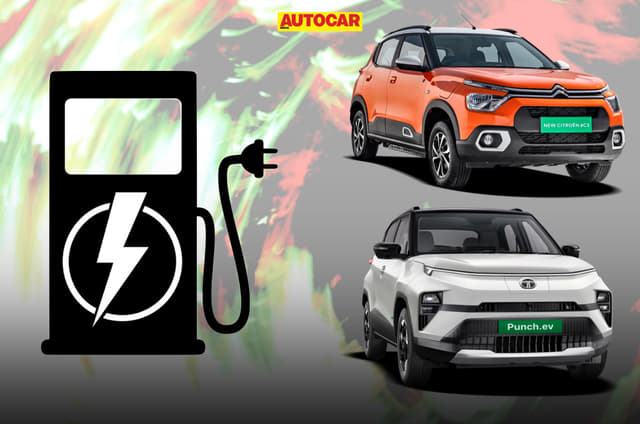
The Tata Punch EV price in India starts at ₹9.69 lakh and goes up to ₹12.59 lakh, ex-showroom. A battery rental or battery as a service (BaaS) scheme option is also available with the electric SUV, reducing the upfront cost. There are 6 Punch EV variants available in India, including the Smart 30 variant at entry level and the fully loaded Empowered + S 40 variant at the top. The Punch EV rivals the Citroen eC3.

Tata Motors offers a 40kWh battery pack option with the Punch EV, offering an ARAI-certified range of 468km. The brand claims that the electric SUV can charge from 20-80 percent in just 26 minutes with a 65kW DC fast charger. A 135km range top-up can be made in just 15 minutes. The Punch EV makes a peak output of 129hp, and it can accelerate from 0-100kph in under 9 seconds, as claimed by the carmaker. A smaller 30kWh battery pack choice is also on offer, which offers an ARAI range of 365km. Three drive modes - City, Eco and Sport - are offered with the electric vehicle. Tata is also offering a lifetime warranty with the battery pack, though terms and conditions apply.

The Punch EV offers features such as LED headlights, 16-inch alloy wheels, 10.25-inch touchscreen and 10.25-inch digital driver's display, front ventilated seats, sunroof, wireless charger, 360-degree camera setup, blind view monitor and auto-dimming IRVM. Availability of some features may vary by the Punch EV variant.


Tata Punch EV Highlights


  • ARAI-rated Tata Punch EV range figures are 468km (40kWh) and 365km (30kWh); a lifetime battery warranty is also being offered, though terms and conditions apply.
  • Depending on the Tata Punch EV variant, features like a sunroof, ventilated seats and wireless charging are on offer.
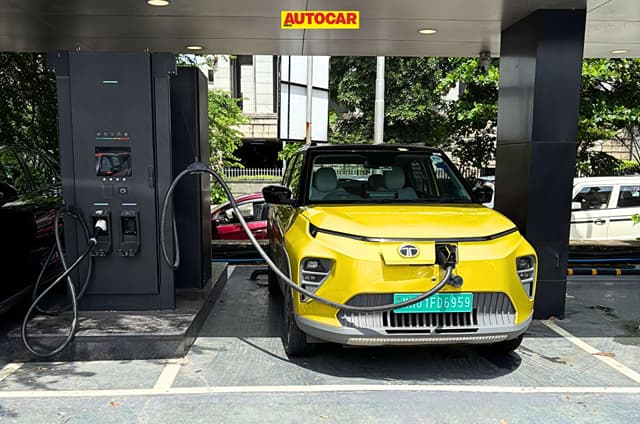
  • Supports DC fast charging up to 65kW, enabling a 10-80 percent battery top-up in just 26 minutes; 3.3kW and 7.2kW units are available as well.
  • Punch EV ground clearance is 195mm, and it has a water wading depth of 450mm.
  • Punch EV kerb weight is 1,360kg.
  • Depending on the Punch EV variant, features like 16-inch alloy wheels, 10.25-inch touchscreen and front ventilated seats are on offer.
  • Standard safety features include 6 airbags, hill-hold assist, ESP, TPMS and ISOFIX child seat mounts.
Show more

Tata Punch EV Latest Updates

  • 11 May 2026: Discounts on pre-facelift Tata Punch EV go up to Rs 2.15 lakh in May.
  • 12 April 2026: Up to Rs 1.4 lakh in benefits for pre-facelift Tata Punch EV in April.
  • 5 March 2026: MY24 Tata Punch EV models get benefits of up to Rs 1.2 lakh.
Show more

Tata Punch EV Features and specifications

Our Rating
9
Battery Range
468 km
Fuel Type
Electric
Transmission
Auto
Seats
5
Body Style
SUV
Doors
5
Claimed Electric Motor Range
468 km
View all specifications

Tata Punch EV price & variants

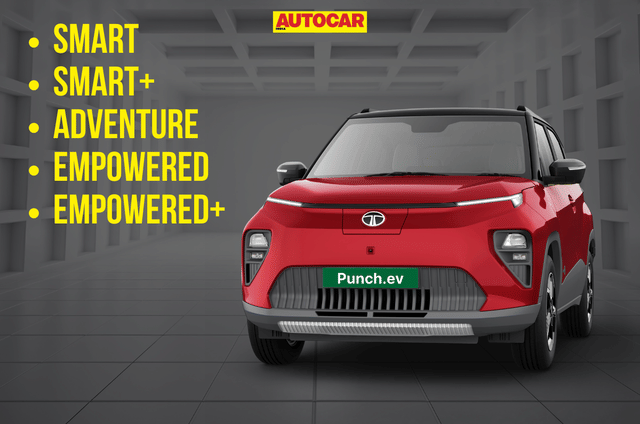
The Tata Punch EV price ranges between ₹9.69 lakh to ₹12.59 lakh, ex-showroom. The Tata Punch EV on road prices vary by city, and they are expected to be between ₹10.13 lakh and ₹13.35 lakh. 6 Punch EV variants are available right now, ranging from Smart 30 to Empowered + S 40.

Show more
VariantsOn road price
Tata Punch EV Smart 30
Electric | Auto
₹10.13 Lakh
Airbags
Driver height adjustable seat
Parking sensors
Automatic climate control
Brake assist (BA)
Tata Punch EV Smart + 30
Electric | Auto
₹10.91 Lakh
Airbags
Integrated (in-dash) music system
Touch screen infotainment system
GPS navigation system
Steering mounted controls
Tata Punch EV Smart + 40
Electric | Auto
₹11.55 Lakh
Electronic parking brake
Airbags
Integrated (in-dash) music system
Touch screen infotainment system
Rear camera
Tata Punch EV Adventure 40
Electric | Auto
₹12.29 Lakh
Electronic parking brake
Cruise control
Keyless start
Airbags
Integrated (in-dash) music system
Tata Punch EV Empowered 40
Electric | Auto
₹13.03 Lakh
Electronic parking brake
Cruise control
Blind spot monitor
Keyless start
Airbags
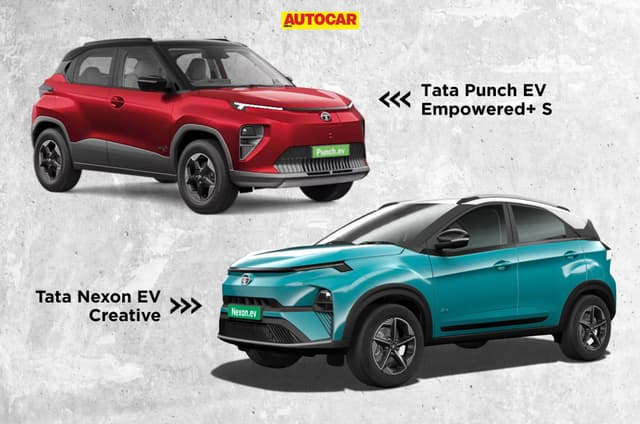
Tata Punch EV Empowered + S 40
Electric | Auto
₹13.35 Lakh
Electronic parking brake
Cruise control
Ventilated seats
Sunroof
Blind spot monitor

Tata Punch EV Official Brochure

Download the complete brochure with specs, features, and variants.
Tata Punch EV expert review

Autocar score
9

We like

  • Strong and linear acceleration

  • Very comfy ride

  • Feature packed

We don't like

  • Narrow rear seat

  • No spare tyre

Exterior Design And Engineering

8

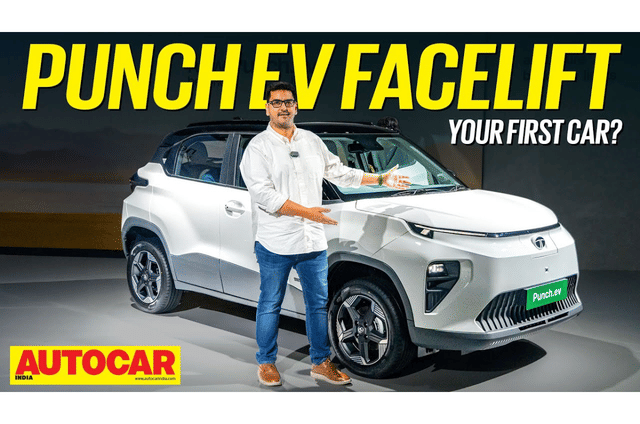
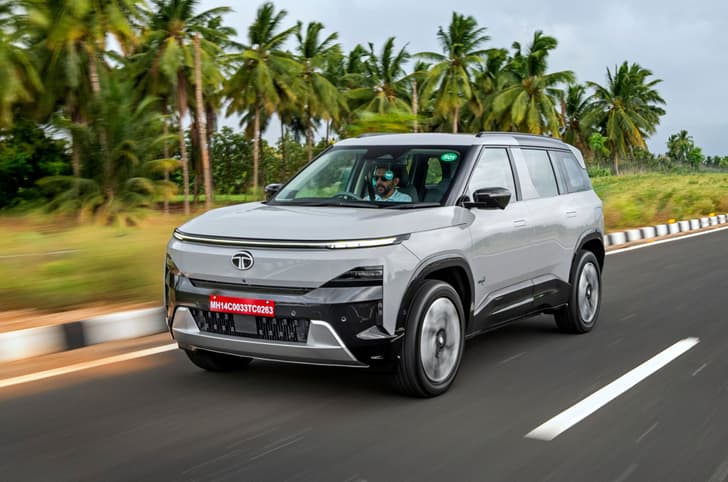
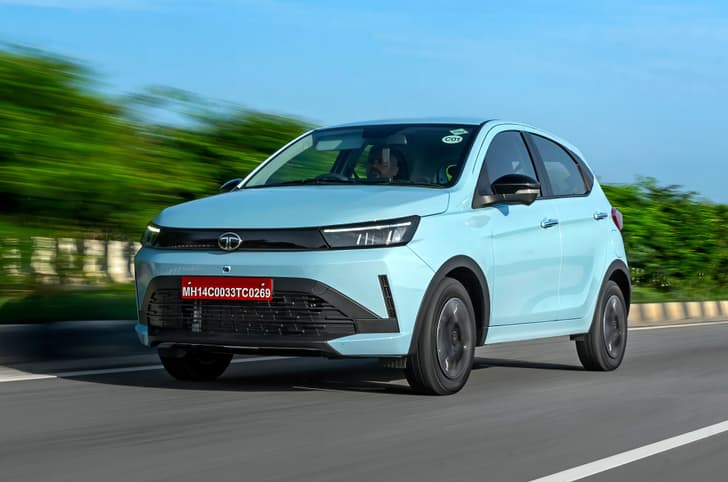
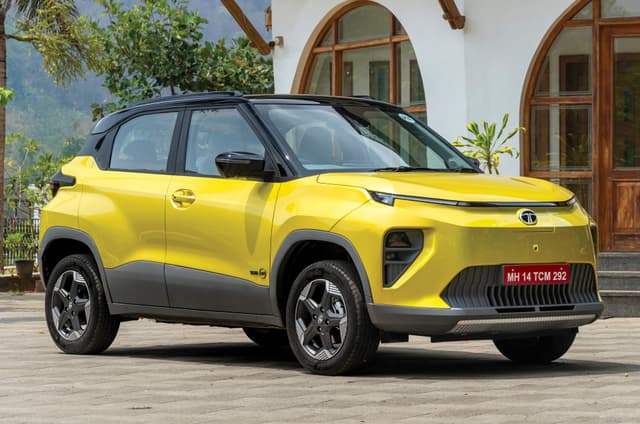
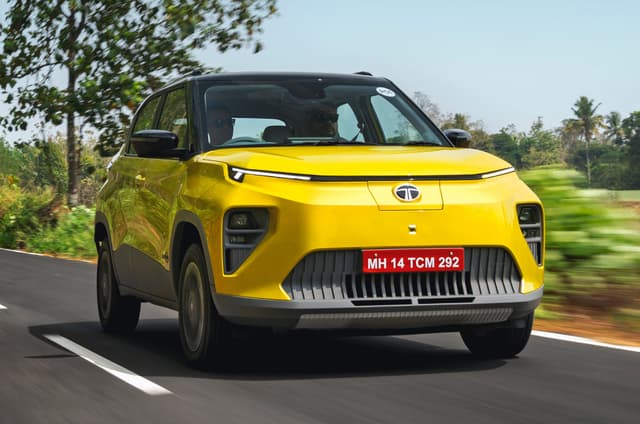
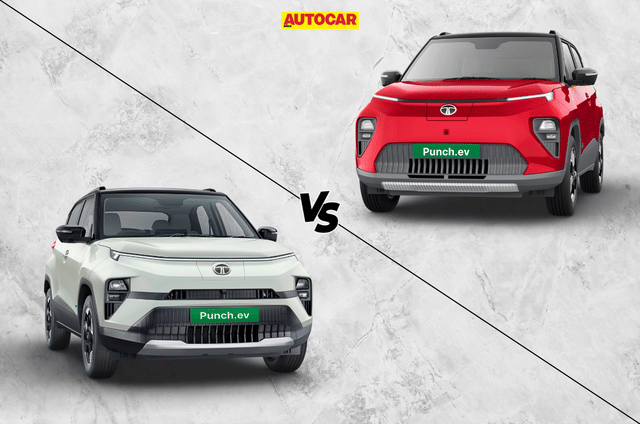
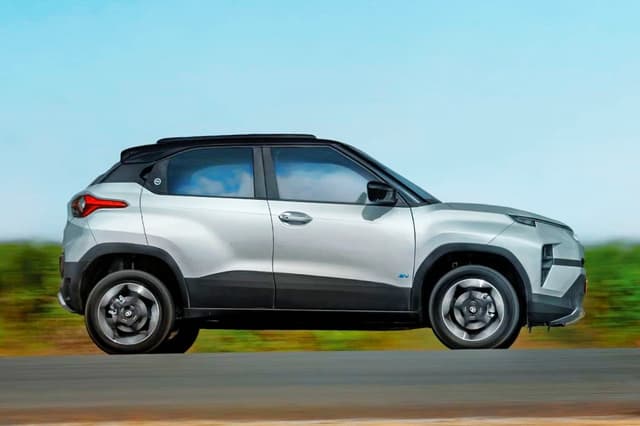
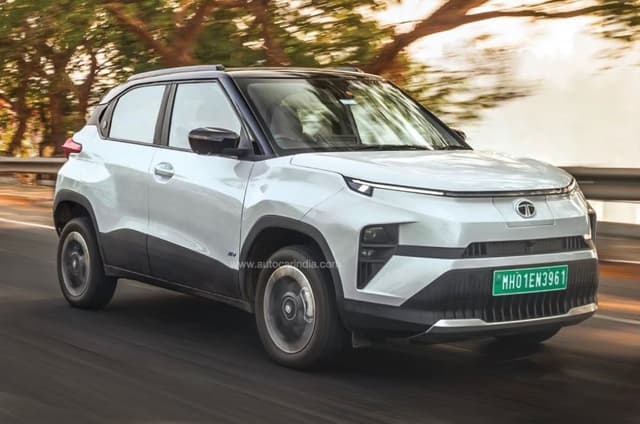
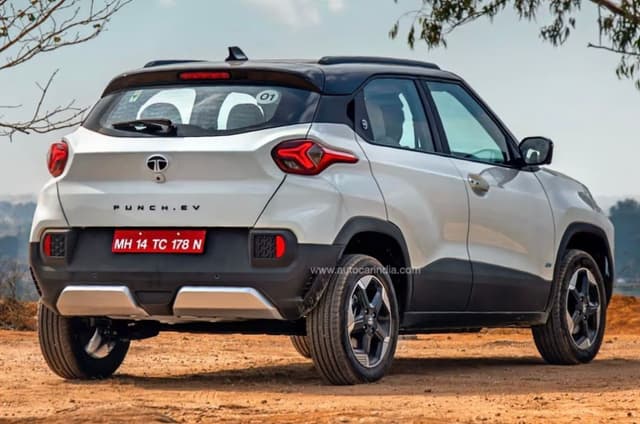
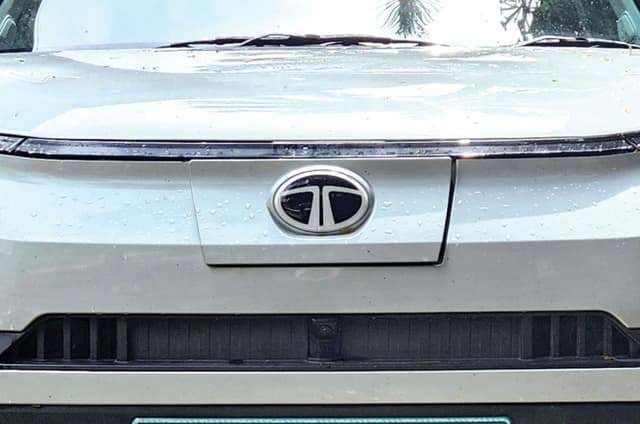
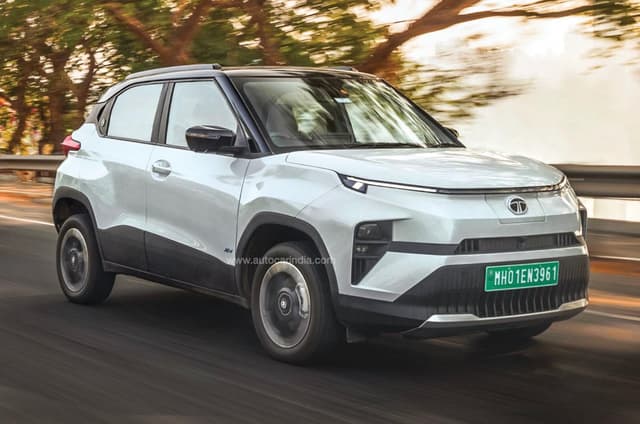
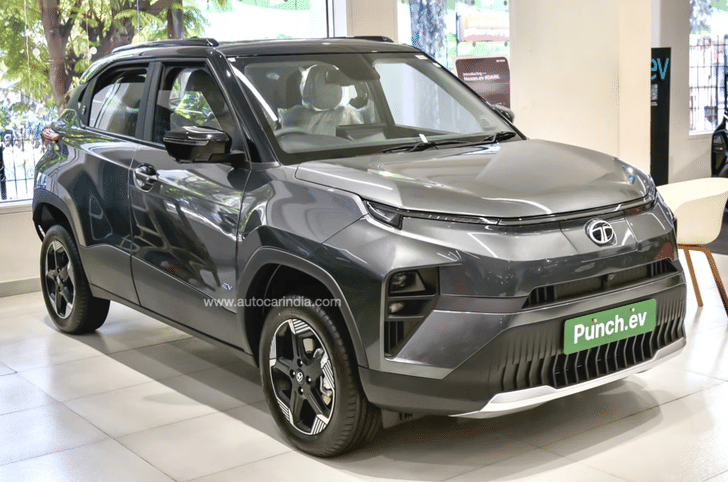
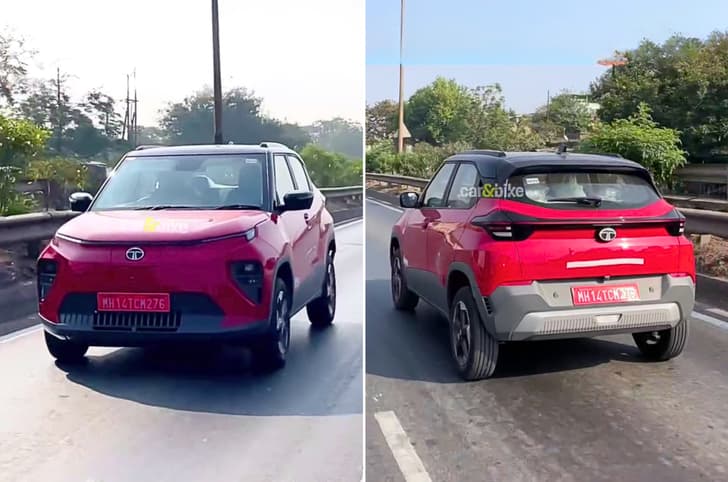
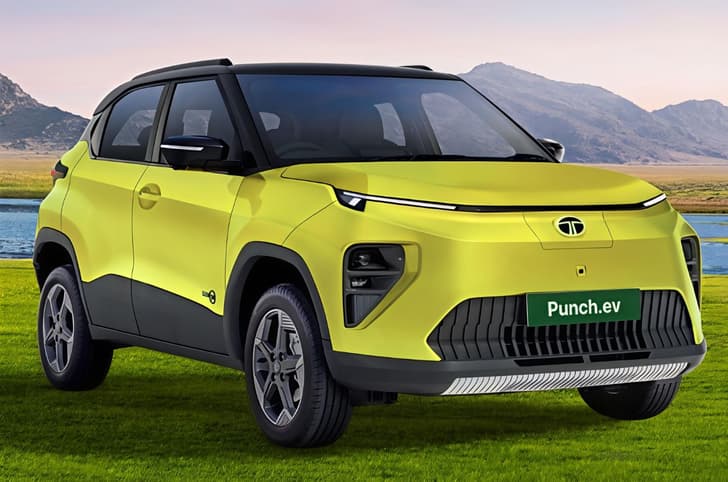
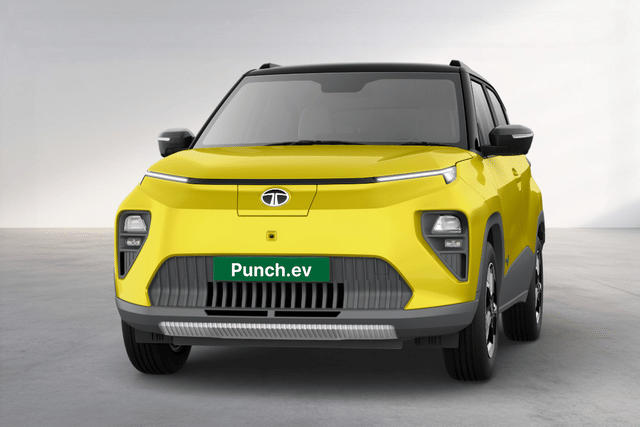
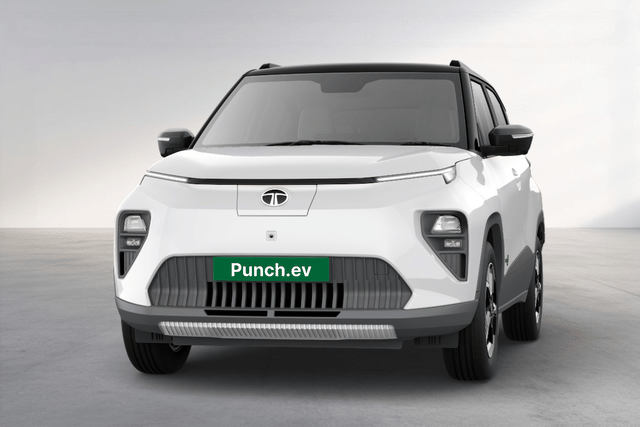
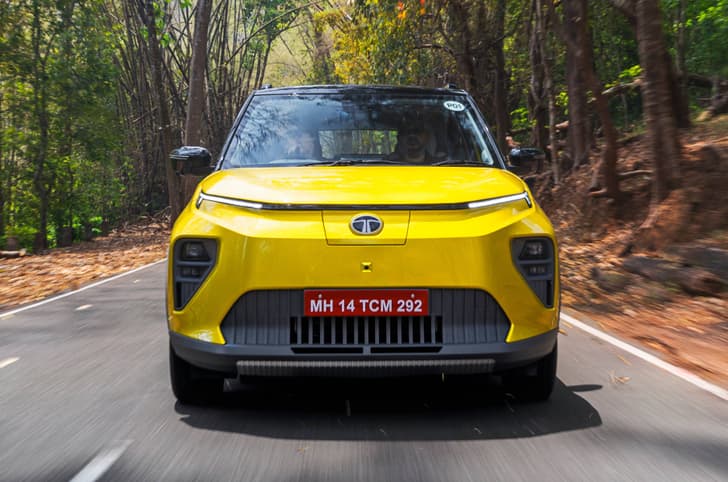
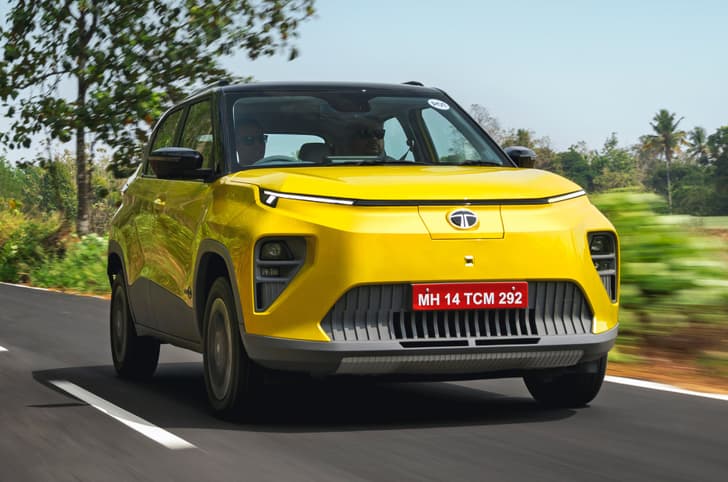
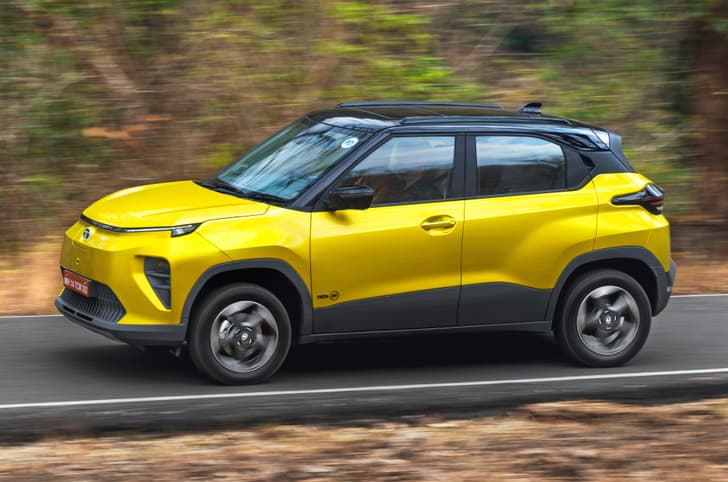
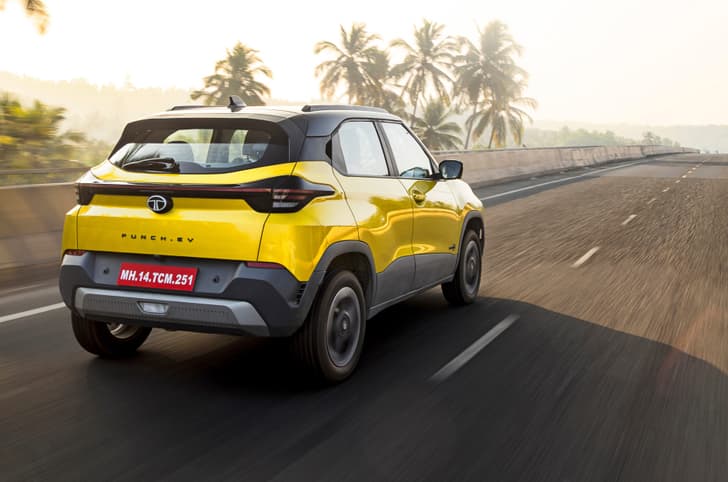
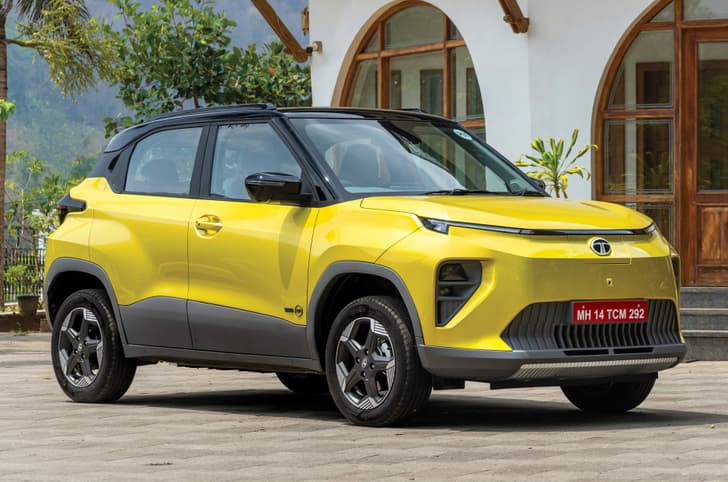
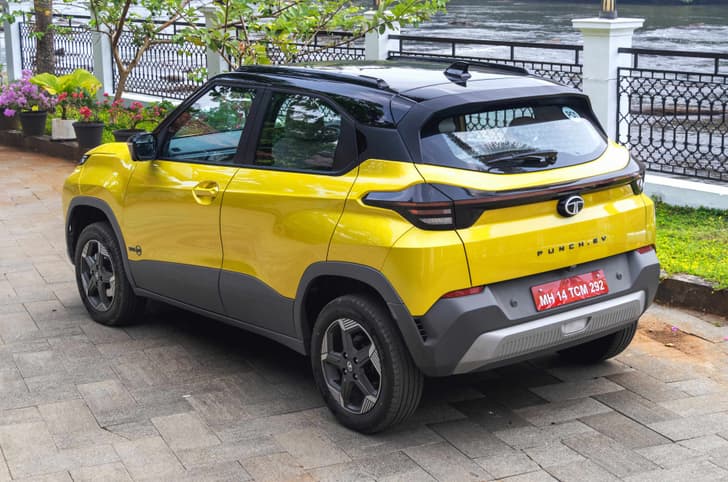
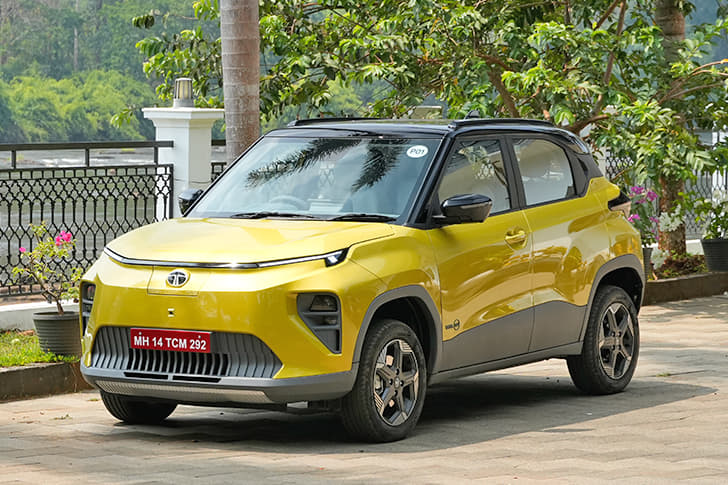
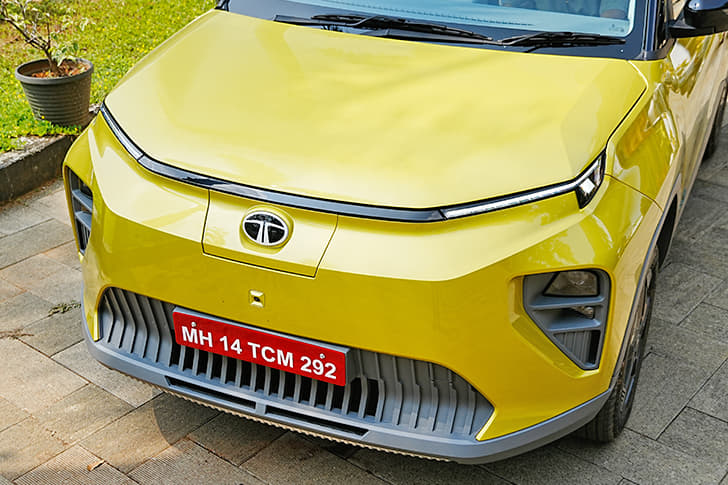
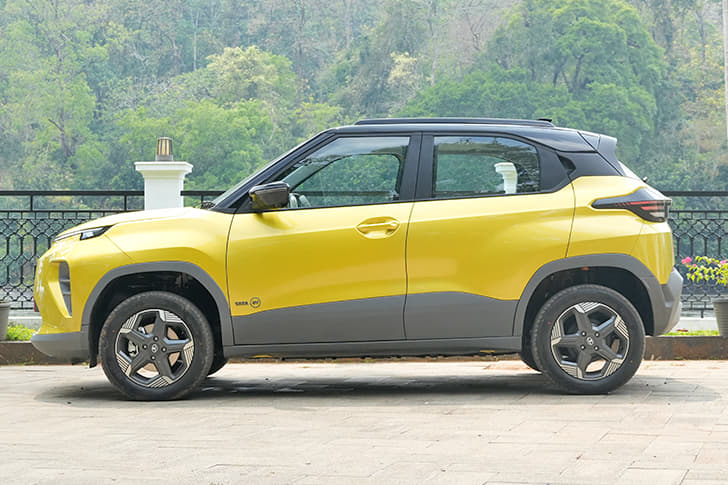
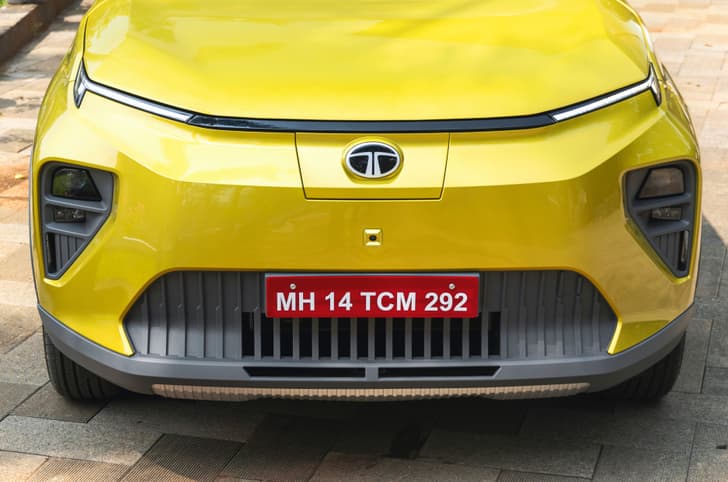
The updated Punch EV drops the earlier black plastic strip linking the headlights for a cleaner, more aero-focused look, and the LED light bar connecting the Y-shaped DRLs is gone as well. The charging flap remains centrally placed, while the only air intake sits low in the bumper. Lower down, the plastics are now finished in a lighter grey, with the 16-inch alloys matching in matte grey. At the rear, it adopts the ICE Punch’s connected LED tail-lamps and chunky bumper with a low-mounted reverse light. 
The bigger changes lie under the skin. Based on the Acti.ev platform, the Punch EV now gets 30kWh and 40kWh battery packs, switching from cylindrical to prismatic cells while retaining LFP chemistry. These rectangular cells pack more efficiently, allowing more to fit into the same space. Charging speeds have increased to 65kW, up from 50kW, enabling a claimed 10-80 percent top-up in 30 minutes.
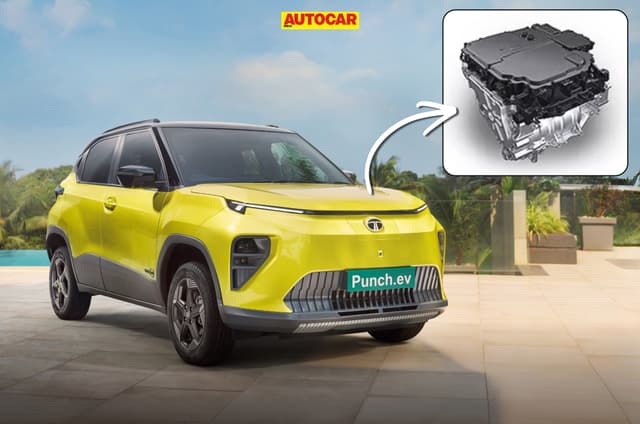
The powertrain is now integrated into a compact 6-in-1 unit combining the motor, inverter, reduction gear, DC-DC converter, PDU and onboard charger. Tata says it is 28 percent lighter, 50 percent smaller and 6 percent more efficient, while reducing electrical connections, semiconductors and high-voltage cables by 30 to 40 percent, lowering complexity and production costs.

Read More
Interior Space And Comfort

7

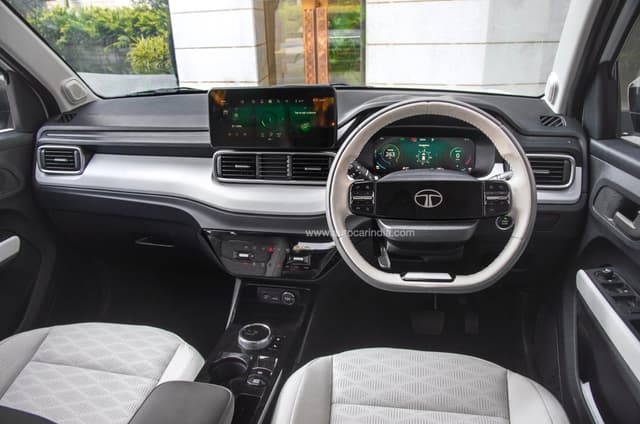
Getting in and out remains easy thanks to the wide 90-degree opening doors. Inside, the cabin feels airier with the new lighter grey plastics while a textured white trim breaks the monotony. The seats follow a white and grey theme, with leatherette upholstery and fabric inserts on the front bolsters. Control stalks from the Sierra are carried over, while the vertically oriented toggle-style window switches can feel counterintuitive initially. Front-seat comfort is strong, with good support and ventilation on the top trim. The high seating position offers good visibility, though reach adjustment for the steering is still missing. The centre console houses an armrest, cupholders and a wireless charging pad, but the rotary gear selector can be slow to respond. Storage is decent, with door pockets for bottles and an umbrella, plus a cooled glovebox. Rear seat space is adequate, with good cushioning and thigh support, though three passengers will be a squeeze. Rear AC vents are still missing, and the seatbelt warning chime can be intrusive. Boot space stands at 366 litres, and there’s a small frunk too.

Read More
Features And Safety

9

With the update, the Punch EV hasn’t gained notable new features, but it remains well equipped. Highlights include a 10.25-inch Harman infotainment system with wireless connectivity, a sharp 360-degree camera, built-in apps and multiple voice assistants. There’s also a 10.25-inch driver’s display with map projection, though some fonts are a bit small to read on the move. Other features include an air purifier, auto-dimming IRVM, cruise control and a small sunroof, while ambient lighting has been dropped.

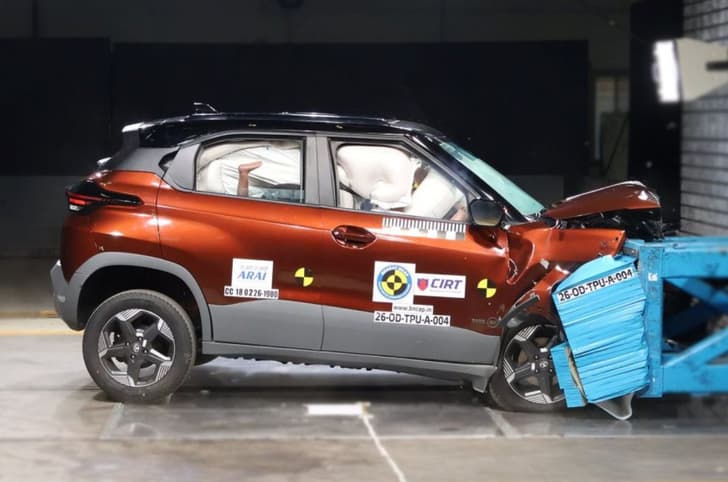
Safety is comprehensive, with six airbags, ESP, ABS with EBD, Hill Hold Assist and ISOFIX mounts offered from the base Smart trim. A new addition is a High Beam Alert that warns the driver if high beams are used below 40kph for over a minute. The Smart+ adds an electronic parking brake with auto hold and a reverse camera. As before, there’s no spare wheel, only a puncture repair kit with an inflator.

Read More
Performance And Refinement

9

Power is up slightly, now at 88hp for the smaller battery and 129hp for the larger one, with torque at 154Nm for both. Performance remains strong; it pulls cleanly from a standstill and builds speed smoothly, with linear delivery that makes it easy to drive in traffic. There are three drive modes – Eco, City and Sport. Eco remains usable in everyday driving, City is well suited to most situations, while Sport is the most engaging. It isn’t aggressively quick, as power delivery is tuned for range and usability, but the instant torque is still enough for a 0-100kph time of 9.1 seconds. Refinement is a highlight, with minimal motor noise. The cabin stays quiet, with only a slight increase in road noise at higher speeds.

Read More
Mileage / Range And Efficiency

8

Range has improved thanks to the larger batteries and a more efficient motor. Tata Motors now claims 375km for the 30kWh version and 468km for the 40kWh, both under the MIDC cycle, up from 315km and 421km earlier. It also states real-world range of around 260–275km for the smaller battery and 335–355km for the larger one under its C75 metric, representing what 75 percent of customers could expect based on past usage data. For reference, the earlier 35kWh long-range model returned a combined range of 229km in our test, and this updated version is expected to improve on that.

Read More
Ride Comfort And Handling

9

No changes have been made to the suspension, and none were needed. The Punch EV continues to ride with the maturity of a car from a segment or two above. To manage the battery weight, it uses stiffer springs than the ICE version, but increased torsional rigidity allows for softer dampers. The result is a pliant, absorbent ride where even sharp potholes are well cushioned. As speeds rise, the body remains well controlled, and high-speed stability is impressive. Through corners, there is body roll, but the low-mounted battery keeps it feeling planted and secure. The steering isn’t particularly light at low speeds, building to a nicely weighted feel as you go faster. It isn’t the most communicative, but it is direct enough to place the car accurately, making it easy to settle into a smooth rhythm on flowing roads. Regenerative braking adds to this ease, with four selectable levels via paddles. Level 0 allows free coasting, while level 3 offers strong deceleration without bringing the car to a stop. The switch to rear drum brakes also has a technical advantage, as they are less prone to binding or noise in EVs. Braking performance remains confident, though we’ll confirm stopping distances in a full test.

Read More
Value For Money

9

The updates to the Punch EV focus on improving efficiency while lowering manufacturing costs, and this is reflected in the pricing. It now starts at Rs 9.69 lakh and goes up to Rs 12.59 lakh – Rs 30,000 cheaper at the base and up to Rs 1.85 lakh less at the top end. The Battery-as-a-Service programme lowers the entry price further to Rs 6.49 lakh, with the battery available on a rental basis at Rs 2.6 per kilometre. While there are some cost-cutting measures, none significantly detract from the overall experience, making it strong value for money.

Read More

Reviewed by: Lenny D'sa

Tata Punch EV User Reviews

3.5/5(26)

Tell us about your experience

Tata Punch EV comparison

Tata Punch EV
₹9.69 - ₹12.59 Lakhs
9
Transmission
Auto
Engine
-
Fuel type
Electric
Mileage
468 km
Compare
Citroen eC3X
₹11.99 - ₹13.26 Lakhs
6
Transmission
Auto
Engine
-
Fuel type
Electric
Mileage
325 km
Tata Tigor EV
₹12.49 - ₹13.75 Lakhs
7
Transmission
Auto
Engine
-
Fuel type
Electric
Mileage
315 km

Tata Punch EV Range

The Tata Punch EV range goes up to 468km on the ARAI testing cycle. For more details, see the table below.

PowertrainThe combination of engine type, fuel, and transmission that powers your vehicle and determines how it drives and what it runs on.ARAI RangeMileage certified by the government, tested under controlled lab conditions. Real-world mileage will vary.
Electric-Automatic (Auto)
40
468 km
Electric-Automatic (Auto)
30
365-375 km

Tata Punch EV Images

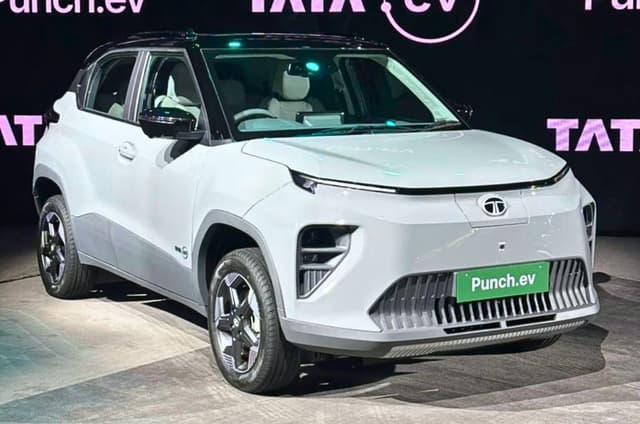
Our Punch EV image gallery showcases its design and features, including LED headlights, aero-optimised alloy wheels, connected LED tail-lamps, digital driver's display and touchscreen. Check it out below.

Show more
Front View Image - 33208
Front View Image - 33207
Front Right Three Quarter Image - 33220
Rear View Image - 33215
Front Right Three Quarter Image - 33206
Front Right Three Quarter Image - 33219
Front Right Three Quarter Image - 33231
Front View Image - 33232
Alloy Wheels Image - 33230
Front View Image - 33210
Front View Image - 33233
Rear View Image - 33243
Rear View Image - 33228
Dashboard Image - 33212
Dashboard Image - 33150
Infotainment System Image - 33149
Dashboard Image - 33144
Infotainment System Image - 33262
Front Row Seats Image - 33147
Front Row Seats Image - 33218
Second Row Seats Image - 33216
Rear View Image - 33143
Dashboard Image - 33213
Dashboard Image - 33211
Dashboard Image - 33151
Dashboard Image - 33237
Front Row Seats Image - 33204
Dashboard Image - 33221
Console Storage Image - 33251
12v Power Outlets Image - 33250
Door Controls Image - 33202
Door Controls Image - 33148
Leather Wrapped Steering Wheel Image - 33242
Steering Wheel Image - 33249
Steering Mounted Controls Image - 33248
Steering Mounted Controls Image - 33238
Steering Mounted Controls Image - 33239
Steering Wheel Image - 33214
Leather Wrapped Gear Knob  Shift Selector Image - 33240
Speakers Image - 33255
Dashboard Image - 33253
Cabin Lamps Conventional Image - 33256
12v Front Power Outlet Image - 33222
Leather Seats Image - 33146
Electrically Adjustable Driver Seat Image - 33260
Driver Armrest Storage Image - 33261
Color Gray, Beige Image - 33145
Console Storage Image - 33252
Alloy Wheels Image - 33205
Front View Image - 33246
Rear View Image - 33229
Rear View Image - 33227
Color Yellow Image - 33224
Color Yellow Image - 33223
Color Yellow Image - 33245
Color Yellow Image - 33209
Open Bonnet Engine Shot Image - 33236
Front Row Seats Image - 33244
Rear View Image - 33217
Body Colored Bumpers Image - 33203
Color Black, Silver Image - 33138
Tail Light Tail Lamp Image - 33225
Color Yellow Image - 33234
Color White Image - 33140
Rear View Image - 33226
Body Colored Bumpers Image - 33257
Rear View Image - 33247
Orvm Blinker Image - 33235
Foot Controls Image - 33259
Front Left Three Quarter Image - 33141
Front Left Three Quarter Image - 33136
Front Right Three Quarter Image - 33142
Front Right Three Quarter Image - 33137
Front View Image - 33135
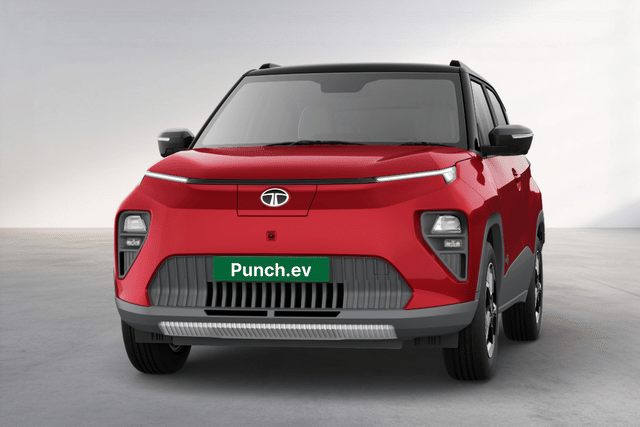
Bengal Rouge color Image - 33152
Caramel color Image - 33153
Empowered Oxide color Image - 33154
Fearless Yellow color Image - 33155
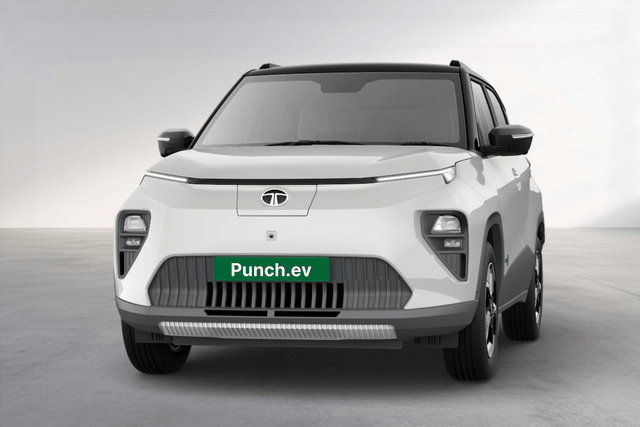
Pristine white color Image - 33156
Pure Grey color Image - 33157
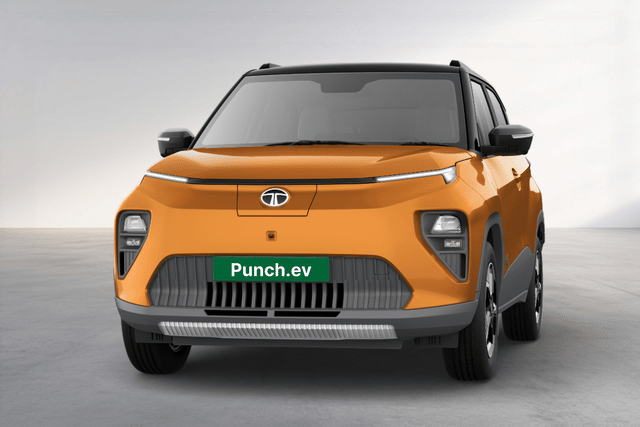
Supernova Copper color Image - 33158
Rear View Image - 33139

Tata Punch EV videos

Our Tata Punch EV videos section gives deeper insights on its performance, ride and handling, exterior design and interior features. Check our curated video gallery below.

Tata Punch EV Colours

7 Tata Punch EV colours are currently on offer. To see electric SUV in different colours, check out our gallery below.

Tata Punch EV FAQs

The Tata Punch EV is suited to buyers primarily looking for a feature-loaded urban commuter that's easy to manoeuvre and has a peppy, refined electric powertrain.

Yes, the Punch EV is compact, easy to manoeuvre, and feels peppy to drive in urban conditions.

While the Punch EV is billed as a 5-seater, the somewhat narrow rear bench makes fitting three adults a bit tough.

For highway trips, the Punch EV's larger 40kWh battery option is ideal, as it can deliver an estimated real-world range of around 350km.

Tata offers the Punch EV with 30kWh and 40kWh batteries. The 30kWh option is ideal for buyers who just want to commute within city limits, while the 40kWh is good for those who have to make occasional highway trips.

The Punch EV delivers a very comfortable and stable ride at both low and high speeds. Bad potholes may filter through at times, but other than that, the Punch EV rides pliantly.

Need an expert opinion on your car related queries?

Questions you may find useful

4d

Which electric car should I buy under Rs. 17 lakh for a daily commute of 50-80 km: the Tata Nexon EV Fearless 45, Maruti Suzuki e Vitara base model, MG Windsor EV, Tata Punch EV, or any other better 5-seater EV option?

Verified
2d

The MG Windsor EV would be our recommendation here. Coming from a Honda City diesel, you're likely looking for a comfortable, spacious and practical family car. Among the EVs you've shortlisted, the Windsor feels like the most complete package. It offers the roomiest cabin, excellent rear-seat comfort and enough space for five adults to travel comfortably. It also feels like a genuine upgrade from a sedan in terms of practicality and everyday usability.The Nexon EV 45 would be our second choice. It is a proven product, offers good performance and range, and is a sensible option if you prefer a more compact SUV. However, it cannot match the Windsor for rear-seat space and overall family-car appeal.The Maruti Suzuki e Vitara is worth considering, but it does have some notable shortcomings. The rear-seat headroom and boot space are limited, the seating position is slightly knees-up, the ride can feel busy and there is more road and tyre noise than we'd like. Given how late it is to the EV market, we expected Maruti to address some of these areas more effectively.The Punch EV continues to offer excellent value, but it is a segment smaller than the others and may not feel like a significant upgrade from your Honda City in terms of space and overall comfort.

VehicleMG Windsor
VehicleTata Nexon EV
VehicleTata Punch EV
VehicleMaruti Suzuki e Vitara
VehicleHonda City
4d

Hi Autocar team, I'm replacing my 2017 Maruti Baleno Alpha petrol and would appreciate your recommendations. Location - Currently based in Pune - BH registration planned because there is a reasonable possibility of moving to another state in the future (likely Madhya Pradesh or Bangalore or Delhi) Usage - Primarily city driving (90%+) - Occasional highway trips, sometimes very long (up to 1,000 km) - Usually 2 adults + 1 child - Must comfortably accommodate 4 adults + 1 child when required - Annual running currently under 8,000 km, but could increase significantly because there will be two drivers and an automatic car is likely to be used more Drivers - One experienced driver comfortable with any size car - Second driver is relatively new and gets intimidated by judging the front-left corner and vehicle dimensions - Features such as a rear camera have helped significantly in building confidence Budget - Initially started looking around the Rs. 10 lakh on-road mark - Comfortable spending around Rs.14-16 lakh if the improvement in safety, confidence and ownership experience is clearly noticeable - Looking for the best overall fit rather than trying to maximise budget Priorities (in order) 1. Reliability and hassle-free ownership 2. Safety 3. Easy manoeuvrability and confidence in city traffic What I dislike about my current Baleno - Feels flimsy and dents very easily - Doesn't inspire confidence on highways anymore - Braking confidence is not great Preferences - Automatic transmission is mandatory - Open to petrol, hybrid or EV - Dedicated parking is available, and home charging is possible - Mostly good roads with occasional monsoon-related road damage - I value predictable ownership, service quality and peace of mind more than outright performance Test-drive observations We have driven a few hatchbacks and compact SUVs with automatic transmissions. One thing that became clear is that a commanding seating position and a clearer view of the road ahead significantly increase confidence, especially for the newer driver. However, we are still unsure whether this benefit alone justifies moving up from a hatchback to an SUV. Long-term thinking Initially, I thought a small hatchback would be ideal because I could pass it on to my parents after 3-5 years. However, if a slightly larger vehicle provides substantially better safety, comfort and confidence, I would rather keep it for 5-10 years and buy my parents a separate car later. Question Based on the above requirements, what would be your top 5 recommendations and in what order? More importantly: - Which body style would you choose: premium hatchback, compact SUV, midsize SUV, hybrid SUV or EV? - Which popular models would you eliminate despite their popularity, and why? - How much weight should I give to reliability versus crash safety when choosing a family car that will mostly be driven in the city but occasionally undertake long highway trips? - Am I likely to regret staying with a hatchback, or is moving up a segment the more sensible long-term decision for my use case?

Verified
4d

Given your requirements, a compact SUV would be a good next car for you. The higher seating will put the new driver at ease and will have a great bearing on confidence behind the wheel. Your priority for space, reliability and stress-free ownership leads us to the Maruti Suzuki Brezza AT and Hyundai Venue DCT. The Brezza is a no-nonsense compact SUV with good space, proven reliability and a practical interior. Your comfort and experience with Maruti's aftersales make it the one we'd recommend for you. You'll get a similar hassle-free experience with Hyundai as well. The new Venue ticks the important boxes for you, but it is pricey at the top end, in case the latest features are a must-have. The Venue's turbo-petrol engine does deliver punchier performance than the Brezza, but fuel economy isn't as good. If you want a larger SUV, there's the Honda Elevate CVT. However, the new driver in the family might not feel as comfortable driving it, given its size. If the hatchback form factor suits you, the Hyundai i20 CVT is a very likeable choice. Among EVs, the Punch EV is an option, but your running doesn't really justify going electric. You'd rather spend similar money on a larger or better-equipped petrol-automatic car.

VehicleMaruti Suzuki Brezza
VehicleHyundai Venue
VehicleHonda Elevate
VehicleHyundai i20
VehicleTata Punch EV
Can't decide which car to buy?
Ask our experts and get answers to all your car related queries.