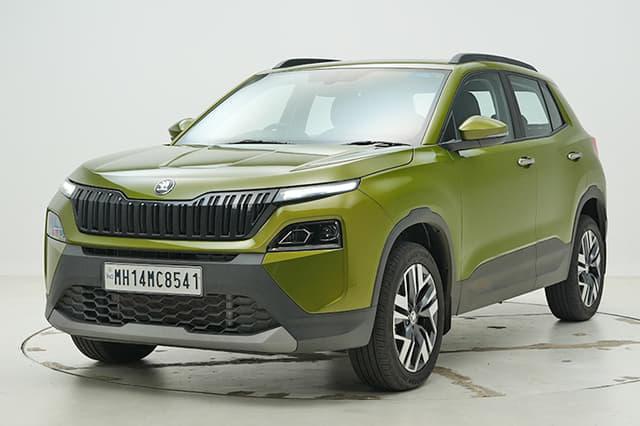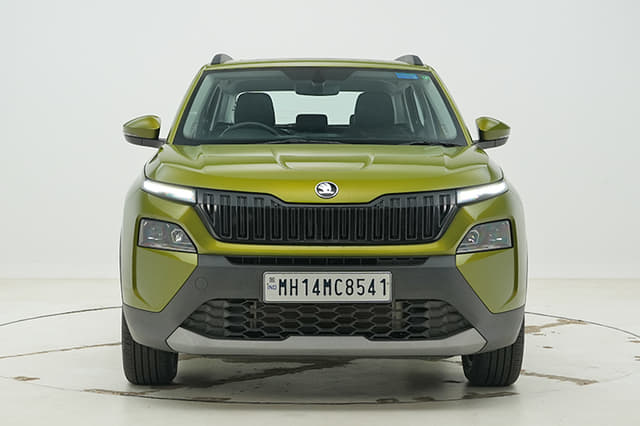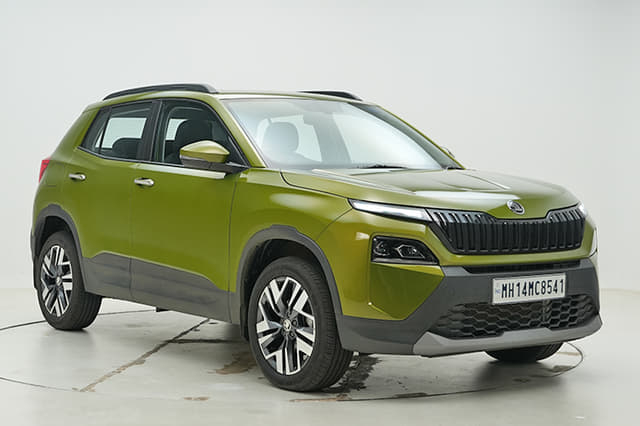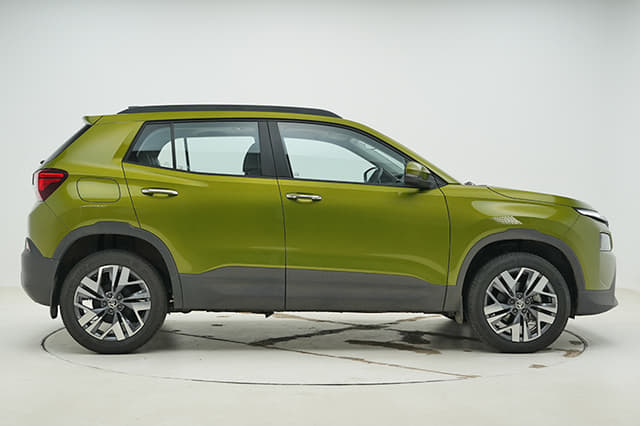
Shribalaji Autoagency Mysore Pvt Ltd-Belawadi
Plot No 46, Koorgalli Industrial Area, Belawadi, Mysore, Karnataka 570018
10:00 AM - 7:00 PM
8216615555


Last Updated on: 02 Sep 2026

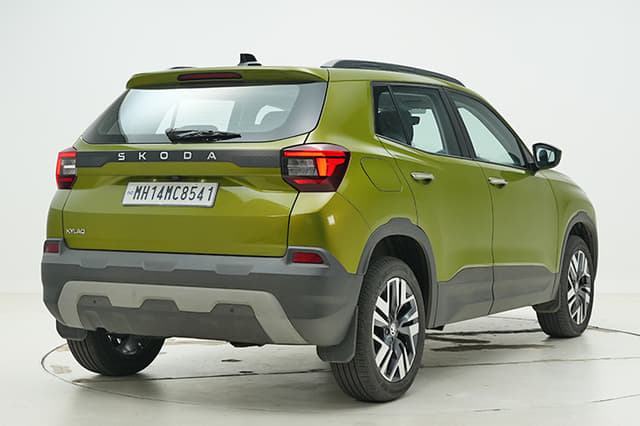
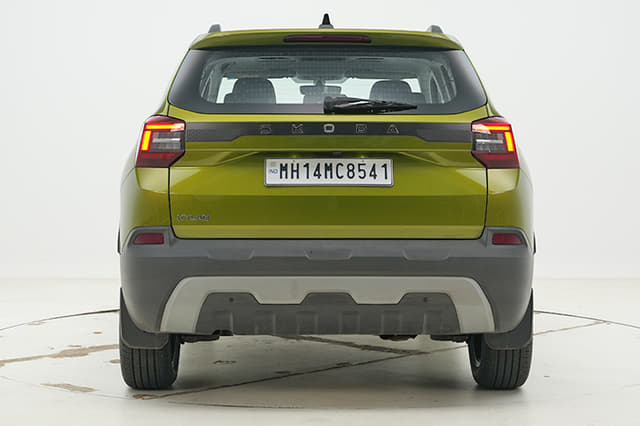
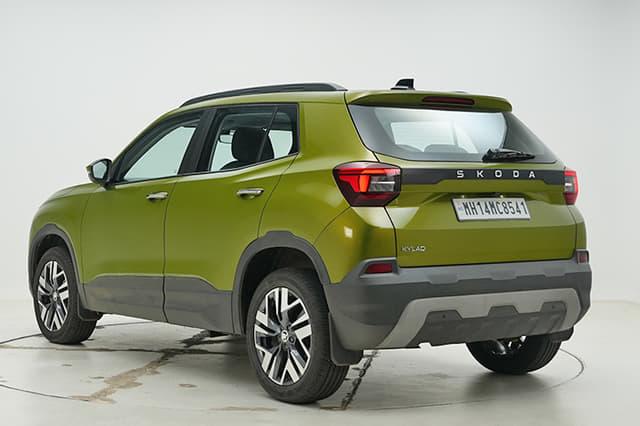
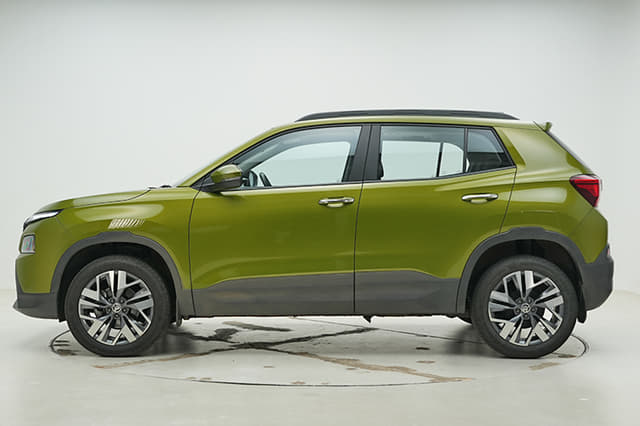
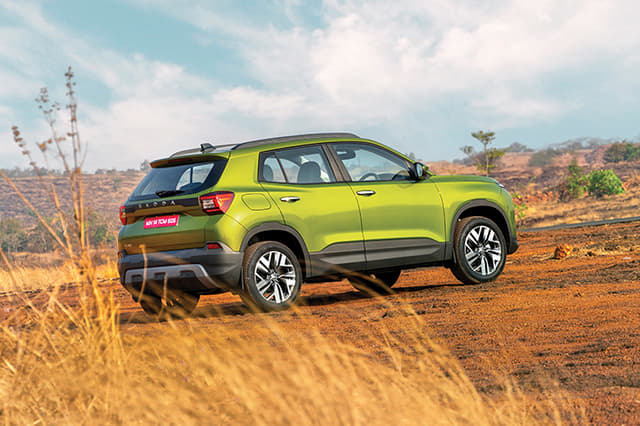
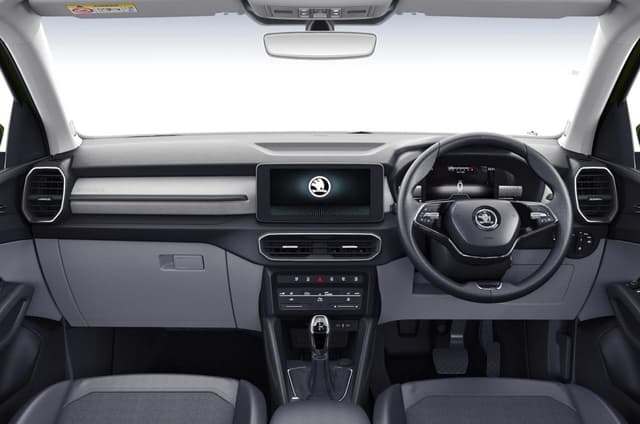
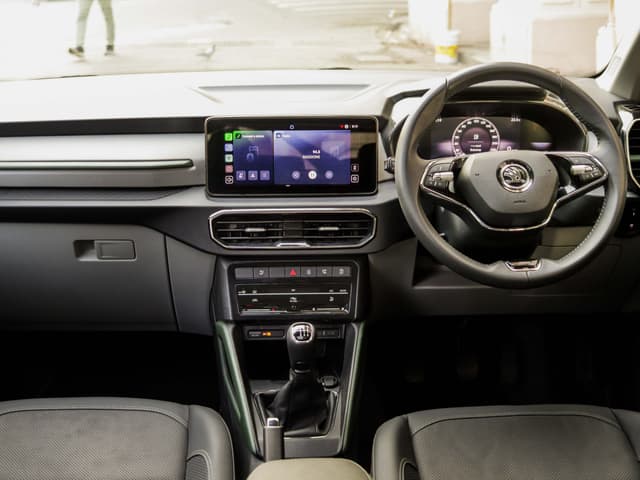
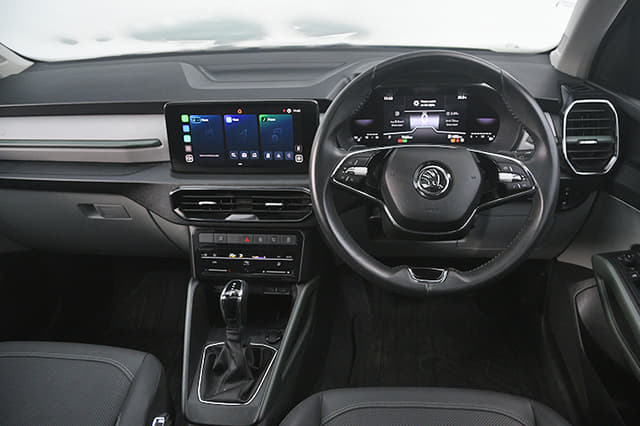
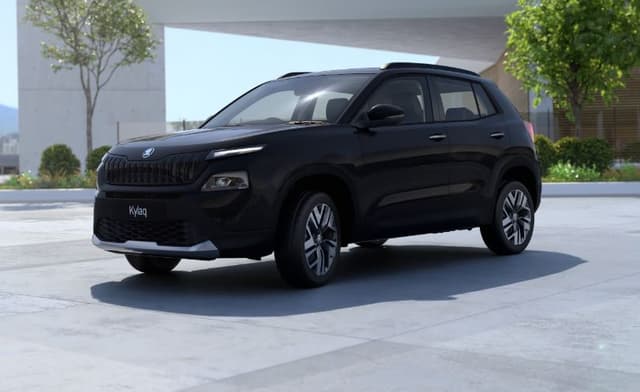
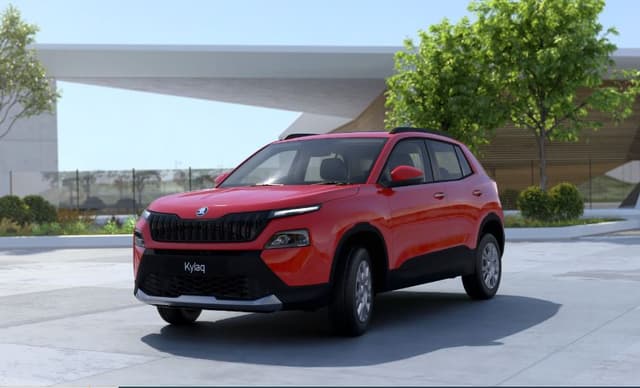
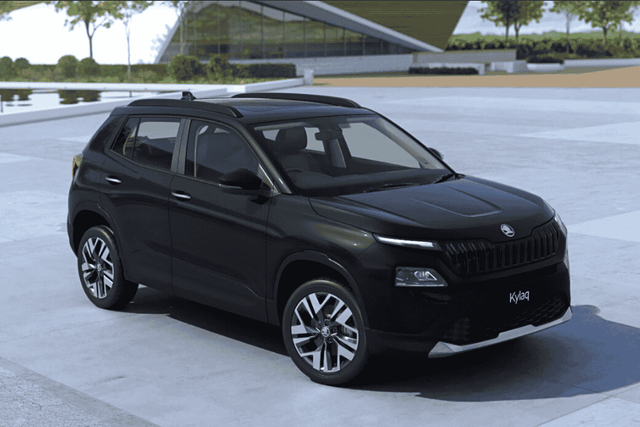
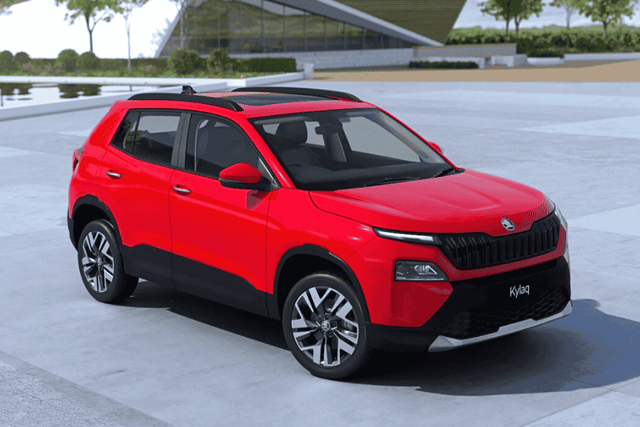
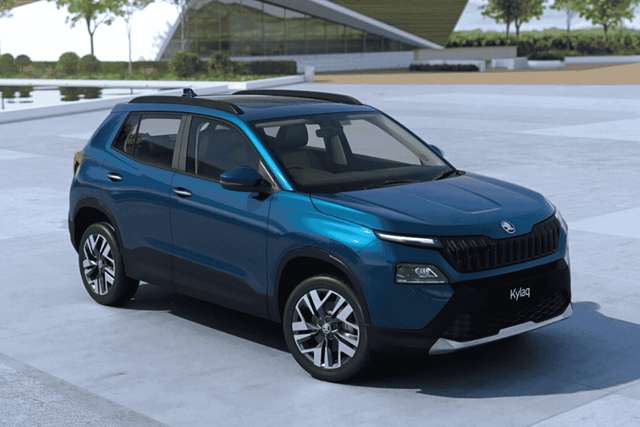
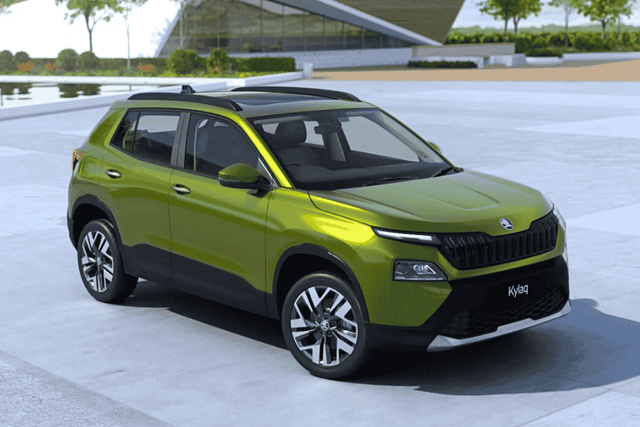
Skoda Kylaq price in Mysore
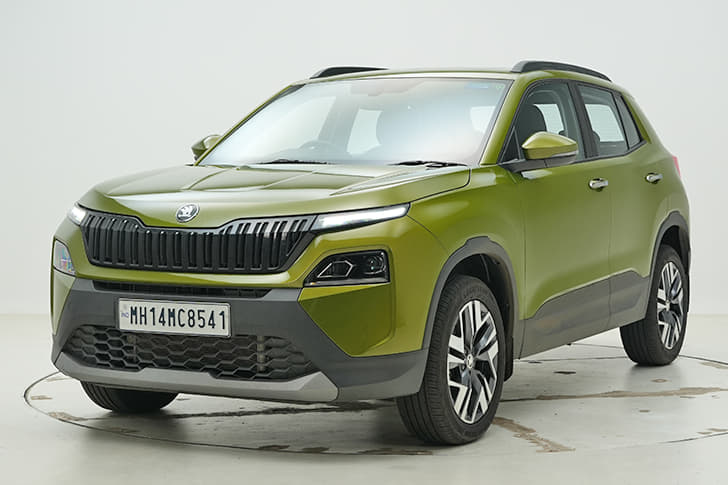
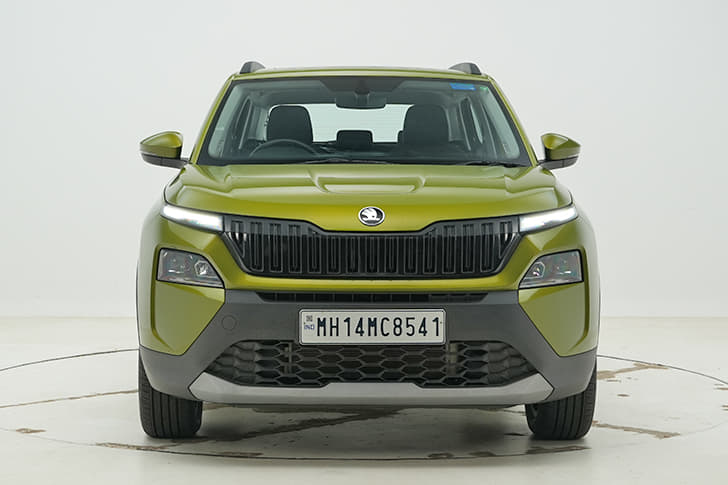
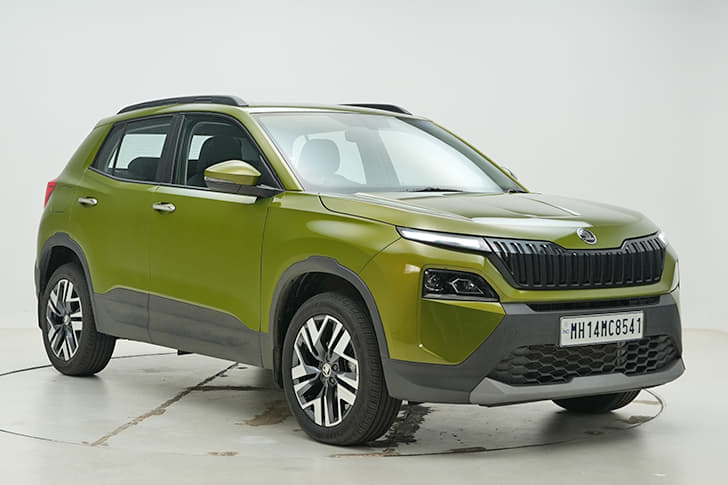
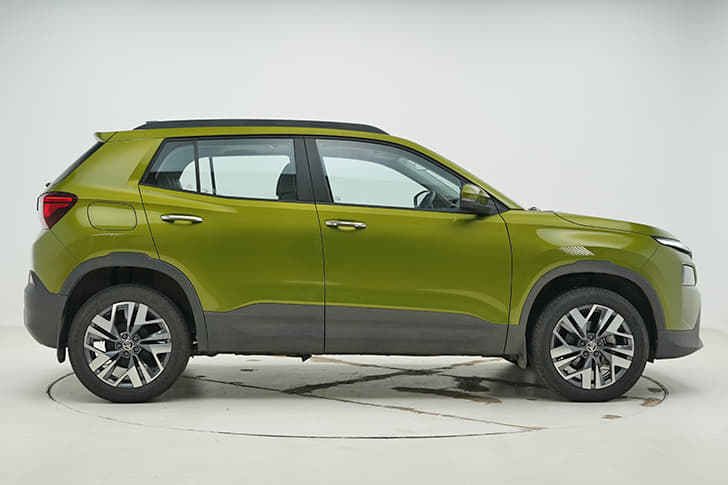


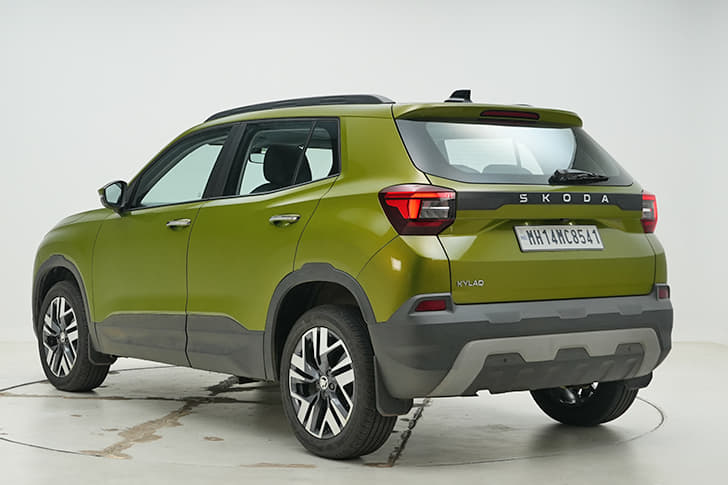
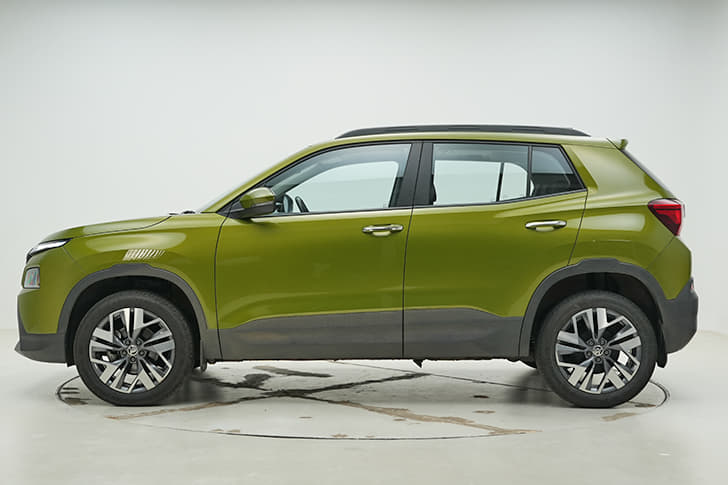
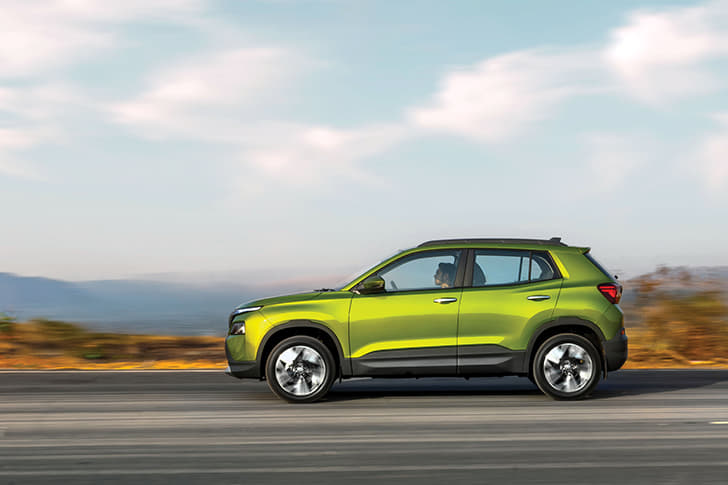
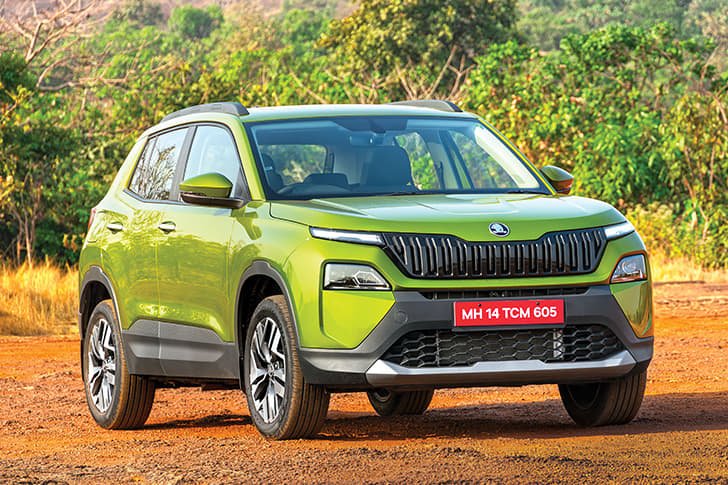
* Estimated on-road price. Final amount may vary.
* Estimated on-road price. Final amount may vary.
* Estimated on-road price. Final amount may vary.
* Estimated on-road price. Final amount may vary.
* Estimated on-road price. Final amount may vary.
* Estimated on-road price. Final amount may vary.
* Estimated on-road price. Final amount may vary.
* Estimated on-road price. Final amount may vary.
* Estimated on-road price. Final amount may vary.
* Estimated on-road price. Final amount may vary.
* Estimated on-road price. Final amount may vary.
* Estimated on-road price. Final amount may vary.
* Estimated on-road price. Final amount may vary.
Tell us about your experience
Skoda Kylaq Official Brochure
Download the complete brochure with specs, features, and variants.
Planning to buy Kylaq? Here are a few dealers in Mysore
Plot No 46, Koorgalli Industrial Area, Belawadi, Mysore, Karnataka 570018
10:00 AM - 7:00 PM
8216615555No 559, New Kantharaj URS Rd, Saraswathipuram, TK Layout, Mysore, Karnataka 570023






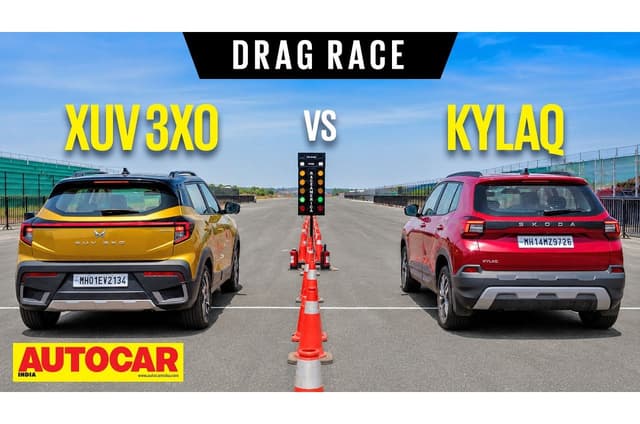



The Kylaq’s starting price is similar to the Tata Nexon and Mahindra XUV 3XO, which are also offered with a similarly powered turbo-petrol engine. Turbo-petrol engines offered with other rivals like Venue, Sonet, Magnite and Fronx have a higher starting price. The Kylaq also has one of the most affordable top-spec trims with a turbo-petrol engine in the segment at ₹12.99 lakh.
In terms of real-world performance, as well as the overall drive experience, the Kylaq is one of the best compact SUVs currently. However, it falls short in terms of equipment like a 360-degree camera and ADAS, which rivals offer. It is value-for-money if for you the driving experience precedes the requirement of premium features.
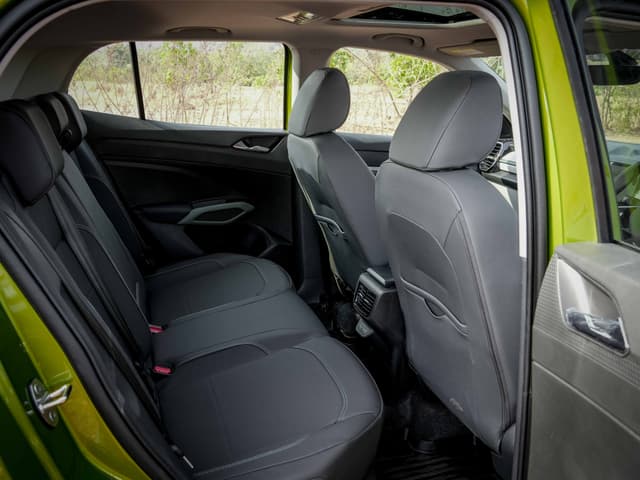
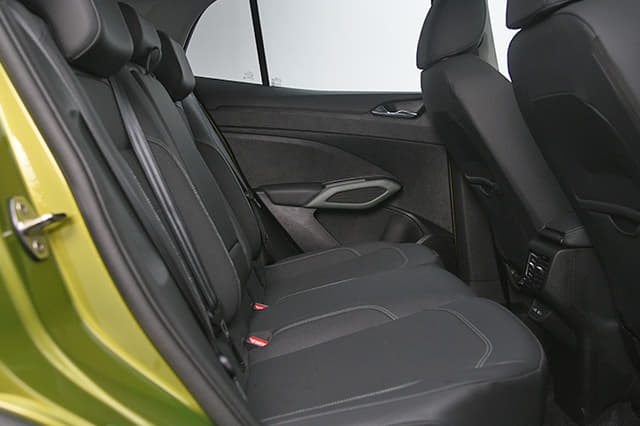
My budget is Rs 15 lakh. I will be the primary user of the car, although five people may occasionally travel in it. I have shortlisted the Skoda Kylaq and Renault Kiger, with the latter being considered with both the turbo-petrol and CVT options. My daily usage will be limited to around 8km, with occasional long-distance trips. Considering that the Kylaq’s rear-seat space is not particularly comfortable for three adults and that the Kiger’s RPM fluctuates even when driving at a constant speed, which of the two would be the better choice? Please also consider E20 compatibility while making the recommendation.

 Skoda KylaqRenault Kiger
I’m looking to buy the Citroen Aircross X 5-seater automatic, but I’m not completely convinced because of Citroen’s after-sales service and parts availability. If I don’t go for the Aircross, I will have to consider smaller cars such as the Kylaq or Venue, as my budget is Rs. 16 lakh at most. The extra space, ride comfort, and good discounts on the Citroen are tempting compared to the other two. Which one should I choose? My usage will be around 60% highway and 40% city.
Citroen AircrossSkoda KylaqHyundai VenueHi team Autocar, my usage is 16 km which includes 3 days a week on outer ring road in Bangalore. I take a maximum of 2-3 highway trips in a month around Bangalore. I have shortlisted Kylaq AT which I found peppy enough and has less turbo lag as well as XUV 3XO at that has noticable turbo lag. I am leaning more towards Kylaq but I am a little concerned about its AC performance, higher maintenance that may occur after warranty, EPC error and vehicle going into limp mode and being stalled in the middle of the highway. Do these issues happen in Mahindra as well? Do you think one should choose 3XO over Kylaq. What's your take on this?
Skoda KylaqMahindra XUV 3XOI am planning to buy a sub-4m SUV and have shortlisted the Skoda Kylaq Signature Plus Automatic and Hyundai Venue HX5 Diesel Automatic. My annual running is expected to be around 16,000 to 18,000 km, including approximately 12,000 km of highway driving. From an economic point of view, I am slightly concerned about the Kylaq’s real-world petrol mileage, especially given the high amount of highway running. I am also concerned about the long-term implications of E20 petrol and whether it could lead to any issues in the future. On the other hand, I have concerns about buying a diesel due to the possibility of future government restrictions and the uncertainty around long-term diesel ownership. Considering these factors, I would appreciate your advice on which of the two would be the better choice for at least eight years of ownership.
Hyundai VenueKia SeltosSkoda KylaqI am new to driving and am looking for a sub-4-metre petrol SUV with a torque converter automatic gearbox. My budget is around Rs 12-13 lakh on-road. I have shortlisted two options: the Skoda Kylaq Signature automatic and the Mahindra XUV 3XO MX2 Pro automatic. We are a family of five. My current usage is mostly within the city, but based on my future work requirements, it could shift to an 80:20 mix of city and highway driving.
Skoda KylaqMahindra XUV 3XO