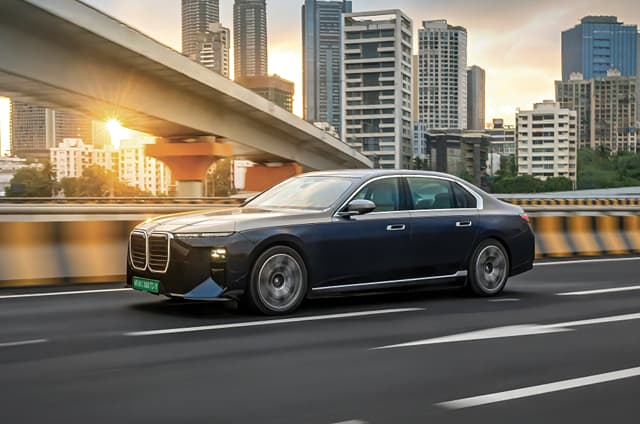
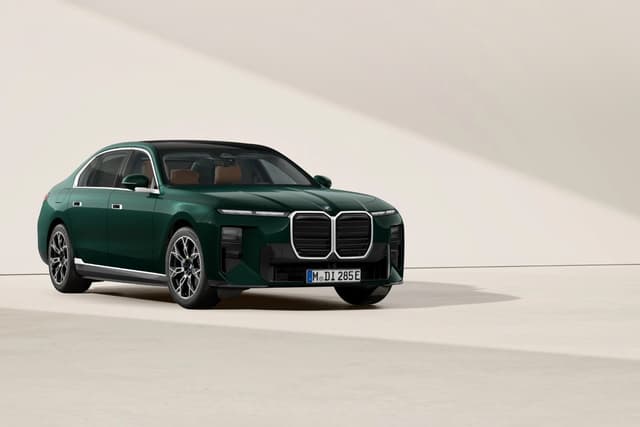
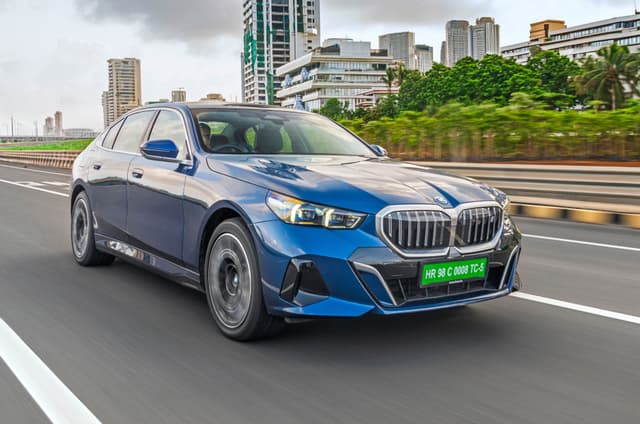
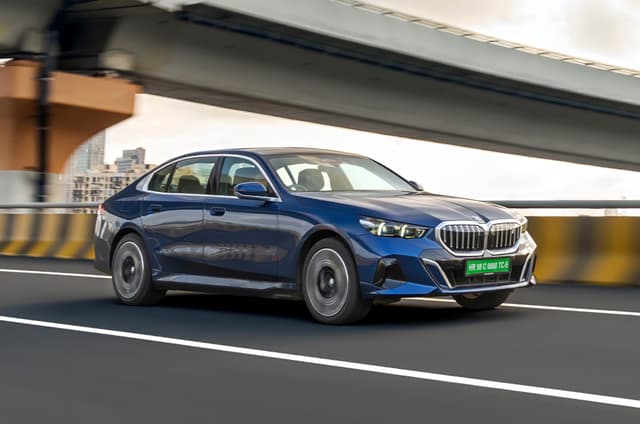
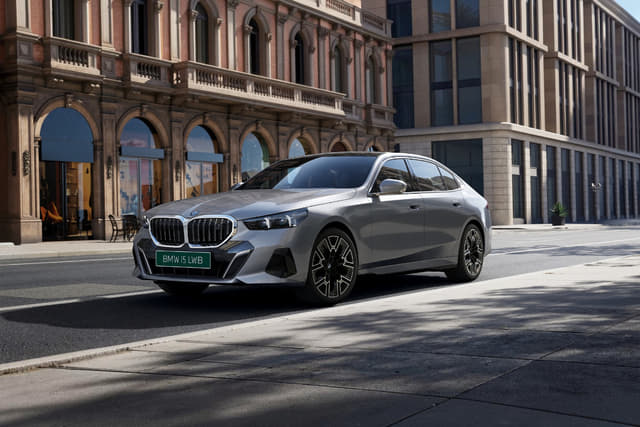
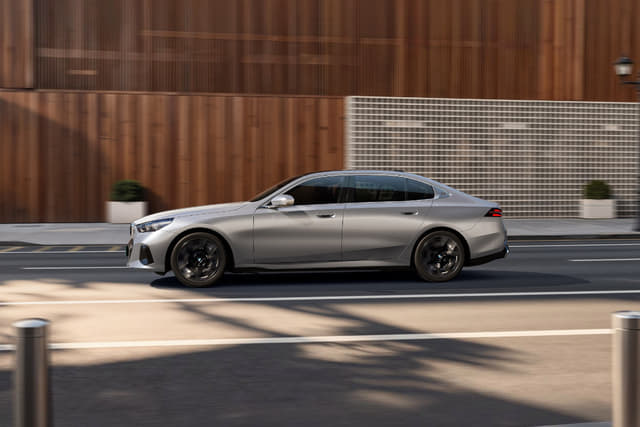
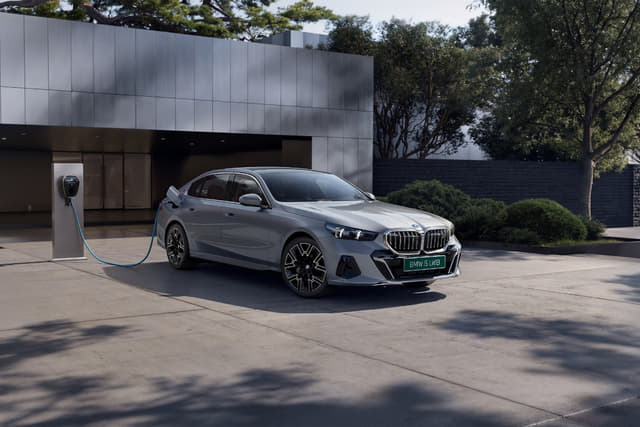
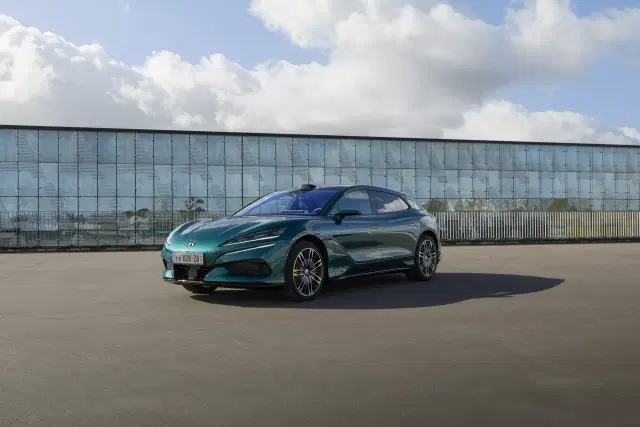
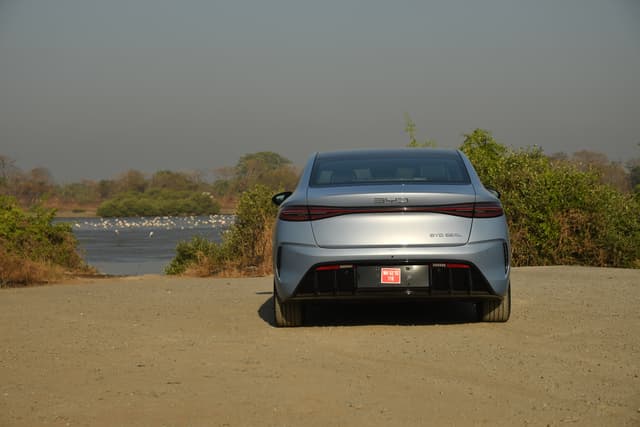
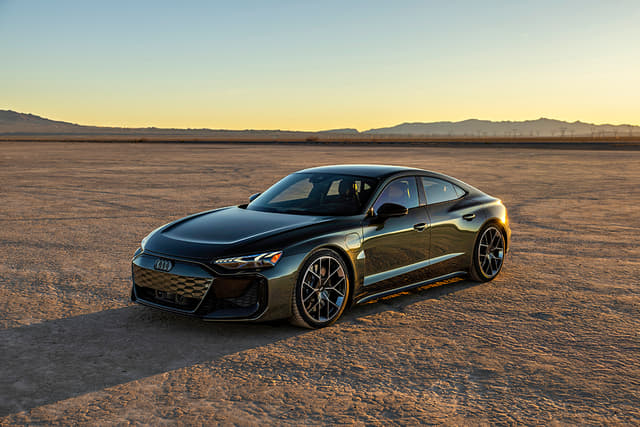
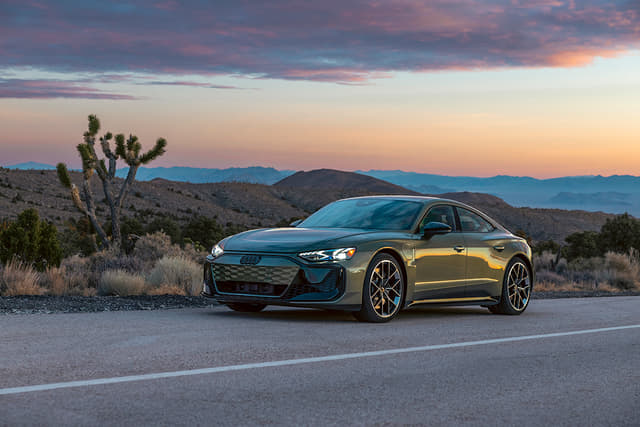
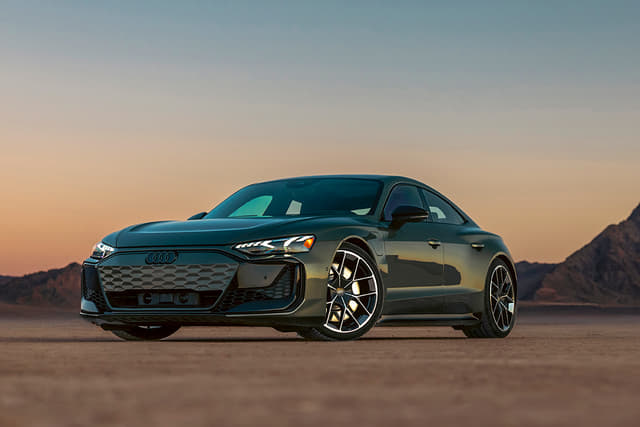
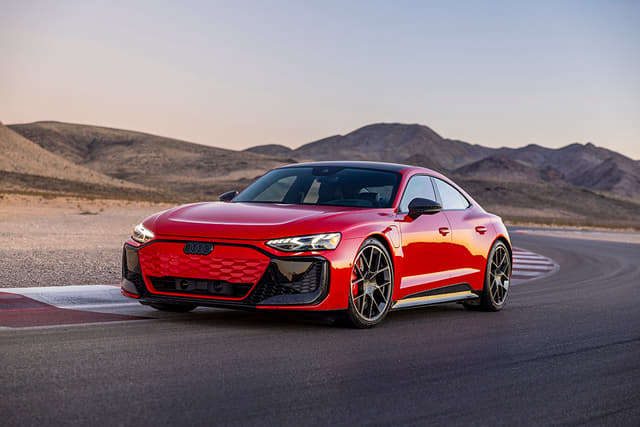
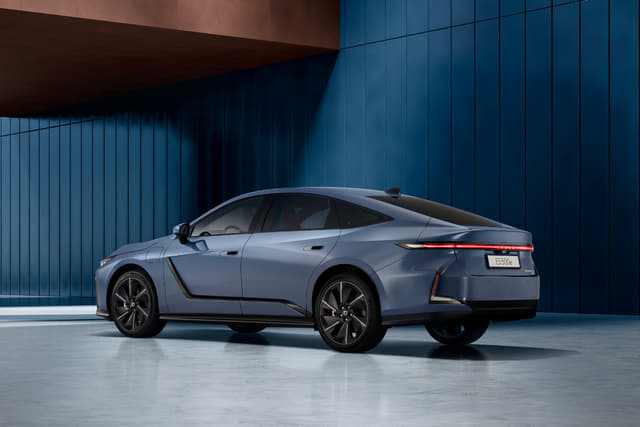
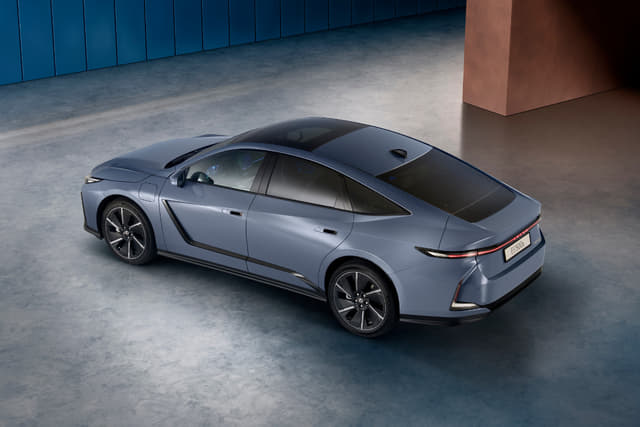
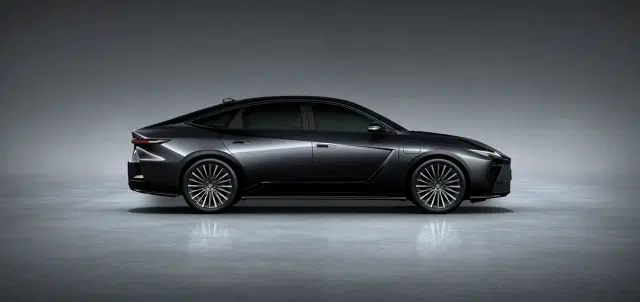
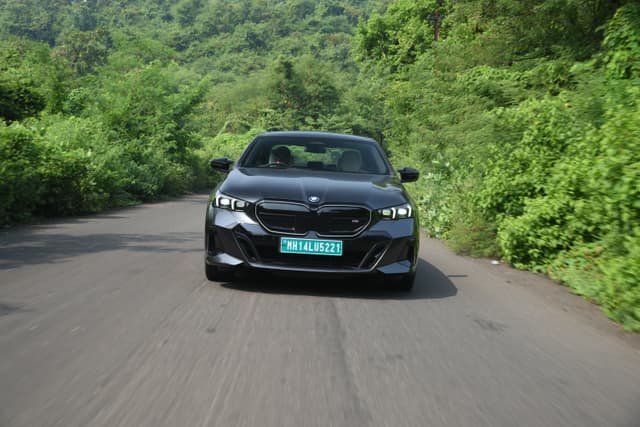
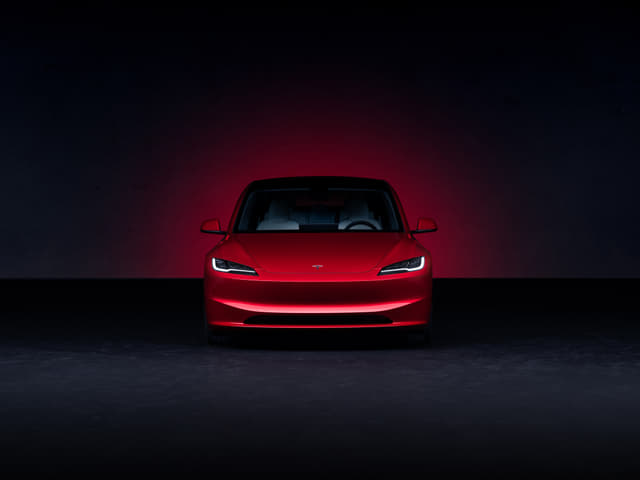
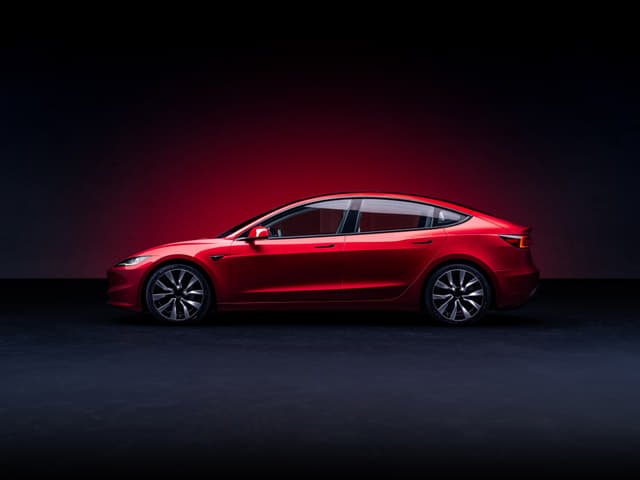
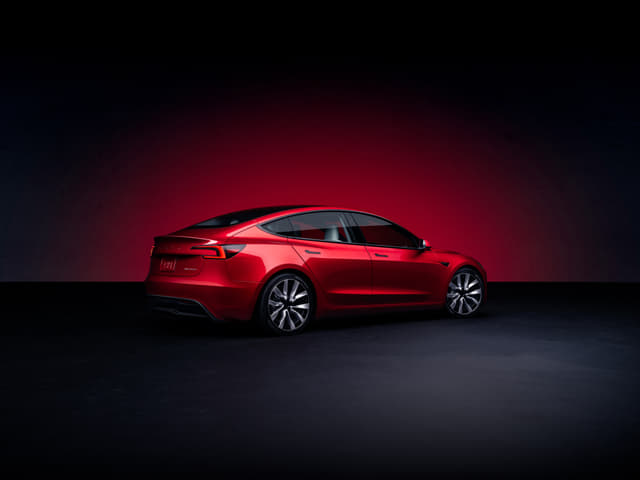
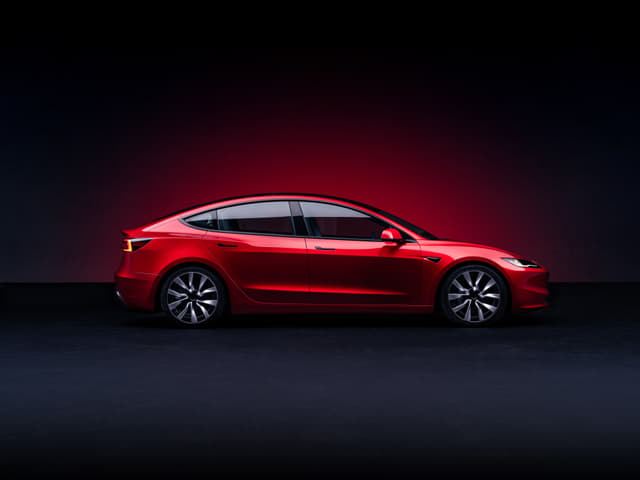
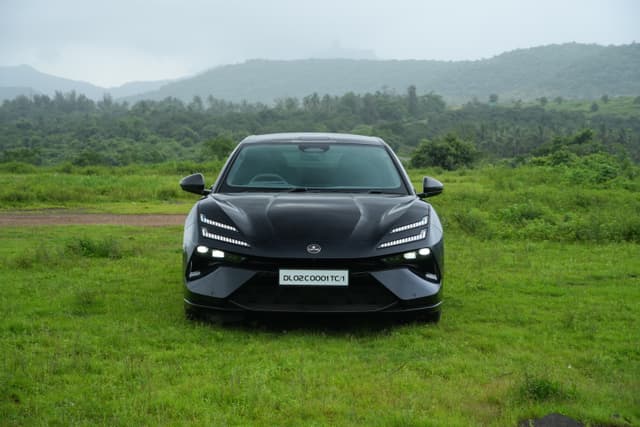
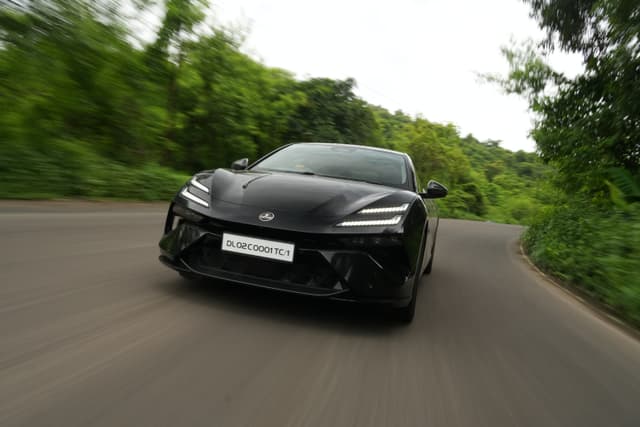
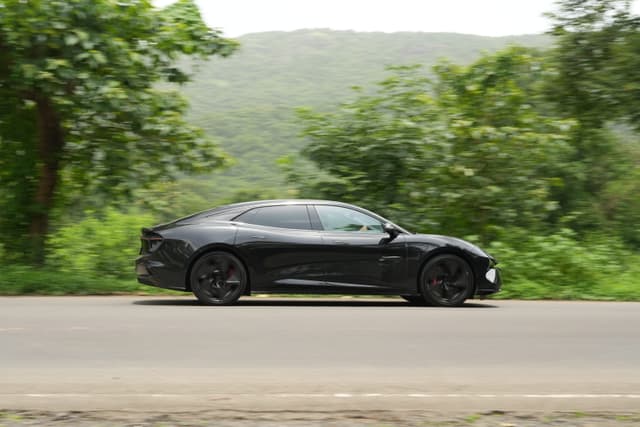
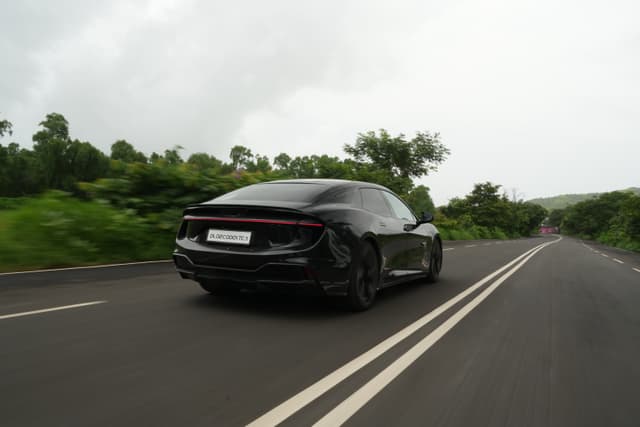
Sedan Electric Cars in India (14)
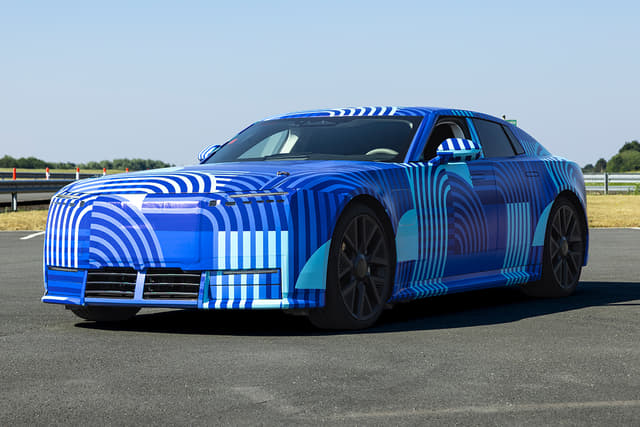
Discover the best Sedan Electric Cars. Our comprehensive guide covers detailed specifications, expert reviews, pricing information, and buying advice for Sedan Electric Cars. Find the perfect cars that matches your requirements and budget.


Find cars by transmission


Find cars by transmission
Trending Questions on Cars - Answered by Autocar Experts
I currently drive a 2018 Polo GT TSI. Now, I am looking for a new primary car; the Polo will continue as a secondary city car. The purpose of the primary car is a more comfortable back seat for my elderly parents, and I will have a weekly, once- or twice-a-week intercity expressway commute of about 300 km a day. So, comfort on the highway is also very important. Should I go with an EV? If so, which one? Or should I opt for the Virtus GT, as I enjoy my Polo a lot, or consider any other sedan? Budget: Up to Rs. 30 lakh OTR in Karnataka.
Given your requirements, the Volkswagen Virtus GT is the most sensible choice. You already enjoy your Polo GT TSI, and the Virtus GT builds on that formula with a more powerful 1.5 TSI engine, a larger and more comfortable cabin, and a genuinely enjoyable driving experience. It is one of the best driver's cars in the segment, and it is also well suited to long expressway runs.The back seat is a significant step up from the Polo, with good legroom and a comfortable seating position for your parents. The ride is on the firmer side, but it is well controlled at highway speeds, and the car feels stable and confidence-inspiring on long journeys.On the EV question, a 300km round trip once or twice a week is right on the edge of what most mainstream EVs can comfortably manage without charging stops in the real world. While cars like the Tata Harrier EV and XEV 9S can technically do it, you would be running the battery down to low levels, and charging infrastructure is still not consistent enough to make this a stress-free experience. The Virtus GT, on the other hand, is completely hassle-free on long highway runs.Overall, the Virtus GT strikes the best balance between driving enjoyment, rear seat comfort and long-distance usability. It is the car you are most likely to still enjoy owning after five years. If you can wait a few months, however, Volkswagen is launching a facelifted version that should get a few more features.
Hi everyone, We currently own a Chevrolet Sail Sedan Diesel and are planning to upgrade. I'm having a tough time deciding between buying another diesel SUV or switching to an EV. Our usage pattern is quite different from most buyers. We drive around 50 km per week, almost entirely within the city. Highway trips are very rare, maybe once or twice a year. Because of this, I feel an EV makes more sense, and I absolutely love the smooth and quiet driving experience that electric cars offer. At the moment, I'm considering the Tata Nexon EV, Kia Syros EV (newly launched), and the Hyundai Creta Electric, especially the new BaaS option in the base variant. I'm leaning slightly towards Kia/Hyundai because they seem to have a better reputation for battery management, software, overall reliability, and after-sales service compared to Tata. If I decide to stay with diesel, the base model Kia Seltos Diesel would probably be my choice. However, I'm quite concerned about modern diesel systems, particularly DPF regeneration and DEF/AdBlue-related issues. Since our driving is mostly short city trips with very little highway usage, I'm worried that a diesel may not be the right fit in the long run. Given our usage pattern, what would you recommend: Kia Seltos Diesel, Tata Nexon EV, Kia Syros EV, or Hyundai Creta Electric? I'd especially appreciate feedback from owners who have experience with these cars in predominantly city driving. Thanks in advance!
Between the Nexon EV, Syros EV and Creta Electric, the Nexon EV is the most affordable option. But we'd strongly recommend the Syros EV - it is a very sensible choice. It is priced well, has a good feature set, and cabin space is excellent. Kia's battery management, software and service network inspire more confidence for long-term ownership. Overall, the Syros EV is the more balanced package, and even though the Creta Electric is a good car, the Syros EV comes across as better value for money.
I am inclined towards buying a Sedan Now my monthly run approx is 1000km and may be 1-2 road trips of around 350km one way I see city hybrid as the option and Virtus With Virtus lately hearing a lot of EPC failure issues. Need good sitting relaxation and good driving experience I am ok to move to EV too, budget around 30lk for EV, but then worried on after sales service for Tata and Mahindra. What’s the best EV option
My dad is 60 years old. He currently drives a Skoda Slavia 1.0 MT for his daily commute of around 30-40 km (to and fro), mostly on small two-lane roads with moderate traffic. He really loves the car, particularly because of its very light steering at city speeds. He also drives sedately and prioritizes fuel efficiency. The only issue now is that, due to ageing, he feels he may switch to a smaller automatic car. His priorities are fuel efficiency, ease of driving, light steering, and compact dimensions. He is inclined towards the Kylaq, as he has developed a liking for Skoda cars after owning the Slavia. What are the other EV and petrol options available in the sub-4-metre segment with light steering and easy drivability comparable to Skoda cars? Or should we go with the Kylaq 1.0 AT?
The Skoda Kylaq 1.0 AT would be our recommendation. Since your father already enjoys driving the Slavia 1.0 MT, the Kylaq will feel instantly familiar. It retains the light steering, solid build quality and confidence-inspiring driving manners that have made him a fan of Skoda cars. The 6-speed torque-converter automatic is smooth, predictable and well suited to city driving, making it an ideal upgrade as he gets older. Its compact dimensions also make it much easier to manoeuvre on narrow two-lane roads. Skoda Kylaq price starts at Rs 7.59 lakh and goes up to Rs 12.99 lakh (ex-showroom, Delhi).If you're open to an EV and have access to home charging, the Tata Punch EV is another excellent option. The combination of light steering, instant torque and a single-speed transmission makes it one of the easiest cars to drive in city traffic, and its compact size is well suited to your father's usage.
I (a 39-year-old man) am planning to buy a new car for the first time. I don’t know how to drive yet. I work 12 hours a day and won’t need the car for commuting to the office. I will drive an average of 200km per month. Also, I may plan 400 km-long trips every 2-3 months after learning to drive. I want good mileage as well. My budget is Rs 15 lakh on-road, with approximately Rs 5 lakh as a down payment. Should I buy a diesel, petrol, CNG, or EV? Should I opt for a naturally aspirated engine or a turbo one? I plan to keep the car for around 8-10 years. I am looking for recommendations for May 2026. Should I buy a compact SUV, hatchback, or sedan?
Buy a simple petrol automatic hatchback or compact sedan with a naturally aspirated engine. It suits your 200 km a month, occasional 400 km trips, and makes learning easy. Diesel won’t pay back for your usage and can hate short runs. CNG saves only with high km and is a pain on highway trips with long queues and a small boot. Budget electric cars under Rs. 15 lakh can work only if you have home charging and don’t mind planning stops on those 400 km runs.Stick to a naturally aspirated petrol. It’s smoother at low speeds, simpler for 8-10 year ownership, and real-world mileage is steadier than small turbos that tempt you to drive harder and are sensitive to driving style. Get the automatic to reduce stress; you’ll drive more often because it’s easy.Models that fit your plan and budget now and should still be around in 2027 (if that is what you mean): Maruti Suzuki Baleno or Toyota Glanza automatic for top mileage and easy city manners, Honda Amaze automatic if you want a comfy sedan with a big boot for trips, or Tata Punch automatic if you like a higher seat and extra ground clearance. You’ll give up a little mileage with an automatic, but the ease is worth it.
Last Updated on: 9 Aug 2026