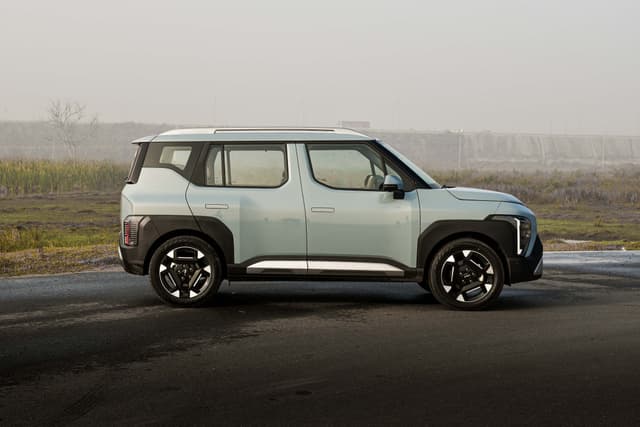
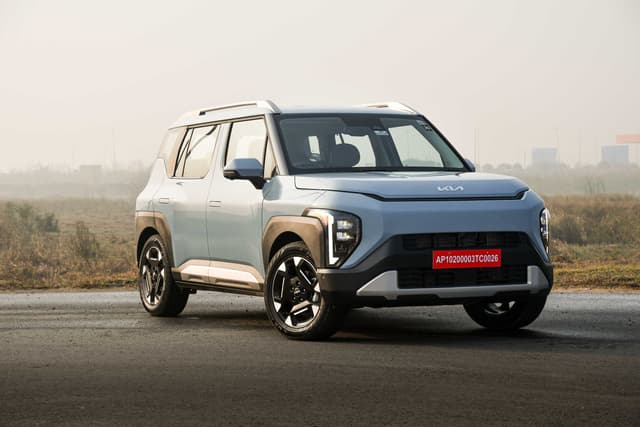
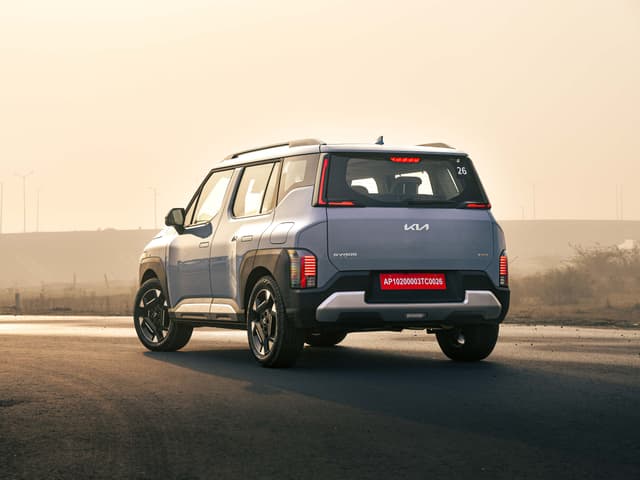
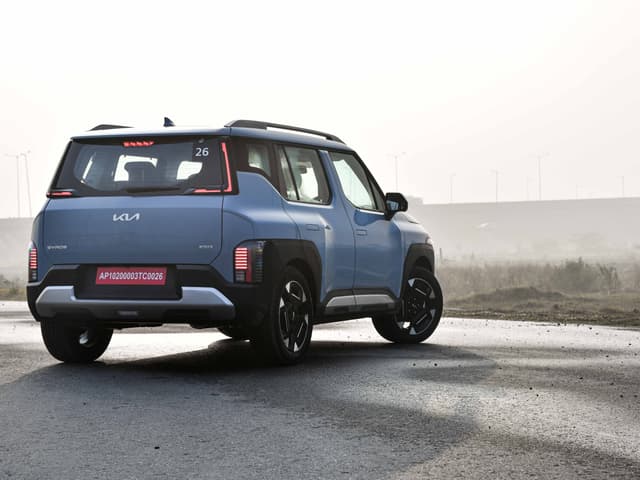
Venue HX7 or Syros HTK+

Last Updated on: 26 Oct 2026
Tell us about your experience
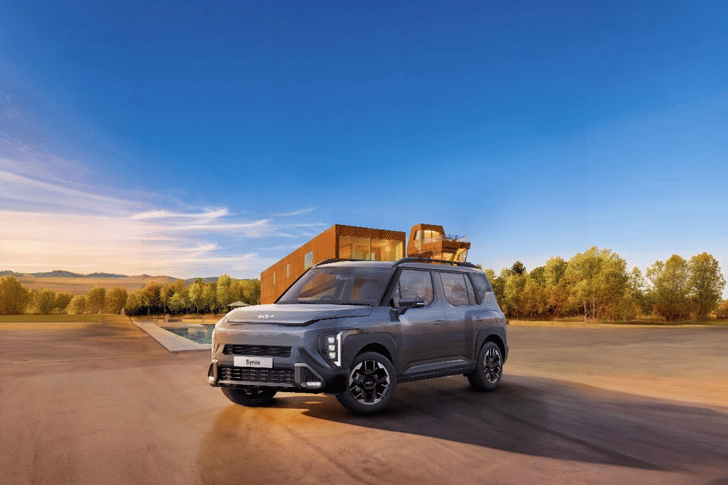
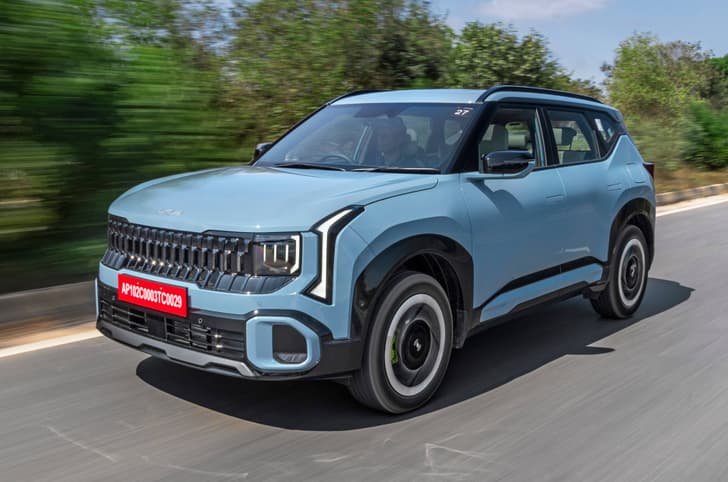
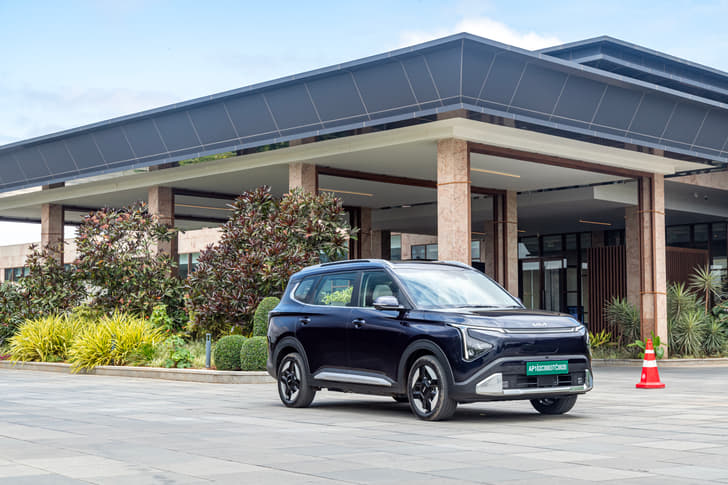
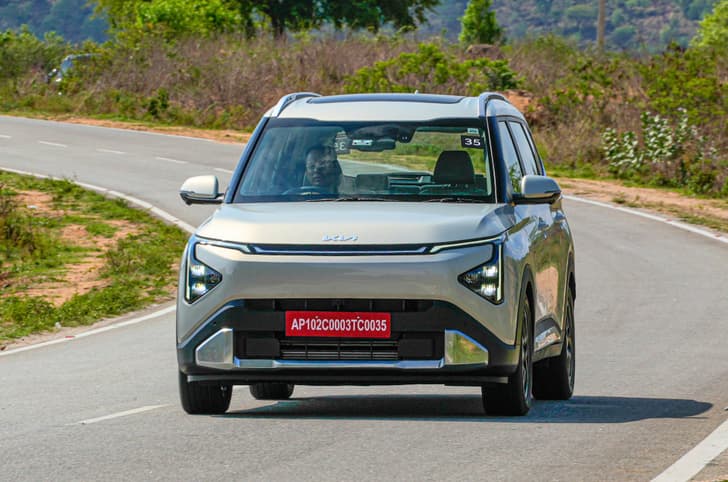
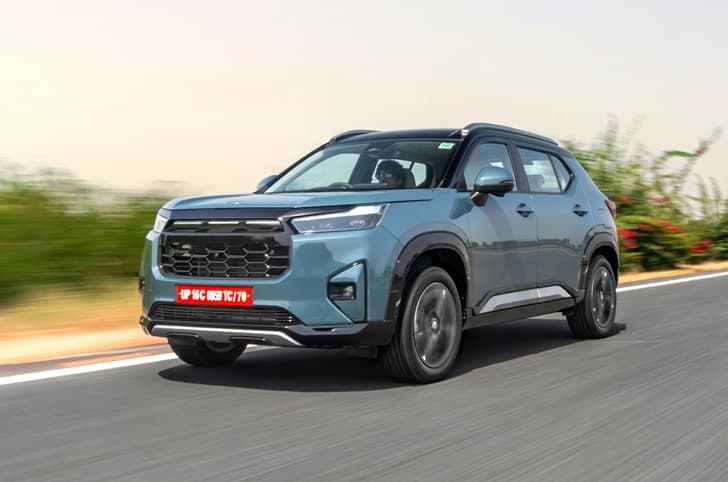
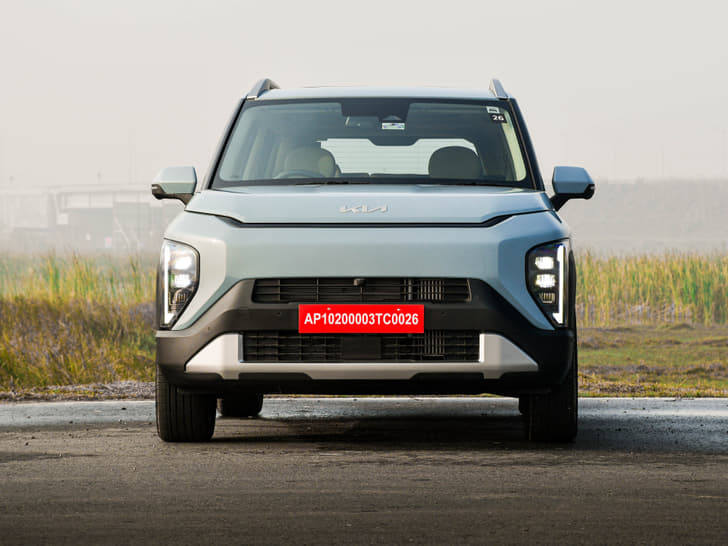
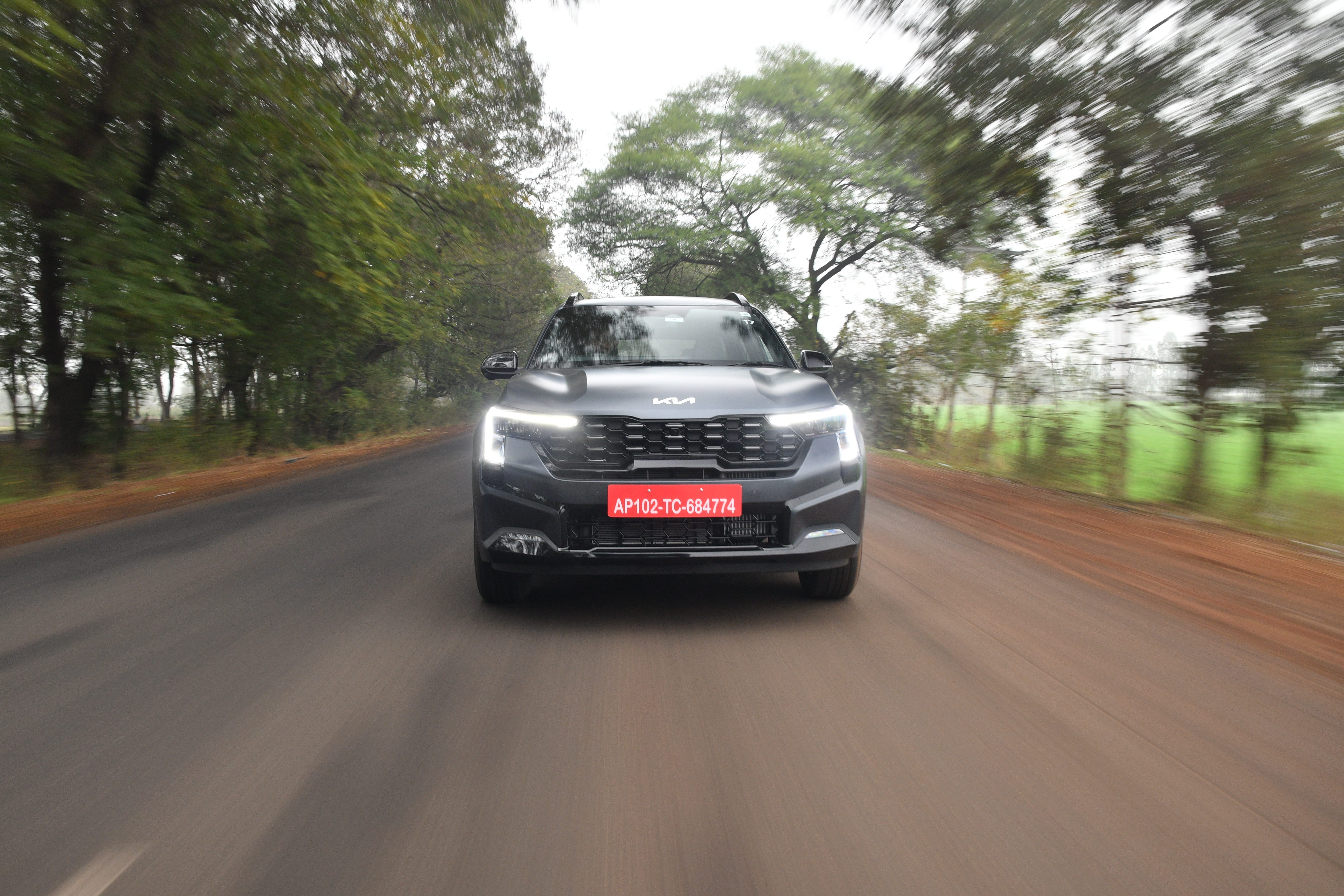
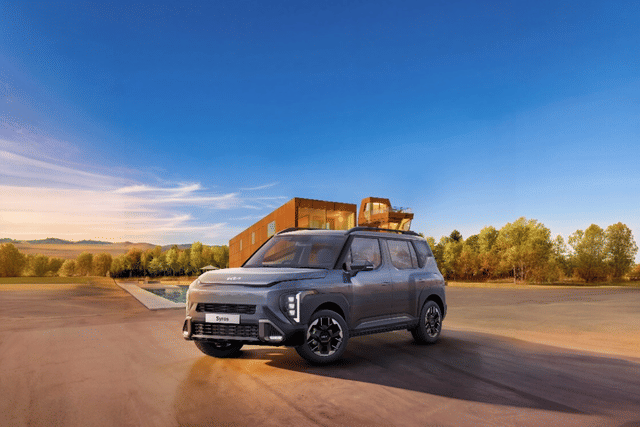
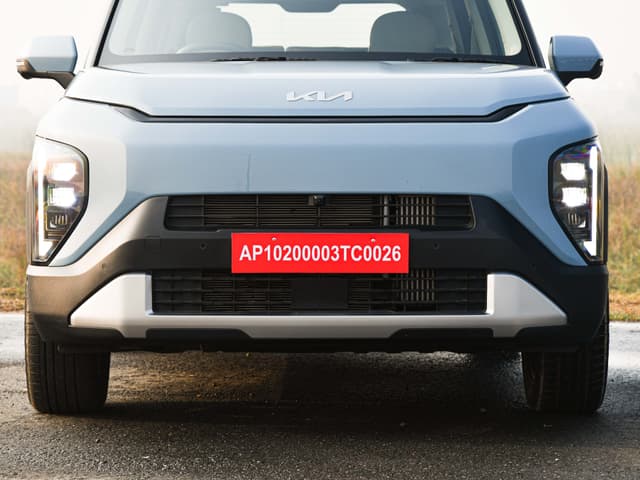
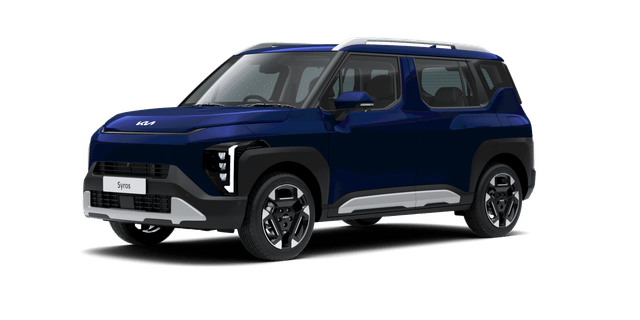
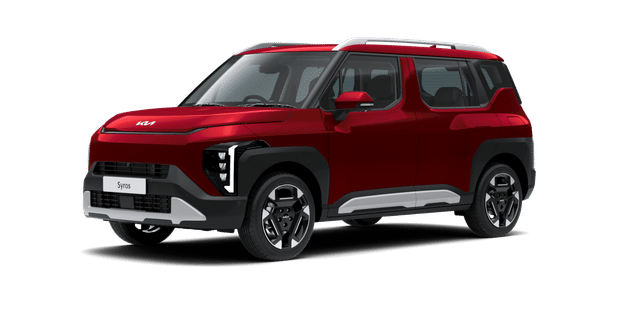
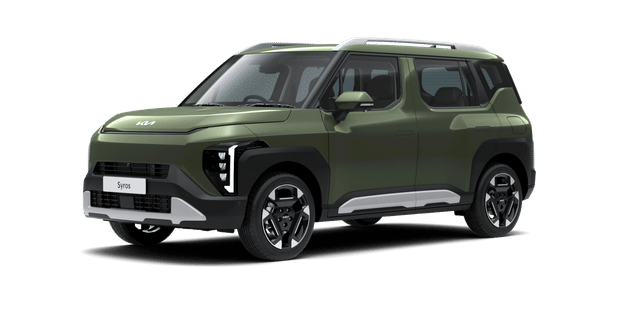
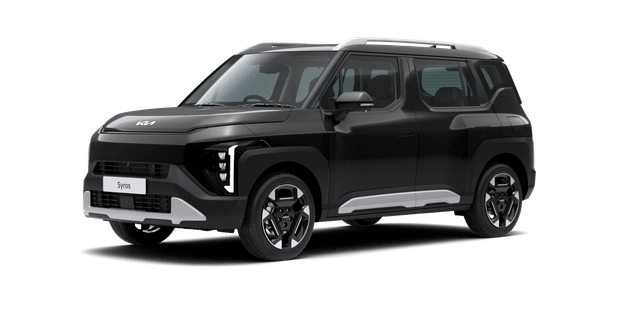
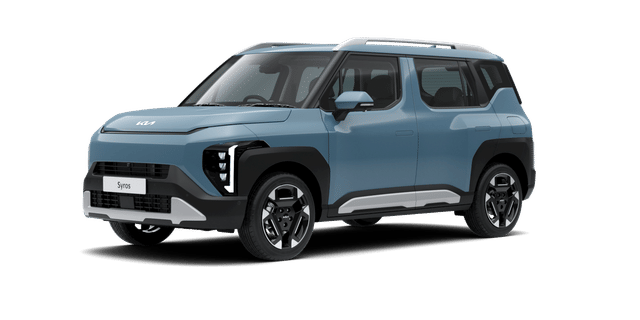
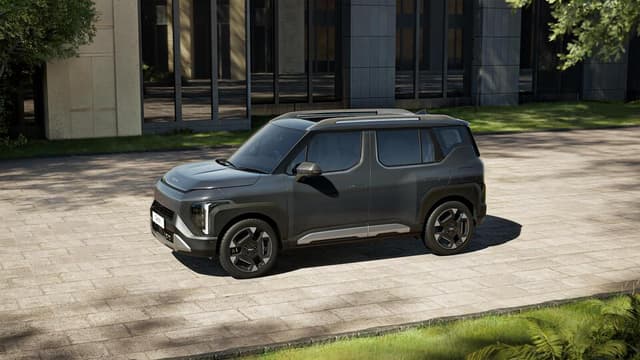
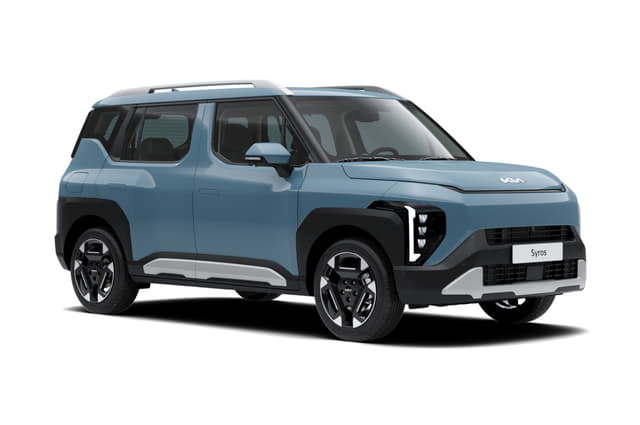
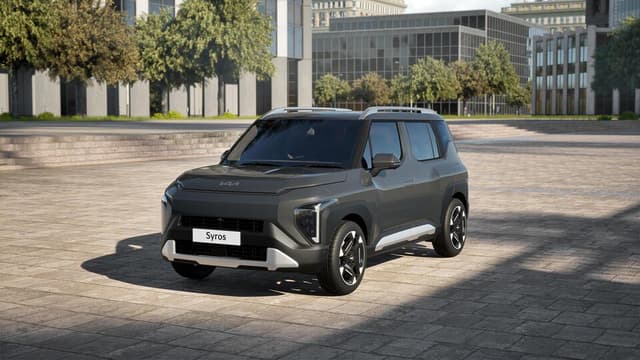
The Kia Syros is built on Kia's K1 platform, which has been strengthened with hot-stamped parts, and it comes with two engine options: a 1.0-litre turbo-petrol and a 1.5-litre diesel. Neither engine is the quietest, but both suit the car's relaxed nature well. As per us, the diesel automatic is the pick for highway users, while the turbo-petrol DCT makes more sense in the city.
Key facts for the Syros:
I've owned the HTX 7DCT model since November 2025 and have driven 6000 km so far. No complaints at all, and the looks are impressive, which is why I chose this car after considering 3-4 others in the under 15 lakh budget. Highway rides are very comfortable, especially on hilly roads.
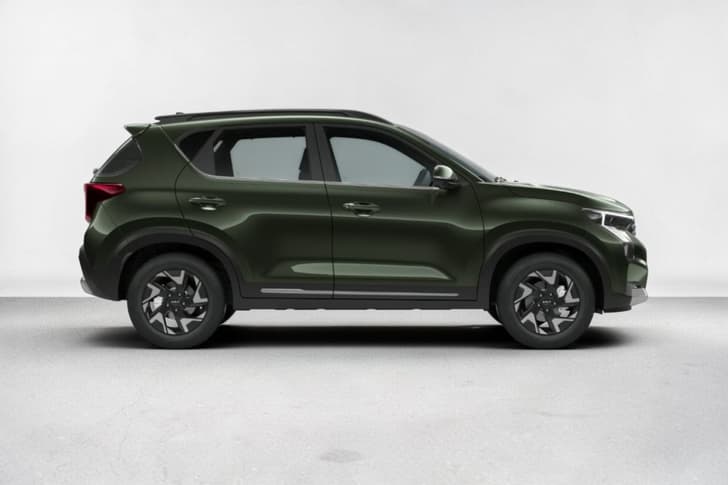
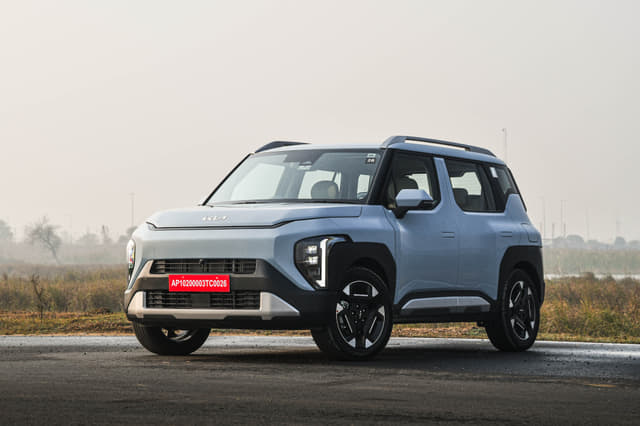
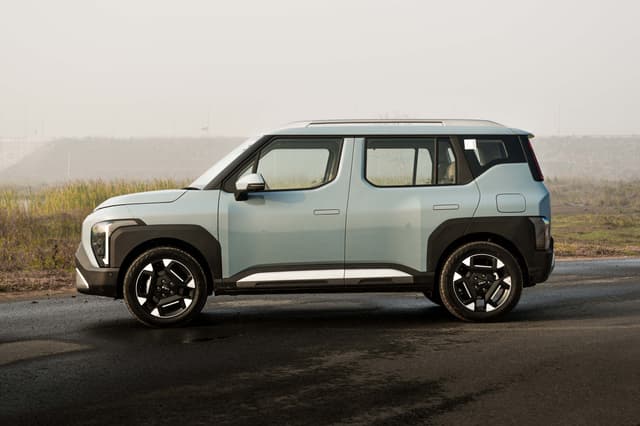
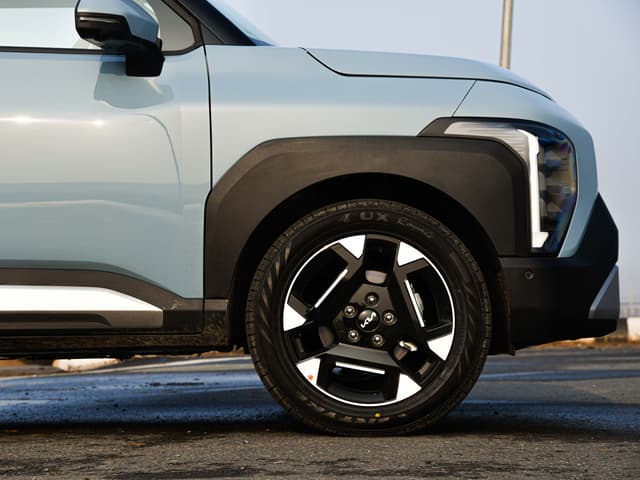
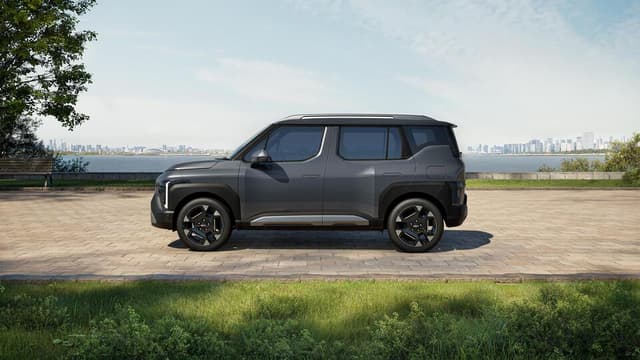
This is my first car, and I'm really happy with its performance and comfort. I particularly love its side profile; it's stunning. The mileage is impressive too, especially on highways where I've gotten around 17-18 km with the AC on. Comfort-wise, it's excellent. The only downside for me is the headlights.
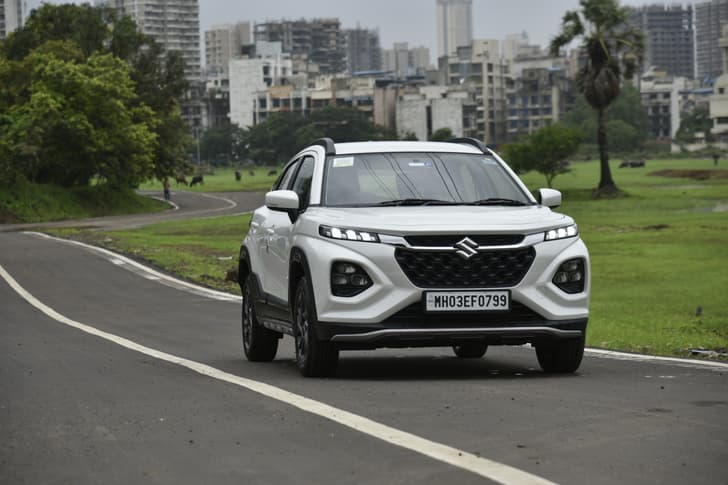
The car is fantastic. Compared to the Fronx (Maruti) and Toyota Taisor, it has more features. Whether you're looking at engine performance, safety features, size, or fuel tank capacity, the Syros provides the best value at the lowest price among the three. Unless you have brand loyalty to Maruti or Toyota, this car is definitely worth a try.
It's been a year and a half since I bought the car, and I've driven around 23k km without any issues. I feel like Kia cars give a luxury vibe and the AC quality is impressive; it cools down quickly even after being parked in the sun. The service has been good too, with my second service costing about 5K. The design of the Syros is subjective, but overall, it's a good car.
Great city ride - peppy drive, linear uniform acceleration, manoeuvrability in tight spaces, seating space and comfort. Sorely missing - parcel tray, powerful headlights, fuel efficiency expected of a small car (my Syros is barely returning 9 kmpl with E10 petrol, and 11kmpl with XP100).
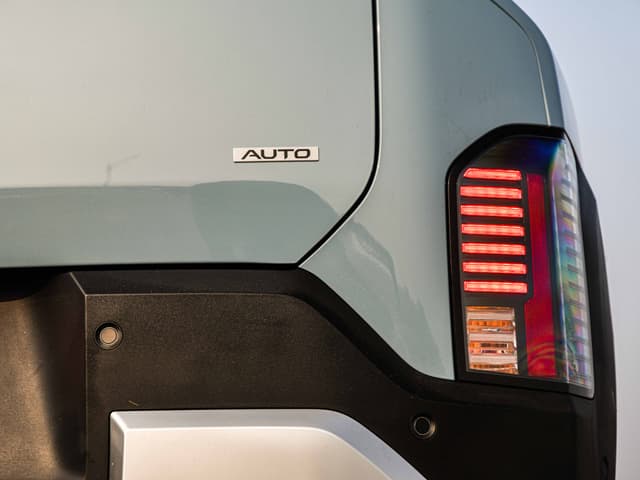
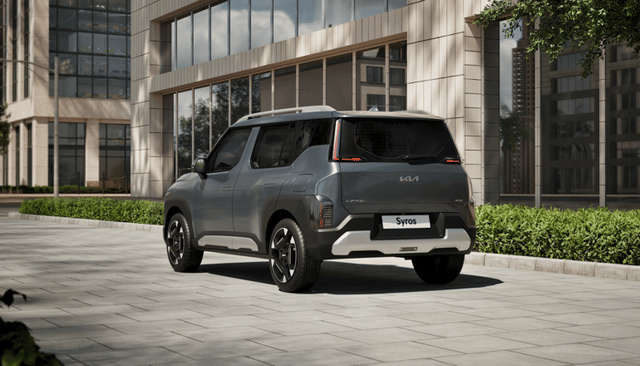
This car is very nice, offering features like sliding rear seats and sun shades. It's fun to drive, but mileage is average. One thing I dislike is the headlamp and rear light placement; even a small tap could crack the glass.
Driving this car feels really good, it has amazing features, and the design is very futuristic. However, mileage and second-row space could use some improvement. Overall, it's a good car.
I bought the car a few weeks ago and I love it. The car is gorgeous IRL. It certainly stands out in a sea of venue, sonet, brezza looking cars. I’m at 1500 kms roughly and my delhi bumper to bumper monsoon mileage is 10.8. Still to have its first servicing. This compared to my Baleno RS is a bit of a bummer. The cabin is beautiful. The features work well. The harman speakers are great. It was my first AT (I’ve only ever driven one during test drives) and I was super comfortable from the get go.
The Kia Syros petrol with 1.0 turbo engine is peppy and has roomy interiors. It also features ADAS level 2.
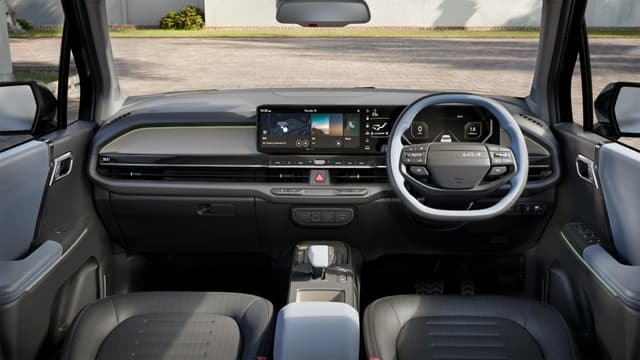
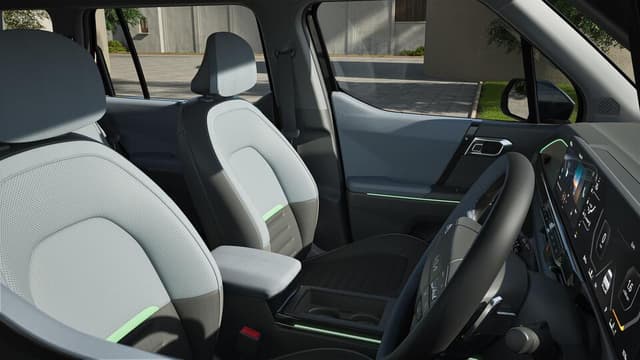
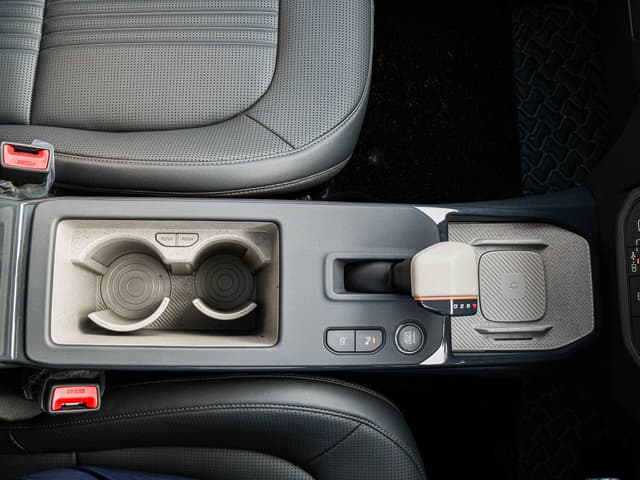
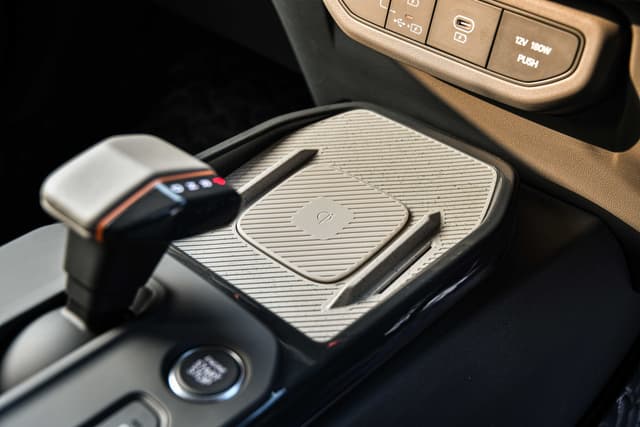
Stylish, high-quality interiors
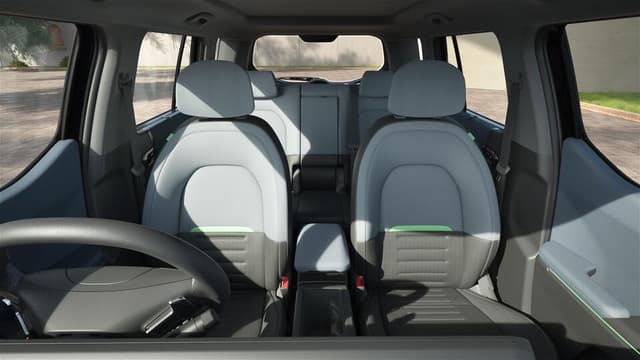
Very comfy and spacious rear seats
High NVH levels in both petrol and diesel
Hear from the
Join the Discussions
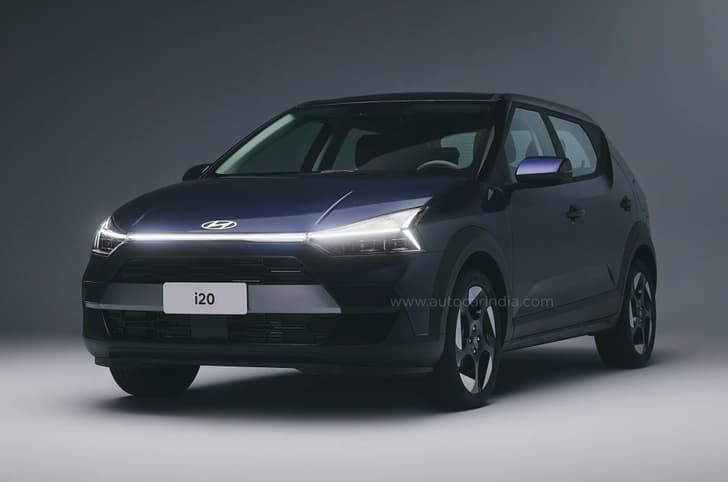
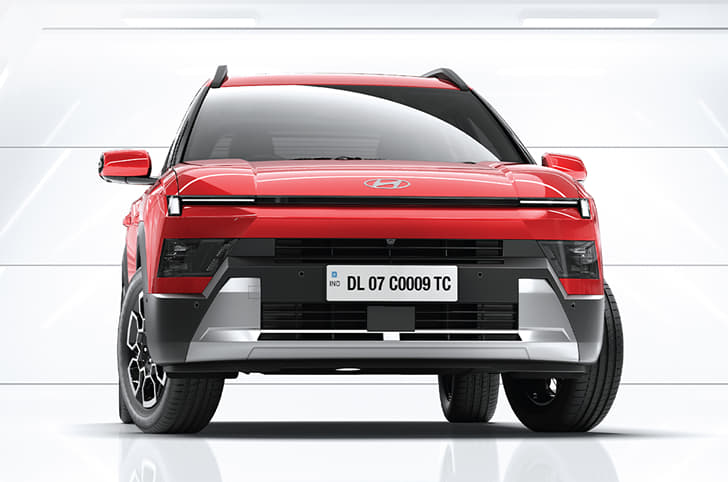
Namaste Autocar Team, I am from Kolkata and am considering two cars within a budget of Rs. 15 lakh on-road: the Hyundai Venue HX7 diesel manual and the Kia Syros HTK+ (O) diesel manual. My monthly running is around 1,500-1,750 km, with a 90:10 split between city and highway driving. I mostly drive in the city, and my 2017 petrol Hyundai i20 is becoming expensive to run. Hence, I am considering a diesel car, although I am not interested in an EV at the moment. Which of these two cars would be a more practical and reliable choice for long-term ownership, considering a 10-year ownership period, service costs, comfort and mileage? I am tempted by the new Venue, but the Syros offers slightly more rear-seat and boot space, which is important for my family of four. I would appreciate your honest opinion and observations.
The Kia Syros HTK+O diesel manual is an excellent option. For your usage, a diesel car makes sense, and the Syros is the more practical long-term choice. Thanks to its boxy cabin and adjustable rear seats, it gives you the flexibility to free up more rear seat space for passengers or increase boot space. Its cabin experience also feels more premium than the Venue. The Syros and Venue share their 1.5 diesel powertrain, but do keep in mind that since your usage is mainly in the city, you will have to periodically drive the car at high engine speeds for 20-30 minutes to ensure the diesel particulate filter doesn't clog up.Hyundai has a wider service network than Kia, and its ownership costs are likely to be a bit lower, if not similar, to the Kia's. However, the cost difference is only going to be marginal. Overall, the Syros is a good family car, and if you like its design, it is a sensible choice.
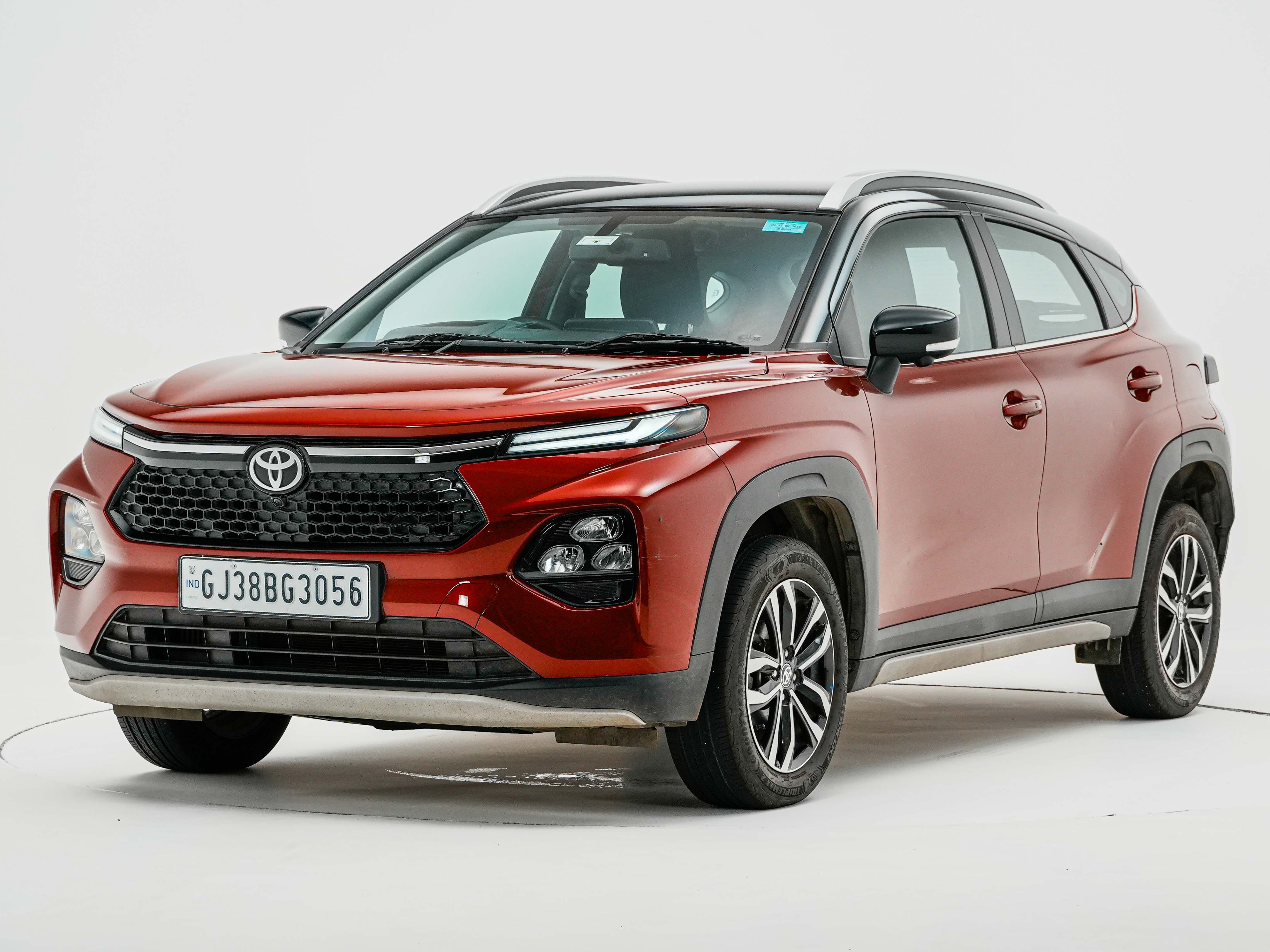
I am planning to buy my second car, a sub-4m petrol automatic SUV, with a budget of around Rs 15 lakh. I currently own a WagonR, and my usage is primarily city driving, with occasional long trips. I am confused between the Kia Sonet, Kia Syros and Hyundai Venue. I particularly like the Syros, but I am concerned about its low sales figures and the positioning of its headlamps. I am also unsure whether a 360-degree camera is worth having, as it is available only in the top variant of the Sonet, while the Syros does not offer one. I would appreciate your guidance on which of these SUVs would be better suited to my requirements.
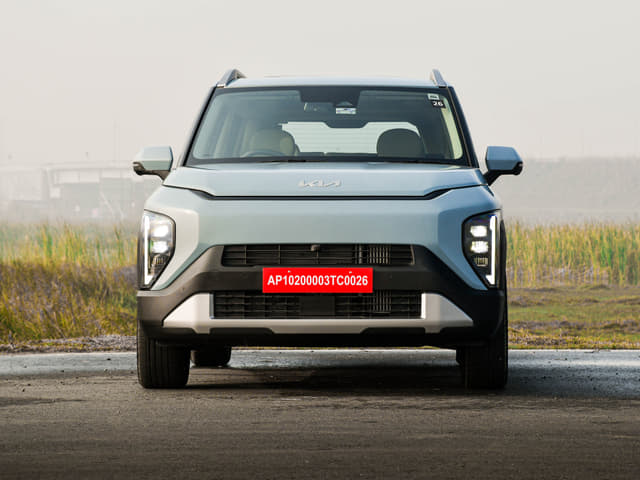
For a second car that will primarily see city use with occasional long trips, the Kia Syros is the most interesting choice of the three. The Syros gives you a more substantial upgrade, with a spacious cabin, excellent rear seat comfort, a 465-litre boot and a premium interior while remaining under four metres. Its 2,550mm wheelbase is also longer than both the Kia Sonet and Hyundai Venue, which is why it feels particularly roomy inside.The low sales numbers would not be a major concern. The Syros uses familiar Kia powertrains and components, and Kia's service network is already well established. The headlamp position is unconventional and does expose the units to a greater risk of damage in a minor bumper corner impact, but it should not be a deal breaker if you like the car otherwise.The 360 degree camera is useful but not essential. It is particularly helpful in tight parking spaces and narrow city lanes, but a good rear camera and sensors do most of the job. It would not be worth choosing the Sonet's top variant solely to get a 360 degree camera. The Venue is the safer conventional choice if you prefer a newer, more established package, while the Sonet makes sense if you want a smaller, sportier-feeling cabin and more familiar product. But for your requirements, the Syros offers the most meaningful upgrade from a WagonR.
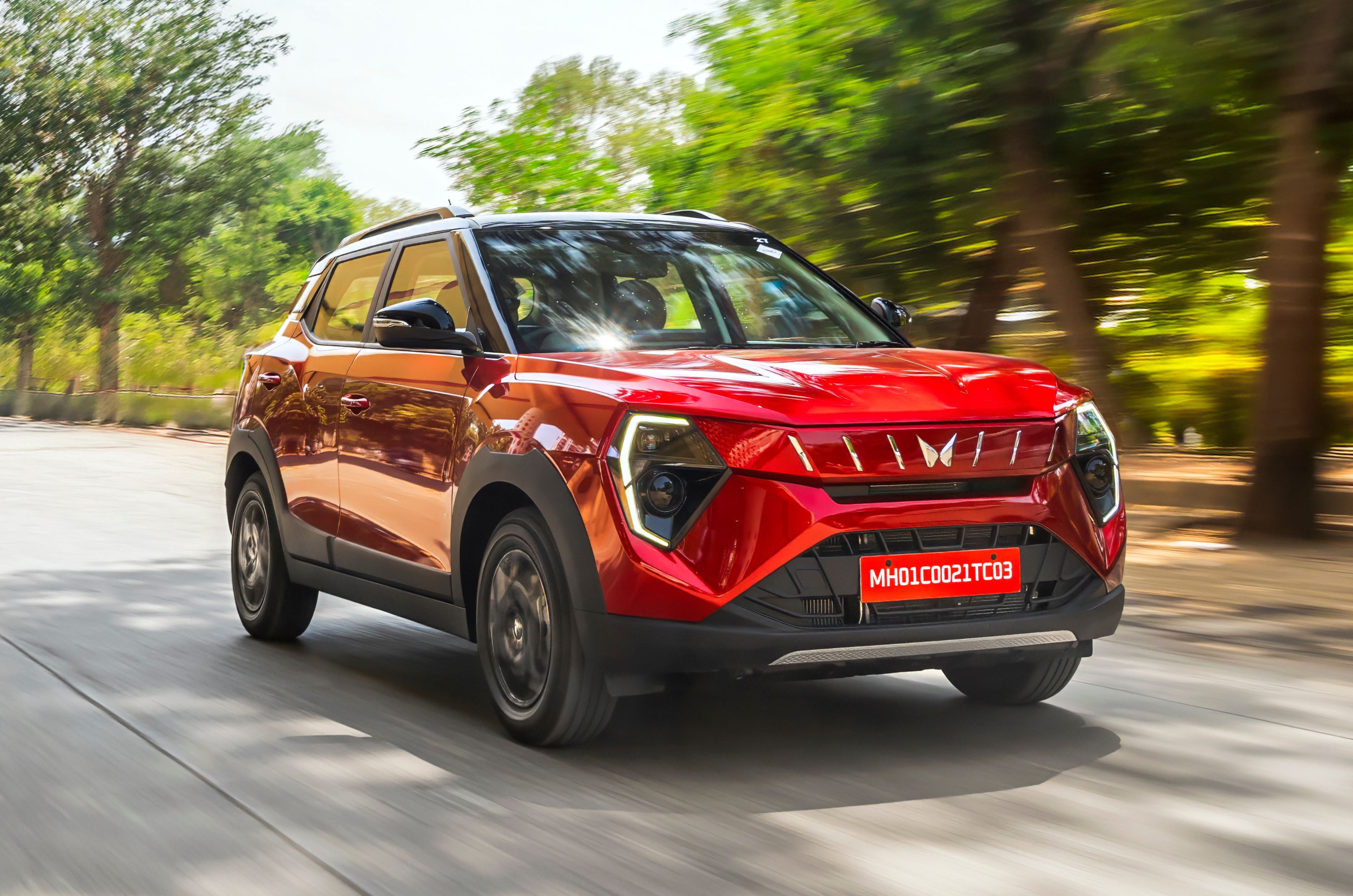
I’m a first-time car buyer in Bangalore, and I’m currently learning how to drive. Should I buy a manual car to learn how to drive a manual and then switch to an automatic for my next car, or should I get an automatic right away? I’m considering the manual Kia Syros and the automatic Hyundai Venue.
For a first-time buyer learning to drive in Bangalore, buying a manual just to learn the gearbox and then switch to an automatic later offers little benefit. Learning the basics of steering, braking, positioning, judging gaps, and handling traffic is already a substantial task. An automatic lets you concentrate on those skills without adding clutch and gear changes, which is particularly useful in Bangalore traffic.Between the two, the Hyundai Venue automatic is the more suitable choice for a first car. Its 1.0-litre turbo petrol paired with a seven-speed DCT has adequate performance for both city driving and highway use.The Kia Syros manual is a good option if learning manual driving is itself an important goal or if you genuinely enjoy being involved in driving. This Kia car shares the same 1.0 turbo as the Venue, and the six-speed manual is well matched to the engine. However, buying a manual only as a training exercise does not make much sense when the eventual preference is for an automatic.
Hi Team, I want to buy the Kia Syros EV HTK (base variant). My daily running is around 280 km.
With a daily run of 280 km, the Kia Syros EV 42kWh HTK might not be an ideal option. This Kia car is a very good family EV with a comfortable ride, spacious cabin and a premium feel, but with a real-world range of around 300- 350 km depending on driving conditions. At 280 km a day, you are using around 80-90% of the battery every single day, which means you will need to charge it daily, and you will have very little buffer for unexpected detours or highway driving at higher speeds, where range drops. For your usage, at the current price, consider diesel-automatic options of the Venue or Syros diesel-automatic, which start at around Rs 15 lakh.If you must have an electric car, opt for the extended range version of the Syros EV with a 51.4kWh battery that'll have a real-world range of around 400km, which will be a bit more reassuring given your 280km daily usage.
Hello Autocar, I am quite confused between the Kia Syros and Hyundai Venue. Which one should I buy? My usage will mainly be city driving in moderate to heavy traffic, and I have shortlisted the HTK+ and HX5+ variants.
It's a close call given that both cars are the same underneath, but given your usage, go for the Kia Syros HTK+. For mostly city driving with moderate to high traffic, the Syros is the better fit. It is a larger car than the Hyundai Venue, with a more spacious cabin and a bigger boot, which makes it more comfortable for family use and daily practicality. The HTK+ variant is well equipped and offers good value for money. The petrol engine is smooth and refined, and the car is easy to drive in city conditions.The Venue HX5+ is also a good car, but it is a smaller SUV and does not offer the same level of space and comfort as the Kia Syros. Both cars are mechanically similar and share the same engine options, so the decision really comes down to size and practicality. The Kia car mentioned above doesn't ride as well as the Hyundai car, but given your mostly city use, that should not be too much of an issue.