Even as captains of the automotive industry are busy reading the fine print of the Union Budget 2016 and checking out what specifically affects their companies and the sector they operate in, here are some of the responses we have received from major automakers:
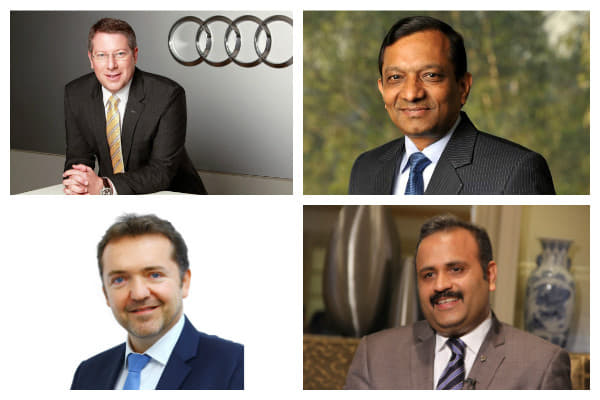
Pawan Goenka, Executive Director, M&M
Joe King, Head, Audi India
“The Budget presents a transformative agenda with clear-cut focus on initiatives for farmers, rural sector and infrastructure development. However, it negatively impacts the automobile industry. We are disappointed that the industry’s demand on reducing excise duty has not been addressed. On the contrary, 1% infra cess on petrol, CNG, LPG cars, 2.5% on small diesel cars and 4% on bigger diesel cars and SUVs has been added which will further affect the price and consequently demand. Also, we need to evaluate the impact of extra tax levy of 1% on purchase of cars above Rs.10 lakh. The government has not announced any positive initiatives for the industry which contributes so heavily to the manufacturing sector and overall economy.
However, we are pleased to see the increase in expenditure on infrastructural development with specific announcements like approval of 10,000km of National Highways and total investment in road sector at Rs 97000 crore in FY17 that should help in people getting better road infrastructure.
Rakesh Srivastava, Senior VP (Sales & Marketing), Hyundai Motor India
“The finance minister has looked towards rural revival along with an infrastructure push and social welfare to restart the economy. It is an attempt towards fiscal prudence, enhancing demand and policy reform to address the strong headwinds in the global economy. The last few months have been challenging in terms of low volumes and growth and there were expectations of a scrappage scheme to revisit vehicles high on emissions and low on mileage. This was in addition to investment incentives to bring in more hybrid and fuel cell vehicles. In light of this, the increase in taxes comes as a dampener and will affect the entire spectrum of petrol and diesel vehicles.”
 Viraaj Bhatnagar
 Dipan Sur
 Dhruv Dhaka
 Saptarshi Mondal