Last Updated on: 03 Sep 2026
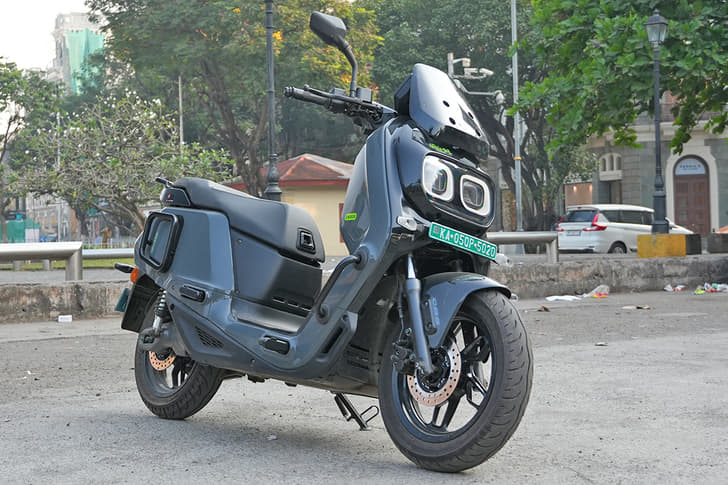
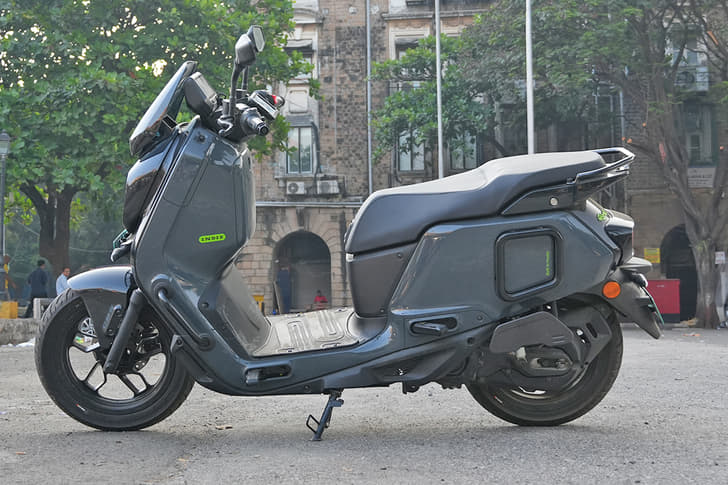
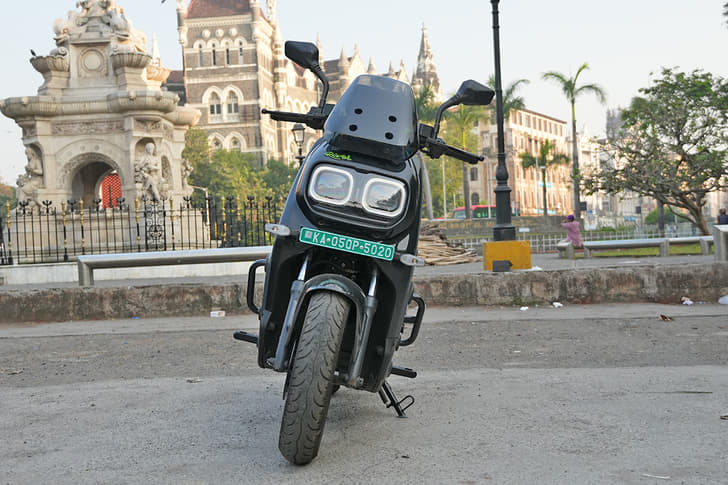
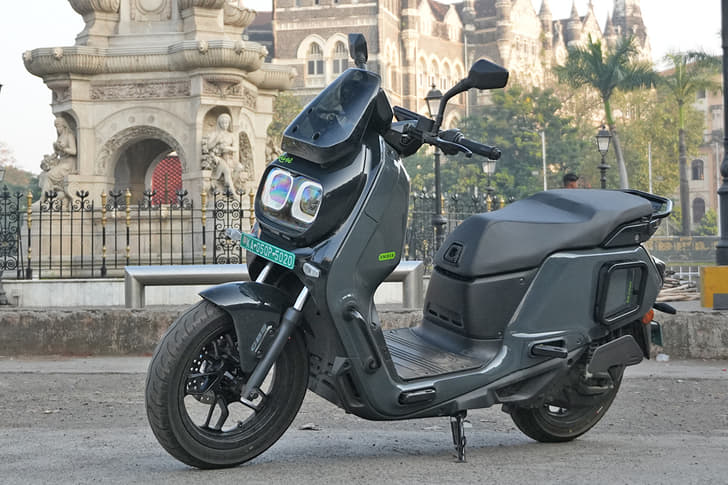
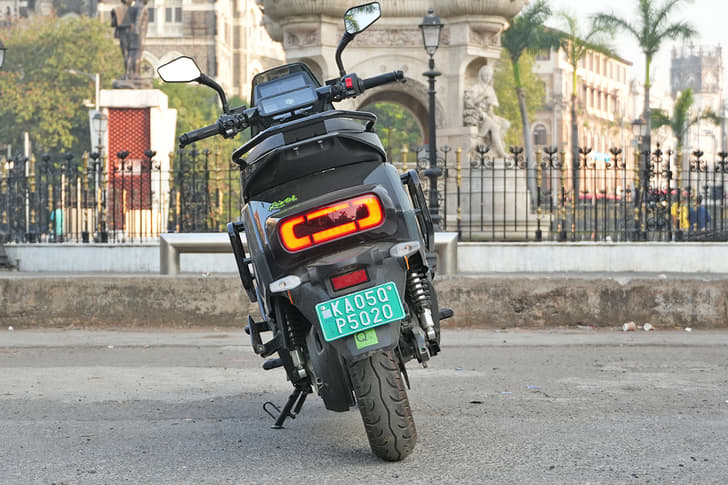
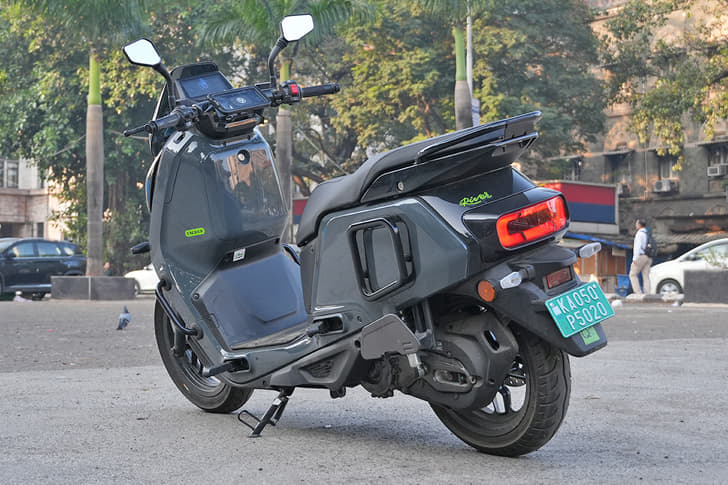
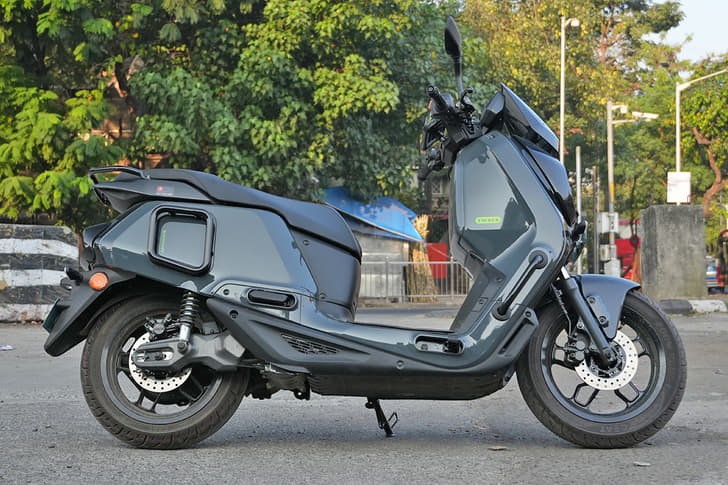
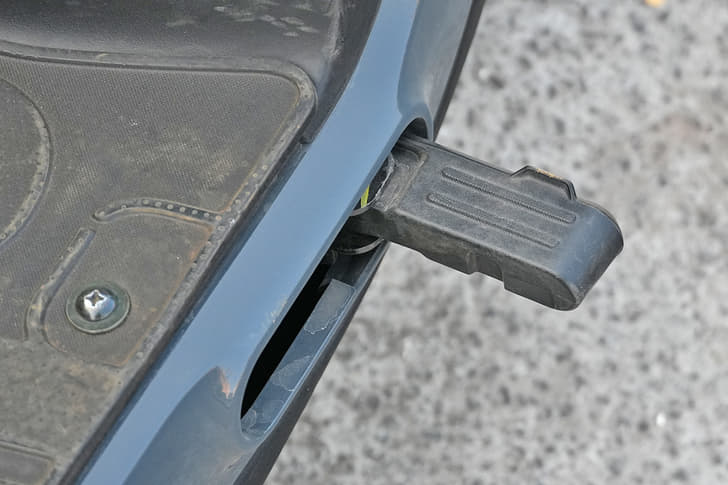
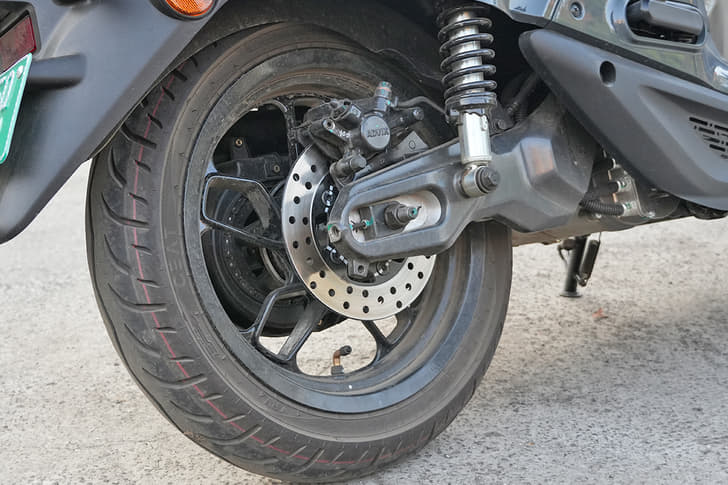
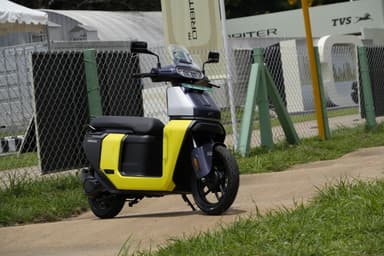
River Indie Standard
River Indie Standard specifications
Engine & Transmission
Fuel Type/ Propulsion | Electric |
Motor Type | Mid-drive Permanent Magnet Synchronous Motor (PMSM) |
Lithium-ion battery | Yes |
Max Motor Power | 6.7 kW |
Max Motor Torque | 26 Nm |
Number of Gears | 1 |
Reverse gear | Yes |
Transmission Type | Automatic |
Gearbox Type | Automatic |
Fuel & Performance
User Reported Mileage | 130 km |
EV Battery Capacity | 4 kWh |
Claimed battery range | 160 km |
Claimed Charging Time | 0-80% in 5 hrs |
Top Speed | 90 kph |
0-60kph | Ride: 11.9 sec,Ruh: 7.81 sec |
60-0kph | 23.19 m |
0-40kph | Eco: 13.58 sec,Ride: 4.91 sec,Ruh: 3.78 sec |
Chassis & Suspension
Chassis name | Steel Tubular Dual cradle frame |
Chassis type | Steel Tubular, Double Cradle Frame |
Front Suspension Type | Telescopic suspension with Hydraulic Dampers |
Rear Suspension Type | Coil Spring with Hydraulic Dampers (Twin) |
Rear Suspension Adjustability | Yes |
Front Brakes | Disc |
Rear Brakes | Disc |
Wheel Type | Alloy |
Wheel Construction | Alloy |
Tyre type | Tubeless |
Front Tyre Size | 110/80 - 14 |
Rear Tyre Size | 120/70 - 14 |
Calliper Type | Front - 2 Piston, Rear - 1 Piston |
Front Wheel Size | 14 inch |
Rear Wheel Size | 14 inch |
Front Brake Type | Disc |
Front Brake Size | 200 mm |
Rear Brake Type | Disc |
Rear Brake Size | 200 mm |
Dimensions
Length | 1996 mm |
Width | 765 mm |
Wheelbase | 1365 mm |
Seat height | 787 mm |
Ground Clearance | 160 mm |
Kerb Weight | 143 kg |
River Indie Standard features
Safety
| Combined Braking System | |
| Cornering ABS | |
| Hazard lights | |
| Side-stand indicator | |
| Side-stand engine cut-off | |
| Traction control |
Features
| Pass-light switch | |
| Pillion Footrest | |
| Low Battery Indicator | |
| Stand Alarm | |
| Keyless Lock | |
| Luggage Panniers |
Instrumentation
| TFT colour Instrument cluster | |
| Instrument console | Digital |
| Touchscreen | |
| Trip Meter | |
| Average Speed | |
| Fuel gauge |
River Indie variants
River Indie comparison
Questions you may find useful
Hi Autocar Team, I'm planning to buy an electric scooter. My daily commute is around 50 km, and I often do 100+ km rides on weekends, including some highway usage. My shortlisted options include TVS iQube ST, Yamaha EC-06, and River Indie. Which would be the best choice considering real-world range, reliability, comfort, and long-term ownership?

Hi AAA, I am from Kerala and currently own a 2023 Hero Xoom 110, which my wife rides to work every day. Her daily commute is around 50 km, and with other local trips, the total daily running comes to about 55 km. Considering the daily running cost and maintenance, should I switch to an electric scooter? I am considering the Ather 450 (not sure which variant) and the River Indie. Which one would you recommend? I am looking for a hassle-free ownership experience as well.
MY daily commute is 40km & I am planning to buy a bike or an EV scooter, please suggest me a petrol bike between Pulsar NS400Z / Apache RTX 300 and an electric scooter River Indie/ Keeway Electric Scooter
How is the River Indie EV? I am planning to buy an electric scooter for my daily commute of up to 30 km. I currently use a Honda Aviator, which is now 15 years old.
Hi Autocar, I am looking for an electric scooter, and my budget is around ₹1.5 lakh. I have taken test rides of the Vida VX2 Plus, Ather 450 X, Rizta, and River Indie. I like the 450X, but it is out of my budget. My priorities are good performance and decent range. Please help me choose an EV scooter.
River Indie price in India
Upcoming Bikes
Trending Bikes
Latest Bikes