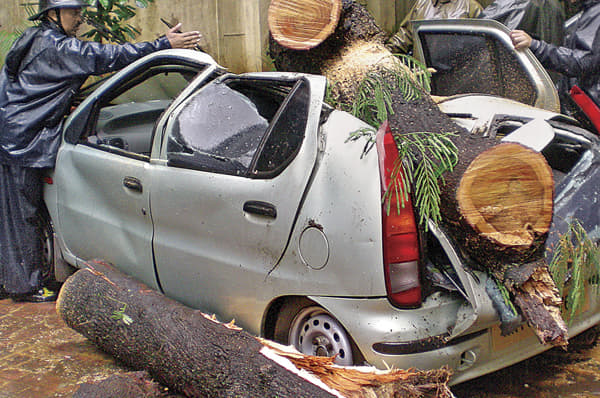
In order for a car to be road legal, it is mandatory that it is covered by a valid insurance policy. Now, most vehicle owners expect their insurance policy will cover them against all damages, and this is usually because they do not read the fine print. However, this is only partly true. In any eventuality, just because your vehicle is insured, doesn't mean you have a complete financial cushion. It's important to find out which damages are covered by your policy and which aren't. Also, it's possible to save money when it's time to renew you car insurance, once you are acquainted with the details. So, to make things easier, we have answered some frequently asked questions.
What is car insurance and what does it cover?
Car insurance provides you with financial cover after you have had an accident, to compensate for damage to the car, its occupants or any third party involved.
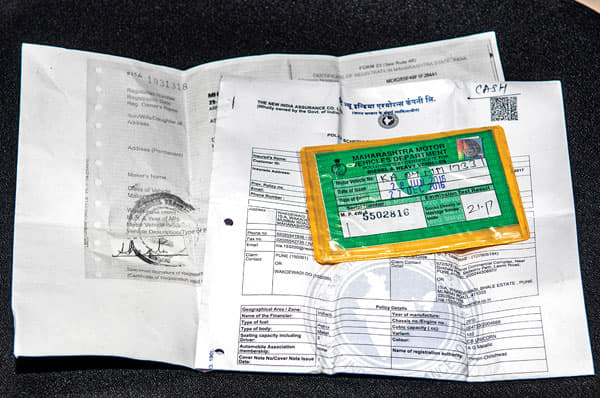
It is a contract between the insurance company and you – the vehicle owner, that states that the company will pay for the damages, as long as you pay an annual fee, called a premium. However, it is vital to read the terms and conditions because a policy won't cover everything. For instance, some policies will insure your car against damage caused by natural calamities like floods, earthquakes, while others will take care of man-made calamities like traffic collisions, vandalism and theft. The insurance policy generally lasts for a year and you aren't obligated to renew it with the same company each time; if you find a policy that suits your needs better, you should switch at the time of renewal.
There are two types of car insurance policies that you can buy – third-party and comprehensive. Third-party insurance will only cover damage claims made by any external party that has been affected in an accident. For example, if your car collides with another car, the insurance company will pay only for the damage to the other person's car. In comparison, a comprehensive policy will cover the damage claims made by you as well as by the other person.

The policies offer additional add-ons. Which ones are really worth going for?
Nowadays, all car insurance companies also offer 'add-on modules' that increase the protective cover compared to the basic policy. For example, if you add Road Side Assistance to your policy, the insurance company will also pay for a towing vehicle to come and transfer your damaged vehicle to the nearest workshop. Of course, the annual premium you pay goes up with the add-on covers you opt for, but some essential ones can save you a decent sum of money in a worst-case scenario.
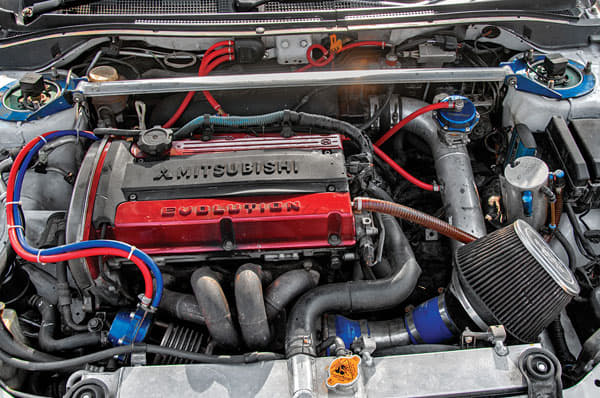
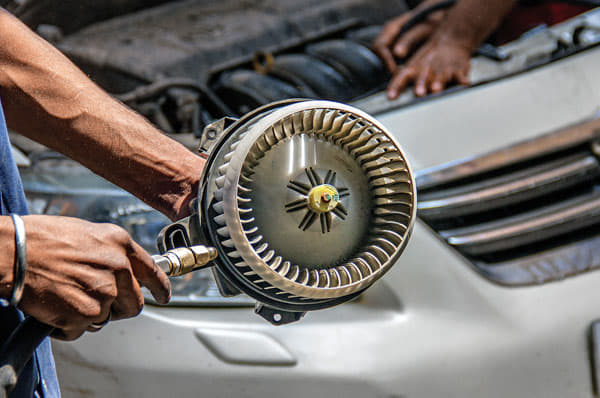
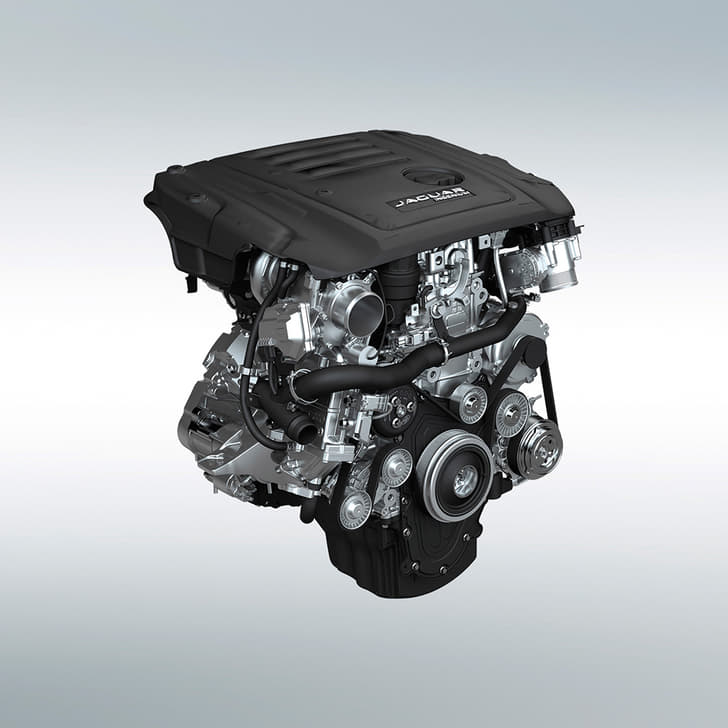
Engine damage: Contrary to what some might think, a basic insurance policy does not cover your vehicle against any engine or electrical damage. An engine damaged by water ingestion, for instance, is not covered under normal insurance. Also, rain water can play havoc with the car's electronics and sensors. Going for an engine and electrical damage add-on cover can protect you from expensive bills. But do ask about the types of damage that will be covered and about the cost of labour too.
Zero depreciation: This add-on ensures that you receive a full claim on parts that need to be replaced, without their value being reduced under the pretext of depreciation. So the insurance company has to pay you the current market value of the affected parts.
Road side assistance: We are used to commuting safely within the city, but have you wondered what would happen if your vehicle broke down in a remote village during a weekend getaway? Well you can get yourself covered for eventualities like these. With some policies, in case of a major accident, you can avail of a taxi fare to the nearest city and, if need be, even an overnight stay in a hotel.

 Uday Singh
 Glenn Noronha
 Dipan Sur