Autocar India
Fallback ad for desktopHero

Last Updated on: 12 Oct 2026

Toyota Urban Cruiser Ebella User Reviews

3.6/5
5 Ratings | 2 Reviews

Tell us about your experience

KK
Kiran Kakad•8 Sept 2026
4/5

Good car. Pros: Nice design and interior, next-gen electric vehicle, best in its segment, good performance, low maintenance, awesome road presence, safer than my previous car. Charge time is about 60 hours for 80%. Cons: Build quality is similar to Maruti e-Vitara, needs improvement, and it's priced over 8 lakh for the same platform as e-Vitara. Real range is around 330 km on a single charge, which is less than expected.

N
Naveesh•8 Sept 2026
1/5

Too expensive...! Compared to other cars in this segment, Toyota charges too much. Even with that high price, they only offer a limited warranty on the battery. You can get the same vehicle from Maruti Suzuki for less.

Toyota Urban Cruiser Ebella Expert Reviews

Autocar score
6

We like

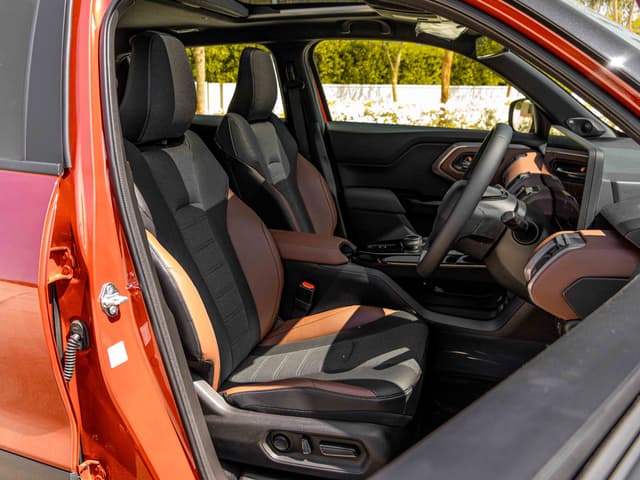
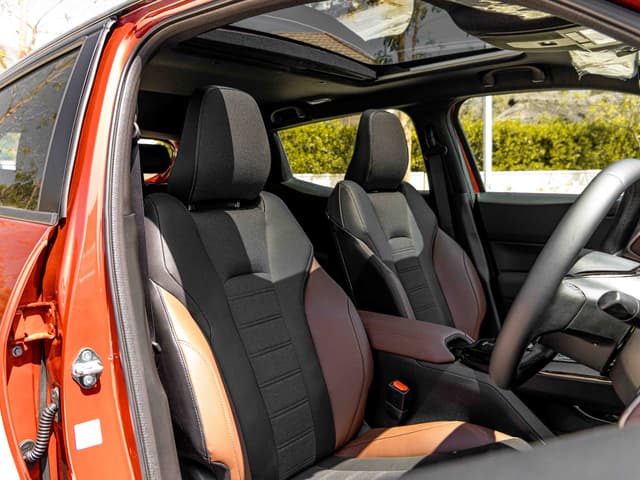
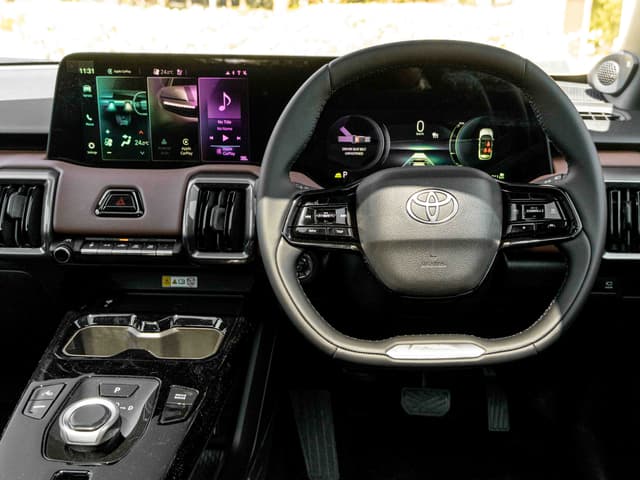
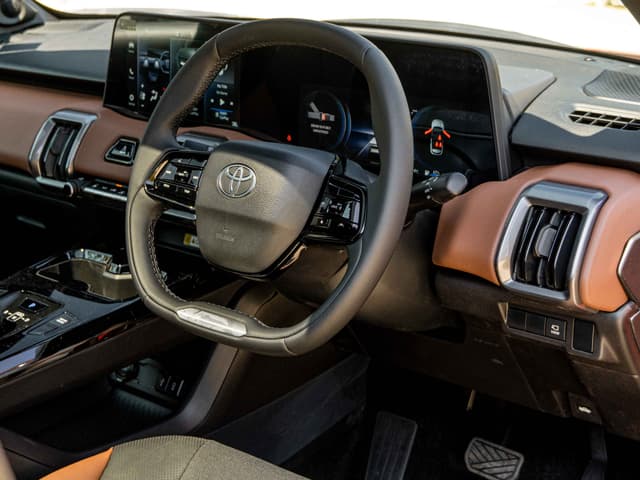
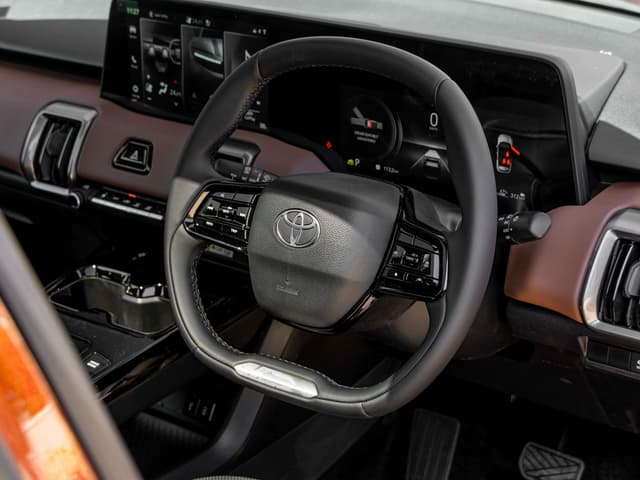
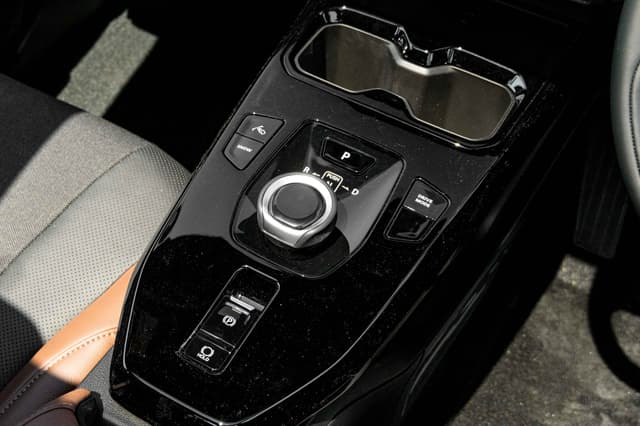
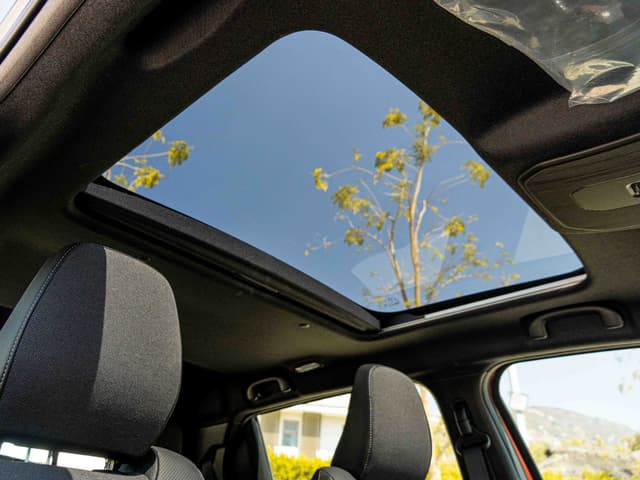
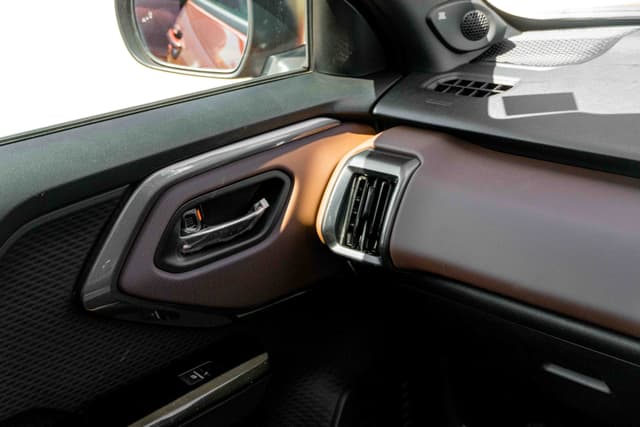
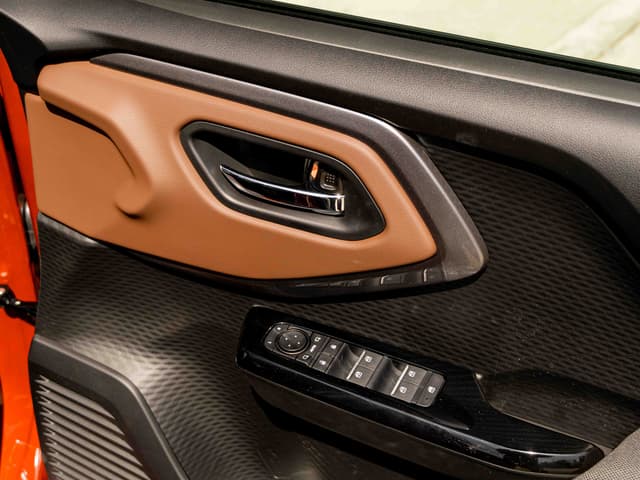
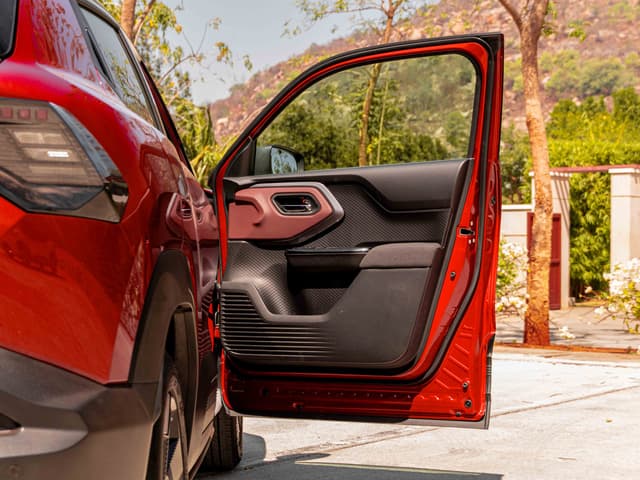
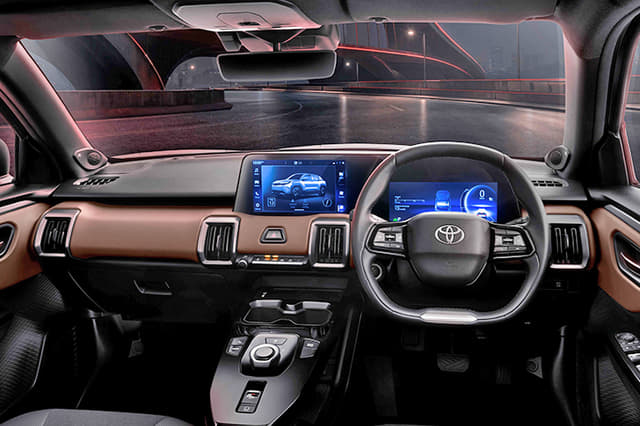
  • Excellent interior fit, finish and quality

  • Smooth and predictable performance

  • Light steering, tight turning radius

We don't like

  • Knees-up rear seating position

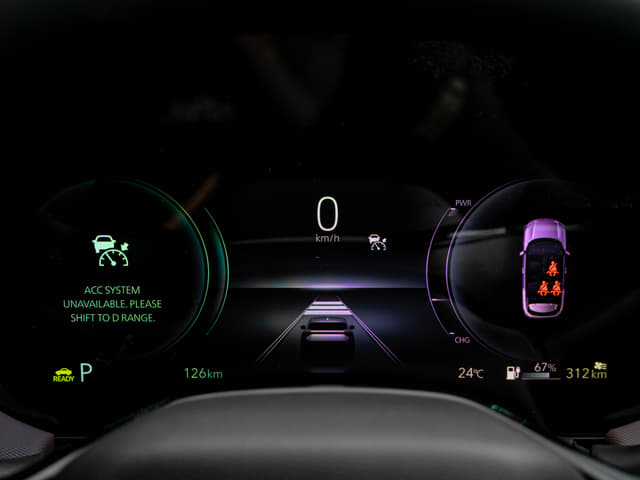
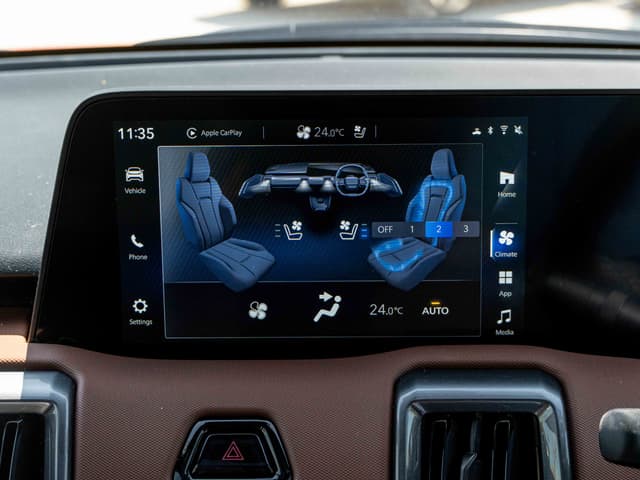
  • Flawed user interface/user experience

  • Busy ride quality

View Toyota Urban Cruiser Ebella Expert Reviews

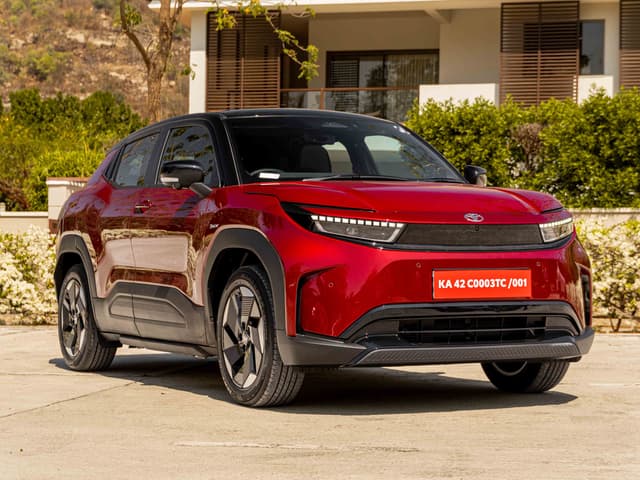
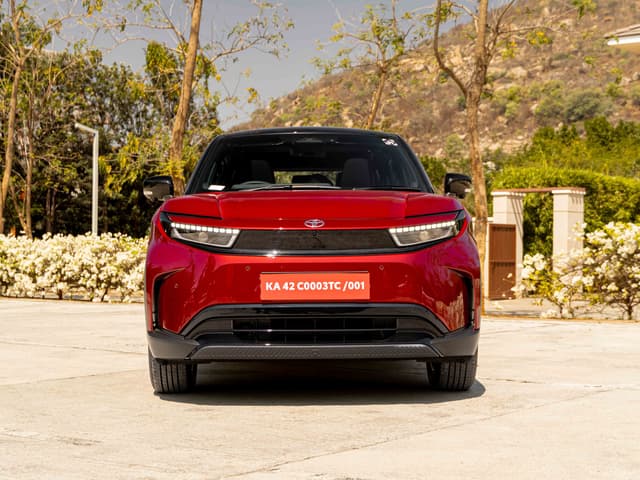
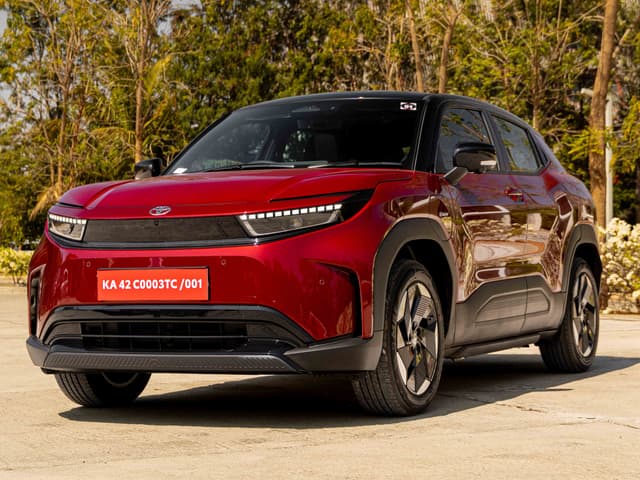
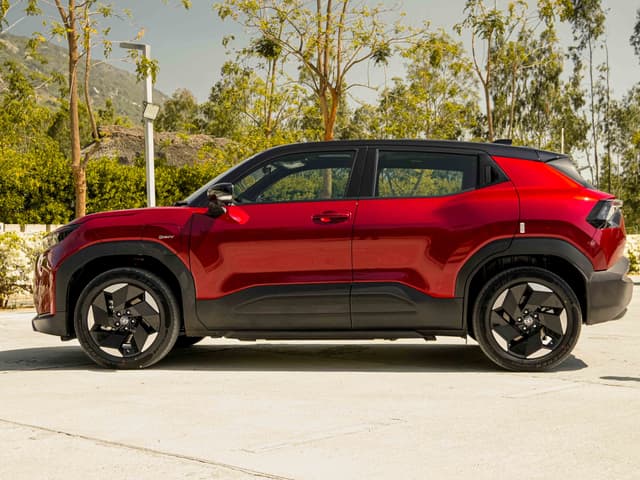
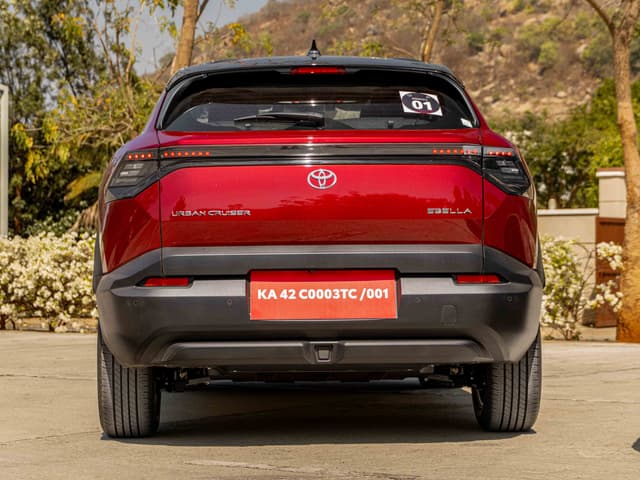
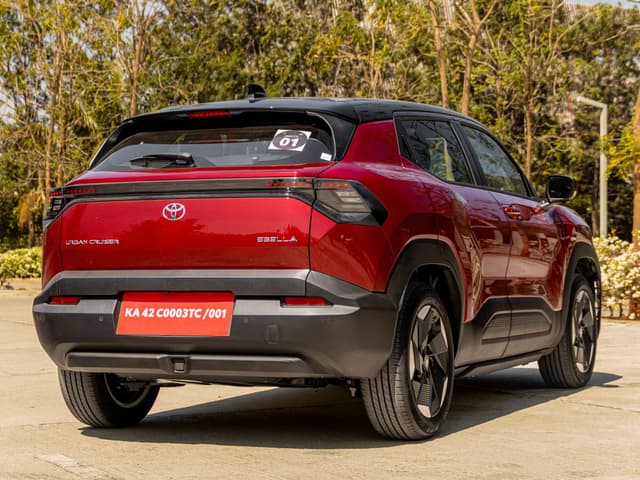
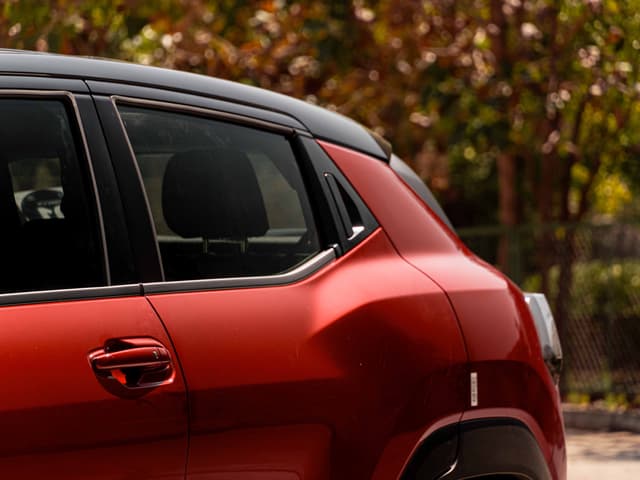
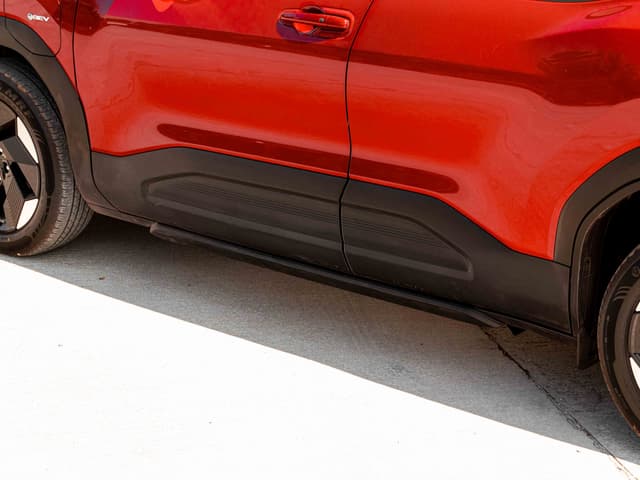
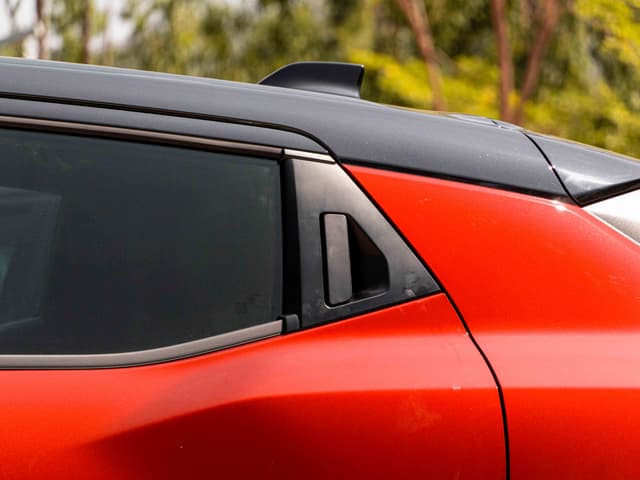
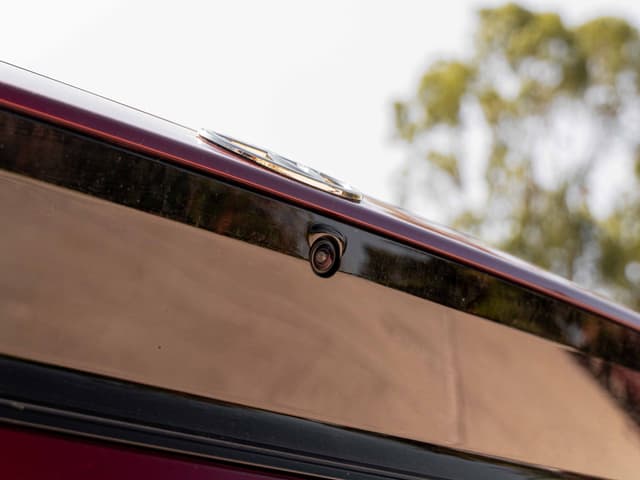
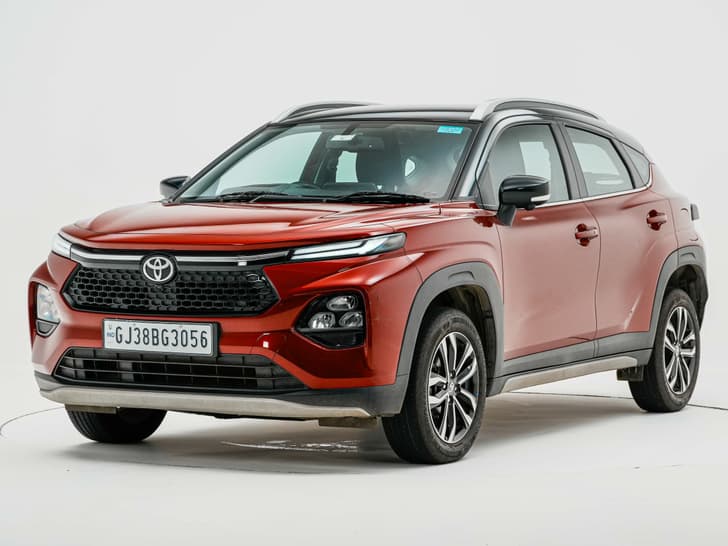
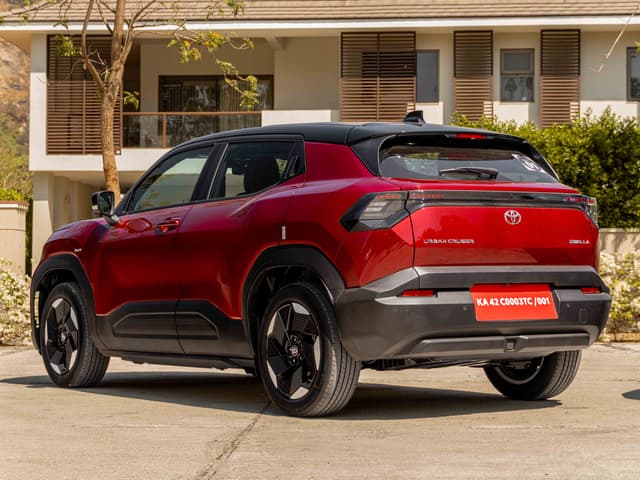
Toyota Urban Cruiser Ebella Images
Questions you may find useful

•3w

I’m 65 and am considering the Mahindra BE 6, Tata Sierra EV, Maruti Suzuki e-Vitara and Toyota Urban Cruiser Ebella. I particularly want ventilated front seats and a 360-degree camera. I am not very concerned about performance or technical aspects and instead want an EV that is comfortable and easy for me to drive. My usage will include both city driving and long-distance trips. Which one would be suitable for my requirements?

Verified
•3w

Based on your requirements, the Maruti Suzuki e-Vitara would be our recommendation. It offers a comfortable cabin, especially up front, a relaxed driving experience and a good suite of comfort features.The Mahindra BE 6 has the edge on performance, while the Tata Sierra EV has more space, and both offer a longer real-world range, but they are also considerably more expensive and, for your requirements, not worth the extra outlay. The e-Vitara is a good all-rounder, with more than sufficient range, and also the comfort features you seek - ventilated front seats and a 360-degree camera.The Toyota Urban Cruiser Ebella is the same as the e-Vitara but more expensive, and again, it doesn't justify its premium. Overall, the e-Vitara strikes the best balance between comfort, features and ease of ownership for your needs.
VehicleMaruti Suzuki e Vitara
VehicleMahindra BE 6 Sporteq
VehicleToyota Urban Cruiser Ebella
VehicleTata Sierra EV
•6w

How do the Maruti Suzuki e Vitara, Toyota Urban Cruiser Ebella, BYD Atto 3 and Hyundai Creta Electric compare in terms of performance and overall package?

Verified
•6w

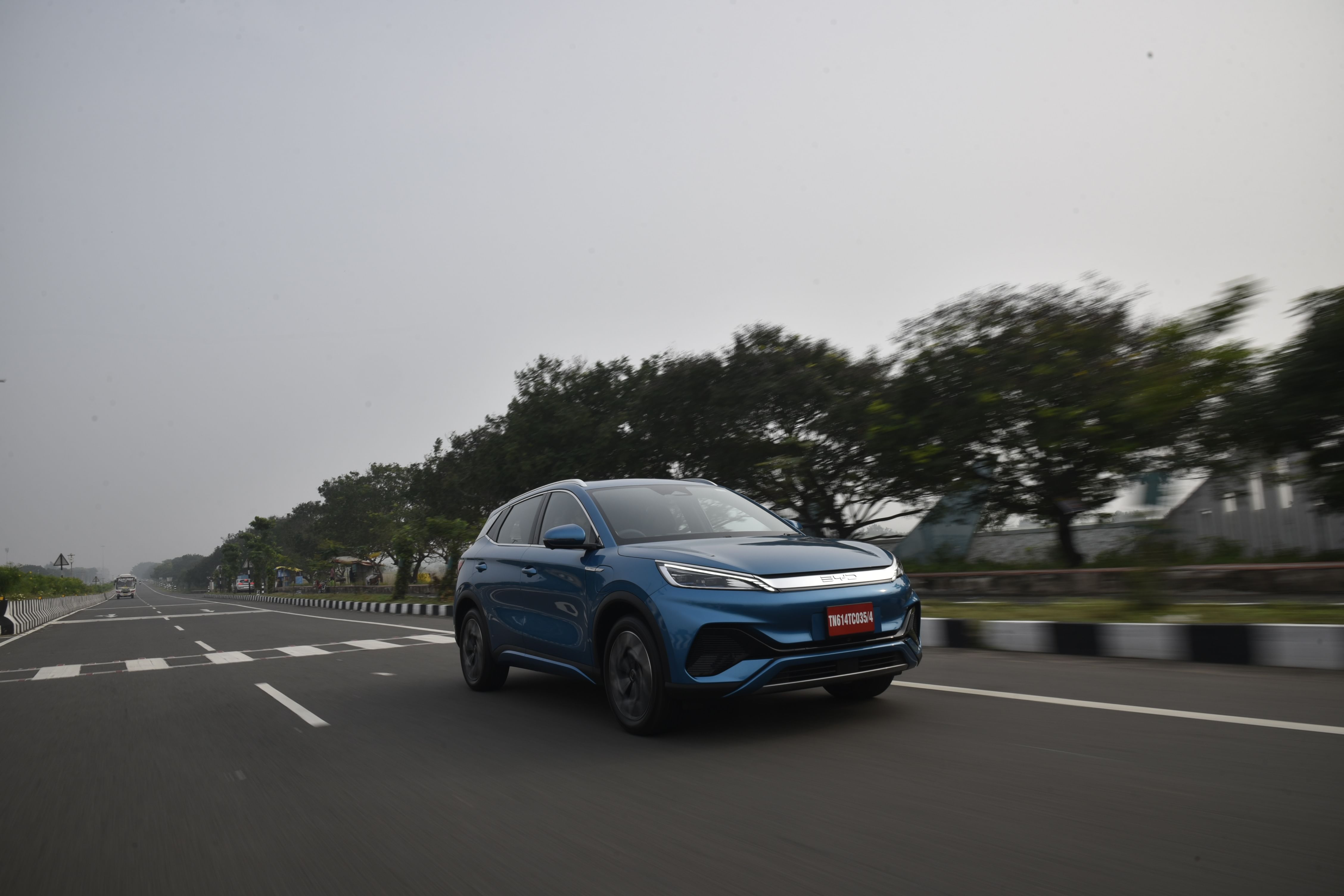
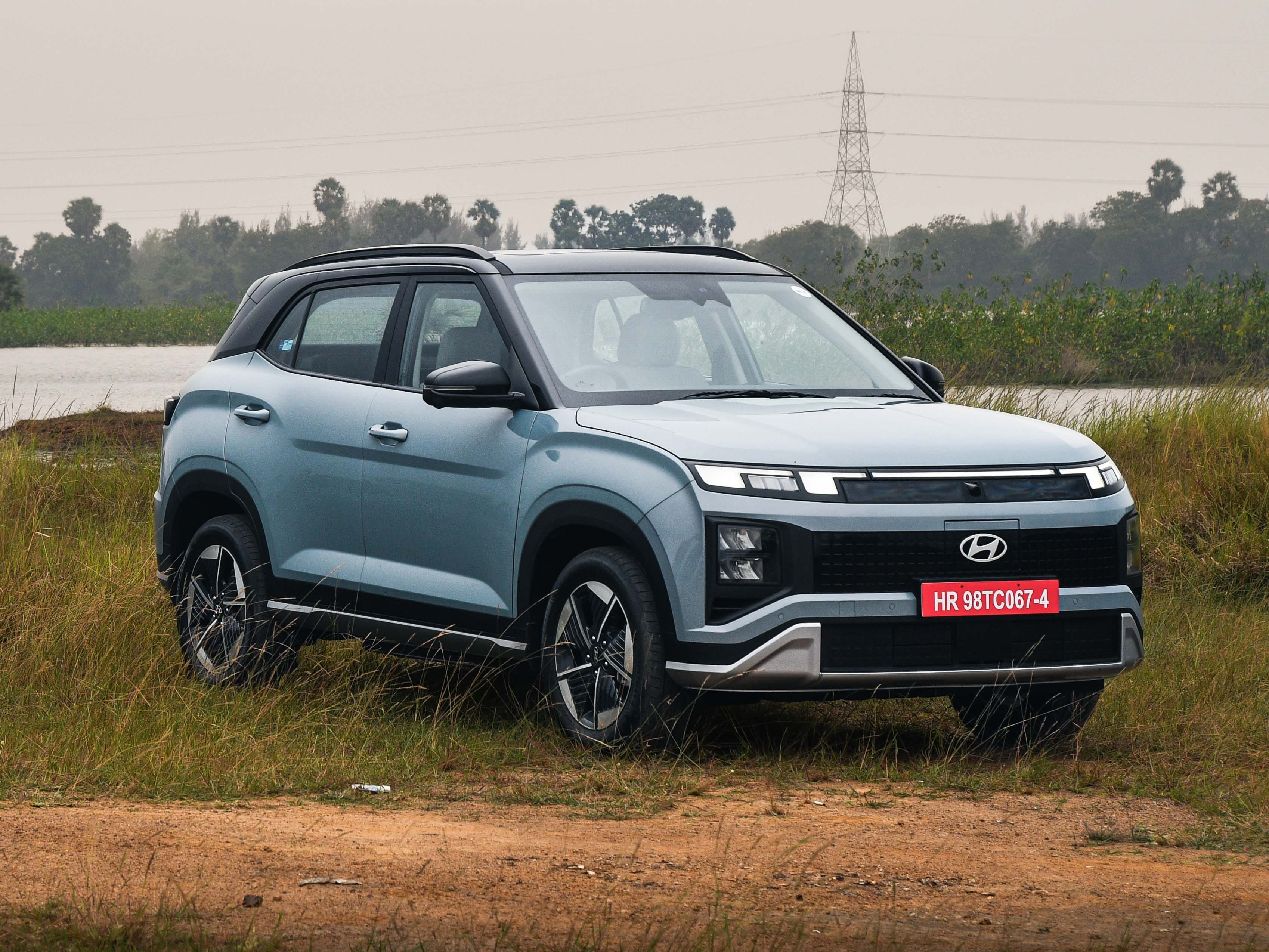
The Maruti Suzuki e Vitara, Toyota Urban Cruiser Ebella, BYD Atto 3 and Hyundai Creta Electric are all fundamentally different electric cars targeting different buyers. The Maruti e Vitara and Ebella are essentially the same car underneath, with the Ebella offering a slightly more premium interior and Toyota’s stronger brand perception; however, it is also significantly more expensive than the e Vitara.The BYD Atto 3 is a larger, more premium EV with a bigger battery and a claimed range of around 521km. It offers a more spacious cabin, a more premium interior and a more mature EV ownership experience, but it is also significantly more expensive.The Hyundai Creta Electric sits somewhere in between, offering a familiar Creta package with a 51 kWh battery. It is a well-rounded EV with a strong brand and service network, but it does not offer the same level of range or premium feel as the BYD Atto 3.If you are looking for a value-focused, efficient city EV, the e Vitara or Ebella are the better choices. If you want a more premium, spacious EV with a more mature ownership experience, the BYD Atto 3 is the better option. The Creta Electric is a good middle ground, but it does not stand out like the other two.

VehicleMaruti Suzuki e Vitara
VehicleBYD Atto 3
VehicleHyundai Creta Electric
VehicleToyota Urban Cruiser Ebella
•7w

I currently own a 2020 Tata Nexon EV. I am happy with the EV experience, but I am not satisfied with Tata's service. I understand that the Nexon EV was an early product and that we were effectively guinea pigs at the time. Now that more EVs have matured, I want to know what options I should consider. My priorities are good range, comfort for a family of five, good boot space, physical buttons rather than a screen-heavy cabin like the Windsor, and good after-sales service. I was waiting for an EV from Toyota, but I don't see one coming soon. Which EV should I consider?

Verified
•7w

Given your experience with the Tata Nexon EV and your clear priorities, the Kia Syros EV seems to be the right fit. It is a sub-4-meter car with a surprisingly spacious cabin that can easily accommodate five passengers and their luggage. Go for the larger battery version that'll deliver healthy range, and you also have a good mix of physical buttons and touch keys, all logically laid out.Toyota does offer an electric car, the Ebella, but you could consider the Maruti Suzuki E Vitara instead, which is more value for money.

VehicleKia Syros EV
VehicleToyota Urban Cruiser Ebella
VehicleMaruti Suzuki e Vitara
VehicleTata Nexon EV
•26w

I live in New Delhi and currently own a Honda Elevate (2023). My daily city commute is around 100 km. I want to buy an EV and have shortlisted the Toyota Urban Cruiser Ebella and the Hyundai Creta Electric. Please suggest which one would be better, especially in terms of air conditioning, as Delhi gets extremely hot in the summer. Most of my driving is in bumper-to-bumper traffic.

Verified
•24w

Both the Toyota Urban Cruiser Ebella and the Hyundai Creta Electric should cope well with brutal Delhi summers. Both cars are equipped with automatic climate control and rear AC vents, so basic cooling performance will not be a deal-breaker in either.However, the Ebella story in India is still evolving. Toyota has unveiled the car and opened bookings, but prices and full variant details are only being drip-fed and final ex‑showroom pricing has still not been announced, which is unusual this long after a reveal and suggests Toyota is still not clear on its India EV strategy. That uncertainty could affect delivery timelines.The Hyundai Creta EV, on the other hand, is based on a well‑proven package with a clear India focus. It offers a roomy, practical cabin, a larger and more usable boot, and plenty of comfort features, including dual‑zone automatic climate control and rear vents that will help keep occupants cool in slow, bumper‑to‑bumper traffic. For a 100 km daily Delhi commute, its balance of efficiency, space and everyday usability makes it the more sorted and predictable choice today.

VehicleToyota Urban Cruiser Ebella
VehicleHyundai Creta Electric
•30w

I am confused between the Tata Punch EV, Toyota Ebella, and Hyundai Creta EV. I am not very sure about Ebella, as there is no clear timeline yet for its launch or delivery. Is the Creta EV a good option, or should I consider the Punch EV instead? Or would it be better to wait for the Ebella?

Verified
•30w

The Hyundai Creta Electric is the best model from your shortlist. It's got a very refined powertrain and delivers a good range (LR variant). It also feels the best-rounded thanks to its cabin being roomier than the Tata Punch EV's and Toyota Ebella's. The Tata Punch EV is impressive, but it is essentially two sizes smaller than the Hyundai Creta Electric. Correspondingly, it won't be as well-suited to family use as the Creta. Toyota's Ebella doesn't quite hit the spot. It's not particularly practical for its size, and the stiff ride quality also marks it down. The Toyota should be keenly priced when it goes on sale in the days to come.

VehicleHyundai Creta Electric
VehicleTata Punch EV