
Best SUV in India


Toyota Fortuner price in Shahabad
* Estimated on-road price. Final amount may vary.
* Estimated on-road price. Final amount may vary.
* Estimated on-road price. Final amount may vary.
* Estimated on-road price. Final amount may vary.
* Estimated on-road price. Final amount may vary.
* Estimated on-road price. Final amount may vary.
* Estimated on-road price. Final amount may vary.
* Estimated on-road price. Final amount may vary.
* Estimated on-road price. Final amount may vary.
* Estimated on-road price. Final amount may vary.
* Estimated on-road price. Final amount may vary.
No dealers available in Shahabad
We don't have authorised Toyota dealers here
Tell us about your experience
Toyota Fortuner Official Brochure
Download the complete brochure with specs, features, and variants.
Join the Discussions



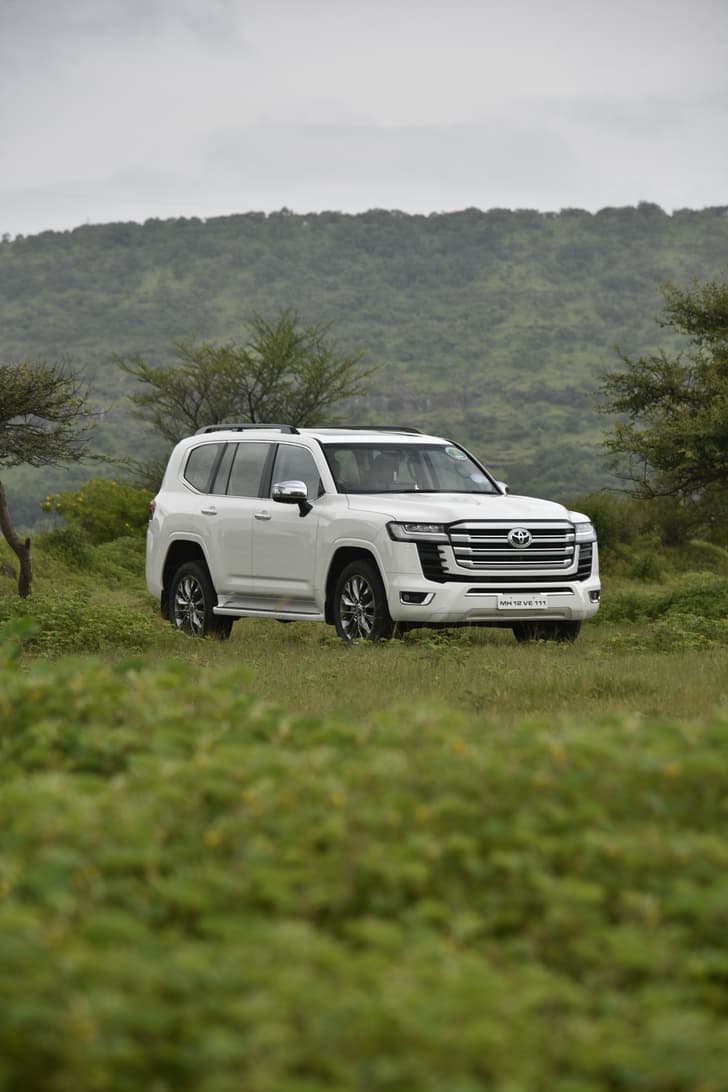
If you really want a Toyota Fortuner, but your use case is short drives within city limits over limited distances, then you can consider its petrol variant. Moreover, if you need an automatic Fortuner but would rather not spend another Rs 2.85 lakh or so for the equivalent diesel option, then the case for the petrol-powered version grows stronger. If none of these factors apply to you, skip the petrol version altogether.
All things considered, the mild-hybrid 4x2 variant with the automatic gearbox represents a better value for money over the ones with the 4x4 system. This will ensure lower fuel consumption without hampering drivability over the course of your ownership. Understandably, you will also save on the upfront and long-term costs associated with the latter.
If you value a modern feature set, good ride quality and handling dynamics, lower fuel consumption and outright comfort with the option of seven seats, you can find all those in the Toyota Fortuner's monocoque rivals such as the Jeep Meridian and MG Majestor. The price premium the Fortuner commands does come with benefits like long-term reliability, strong resale value and Toyota's expansive service network.
My budget is between Rs. 40-50 lakh (on-road) for a car in Surat. I need a premium 6-7 seater automatic car for city driving and highway trips. The third row will be used occasionally. My driving pattern involves driving around 20,000 km over six months and 3,000 km over the other six months. It results in driving approximately 23,000 km annually. This is why I’m confused between petrol, diesel and hybrid options. Please help me compare the Skoda Kodiaq, Kia Sorento, Toyota Innova Hycross Hybrid and Toyota Fortuner, considering real-world mileage, performance, comfort, safety, features, maintenance, resale value and long-term ownership costs. Which is the best overall choice for my usage, and are there any better alternatives within my budget?

 Kia SorentoSkoda KodiaqToyota Fortuner
Fortuner still has serious road presence, even at its price. Is it actually worth the money or are buyers paying more for the badge and image?
Hi, I currently own a Tata Hexa. I want to change my car because of the slow or limited availability of parts. I have finalized a 2015 Fortuner manual for Rs 16 lakh, which has 1.36 lakh km on the odometer. But I feel that spending Rs 16 lakh on a 10-year-old vehicle doesn’t make value sense. If I stretch my budget a little, I could go for the base variant of the XUV 7XO, which is readily available with a dealer. Am I thinking right? If I buy the Fortuner and keep it for three to four years, it will be due for FC when I sell it. At that time, the resale value will drop very steeply. Please guide me through this.
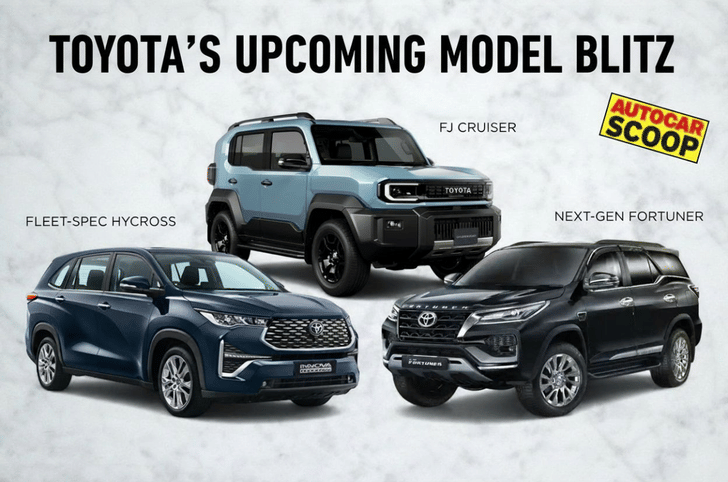
Mahindra XUV 7XOToyota FortunerI currently own a 2017 Tata Hexa XTA automatic with 1,27,000km on the odometer and plan to replace it within the next 12 months. My key requirements are an automatic transmission, a genuinely comfortable third row for adults, excellent bad-road and hill-climbing capability, strong highway comfort for long-distance touring, and proven long-term reliability with minimal ownership headaches. The MG Majestor 4x4 is currently my leading contender, and I am happy to wait for the right vehicle rather than buying immediately. Considering my priorities, would you recommend waiting for the next-generation Toyota Fortuner, choosing the MG Majestor 4x4, or holding out for another upcoming SUV?
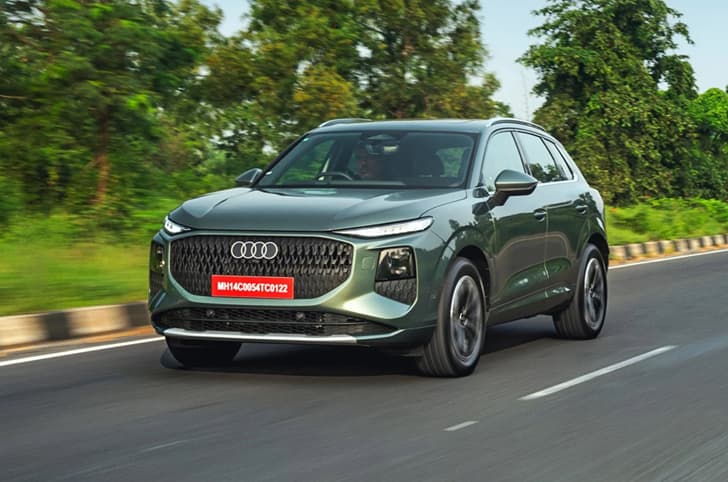
MG MajestorToyota FortunerI am planning to buy a new vehicle for myself and my parents. I have seen the new Audi Q3 2026 and am quite interested in it, but I am not fully convinced about the petrol-only option. I was hoping for a hybrid version, especially considering fuel efficiency at this price point. Secondly, I am also looking for a 4x4 and am currently waiting for the new Fortuner. However, I am confused because many people are suggesting the new Scorpio N or Thar Roxx, saying that if the primary purpose is off-roading, there is no need to spend so much on a Fortuner. Please suggest what would be the better option for my requirements.
Audi Q3Toyota FortunerMahindra Scorpio NMahindra Thar Roxx| Cities | On road price |
|---|---|
Shimoga | ₹43.28 - ₹62.83 Lakh |


Last Updated on: 28 Oct 2026