MG Majestor 4x4 or Fortuner?



Last Updated on: 12 Oct 2026
Join the Discussions
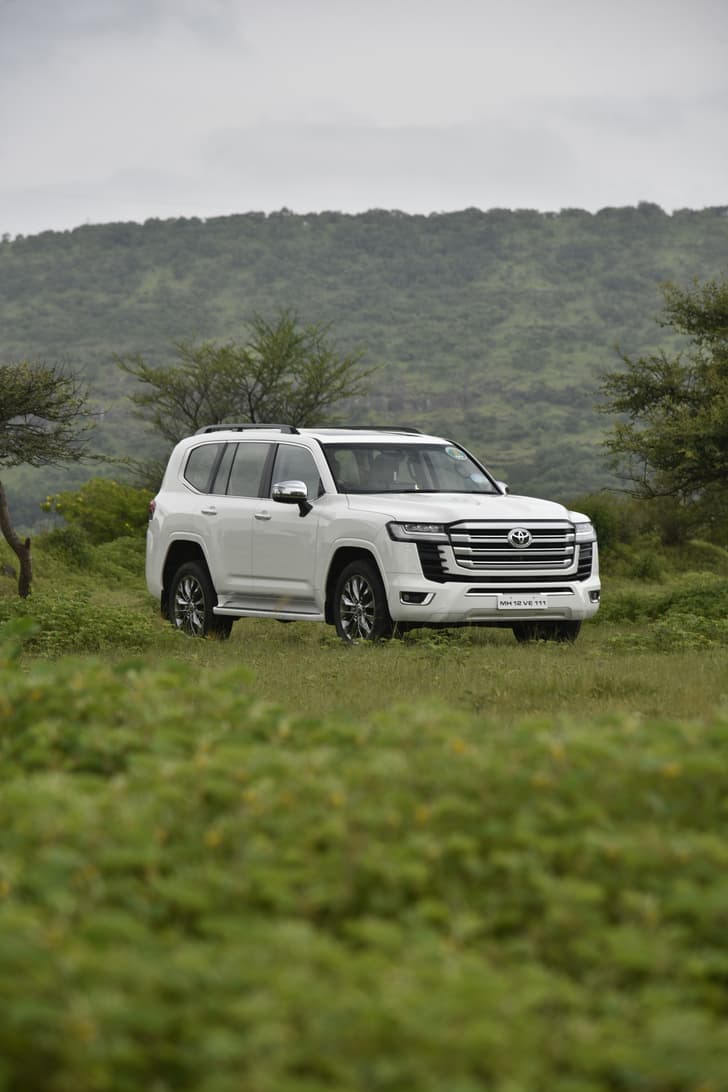
Despite its body-on-frame construction that leads to a high floor, the Toyota Fortuner's third row is actually usable for adults even over slightly longer trips.
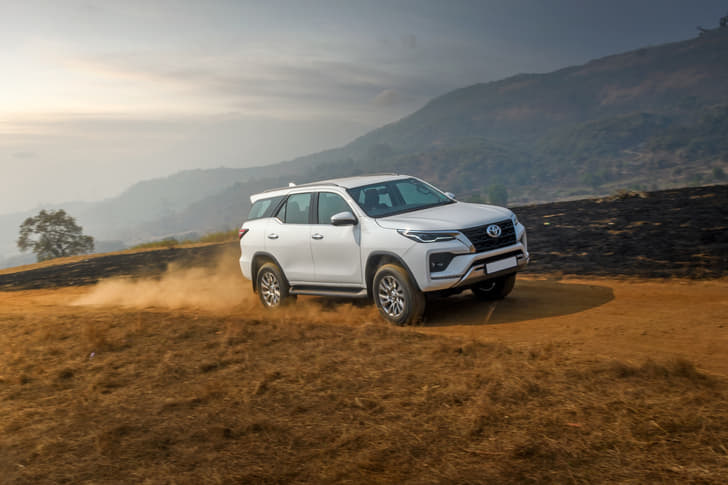
The heavy steering of the Toyota Fortuner requires more effort at slow speeds than in rivals, making parking maneuvers a bit challenging. The top-heavy nature of the Fortuner and noticeable body roll around the corners makes driving it in a spirited manner unenjoyable. The sheer size of this SUV can also pose a challenge, especially when navigating narrow lanes or finding suitable parking spots.
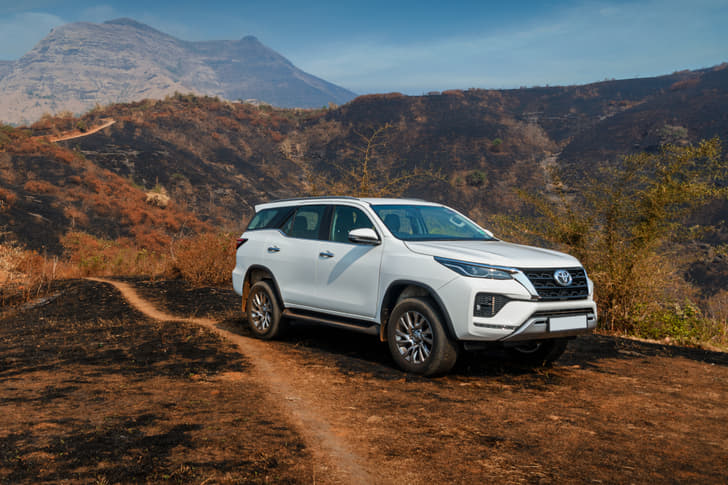
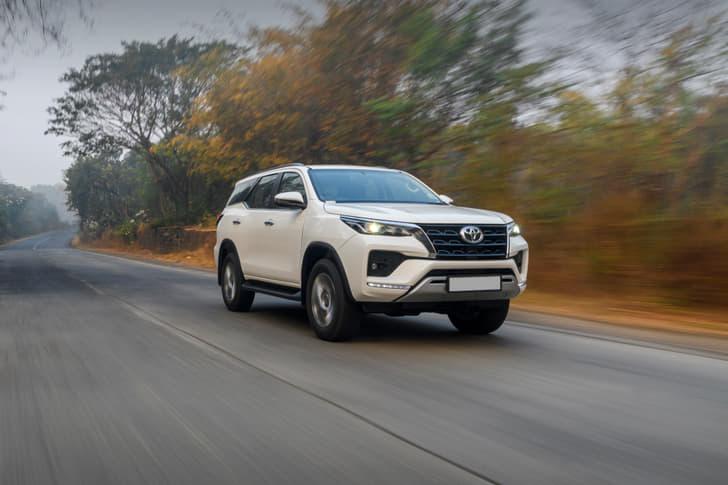
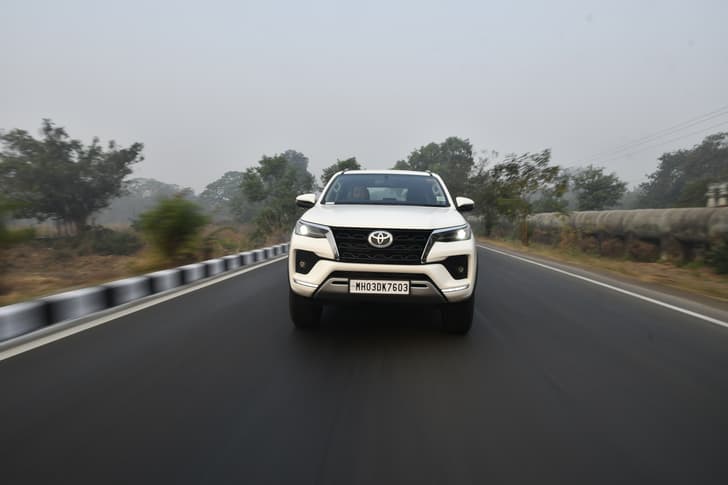
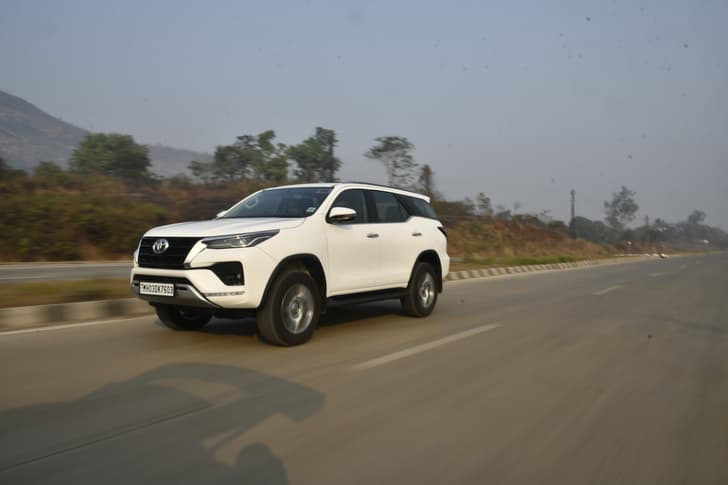
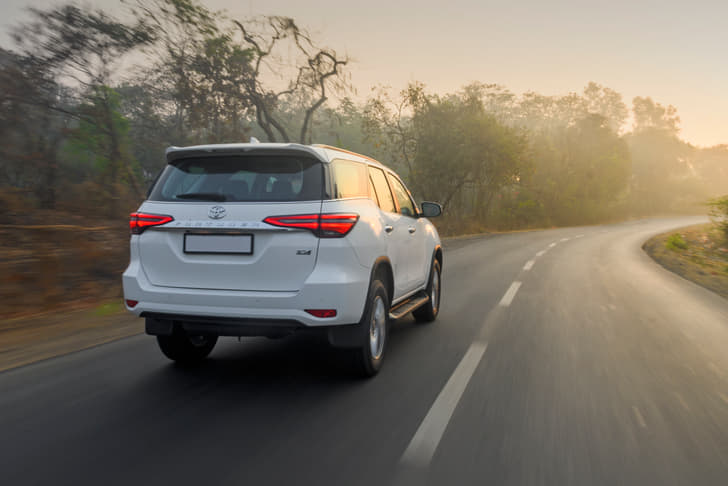
Standard variants of the Fortuner are based on the pre-facelift iteration of the SUV, whilst the Legender and GR-S are newer avatars based in the facelifted model that's sold in markets like Thailand and Indonesia. The facelift looks sharper and has a different interior theme, with the GR-spec featuring unique detailing over other Fortuner variants.
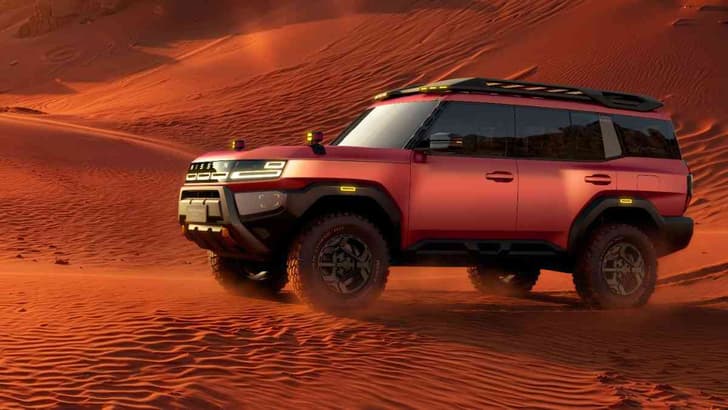
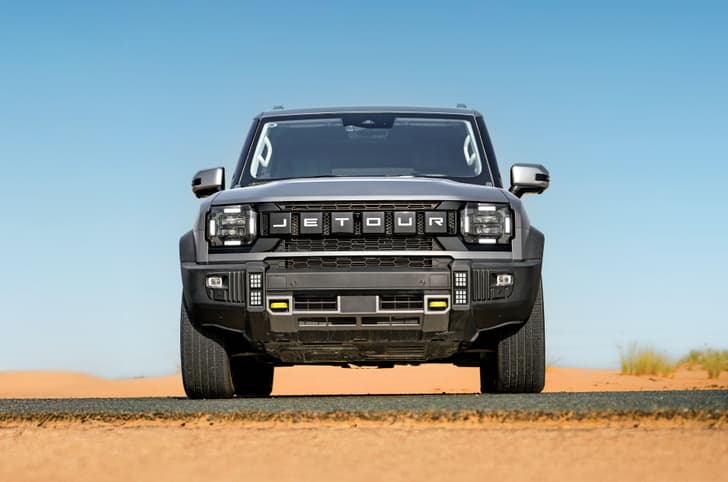
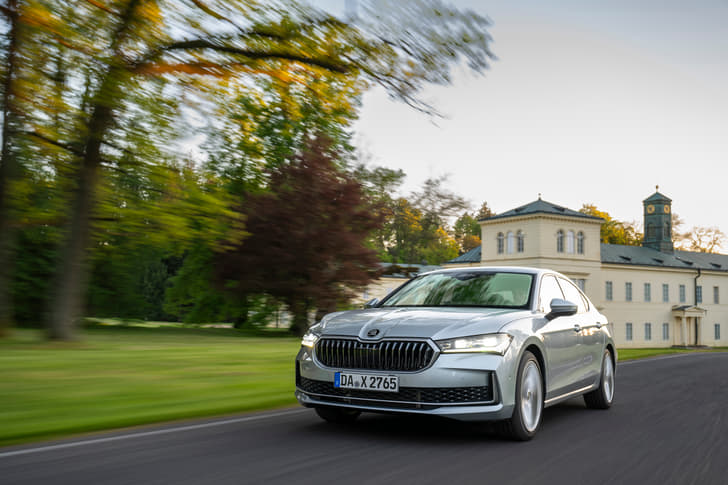
If outright off-roading capabilities, excellent resale value, long-term reliability and a strong reputation for the 'Toyota' and 'Fortuner' nameplates are of prime importance to you, then rivals like the MG Majestor, Jeep Meridian and Skoda Kodiaq may not be the right pick for you.
If you really want a Toyota Fortuner, but your use case is short drives within city limits over limited distances, then you can consider its petrol variant. Moreover, if you need an automatic Fortuner but would rather not spend another Rs 2.85 lakh or so for the equivalent diesel option, then the case for the petrol-powered version grows stronger. If none of these factors apply to you, skip the petrol version altogether.
There are 9 Toyota Fortuner variants on sale in India currently. The Toyota Fortuner cheapest variant price starts from Rs 35.37 lakh.
The Toyota Fortuner’s Eco Mode should help increase the real world mileage at the cost of some performance.
The Toyota Fortuner does not offer any ADAS features currently.
The Fortuner diesel produces 204hp and 500Nm (420 Nm manual) from its 2.8-litre engine, while its 2.7-litre petrol engine makes 166hp and 245Nm. The Fortuner diesel offers superior overall power and torque compared to the Thar Roxx diesel. That said, the latter's turbo-petrol version provides a lot more punch than its equivalent petrol-powered Fortuner.
All things considered, the mild-hybrid 4x2 variant with the automatic gearbox represents a better value for money over the ones with the 4x4 system. This will ensure lower fuel consumption without hampering drivability over the course of your ownership. Understandably, you will also save on the upfront and long-term costs associated with the latter.
If you value a modern feature set, good ride quality and handling dynamics, lower fuel consumption and outright comfort with the option of seven seats, you can find all those in the Toyota Fortuner's monocoque rivals such as the Jeep Meridian and MG Majestor. The price premium the Fortuner commands does come with benefits like long-term reliability, strong resale value and Toyota's expansive service network.
Despite its high asking price, the Toyota Fortuner is missing options such as ADAS, a panoramic sunroof, a larger and slicker touchscreen, or a digital driver's display. The interior design is also dated and lacks the premium feeling one would expect from a car at this price bracket, plus the ride quality at low speeds is far from comfortable.
While the Toyota Fortuner diesel can be had with a mild-hybrid system, its fuel economy typically ranges in the 13kpl to 14kpl region when driven sedately. However, thanks to its 80-litre fuel tank, the Fortuner will have no trouble covering long distances out on the highway. That said, the diesel-powered Fortuner offers slightly better mileage than petrol-powered options like the Skoda Kodiaq or even similar diesel-powered alternatives like the MG Majestor.