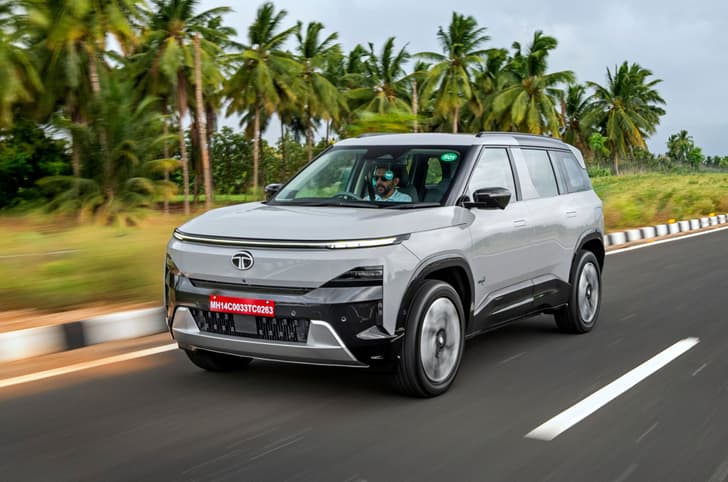
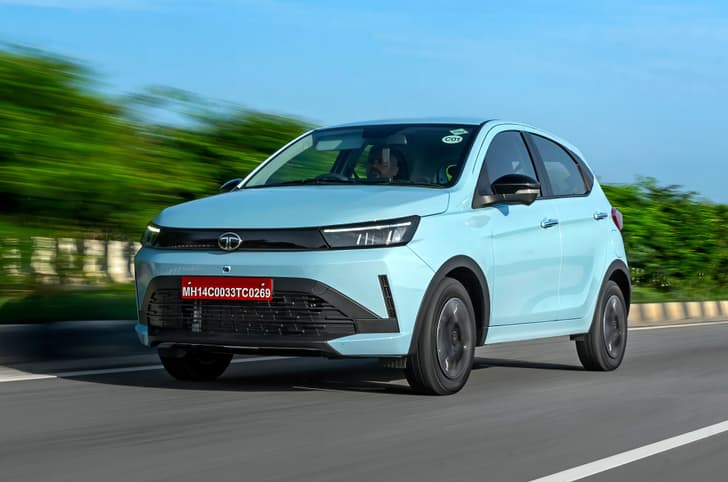
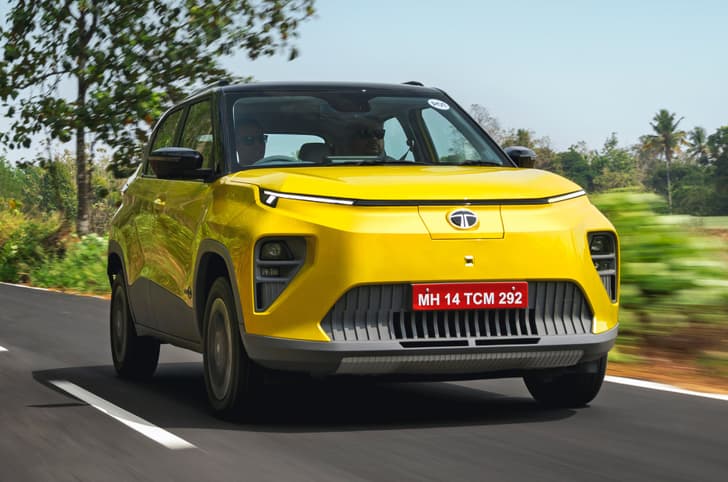
Tiago EV Punch EV



Last Updated on: 25 Sep 2026
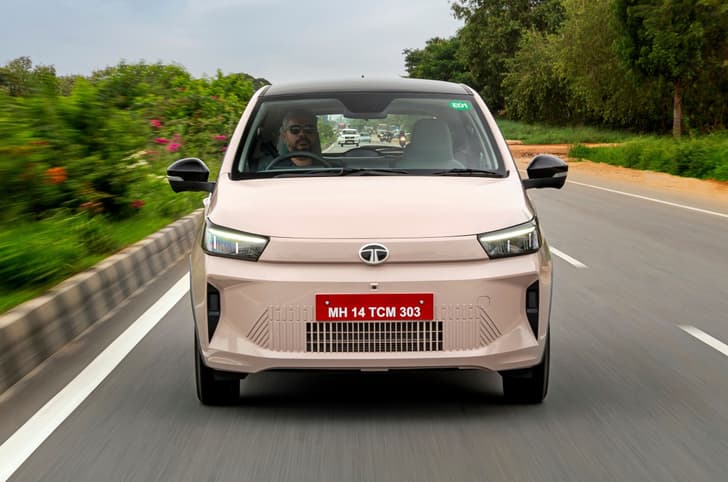
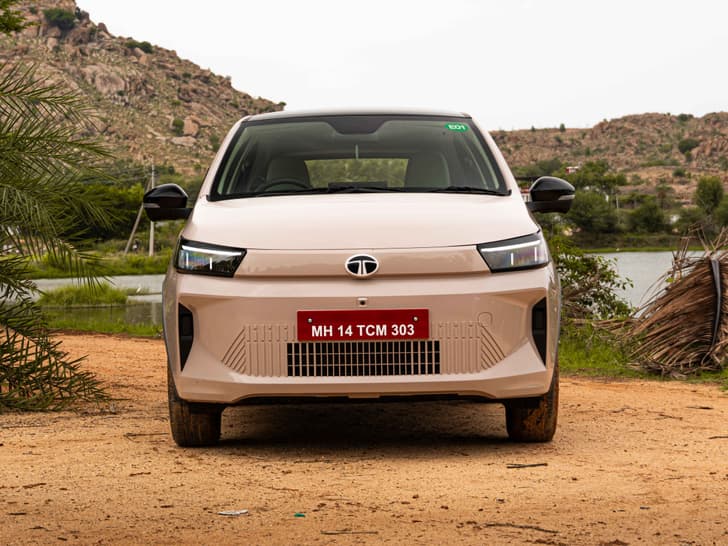
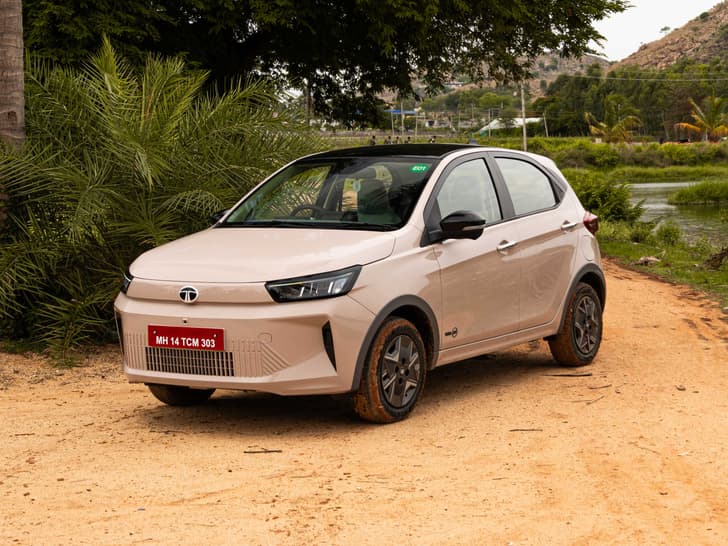
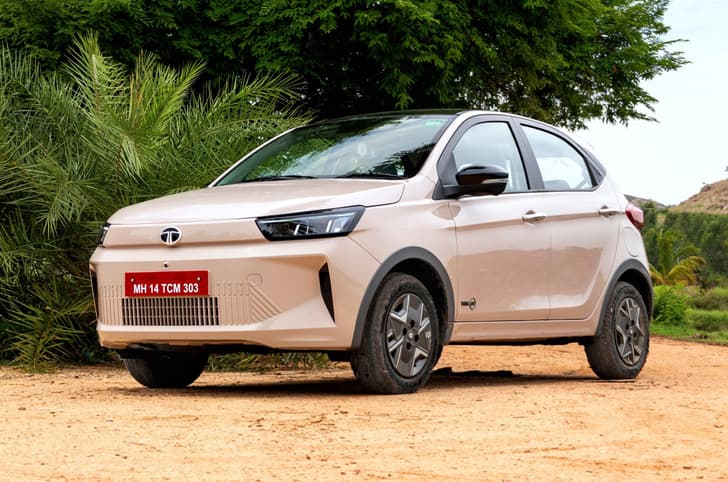
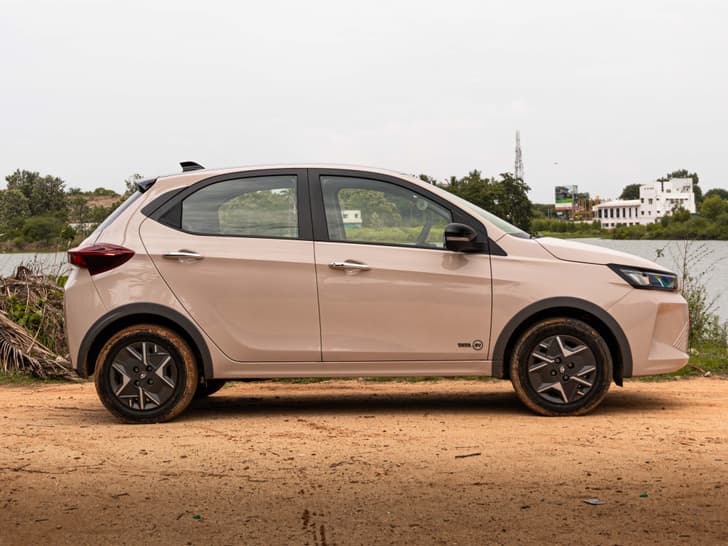
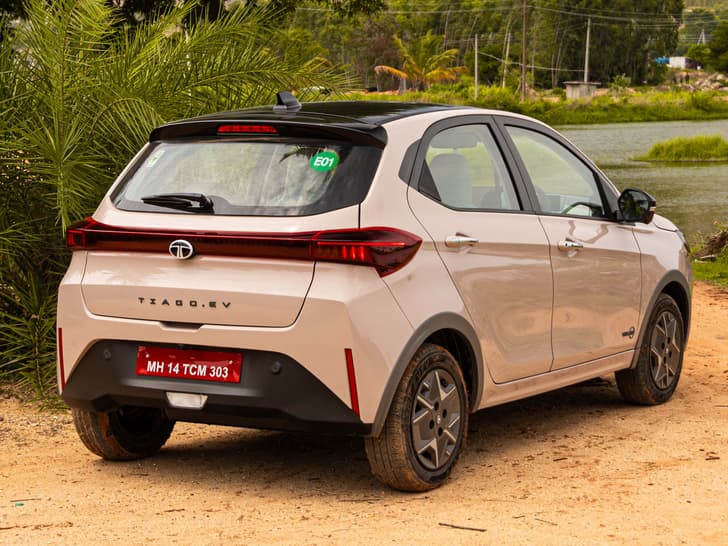
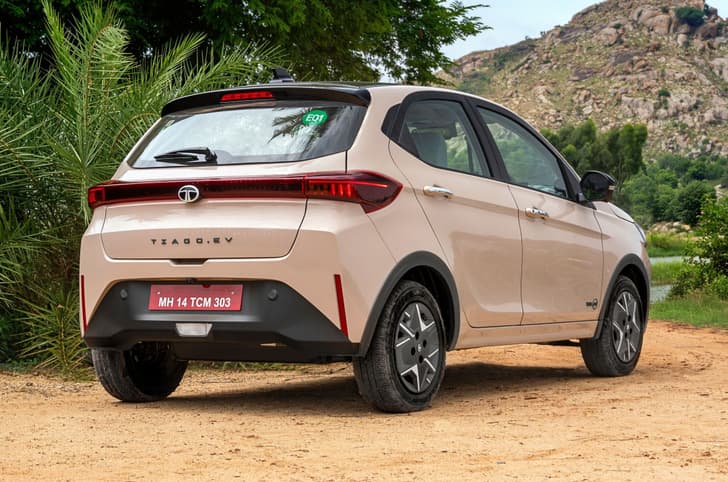
Fuel Type/ Propulsion | Electric |
Motor Type | Permanent Magnet Synchronous Motor |
Number of Motors | 1 |
Number of Gears | 1 |
Drive Layout | Front Wheel Drive |
Lockable Differential/s | No |
Max Motor Power | 74.78 hp |
Max Motor Torque | 114 Nm |
Drive Mode Types | Multiple |
Terrain Modes | No |
Battery Capacity | 24 |
Charging Time | 3.5hrs 10%-100% (7.2kW AC), 35min 10%-80% (30kW DC) |
Claimed Range | 285 km |
Autocar Tested EV Range | 187.0 km |
Front Suspension Type | McPherson Strut |
Front Springs | Coil Springs |
Rear Suspension Type | Twist Beam on Hydraulic Shock Absorber |
Rear Springs | Coil Springs |
Damper Control | No |
Ride Height Adjust | No |
Type of Power Assist | Electric |
Steering Adjust type | Manual |
Steering Adjust | Tilt |
4 Wheel Steer | No |
Turning Radius | 5.1 m |
Front Brakes | Disc |
Rear Brakes | Drum |
Wheel Size | 14 inches |
Front Tyre Size | 175/65 R14 |
Rear Tyre Size | 175/65 R14 |
Wheels | Steel rims with wheel covers |
Spare Wheel | No |
Length | 3825 mm |
Width | 1684 mm |
Height | 1562 mm |
Wheelbase | 2400 mm |
Ground Clearance | 165 mm |
Chassis Type | monocoque |
Boot Capacity | 240 litres |
Doors | 5 |
| Keyless Entry | |
| Cabin Boot Access | |
| Powered Tailgate | |
| Powered Backseat Recline Adjustment | |
| Power Windows with One Touch-Up | |
| Power Windows with One Touch-Down | Driver Window Only |
| Automatic Wipers | |
| Leading Vehicle Departure Alert | |
| Heads Up Display | |
| Auto emergency braking (AEB) | |
| Automatic Headlamps | |
| Hill Descent Control |
| Headlight Height Adjuster | |
| Headlight Type | LED |
| Welcome and Goodbye Animation | |
| Wheel Arch Cladding | |
| LED DRLs | |
| Stop Lamp |
| Average Speed | |
| Instantaneous Consumption | |
| Speedometer | Digital |
| Shift Indicator | |
| Head-up Display | |
| Trip Meter |
| Rear Seat Infotainment Controls | |
| Wireless Phone Charging | |
| Display | 10.25-inch Touchscreen |
| Front Passenger Screen | |
| MirrorLink | |
| Web Browser |
| App Details | |
| Driving Analytics | |
| Summon Mode | |
| In Car Payment | |
| E-Call & I-Call | |
| SOS Button |
 With Display Tyre Pressure Monitoring SystemFully Digital Digital Instrument ClusterNo SpeakersLocation Based ServicesPremium-fabric Seat MaterialRear Parking CameraExterior Mirrors Electric FoldPhone-based Satellite NavigationFollow Me Home HeadlampsWireless Android AutoBlind Spot MonitorCruise ControlType C Second Row USB portDriver's Seat Height AdjustLED headlamps

Join the Discussions
Hi Autocar Team, I currently own a 2016 Maruti Suzuki Ciaz diesel, which I plan to keep for highway trips, long-distance travel and as a backup vehicle. I am looking to buy a second car purely as a city EV for Chennai, with a budget of around Rs 15 lakh on-road, though I can stretch slightly if justified. My typical usage includes daily city driving, client meetings, airport runs and occasional family outings. I drive around 10,000km per year and usually keep my cars for 7-9 years or until they reach around 1 lakh kilometres. My priorities are: ride comfort and suspension, reliability over 7-9 years, battery warranty and long-term ownership confidence, service network and availability of parts, ease of driving and parking in city traffic, resale value after 7-9 years, and real-world range of at least 300km. I have already test-driven several EVs, including the Mahindra BE 6, Hyundai Creta EV, Kia Carens EV, MG ZS EV, Maruti e Vitara and VinFast VF 6. While I liked the Mahindra and VinFast products, I am now wondering whether a smaller and more affordable EV makes more sense since I already have the Ciaz for highway duties. Which EV would you recommend as the best secondary city car for long-term ownership in India today? Would you choose the Tata Punch EV, Nexon EV, Tiago EV, MG Windsor EV or another option altogether? Looking forward to your advice.

 Tata Nexon EVTata Punch EVTata Tiago EVMG Windsor
I currently have a Tiago XZA 2019 model, but I am the 3rd owner. I am considering buying a Tiago EV 2025 model as it is available at discounted prices. What do you think? Will it be a sound financial decision?
Tata Tiago EVI own a 2018 Datsun Redi-GO, which I am planning to sell. I am looking for an EV priced between Rs 6 lakh and Rs 11 lakh. My monthly running is around 350-425 km. Please suggest a good car that suits my requirements.
Tata Tiago EVMG CometMaruti Suzuki SwiftHyundai Grand i10 NiosI am looking for a car within 10 lakh (on-road budget) for my wife's daily commute in Kochi. I need a car with good road visibility, ease of handling and decent fuel efficiency. The car may be used for occasional highway commutes of around 100-150 km. A petrol engine seems like the right choice but I am a bit concerned whether the current models are E20 compliant. Do you think an EV would make any sense? If so, please recommend.
Hyundai Grand i10 NiosHyundai ExterMaruti Suzuki SwiftTata Tiago EV