
Last Updated on: 02 Sep 2026
Tata Sierra EV price in Mahisagar
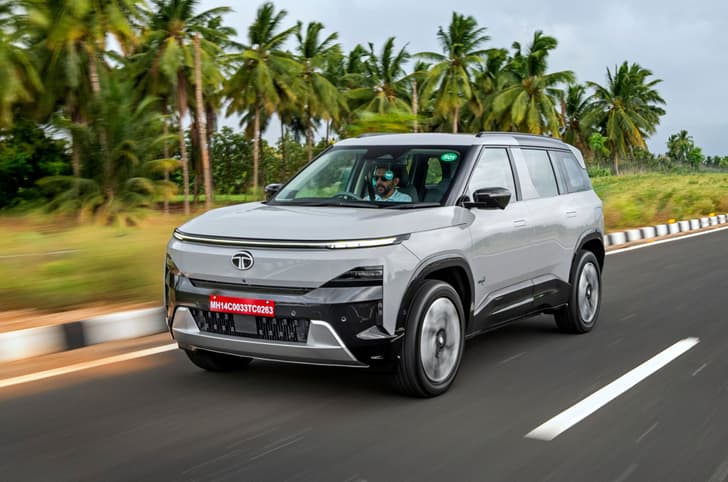
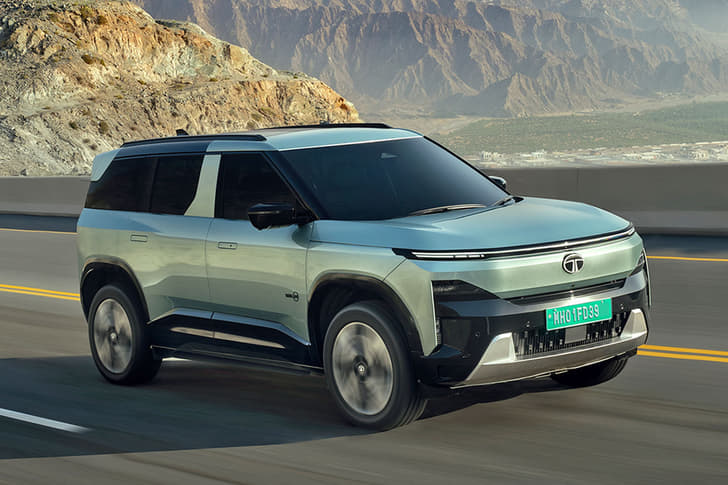
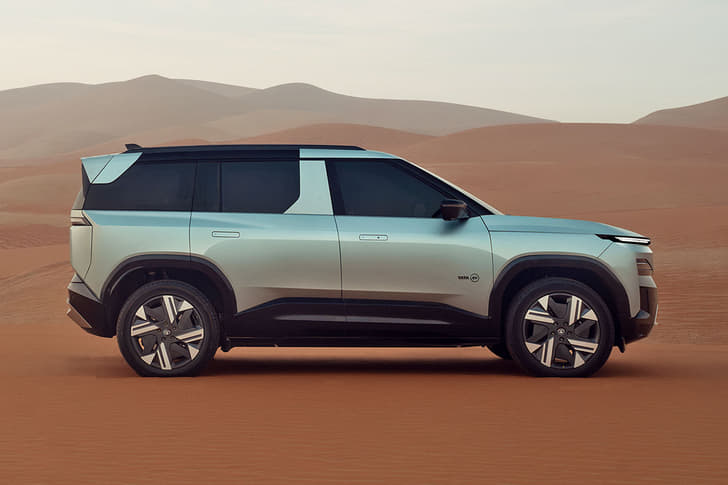
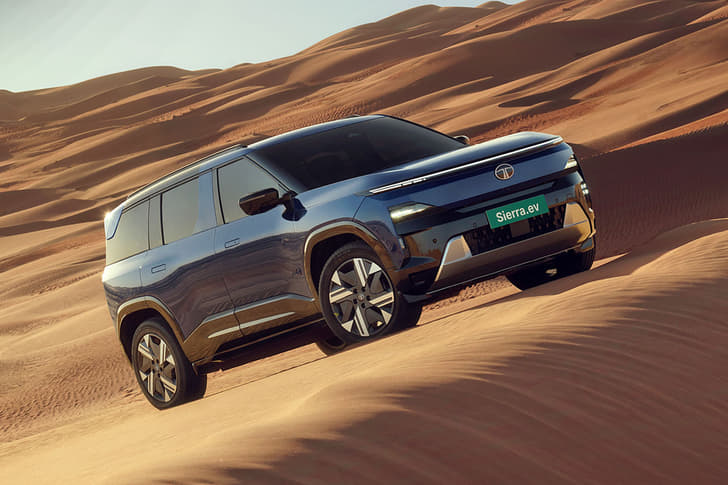
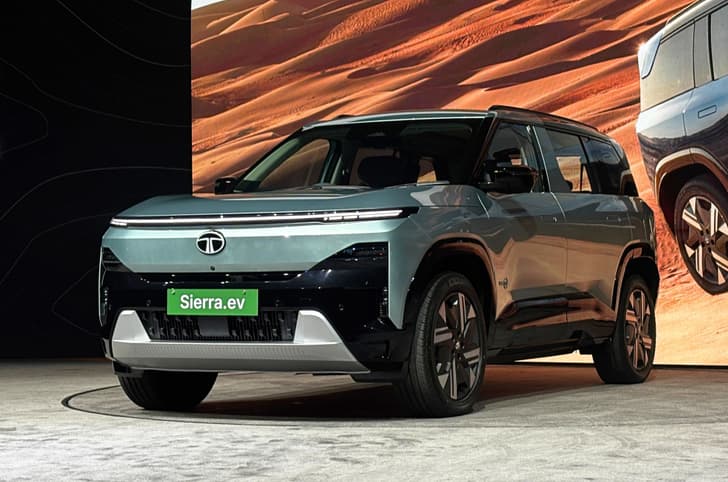
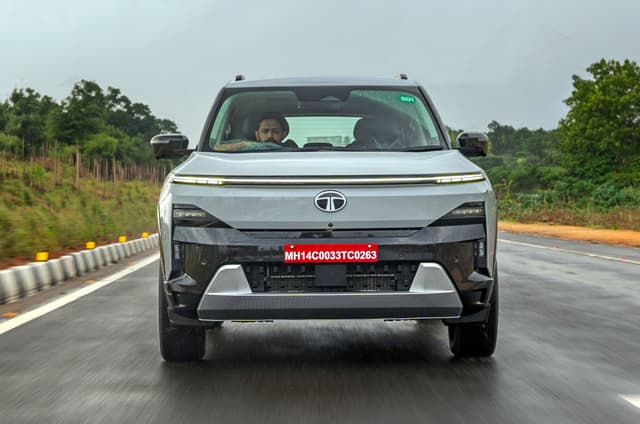
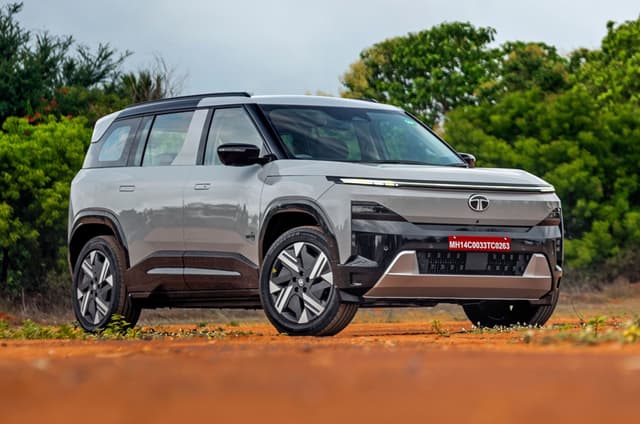
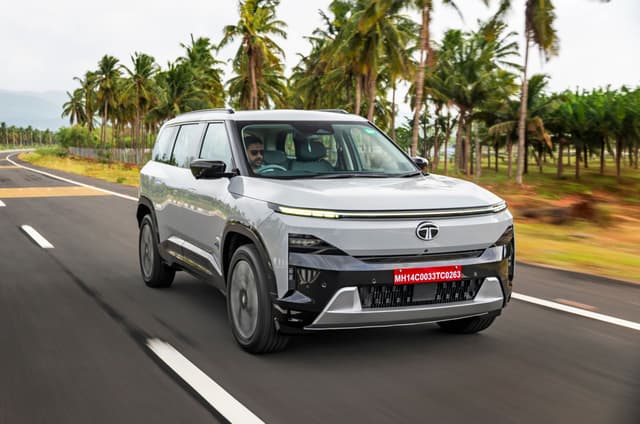
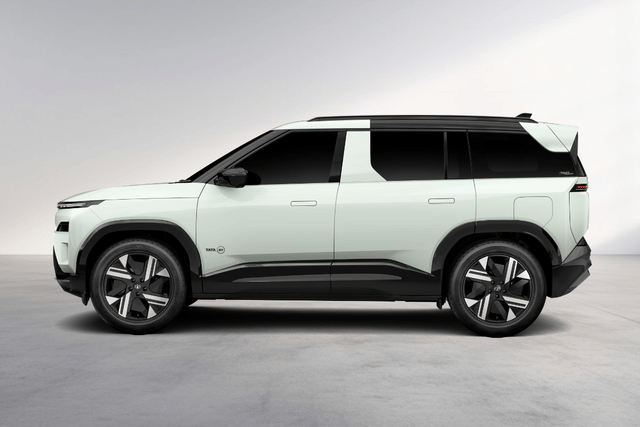
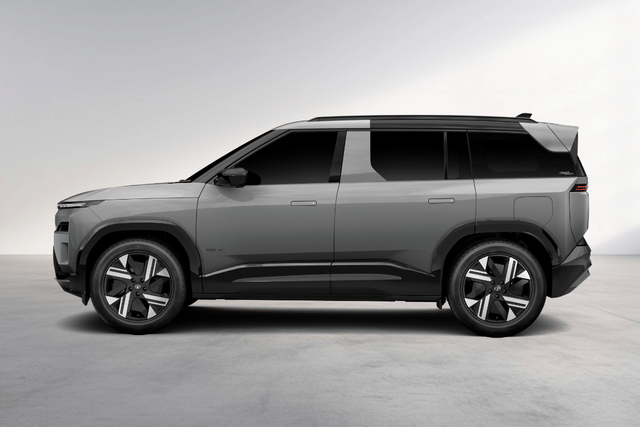
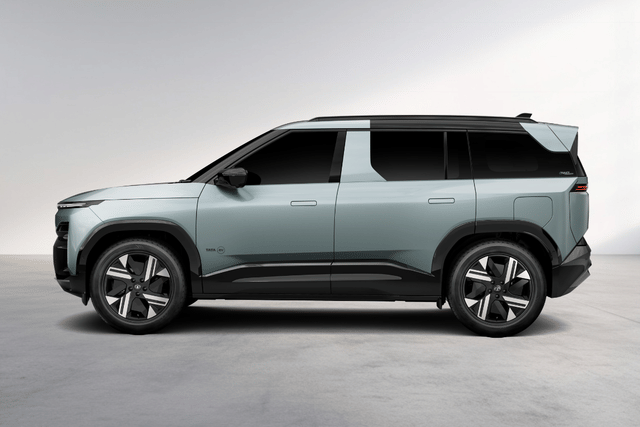
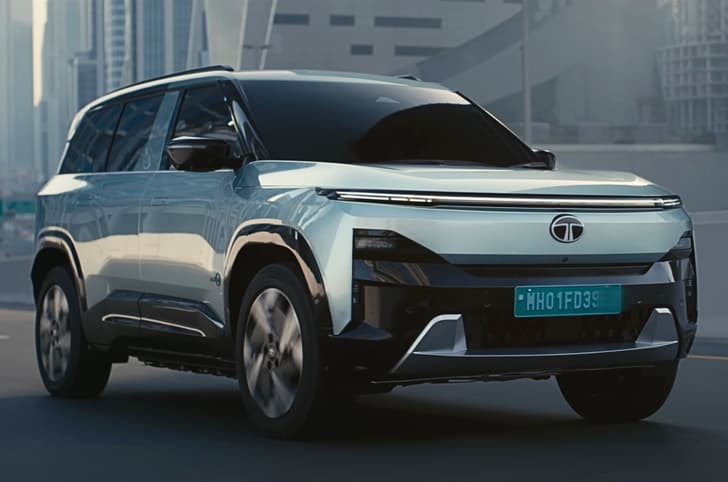
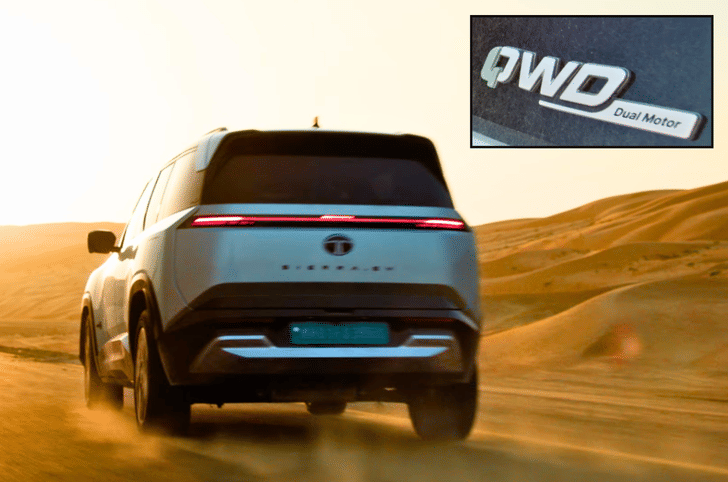
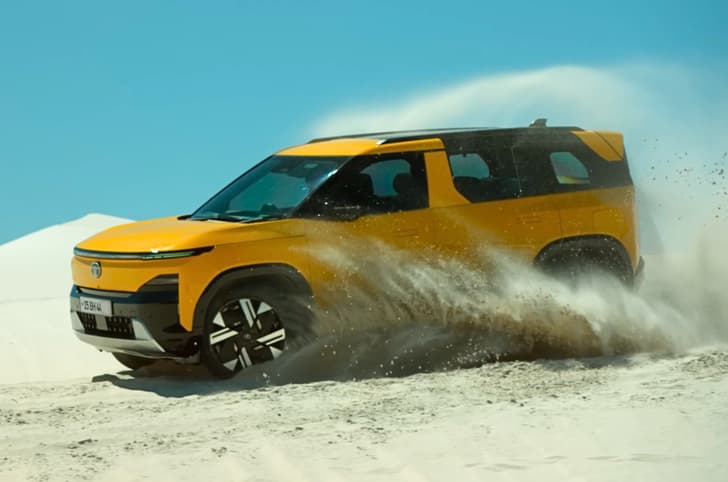
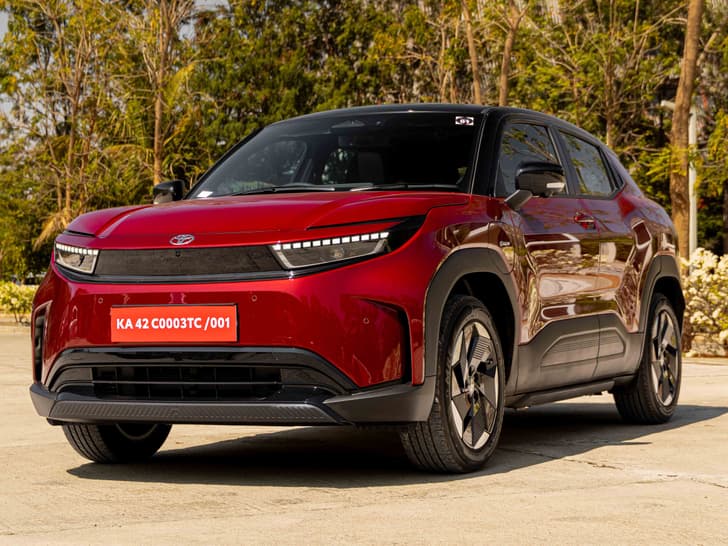
The Tata Sierra EV price in India starts at Rs 18.79 lakh and goes up to Rs 25.99 lakh (both ex-showroom). Buyers can choose between 63kWh and 75kWh battery packs, with rear-wheel drive offered across the range and quad-wheel drive available with select 75kWh variants.
Tata Sierra EV price in Mahisagar
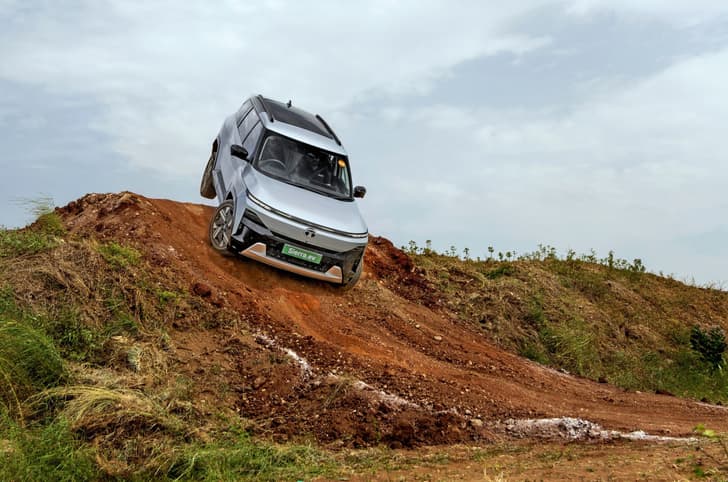
The Tata Sierra EV price in India starts at Rs 18.79 lakh and goes up to Rs 25.99 lakh (both ex-showroom). Buyers can choose between 63kWh and 75kWh battery packs, with rear-wheel drive offered across the range and quad-wheel drive available with select 75kWh variants.
Tata Sierra EV On Road Price by Variants
* Estimated on-road price. Final amount may vary.
Tata Sierra EV Booking & Test Drive - User Reviews
Tell us about your experience
Tata Sierra EV Official Brochure
Download the complete brochure with specs, features, and variants.
Calculate your Charging cost for Tata Sierra EV
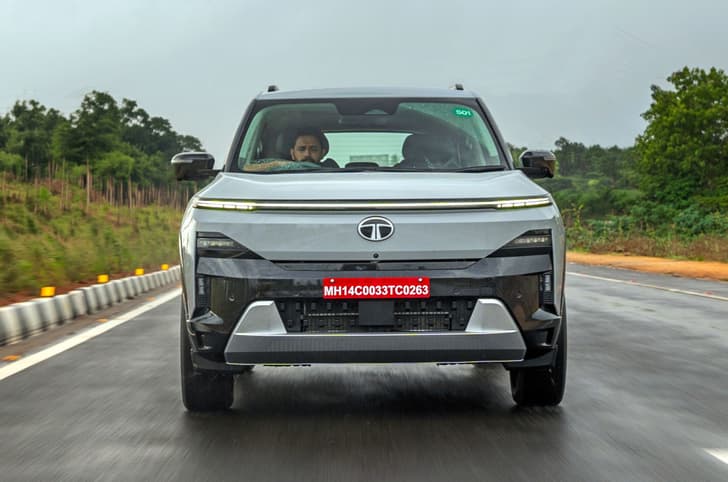
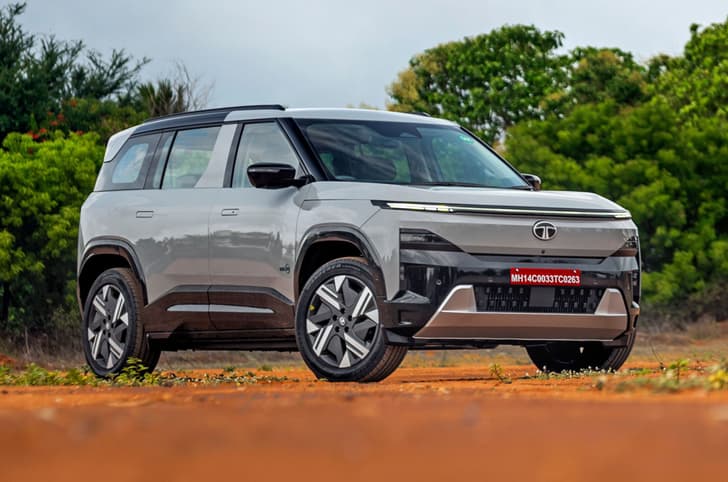
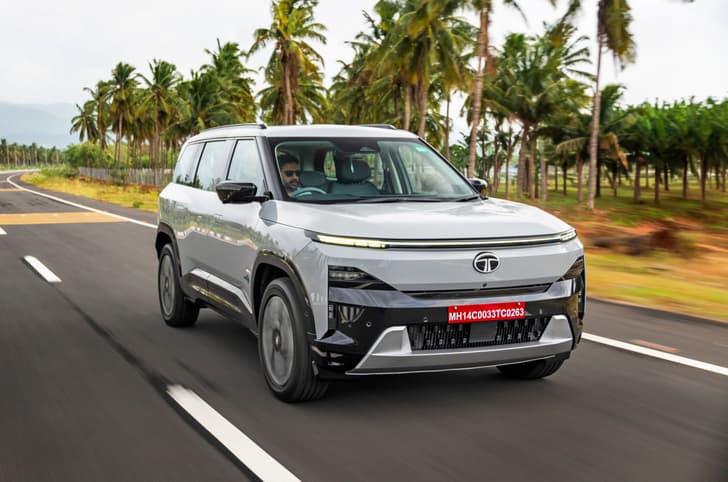
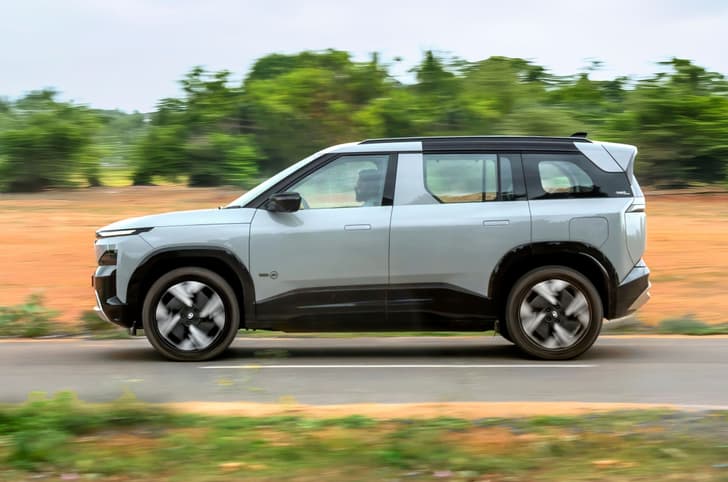
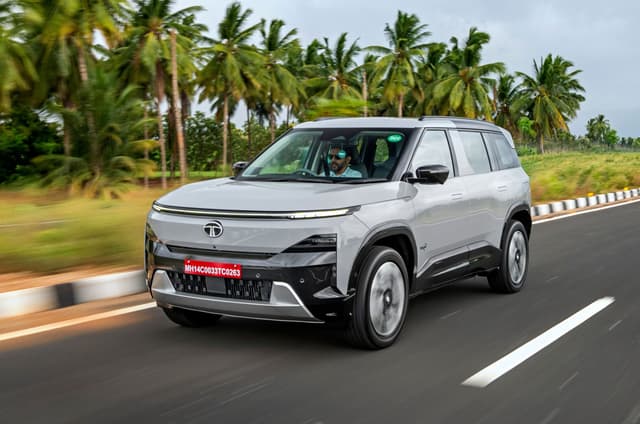
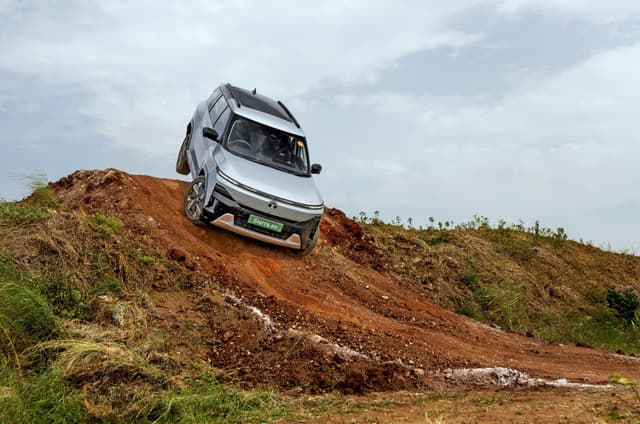
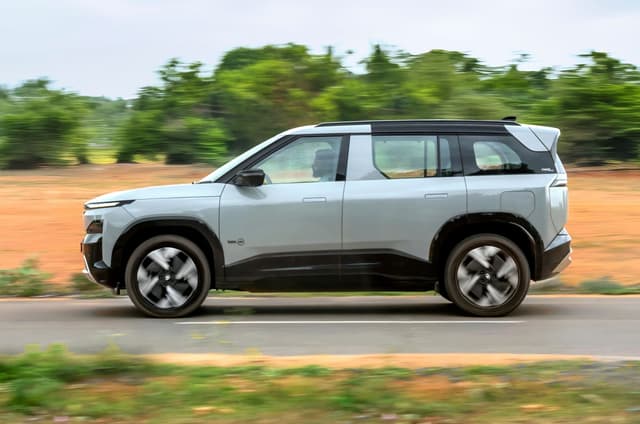
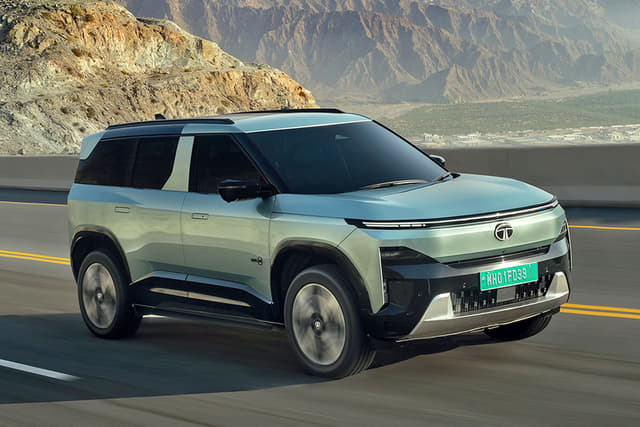
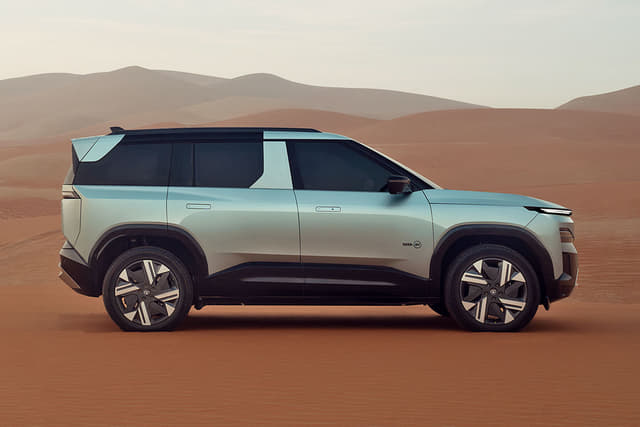
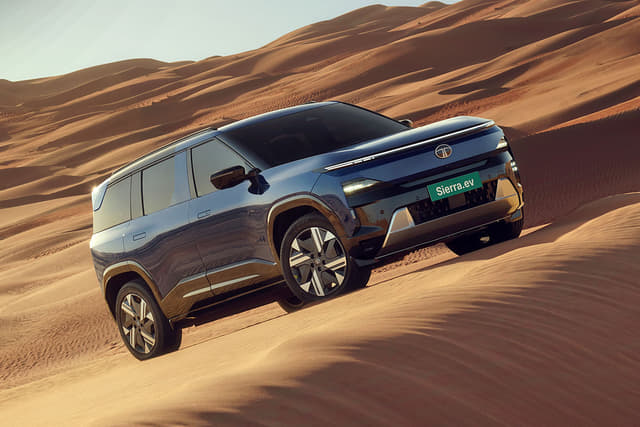
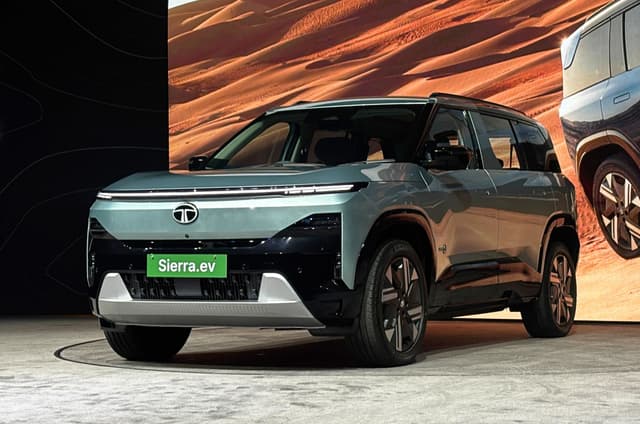
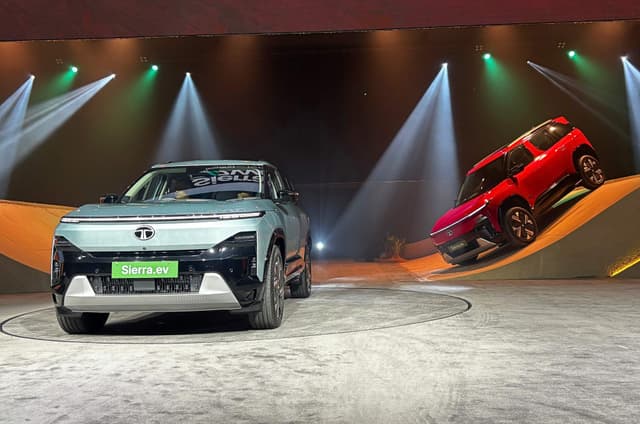
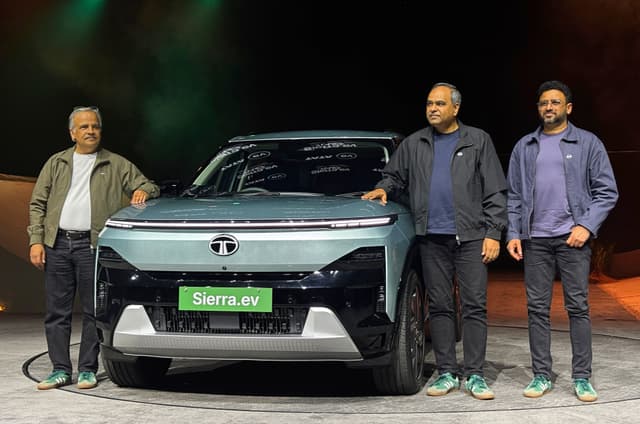
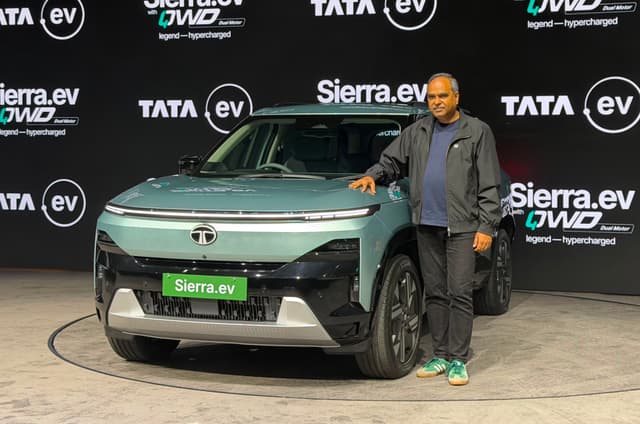
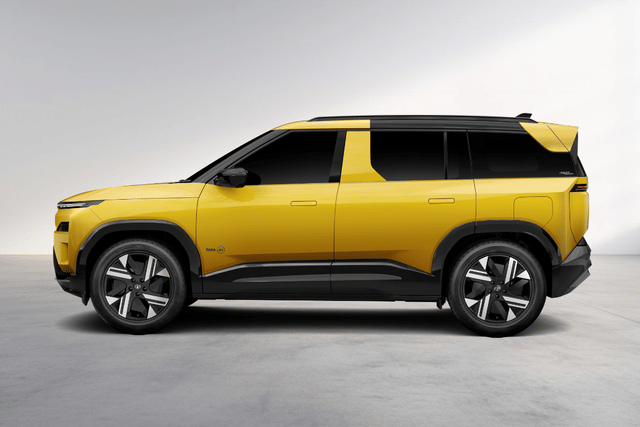
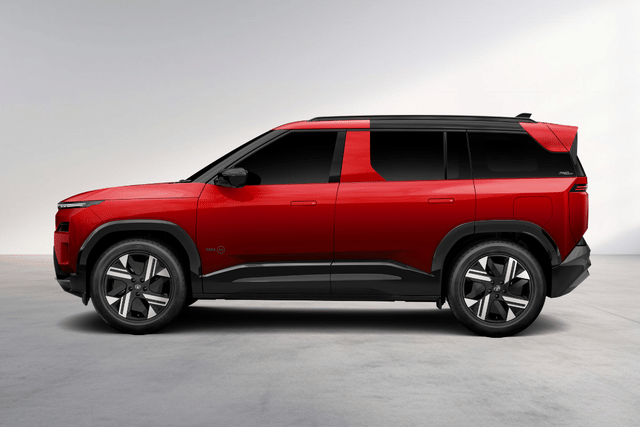
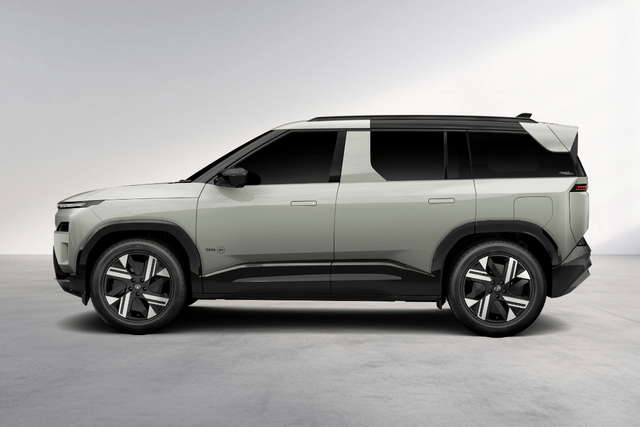
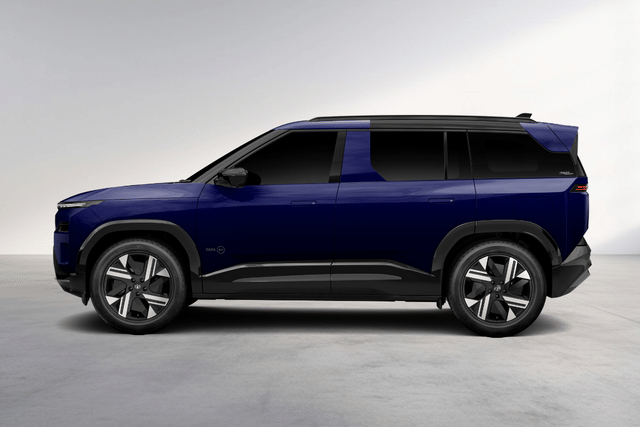
Tata Sierra EV Images
Tata Sierra EV news
Tata Sierra EV videos


Tata Sierra EV FAQs
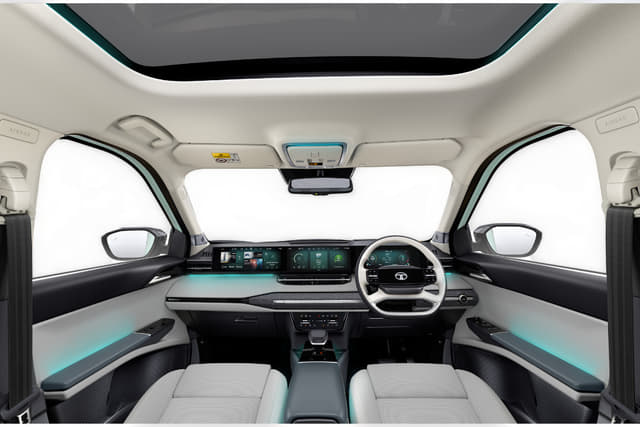
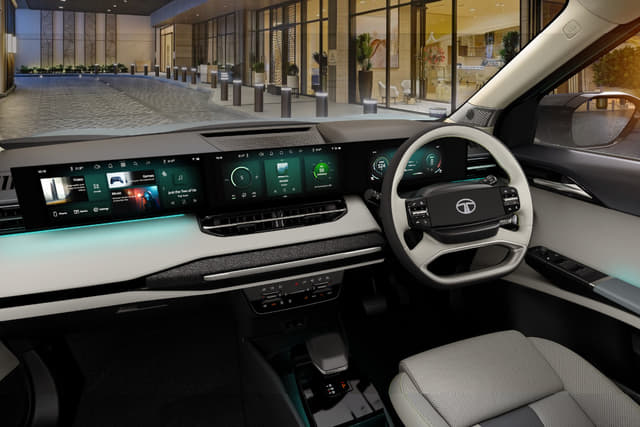
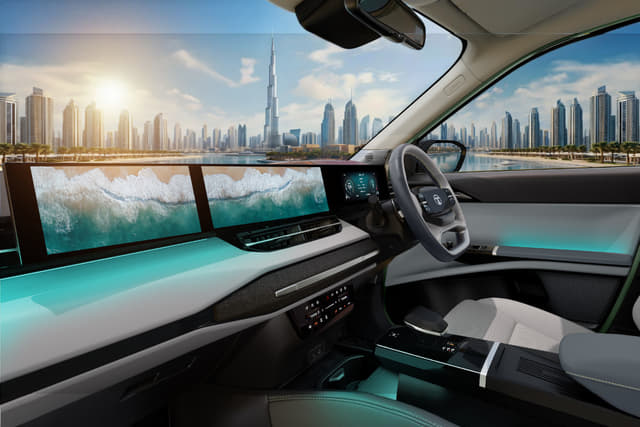
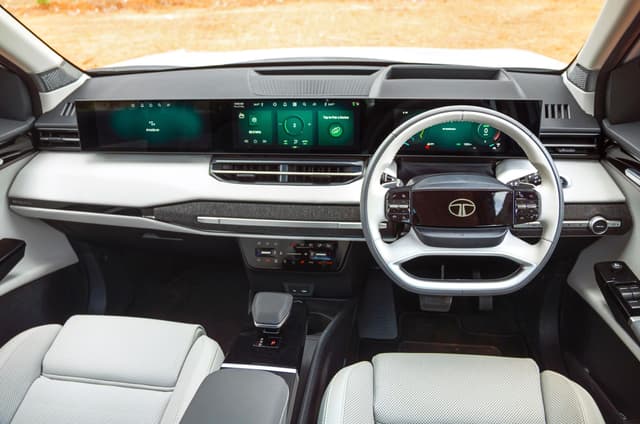
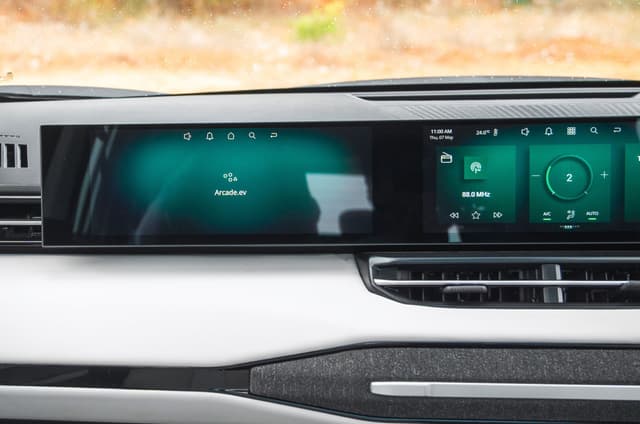
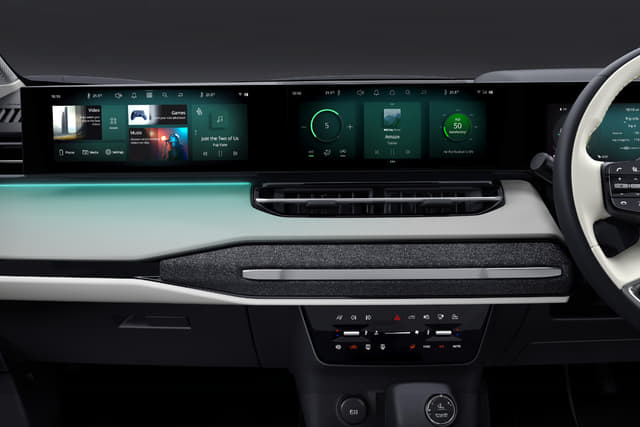
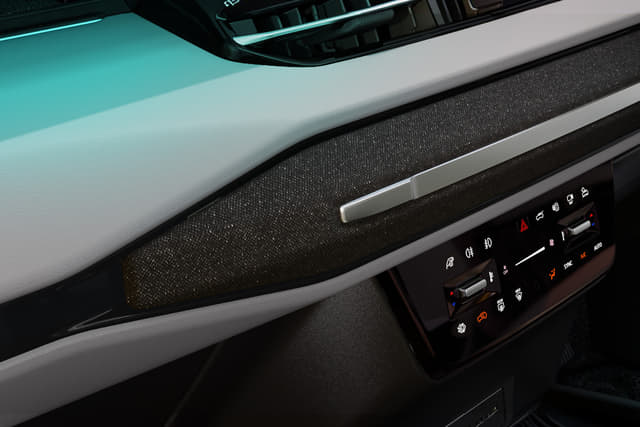
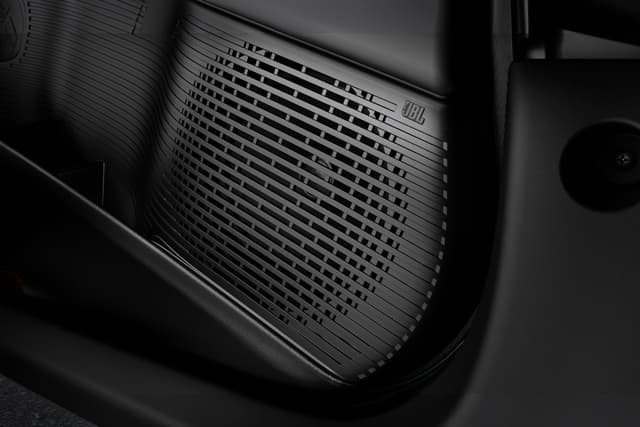
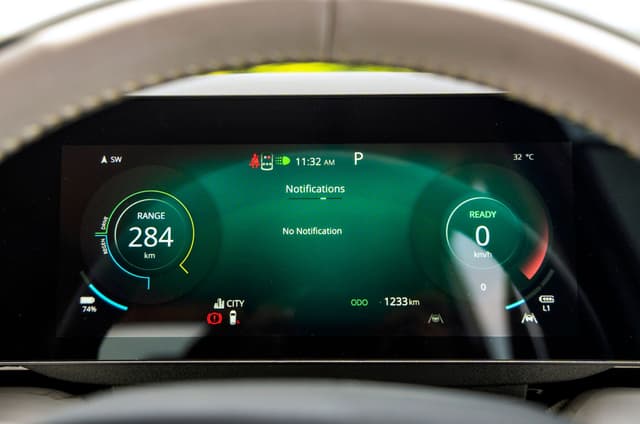
Yes. Depending on the variant, the Sierra EV offers a triple-screen dashboard, Level 2 ADAS, Auto Park Assist, head-up display, JBL audio system, AirConsole gaming, DrivePay, connected car technology and over-the-air software updates.
Questions you may find useful
I am looking to buy a new EV for my daily office commute, which is roughly 100 km round-trip. My current ride is a Toyota Innova Crysta. While it is a reliable workhorse, I find it increasingly tiring for daily use. The constant body roll, low-speed bounciness, and typical ladder-frame wobble over uneven roads are wearing me down. I want to switch to a smooth, refined electric SUV. My usage will be a mix of self-driving and being chauffeur-driven. My absolute top priorities are: Ride Comfort & Stability: I need a car that glides over bad roads, handles speed bumps cleanly, and minimises vertical movement/head-toss. I want to avoid the wobbliness of the Crysta at all costs. Cabin Space: Generous legroom, good under-thigh support, and a spacious cabin environment are highly important. I am currently considering four upcoming/recently launched options, but I am torn between them: Mahindra XEV 9e, Mahindra XEV 9s, Tata Sierra EV, Tata Harrier EV. Given my 100 km daily run, battery efficiency is a factor, but comfort overrides everything else. Which of these four will offer the most stable, plush, and fatigue-free ride for someone moving away from an Innova Crysta? I do not intend to sell the Innova Crysta, as I want to keep it for the airport and family runs for long distance.
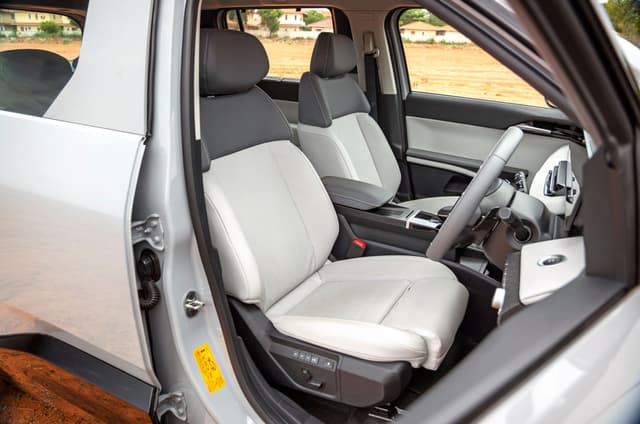
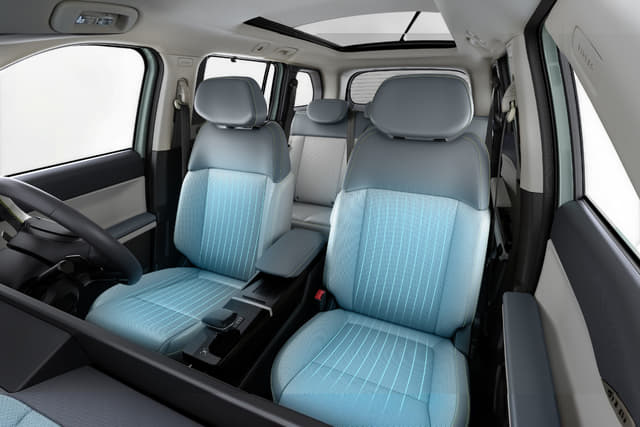
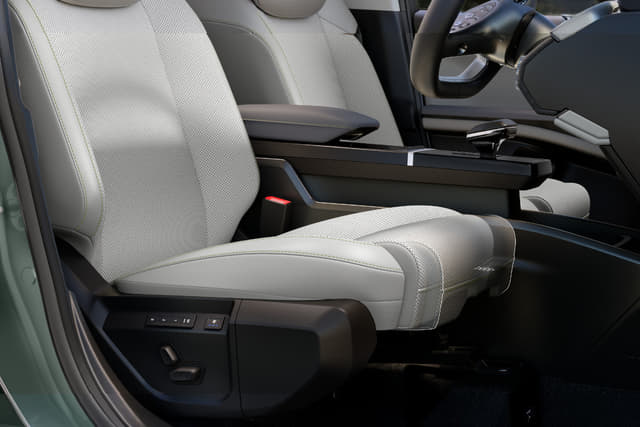
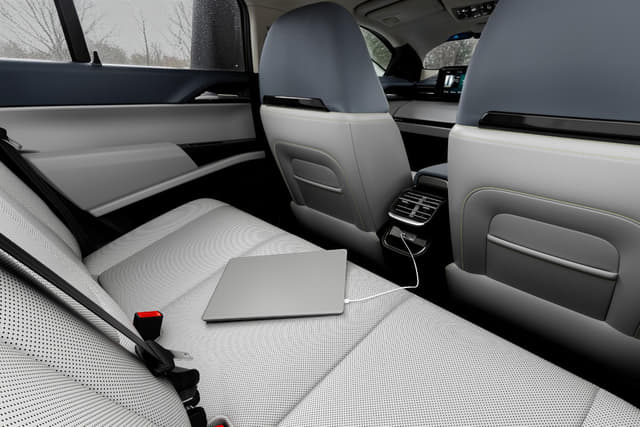
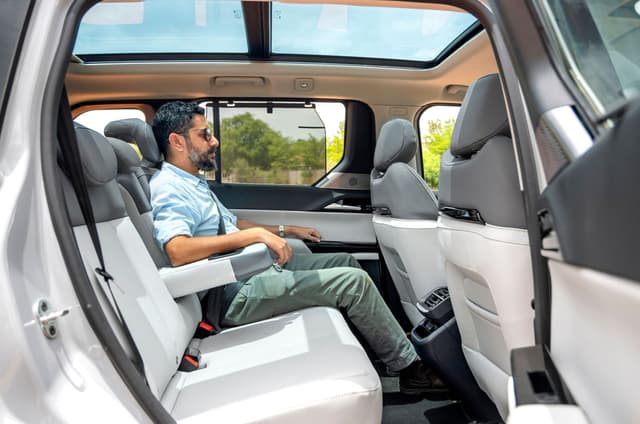
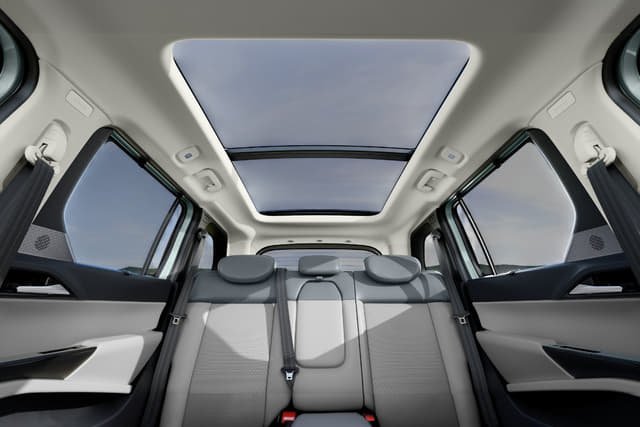
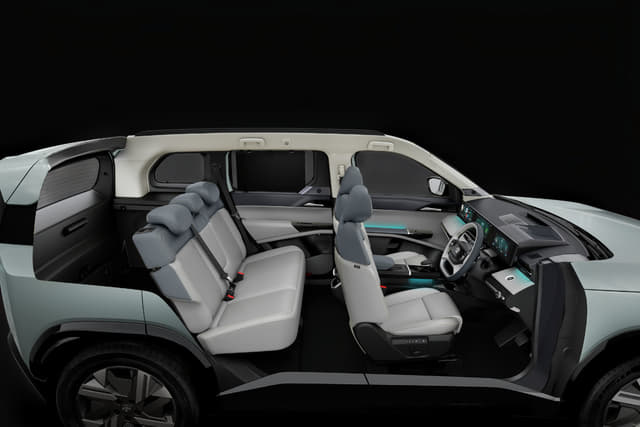
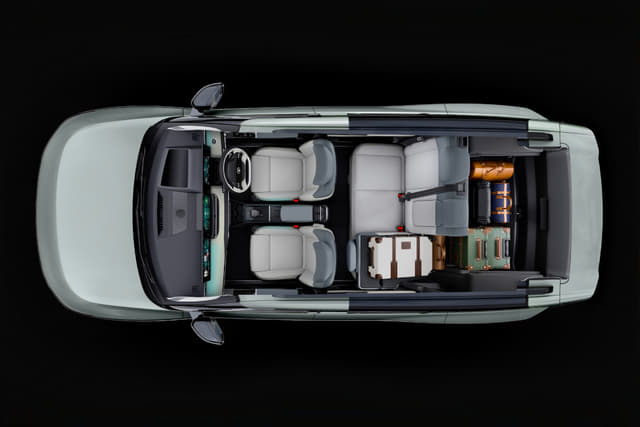
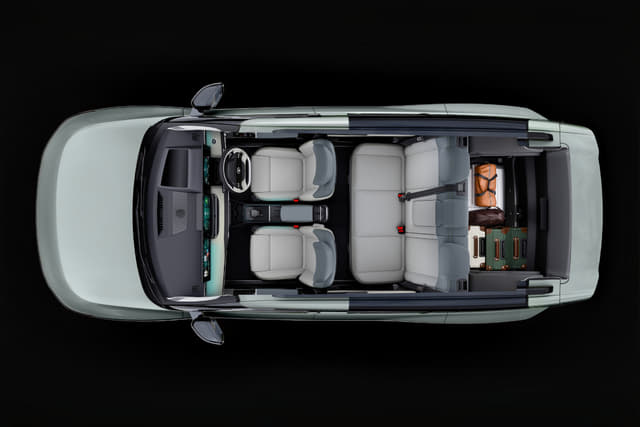
For your 100 km daily commute, with comfort and stability as the absolute priorities, the Tata Sierra EV is the top recommendation. This Tata car is built on Tata's Gen 2 EV architecture, which is a dedicated electric platform with a flat floor and a long wheelbase. This gives it a very stable, planted feel on the road, and the suspension is tuned for comfort, with a soft, absorbent ride that deals with bad roads, speed bumps and undulations far better than a ladder-frame vehicle like the Crysta. The Sierra EV also has a spacious cabin with generous legroom, good under-thigh support and a wide, airy feel, making it a genuinely comfortable place to spend long hours, whether you are driving or being driven. Also, its 75 kWh battery pack gives it a strong range, so you don't have to worry about recharging even on long trips. The Mahindra XEV 9e and 9s are both strong products, but they are not quite as plush or as settled. The Harrier EV has a redesigned floor pan, but it still doesn't feel as spacious or airy inside as the Sierra. The Sierra also has a larger boot compared to the Harrier. Given that you are keeping the Crysta for airport runs and long-distance family trips, the Sierra EV is the best fit for your daily commute. It is the most comfortable, the most stable and the most fatigue-free option of the four.
Sir, how is the rear suspension and ride quality of the Mahindra XEV 9e Pack One and Two? I tested the Pack Three and found the rear seat very boat-like with too much movement both vertically and sideways, which can get nauseating for rear-seat passengers. Is the suspension setup in Pack One and Two any better? Should I instead go for the Harrier EV 75 RWD if I want better ride quality, or should I wait for the Sierra EV? I want an EV bigger than the Nexon, but I do not like the Curvv EV and was thinking of avoiding Mahindra because of the suspension. I tried the Nexon EV and new Punch EV and found their rear suspension much better than the XEV 9e and even the eVitara. Please guide.
What you felt in the Mahindra XEV 9e Pack Three is a fair observation. The XEV 9e does have a softer suspension tune, and for some rear seat passengers, that can translate into a floaty, slightly boat-like vertical movement over undulations, which can feel uncomfortable or even nauseating if you are sensitive to that kind of motion. As far as we know, there is no major suspension hardware difference between Pack One, Two and Three that fundamentally changes this character, so we would not expect the lower variants to feel significantly different in this regard.If rear seat ride quality and body control are a major priority, the Tata Harrier EV is the better option right now. It feels more tied down, composed and generally better controlled from the rear, without that excessive floatiness. If you still want to stay with Mahindra, the XEV 9e actually feels more balanced in this respect and does not have the same exaggerated bouncy character as the XEV 9S.That said, since you are clearly particular about ride quality and already like how Tata’s EVs are tuned, we would absolutely suggest waiting for the Tata Sierra EV as well, especially since its launch is right around the corner. It should sit in that sweet spot above the Nexon EV in size while potentially offering the kind of more settled suspension setup you seem to prefer.
I own a Skoda Slavia Sportline that I had purchased in December 2025. After reading about so many BaaS offers on electric vehicles viz XEV 9S, where the registration charges are zero in Maharashtra, it is tempting to exchange my current car for an electric car. Should I do that? My monthly running is around 1000 km. Also, is BaaS available for the Sierra EV?
With a monthly running of around 1,000 km, an EV can make sense, but only if you have a predictable usage pattern and access to home charging. The bigger question is whether it makes sense to exchange your Slavia, which is a relatively new and well-rounded car. The Slavia offers a great driving experience, good comfort and is a proven product. The XEV 9S is a very different proposition – it is a large, premium electric SUV with a very different ownership and usage profile.The BaaS (Battery as a Service) scheme on the XEV 9S is attractive because it reduces the upfront cost, but it also means you are paying a monthly subscription for the battery, which only makes sense if you are committed to long-term EV ownership and your usage pattern justifies it. The Sierra EV does not currently offer a BaaS scheme.Our advice would be to hold on to the Slavia for now. It is still a very capable car and you are unlikely to recover its value in a trade-in so soon after purchase. If you are keen on an EV, wait for a few more years until your Slavia has served its purpose and the EV market has matured further. If you are set on an EV today, the XEV 9S with BaaS is a good option.
Hi, I want to upgrade from my 9 year old Honda WR-V to an electric SUV. My driving is mostly in the city, with only occasional highway trips, and the total monthly running does not exceed 1,000km. I like the Mahindra BE 6 Sporteq, but it seems impractical from a utility perspective once the excitement of owning a new car wears off. I am therefore looking for an EV SUV in the Rs 20-22 lakh range with good second-row space, strong design appeal and plenty of features. I would prefer something new on the block, as models like the Creta have become extremely common and feel less fresh. I also like the Harrier EV, but the features I want are available only in variants priced above Rs 25 lakh. Please suggest something new and worthwhile. I can stretch the budget to Rs 24 lakh if most of these requirements are met.
Based on your requirements, the Tata Sierra EV is the recommendation. It offers a genuinely fresh design, a spacious and comfortable second row, and a premium cabin experience that feels new and different from the usual options. The Sierra EV also delivers a good balance of range and practicality for your predominantly city usage with occasional highway trips. The Tata Harrier EV is a strong product, but as you rightly pointed out, the feature-rich variants start to push well beyond your budget. The Sierra EV, on the other hand, gives you a more distinctive ownership experience with added practicality. The 63kWh version should be adequate for your usage, but if you want a bit more buffer in terms of range for your highway trips, then stretch for the 75kWh version.
I’m planning to buy a new car in a budget of Rs. 22-24 lakh. I currently own a Ciaz petrol that I am planning to retain. My shortlisted cars include Tata Sierra (EV/petrol), Kia Seltos, and am also considering whether I should wait for the next-gen Creta. My daily running is around 18-30 km, mostly within the city, with occasional long trips. Since I’ll be keeping the Ciaz, I’m also considering an EV. What would make more sense in my situation amongst Sierra EV, Sierra petrol, Seltos, or waiting for the new Creta?
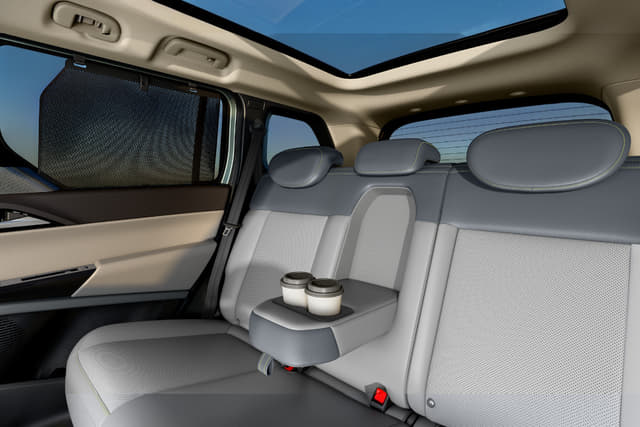
Given your usage and the fact that you are retaining the Ciaz, the Tata Sierra EV is a sensible choice. Your daily running is well within the comfort zone of an EV and the Sierra EV offers a genuinely premium cabin, excellent ride comfort and a spacious, lounge-like rear seat, making it a very different ownership proposition from the Ciaz.The Seltos is a strong all-rounder, but it does not offer a fundamentally different experience from the Ciaz, and you are essentially buying another petrol car for city use. Waiting for the next-generation Creta is a valid option, and if you can comfortably wait, go ahead and do so as the Creta is also expected to offer a hybrid, but it is still some time away. The Sierra EV, on the other hand, gives you a clear use-case advantage today. The only caveat with the Sierra EV is Tata's long-term reliability track record, which is still evolving. If that is a concern, the Seltos remains the safer ownership bet. But given your usage pattern and the fact that you are keeping the Ciaz, the Sierra EV is a logical and differentiated choice.
Tata Sierra EV On Road Price in India
| Cities | On road price |
|---|---|
Anand | ₹19.92 - ₹27.69 Lakh |
Gandhinagar | ₹19.92 - ₹27.69 Lakh |
Upcoming Cars


Tata Cars

Trending Cars


Latest Cars