
Tata Punch EV
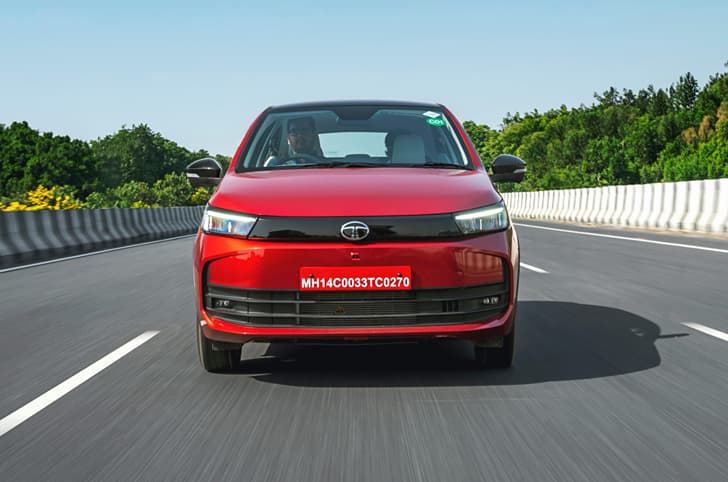
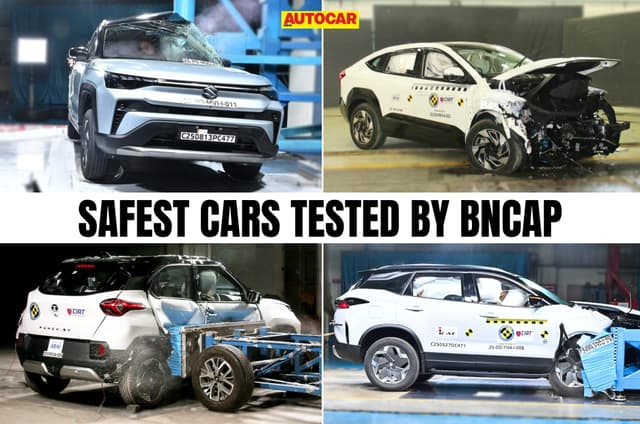
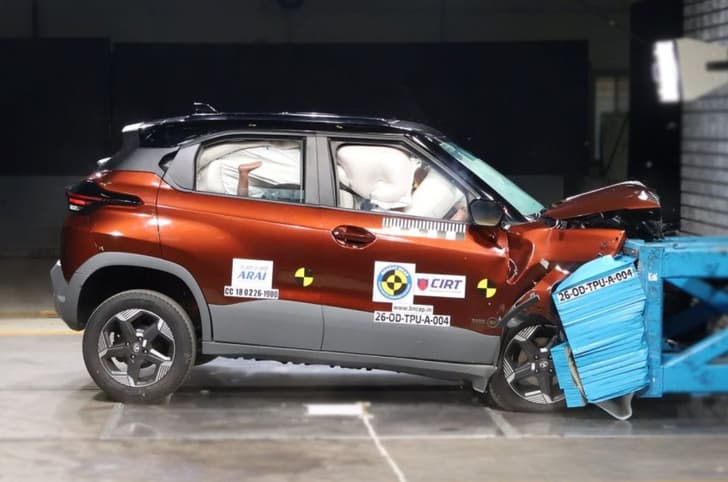
The Tata Punch EV is a compact electric SUV sold in 6 variants, with 30kWh and 40kWh battery options. The smaller battery produces 88hp, while the larger one makes 129hp, with both versions developing 154Nm of pulling power. The claimed ARAI range is 365km for the 30kWh version and 468km for the 40kWh version. Punch EV was tested by Bharat NCAP for the second time, and it came away with a 5-star rating for both adult and child protection.
Punch EV Key Features
Here is what buyers get across the range.
Category | Key Features |
Battery and performance | • 30kWh and 40kWh battery options • 88hp or 129hp, depending on battery • Single front-mounted electric motor • Three drive modes: City, Eco and Sport |
Screens and audio | • 10.25-inch touchscreen on higher variants • 10.25-inch digital driver's display on higher variants • Connected car features |
Safety | • Six airbags • Electronic stability control • Tyre pressure monitoring system • Hill-hold assist and ISOFIX child-seat mounts |
Comfort and convenience | • Ventilated front seats on selected variants • Sunroof on selected variants • Wireless phone charging • 360-degree camera on selected variants |
Practicality | • Five seats • 195mm ground clearance • Four levels of regenerative braking • Front-wheel drive |
Punch EV Road Test Findings
What we liked
- The ride is a major strength. The suspension deals with potholes and broken roads well, while the car remains stable at higher speeds.
- The electric motor delivers smooth, predictable acceleration, making the Punch EV easy to drive in city traffic.
- The 40kWh version has enough range for more than just short urban trips, with a tested real-world range of 304km in Autocar India's efficiency test.
- The updated model offers a larger battery and improved charging capability at a lower starting price than its predecessor.
What we did not like
- The rear seat is narrow, which limits comfort when carrying three passengers across the back.
- The steering is not particularly light at low speeds, although it gains weight as the car goes faster.
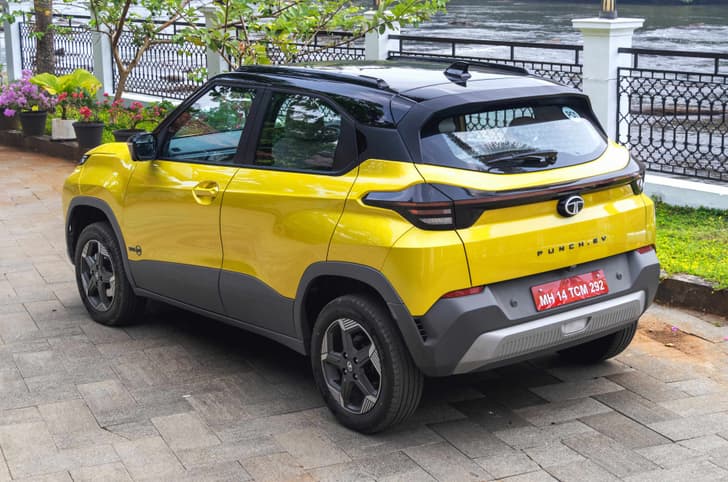
- The exterior's lighter grey plastic cladding can look faded, which may not appeal to every buyer.
- Regenerative braking has four selectable levels, but it does not provide full one-pedal driving that brings the car to a complete stop.
Who should buy the Punch EV?
Based on our review, this electric SUV suits five kinds of buyers.
Buyer type | Why it fits |
If most driving is in the city | Smooth acceleration, compact dimensions and a comfortable ride make it easy to use in traffic. |
If daily running is high | Home charging can help keep running costs low, particularly for buyers replacing a petrol car used frequently. |
If occasional highway trips are planned | The 40kWh version has a claimed 468km ARAI range, although real-world range is lower. |
If comfort on poor roads matters | The suspension absorbs most road imperfections well and maintains good stability. |
If features and safety matter | Six airbags are standard, while a large touchscreen, digital driver display, ventilated front seats and 360-degree camera are available on selected variants. |
The buyer it suits least is someone who regularly carries three adults in the rear or frequently undertakes long highway journeys without reliable charging access. The narrow rear seat and the gap between claimed and real-world range are worth considering before buying.
Tata Punch EV Price Details
- Smart 30 (base model): 9.79 lakh (ex-showroom)
- Adventure 40 (mid variant): 11.94 lakh (ex-showroom)
- Empowered + S 40 (top model): 12.99 lakh (ex-showroom)
Tata Punch EV Latest Updates
- 29 July 2026: Punch EV was tested by Bharat NCAP for the second time, and it came away with a 5-star rating for both adult and child protection.
- 11 May 2026: Discounts on pre-facelift Tata Punch EV go up to Rs 2.15 lakh in May.
- 12 April 2026: Up to Rs 1.4 lakh in benefits for pre-facelift Tata Punch EV in April.
- 5 March 2026: MY24 Tata Punch EV models get benefits of up to Rs 1.2 lakh.
Punch EV Specifications
468 km
40 kWh
AC 5.3hrs (7.2kW) • DC 30min (65kW)
5
129 hp
5
154 Nm
Punch EV Highlights
5 Star BNCAP Rating
Single Pane Sunroof
40 kWh Electric Battery
10.24-inch Touchscreen Display
Sequential Turn Indicators
Front Only Ventilated Seats
+4
6
Become an
Autocar Shopper
Unlock benefits up to ₹30,000 on Punch EV
Unbiased buying guidance
Guaranteed lowest price
Priority car delivery
Offer valid till 15th November 2026
Tata Punch EV price & variants
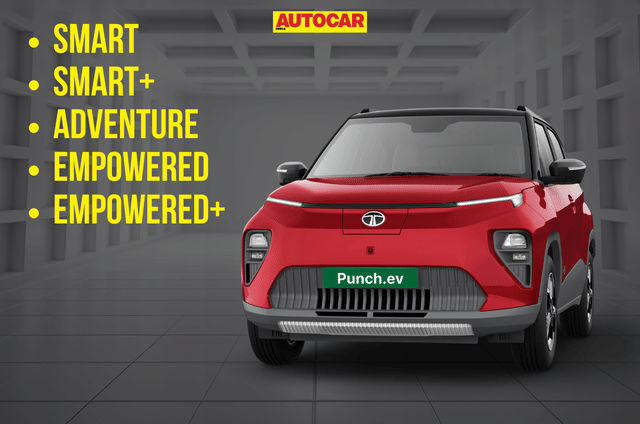
The Tata Punch EV price in India starts at 9.79 lakh for the Smart 30 and rises to 12.99 lakh for the Empowered + S 40, both ex-showroom, while the on-road price in Delhi runs from 10.24 lakh to 13.78 lakh. The 6 variants combine two battery options with different equipment levels.
Which one to pick:
- The 30kWh battery is the sensible starting point for buyers who mainly drive within the city and can charge at home.
- The 40kWh battery is worth considering for buyers who need more range and stronger performance. It produces 129hp and has a claimed ARAI range of 468km.
- Higher variants add equipment such as a 10.25-inch touchscreen, digital driver's display, ventilated front seats and a 360-degree camera, depending on the trim.
- The Battery-as-a-Service option reduces the initial purchase price, but battery rental charges apply separately. Buyers should compare the upfront saving against their expected running distance.
- EMIs for the Smart 30 start at 14,802 a month.
Tata Punch EV Expert Review
We like
Strong and linear acceleration
Very comfy ride
Feature packed
We don't like
Narrow rear seat
No spare tyre
8.0
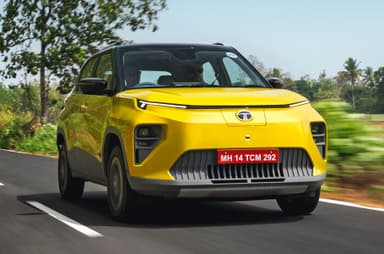
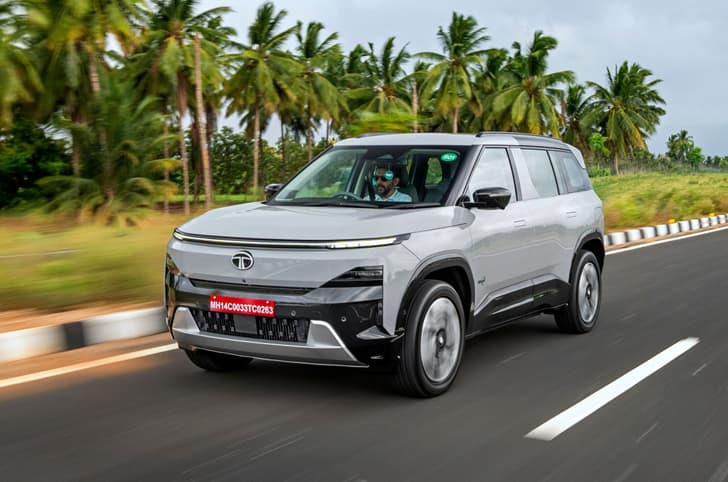
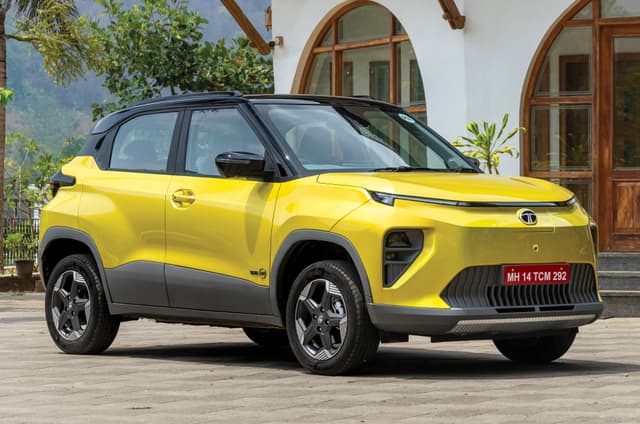
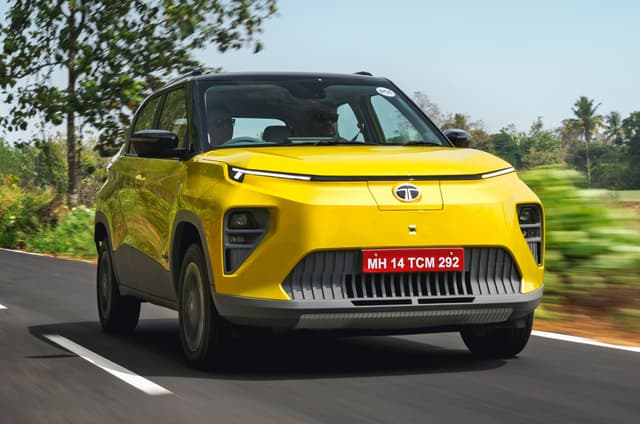
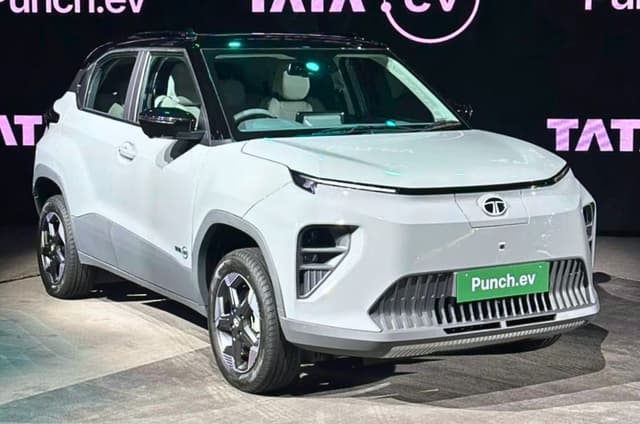
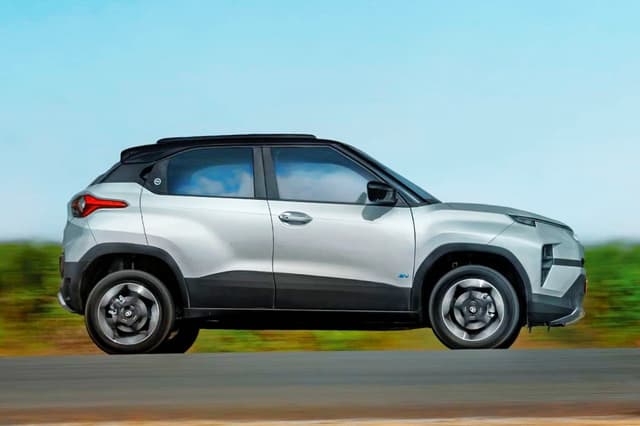
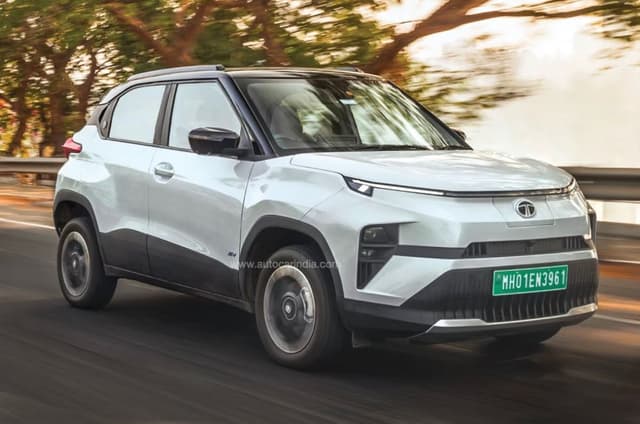
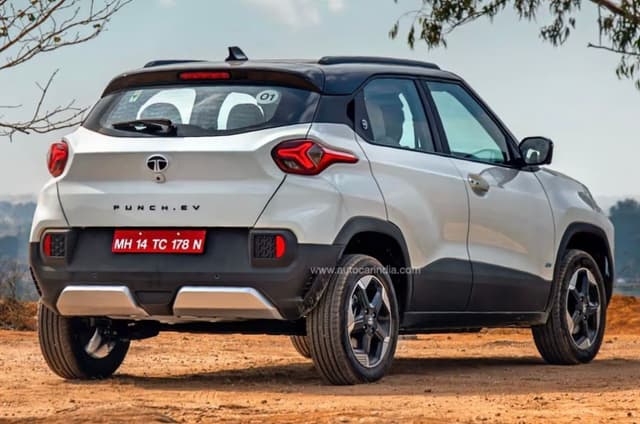
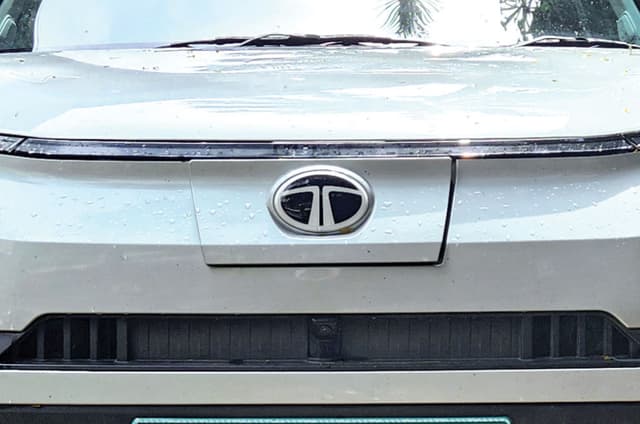
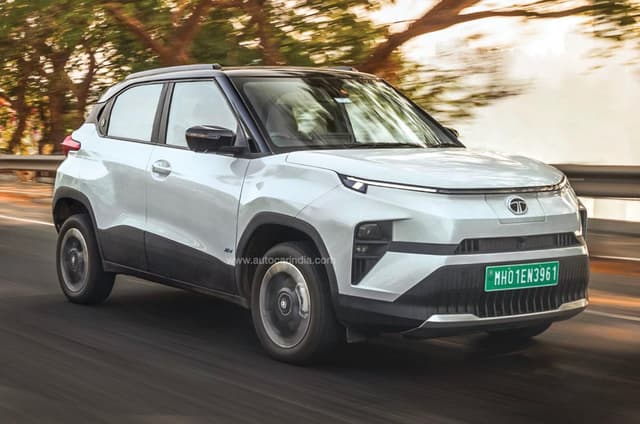
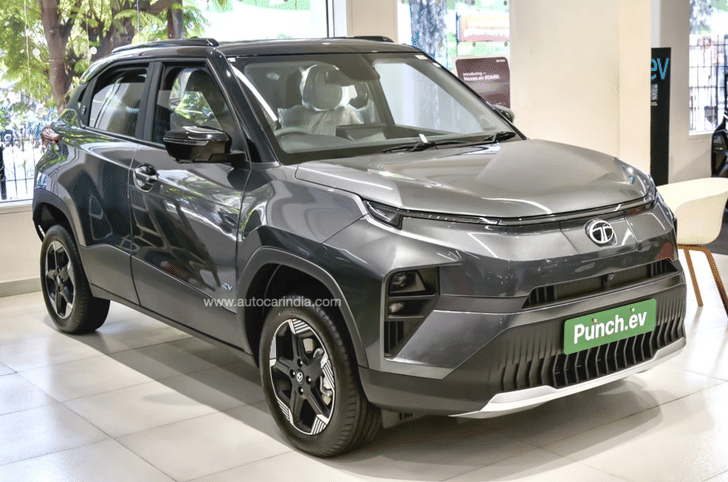
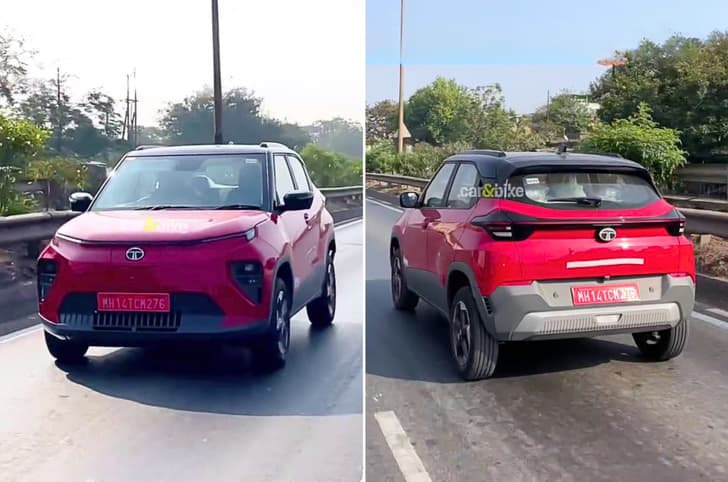
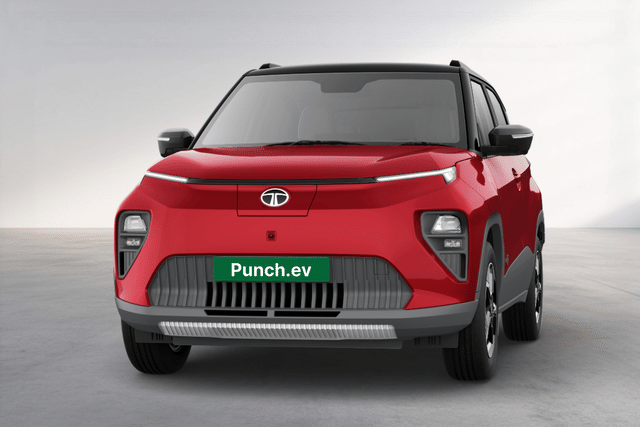
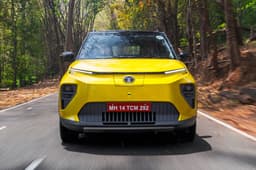
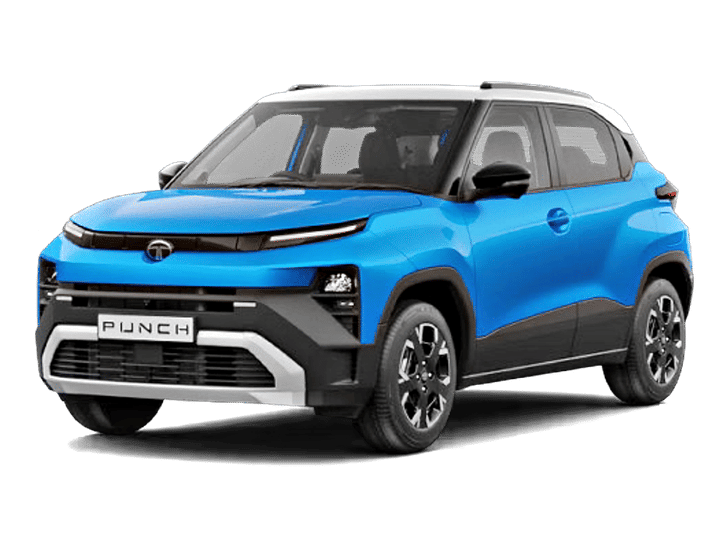
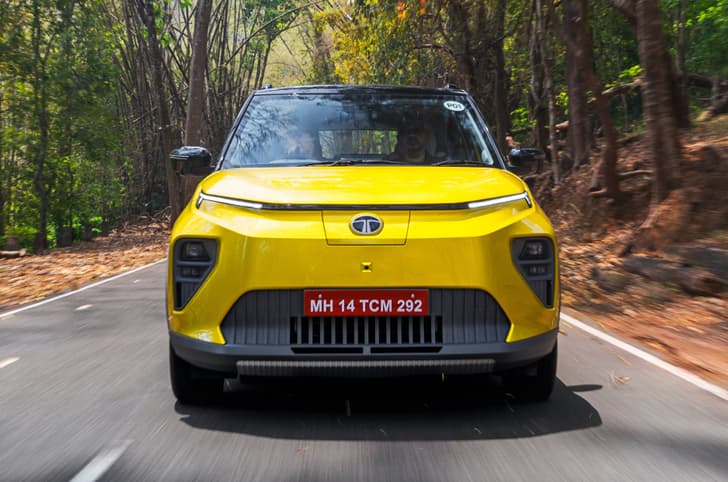
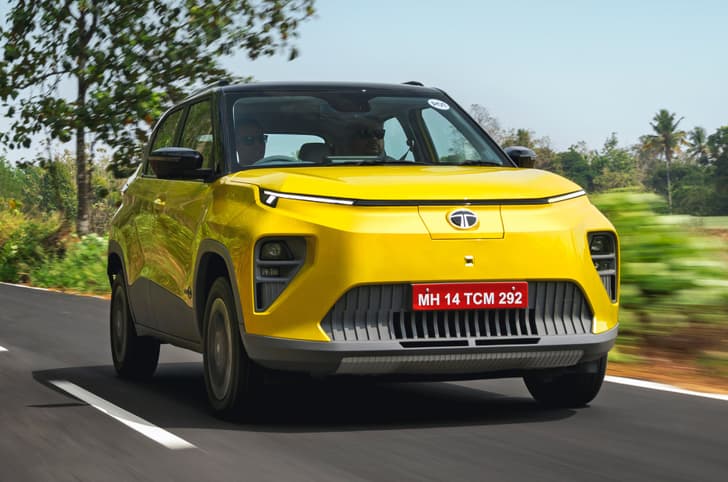
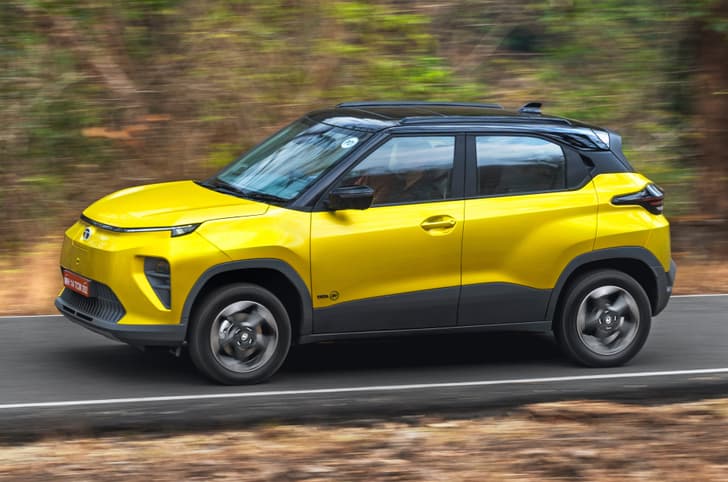
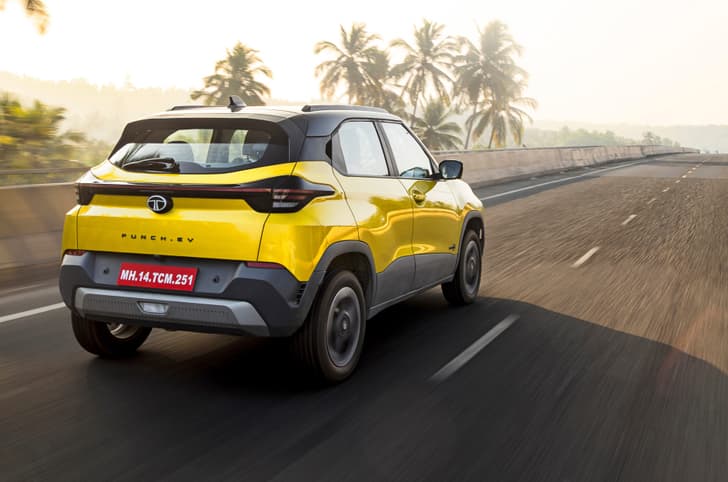
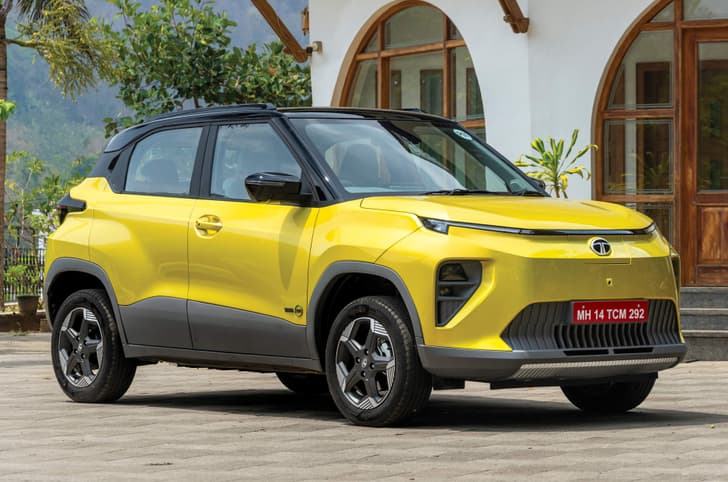
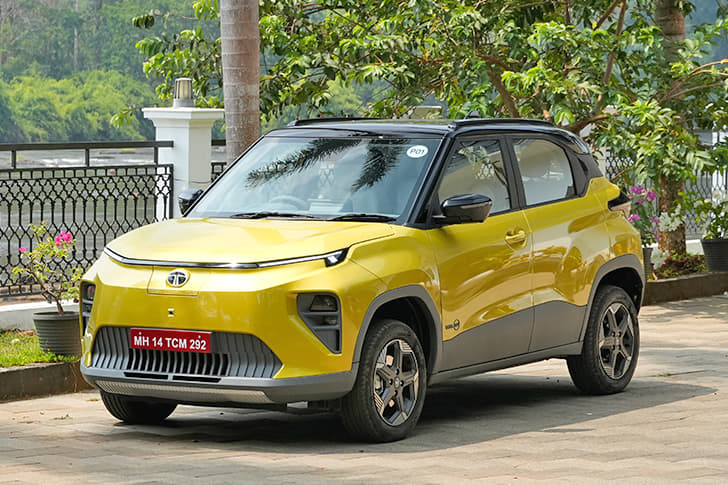
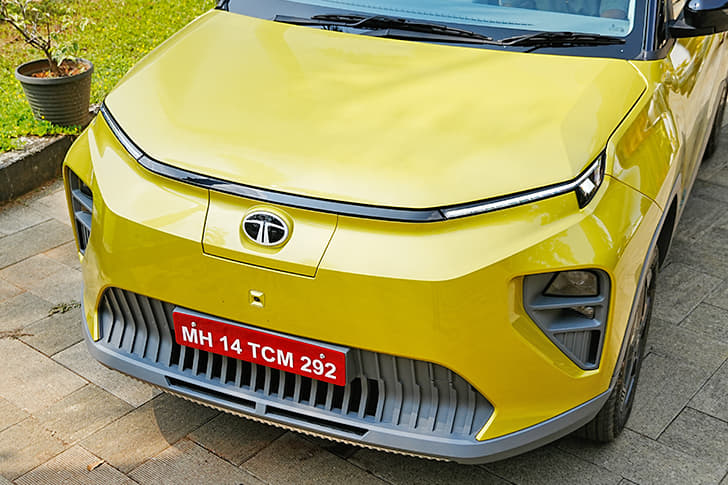
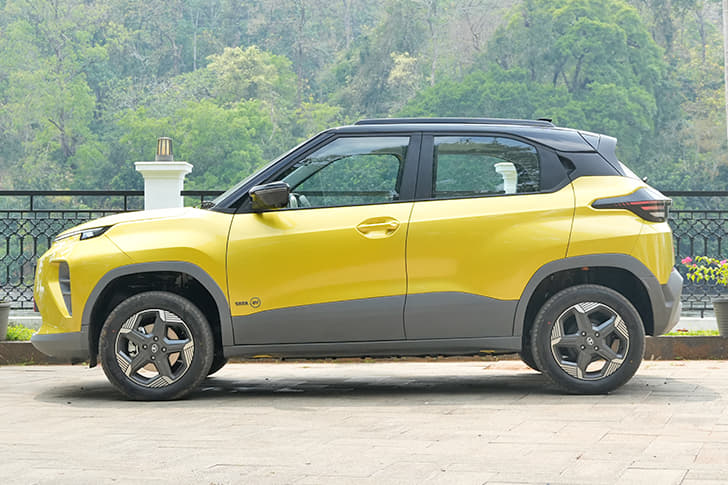
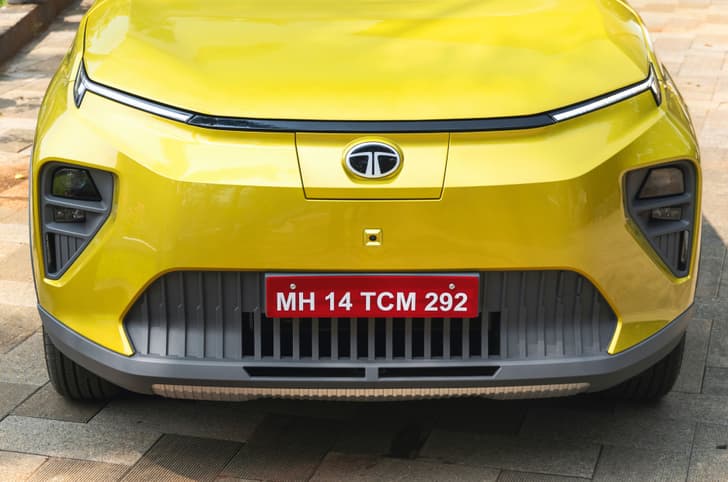
The updated Punch EV drops the earlier black plastic strip linking the headlights for a cleaner, more aero-focused look, and the LED light bar connecting the Y-shaped DRLs is gone as well. The charging flap remains centrally placed, while the only air intake sits low in the bumper. Lower down, the plastics are now finished in a lighter grey, with the 16-inch alloys matching in matte grey. At the rear, it adopts the ICE Punch’s connected LED tail-lamps and chunky bumper with a low-mounted reverse light.
The bigger changes lie under the skin. Based on the Acti.ev platform, the Punch EV now gets 30kWh and 40kWh battery packs, switching from cylindrical to prismatic cells while retaining LFP chemistry. These rectangular cells pack more efficiently, allowing more to fit into the same space. Charging speeds have increased to 65kW, up from 50kW, enabling a claimed 10-80 percent top-up in 30 minutes.
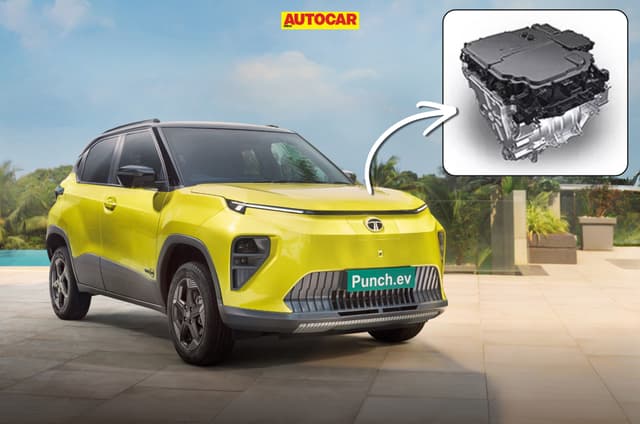
The powertrain is now integrated into a compact 6-in-1 unit combining the motor, inverter, reduction gear, DC-DC converter, PDU and onboard charger. Tata says it is 28 percent lighter, 50 percent smaller and 6 percent more efficient, while reducing electrical connections, semiconductors and high-voltage cables by 30 to 40 percent, lowering complexity and production costs.
7.0
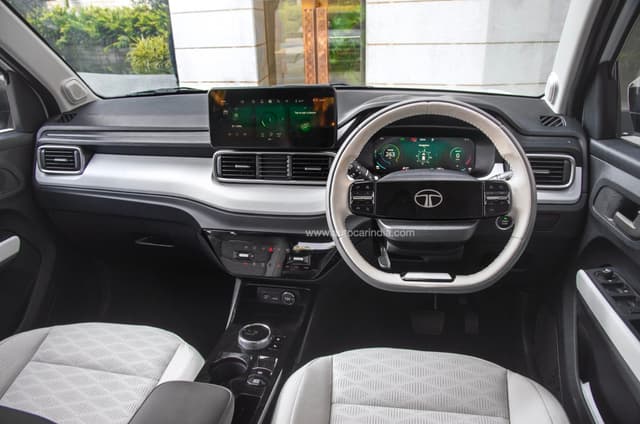
Getting in and out remains easy thanks to the wide 90-degree opening doors. Inside, the cabin feels airier with the new lighter grey plastics while a textured white trim breaks the monotony. The seats follow a white and grey theme, with leatherette upholstery and fabric inserts on the front bolsters. Control stalks from the Sierra are carried over, while the vertically oriented toggle-style window switches can feel counterintuitive initially. Front-seat comfort is strong, with good support and ventilation on the top trim. The high seating position offers good visibility, though reach adjustment for the steering is still missing. The centre console houses an armrest, cupholders and a wireless charging pad, but the rotary gear selector can be slow to respond. Storage is decent, with door pockets for bottles and an umbrella, plus a cooled glovebox. Rear seat space is adequate, with good cushioning and thigh support, though three passengers will be a squeeze. Rear AC vents are still missing, and the seatbelt warning chime can be intrusive. Boot space stands at 366 litres, and there’s a small frunk too.
9.0
With the update, the Punch EV hasn’t gained notable new features, but it remains well equipped. Highlights include a 10.25-inch Harman infotainment system with wireless connectivity, a sharp 360-degree camera, built-in apps and multiple voice assistants. There’s also a 10.25-inch driver’s display with map projection, though some fonts are a bit small to read on the move. Other features include an air purifier, auto-dimming IRVM, cruise control and a small sunroof, while ambient lighting has been dropped.
Safety is comprehensive, with six airbags, ESP, ABS with EBD, Hill Hold Assist and ISOFIX mounts offered from the base Smart trim. A new addition is a High Beam Alert that warns the driver if high beams are used below 40kph for over a minute. The Smart+ adds an electronic parking brake with auto hold and a reverse camera. As before, there’s no spare wheel, only a puncture repair kit with an inflator.
9.0
Power is up slightly, now at 88hp for the smaller battery and 129hp for the larger one, with torque at 154Nm for both. Performance remains strong; it pulls cleanly from a standstill and builds speed smoothly, with linear delivery that makes it easy to drive in traffic. There are three drive modes – Eco, City and Sport. Eco remains usable in everyday driving, City is well suited to most situations, while Sport is the most engaging. It isn’t aggressively quick, as power delivery is tuned for range and usability, but the instant torque is still enough for a 0-100kph time of 9.1 seconds. Refinement is a highlight, with minimal motor noise. The cabin stays quiet, with only a slight increase in road noise at higher speeds.
8.0
Range has improved thanks to the larger batteries and a more efficient motor. Tata Motors now claims 375km for the 30kWh version and 468km for the 40kWh, both under the MIDC cycle, up from 315km and 421km earlier. It also states real-world range of around 260–275km for the smaller battery and 335–355km for the larger one under its C75 metric, representing what 75 percent of customers could expect based on past usage data. For reference, the earlier 35kWh long-range model returned a combined range of 229km in our test, and this updated version is expected to improve on that.
9.0
No changes have been made to the suspension, and none were needed. The Punch EV continues to ride with the maturity of a car from a segment or two above. To manage the battery weight, it uses stiffer springs than the ICE version, but increased torsional rigidity allows for softer dampers. The result is a pliant, absorbent ride where even sharp potholes are well cushioned. As speeds rise, the body remains well controlled, and high-speed stability is impressive. Through corners, there is body roll, but the low-mounted battery keeps it feeling planted and secure. The steering isn’t particularly light at low speeds, building to a nicely weighted feel as you go faster. It isn’t the most communicative, but it is direct enough to place the car accurately, making it easy to settle into a smooth rhythm on flowing roads. Regenerative braking adds to this ease, with four selectable levels via paddles. Level 0 allows free coasting, while level 3 offers strong deceleration without bringing the car to a stop. The switch to rear drum brakes also has a technical advantage, as they are less prone to binding or noise in EVs. Braking performance remains confident, though we’ll confirm stopping distances in a full test.
9.0
The updates to the Punch EV focus on improving efficiency while lowering manufacturing costs, and this is reflected in the pricing. It now starts at Rs 9.69 lakh and goes up to Rs 12.59 lakh – Rs 30,000 cheaper at the base and up to Rs 1.85 lakh less at the top end. The Battery-as-a-Service programme lowers the entry price further to Rs 6.49 lakh, with the battery available on a rental basis at Rs 2.6 per kilometre. While there are some cost-cutting measures, none significantly detract from the overall experience, making it strong value for money.
Reviewed by: Lenny D'sa
Tata Punch EV Official Brochure
Download the complete brochure with specs, features, and variants.
Tata Punch EV User Reviews
Tell us about your experience
Tata Punch EV reviews

Tata Punch EV comparison


Tata Punch EV EMI Calculator
Tata Punch EV Range
The Tata Punch EV range depends on the battery chosen. ARAI certifies the 30kWh version at 365km per charge, while the 40kWh version is rated at 468km. These figures are useful for comparing the two battery options, but real-world range is lower and varies with driving conditions, speed, air-conditioning use and traffic.
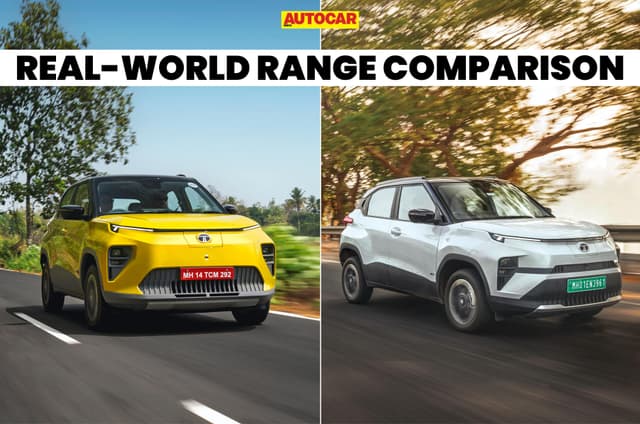
In our real-world test, the 40kWh Punch EV returned 7.92km/kWh in the city, which works out to an estimated range of 317km. On the highway, efficiency dropped to 7.29km/kWh, for an estimated 291km. Overall, it returned 7.61km/kWh, or about 304km on a full charge.
That makes the battery choice fairly straightforward. The 30kWh version should suit buyers with shorter daily commutes and regular access to charging, while the 40kWh version offers more flexibility for longer journeys. Buyers who frequently travel on highways should plan around the tested range rather than the ARAI figure and account for charging stops.
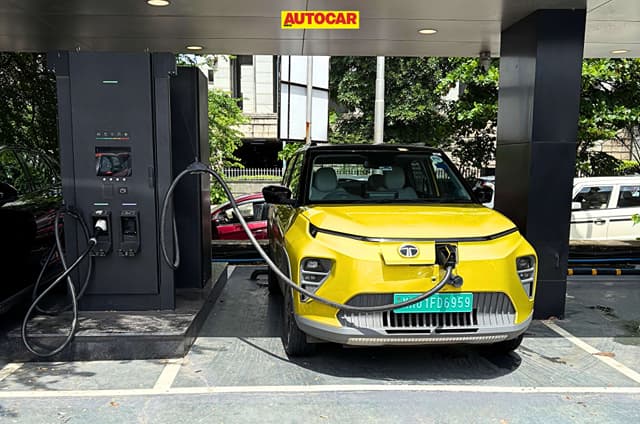
The Punch EV supports DC fast charging at up to 65kW, with Tata claiming a 20-80 percent charge in 26 minutes using a compatible charger. Charging times will depend on the charger, battery temperature and state of charge.
| PowertrainThe combination of engine type, fuel, and transmission that powers your vehicle and determines how it drives and what it runs on. | ARAI RangeMileage certified by the government, tested under controlled lab conditions. Real-world mileage will vary. |
|---|---|
Electric-Automatic (Auto) 30 kWh | 365-375 |
Electric-Automatic (Auto) 40 kWh | 468 km |
Hear from the
Autocar Community
Join the Discussions
Tata Punch EV news
Tata Punch EV Images
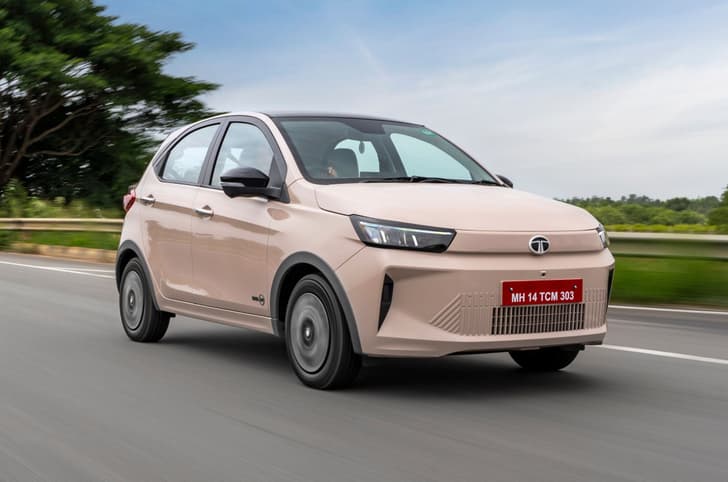
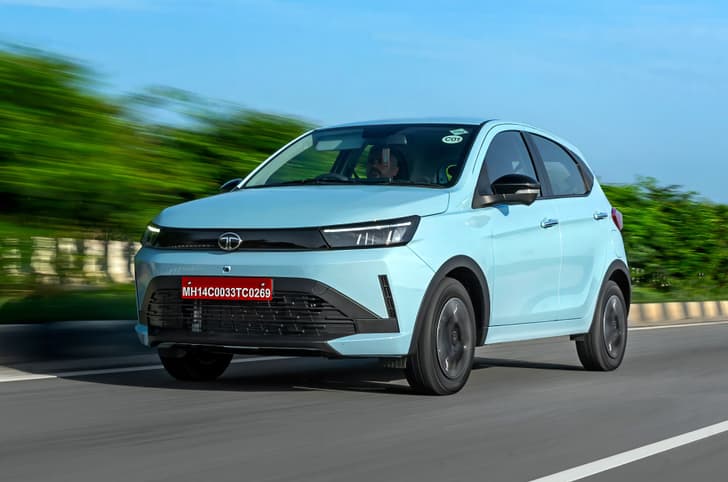
Punch EV images show 105 photos of the car, and these are the details worth studying closely:
- The revised front end, including the cleaner fascia and Y-shaped LED daytime running lamps.
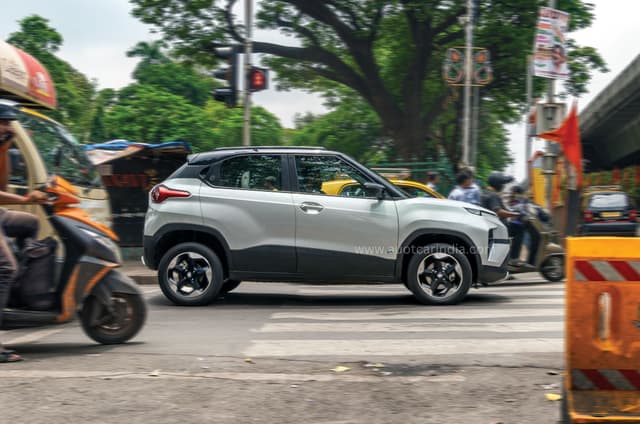
- The 16-inch alloy wheels and matte grey body cladding introduced with the facelift.
- The dashboard, 10.25-inch touchscreen and digital driver's display on higher variants.
- The front seats, including the ventilation function where offered.
- The rear seat, where the narrow width is worth checking if the car will regularly carry three passengers.
- The charging flap and the overall exterior proportions of this compact electric SUV.
Tata Punch EV videos
Punch EV videos cover 2 reviews and walkarounds, and they show you the things a specification list never can:
- How the electric motor responds in stop-start traffic and during quicker acceleration.
- How the suspension deals with potholes and uneven city roads.
- How much room the rear seat offers when two or three passengers are seated.
- How the touchscreen, digital driver's display and other cabin features work in practice.
- How the exterior design and charging port look in a walkaround of the facelifted model.


Tata Punch EV Colours
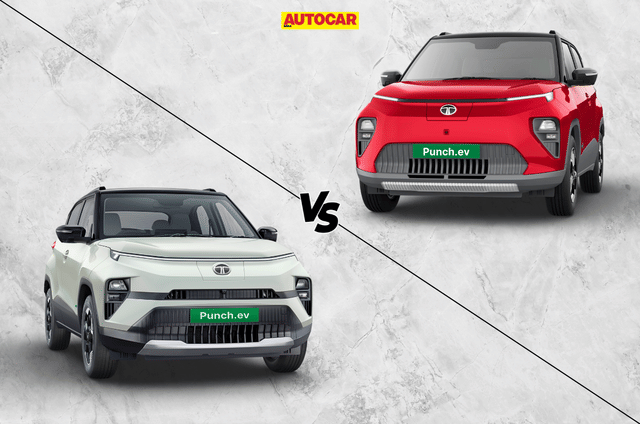
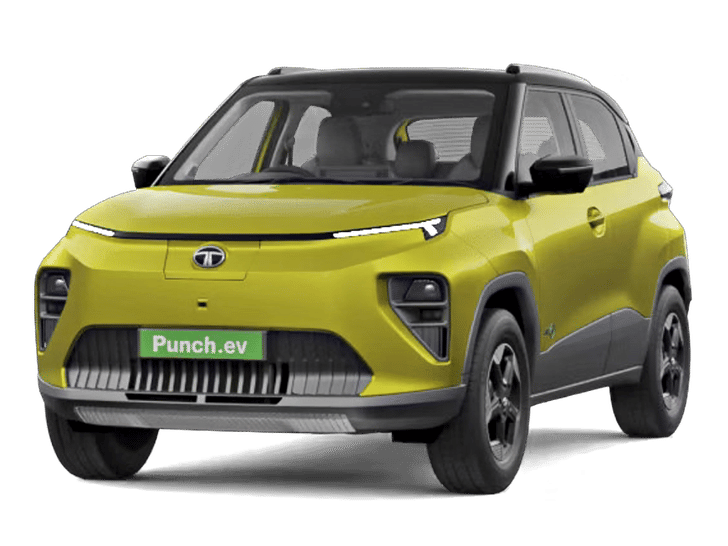
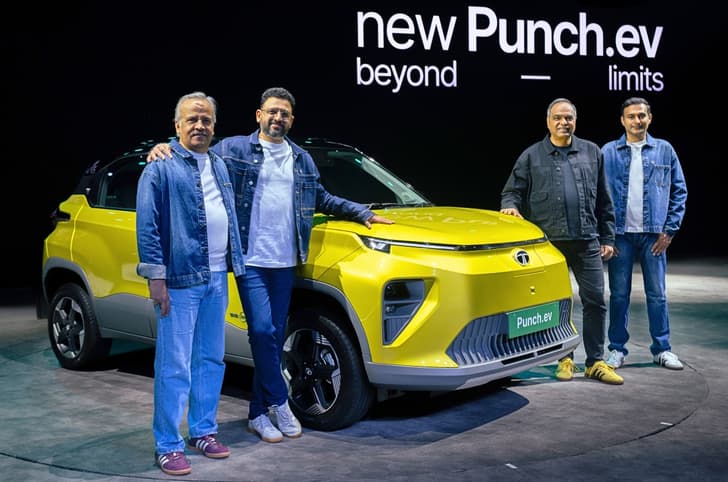
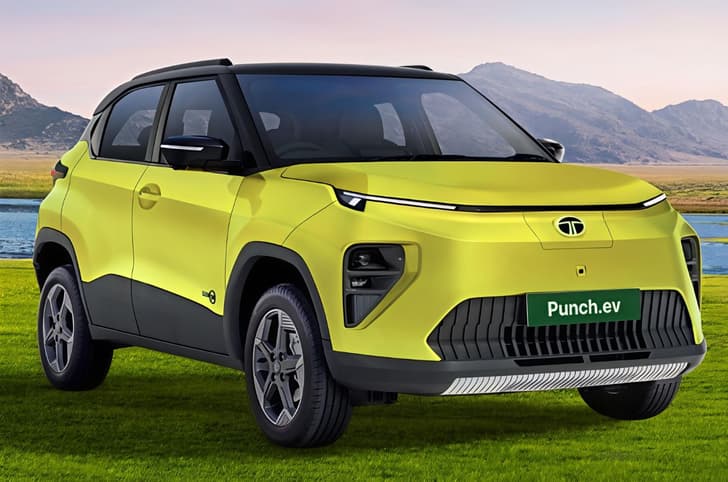
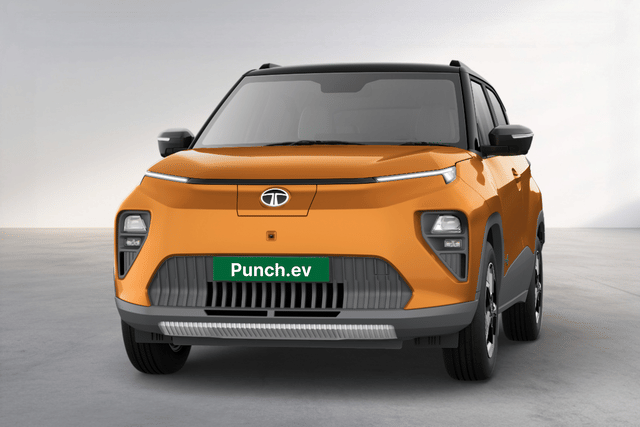
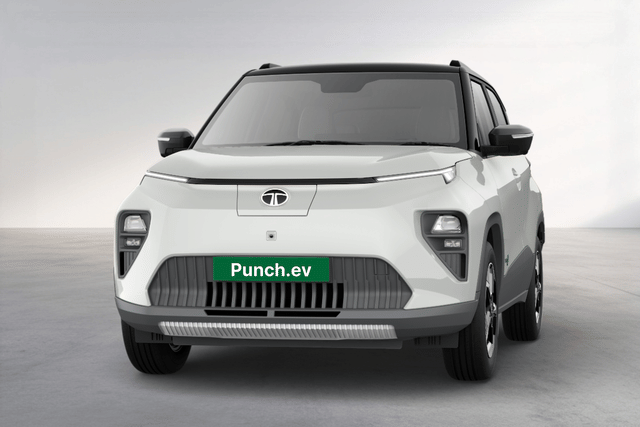
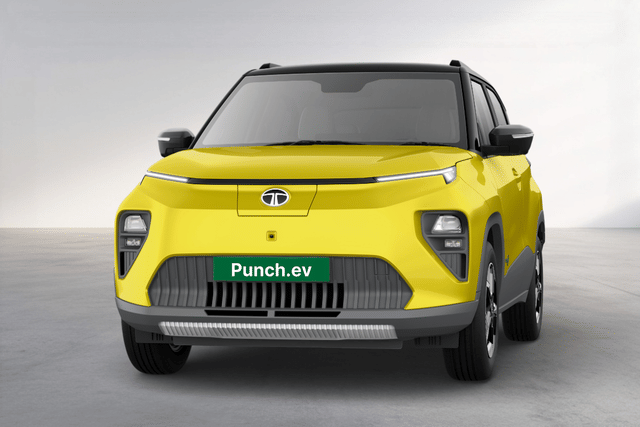
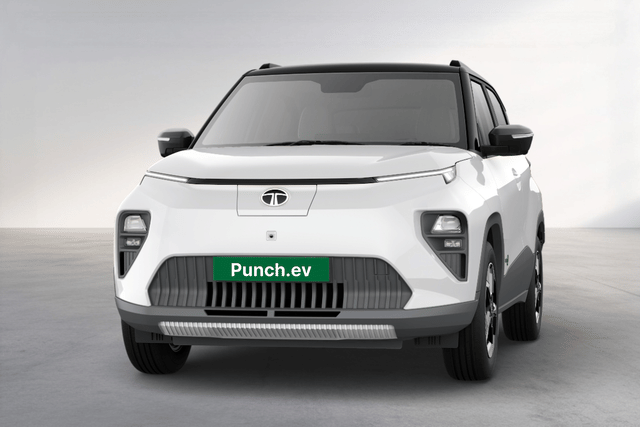
The Tata Punch EV is offered in seven colour options across its Smart, Adventure and Empowered variants, with single-tone and dual-tone finishes available depending on the trim. The Smart variant gets four single-tone shades, while the Adventure variant adds Caramel. The Empowered variant offers a dual-tone finish, including Fearless Yellow, with several other colours also available.
Variant | Available colours |
Smart (single-tone) | Supernova Copper, Pure Grey, Bengal Rouge, Pristine White |
Adventure (single-tone) | Caramel, Supernova Copper, Pure Grey, Bengal Rouge, Pristine White |
Empowered (dual-tone) | Fearless Yellow, Empowered Oxide, Caramel, Supernova Copper, Pure Grey, Bengal Rouge, Pristine White |
Colour availability varies by variant and finish. Buyers should confirm the exact colour combination with a Tata EV dealer before booking.
Tata Punch EV Similar Cars to Explore
Tata Punch EV FAQs
The Tata Punch EV is suited to buyers primarily looking for a feature-loaded urban commuter that's easy to manoeuvre and has a peppy, refined electric powertrain.
Yes, the Punch EV is compact, easy to manoeuvre, and feels peppy to drive in urban conditions.
While the Punch EV is billed as a 5-seater, the somewhat narrow rear bench makes fitting three adults a bit tough.
For highway trips, the Punch EV's larger 40kWh battery option is ideal, as it can deliver an estimated real-world range of around 350km.
Tata offers the Punch EV with 30kWh and 40kWh batteries. The 30kWh option is ideal for buyers who just want to commute within city limits, while the 40kWh is good for those who have to make occasional highway trips.
The Punch EV delivers a very comfortable and stable ride at both low and high speeds. Bad potholes may filter through at times, but other than that, the Punch EV rides pliantly.
Questions you may find useful
Hyundai's upcoming Ioniq P could bring a more affordable electric SUV to India. Can it give the Punch EV and Windsor EV a tough fight?
Hi Autocar Team, I'm looking for some guidance on whether I've made the right decision or whether I should reconsider before delivery. My current car is Toyota Etios Liva V Petrol, which has been extremely reliable but now it delivers only around 10-12 kpl for my usage. This results in high running costs. My monthly driving is approximately 1,200-1,500 km that consists of daily commute and occasional highway trips. My initial plan was to keep costs under control and I had booked the Tata Punch EV Empowered+ 40 kWh, largely to restrict my budget to around Rs. 15 lakh on-road. However, while researching alternatives up to approximately Rs. 20 lakh ex-showroom in Kerala, I ended up booking the Kia Syros EV X-Line. The Syros EV appeals to me because of significantly better rear-seat space and cabin width as compared to my Etios Liva, more premium interior and features, better long-term family comfort, larger battery and range as well as better overall sense of upgrade from my current car. However, I'm still feeling anxious about whether I'm overspending. The jump in EMI from the Punch EV to the Syros EV is substantial and will have a noticeable impact on my monthly finances. While I can manage it, I want to be sure that the additional expenditure is genuinely justified and not merely an emotional decision. Based on my monthly running of 1,200-1,500 km, could you please advise if the Syros EV worth the additional cost over the Punch EV 40 kWh? From a value-for-money perspective, would you proceed with the Syros EV or step back to the Punch EV? Are there any other EVs under Rs. 20 lakh ex-showroom that I should seriously consider instead? I am not interested in the MG Windsor EV due to its styling, so alternatives apart from the Windsor would be appreciated. If you were in my position and were planning to keep the vehicle for 8-10 years, which option would you choose and why? Looking forward to your expert opinion.
You have made a sensible shortlist and your thinking is on the right track. The key question here is whether the Syros EV's higher cost is justified by your usage and priorities. At 1,200-1,500 km a month, an EV makes strong financial sense, but the Punch EV 40 kWh already delivers a very low running cost and a usable real-world range. The Syros EV's larger battery and longer range are nice to have, but the real justification for the extra spend is the significantly larger cabin, wider rear seat and more premium interior, which will make a meaningful difference to family comfort over an 8-10 year ownership period.If your primary concern is value for money and keeping EMIs under control, the Punch EV 40 kWh is the more rational choice. It will do the job well and keep your running costs low. However, if you are looking for a genuine upgrade from the Etios Liva and want a car that will feel comfortable and premium for the long term, the Syros EV is worth the extra spend. It is not just an emotional decision - the additional space and comfort will matter over time.Given your usage and ownership horizon, we would lean towards the Syros EV X-Line. It strikes a better balance between running cost savings and long-term comfort, and it feels like a proper step up from your current car. If you are not comfortable with the EMI jump, the Punch EV remains a very good alternative, but the Syros EV is the more complete upgrade.
Hi, I’m confused between the Skoda Kylaq and Tata Punch EV and would like some advice on which one to buy. The car will primarily be used for city driving, with occasional highway trips. The budget is Rs 10-14 lakh on-road. I previously owned a Volkswagen Polo GT TDI, so I’m looking for a car that can offer a similar level of driving satisfaction while also being practical for everyday use. I’m currently confused between these two options and would appreciate some guidance.
Go for the Skoda Kylaq 1.0 TSI. With your budget of Rs 10-14 lakh, mostly city usage and occasional highway runs, the Kylaq is the better fit. It offers a familiar driving experience coming from a Polo GT TDI, with a punchy turbo petrol engine, solid build quality and a sorted ride and handling balance. The Tata Punch EV is a good city car, but the Kylaq is more versatile for occasional highway trips and long-term ownership. The Kylaq also offers better rear seat space and a more premium feel overall. The Punch EV makes sense only if your usage is almost entirely city-based and you have reliable home charging. Given your budget and usage pattern, the Kylaq is the more balanced and sensible choice.
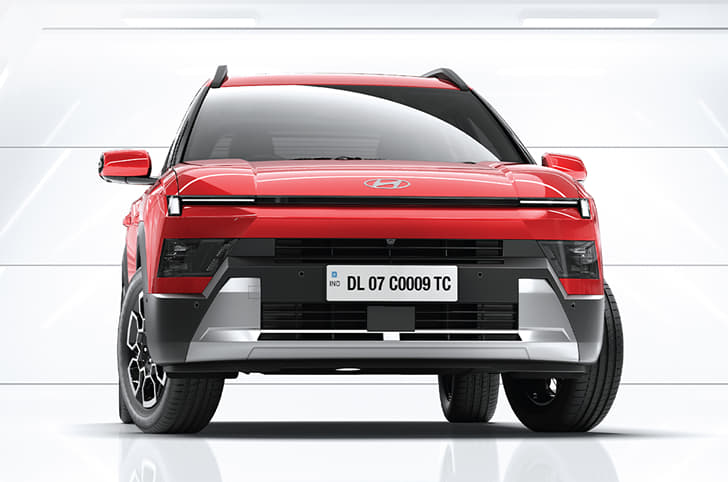
I am looking to buy the top-spec Punch EV, but I am willing to wait for Hyundai's upcoming compact EV if it is priced in a similar bracket. Is it worth waiting, or is the Hyundai likely to exceed the Rs 15 lakh price bracket?
Yes, it is worth waiting. Hyundai has now confirmed that its new compact EV, codenamed HE1i, will debut by the end of 2026. It will sit below the Creta Electric and compete with the Punch EV, Nexon EV, XUV 3XO EV and Syros EV. It will also get standard- and long-range versions.The interesting part for you is pricing. Current expected pricing puts the Hyundai at roughly Rs 10–14 lakh in Delhi, depending on the battery/variant, although these are still estimates and not Hyundai's official prices.So if your ceiling is around Rs 15 lakh, there is a good chance the Hyundai will fit, including a higher-spec version. It should also be more spacious and better suited to your requirements than the Punch EV.
I am using MG Hector plus Savvy pro CVT April,2023 model but its mileage is coming down to 7 to 8 on highway due to E 20 fuel, company is also saying that yr vehicle is E 20 compliant and need not worry about engine but during my highway trip to Delhi journey, my car stopped on flyover while running and did not take start, i have to call RSA and car went to service centre by towing. In service centre they told me that while cleaning engine tank white color substance found due to this fuel injection line choked and did not take start due to E 20 petrol. Now I want to switch to EV of either MG windser or TATA punch EV or Maruti E vitara. which is suitable as safety and price wise and range and charging price. My budget is 15 lac.
Upcoming Cars


Tata Cars

Trending Cars


Latest Cars


Last Updated on: 02 Nov 2026