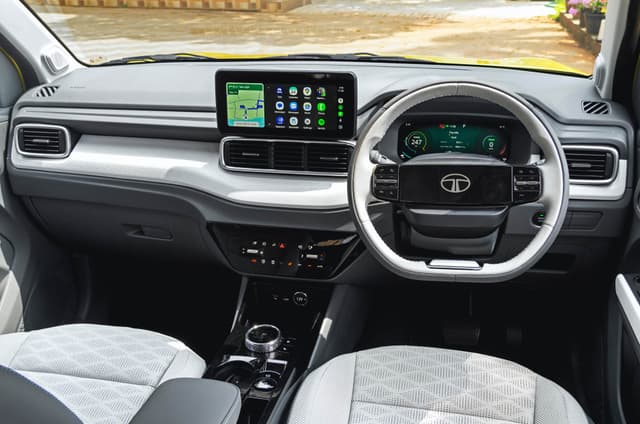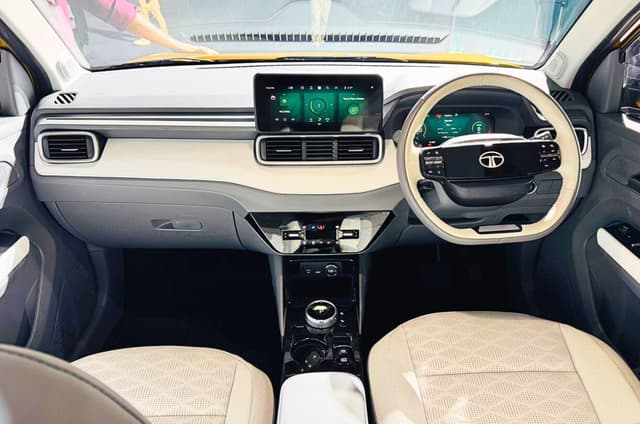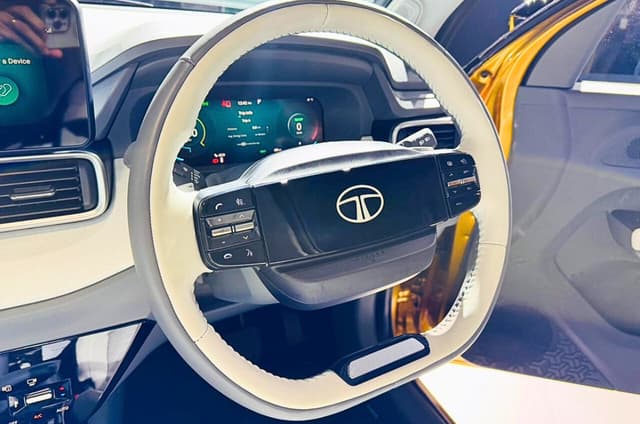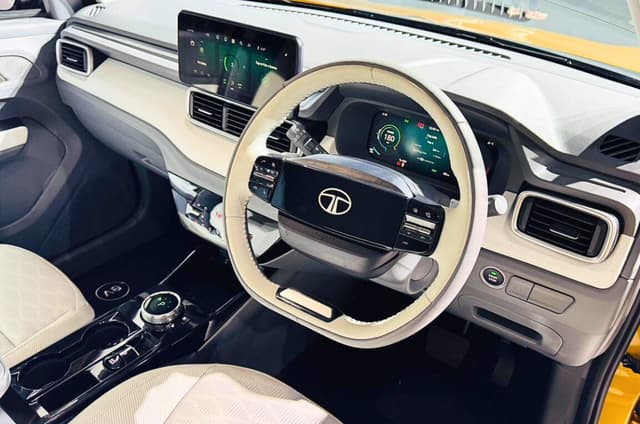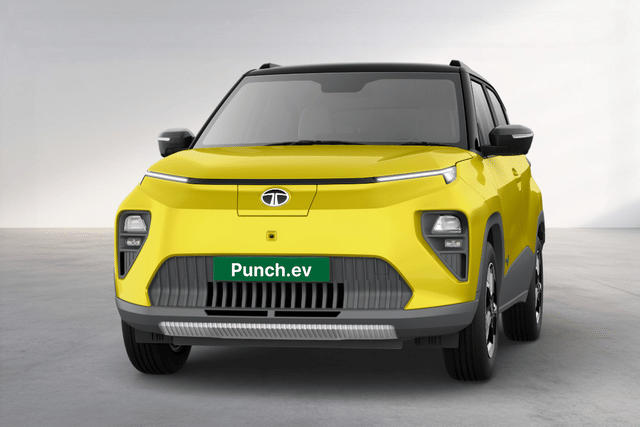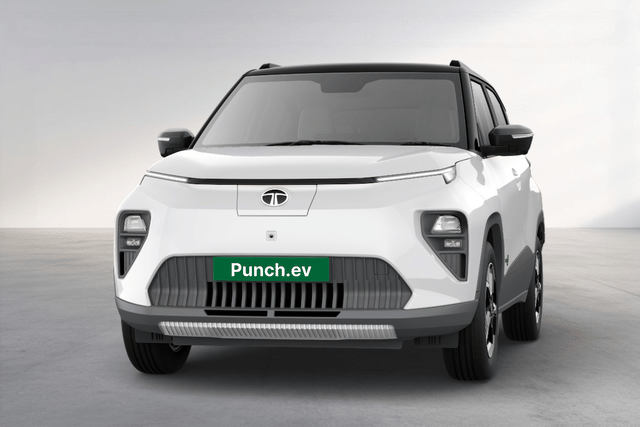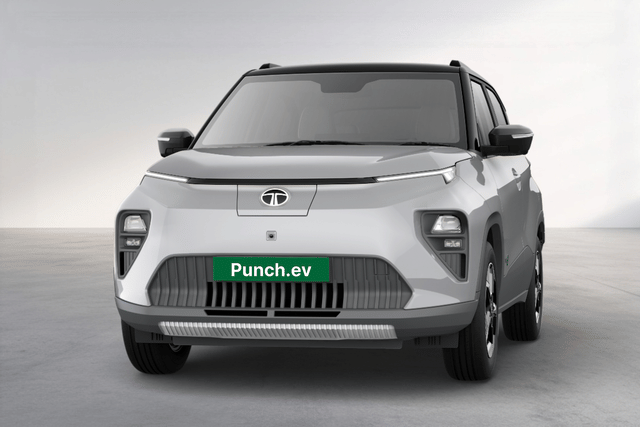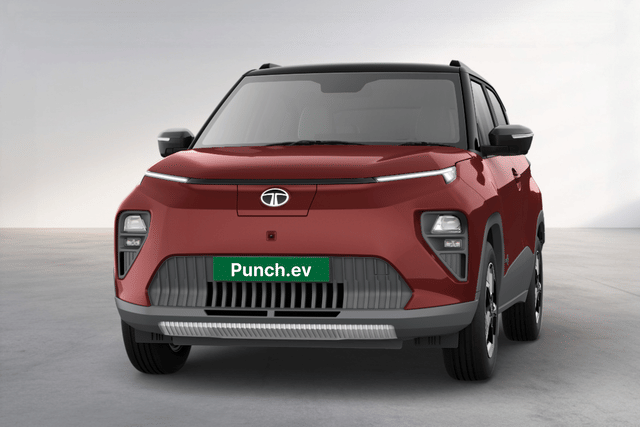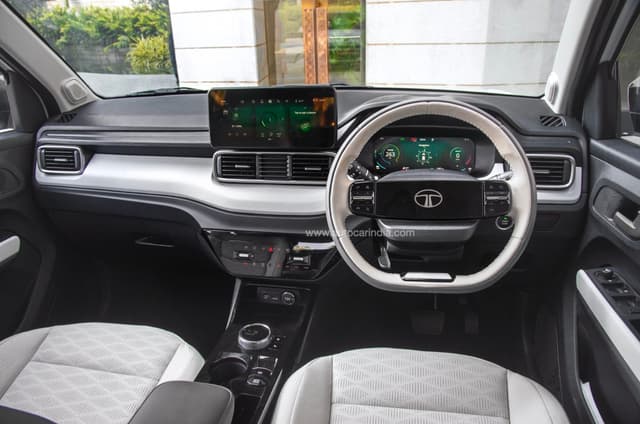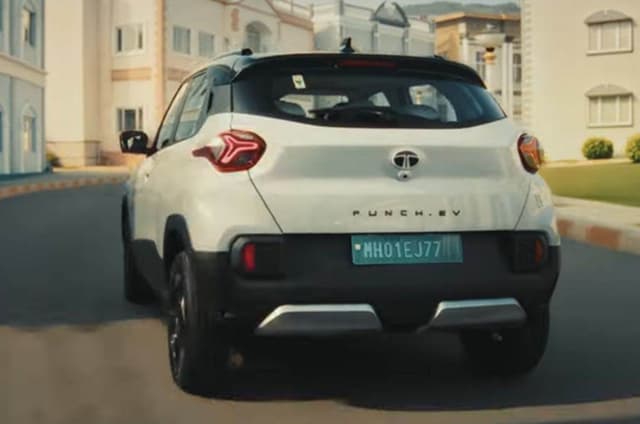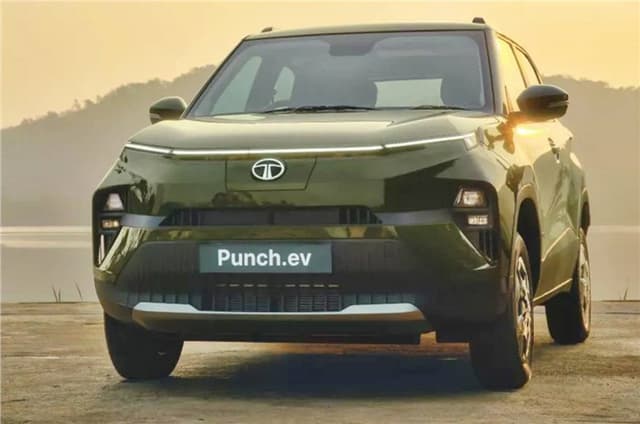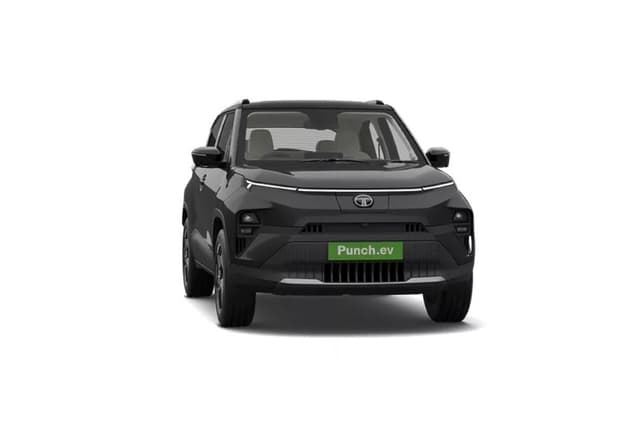
Sanghi Brothers-Agar
Ground Floor Bus Stand Road, Near Chhawani Agar, Agar Malwa, Madhya Pradesh 465441
4.4


Last Updated on: 04 Sep 2026
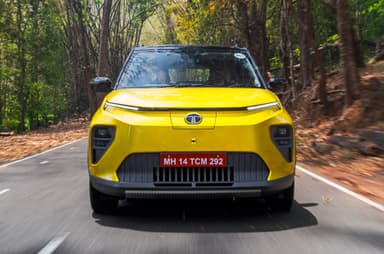
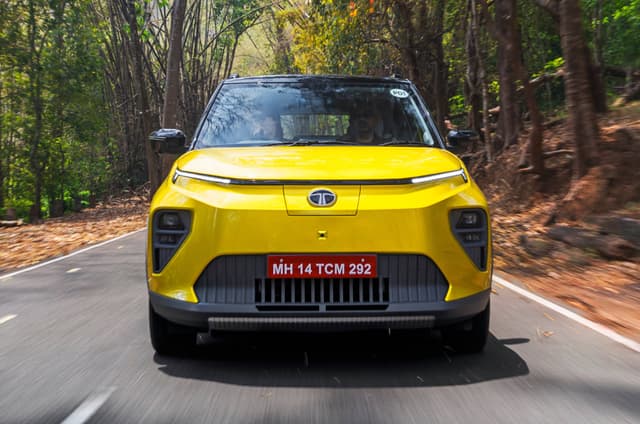
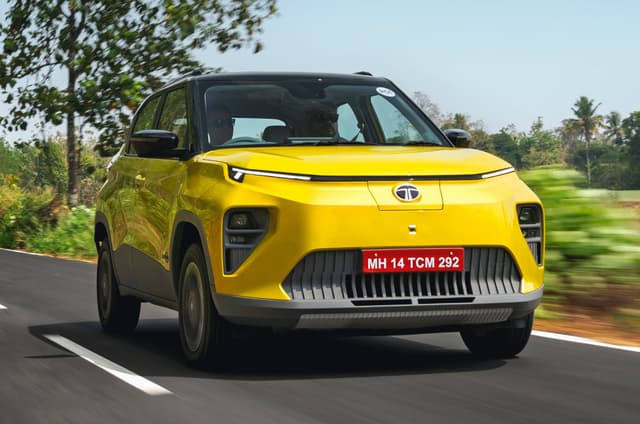
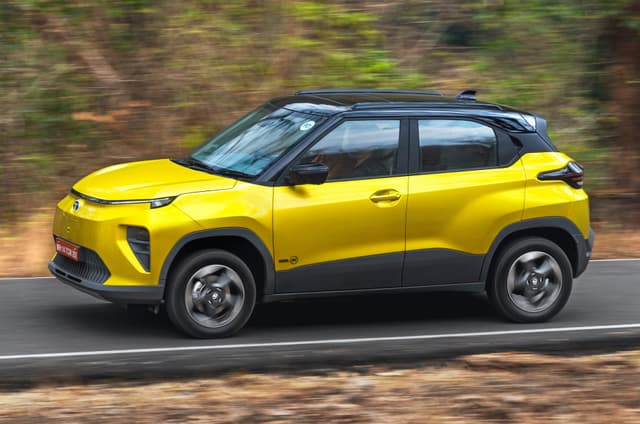
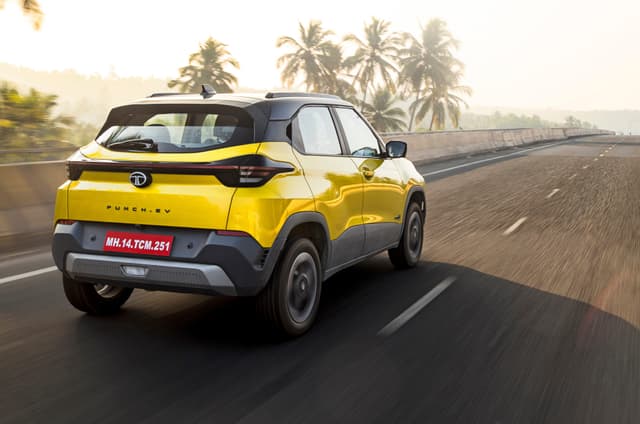
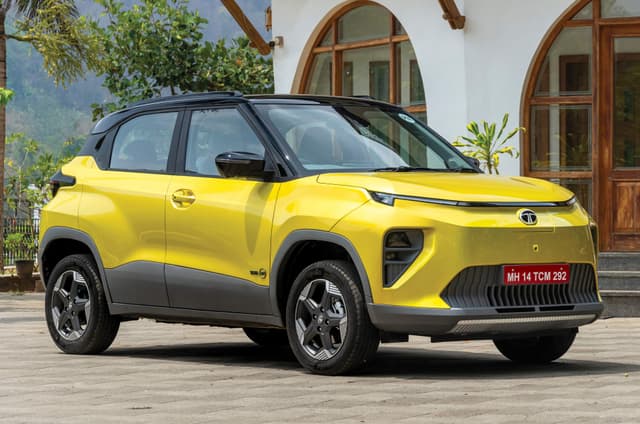
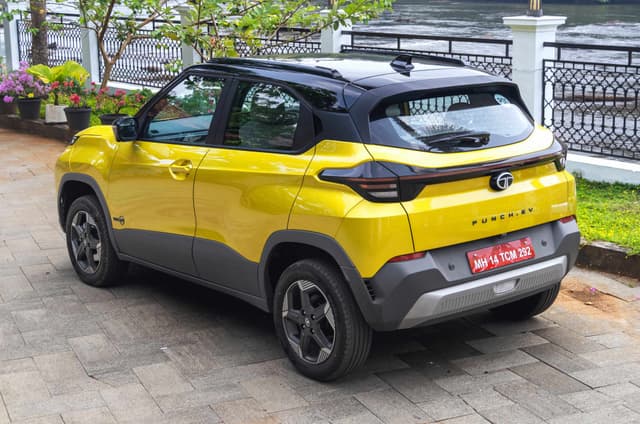
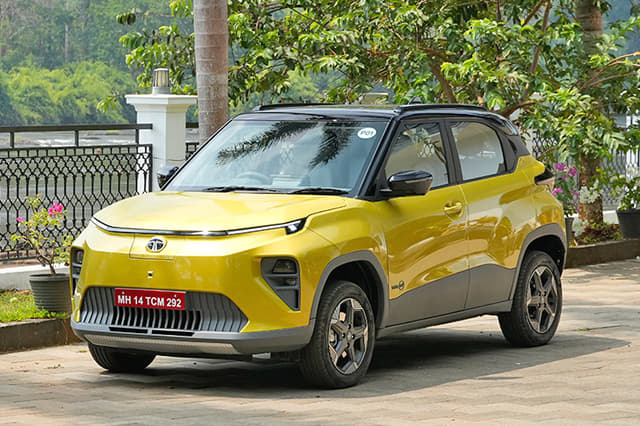
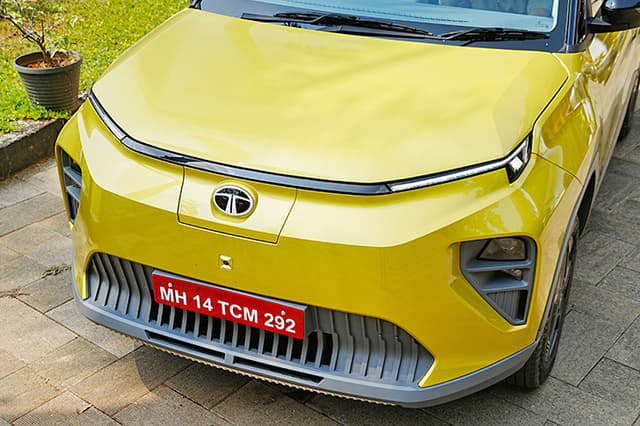
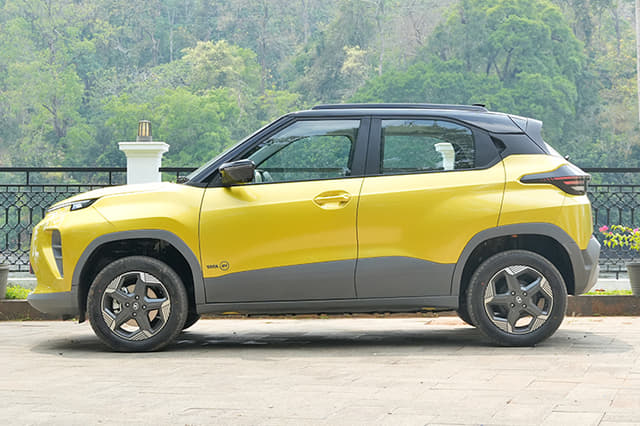
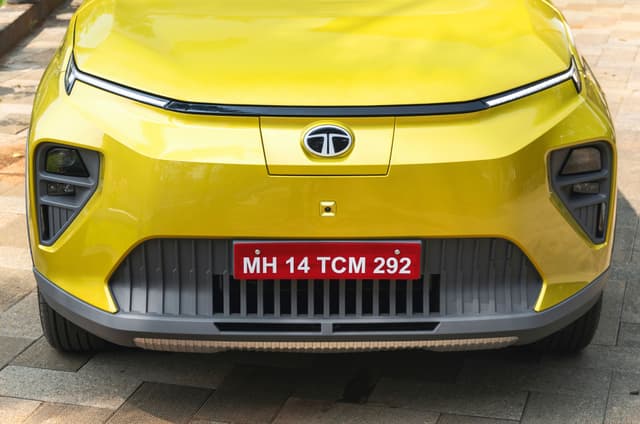
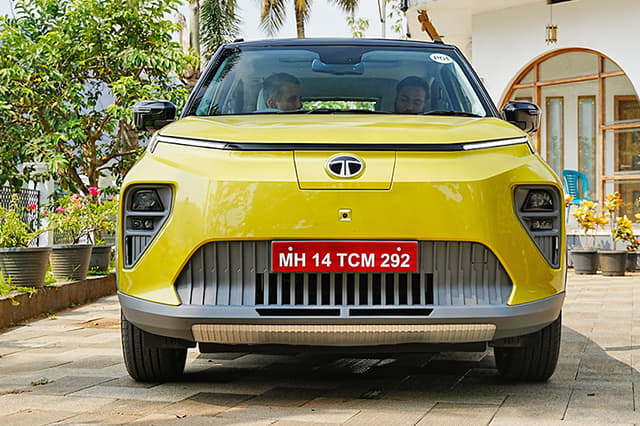
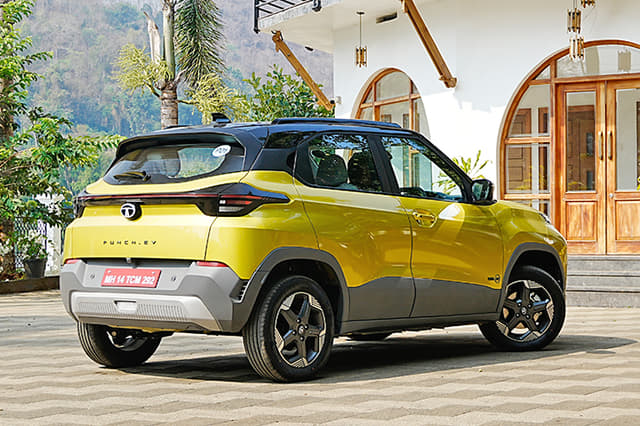
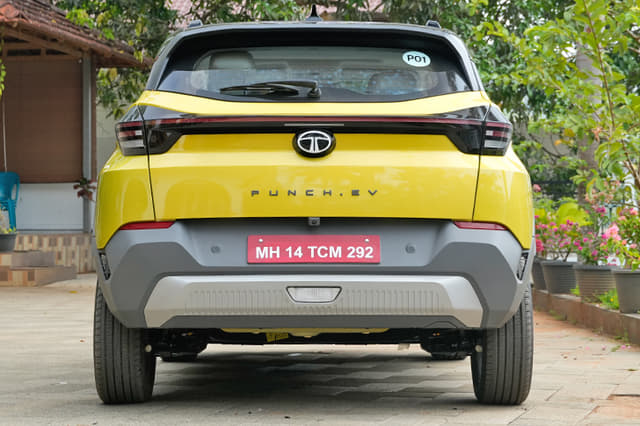
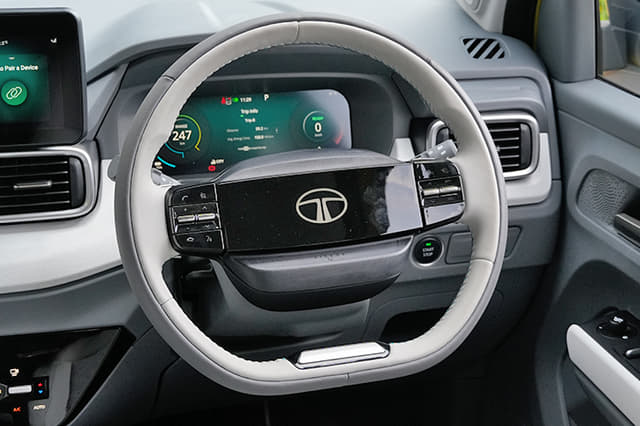
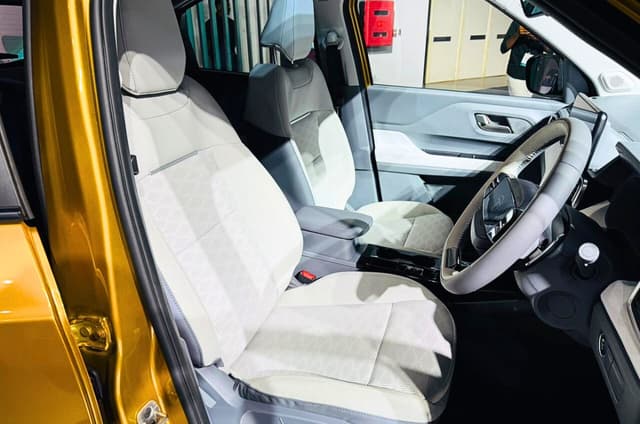
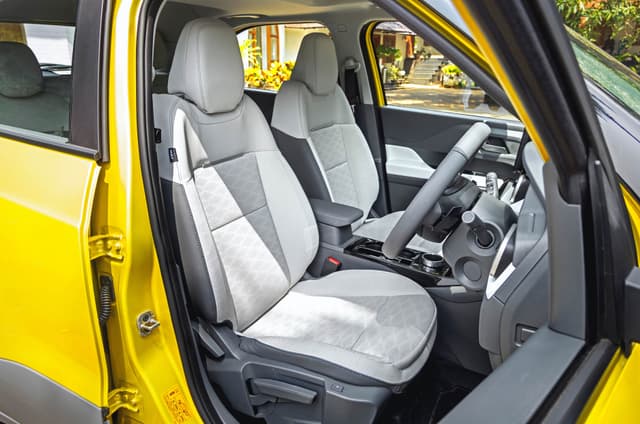
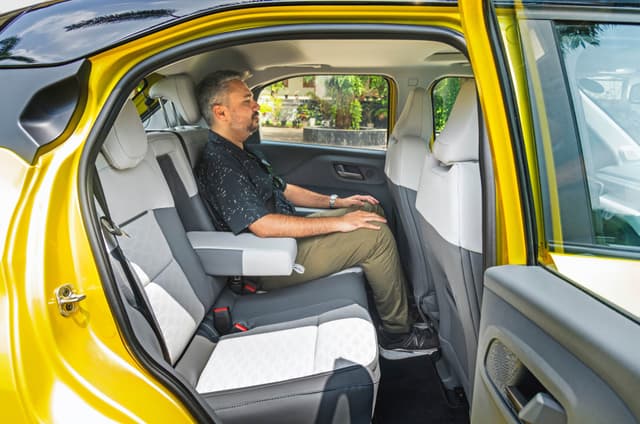
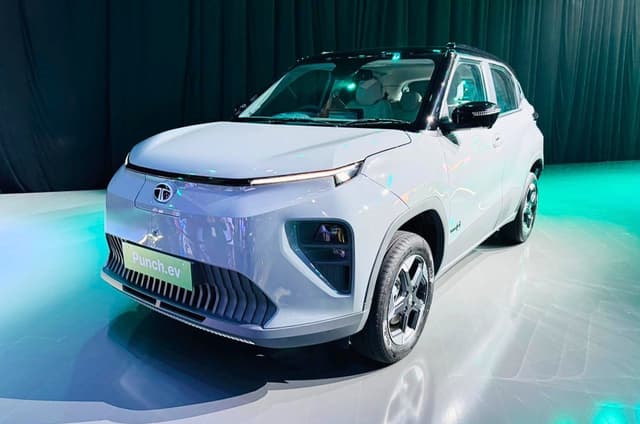
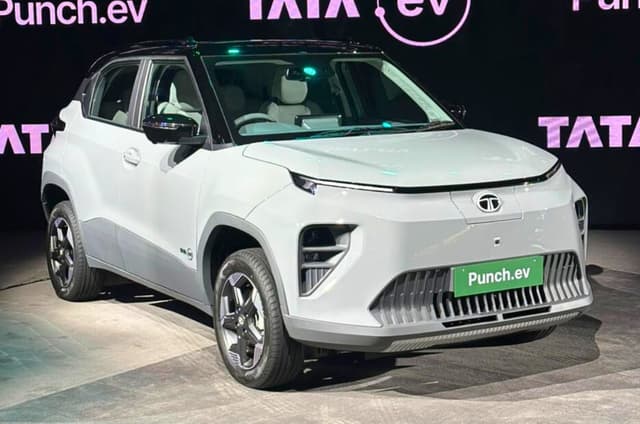
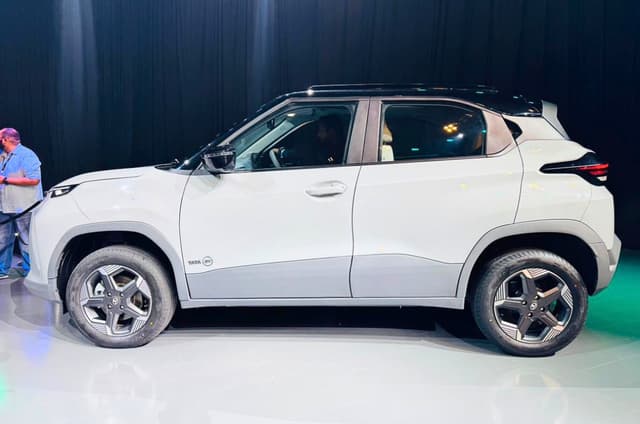
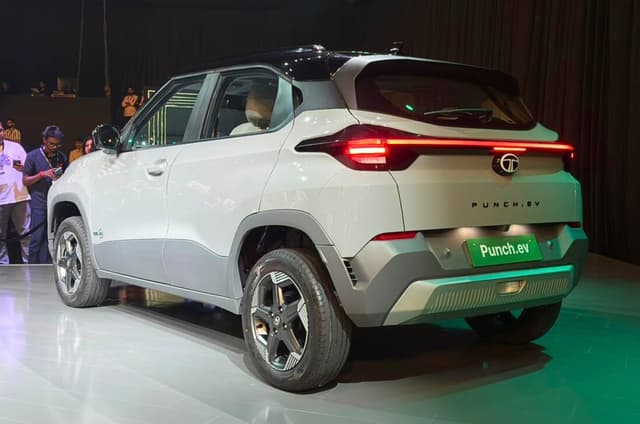
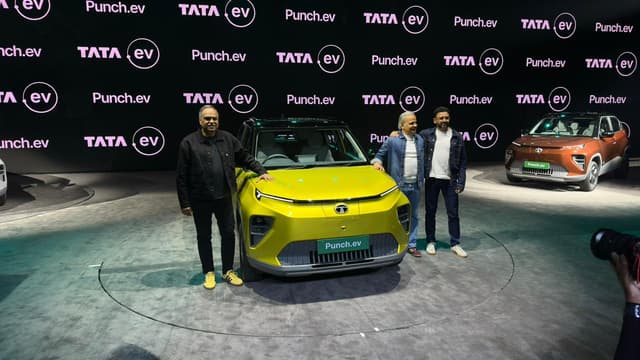
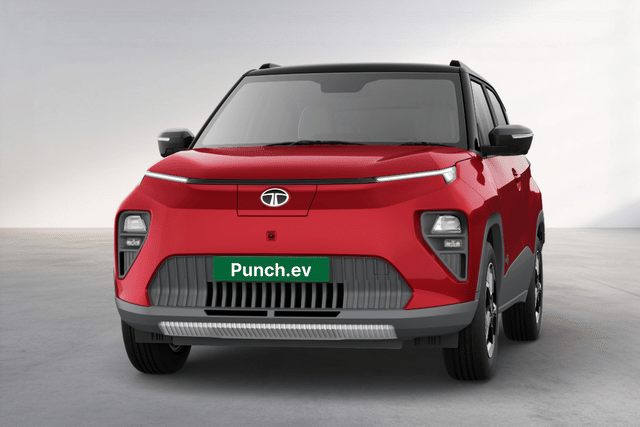
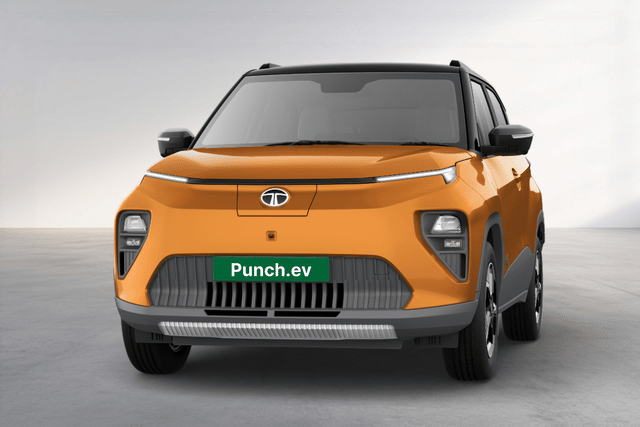
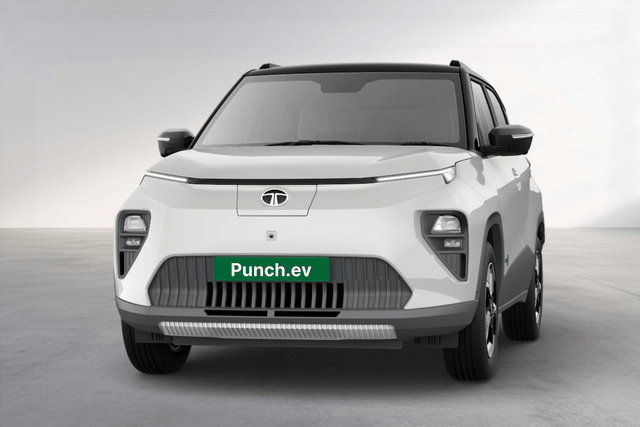
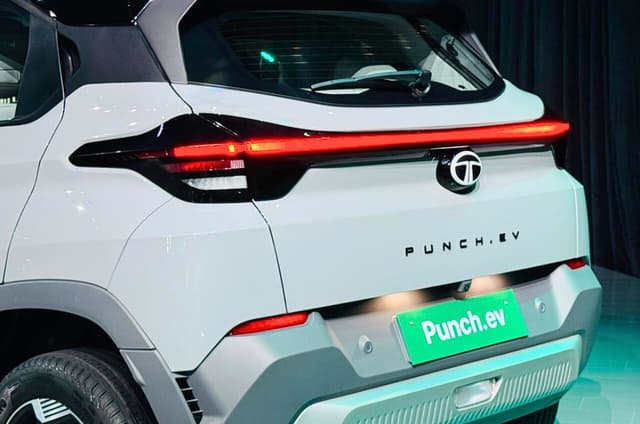
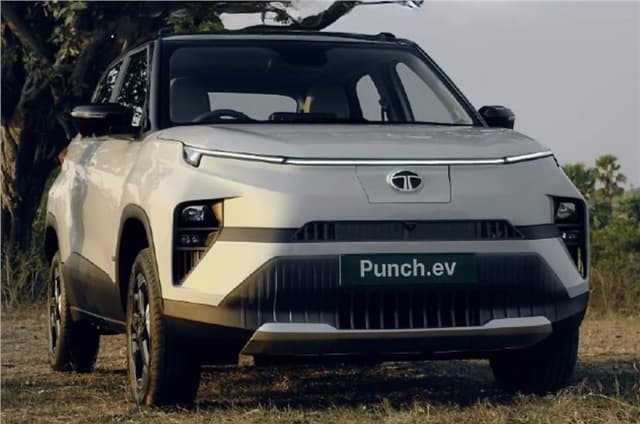
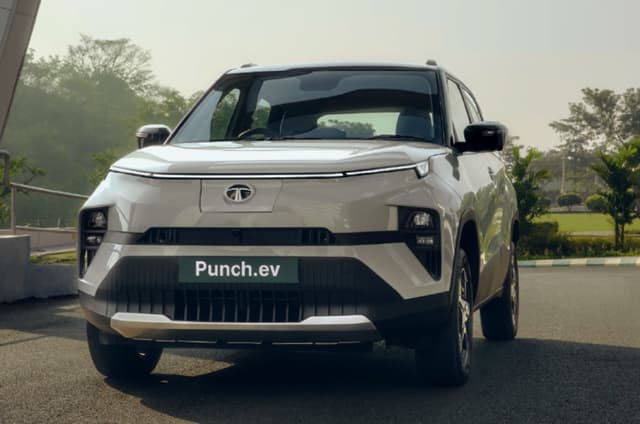
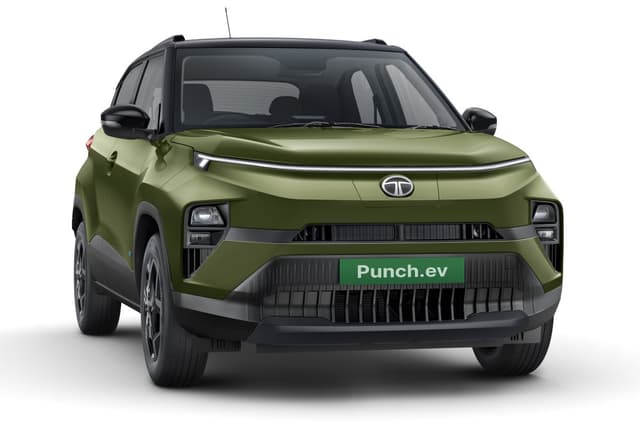
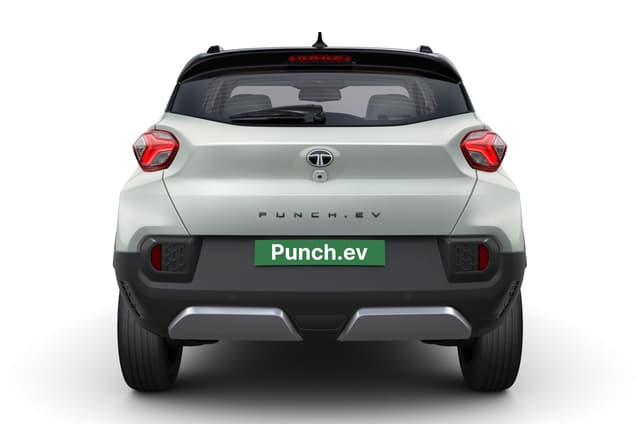
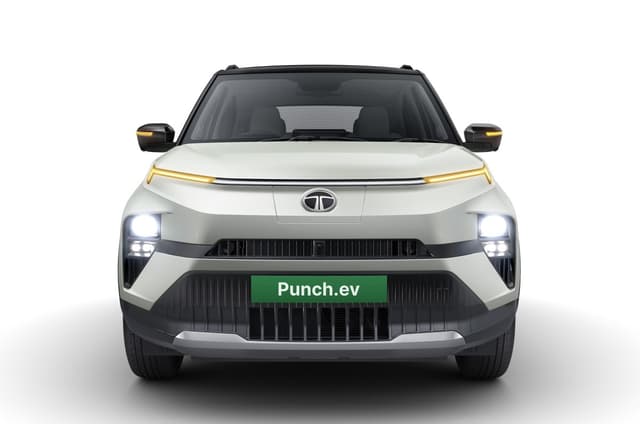
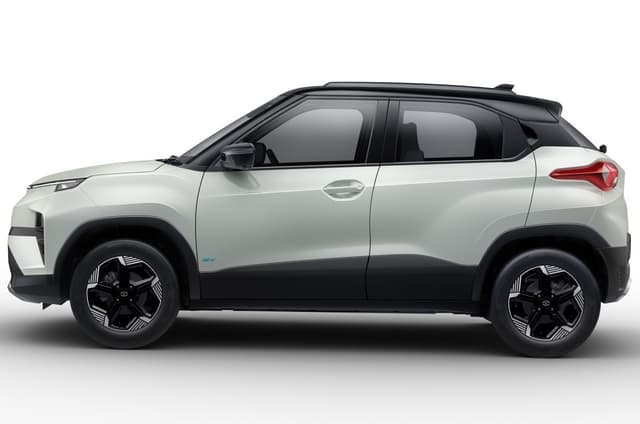
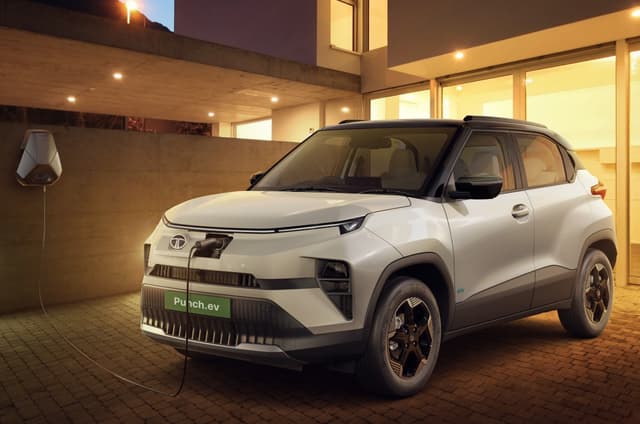
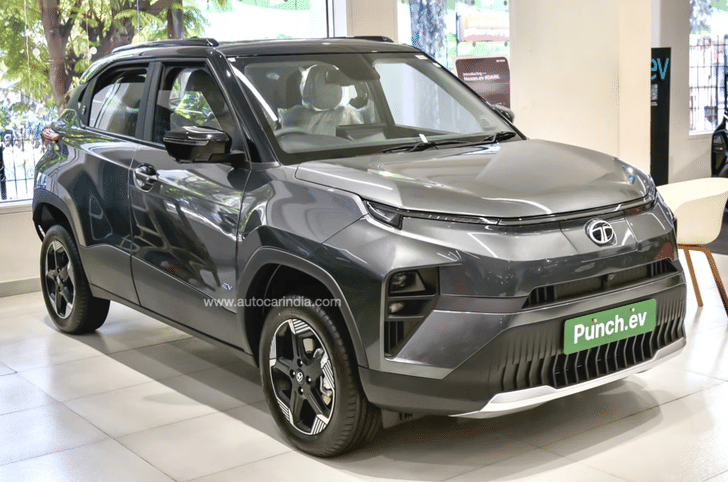
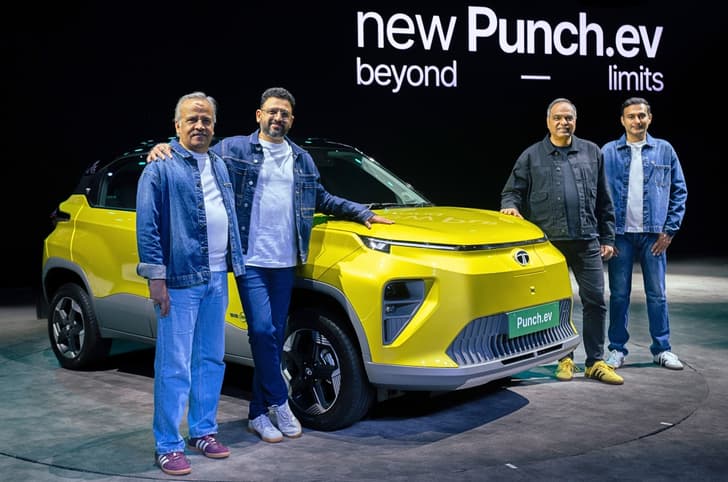
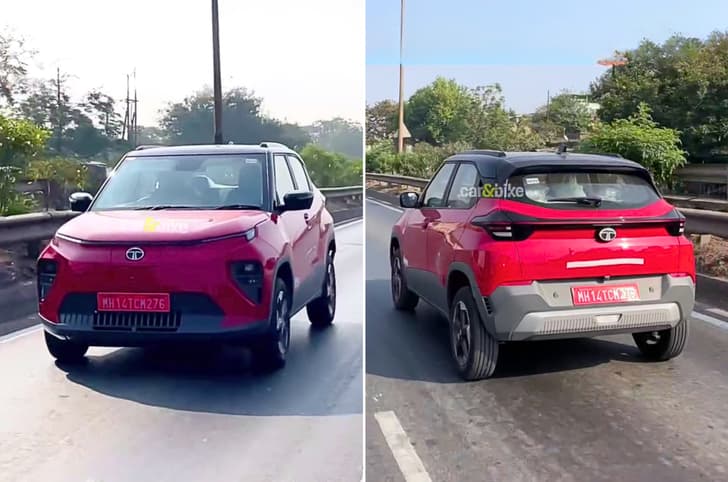
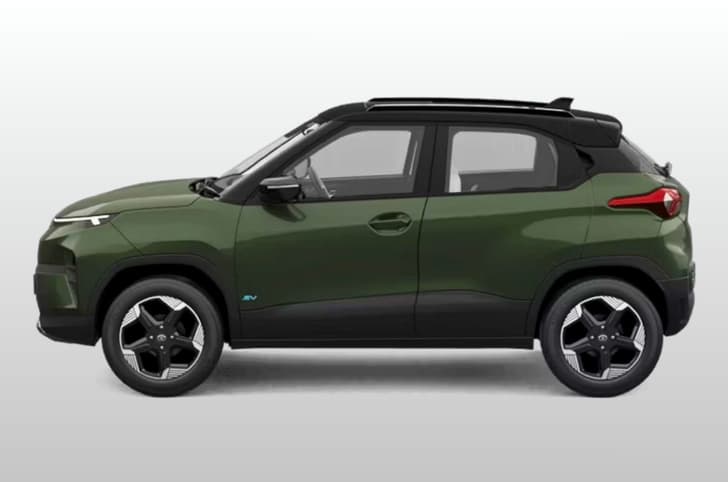
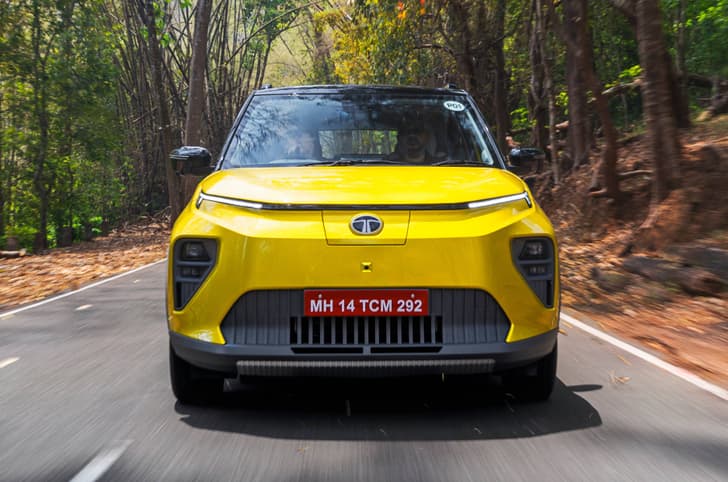
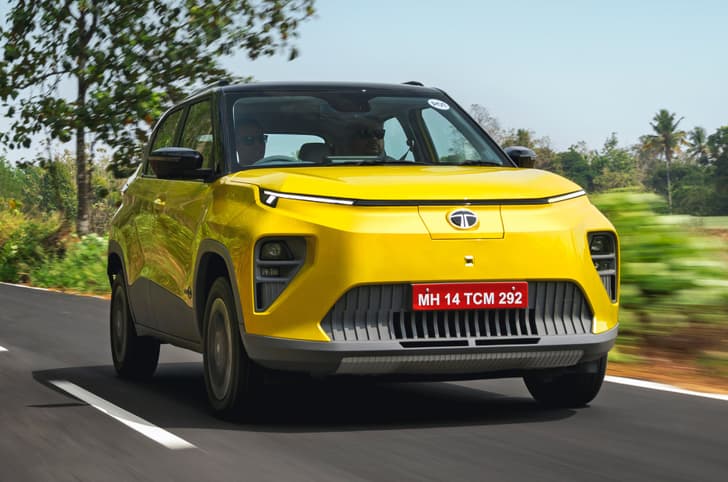
Tata Punch EV price in Agar Malwa
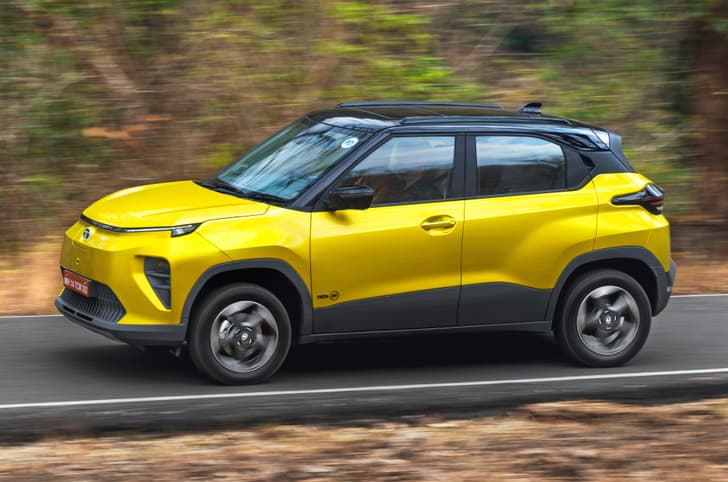
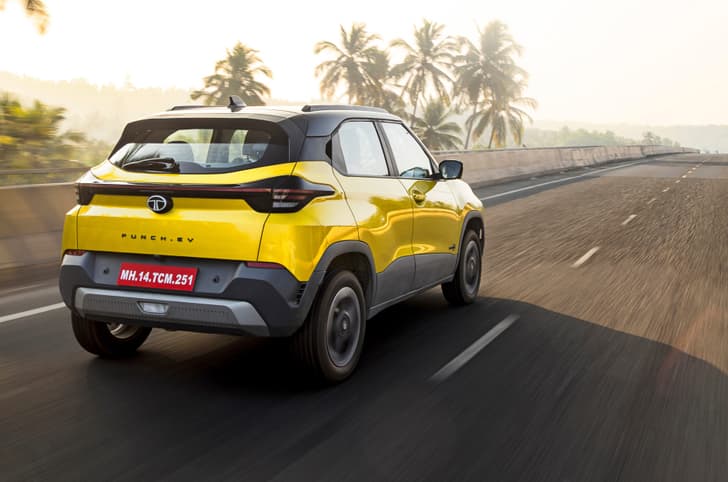
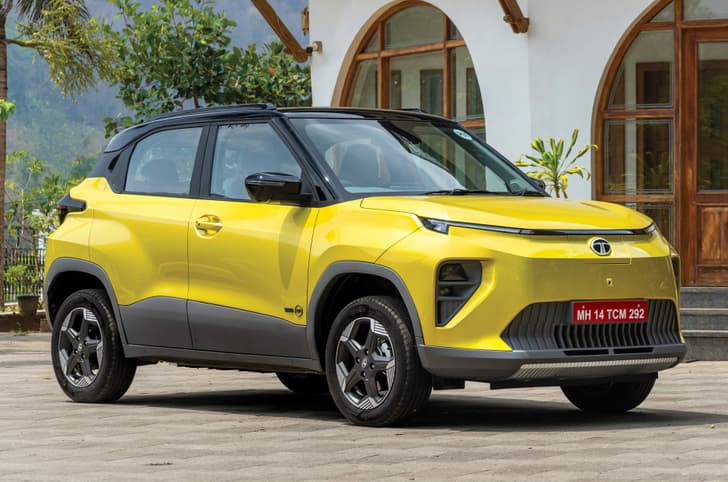
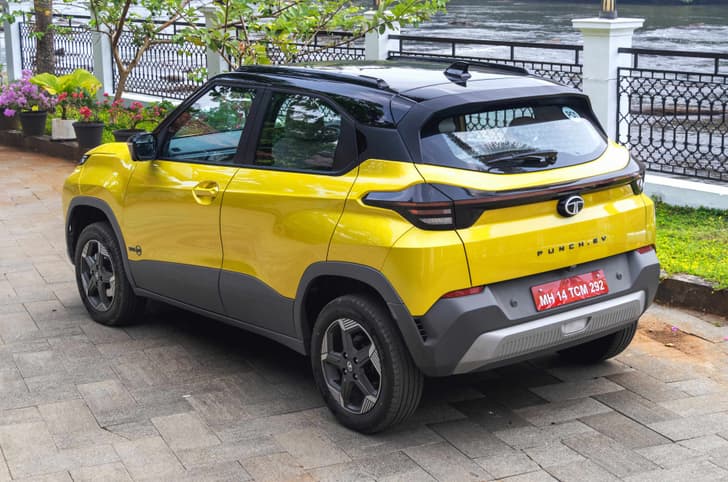
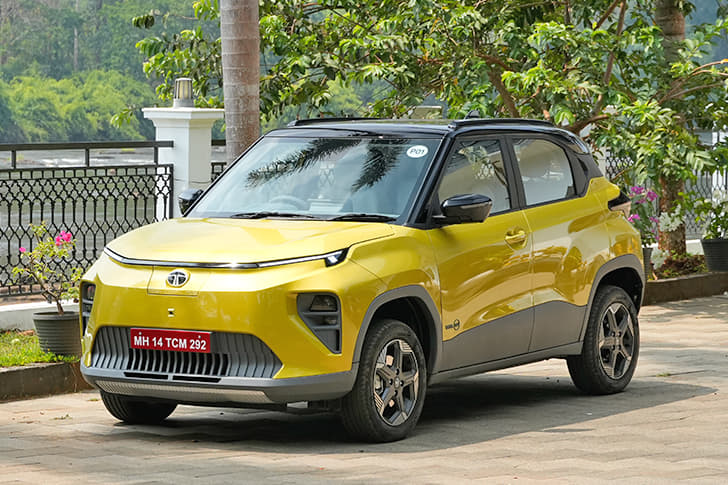
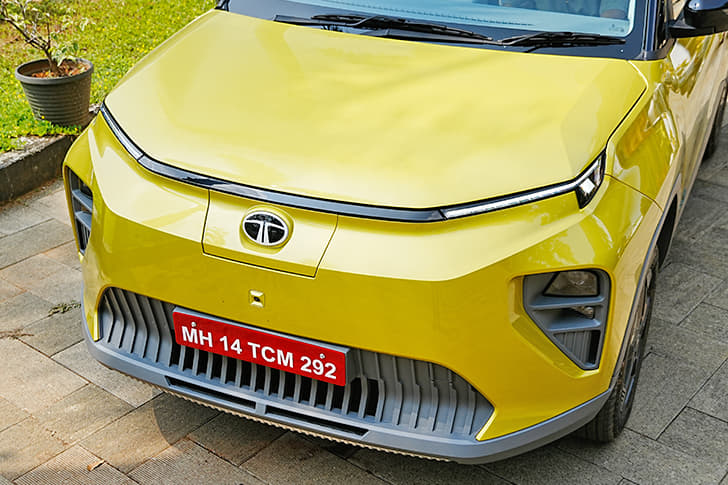
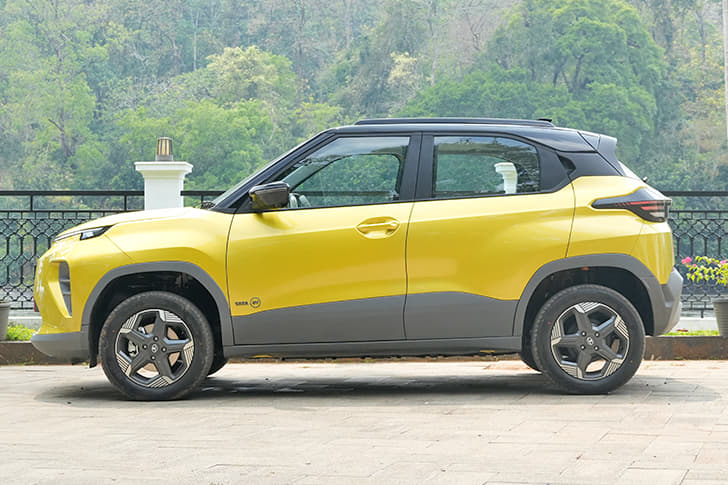
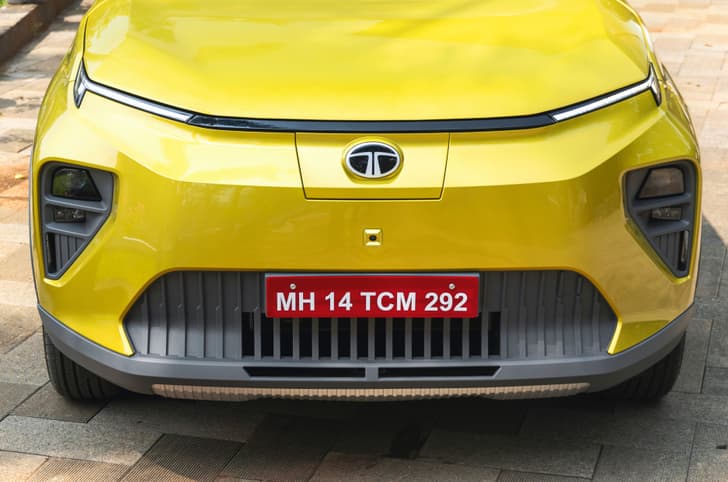
* Estimated on-road price. Final amount may vary.
Tell us about your experience
Tata Punch EV Official Brochure
Download the complete brochure with specs, features, and variants.
Planning to buy Punch EV? Here are a few dealers in Agar Malwa
Ground Floor Bus Stand Road, Near Chhawani Agar, Agar Malwa, Madhya Pradesh 465441

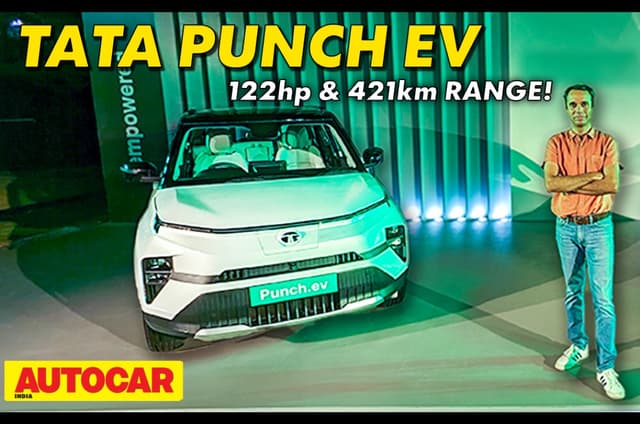
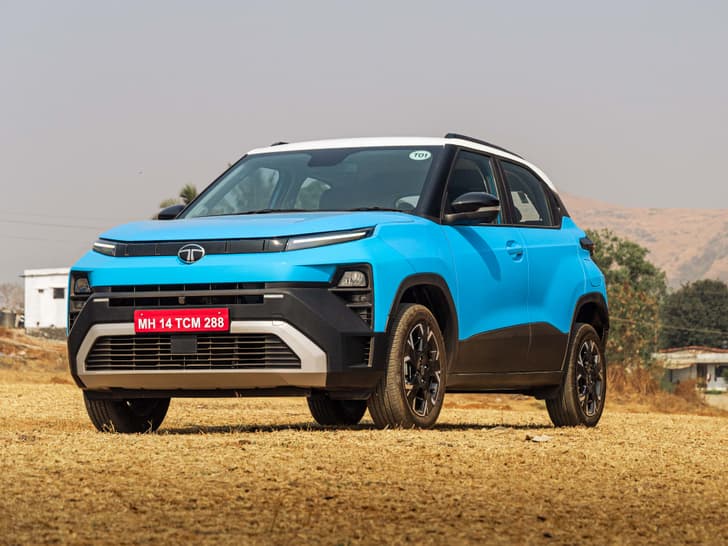
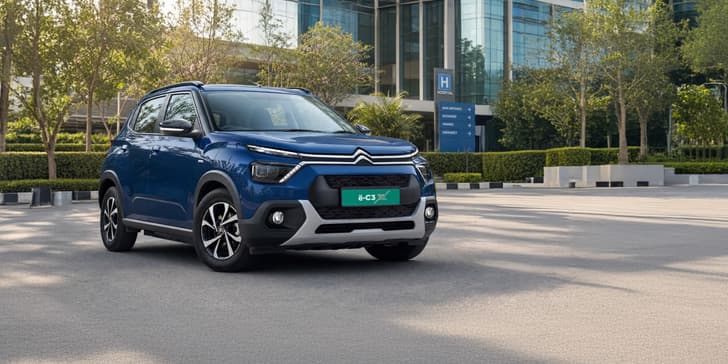
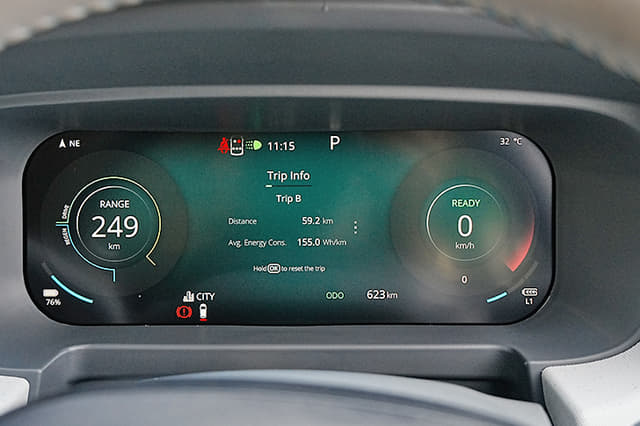
The Punch EV price range is Rs 9.79 lakh to Rs 12.99 lakh (ex-showroom), which is much more affordable than the ex-showroom pricing of its key rival, the Citroen eC3 (Rs 12.9 lakh-13.26 lakh).
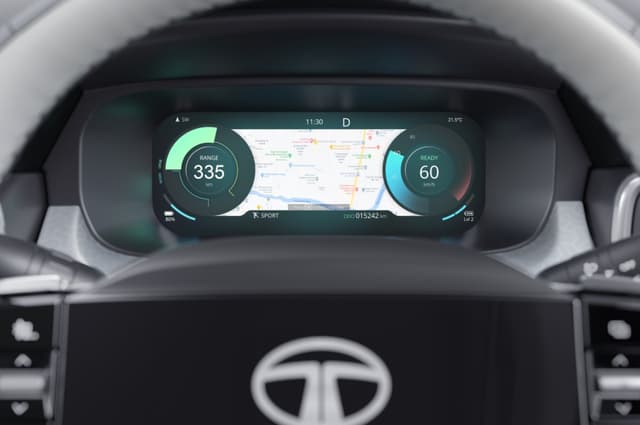
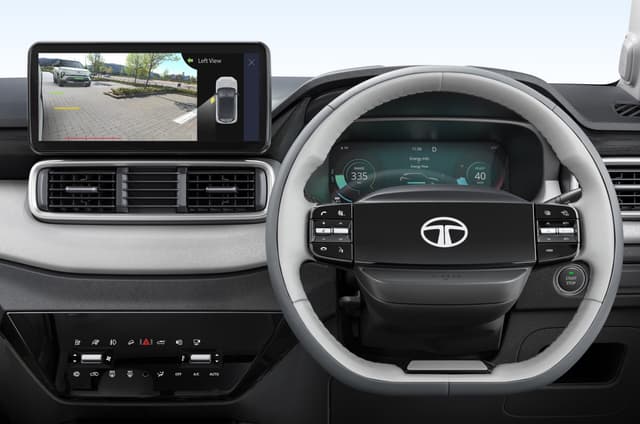
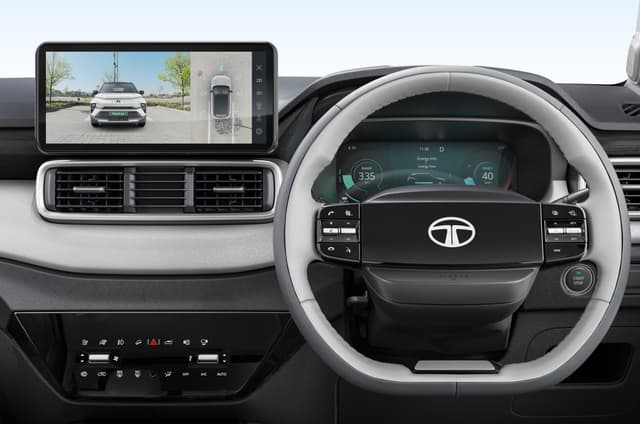
Given that the Punch EV now offers larger batteries, greater range, and more power, all the while being more affordable than the pre-facelift model, it's safe to call it a value-for-money offering.
I am using MG Hector plus Savvy pro CVT April,2023 model but its mileage is coming down to 7 to 8 on highway due to E 20 fuel, company is also saying that yr vehicle is E 20 compliant and need not worry about engine but during my highway trip to Delhi journey, my car stopped on flyover while running and did not take start, i have to call RSA and car went to service centre by towing. In service centre they told me that while cleaning engine tank white color substance found due to this fuel injection line choked and did not take start due to E 20 petrol. Now I want to switch to EV of either MG windser or TATA punch EV or Maruti E vitara. which is suitable as safety and price wise and range and charging price. My budget is 15 lac.
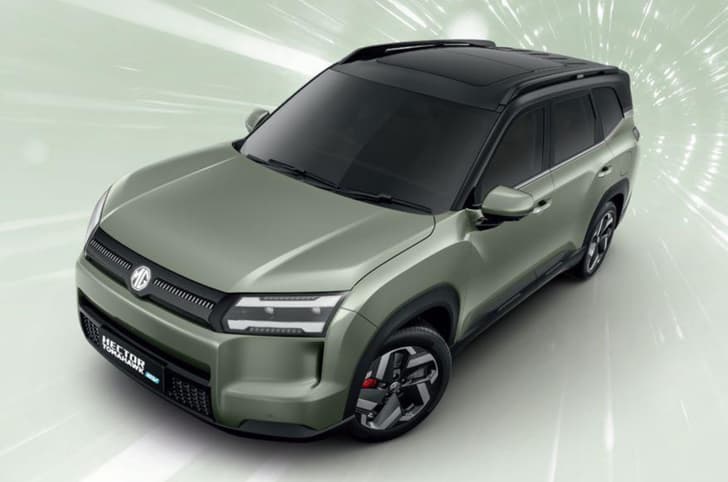
I like Mahindra vision s .I recently book tata punch ev but I like Mahindra vision s more than tata punch ev.i just want to know that is this car coming in Ev.
Hi Autocar Team, I currently own a 2016 Maruti Suzuki Ciaz diesel, which I plan to keep for highway trips, long-distance travel and as a backup vehicle. I am looking to buy a second car purely as a city EV for Chennai, with a budget of around Rs 15 lakh on-road, though I can stretch slightly if justified. My typical usage includes daily city driving, client meetings, airport runs and occasional family outings. I drive around 10,000km per year and usually keep my cars for 7-9 years or until they reach around 1 lakh kilometres. My priorities are: ride comfort and suspension, reliability over 7-9 years, battery warranty and long-term ownership confidence, service network and availability of parts, ease of driving and parking in city traffic, resale value after 7-9 years, and real-world range of at least 300km. I have already test-driven several EVs, including the Mahindra BE 6, Hyundai Creta EV, Kia Carens EV, MG ZS EV, Maruti e Vitara and VinFast VF 6. While I liked the Mahindra and VinFast products, I am now wondering whether a smaller and more affordable EV makes more sense since I already have the Ciaz for highway duties. Which EV would you recommend as the best secondary city car for long-term ownership in India today? Would you choose the Tata Punch EV, Nexon EV, Tiago EV, MG Windsor EV or another option altogether? Looking forward to your advice.

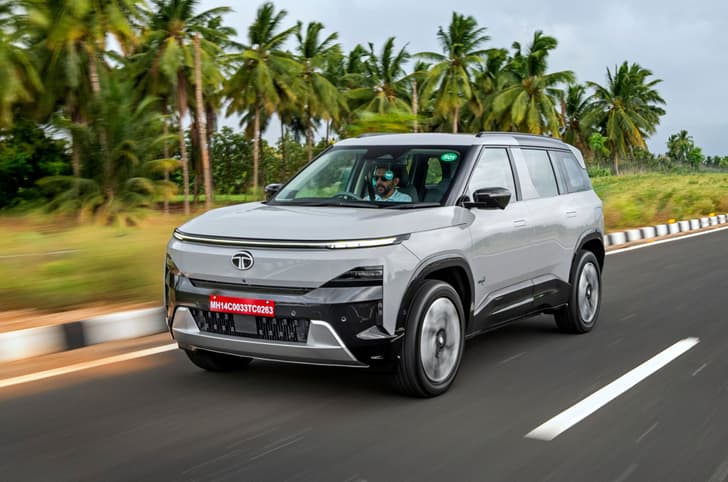
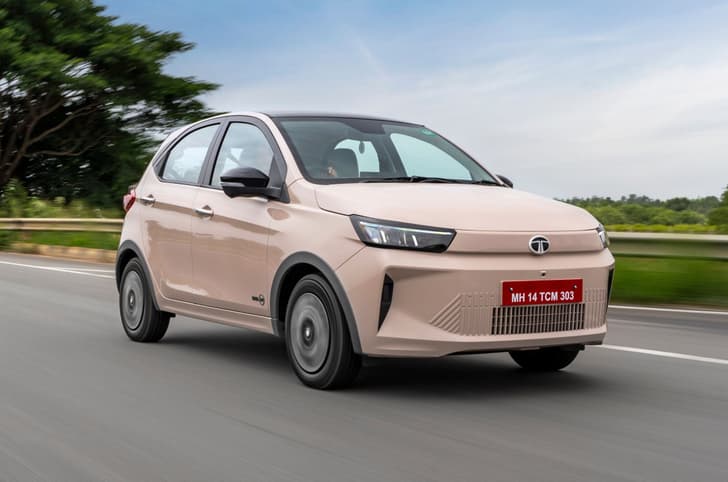
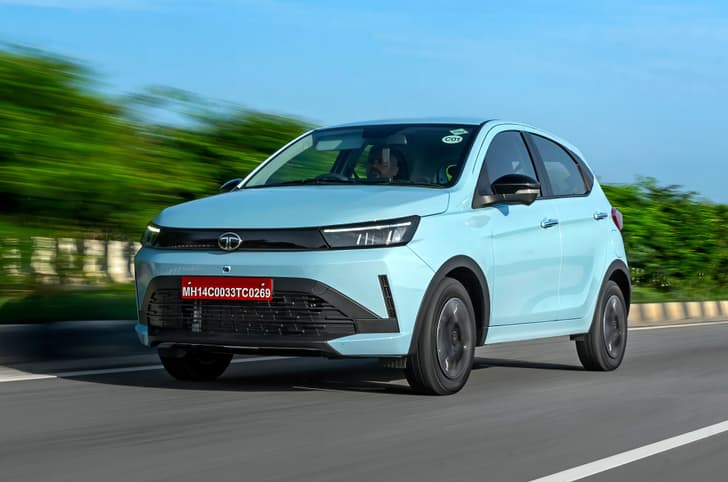
 Tata Nexon EVTata Punch EVTata Tiago EVMG Windsor
I am planning to upgrade from the Grand i10 to a more fuel-efficient and comfortable car. I am confused between the Maruti Fronx and the Tata Punch EV. My budget is below Rs 10 lakh. Usage is mainly in the city, with occasional long drives of around 500 km one way.
Maruti Suzuki FronxTata Punch EVI currently own a 2021 Maruti Suzuki Ertiga petrol, which has covered around 85,000 km and delivers approximately 7-8 km/l in city driving. Due to rising fuel costs, I am considering switching to a CNG car. I plan to sell my Ertiga before buying the new car. Since my children are now in college, I no longer need a 7-seater. I am specifically looking for a CNG + AMT combination, as I am 48 years old and feel an automatic transmission would make frequent city driving less tiring. The cars I am considering are: Tata Punch Adventure S CNG AMT, Tata Altroz Creative S CNG AMT, Maruti Suzuki Brezza ZXi CNG, and Maruti Suzuki Baleno Zeta CNG The Tata Punch is currently my preferred choice. I also considered the Brezza, but its lack of a proper spare wheel concerns me, as I have experienced several tyre punctures in the past. My maximum budget is Rs. 14 lakh. I am also unsure whether an EV would suit me within this budget, as I do not want to deal with range anxiety at this stage. Based on your road tests, which car would you recommend? Is the Tata Punch Adventure S CNG AMT the best choice for my requirements, or should I consider another option?
Tata PunchTata Punch EV| Cities | On road price |
|---|---|
Ujjain | ₹10.24 - ₹13.78 Lakh |