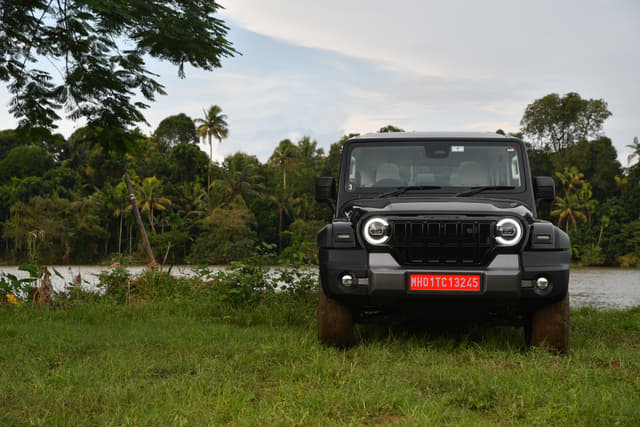
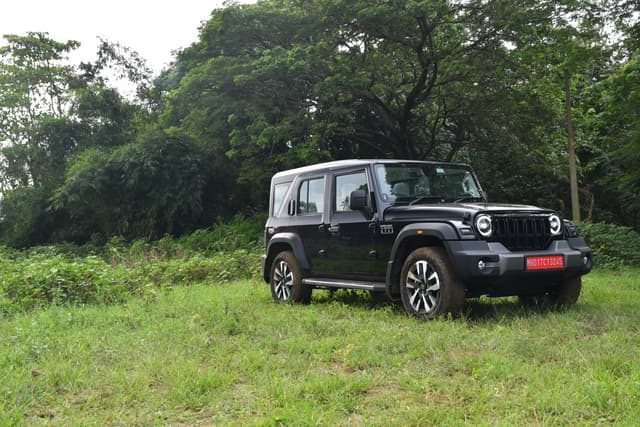
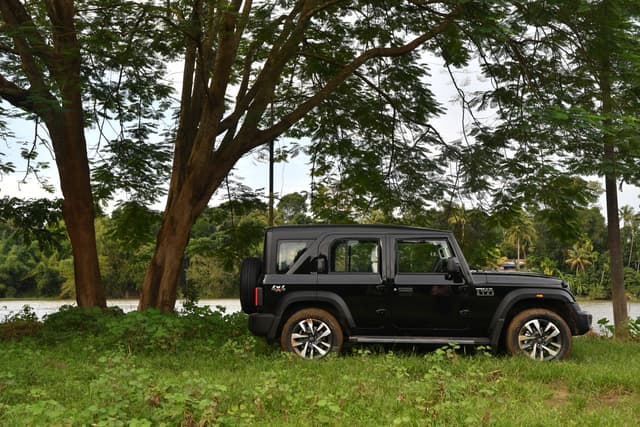
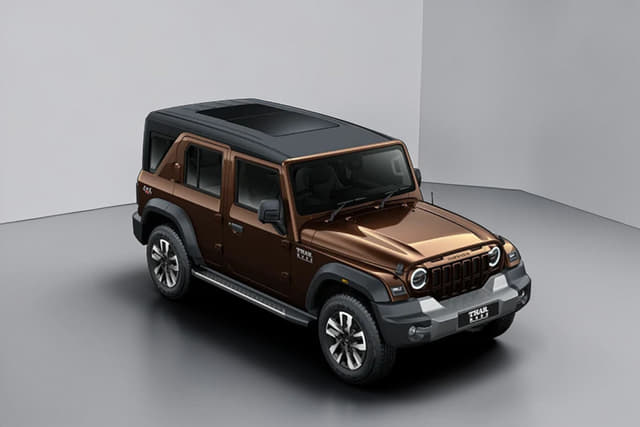
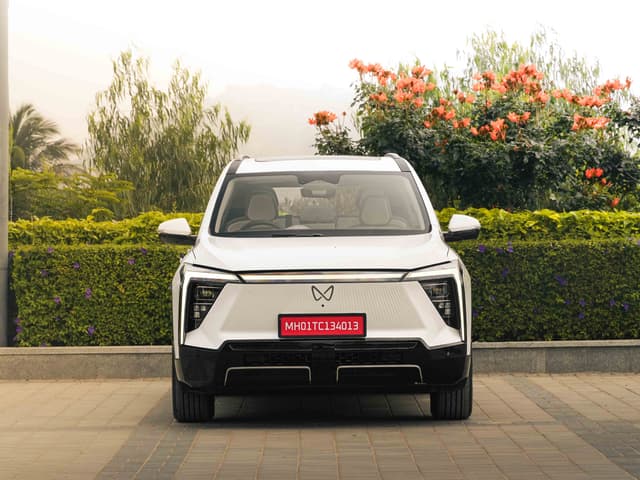
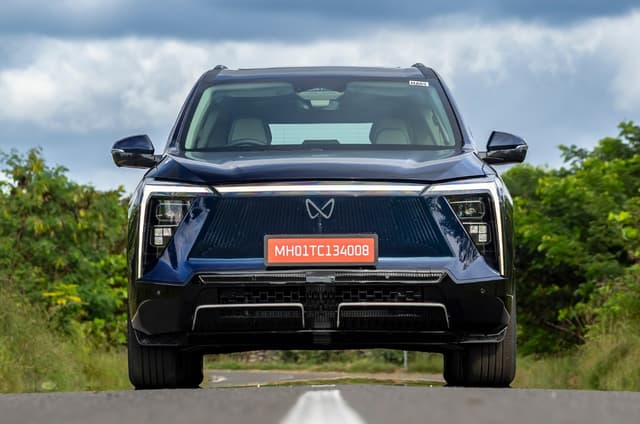
Mahindra cars in India (18)
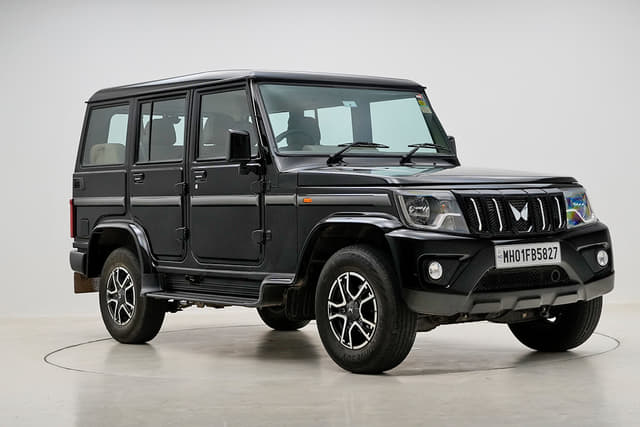
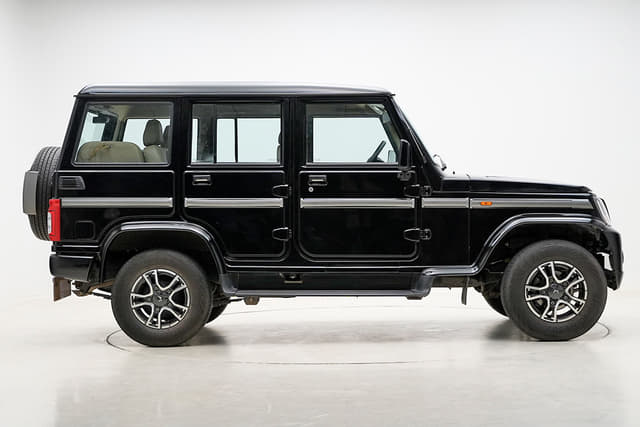
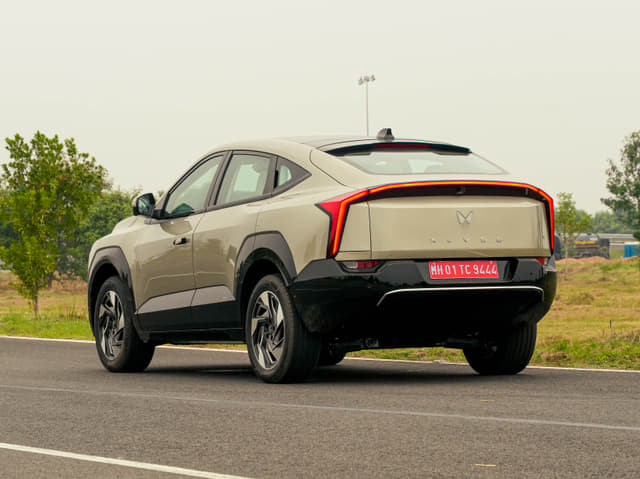
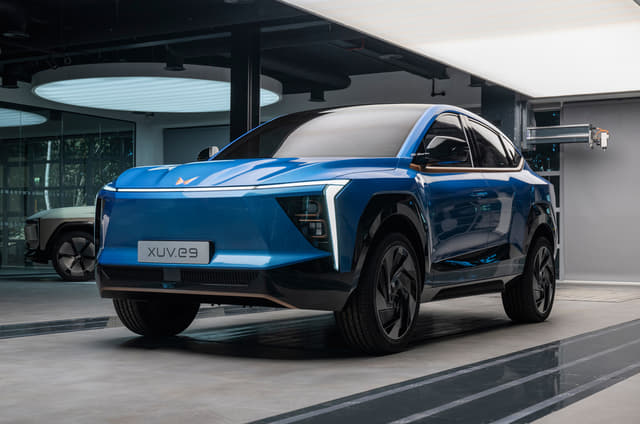
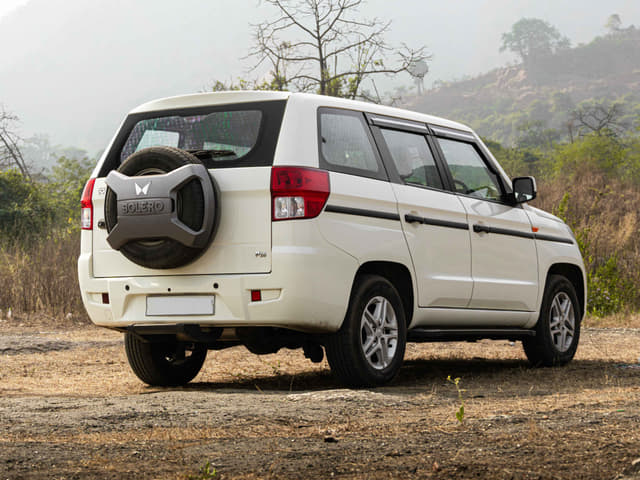
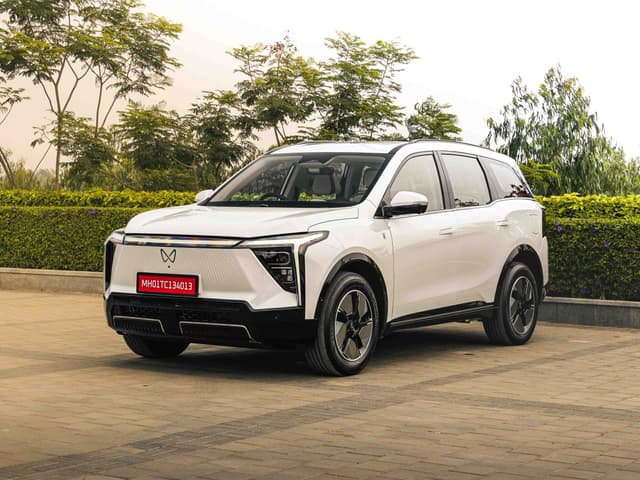
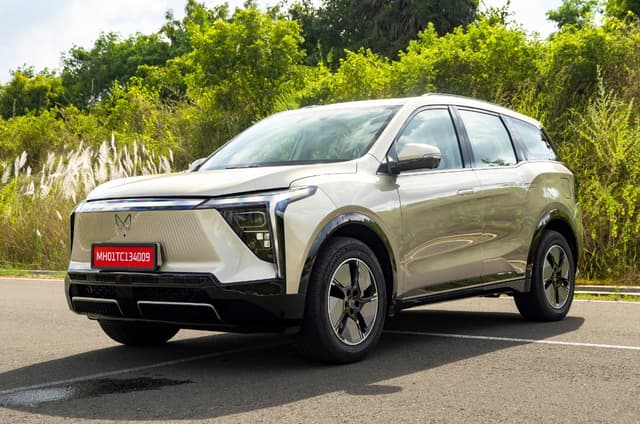
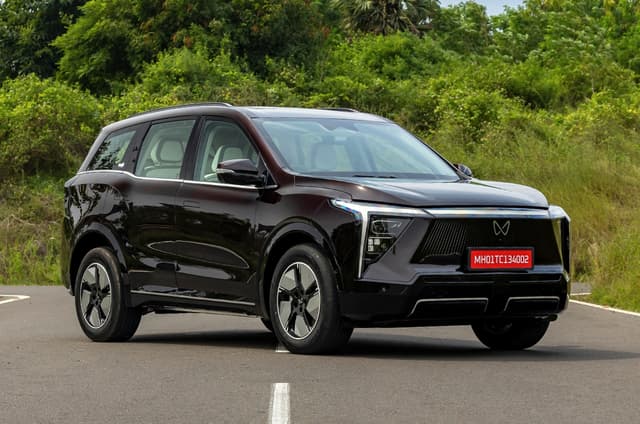
Currently, there are 17 Mahindra cars in India, with 14 on sale and 3 upcoming models. The Mahindra lineup includes 17 SUVs, with no sedans, hatchbacks, MPVs, or convertibles. The Mahindra car price starts at ₹7.37 lakh and goes up to ₹30.50 lakh (ex-showroom). The Mahindra cheapest car is the XUV 3XO, while the most expensive is the XEV 9e.
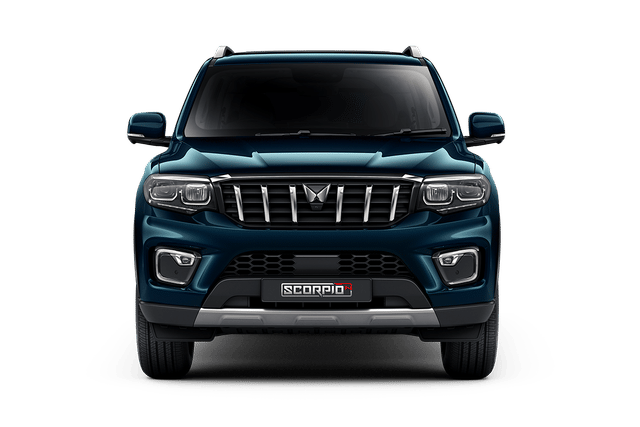
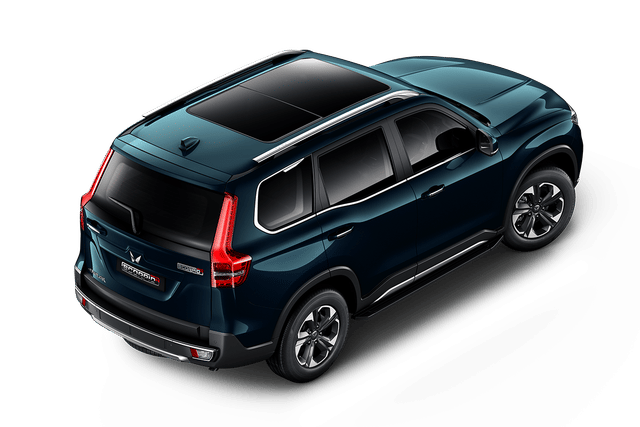
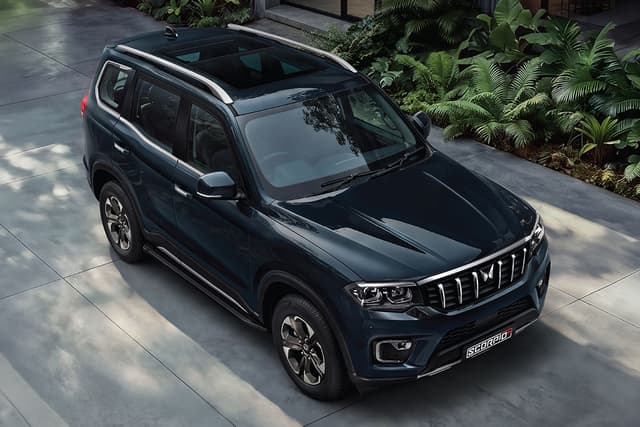
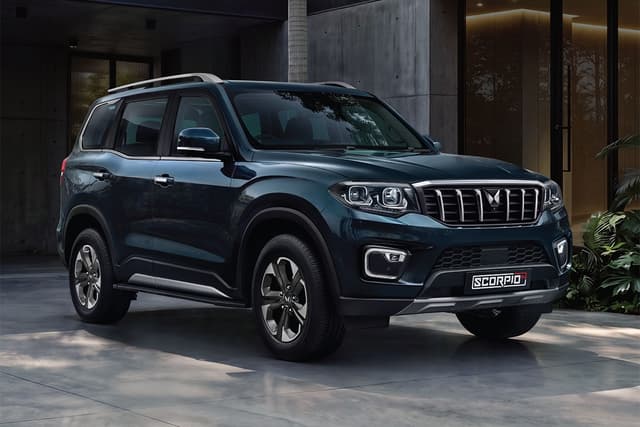
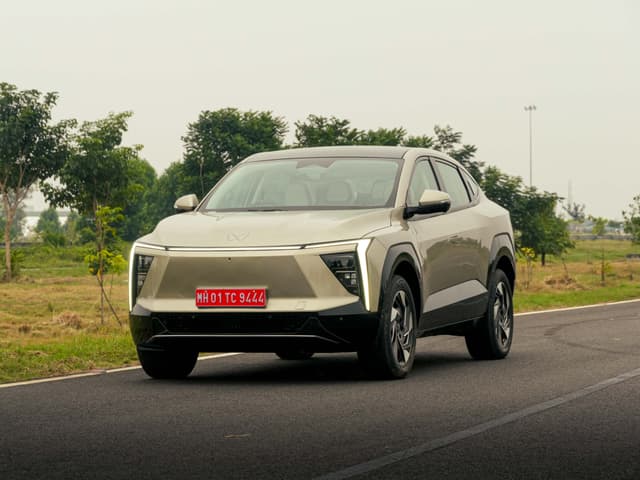
The most popular Mahindra car models in India are the Thar, Thar Roxx, Scorpio Classic, Scorpio N (the highest-selling Mahindra car), XUV 7XO (recently updated from XUV700), and XUV 3XO. Mahindra cars are available with petrol, diesel, and electric options. The newest Mahindra car is the XUV 3XO EV. It was launched on 6 January 2026 and is priced between ₹13.89 lakh and ₹14.96 lakh (ex-showroom).
Mahindra Cars Price List (June 2026)
The Mahindra car price in India ranges from ₹7.37 lakh for the XUV 3XO to ₹30.50 lakh for the XEV 9e. The top 5 popular Mahindra cars and their prices are: Thar Roxx (₹12.39 - ₹22.25 lakh), Scorpio Classic (₹12.98 - ₹16.70 lakh), Scorpio N (₹13.49 - ₹24.34 lakh), XUV 7XO (₹13.66 - ₹24.92 lakh), and XUV 3XO (₹7.37 - ₹14.55 lakh). View the latest Mahindra car prices of all models in the table below:
Mahindra Car | Price (Ex-showroom) |
Mahindra XUV 3XO | ₹7.37 lakh - ₹14.55 lakh |
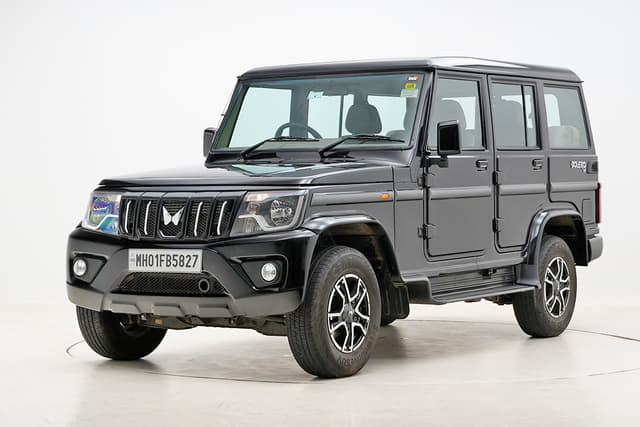
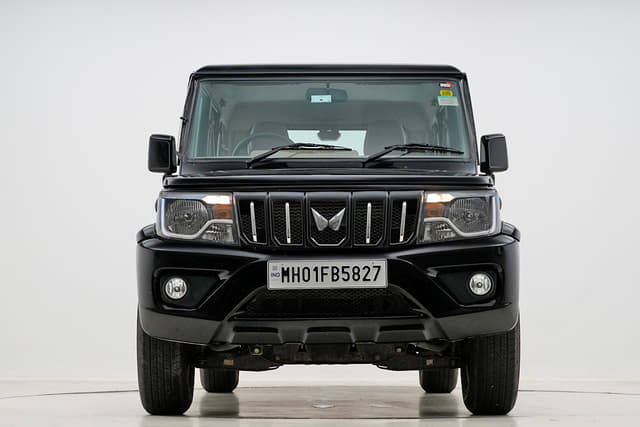
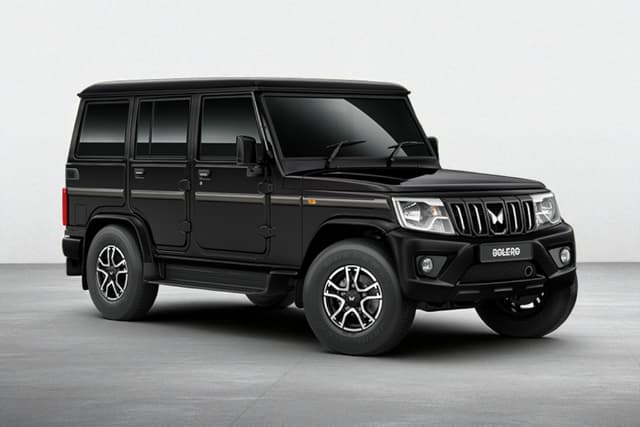
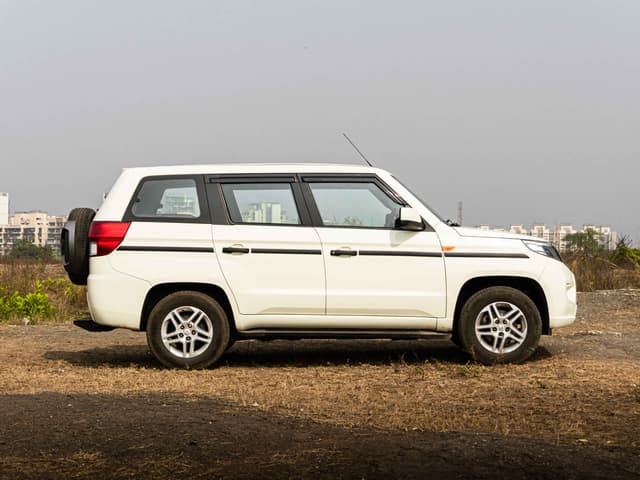
Mahindra Bolero | ₹7.99 lakh - ₹9.69 lakh |
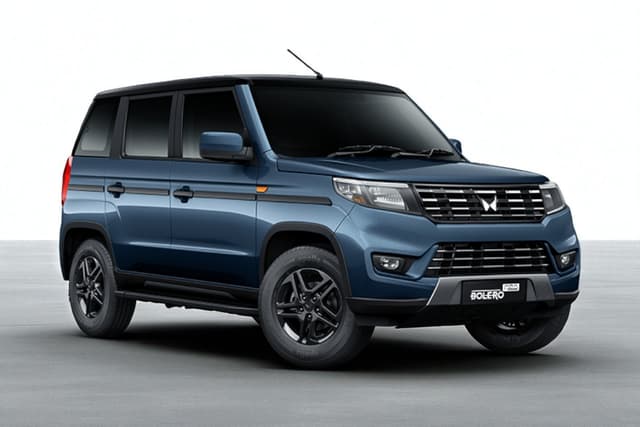
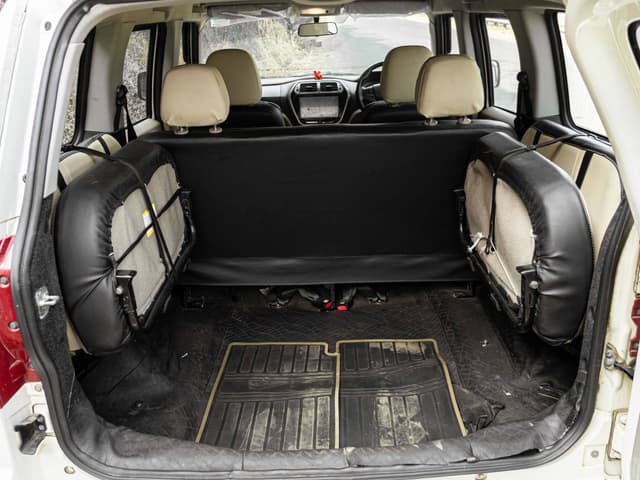
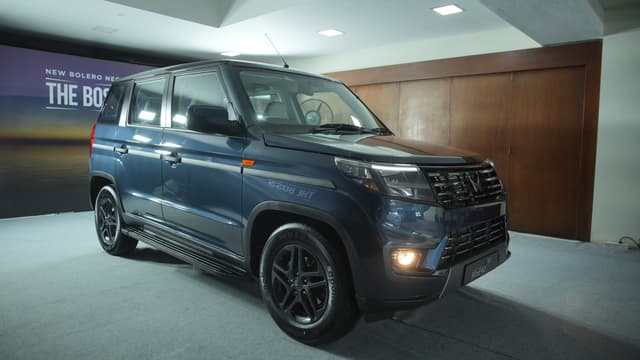
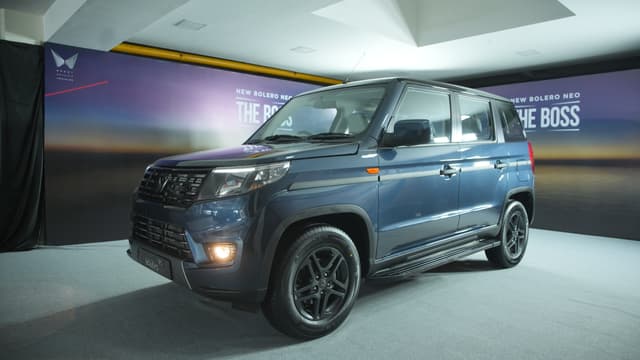
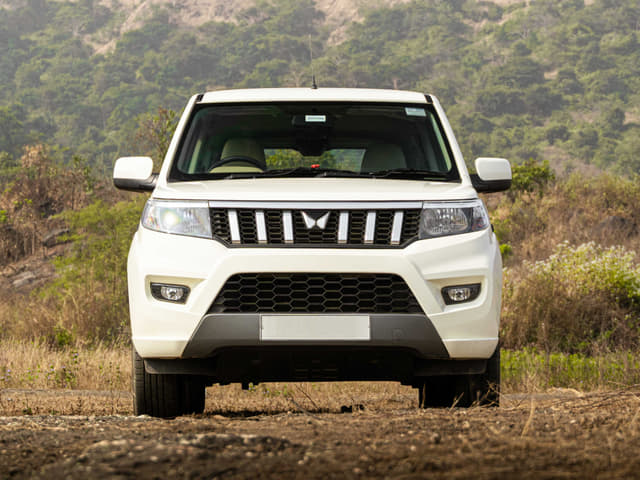
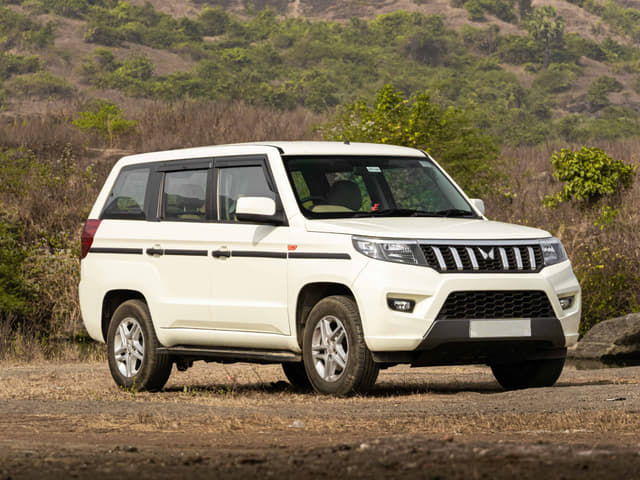
Mahindra Bolero Neo | ₹8.69 lakh - ₹10.49 lakh |
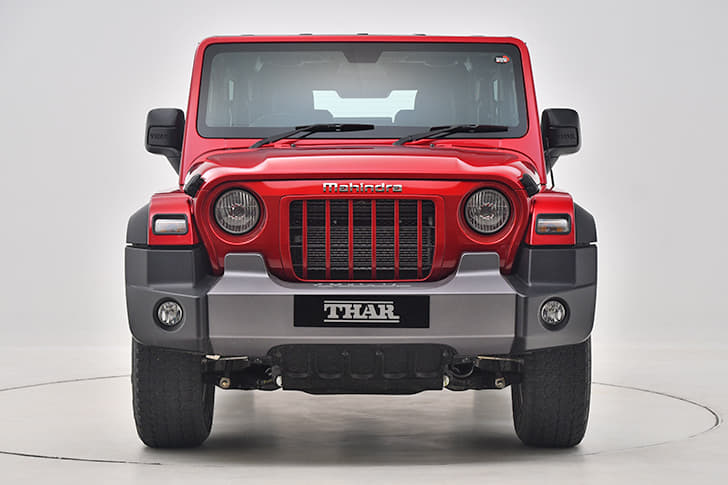
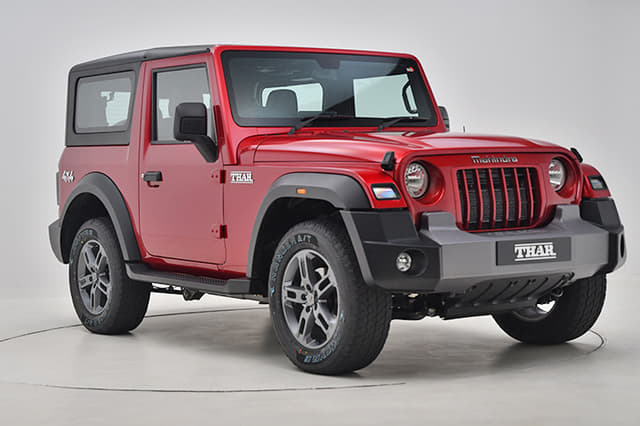
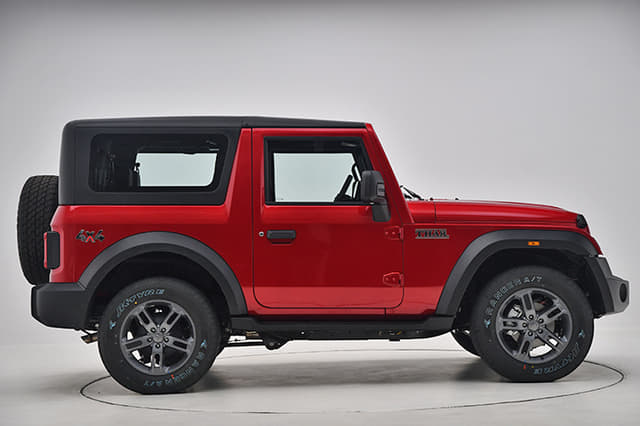
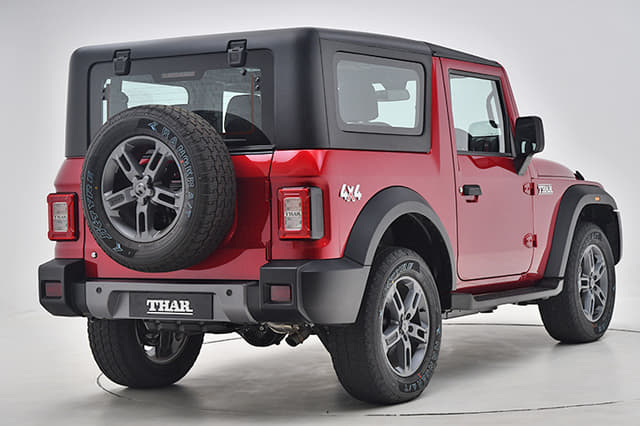
Mahindra Thar | ₹9.99 lakh - ₹17.19 lakh |
Mahindra Bolero Neo+ | ₹10.90 lakh - ₹11.95 lakh |
Mahindra Thar Roxx | ₹12.39 lakh - ₹22.25 lakh |
Mahindra Scorpio Classic | ₹12.98 lakh - ₹16.70 lakh |
Mahindra Scorpio N | ₹13.49 lakh - ₹24.34 lakh |
Mahindra XUV 7XO | ₹13.66 lakh - ₹24.92 lakh |
Mahindra XUV 3XO EV | ₹13.89 lakh - ₹14.96 lakh |
Mahindra XUV400 | ₹15.49 lakh - ₹17.49 lakh |
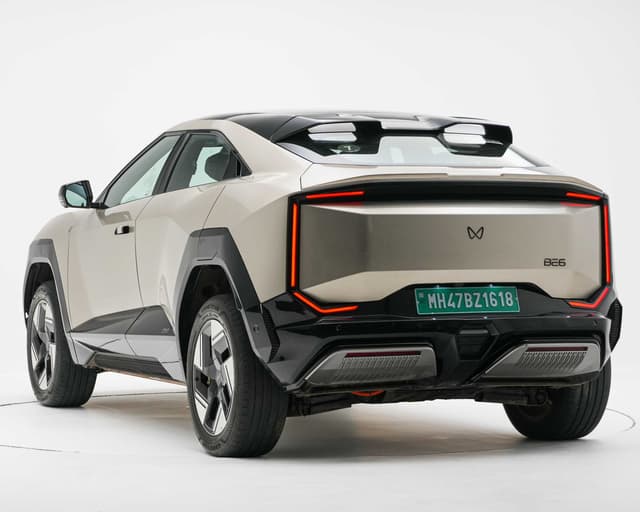
Mahindra BE 6 | ₹18.90 lakh - ₹26.90 lakh |
Mahindra XEV 9S | ₹19.95 lakh - ₹29.45 lakh |
Mahindra XEV 9e | ₹21.90 lakh - ₹30.50 lakh |
Mahindra New Car
There are 3 new Mahindra cars set to launch in India:
- Mahindra Scorpio N facelift
- Expected price: ₹14.00 lakh - ₹26.00 lakh
- Expected launch: Early 2026
- Engine: 2184 cc
- Fuel Type: Diesel
- Transmission: Manual
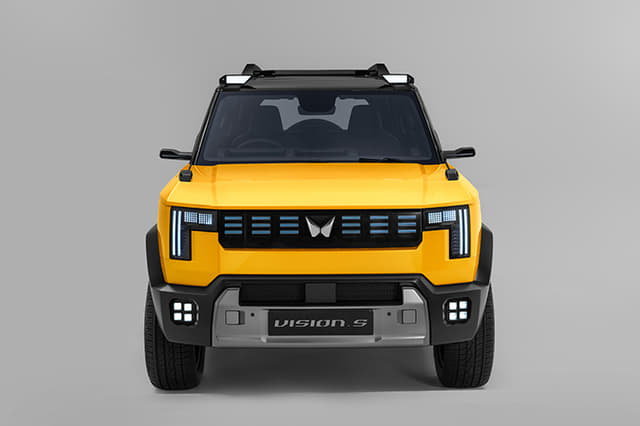
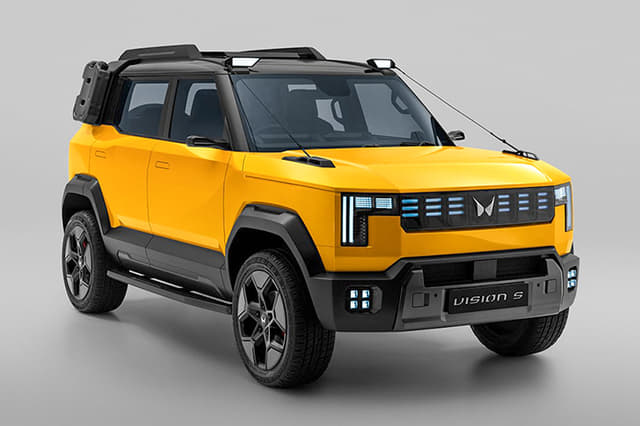
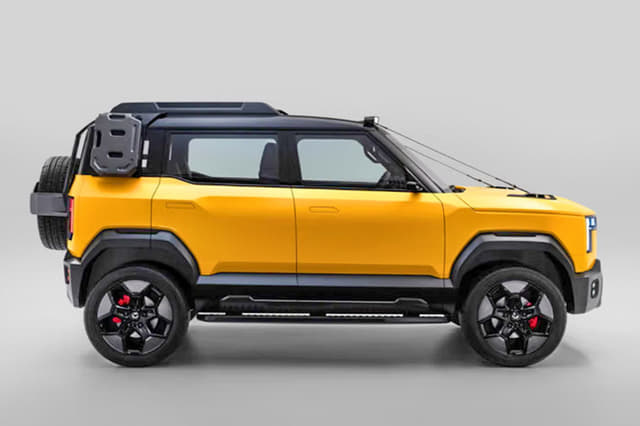
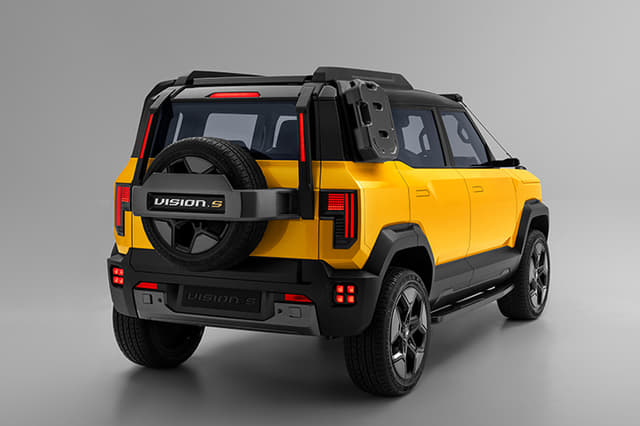
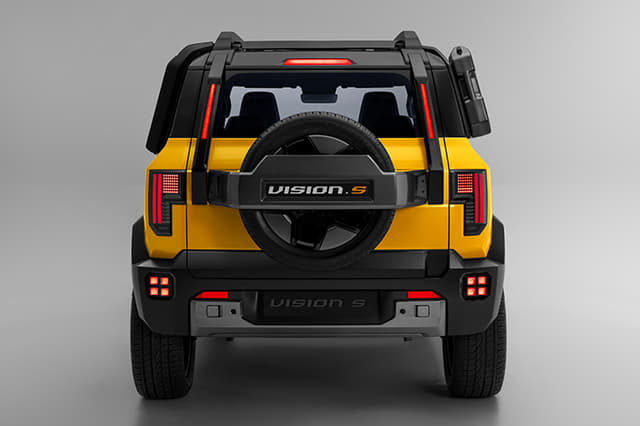
- Mahindra Vision S
- Expected price: ₹7.50 lakh - ₹13.00 lakh
- Expected launch: 2027
- Engine: To be revealed
- Fuel Type: Petrol
- Transmission: Automatic
- Mahindra Vision X
- Expected price: ₹25.00 lakh - ₹30.00 lakh
- Expected launch: 2027
- Engine: To be revealed
- Fuel Type: Petrol
- Transmission: Automatic
Mahindra Electric Car
The Mahindra electric car price ranges between ₹13.89 lakh and ₹30.50 lakh. Presently, there are 5 Mahindra EV cars for sale in India: XUV400, BE 6, XEV 9S, XEV 9e, and recently launched XUV 3XO EV. The cheapest Mahindra electric car is the XUV 3XO EV, while the most expensive is the XEV 9e.
Mahindra Cars - Latest Updates
- 6 January 2026: Mahindra launched XUV 3XO EV at ₹13.89 lakh.
- 6 January 2026: The new Mahindra XUV 7XO, a facelifted XUV700, starts at ₹13.66 lakh (ex-showroom). Pre-bookings have closed, with fresh bookings reopening on 14 January 2026.
- 8 December, 2025: Mahindra XUV700 facelift, a.k.a., XUV7XO, will debut on Jan 5, 2026.
- 2 December, 2025: November 2025 car sales sees Mahindra reclaim second spot as Tata slips to third.
- 27 November, 2025: Mahindra has introduced the XEV 9S at a starting price of ₹19.95 lakh.
- 26 November, 2025: Mahindra has launched the BE 6 Formula E Edition at ₹23.69 lakh.
Find cars by body type
Filter your search
Filter your search
Find cars by fuel type
FAQs
The Mahindra car price starts at ₹7.37 lakh for the XUV 3XO and goes up to ₹30.50 lakh for the XEV 9e (ex-showroom).
The Mahindra electric car range includes 5 models: XUV400, BE 6, XEV 9S, XEV 9e, and XUV 3XO EV.
There are seven Mahindra 7 seater cars available for sale in India: Scorpio N, XEV 9S, XUV 7XO, Scorpio Classic, Bolero Neo, Bolero, and XUV700.
The Mahindra SUV car price in India starts at ₹7.28 lakh for the XUV 3XO and goes up to ₹30.50 lakh for the XEV 9e (ex-showroom).
Currently, there is no Mahindra CNG car on sale in India.
Yes. Mahindra offers 5 models with variants priced under ₹10 lakh: Thar, Bolero Neo+, Bolero, XUV 3XO, and the upcoming Mahindra Vision S. Vision S is expected to start at ₹7.50 lakh (ex-showroom).
The Mahindra top model car in terms of pricing is the XEV 9e, with prices going up to ₹30.50 lakh (ex-showroom).
Mahindra 5 seater car choices include the XEV 9e, BE 6, Thar Roxx, XUV 3XO, XUV400, and XUV 3XO EV.
Yes, 9 out of 16 Mahindra cars that are available for sale come with an automatic transmission option. These cars are - XEV 9e, BE 6, XEV 9S, Scorpio N, Thar, Thar Roxx, XUV700, XUV 3XO, and XUV400.
The Mahindra car on road price varies by city, starting at around ₹8.28 lakh in Delhi for the XUV 3XO and going up to about ₹32.33 lakh for the XEV 9e in major metros.
No. Currently, there is no Mahindra car under 5 lakh in India.
No, Mahindra does not sell a car under 8 lakh. The entry point starts at ₹7.28 lakh for the XUV 3XO, but the on-road cost is higher.
The Mahindra diesel car lineup includes the Scorpio N, Thar, Bolero Neo+, Thar Roxx, Bolero Neo, Bolero, Scorpio Classic, XUV 7XO, XUV700, and XUV 3XO.
Buyers looking for Mahindra cars with a sunroof can consider models such as the XEV 9e, BE 6, Scorpio N, Thar Roxx, XUV700, XUV 3XO, and XUV400. Availability of the sunroof depends on the variant chosen.
Trending Questions on Mahindra Cars - Answered by Autocar Experts
My daily ride is 120 to 150km, mostly on Highway 90%, suggest a good car within 20 lakh. Should I buy a diesel or a hybrid petrol?
While hybrids are a great option and do deliver maximum mileage, in your budget of Rs 20 lakh, you will only get a base model variant of the three hybrids in this price range, namely the Maruti Suzuki Victoris and Grand Vitara, and the Toyota Urban Cruiser Hyryder. Hence, we would recommend going with a diesel, of which there are many options within your budget.If you want a larger vehicle, we would recommend the Kia Seltos diesel, which you will get in the mid-spec HTK (O) and HTX variants within your budget. It's a modern SUV with great space and comfort, and a lot of the latest features and tech. Its diesel engine is not the strongest, but it is very smooth and efficient, and can be had with a stutter-free torque converter automatic gearbox.If you don't mind a smaller car, go for the Mahindra XUV 3XO, whose diesel engine is even more powerful than the one in the Seltos. It will feel stronger out on the highway, helped by its smaller size and lighter weight. It's got a spacious cabin and a comfortable and stable ride that feels like an SUV from a segment above. Do note, however, that its boot is not that large, in case you travel with luggage frequently, and it uses an AMT-type automatic, which isn't very smooth. Best of all, however, you can get a fully loaded version within your budget.
Hi, Many thanks for your time and effort in answering the question. I want to buy an automatic car between Rs 11-12 lakh. The car should be comfortable for five adults. Running would be 70% in the city (Delhi), with 3-4 occasional intercity vacation trips annually, and my average monthly running is around 500 Kms. I am considering the Hyundai i20 Asta (o) ivtech, Kia Sonet HTK+(O) DCT and Sonet HTX DCT. If you have any better suggestions, then please give them.
The Hyundai i20 Asta (O) IVT would be the recommendation here. Your priorities are comfort for five adults, predominantly city driving and a smooth automatic gearbox. The i20 delivers very well on all three counts. Its rear seat is among the roomiest in the premium hatchback segment, the IVT automatic is exceptionally smooth in Delhi's stop-start traffic, and the overall driving experience is relaxed and refined. It is also easier to drive and park than an SUV in crowded urban conditions.The Kia Sonet HTK+(O) DCT and HTX DCT offer a more powerful turbo-petrol engine and a higher seating position, but the rear seat isn't as accommodating for three adults, and the DCT transmission isn't as seamless in heavy traffic as Hyundai's IVT.If you want an SUV, the Maruti Suzuki Brezza AT and Mahindra 3XO AT are the alternatives worth considering. Both have wider cabins and are among the best five-seaters in this price bracket. Importantly, both use conventional automatic gearboxes that feel smoother and more natural in everyday city driving than the Sonet's DCT. The Brezza scores well on refinement, efficiency and ease of ownership, while the 3XO offers a more premium cabin and stronger performance.
I have been using a Hyundai Creta Diesel since 2017 and have driven it for almost 2 lakh km. I am now planning to upgrade my vehicle. Would the Mahindra XUV 7X0 base diesel variant be a good choice for my requirements?
Yes, the XUV 7XO base diesel is a solid upgrade from your 2017 Creta if you do long highway runs. The 2.2 diesel pulls stronger, sits at cruise with less effort, and the bigger, heavier Mahindra car feels more settled at speed and over broken roads. You also get a roomier cabin and boot, which helps on long trips with family and luggage.Be ready for a few compromises. It is a big SUV, so parking in tight city spots takes getting used to, and the diesel manual’s clutch can feel heavier than your Creta’s in traffic. Expect slightly lower kpl than your old 1.6 diesel.Overall, the XUV 7XO AX is a strong choice.
Mahindra XUV 7XO AX7L Diesel AT or XUV 7XO AX7L Diesel AT AWD for the next 10 years? My usage will be 70% city and 30% highway driving, including trips to hilly regions such as Himachal Pradesh and Uttarakhand.
Pick the Mahindra XUV 7XO AX7L Diesel AT 2WD. With 70% city use, the AWD hardware is just extra weight on most days, costs more to purchase, and will be less fuel efficient. For HP and UK hill trips on normal tarmac, the diesel’s torque, good tyres and the drive modes are enough for climbs and wet hairpins. Simpler 2WD also means fewer drivetrain parts. You’ll only feel AWD’s real benefit in snow, slush, or on steep, broken tracks. If that kind of terrain is a regular thing each winter, then spending on the AWD makes sense.
I am considering buying the Mahindra XEV 9S Pack Two or the Hyundai Creta Electric. My driving is 70% in the city, and my priorities are ride comfort and driving pleasure. Which would be the better choice?
Pick the Hyundai Creta Electric. For 70% city use, its performance and throttle modulation are just perfect for a relaxed city drive. Its power delivery is smooth and quick, with light, accurate steering, so darting through gaps feels easy and safe rather than startling. Hyundai’s EV tuning is very polished, with useful regen levels, so you can ease into a near one‑pedal flow in traffic. That makes daily driving calmer but still satisfying. The cabin is quiet, and the seats are supportive, which matters after a long weekday commute. The ride is also good, and it rounds off speed breakers and potholes nicely so you and your passengers won’t get tossed about. On the highway, too, you will find the ride nicely tied down, whereas the Mahindra can get a bit floaty on long undulations.The only bit is that the drive experience is more dialled down and not sporty, which is what you will get with the Mahindra. So this is non-negotiable, go with the XEV 9S. For city comfort and a relaxed driving pleasure, the Creta Electric is the better bet.
I want to purchase an SUV, and my budget is 15 lakhs maximum. My daily drive is around 10-15 kms in the city, and occasionally I go out of the city, like once in a quarter, and that too, maximum up to 300 kms. The vehicle should give decent mileage. It should be safe as well. Kindly suggest a few options.
Go for the Hyundai Venue. Given your limited usage, there's no need to spend extra for the diesel engine, and either of the petrol engines should be sufficient. The 1.2-litre engine is perfect for your largely city use, with sufficient power and a light clutch and gear shift. However, for your highway trips, it might feel underpowered, and in that case, the 1.0-litre turbo-petrol is a better bet, and even comes with a DCT automatic option. However, this engine isn't as fuel-efficient as the 1.2.Being one of the newest SUVs in the compact segment, the Venue comes with the latest tech, high-quality interiors, good space and good comfort too. With your budget of Rs 15 lakh, you can go up to the HX8 variant, which has a lot of features and tech. This includes safety features, and you'll be reassured by the fact that it has scored 5 stars in Bharat NCAP's crash tests. The only downside is that it's not particularly exciting to drive compared to some rivals.Speaking of which, alternatives include the Tata Nexon and Mahindra XUV 3XO, which have also scored 5-star NCAP ratings, but aren't as fuel-efficient as the Venue. Or conversely, the Maruti Suzuki Brezza and Fronx, which are more fuel efficient, but haven't yet been tested by Bharat NCAP or Global NCAP. Overall, we think the Venue is the best bet for you.
I am looking to upgrade my 19-year-old i10 Era and am seeking a vehicle that offers a great blend of comfort and longevity for the next 15 years. My budget is 12-16 lakh. While I am happy with my current car, I need something with more power for overtaking and lower maintenance requirements. Although my current annual usage is low (approximately 2,000-3,000km), I expect this to increase with a new car. My primary use will be city driving in Kochi with three passengers, but I need enough space and comfort for occasional long drives and airport runs. I am prioritising value for money. My current picks: Tata Punch EV (Empowered S+) - around 14 lakh Pros: The instant torque and overtaking performance are appealing. Shock absorbers are also nice. There are features (but not sure how much they will help me). Concerns: Tata’s quality control, long-term service consistency, and uncertainty around EV resale value and technology depreciation. Mahindra XUV 3XO (MX2 Pro TC Automatic) around ₹12 lakh Pros: Feels like a proper, spacious SUV. Cons: Lower fuel efficiency and higher RTO costs compared to an EV. Skoda Kylaq (Signature TC Automatic) - around 12.75 lakh Pros: Excellent reviews for handling and engine performance. Cons: Lower fuel efficiency and higher RTO costs compared to an EV. Citroen Aircross (X You Manual) - around 10 lakh Pros: Excellent reviews for ride comfort and handling. Cons: Manual transmission and concerns about the brand's service network. Overall, what should I choose between a manual, an automatic and an EV? Are automatics a no-brainer these days? Is the Punch EV a good option now?
Given your priorities of comfort, longevity, low maintenance and value for money, the Skoda Kylaq Signature AT would be the recommendation from your shortlist.The Tata Punch EV is actually one of Tata's more sorted products, and the instant torque will certainly make overtaking effortless. However, if you're planning to keep the car for the next 15 years, there are still some unknowns around long-term battery technology, resale values and how EVs will evolve over such a long ownership period. It makes sense as an EV, but perhaps not as the safest long-term bet.The Mahindra XUV 3XO offers more space and feels like a bigger vehicle, but its fuel efficiency is likely to be lower than the Kylaq's, and it doesn't feel quite as polished from behind the wheel.The Kylaq strikes a sweet spot. Its turbo-petrol engine provides the performance you're looking for, the torque-converter automatic is smooth and reliable, and the car feels well engineered. It is also likely to be easier to live with over the long term than an electric car if your goal is to keep it for 15 years.As for manual versus automatic, for a predominantly city-driven car in 2026, an automatic is increasingly becoming the default choice. Modern torque-converter automatics such as the one in the Kylaq are smooth, reliable and remove much of the fatigue associated with urban driving.
I am planning to buy a new car with a budget of around Rs. 12 lakh. I am confused between the Tata Punch EV (40 kWh), Kia Sonet, Maruti Suzuki Brezza, Skoda Kylaq, and Mahindra XUV 3XO. Could you please suggest the best option for my daily usage? At present, I own a Maruti Suzuki Ertiga, and my monthly running is approximately 3,100 km. My primary concern is reducing my monthly running costs. Considering my usage pattern and priorities, which car would you recommend?
For your relatively high running and goal of reducing running costs, a diesel is probably your best pick. At 3,100 km a month, diesel will cut your per-km cost far more than petrol, and you can get a well equipped manual within Rs. 12 lakh within your shortlist. The Mahindra XUV 3XO diesel and Kia Sonet diesel are booth good options. Bear in mind, however, that you will have to take a few extra steps for diesel engine maintenance, such as occasional Adblue top-ups and high-speed runs to regenerate the DPF.The XUV 3XO has the stronger engine, more spacious cabin and comfier suspension, whereas the Kia Sonet offers better mileage, interior quality and refinement. Another good option is the Hyundai Venue diesel, which is the best all rounder, and offers a fair mix between the XUV 3XO and Sonet. However, it is more expensive, and you will have to stretch your budget slightly to get some features.The Brezza is a good option too, but there is no diesel, and while you can opt for CNG, you will experience a power deficit in the process. Downsides of CNG include long waits at the pump, and a CNG tank that compromises boot space. If you are fine with this, it's a good alternative, but bear in mind, there is a facelift of the Brezza coming out soon, so it might be worthwhile waiting for that.The Punch EV 40kWh would be the absolute cheapest to run, but will push the limits of your budget and only makes sense if you have home charging. All considered, the XUV 3XO or Sonet diesel are your best options.
I am looking to buy an SUV under Rs 25 lakh with good comfort, a powerful engine, plenty of features and strong road presence. I do not like the look of the Mahindra XUV 7XO or Scorpio N. I am currently leaning towards the Thar Roxx. Are there any better options? I am open to EVs as well.
The Thar Roxx is a good choice if you are prioritising road presence. It has strong engines, good performance and is well equipped. It is also reasonably comfortable for a ladder-frame SUV. However, it cannot match the XUV 7XO in terms of passenger comfort and ride quality.Alternatively, you could consider the Tata Safari or the Harrier if you do not need seven seats. They ride well on bad roads, have comfortable cabins, and offer the broad-shouldered stance you are after. The 2.0-litre diesel has strong torque for quick highway overtakes and hill driving, and the automatic makes traffic easy to deal with.The Thar Roxx looks great and is brilliant off-road, but in daily use, the ride is busier, the rear seat is tighter, and the boot is smaller.If you want a petrol SUV with a more tech-heavy feel, the Kia Seltos 1.5 turbo-petrol automatic is also a solid choice within your budget, but it will not have the same road presence as the Harrier or the Roxx.
I drive a Polo GT TSI. Now, I am looking to buy an EV, mostly for city use as an add-on car for my wife and me. Looking at the XUV 3XO EV, seems cheaper than its ICE option. Need your opinion. My budget is 20L.
For your usage as a second car that will spend most of its life in the city, the Tata Punch EV Long Range would actually be the first choice. It is compact, easy to manoeuvre, offers more than enough range for daily duties and is based on a dedicated EV architecture rather than an ICE conversion. It also gets a modern feature set and feels purpose-built as an electric vehicle.If you want something larger and more spacious, the MG Windsor EV is the alternative to consider. It offers exceptional cabin space and comfort, and feels like a segment-above product for the money.As for the Mahindra XUV 3XO EV, it carries over the 39.4kWh battery pack and electric motor from the XUV400, rather than using the newer INGLO-based technology seen on the BE 6 and XEV 9e. So while it benefits from the new 3XO interior and feature set, the underlying EV hardware is not all-new.
Last Updated on: 20 Jun 2026