Kia cars in India (12)
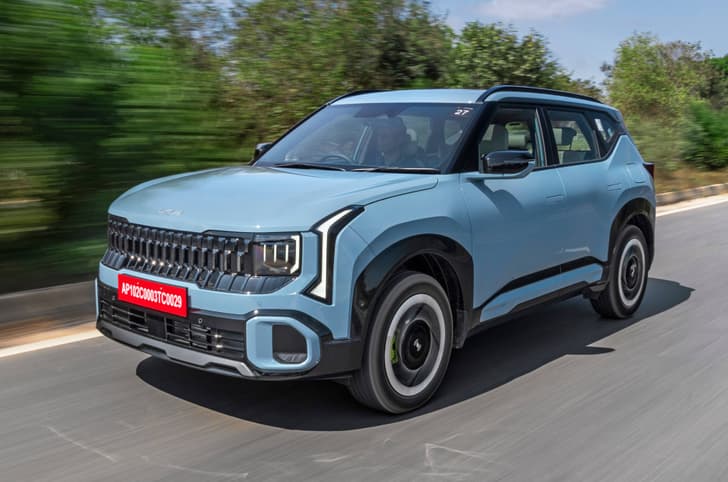
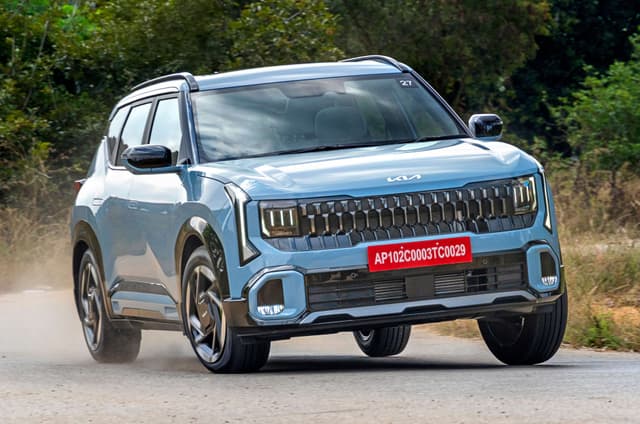
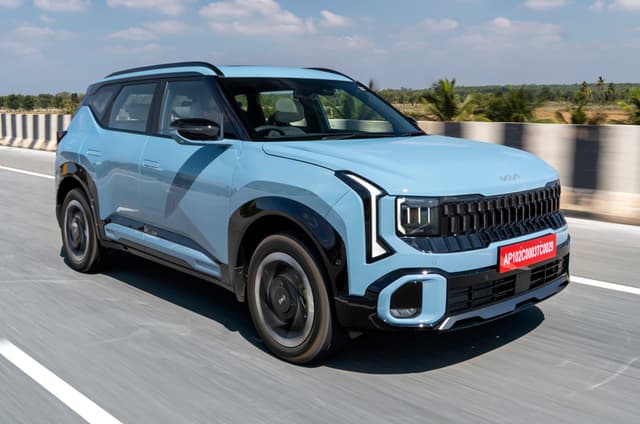
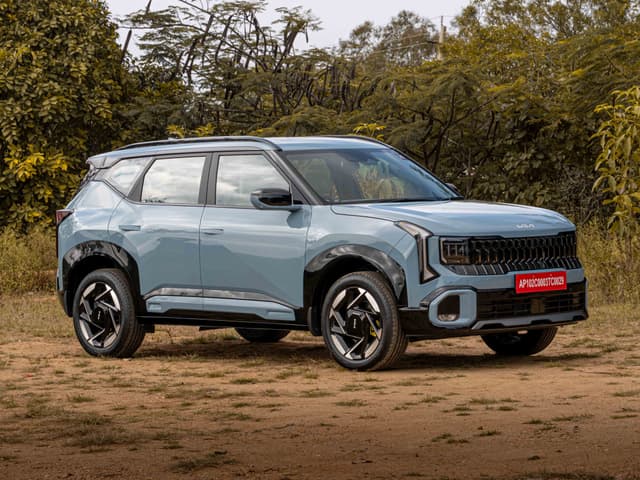
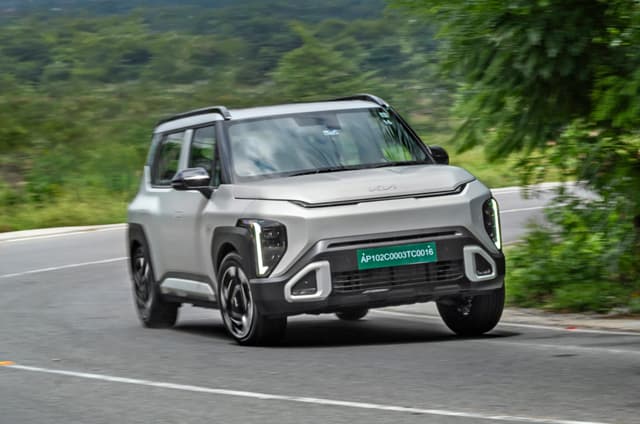
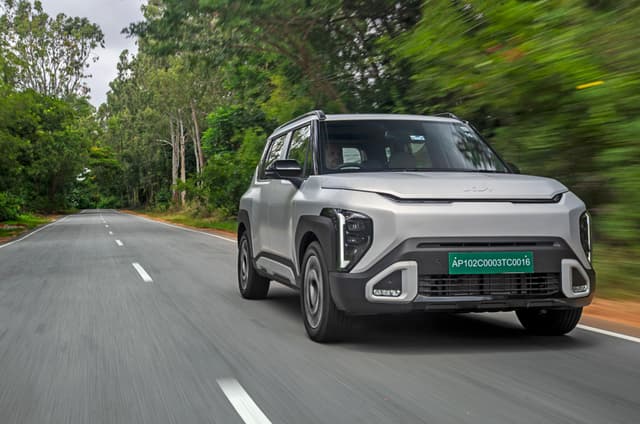
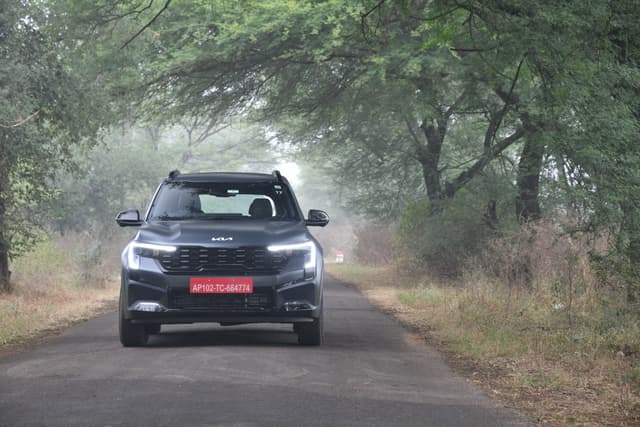
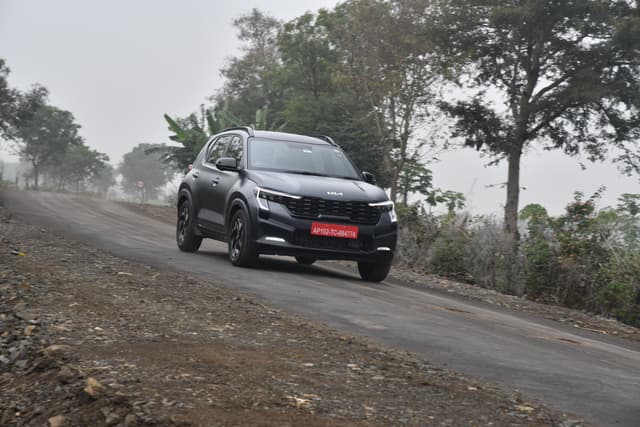
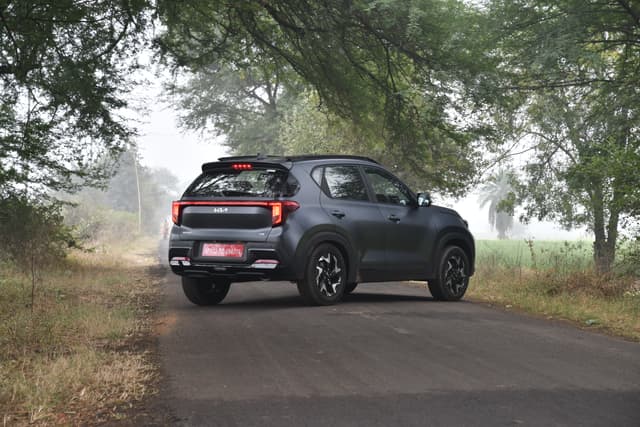
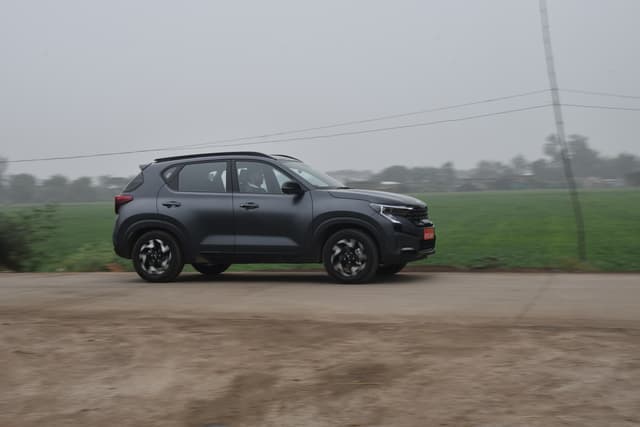
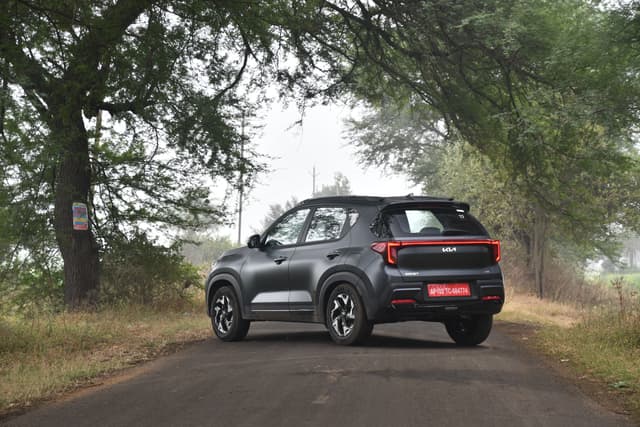
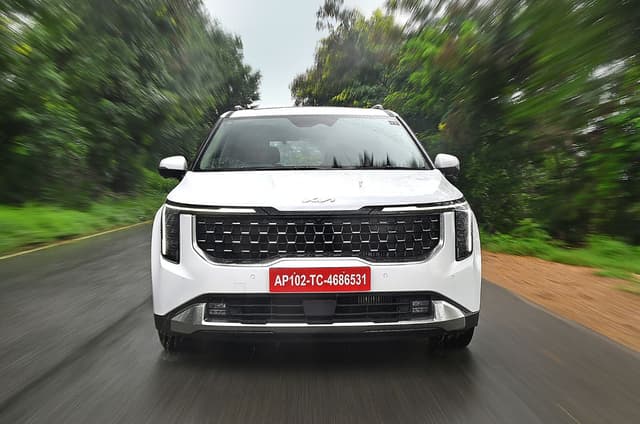
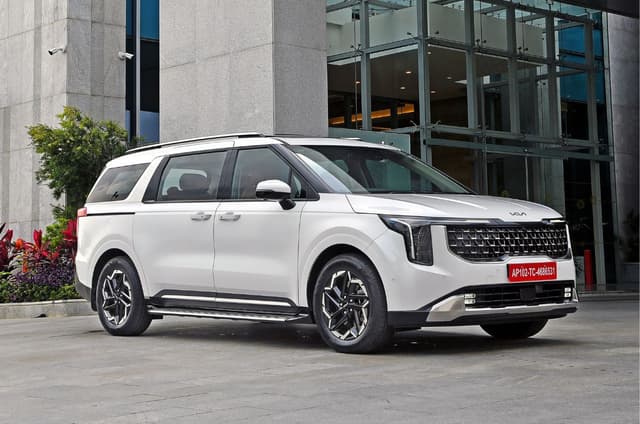
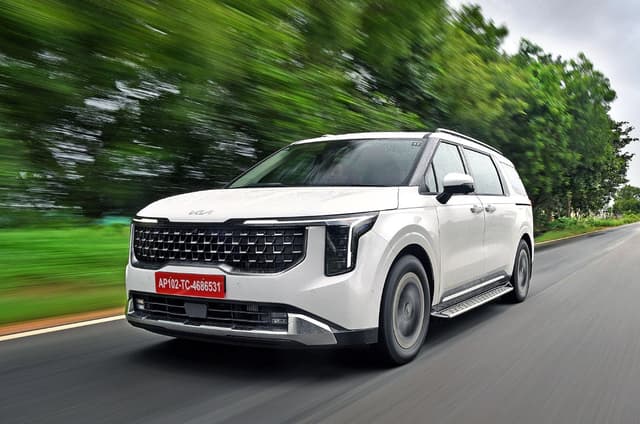
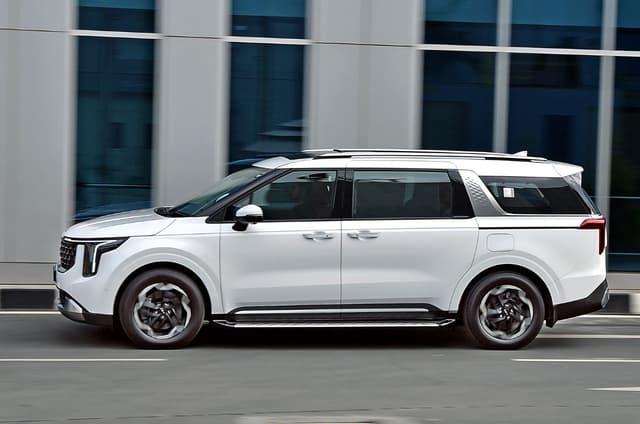
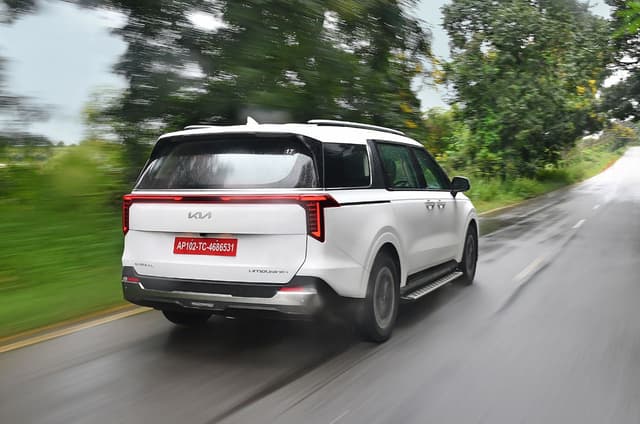
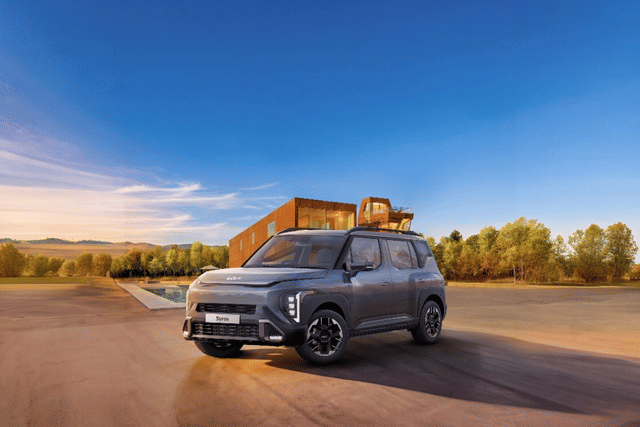
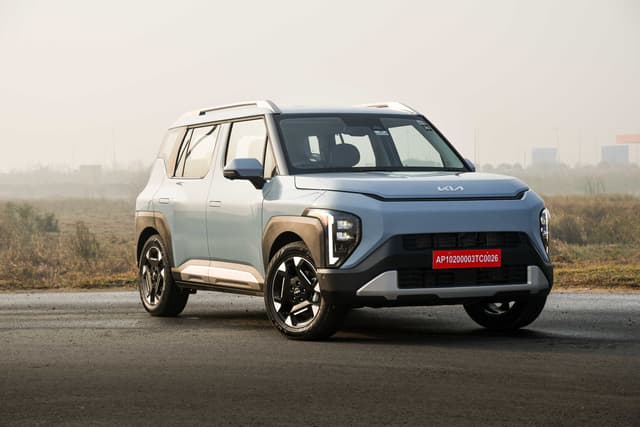
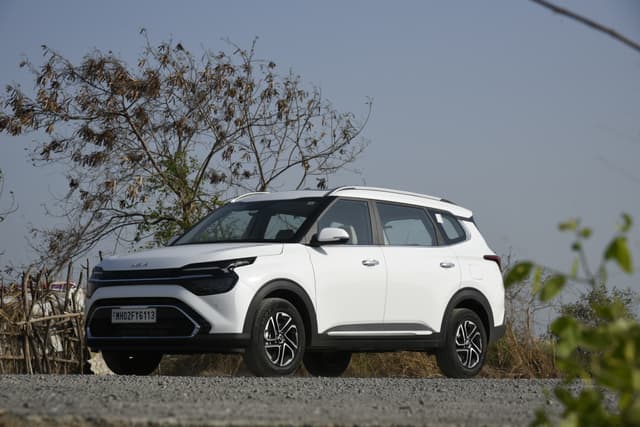
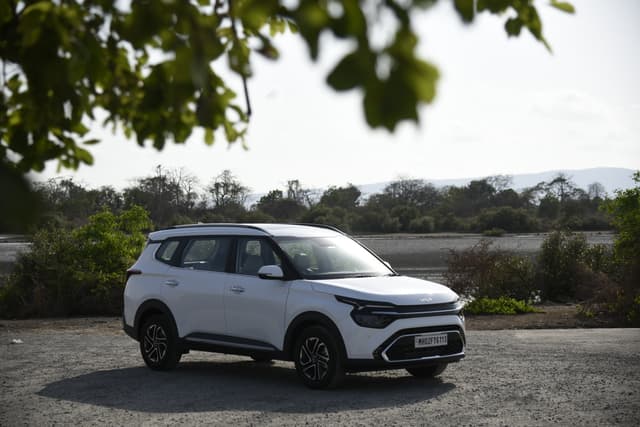
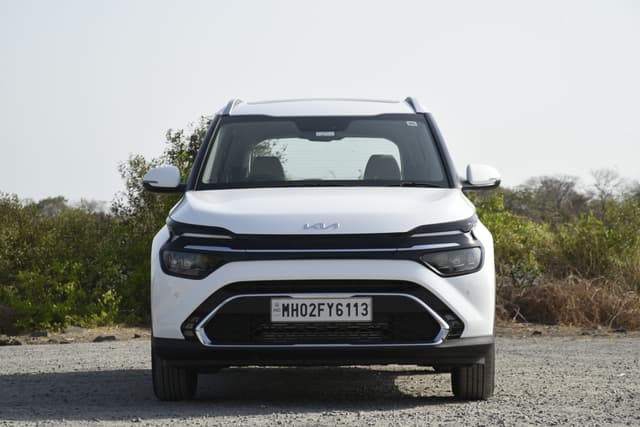
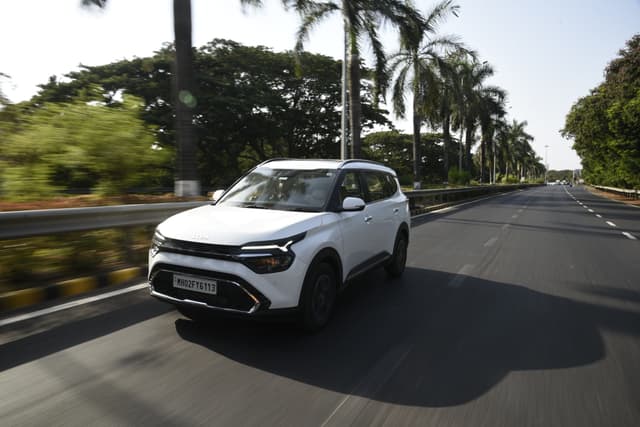
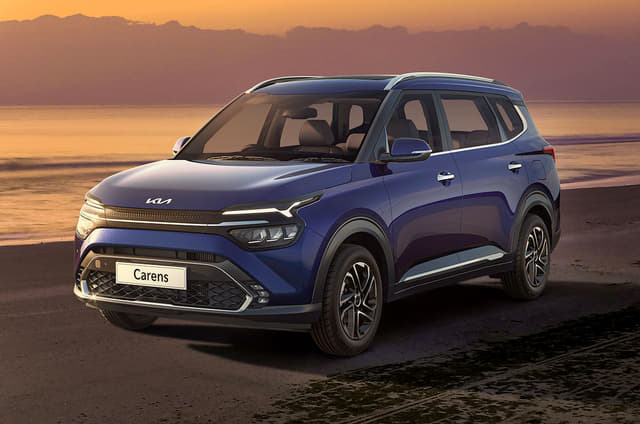
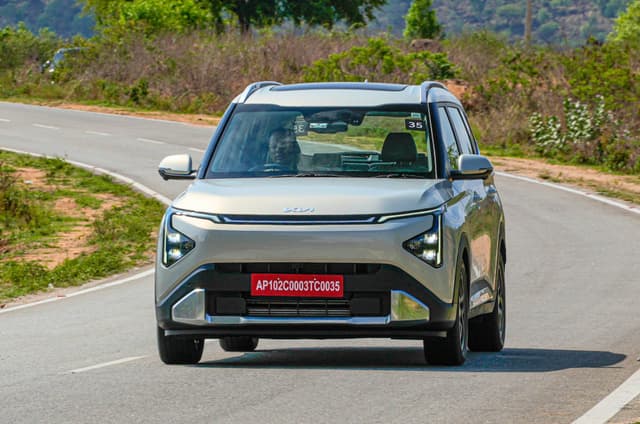
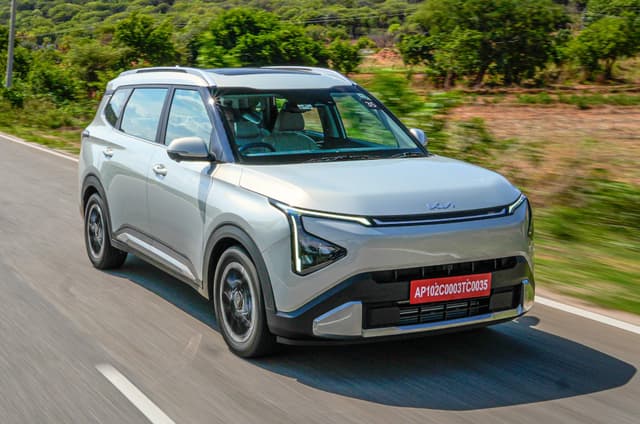
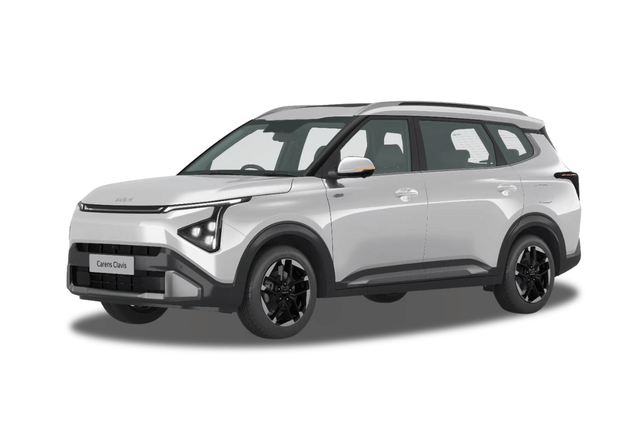
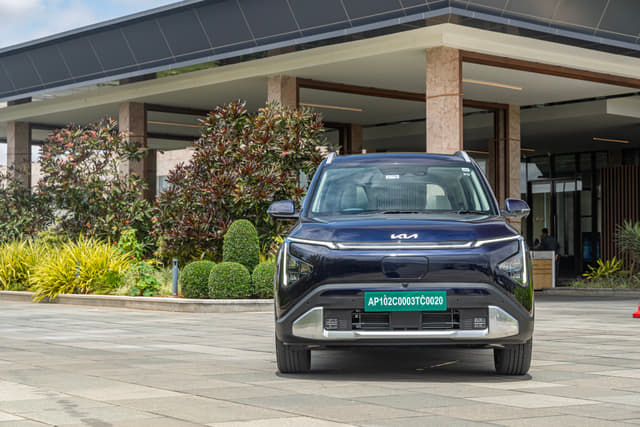
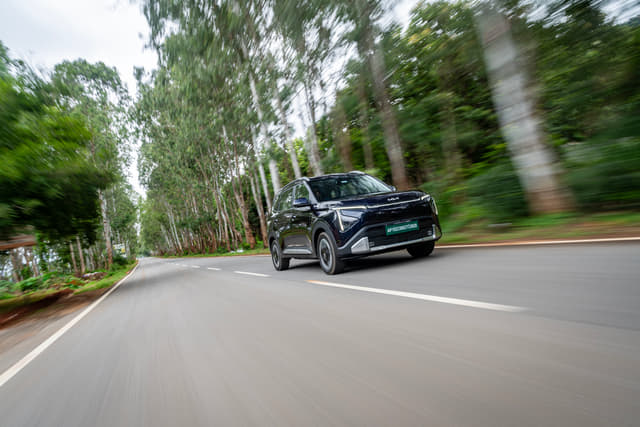
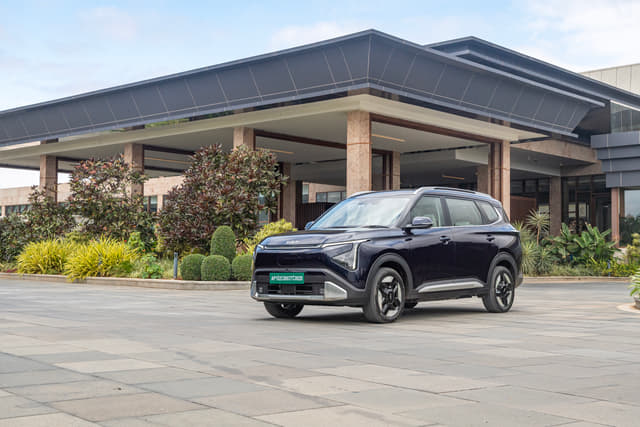
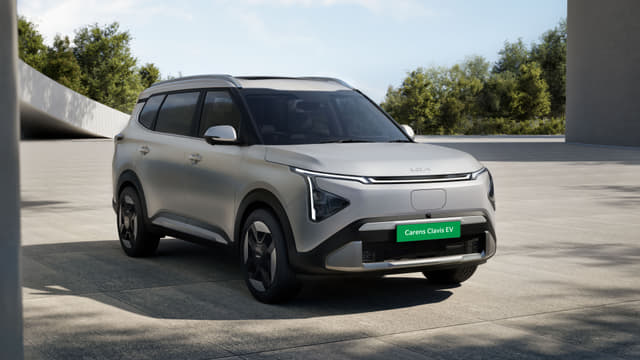
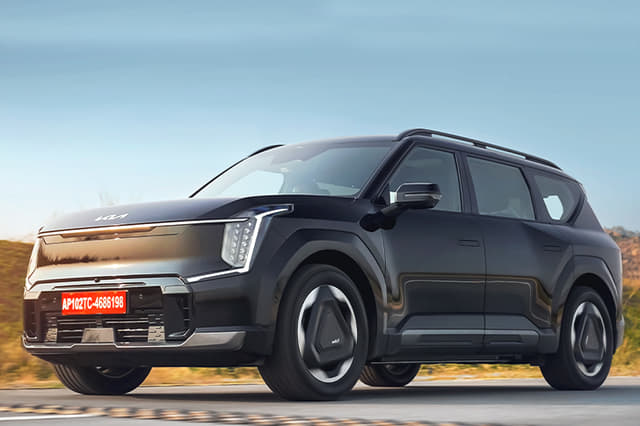
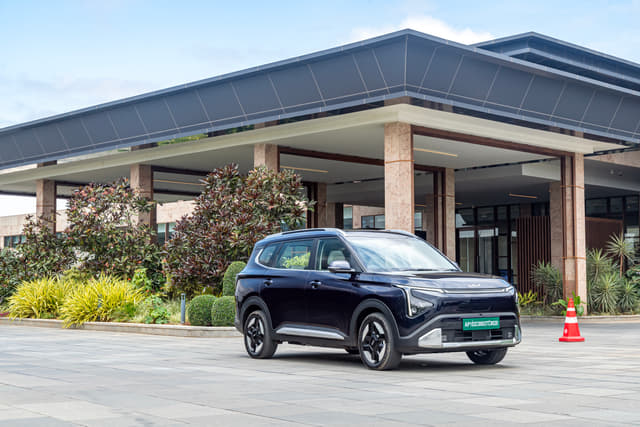
Kia is a sister entity to Hyundai, operating globally under the Hyundai Motor Group umbrella. In India, it debuted in 2019 with the Seltos SUV, followed by popular models like the Sonet, EV6, Carens Clavis, and Syros. It is one of the few mass-market carmakers in India to offer a diesel powertrain, along with petrol and EV choices, with a plug-in-hybrid powertrain joining in 2026.


Filter your search

Filter your search


Find cars by fuel type
Kia Cars - FAQs
Kia car price in India start at around ₹7.50 lakh and go up to ₹1.30 crore (ex-showroom).
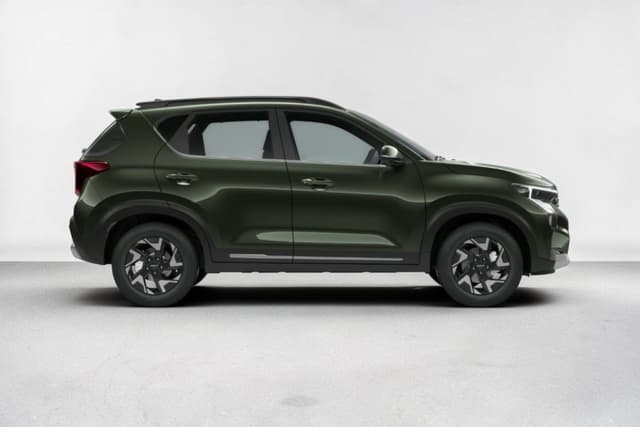
The Sonet is the cheapest among all Kia cars in India. Its price starts at around ₹7.50 lakh (ex-showroom).
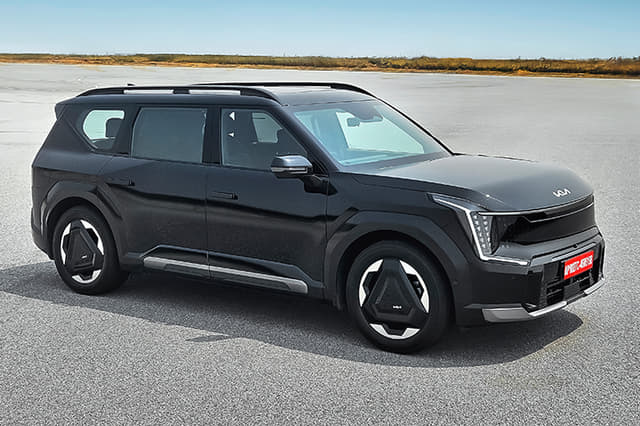
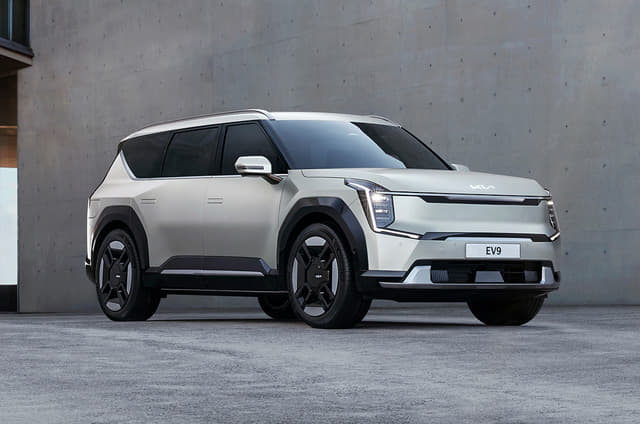
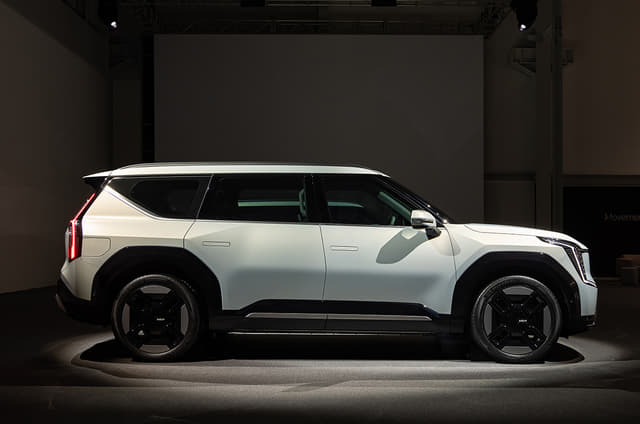
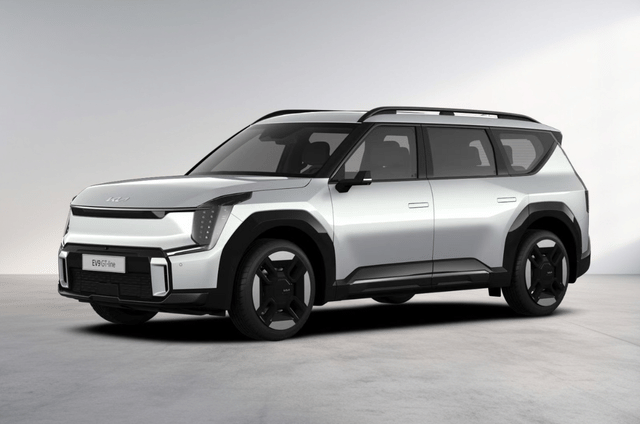
The EV9 is the most expensive model in the current Kia India lineup. It is priced at ₹1.30 crore (ex-showroom).
The Kia cars in India that are currently on sale are: Seltos, Carnival, Sonet, Syros, EV6, Carens Clavis, Carens Clavis EV, Carens, and EV9.
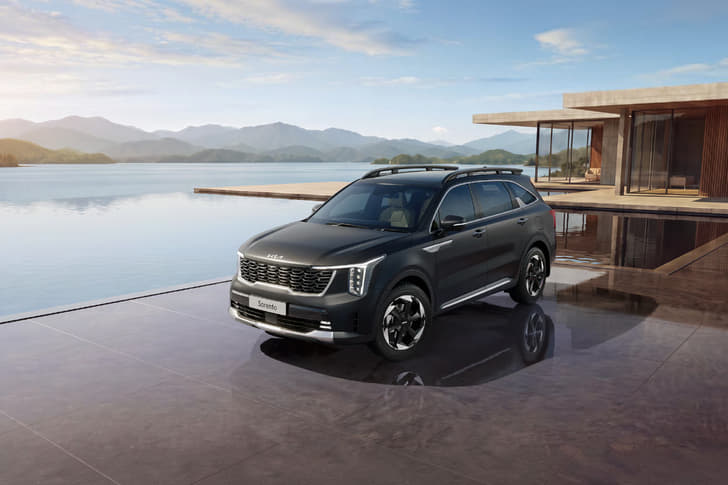
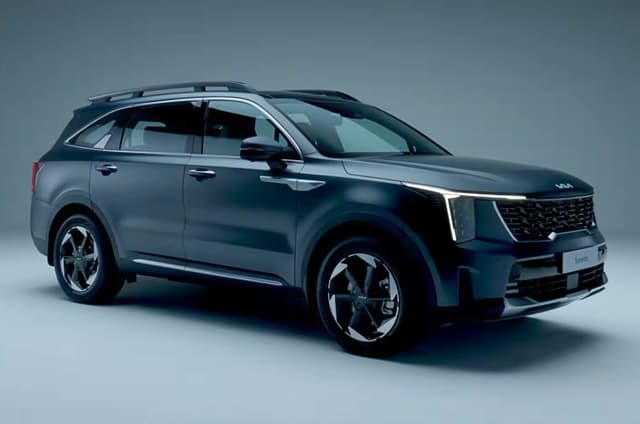
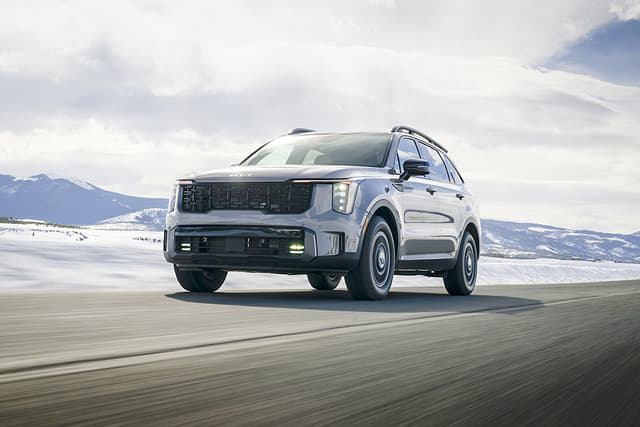
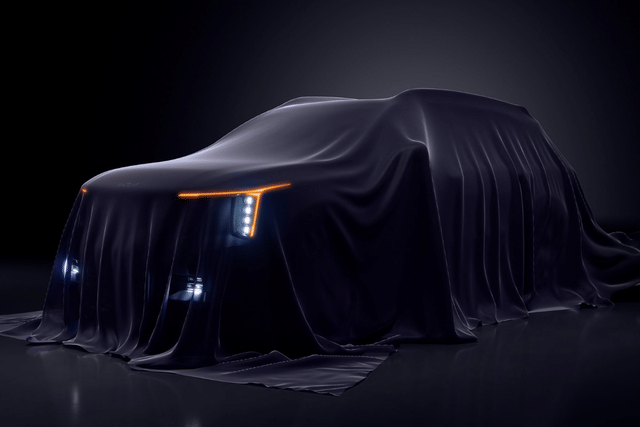
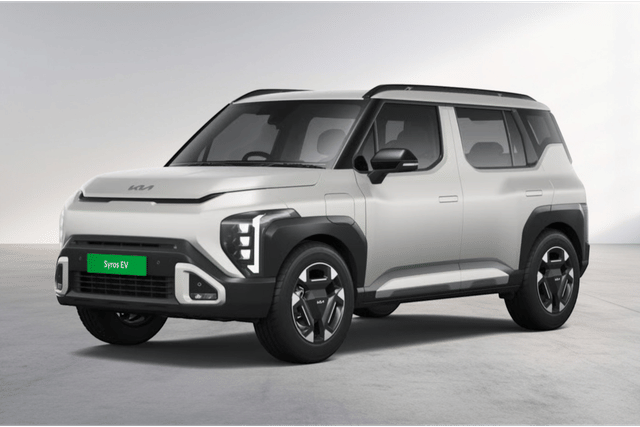
Yes. The upcoming Kia cars in India include 3 models: the New Sonet, the Syros EV, and the Sorento. These models are going to be launched in between 2026-2027.
Kia manufactures its cars at the Penukonda plant in Andhra Pradesh.
The Kia electric car price in India starts at around ₹18 lakh and goes up to ₹1.30 crore (ex-showroom). The Carens Clavis EV is the most affordable electric model, while the EV9 is the most expensive.
Among the Kia electric cars in India, the EV6 offers a claimed range of 663 km, which is the highest in the current lineup.
There are four Kia 7 seater cars in India: Carnival, Carens Clavis, Carens Clavis EV, and Carens.
Kia sedan cars are not currently available in India. The Indian lineup mainly consists of SUVs, MPVs, and electric models.
Trending Questions on Kia Cars - Answered by Autocar Experts
I am planning to buy my first car, mainly for a 6-7 km one-way office commute in Mumbai, with occasional city and highway trips. I prefer an automatic and have a budget of around Rs 18-19 lakh with BH registration. I am avoiding diesel because of DPF concerns and EVs because my housing society does not have charging facilities. What are some good options?
Go for a petrol automatic car. Your usage is predominantly city with a short daily commute, and diesel DPF issues are most likely to occur in exactly this kind of stop-start urban driving. Electric cars are ruled out for now due to the lack of home charging, so a petrol automatic is the most sensible and hassle-free choice.Within your budget, the Kia Seltos CVT is a strong recommendation. It offers a more premium cabin, is feature-rich, and is a spacious and comfortable car. On E20, do not let it influence your decision. Modern petrol engines are engineered to handle E20, and the impact is largely limited to a small drop in fuel efficiency. There is no official roadmap beyond E20 at this stage, so it should not be a deciding factor.
Is the Hyundai Creta getting a facelift or an all-new generation? Will the new Creta get hybrid technology, and when is it expected to launch? Will the new Creta and Seltos look similar? Should I wait for the new Creta or buy the new Seltos?
Yes, the Hyundai Creta is going to be replaced by an all-new generation, rather than just receiving another facelift. The third-generation Creta is expected in India in 2027, and test cars have already been spotted. It will move to the newer K3 platform, which also underpins the new Seltos, and is expected to be larger and more sophisticated than the current car.There is also a strong possibility of a strong-hybrid powertrain for the new Creta. Hyundai is working on a hybrid based around its 1.5-litre petrol engine, although the exact launch timing and specifications haven't been confirmed yet.As for the styling, don't expect the Creta and Seltos to look identical. They will share the K3 platform and some design themes, but Hyundai and Kia will give them distinct identities. The test Creta does appear to borrow some cues from the Seltos, particularly around the grille, but the headlights and other elements are different.If you're not in a hurry, waiting for the new Creta makes sense, particularly if you're considering a strong hybrid. You'll get a newer platform, larger dimensions, more features and potentially the hybrid option.However, the new Kia Seltos is already here and is a more compelling proposition than waiting indefinitely. It has moved to the K3 platform, grown in size, gained more space and improved ride comfort, while retaining its wide choice of powertrains.
I want to buy a diesel automatic car, and my monthly running is around 700–1,000 km. I am considering the Mahindra XUV 3XO, Tata Nexon, Kia Sonet and Kia Seltos, with a budget of Rs 13 lakh to Rs 15 lakh. Should I wait for the new Sonet, as I have heard that the facelift could be launched in the next 2–3 months? Please suggest which one would be suitable for my requirements. I mainly need practical features for everyday use.
With a monthly running of 700-1,000km, a diesel automatic is still a sensible choice, especially if you do a mix of city and highway driving. The Kia Sonet diesel automatic is a strong contender. It uses the same 1.5-litre diesel engine as the Seltos and is paired with a torque converter automatic, making it a very refined and efficient package. The Sonet is also well-equipped and has a premium feel inside. A new-generation Sonet is due, but a timeline is not clear, with our estimate being around mid-2027.The Tata Nexon and Mahindra XUV 3XO are good value options, but their AMT gearboxes are not as smooth as the torque converter automatics in the Kia. The Kia Seltos diesel automatic is a great car, but it will exceed your budget by quite some margin. Instead, consider the Kia Syros diesel auto if you want more interior room than the Sonet.Overall, the Sonet diesel automatic is the best fit for your requirements.
Hi Team, good day. I currently own a Tata Altroz petrol manual and am planning to change my car due to its poor mileage and low power. I am considering two options: the Maruti Suzuki Brezza VXi CNG and the Kia Sonet HTK(O) diesel manual, mainly for better mileage. My daily running is around 80km, with 20km in the city and 60km on the highway, about 4–5 days a week. I also travel to my hometown once every three months, covering around 800km on a round trip. Which of these two would be better suited to my usage? If CNG is the better option, can the Brezza be driven only on CNG for better mileage? Will regular CNG usage cause premature damage to the engine head or cylinder bore? I would also like to know about the service requirements and long-term reliability of both options. Additionally, will diesel-related restrictions or norms be implemented in Chennai as well? Please guide me on which car would be more suitable for my usage and whether these two are good choices.
With 80km a day and a mix of city and highway driving, the Kia Sonet diesel manual is the better fit. The diesel engine will give you strong fuel efficiency on the highway, good pulling power for overtakes and a more relaxed driving experience at higher speeds. The Sonet is also a more powerful and enjoyable car to drive than the Maruti Suzuki Brezza CNG, which will feel underpowered on highways and during overtakes.CNG is best suited to city-heavy usage where fuel savings are maximised. On highways, the savings are not as significant, and refuelling with CNG also requires a bit of planning. You can run the car mostly on CNG, but it is recommended to run on petrol occasionally to keep the fuel system healthy. Modern factory-fitted CNG systems are reliable, and there are no widespread issues with head or bore damage when used as intended.Go for the Sonet diesel manual. It will give you the best balance of power, efficiency and long-term suitability for your usage.
Hi AutoCar team, I live in Bangalore in a family of three with 2 adults and a 5 year old. My commute will be 3 days in a week with 16-16 km on the Outer Ring Road and am planning to go on weekend trips near Bangalore on highways with family luggage. I may sometimes go on hills like Ooty and Munnar but the car is not primarily for hill drives. Will a new Seltos NA IVT feel underpowered with these requirements and load conditions? Is CVT drone too much and at what speed and RPM does it become unpleasant. Also, how is it compared to Honda City CVT drone and insulation? What are the other alternatives?
The Kia Seltos naturally aspirated IVT is actually a very sensible choice for your usage. Your commute on Bangalore ORR is stop-start, and the IVT is smooth and stress-free in traffic. For weekend highway trips with family and luggage, the 1.5 naturally aspirated petrol has enough power to cruise comfortably and overtake when needed. It will not feel underpowered in normal driving, but it is not a performance engine, so overtakes require a little planning when fully loaded.CVT drone is most noticeable when you accelerate hard and hold the throttle, typically during long overtakes or on steep inclines. However, the Seltos is better insulated than the Honda City, so the engine noise is less intrusive in the cabin. In everyday driving, it is not a major issue.Alternatives worth considering are the Skoda Kushaq 1.0 TSI automatic and the Mahindra XUV 3XO automatic. The Kushaq’s turbo petrol engine offers stronger mid-range performance for highway overtakes, and the torque converter automatic is smooth. The XUV 3XO is spacious and feature-rich, but the boot is smaller than the Seltos, which matters for family trips.Overall, the Seltos IVT is a well-balanced choice for your usage. If you want a bit more performance for highway driving, the Kushaq 1.0 TSI automatic is worth a test drive.
Last Updated on: 28 Aug 2026