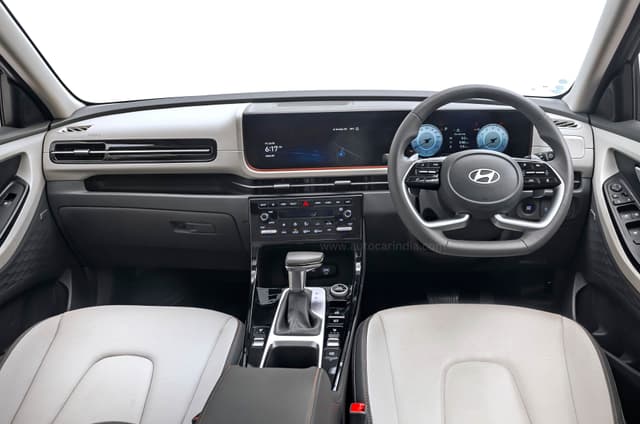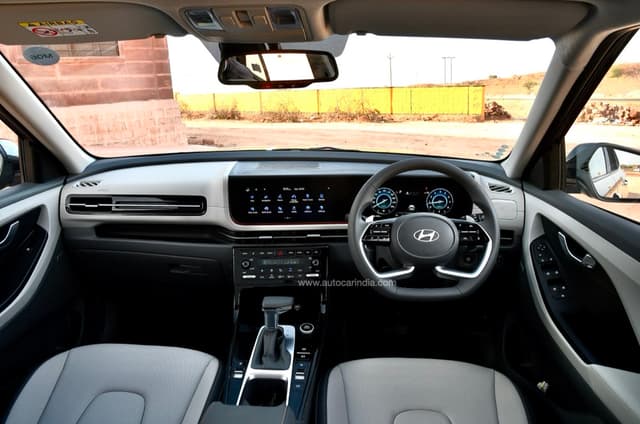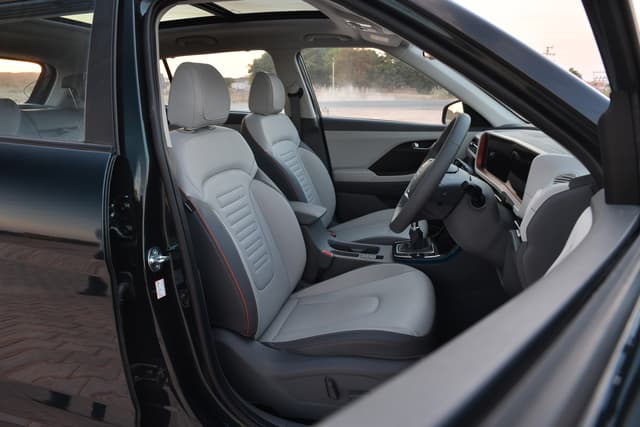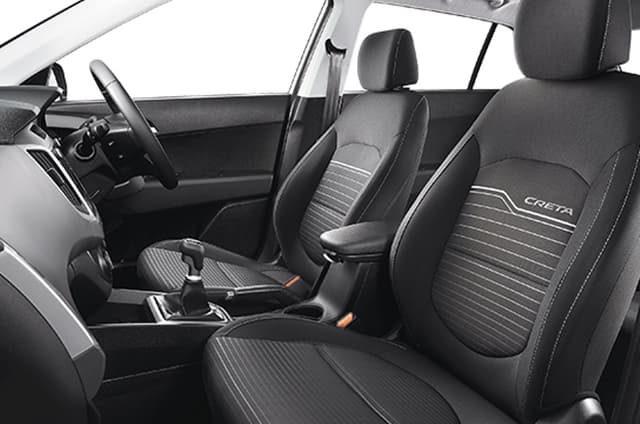
Tirupati Hyundai - Makrand Nagar
Auto Centre, GT Road, Makrand Nagar, Kannauj, Uttar Pradesh 209726

Last Updated on: 23 Jun 2026
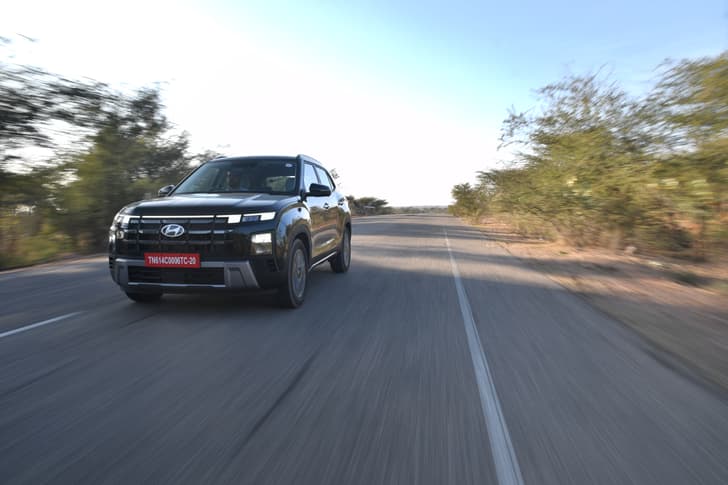
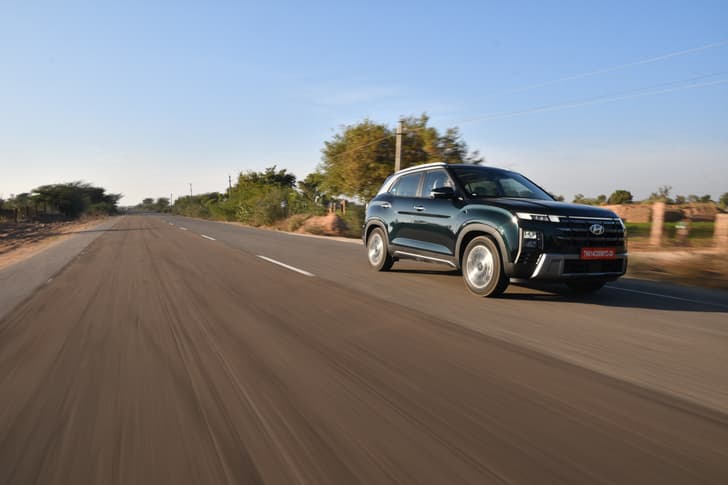
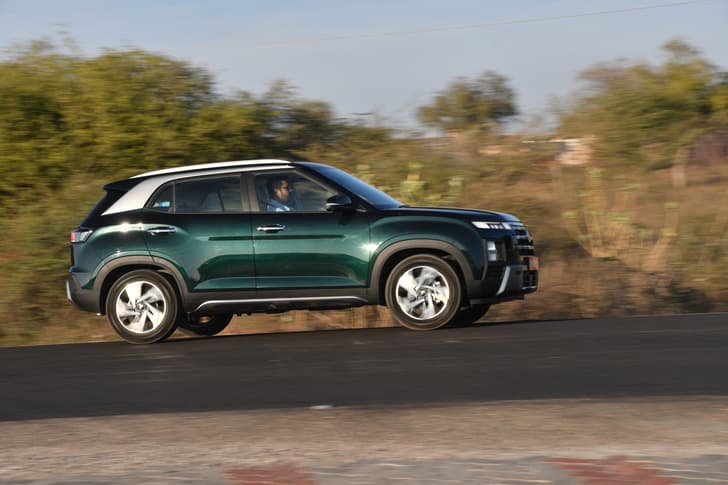
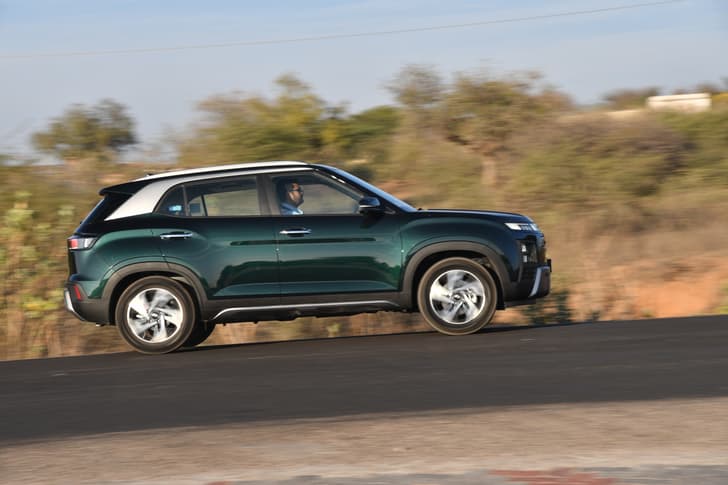
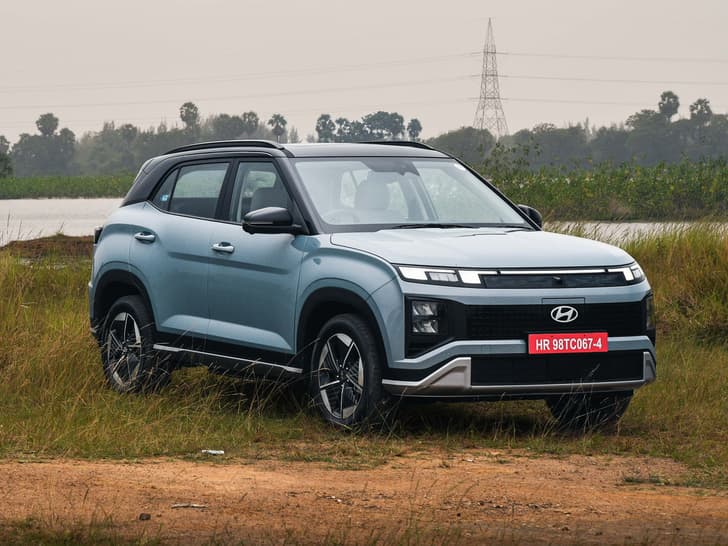
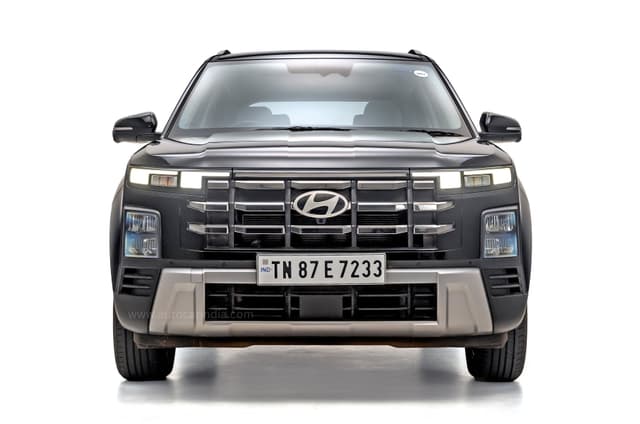
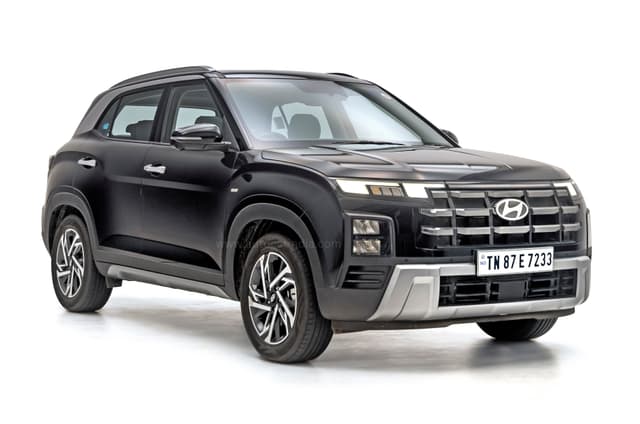
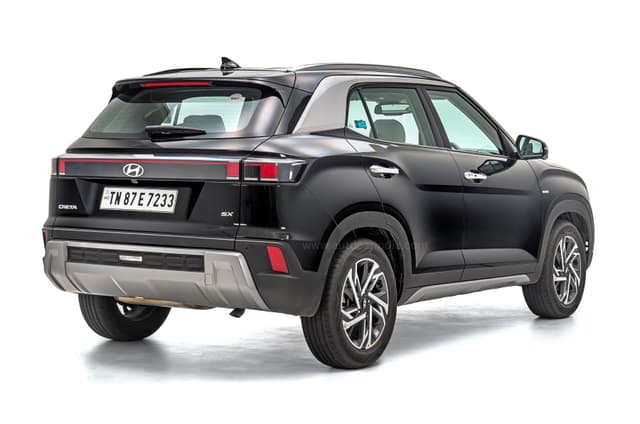
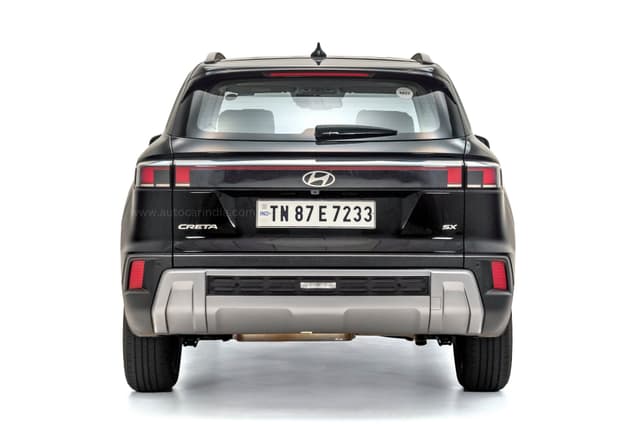
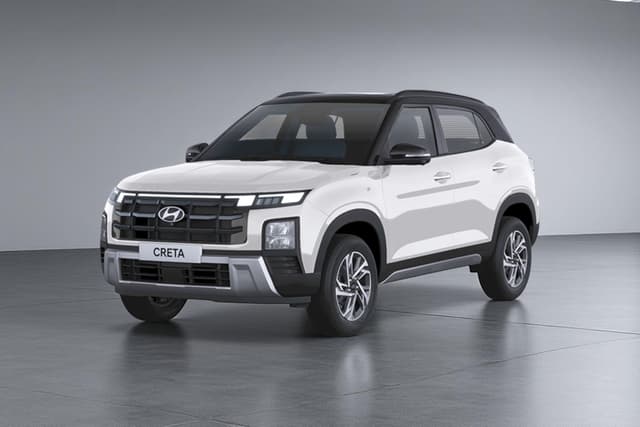
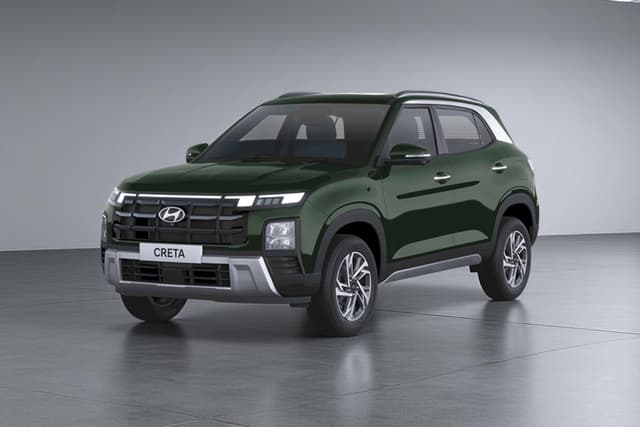
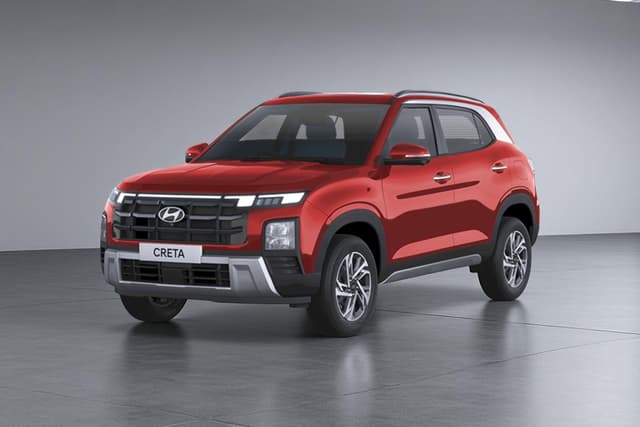
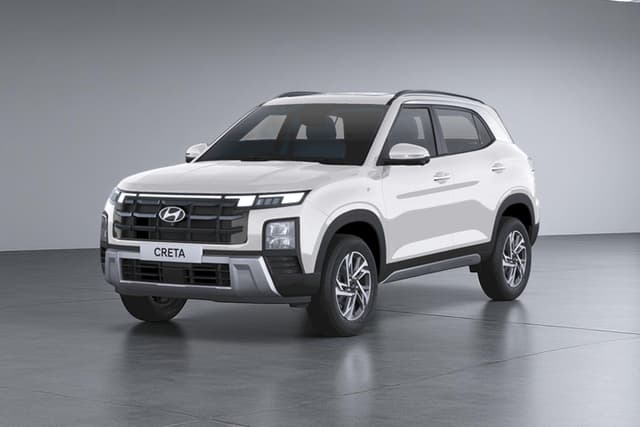
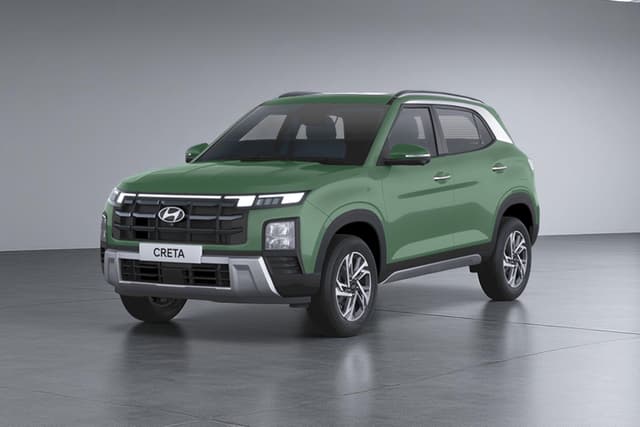
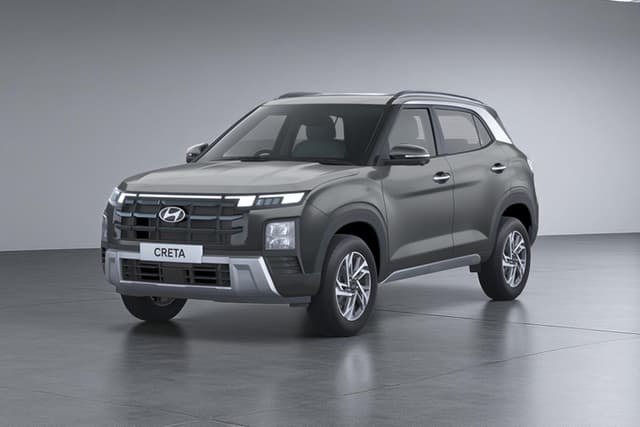
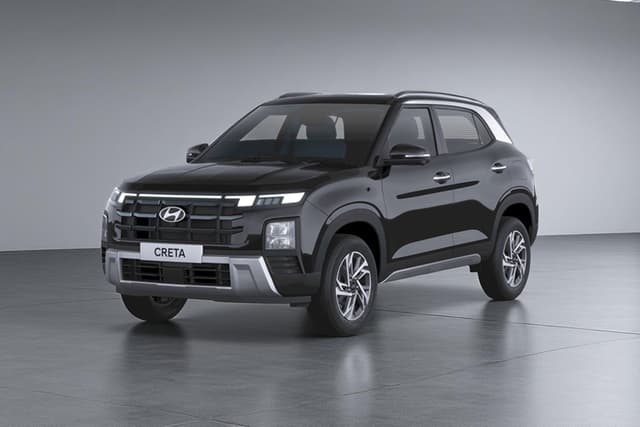
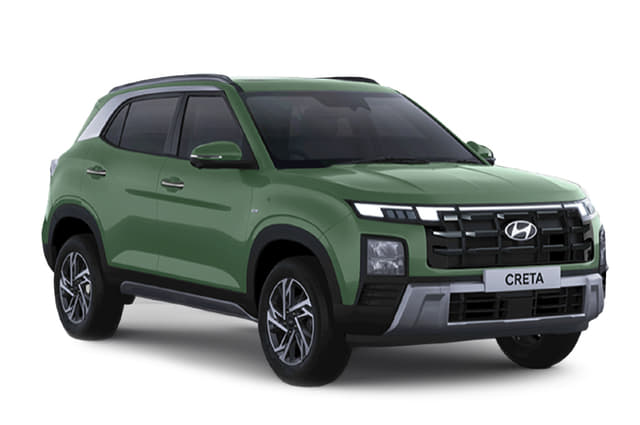
Hyundai Creta price in Kannauj
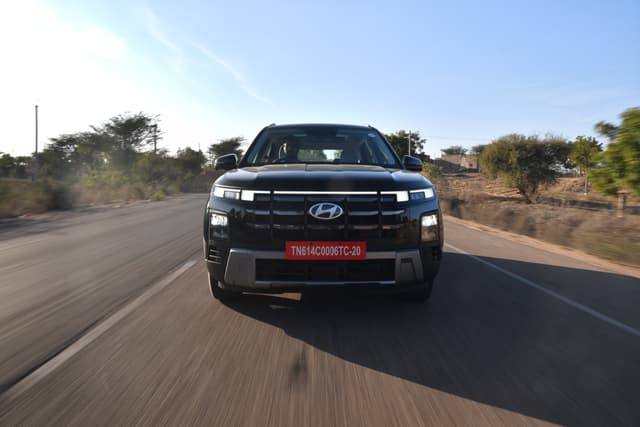
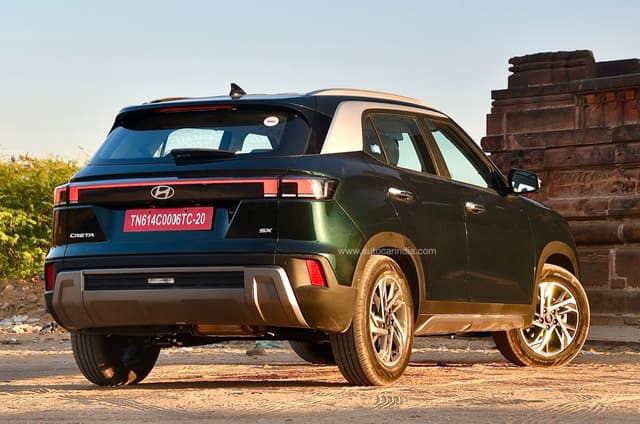
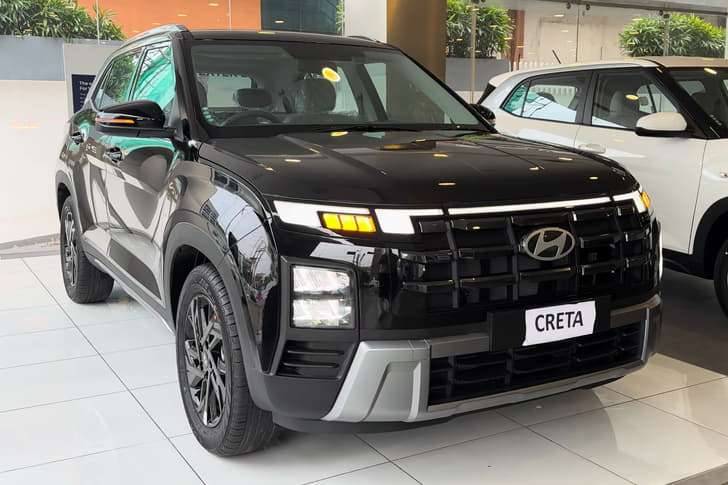
The Creta on road price in Kannauj ranges from Rs 12.44 lakh for the base model to Rs 23.24 lakh for the top variant (including all taxes, RTO fees, and insurance). In comparison, the ex-showroom prices of Creta in Kannauj are between Rs 10.91 lakh and Rs 20.11 lakh.
* Estimated on-road price. Final amount may vary.
Download the complete brochure with specs, features, and variants.
Planning to buy Creta? Here are a few dealers in Kannauj
Auto Centre, GT Road, Makrand Nagar, Kannauj, Uttar Pradesh 209726





The Rs 19.78 lakh-Creta King carries a premium of Rs 4.13 lakh over the Rs 15.65 lakh Venue HX10.
The sportier Creta N Line N10 costs just Rs 4,000 extra than the Rs 19.91 lakh Creta King DCT.
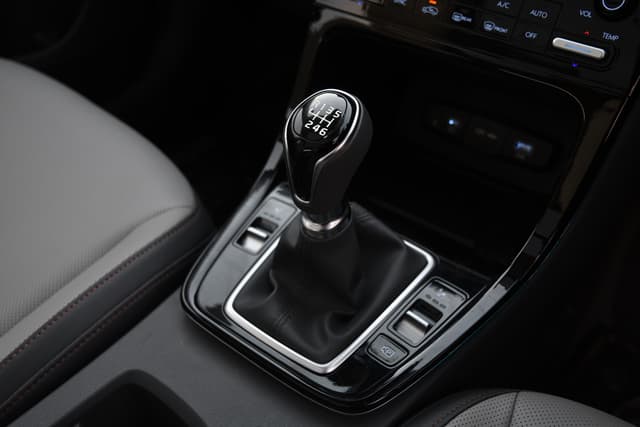
The Hyundai Creta N Line N10 1.5-litre turbo-petrol manual variant is the one to go for. Notably, the standard Creta does offer this engine option, but only with a dual-clutch automatic.
The Rs 12.53 lakh Creta E diesel carries a premium of Rs 1.62 lakh over the Rs 10.91 lakh petrol model.
The Rs 19.95 lakh-Creta N Line N10 dual-clutch automatic version carries a premium of Rs 92,000 over its Rs 19.03 lakh manual equivalent.
Is buying a new Creta N line worth it?
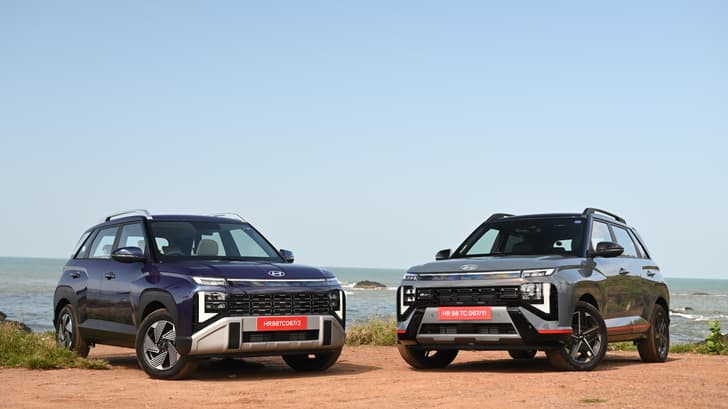
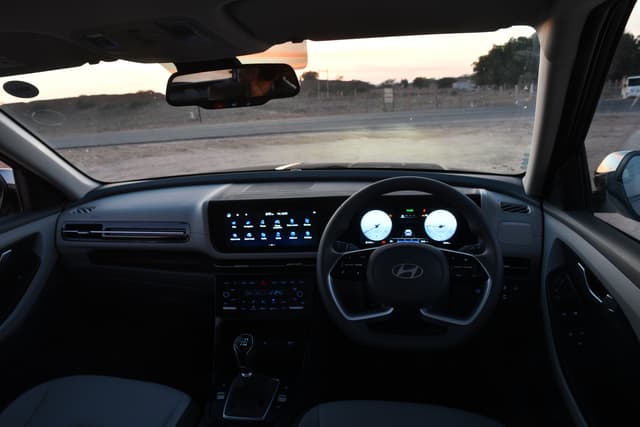
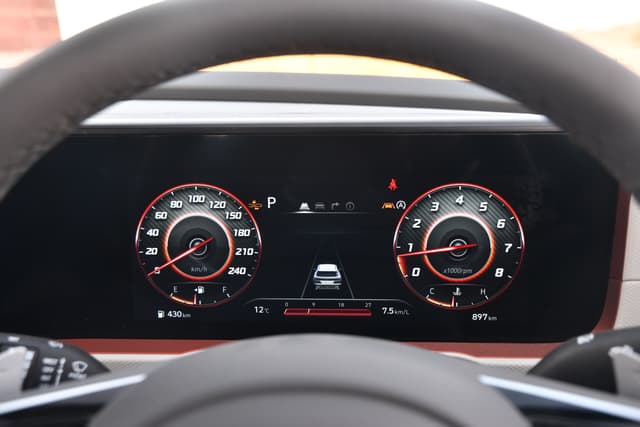
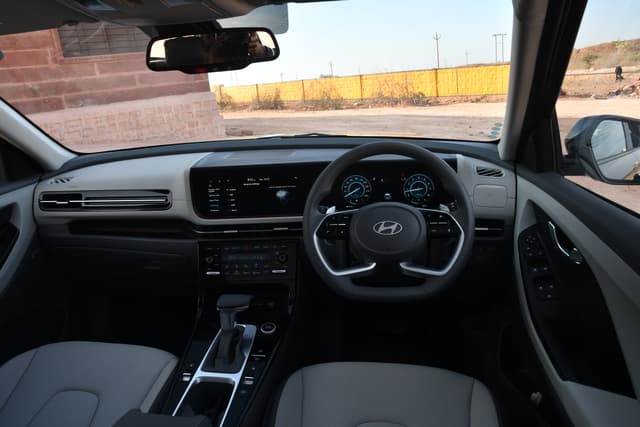
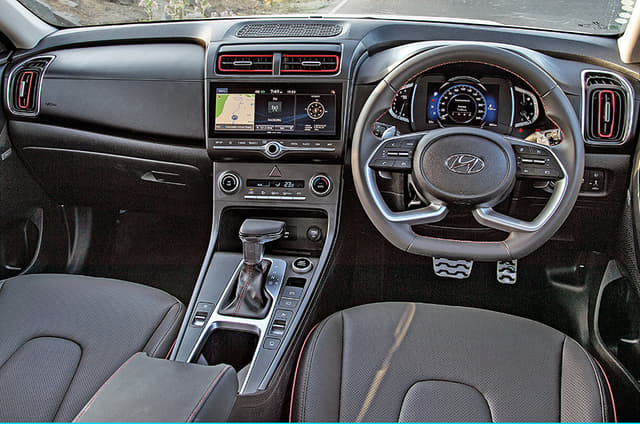
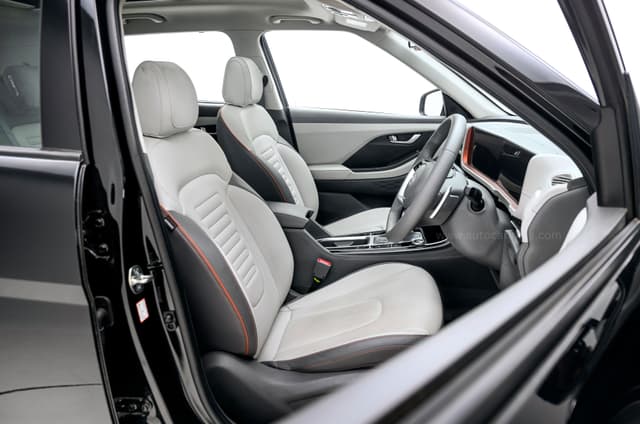
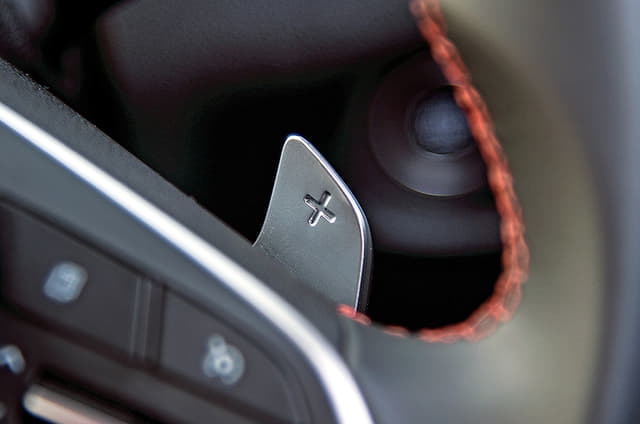
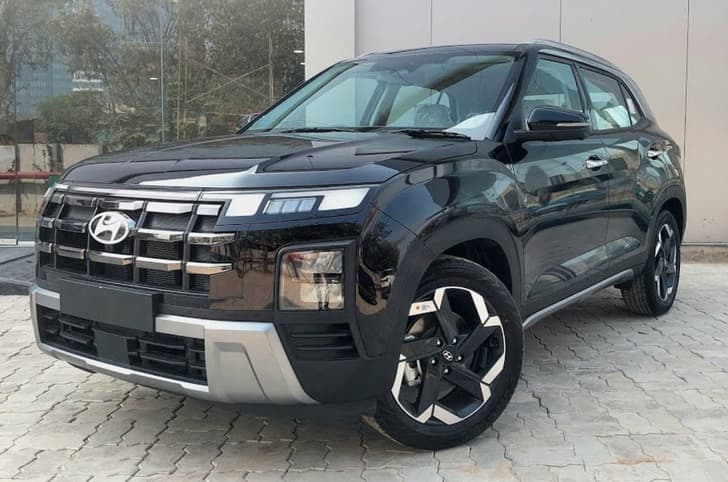
The Hyundai Creta N Line is a sportier-looking derivative of the Creta. It gets revised front-end styling, red detailing, larger 18-inch wheels, a rear spoiler and dual tip exhausts on the outside. The interior gets an all-black look with red detailing, which does give the cabin a sporty flavour. Unique to the Creta N Line is the option of a manual gearbox with the turbo-petrol engine. The steering has also been redone for more weight.The larger wheels and tweaks to the steering do make the Creta N Line feel slightly sportier to drive. However, the dual tip exhausts sound no different to the standard Creta's, and that's a downer. Further, the move to larger wheels comes with a firmer ride, which can get uncomfortable. Also, the 6-speed manual gearbox isn't the slickest or most enjoyable. We'd stick to the DCT.In a nutshell, while the N Line does look distinctive and attractive, it isn't the best Creta you can buy. The standard model feels comfier, and its lower price also makes it a better deal. If you want an enjoyable driving experience above all else, the Skoda Kushaq 1.5 TSI DSG or VW Taigun 1.5 TSI DSG will satisfy you more.
Hi, Is it ok to buy the Creta Non-Turbo IVT now, or should I wait for the facelift? I use a car for both city and highways. I'm also a little scared of the Ethnol confusion now.
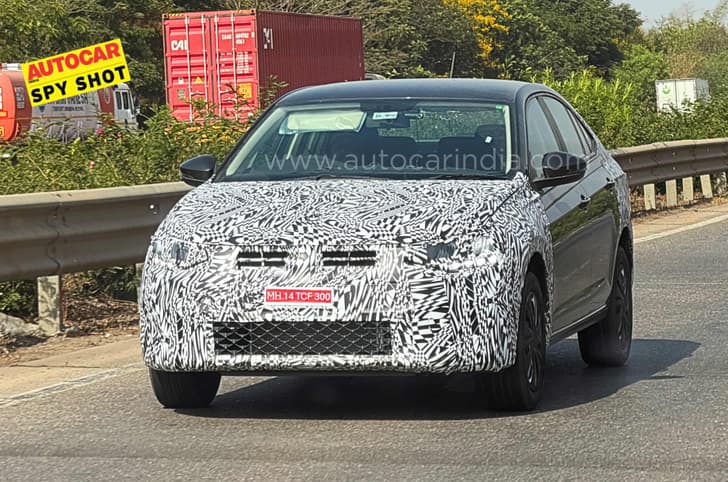
The Hyundai Creta 1.5 IVT is a great buy and is our pick of the Creta range. Its smooth gearbox and refined engine are highlights. You'll appreciate the seamless performance in town, and the power is fair for highway use too.The all-new Creta is due in the coming months and promises to be larger, more refined and more tech-laden. If these are key considerations for you, it might be worth your while to wait for the new Creta. Otherwise, there's a good opportunity to haggle on a current Creta IVT and get a good price. About the ethanol worry, the Creta is built for E20 fuel and should support higher blends of ethanol (such as E30) without any undue wear and damage. Do note, the manufacturer has not given any official communication on this.
Hello autocar team, I am looking to buy a new car and currently drive a Ford EcoSport Automatic. I am planning to purchase the Hyundai Verna. Would it be a wise decision to buy a sedan in 2026, considering current market trends and ownership requirements?
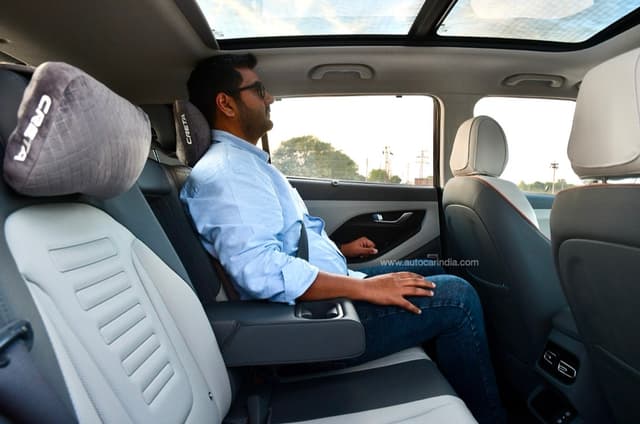
Coming from a Ford EcoSport Automatic, the Verna will feel like a significant upgrade in terms of refinement, comfort, space and overall quality. One of its biggest strengths is that it shares its 1.5-litre naturally aspirated petrol and 1.5-litre turbo-petrol engines with the Creta, so you're not missing out on performance by choosing the sedan. In fact, the Verna is every bit as spacious as the Creta, offers a more comfortable ride and is generally more enjoyable to drive on highways.The Verna also feels more premium inside, with a higher-quality cabin, better fit and finish and a feature-rich interior. Despite offering all of this, it is often more affordable than an equivalent Creta, which makes it excellent value for money.The only caveat is that you will have to be a little more mindful of rough roads and steep ramps compared to an SUV. However, if your driving is predominantly on good roads, this is a small compromise.
My current vehicle is a Maruti Suzuki Baleno. I am a first-time SUV buyer, and my budget is Rs. 20 lakh. I am looking for a petrol automatic SUV. My usage is primarily within the city, with daily driving of around 70 km, and I do not take long-distance trips very frequently. I would also like an SUV that offers a good driving experience, plenty of features, strong safety, good stability in both city and highway conditions, reliability, and a proven track record. Considering my requirements, which petrol automatic SUV would you recommend?
Go for the Kia Seltos 1.5 petrol automatic, because it balances daily city ease with real highway stability and has a strong safety rating. For 70 km of mostly city use, its smooth IVT and light controls make it stress free, yet it does not feel floaty at speed. The latest Seltos has 5-star crash safety, six airbags on the right trim, and the braking and body control inspire confidence, which matters on highway runs. It also packs the useful stuff you will actually use every day - good cameras and sensors, a crisp screen, wireless charging, ventilated seats on higher trims - and Kia’s network and reliability record are solid now, so ownership is simple.Expect around 11-12 kpl in typical city traffic if you drive calmly, which is fair for the size. The ride is a touch firm at low speed, so sharp bumps are felt more than in a Creta, but it pays you back with better control when you go faster. Coming from a Baleno, the Seltos isn’t intimidating to park or thread through traffic, yet feels like a proper upgrade.
I am confused between the Creta SX Premium and the New Seltos HTK (O) model, both in petrol. Kindly suggest which is better?
Go for the Hyundai Creta SX (Premium) petrol. You’re getting a higher trim for similar money, with more everyday comfort and an easier ride for family and city use. Both cars use the same 1.5 petrol, so performance and mileage feel near identical, but the Creta’s suspension is softer, and the rear seat is kinder on longer runs.At this price point, the Seltos HTK(O) is a mid variant, so you miss a lot of the nice-to-have kit that makes living with it feel special. In the Creta SX, you step up to more features and better cabin convenience, which you will notice every single day.However, the Seltos is bigger, and its cabin is richer. It's a newer model too and has a more premium feel, but for most first-time buyers who just want a smooth, comfy petrol SUV that feels complete out of the box, the Creta SX (Premium) is the smarter pick.
I am comparing the Hyundai Creta King petrol IVT, Kia Seltos petrol GTX A IVT and Tata Sierra petrol accomplished turbo. The car will be required for long ownership, expected annual mileage of around 8-10000 kilometres with almost 70-80% in Delhi NCR limits. Please suggest which one is a better option.
The Kia Seltos GTX+ IVT would be the recommendation here. Given your annual running of 8,000-10,000km and predominantly city-based usage in Delhi NCR, a naturally aspirated petrol automatic is the right choice. That's why we'd suggest narrowing your decision down to the Creta IVT and Seltos IVT, rather than the Tata Sierra Turbo AT. While the Sierra is an impressive package, the turbo-petrol powertrain is likely to be less efficient and more expensive to run over the long term than the Hyundai-Kia 1.5-litre naturally aspirated petrol.Between the Creta and Seltos, the nod goes to the Seltos. It is the newer product, feels more premium inside, offers a slightly more spacious cabin and remains one of the most feature-rich SUVs in the segment. Ride comfort is also very good, and the IVT automatic is exceptionally well-suited to urban driving.Another factor worth considering is that the next-generation Creta is expected within the next year or so, whereas the Seltos has a longer lifecycle ahead of it, making it the safer long-term bet.
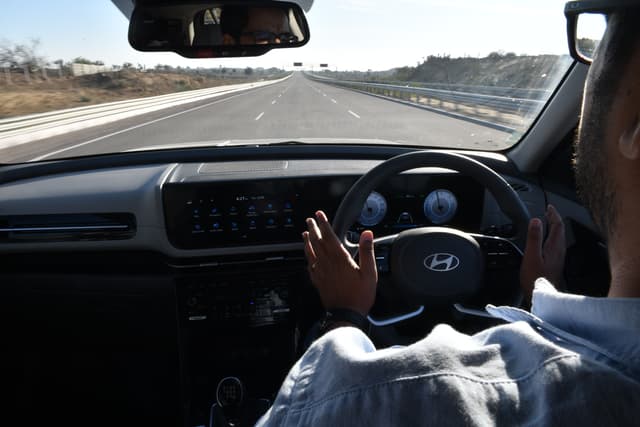
Which car is the better choice under Rs. 15 lakh: the Maruti Suzuki Brezza or the Hyundai Creta?
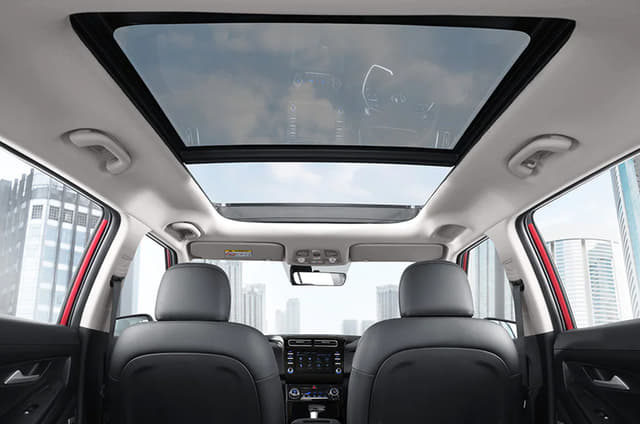
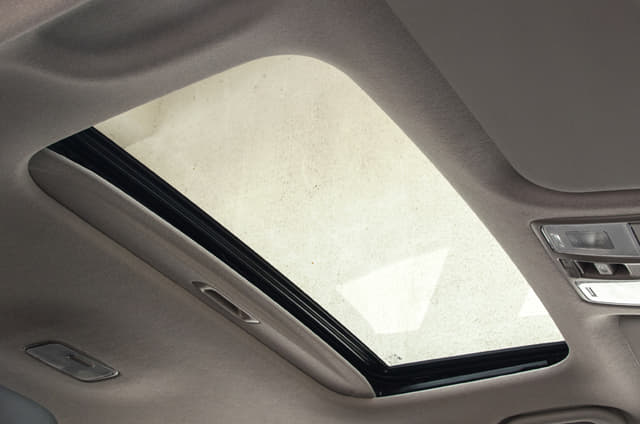
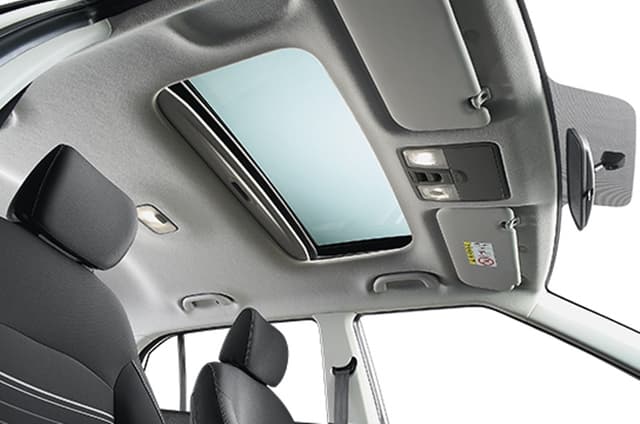
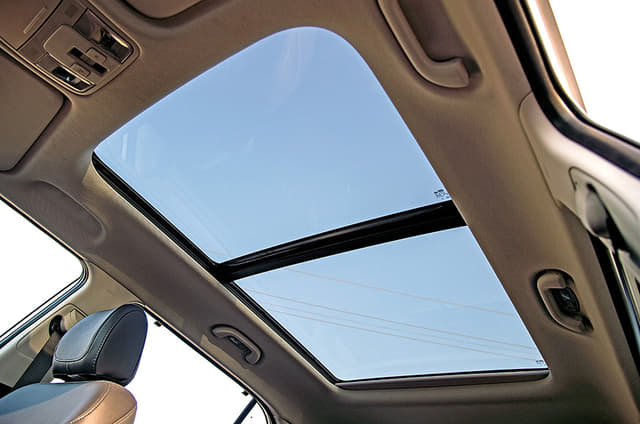
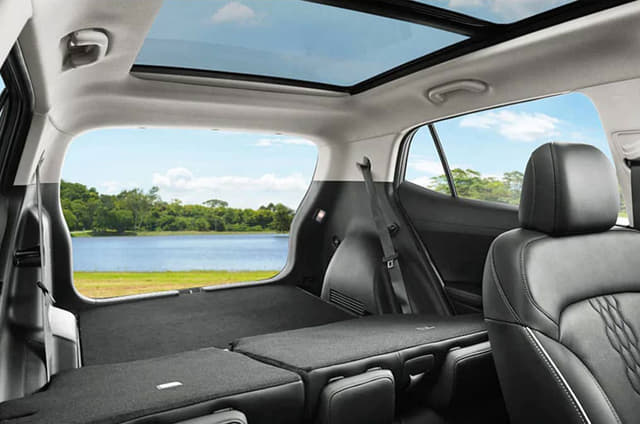
It depends on what you are looking for from the vehicle. If you want a larger car with a bigger boot, get the Hyundai Creta, which is in a segment above the Brezza. However, note that you will only get the low-spec EX and EX(O) variants with the 1.5-litre naturally aspirated petrol engine and manual gearbox in your budget. While you can get a panoramic sunroof in the EX(O), the rest of the features are very basic. Meanwhile, in the Maruti Suzuki Brezza is available in fully loaded ZXi+ guise comfortably within your budget. You get far more features than the Creta in this budget, including auto climate control, a heads-up display, split-folding rear seats, LED headlamps, rear washer-wiper, keyless entry and go, wireless Apple Carplay and Android Auto, and more. What's more, you can get an automatic gearbox with the Brezza within your budget, which adds hugely to convenience. The cabin and boot space are also not too much less than the Creta, and the mileage will be much higher.
I have been using a Hyundai Creta Diesel since 2017 and have driven it for almost 2 lakh km. I am now planning to upgrade my vehicle. Would the Mahindra XUV 7X0 base diesel variant be a good choice for my requirements?
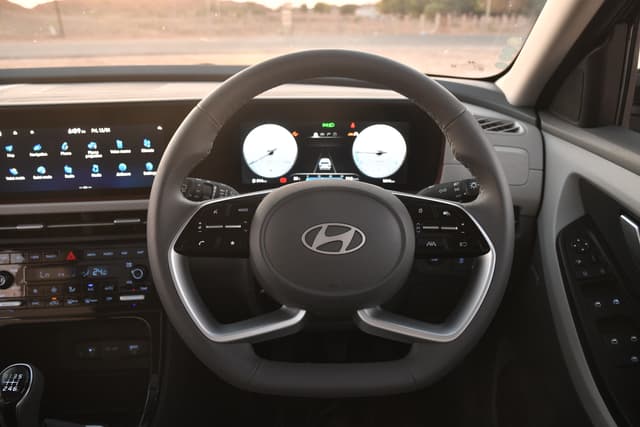
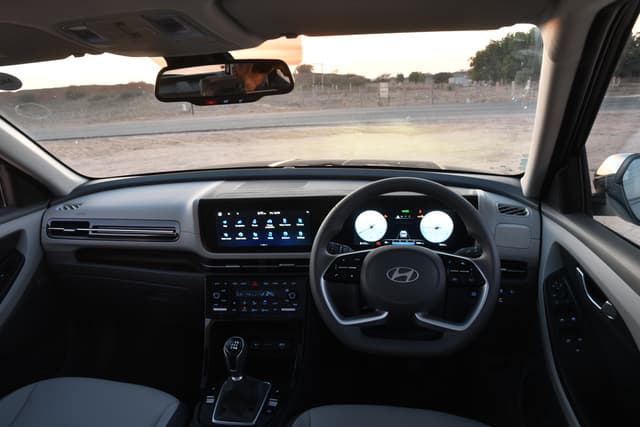
Yes, the XUV 7XO base diesel is a solid upgrade from your 2017 Creta if you do long highway runs. The 2.2 diesel pulls stronger, sits at cruise with less effort, and the bigger, heavier Mahindra car feels more settled at speed and over broken roads. You also get a roomier cabin and boot, which helps on long trips with family and luggage.Be ready for a few compromises. It is a big SUV, so parking in tight city spots takes getting used to, and the diesel manual’s clutch can feel heavier than your Creta’s in traffic. Expect slightly lower kpl than your old 1.6 diesel.Overall, the XUV 7XO AX is a strong choice.
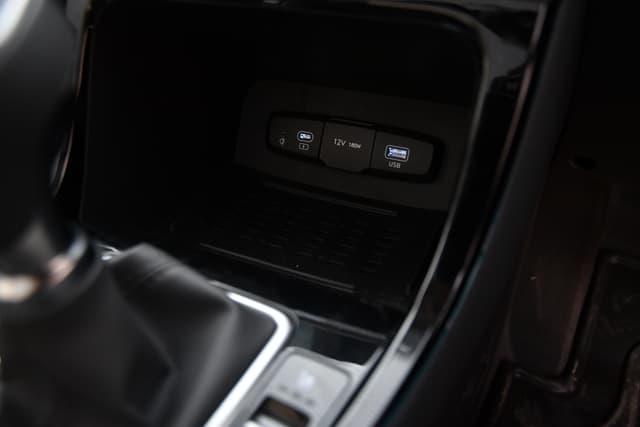
I am looking for an SUV under company car policy with a maximum budget of Rs. 18 lakhs (ex-showroom) including insurance. On-road price is secondary. I already have two Honda City and am now looking for a petrol automatic SUV for daily commute to office and highway trips once in 3 months. I want a car that is reliable and a proper SUV. I am not looking for a compact SUV.
Pick the Hyundai Creta 1.5 petrol automatic. It meets your requirements, the mid variant will fit under your budget and it feels like a proper midsize SUV with the space, ground clearance and comfort that you won’t get in the sub-4m segment. In daily office runs, the smooth CVT automatic and light controls will make driving in traffic easy, its visibility is good. In addition, Hyundai’s service reach keeps life simple for a company car. For once-in-3-month highway trips, it cruises calmly on the highway, rides comfortably, has a big boot for bags, and the cabin is roomy enough too.It's worth noting though that the 1.5 petrol is more about smoothness than speed, so with five people and luggage you might want more performance. Also, the fanciest features sit in the top-spec versions. But for reliability, ease of use, and total ownership peace of mind, this is the balanced choice.
I am planning to buy a Hyundai Creta Automatic in 2026. I am not interested in the upcoming version, as I do not like its design. However, I am confused between the petrol and diesel variants because of the government's future fuel-blending policies, such as E30, and the uncertain long-term future of diesel vehicles. At the same time, I feel diesel is unlikely to disappear completely, given its widespread use in commercial vehicles and trucks. I live in a Tier-2 city and occasionally travel to Bengaluru and Pune. I am also concerned about whether E30 fuel could cause any issues for vehicles that are only E20-compliant. Ideally, I feel the government should continue offering E20 as a standard fuel option. Considering these factors, would you recommend the petrol or diesel Creta Automatic? Kindly guide me.
About E30, using it in an E20‑compliant car is not advised but the harm will be a drop in mileage rather than major material compliance issues. Most manufacturers have material compliance for blends in the higher 20's now mainly due to the fact that this is the case in international markets (like Brazil e27) and it makes little sense to develop a separate material standard for India. Thus, pick the Creta petrol automatic, because your life is mostly tier 2 city runs with only occasional Bangalore or Pune trips, and petrol avoids the DPF fuss that modern diesels can throw up in short, stop‑go use. It is already E20 compatible, so you’re aligned with current fuel, and the petrol is quieter and smoother in traffic.Go diesel only if you drive a lot every month and do long drives of about 20 to 30 minutes and with speeds above 50 to 60kph at least once in two weeks, where the DPF will get a chance to heat up and burn off the soot.