Hyundai Bayon
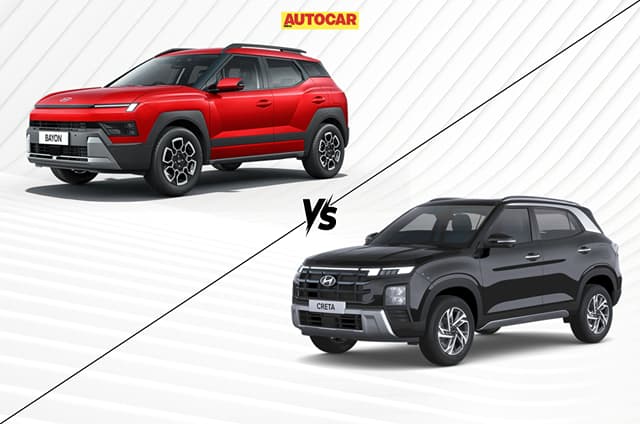
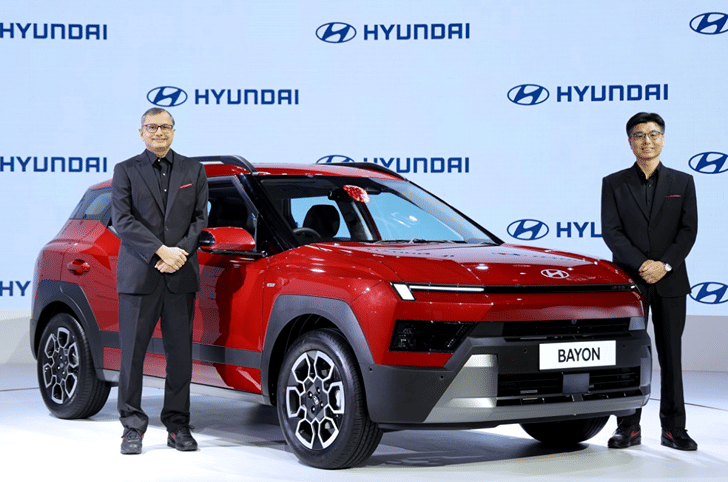
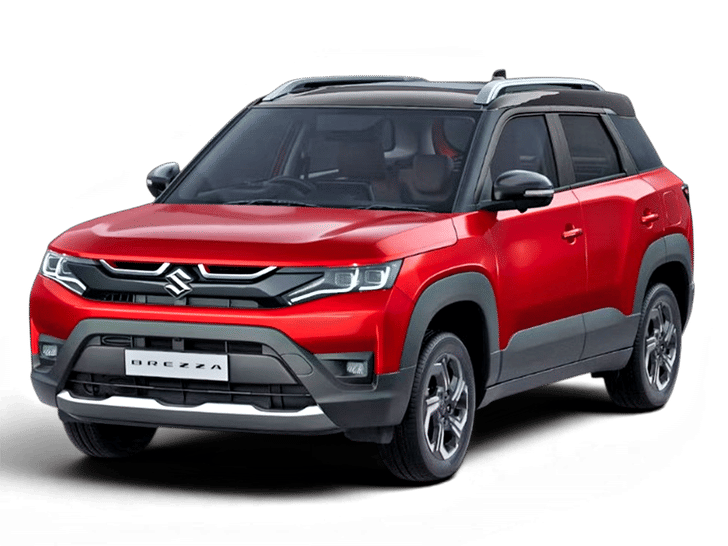
Hyundai launched the Hyundai Bayon in India on 26 October 2026 at Rs 10 lakh (ex-showroom). It slots below the Creta in Hyundai’s mid-size SUV line-up, a strategy similar to Maruti’s Victoris sitting under the Grand Vitara. At 4.2 metres, it is slightly shorter than the 4.3-metre Creta. It rivals the Maruti Suzuki Victoris and Grand Vitara, Kia Seltos, Tata Sierra, Honda Elevate, Skoda Kushaq, Volkswagen Taigun and MG Astor.
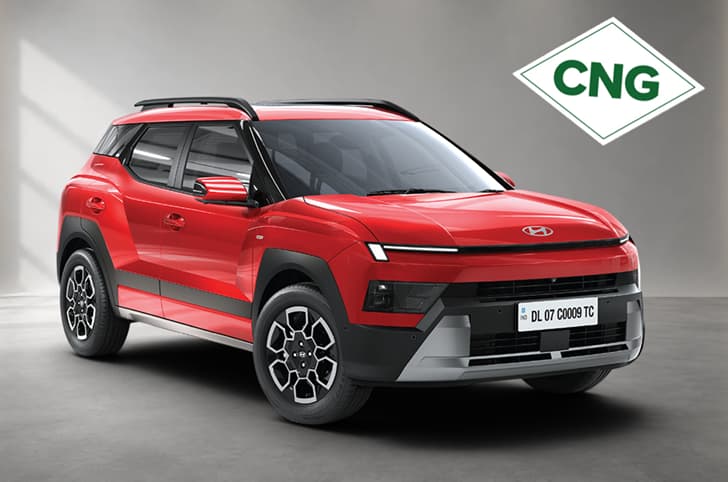
The Bayon is built at Hyundai’s Chennai plant in both left- and right-hand drive for export to more than 50 countries. It rides on the Global K enhanced platform, which Hyundai says is engineered for 5-star Indian crash test standards. Bharat NCAP results are expected by the end of this year. It is petrol-only at launch, with a CNG version due in January 2027.
Bayon Key Features
Here is what you get on the Bayon.
Category | Key Features |
|---|---|
Engine and gearbox |
|
Design |
|
Comfort and convenience |
|
Screens and audio |
|
Connected tech |
|
Safety |
|
Practicality |
|
Bayon Highlights
What stands out
- A talking cabin. Instead of relying only on fixed commands, the generative AI assistant (Perplexity intelligence, SoundHound voice AI, “Hey Hyundai”) understands conversational requests. It can plan a trip, suggest restaurants and share weather, news and sports updates. It works in English only. The embedded commands work in Hindi, English, Hinglish, Bengali, Tamil and Telugu, and the screens support 10 regional languages plus English and Korean.
- Dash Boost. On the iVT, this mode gives an instant power boost when you press hard on the accelerator, which helps while overtaking. Sporty drive tech adds a firmer shift feel from 70% pedal travel in Normal mode and from 50% in Sport mode.
- Physical controls. Despite the dual screens, the cabin has a band of shortcut buttons under the touchscreen, a vertical HVAC panel, steering wheel controls and haptic buttons on the centre console. The interior looks very similar to the Brazil-spec i20.
- ADAS limits. Highway Driving Assist and navigation-based cruise control work only on designated expressways, and ADAS does not replace attentive driving.
Who should buy the Bayon?
The Bayon is best suited to buyers who want a modern, feature-rich SUV with a spacious cabin and strong safety equipment.
Buyer type | Why it fits |
|---|---|
Buyers who find the Venue small and the Creta expensive | It sits between the two, with a 4.2-metre length, a 2,600mm wheelbase and a 505-litre boot. |
Feature-focused buyers | Ventilated seats, a panoramic sunroof, dual 12.3-inch screens, a Bose system and Level 2 ADAS are offered at a price starting around Rs 10 lakh. |
City drivers | The 5.16m turning radius, 360-degree camera and Idle Stop and Go make tight streets and traffic easier. |
Safety-conscious Buyers | Six airbags are standard on every variant, and the structure is designed to target a 5-star rating. |
Tech-first buyers | The AI voice assistant, Bluelink and OTA updates make it one of the most connected cars in its price bracket. |
Hyundai Bayon Price Details
- HX2 MT (base model): 10.00 lakh (ex-showroom)
- HX5 iVT (mid variant): 13.85 lakh (ex-showroom)
- HX10 iVT (top model): 18.00 lakh (ex-showroom)
Hyundai Bayon Latest Updates
- 26 October 2026: Hyundai Bayon launched at Rs 10 lakh; the Bayon will be positioned below the Creta in the mid-size SUV space.
- 26 October 2026: Hyundai will announce prices for the Bayon SUV today.
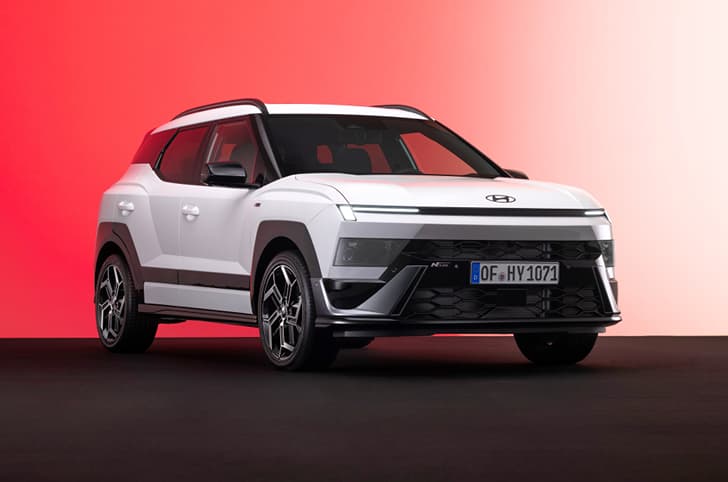
- 12 October 2026: Hyundai has showcased an N Line version of the Bayon at the Paris Motor Show 2026
- 12 October 2026: Hyundai officially revealed the Bayon in full ahead of its price announcement on October 26
- 23 September 2026: Hyundai officially commenced bookings for the Bayon
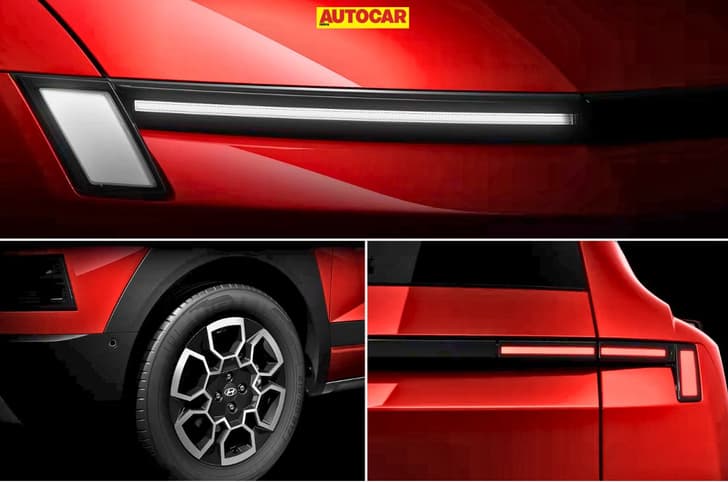
- 18 September 2026: Hyundai teases the Bayon's LED DRLs, LED taillights and 17-inch alloy wheels
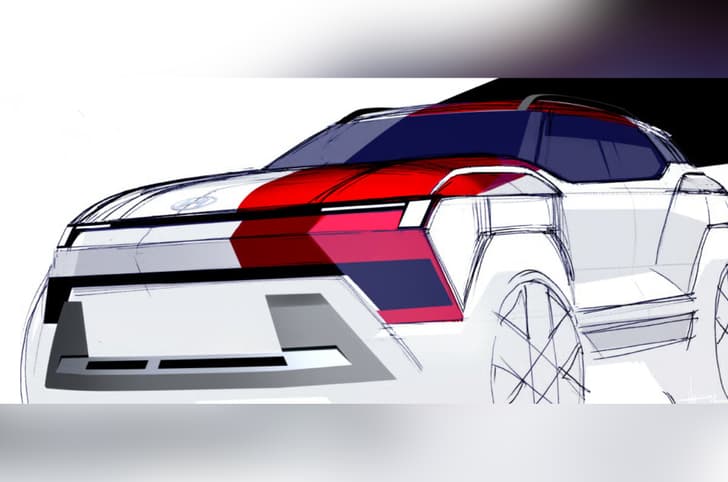
- 16 September 2026: Hyundai released the first official exterior and interior design sketches of the upcoming Bayon SUV
- 14 September 2026: Hyundai officially confirmed the name of its upcoming midsize SUV to be Bayon
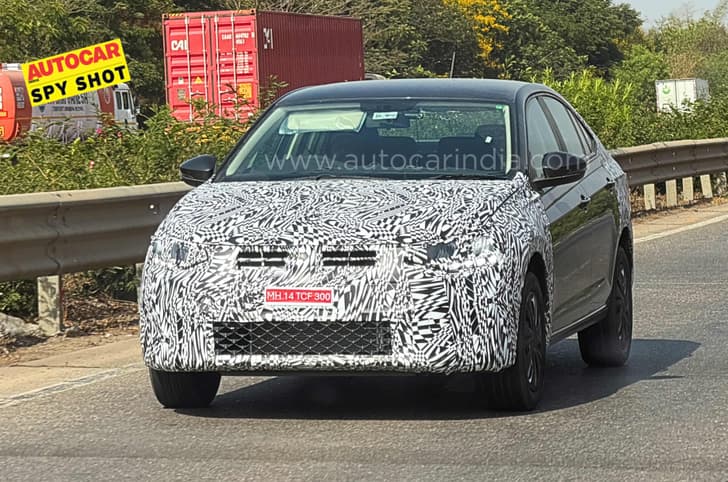
- 21 January 2026: Prototype of the India-bound Bayon-based compact SUV was first spied undergoing road tests
Bayon Specifications
18.6 kmpl
1497 cc
CNG, Petrol
Manual, CVT
5
115 hp
6
144 Nm
Bayon Highlights
6 Airbags
Fully Digital Instrument Cluster
1.5L Petrol Engine
Bose Music System
LED Headlamps
Front Only Ventilated Seats
+7
12
Hyundai Bayon price & variants
Hyundai Bayon price in India starts at 10.00 lakh for the HX2 MT and rises to 18.00 lakh for the HX10 iVT, both ex-showroom, while the on-road price in Delhi runs from 11.15 lakh to 20.88 lakh. The 12 variants cover one petrol engine and 2 gearboxes.
Which one to pick:
- The 6-speed manual suits buyers who like to control the gears themselves.
- The iVT automatic suits daily city driving and gives you paddle shifters and ride modes.
- Higher variants add features such as ventilated front seats, the panoramic sunroof, Bose audio and ADAS.
- Feature availability changes from variant to variant, so check the variant list before you decide.
- EMIs for the HX2 MT start at 16,089 a month.
Hyundai Bayon What You Need to Know
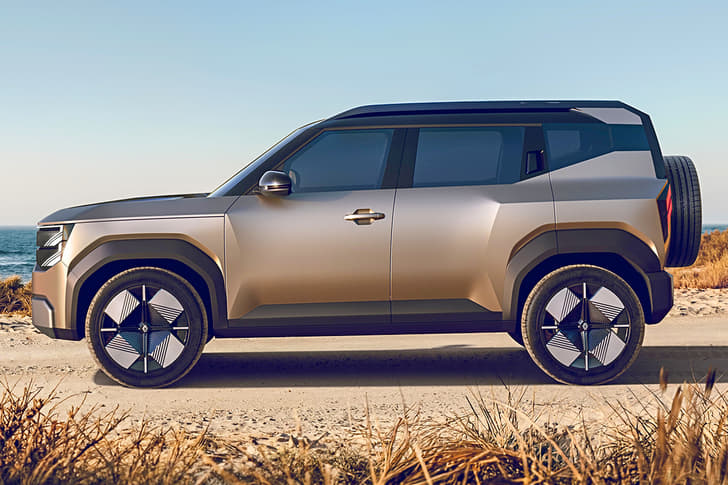
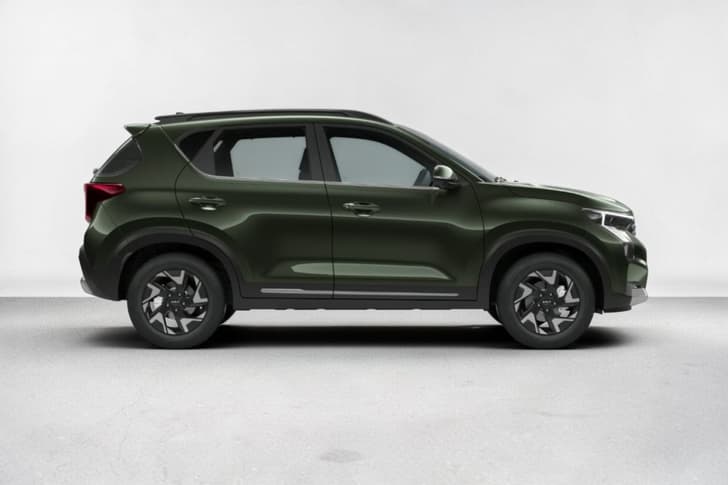
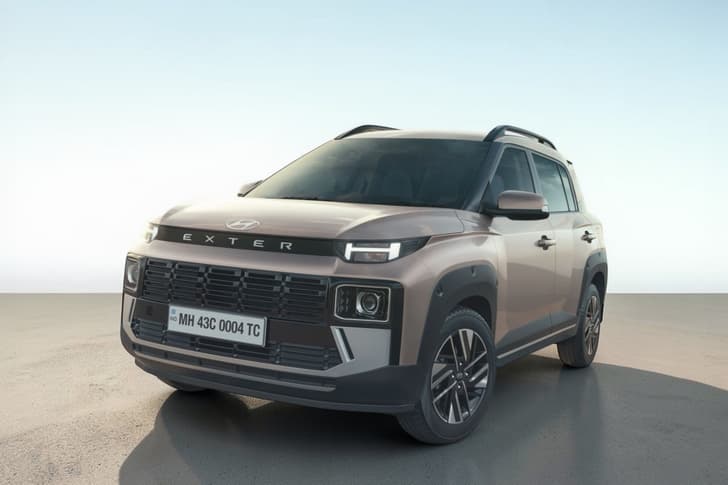
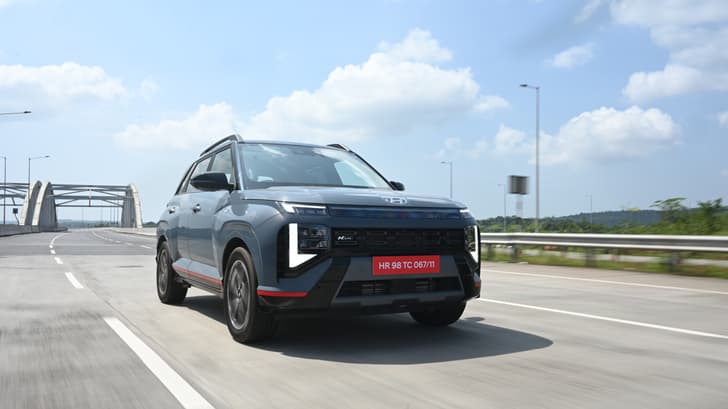
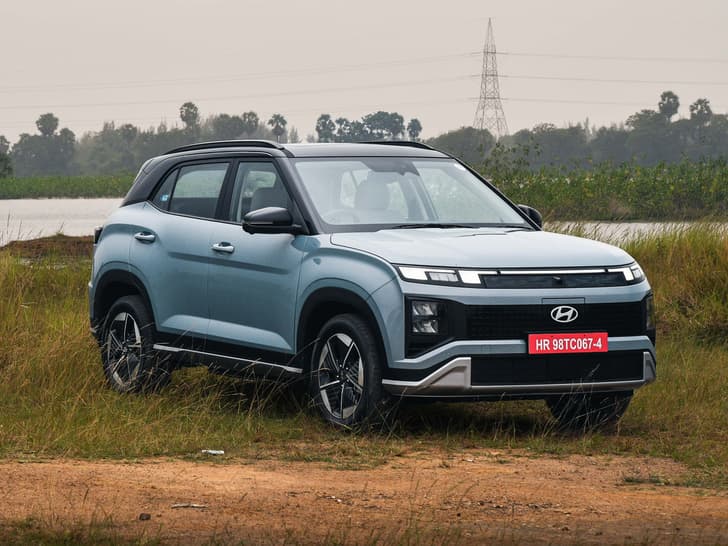
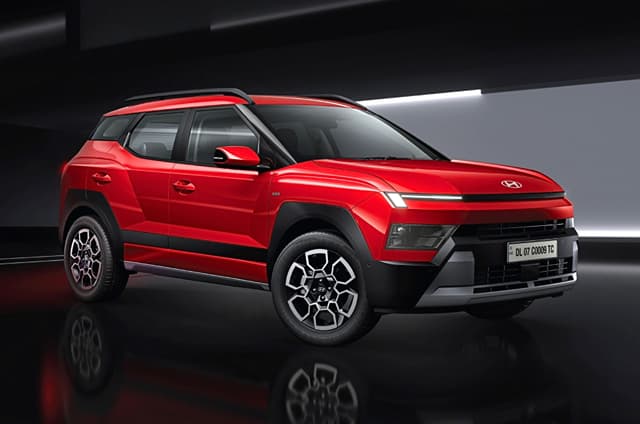
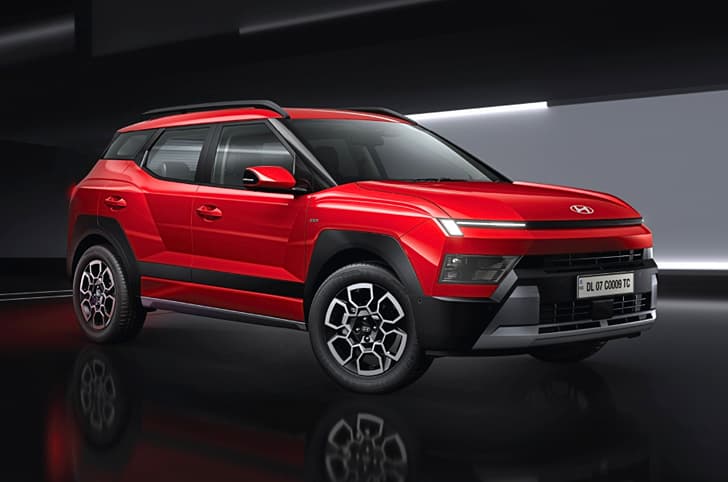
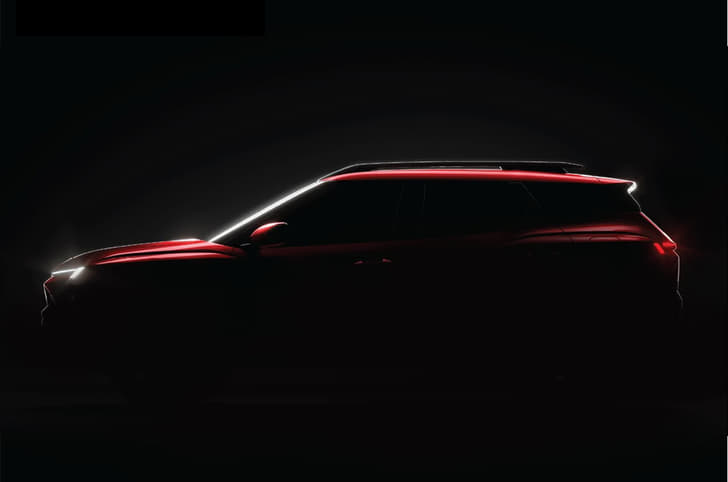
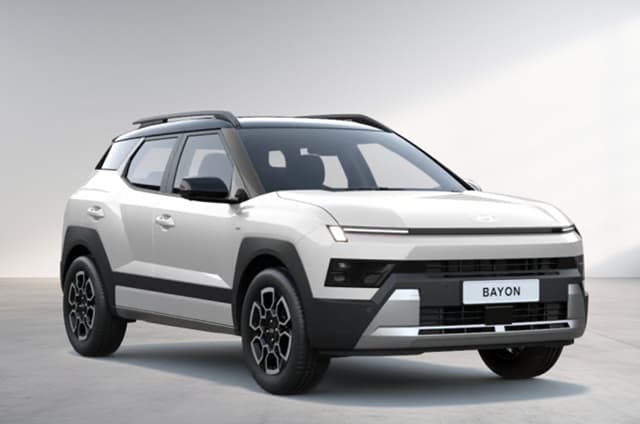
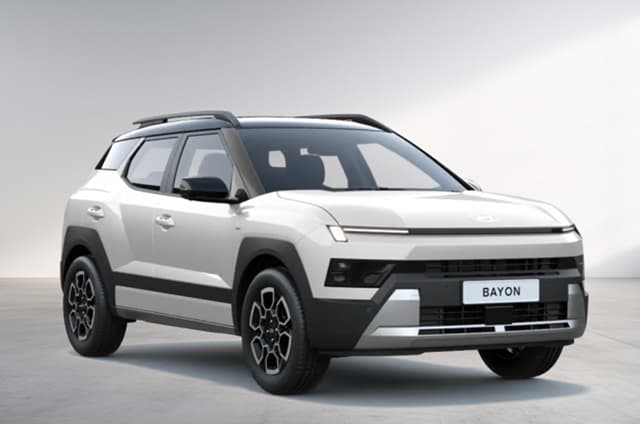
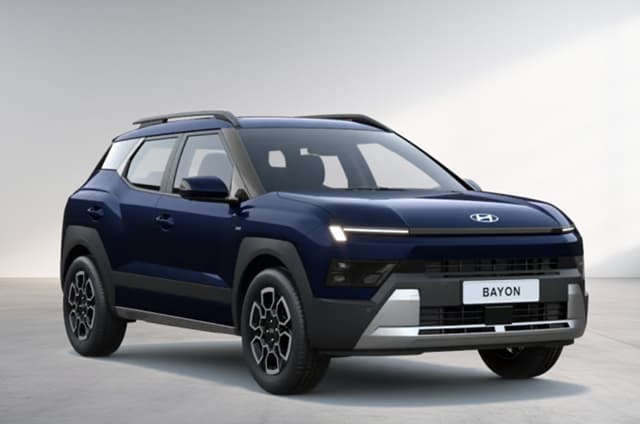
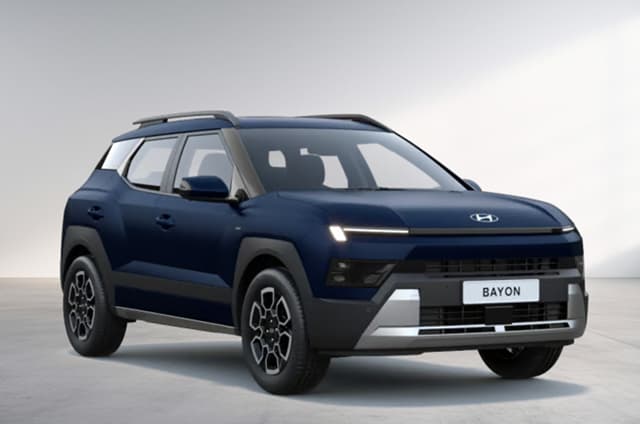
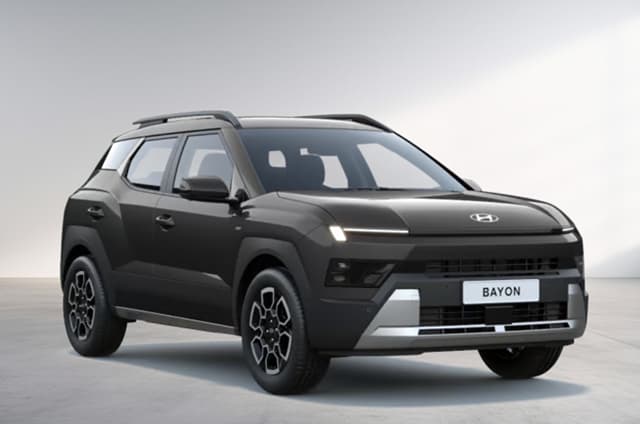
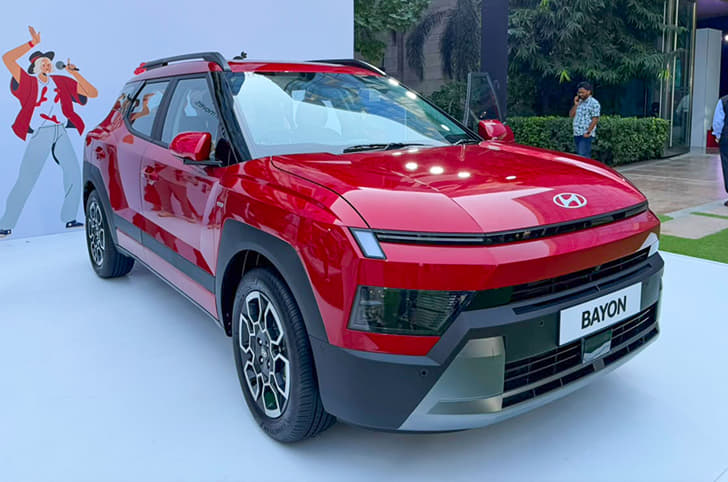
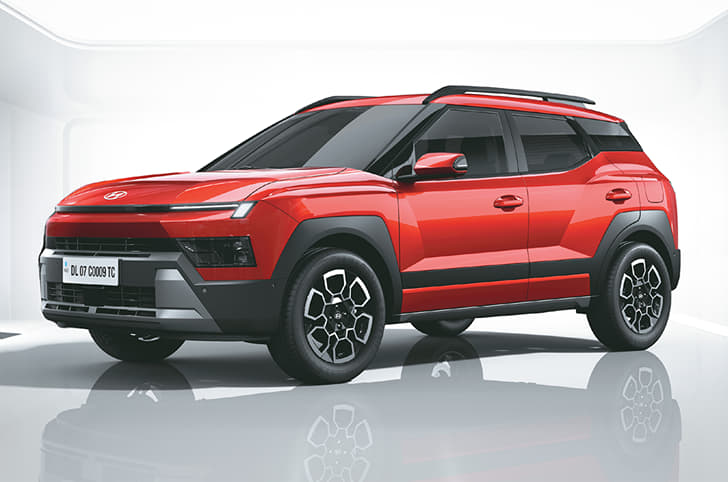
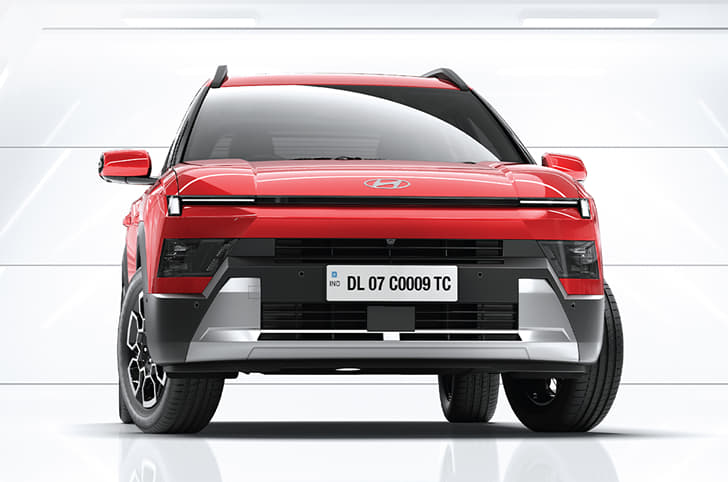
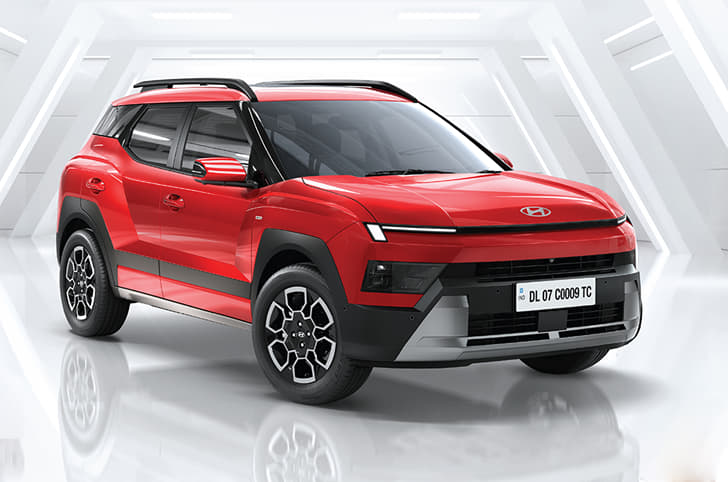
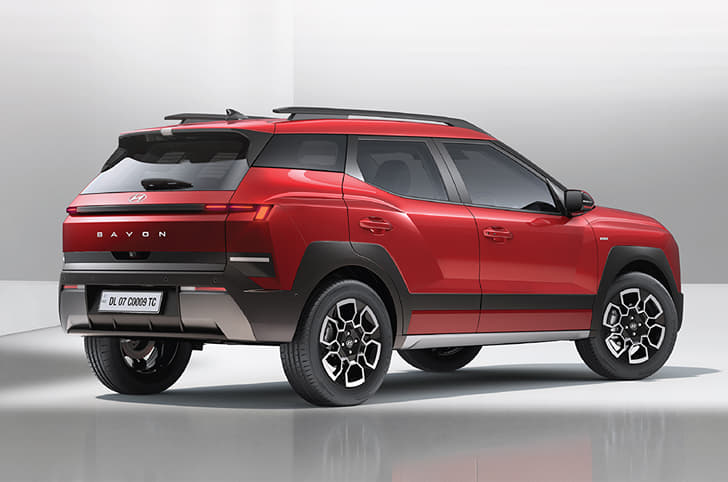
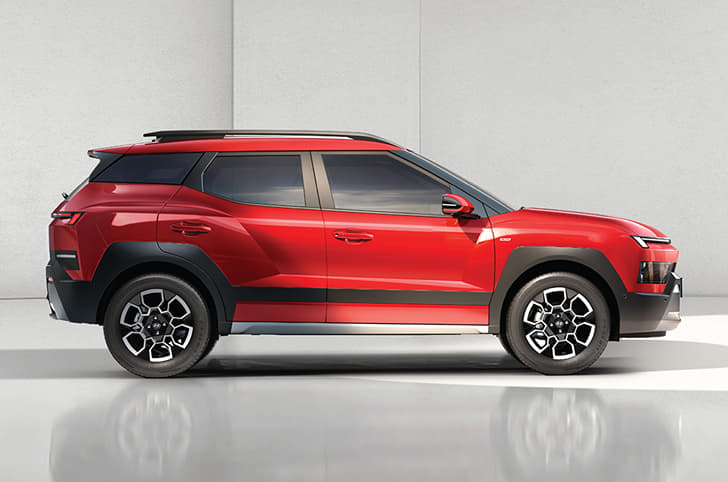
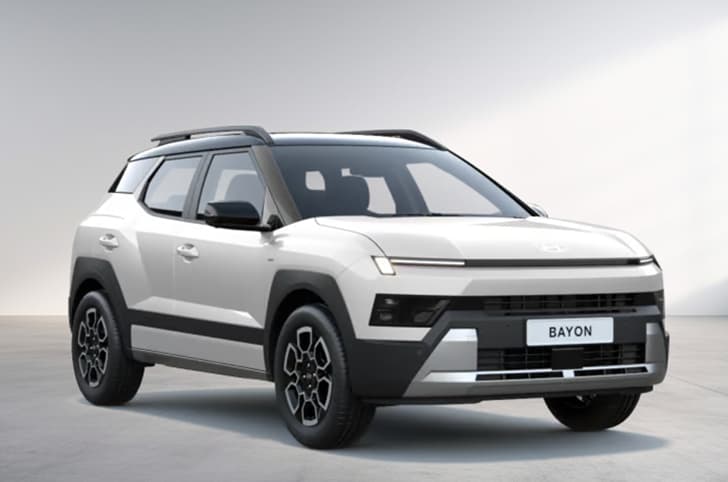
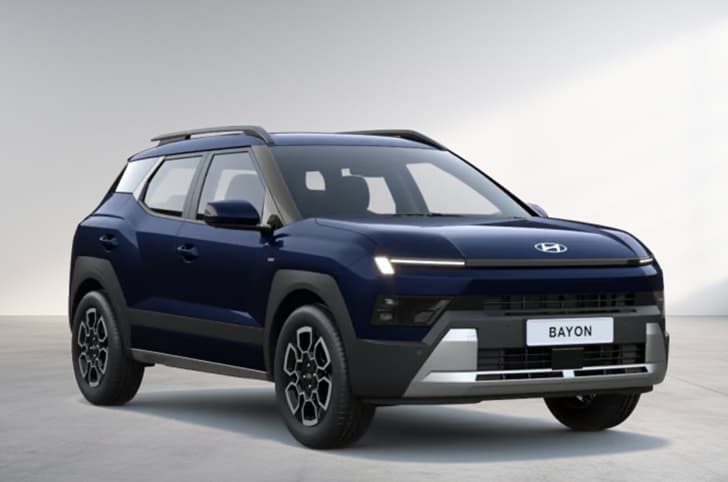
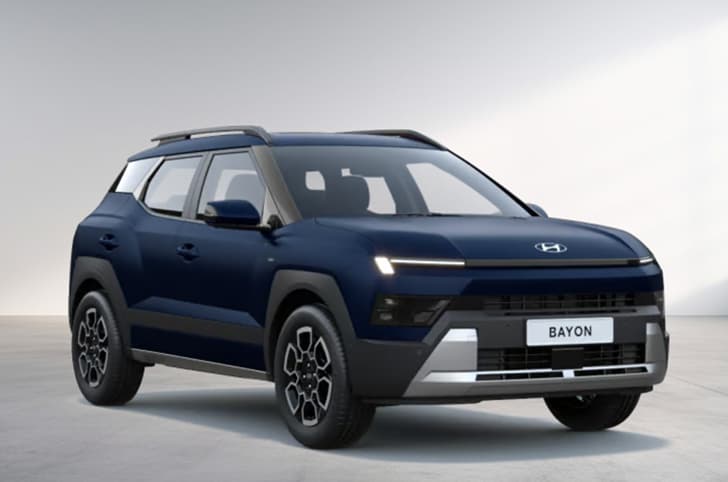
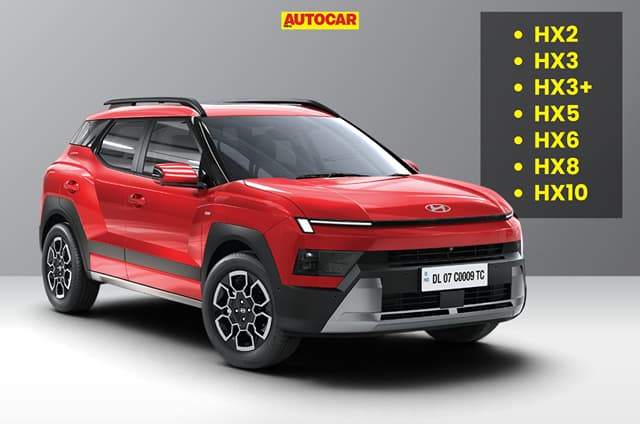
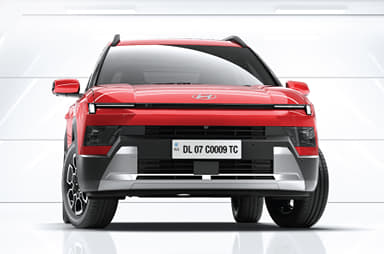
The Bayon introduces Hyundai's ‘Art of Steel’ design language, with a split-headlamp layout and slim LED daytime running lamps integrated into a black strip along the bonnet's leading edge. The main headlamps sit lower in the front bumper, which features chunky black and silver cladding. Its flared wheel arches, sharp character lines and petal-style 17-inch alloy wheels give it a crossover-like appearance, while blacked-out pillars create a floating-roof effect. At the rear, slim LED tail-lamps, bold Bayon lettering on the tailgate, a roof spoiler and dual-tone bumper cladding complete the design.
The Bayon's cabin resembles that of the Brazil-spec Hyundai i20, with a black-and-white colour scheme, leatherette seat upholstery and vertical AC vents. The dashboard is dominated by two connected 12.3-inch displays for the digital instrument cluster and infotainment system. Physical shortcut buttons below the touchscreen, steering-mounted controls and haptic switches for the climate control system provide alternatives to touchscreen operation. The three-spoke steering wheel is similar to the Venue's, while the drive mode selector is housed in a separate pod. Hyundai has not yet provided the Bayon's exact dimensions, so its cabin space cannot be assessed against rivals on a like-for-like basis.
The Bayon's key technology highlight is its generative AI voice assistant, a first for a Hyundai model in India. Hyundai says it can understand conversational requests rather than relying exclusively on predefined voice commands. Other features include Bluelink connected-car technology with more than 70 functions, over-the-air updates, onboard navigation, split-screen functionality and support for multiple languages.
The equipment list also includes a panoramic sunroof, ventilated front seats, a powered driver's seat, a Bose sound system, an auto-dimming inside rear-view mirror, a wireless phone charger and a rear centre armrest.
Hyundai says the Bayon will have more than 35 safety features as standard, including six airbags, electronic stability control, hill-start assist, a tyre pressure monitoring system, rear parking sensors and ISOFIX mounts. Higher variants get the Smart Sense Level 2 Pro ADAS suite, with features including navigation-based smart cruise control and highway driving assist. A 360-degree camera, dashcam, blind-spot detection and all-wheel disc brakes are also part of the reported equipment package. Hyundai says the Bayon is being engineered for a five-star Bharat NCAP crash safety rating; this should not be confused with an achieved crash-test result.
Official fuel-efficiency figures for the Bayon are yet to be available in the supplied reports. The SUV uses the same 1.5-litre naturally aspirated petrol engine as the Creta, with manual and CVT gearbox options. Hyundai is positioning the Bayon around economical motoring and everyday usability, but its actual fuel efficiency will need to be established through certified figures and real-world testing.
At launch, the Bayon will be offered with a 1.5-litre, four-cylinder naturally aspirated petrol engine that produces 115hp and 144Nm. Shared with the Creta, this engine is paired with either a 6-speed manual gearbox or a CVT. CVT variants also get paddle shifters and Eco, Normal and Sport drive modes, along with Hyundai's Dash Boost Mode and Sporty Drive Tech functions. A CNG option is planned for a later stage, although its specifications and launch timeline have not been confirmed in the source reports. The Bayon will not get the Creta's turbo-petrol or diesel engines, according to the available reports.
The Bayon is based on Hyundai's Global K Enhanced platform. Its confirmed powertrain comprises a naturally aspirated petrol engine driving the front wheels, with a manual or CVT gearbox. We are yet to drive the car, so ride comfort, handling and high-speed stability cannot yet be assessed. These aspects will need to be evaluated in a road test.
Reviewed by: Autocar India News Desk
Hyundai Bayon Official Brochure
Download the complete brochure with specs, features, and variants.
Hyundai Bayon reviews

Hyundai Bayon comparison


Hyundai Bayon EMI Calculator
Hyundai Bayon Mileage
As per ARAI, Hyundai Bayon mileage is 18.6 kmpl. The real wold mileage figures will be updated here shortly as soon as the experts at the Autocar India will test car.
The car has Eco, Normal and Sport drive modes, which you can switch using the steering-mounted drive mode button. Eco mode helps you save fuel, and the Idle Stop and Go feature switches the engine off at a stop and restarts it automatically.
| PowertrainThe combination of engine type, fuel, and transmission that powers your vehicle and determines how it drives and what it runs on. | ARAI MileageMileage certified by the government, tested under controlled lab conditions. Real-world mileage will vary. |
|---|---|
Petrol-Automatic (CVT) 1497 cc | 18.6 kmpl |
Hear from the
Autocar Community
Join the Discussions
Hyundai Bayon news
Hyundai Bayon Images
Bayon image gallery show 34 photos of the car, and these are the details worth studying closely:
- The H-edge LED DRLs, dual LED projector headlamps and H-edge LED tail lamps
- The 17-inch diamond-cut alloy wheels and bridge-type roof rails
- The sculpted bonnet, spread-type emblem and shark-fin antenna
- The dual 12.3-inch curved screens on the dashboard
- The Cascade-flow centre console and dual-tone interior
- The leatherette seats, ambient lighting and 2-step reclining rear seat
- The panoramic sunroof
- The rear seats and the 505-litre boot

Hyundai Bayon videos
Bayon videos cover 1 walkaround and feature explainers, which will show you things a specification list never can:
- How the Bayon looks from every angle
- How the generative AI voice assistant and "Hey Hyundai" commands work
- How Dash Boost mode and the iVT automatic feel on the road
- How Bluelink features such as remote controls and Find My Car with the Surround View Monitor work
- How ADAS features such as Highway Driving Assist and Surround View Monitor work

Hyundai Bayon Colours
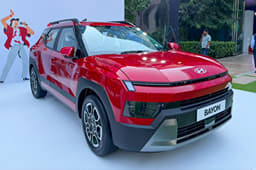
The Hyundai Bayon has 10 colour options, including dual-tone choices. The named shades are Fiery Red, Atlas White, Titanium Black, Classy Blue, Ecotronic Grey and Golden Bronze, with Fiery Red and Atlas White also offered with a Titanium Black roof.
Colour | Note |
Fiery Red, Atlas White, Ecotronic Grey, Golden Bronze, Titanium Black, Classy Blue | Monotone |
Fiery Red with Titanium Black roof, Atlas White with Titanium Black roof | Dual Tone |
Titanium Black, Classy Blue | Matte |
Inside, you can pick the dual-tone Black and Olive Grey theme or a sporty black interior with red highlights. The Black and Olive Grey theme comes with the monotone exterior colours, while the sporty black interior with red highlights comes with the dual-tone exteriors.
Hyundai Bayon Similar Cars to Explore
Hyundai Bayon FAQs
The Hyundai Bayon is a smaller, cheaper SUV that sits below the Creta. At 4,245mm it is about 85mm shorter than the Creta’s 4,330mm, but it has a bigger boot (505 litres against 433) and more ground clearance (205mm against 190mm). It comes only with a 1.5-litre petrol (115hp) and a 6-speed manual or iVT automatic, while the Creta also offers a turbo-petrol and a diesel with more gearbox choices. The Bayon starts at Rs 9,99,900 against the Creta’s Rs 10.79 lakh (ex-showroom), so it suits buyers who find the Venue small and the Creta expensive.
Yes. The Bayon is larger than the Venue in most respects. It is 250mm longer (4,245mm against 3,995mm), 10mm wider (1,810mm against 1,800mm) and has an 80mm longer wheelbase (2,600mm against 2,520mm). It also has a much bigger boot (505 litres against 375) and 15mm more ground clearance (205mm against 190mm). The only exceptions are height, where the Venue is 60mm taller (1,665mm against 1,605mm), and the fuel tank, where the Venue’s 45 litres edges the Bayon’s 43 litres.
Yes. Autocar India reports that a CNG version of the Bayon is due in January 2027, and it will be Hyundai’s first CNG mid-size SUV in India.
No. The Bayon is not a replacement for the Venue. It is a separate, larger model that sits between the Venue and the Creta in Hyundai’s line-up. At 4,245mm it is 250mm longer than the sub-4-metre Venue (3,995mm), and it has a longer wheelbase (2,600mm against 2,520mm) and a bigger boot (505 litres against 375).
Upcoming Cars


Hyundai Cars


Trending Cars


Latest Cars


Last Updated on: 26 Oct 2026