



Last Updated on: 11 Jun 2026

Citroen eC3 price in Bikaner
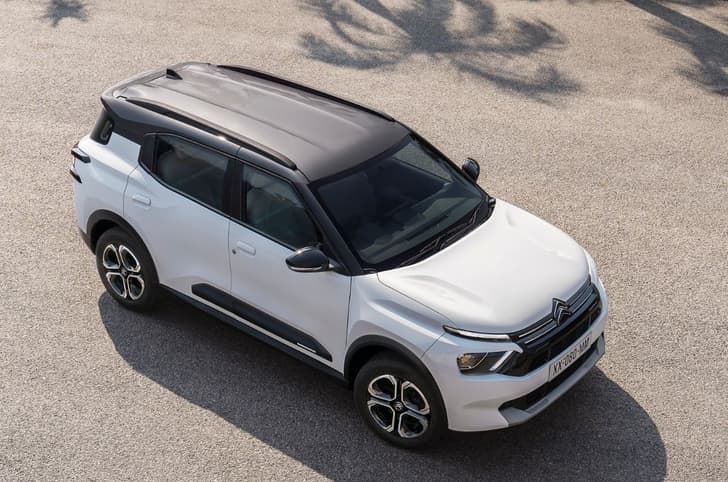
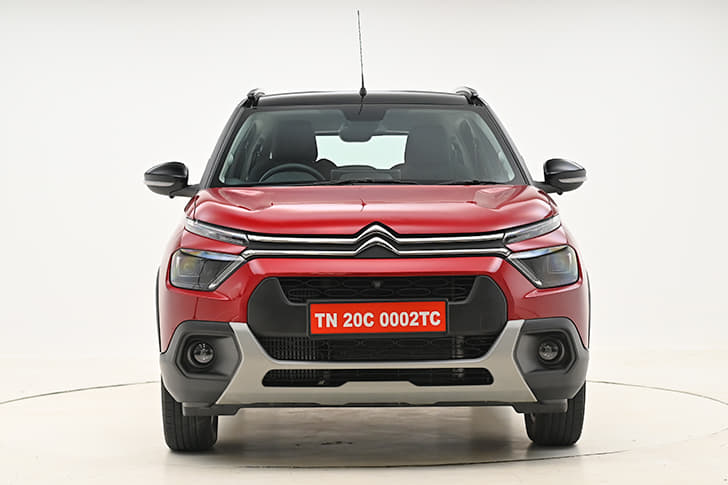
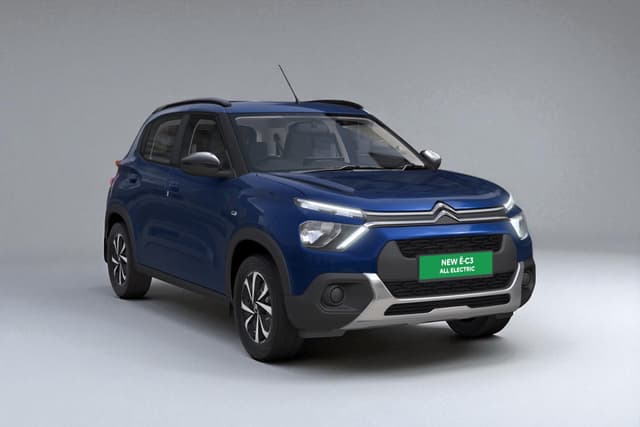
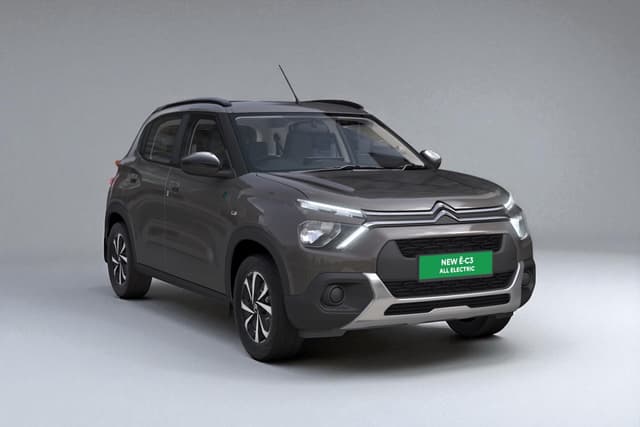
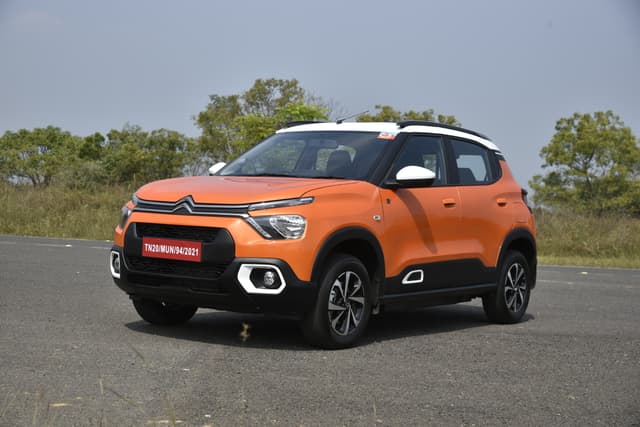
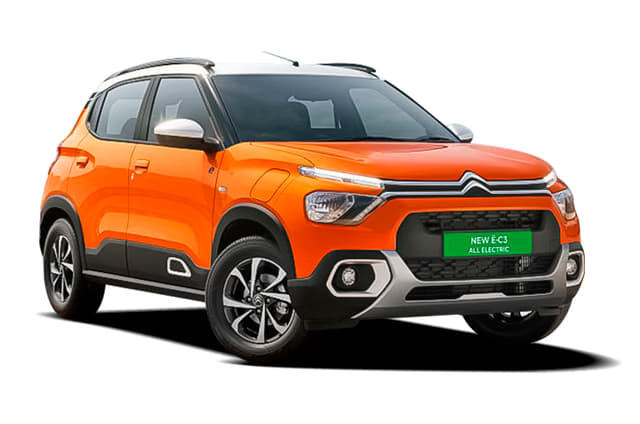
The Citroen eC3 price in Bikaner starts at ₹12.90 lakh (ex-showroom) for the base variant, while the top-end variant (EV Shine) costs around ₹13.26 lakh (ex-showroom). These figures are before adding on-road charges (such as RTO fees and insurance), so the eC3 on-road price in Bikaner starts from ₹13.70 lakh to ₹14.08 lakh.
Citroen eC3 price in Bikaner
The Citroen eC3 price in Bikaner starts at ₹12.90 lakh (ex-showroom) for the base variant, while the top-end variant (EV Shine) costs around ₹13.26 lakh (ex-showroom). These figures are before adding on-road charges (such as RTO fees and insurance), so the eC3 on-road price in Bikaner starts from ₹13.70 lakh to ₹14.08 lakh.
Citroen eC3 Pricing by Variants
* Estimated on-road price. Final amount may vary.
Citroen eC3 User Reviews
Tell us about your experience
Citroen eC3 Official Brochure
Download the complete brochure with specs, features, and variants.
Calculate your Charging cost for Citroen eC3
On Road Price of Citroen eC3 Alternatives in Bikaner
Citroen eC3 Images
Citroen eC3 news
Citroen eC3 videos
.jpg?w=640&q=75)
Citroen eC3 FAQs
The Citroen eC3 costs significantly more to buy than the petrol-powered C3, which is priced between roughly ₹6 lakh and ₹9.6 lakh, while the eC3 is priced between ₹12.90 lakh and ₹13.26 lakh (ex-showroom).
However, the eC3's lower running and maintenance costs can help offset the higher upfront price for buyers who drive frequently and can charge at home.
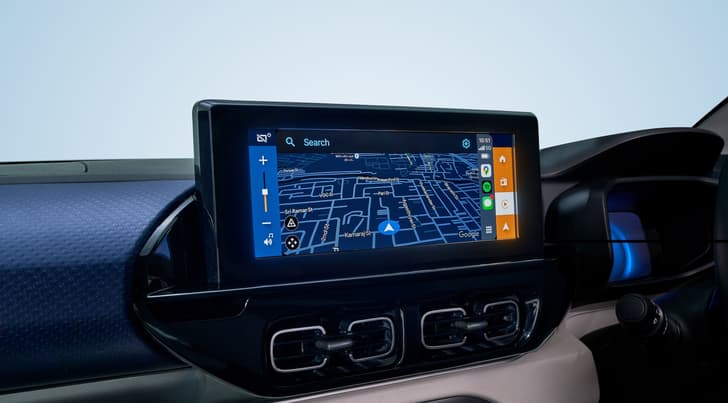
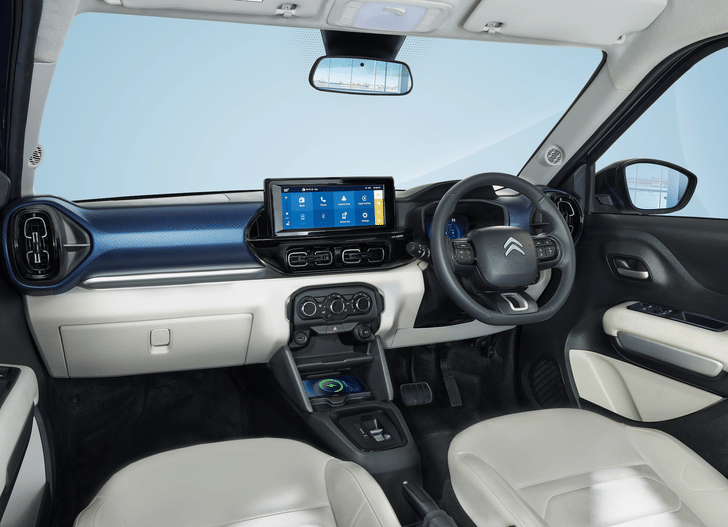
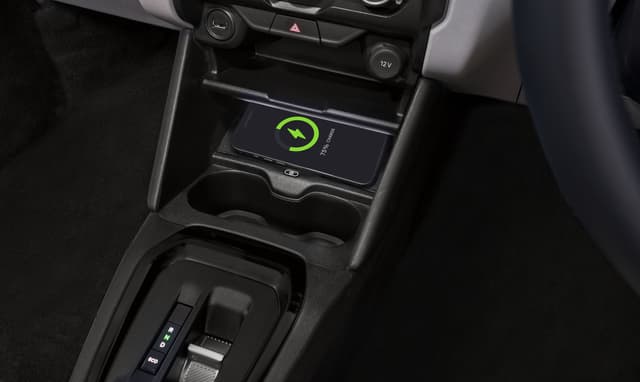
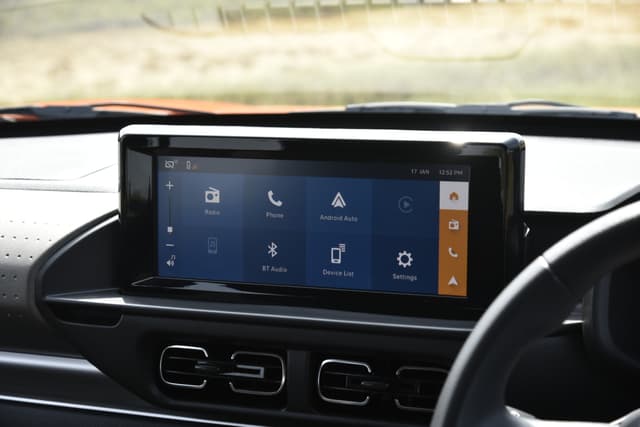
The eC3 covers the essentials with a touchscreen infotainment system, smartphone connectivity and convenience features. However, some rivals offer extra features and a more premium cabin experience at a similar price point.
Questions you may find useful
Charan
•1wI drive a 2017 Creta, and I find its suspension super cool on bad roads and when driving fast on them. Now I am looking for a similar or better suspension car for EV. Budget is 20L, and for ICE 16L. Plz advise.

Autocar India
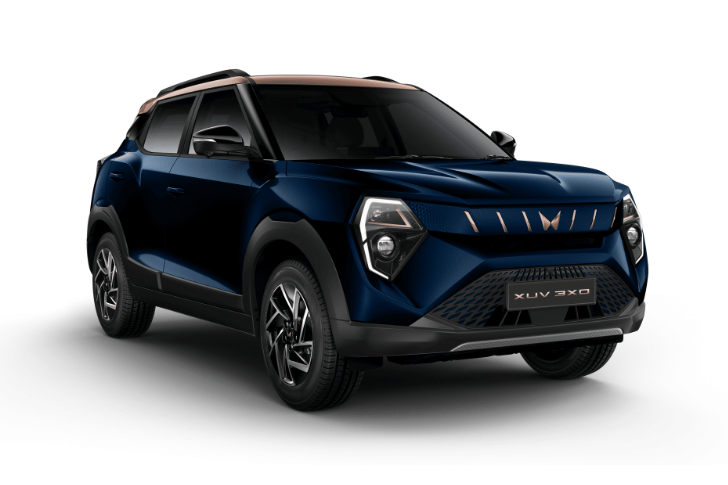
Since your priority is a good ride for your EV, pick the Hyundai Creta Electric. The suspension is stiffer than the ICE version’s to support the extra weight, but remarkably, it doesn’t translate into a crashy or uncomfortable ride experience. You can feel some firmness at low speeds, but road shocks are still well in check, and what’s nice is that the stiffness has eliminated unnecessary (secondary) body movements, and even at highway speeds, the Creta Electric doesn’t lose its composure. If a pure cushy feel is your only goal, then the Citroen eC3 rides even softer, but it’s smaller, slower and not as settled at higher speeds as the Creta. As for your ICE vehicle, we would recommend you look at the Mahindra XUV 3XO, which offers very good damping, so it stays composed on craters and doesn’t float when you’re quick over bad patches. Steering and stability inspire more confidence than most small SUVs in this price. The trade-off is size - cabin and boot are smaller than your Creta.
Nishant Kanodia
•4wHow is the WLTP range figure calculated and claimed by car manufacturers? In real-world driving, these figures are almost never achieved. For example, my Citroën eC3 has a claimed WLTP range of 320 km, but even at 100% charge, the car usually shows only around 230 km of range. Why is there such a large difference between the claimed range and the actual real-world range in EVs?

Autocar India
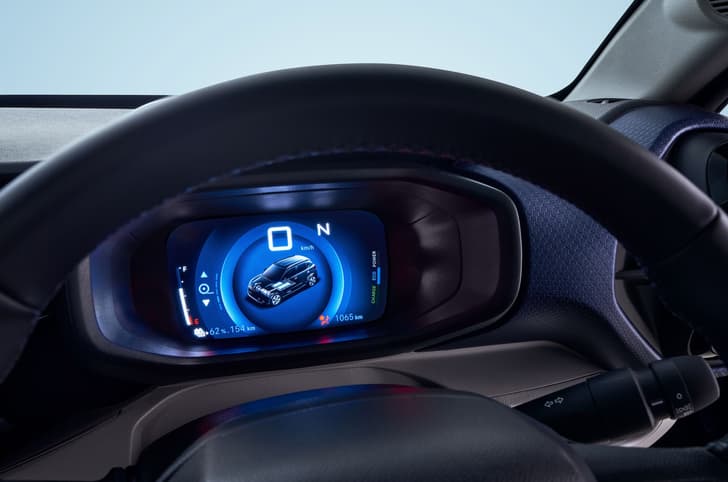
That headline range comes from a fixed lab test. In Europe, it is WLTP. In India, most brands quote the ARAI/MIDC result. For the Citroen eC3, the 320 km figure is from the Indian ARAI test. This is derived from running the car in a controlled environment - on a rolling road in a lab, at set gentle speeds, with no AC, light load and its battery temperature too is maintained at optimum levels. In the real world, however, different driving styles, ambient temperatures, air-con use, and gradient changes are likely to hamper efficiency. So the real-world figure is usually much lower than the manufacturer's claimed numbers.In our real-world tests, the eC3 delivered 228km, which is largely in line with the 230 km predicted range that's displayed when your car's battery is fully charged. The vehicle's on-board computer studies your previous driving style, based on which it displays a predicted range number.To check your real range, charge to 100%, reset the trip, drive to about 10-15% SoC and see the kilometres covered. If it is far lower than expected, even with calm driving, check tyre pressures and ask the dealer to scan for software updates or battery health.