Autocar India
12w

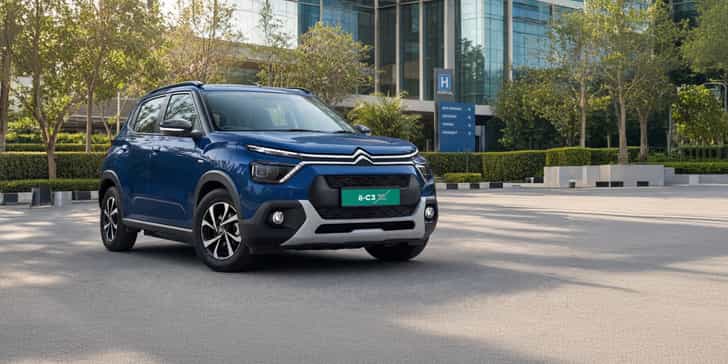
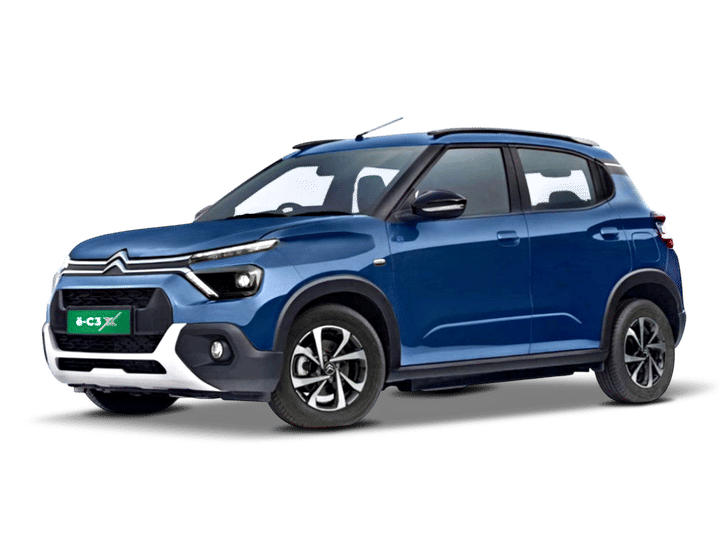
How is the WLTP range figure calculated and claimed by car manufacturers? In real-world driving, these figures are almost never achieved. For example, my Citroën eC3 has a claimed WLTP range of 320 km, but even at 100% charge, the car usually shows only around 230 km of range. Why is there such a large difference between the claimed range and the actual real-world range in EVs?

Verified
12w

That headline range comes from a fixed lab test. In Europe, it is WLTP. In India, most brands quote the ARAI/MIDC result. 

For the Citroen eC3, the 320 km figure is from the Indian ARAI test. This is derived from running the car in a controlled environment - on a rolling road in a lab, at set gentle speeds, with no AC, light load, and its battery temperature too is maintained at optimum levels. In the real world, however, different driving styles, ambient temperatures, air-con use, and gradient changes are likely to hamper efficiency. So the real-world figure is usually much lower than the manufacturer's claimed numbers.

In our real-world tests, this Citroen car delivered 228km, which is largely in line with the 230 km predicted range that's displayed when your car's battery is fully charged. The vehicle's on-board computer studies your previous driving style, based on which it displays a predicted range number.

To check your real range, charge to 100%, reset the trip, drive to about 10-15% SoC and see the kilometres covered. If it is far lower than expected, even with calm driving, check tyre pressures and ask the dealer to scan for software updates or battery health.
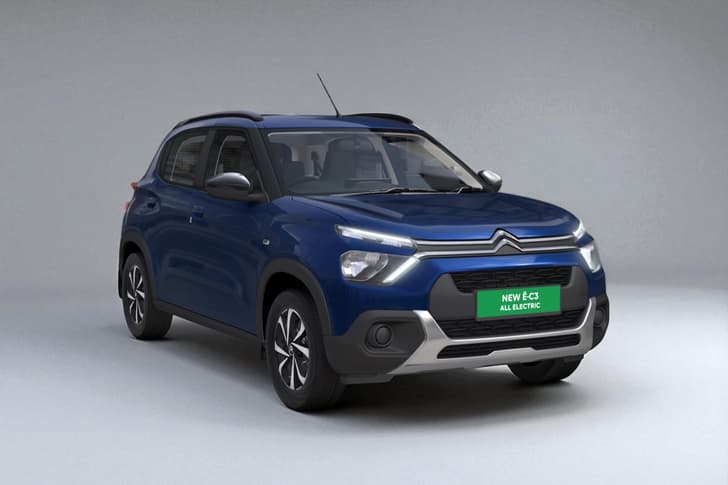
Citroen eC3

Citroen eC3

Explore cars mentioned

Want to sell your car?

Sell your car at the right price, without the stress.

More posts on similar cars

1w

Is it considered normal for a premium 900cc adventure motorcycle to require a complete cylinder head and valve assembly replacement at around 18,000 km, followed by another major repair or replacement of the valve or cylinder head assembly just 6,500 km later, with the motorcycle having covered only 24,500 km in total? If this is not considered normal, what are the most likely technical reasons for such a recurring failure? From an engineering perspective, would it be advisable to continue with another component-level repair, or does a case like this warrant a more comprehensive solution, such as a complete engine replacement?

Verified
4d

No, this is not normal at all for a premium 900cc adventure motorcycle. Modern engines are designed to last well beyond the odometer crossing 6 figures and requiring another major repair just 6,500 km later strongly points to an underlying issue that has not been properly addressed.The most likely technical reasons for such a recurrence are either a fundamental manufacturing defect in the cylinder head or valve train, improper repair or assembly during the first replacement, or an underlying issue such as oil starvation, cooling problems or incorrect valve clearance adjustment that is causing repeated failure. It could also be related to poor fuel quality, detonation or lubrication issues, but on a premium motorcycle this is far less likely if the bike has been maintained properly.From an engineering perspective, continuing with repeated component-level repairs is not the right approach. If the same failure has occurred twice in such a short mileage, it points to a systemic issue rather than a one-off component failure. At this stage, a complete engine replacement is the more comprehensive and sensible solution, as it eliminates the risk of hidden damage elsewhere in the engine and ensures long-term reliability.Alternatively, we'd also recommend you visit another authorised service centre and get your machine inspected by a trained mechanic. A fresh set of eyes can perhaps provide you with a solution you didn't know was available.

2d

Hey, We are planning to buy a sub-4-metre SUV, and our main requirement is good suspension for Bengaluru’s pothole-filled roads, especially as my wife is pregnant. We have shortlisted the Maruti Suzuki Brezza, Mahindra XUV 3XO, and Tata Nexon. Which one would you recommend for our requirements? I was also considering a larger SUV like the Honda Elevate, but a well-equipped variant costs around Rs. 18 lakh on-road, which is beyond my budget. Could you suggest some good options in both categories? I can stretch my budget up to around Rs. 15 lakh on-road if required.

Verified
2h

Given your priorities, the Mahindra XUV 3XO is the best fit. It has the most comfortable ride in the segment, with a suspension that deals with broken roads and potholes better than the Brezza or Nexon. The wide rear seat and good cabin space will also make a difference for your wife and family. The Brezza is the more reliable long-term ownership proposition, but its ride is not as plush as the 3XO. The Nexon is a good all-rounder, but the 3XO has the edge on ride comfort and rear seat space.On the Honda Elevate, it is a solid, reliable SUV with a comfortable ride, but at Rs 18 lakh on-road for the well-equipped variants, it is not worth stretching your budget for. The 3XO gives you a better ride and more features for less money.Overall, the 3XO is the best balance of ride comfort, space and value for your requirements. Go for the petrol automatic variant for the smoothest city driving experience.

VehicleMahindra XUV 3XO
VehicleMaruti Suzuki Brezza
VehicleTata Nexon
VehicleHonda Elevate

Expert reviews worth reading

Popular discussions right now

Posted on: 15 May 2026