Citroen Basalt
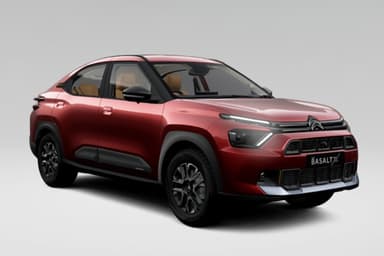
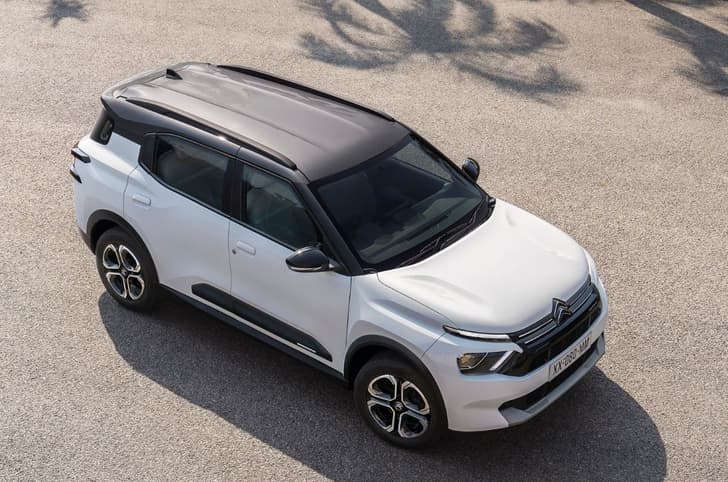
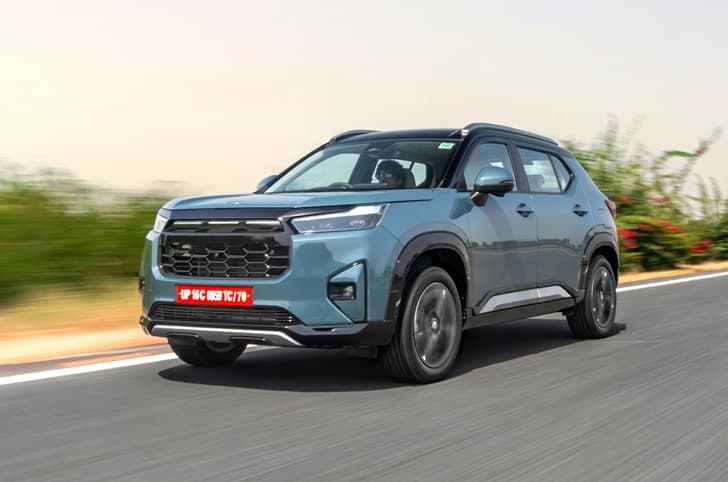
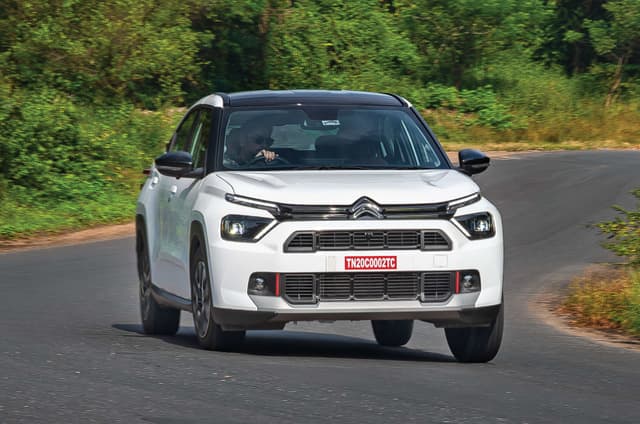
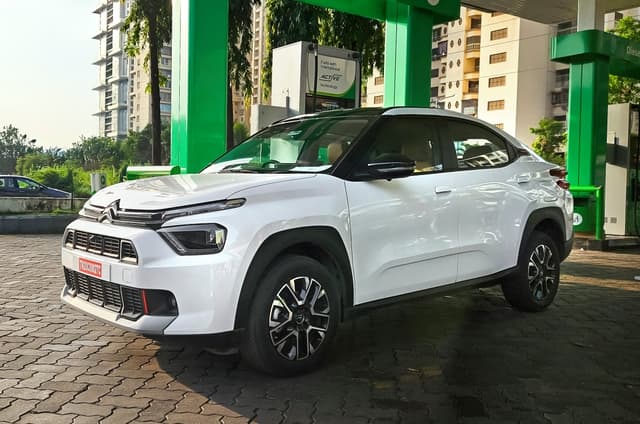
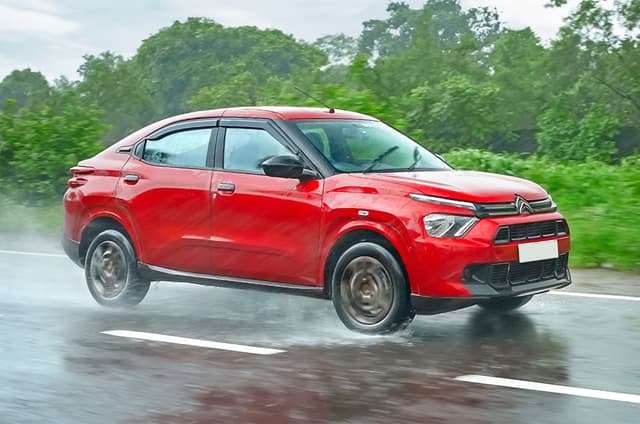
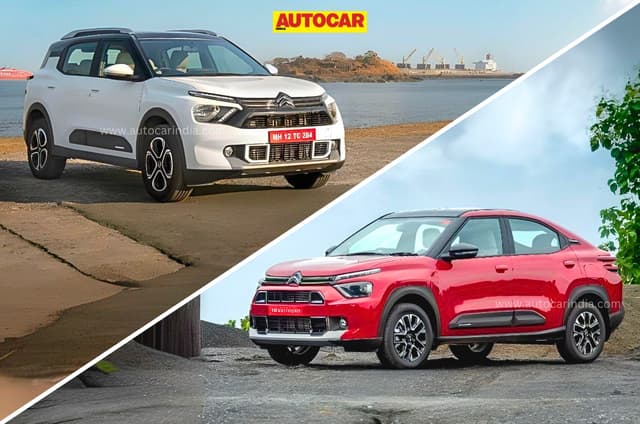
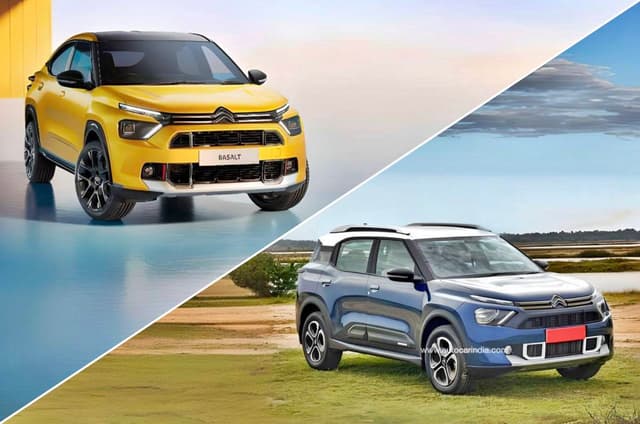
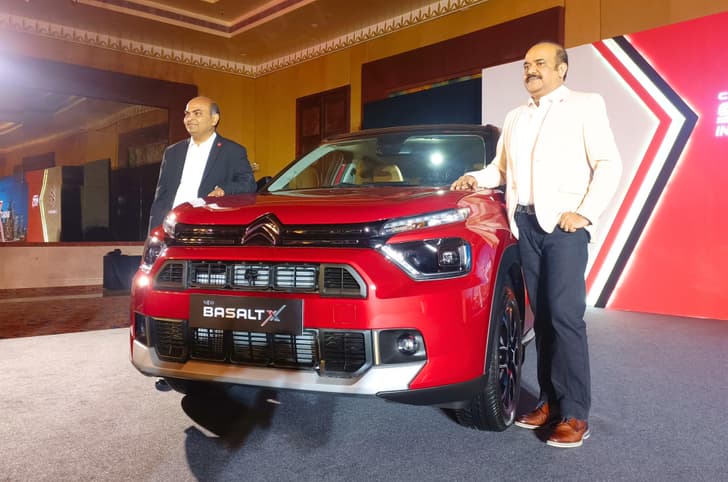
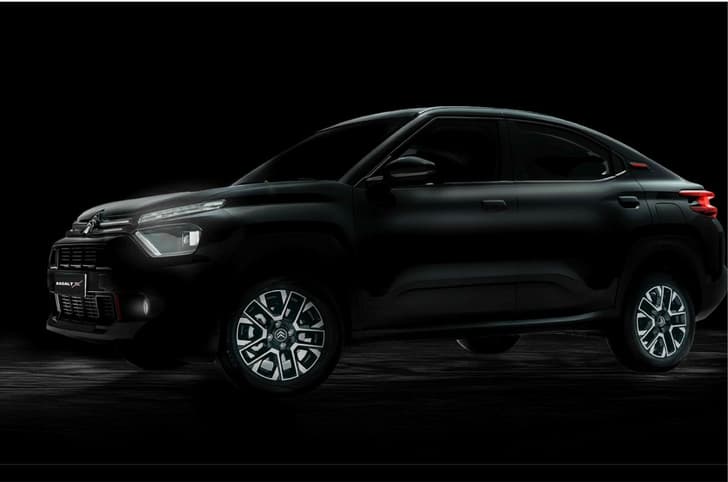
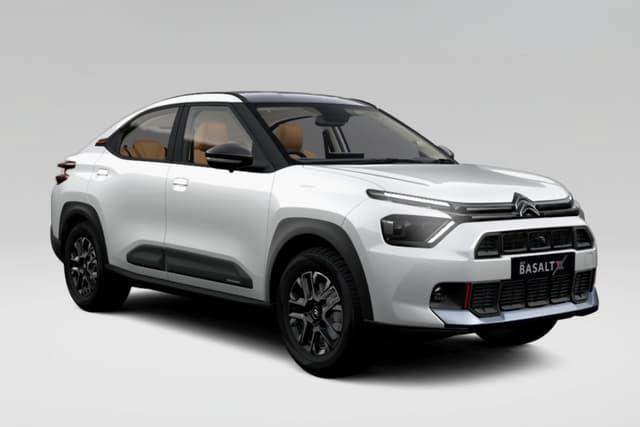
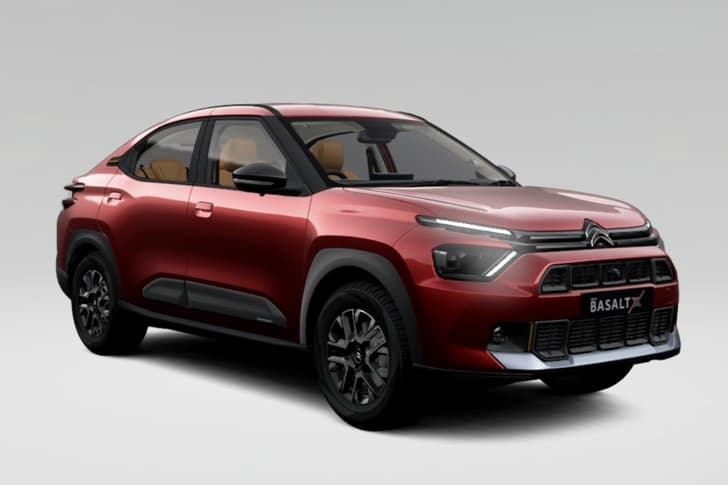
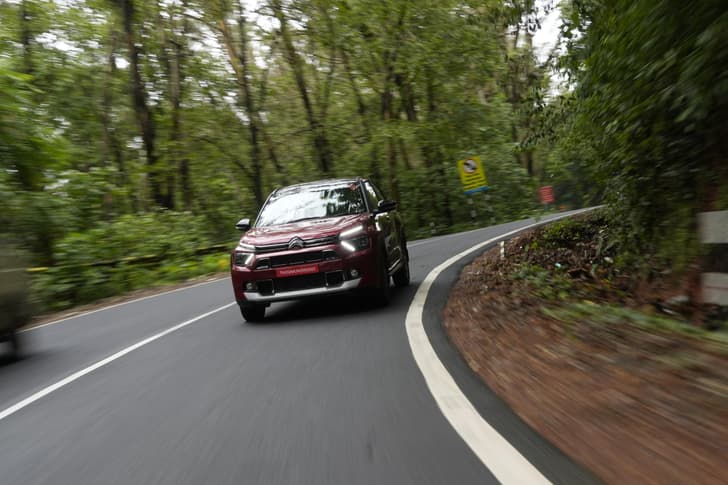
Citroen Basalt is the most distinctive model in Citroen’s India line-up. It is a coupe-SUV that stands out for its sloping roofline and spacious cabin. Its biggest strength is ride comfort, with the suspension dealing well with potholes and broken roads. The rear seat offers generous legroom, while the large 470-litre boot makes it practical for family use. The petrol engines cater to different needs, with the naturally aspirated version suited to relaxed city driving and the turbo-petrol offering stronger performance for quicker overtakes. The lack of a sunroof and Citroen’s limited dealer network remain drawbacks to consider. The Basalt 2026 is priced between Rs 8.55 lakh and Rs 13.89 lakh (ex-showroom).
Basalt Key Features
The main highlights across the range include:
Category | Key Features |
Engine and gearbox | • 1.2-litre naturally aspirated petrol, 82hp and 115Nm, with a 5-speed manual • 1.2-litre turbo-petrol, 110hp and 190Nm with the manual or 205Nm with the automatic • 6-speed manual and 6-speed torque converter automatic on turbo variants |
Screens and audio | • 10.2-inch touchscreen • Wireless Android Auto and Apple CarPlay • 7-inch digital driver display • Six-speaker audio system |
Safety | • Six airbags as standard • Electronic stability control • Hill-hold assist • Tyre pressure monitoring system • Four-star Bharat NCAP rating for adult and child occupant protection |
Comfort and convenience | • Automatic climate control • Rear AC vents • Wireless phone charging • Adjustable rear-seat thigh support on automatic variants |
Practicality | • 470-litre boot • 4,352mm long, 1,765mm wide and 1,593mm tall • 2,651mm wheelbase • Five seats and 180mm ground clearance |
Basalt Road Test Findings
What we liked
- The suspension absorbs potholes and broken road surfaces very well, making ride comfort one of the Basalt's strongest points.
- The turbo-petrol engine responds well once the turbo spools up, giving the car useful mid-range performance for overtaking.
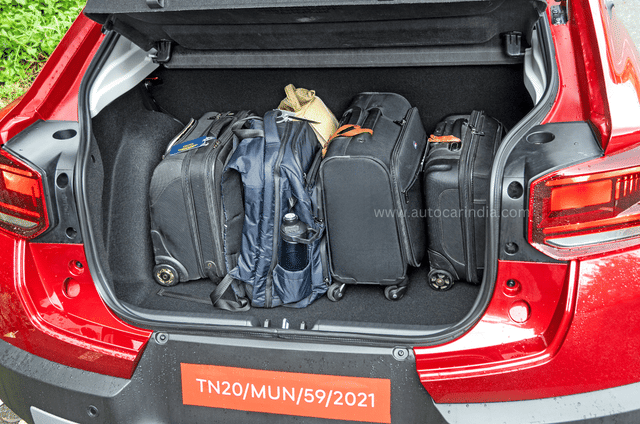
- The 470-litre boot is generous, and the tailgate opens with the rear windscreen to make loading luggage easier.
- The rear seat is spacious, with well-judged cushioning and a comfortable backrest angle.
What we did not like
- The automatic gearbox can hesitate or hunt for the right ratio in full automatic mode, although it works more smoothly in manual mode.
- The soft suspension can cause noticeable nose dive under braking and some floatiness at highway speeds.
- The turbo engine can sound loud when revved hard, and there is noticeable turbo lag when the engine is below its stronger power band.
- Several features available in competing cars are missing, including a sunroof, cruise control, a 360-degree camera and ventilated front seats.
Who should buy the Basalt?
Buyer type | Why it fits |
If distinctive styling matters | The sloping roof and sculpted rear give the Basalt a coupe-like profile that stands apart from conventional compact SUVs. |
If ride comfort is a priority | The suspension deals with potholes and rough surfaces particularly well, making it suitable for roads in poor condition. |
If you want stronger petrol performance | The 110hp turbo-petrol offers more flexibility for overtaking and highway driving than the naturally aspirated engine. |
If you carry luggage regularly | The 470-litre boot provides ample space for family luggage and longer trips. |
If rear-seat comfort matters | The rear seat has supportive cushioning, and automatic variants add adjustable thigh support. |
If you need an automatic for city traffic | The torque converter automatic is convenient in stop-start conditions, though its occasional hesitation is worth considering. |
The Basalt is less convincing for buyers who want a long list of convenience features or a particularly polished automatic gearbox. Those prioritising outright driving precision should also account for its soft suspension and noticeable body movement.
Citroen Basalt Price Details
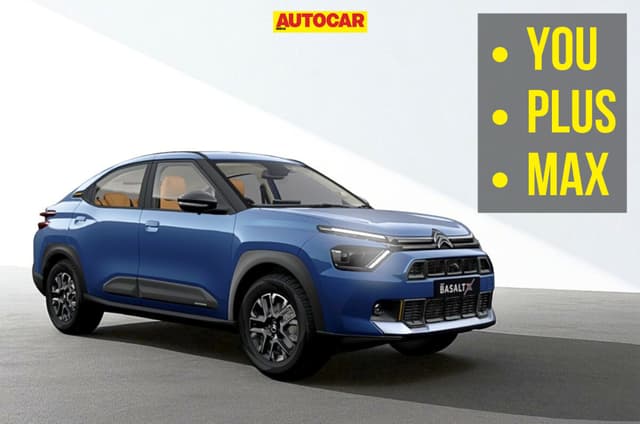
- X 1.2 Petrol MT You (base model): 8.55 lakh (ex-showroom)
- X 1.2 Turbo Petrol MT Plus (mid variant): 11.57 lakh (ex-showroom)
- X 1.2 Turbo Petrol AT Max (top model): 13.89 lakh (ex-showroom)
Citroen Basalt Latest Updates
September 7, 2026: Both the naturally aspirated and turbocharged petrol engines were made available across the range; previously base trim did not get the turbo engine option, while top trim missed out of the naturally aspirated engine.
July 21 2026: Citroen Basalt X Comfort Edition launched at Rs 8.75 lakh.
Jan 29, 2026: Citroen Basalt prices hiked by Rs 20,000.
Basalt Specifications
18 kmpl - 19.5 kmpl
1199 cc
Petrol
Manual, Torque Converter
5
110 hp
4
205 Nm
Basalt Highlights
4 Star BNCAP Rating
Rear AC Vents
1.2L Petrol Engine
Wireless Phone Charging
LED Headlamps
Leather-wrapped Steering Wheel
+4
12
Citroen Basalt price & variants
Citroen Basalt price in India starts at 8.55 lakh for the X 1.2 Petrol MT You and rises to 13.89 lakh for the X 1.2 Turbo Petrol AT Max, both ex-showroom. The on-road price in Delhi ranges from 9.54 lakh to 16.12 lakh. The 12 variants offer a choice of naturally aspirated and turbo-petrol engines, with manual and automatic gearbox options.
Which one to pick:
- For a lower purchase price: The naturally aspirated petrol with the 5-speed manual is the more affordable way into the Basalt range. Its 82hp and 115Nm output is best suited to buyers with a relaxed driving style.
- For stronger performance: The 110hp turbo-petrol is the better choice for buyers who regularly drive on highways or want stronger mid-range acceleration.
- For a manual turbo: The turbo-petrol with the 6-speed manual offers stronger performance without the automatic's occasional hesitation.
- For city driving: The turbo-petrol automatic offers the convenience of a torque converter in stop-start traffic, though the gearbox can occasionally hesitate in full automatic mode.
- For a higher equipment level: The Max variants add equipment, with the exact features depending on the engine and gearbox combination.
- For monthly payments: EMIs for the X 1.2 Petrol MT You start at 13,837 a month.
Citroen Basalt Expert Review
We like
Plush ride
Strong engine performance
We don't like
Auto gearbox needs fine-tuning
Misses several features
8.0
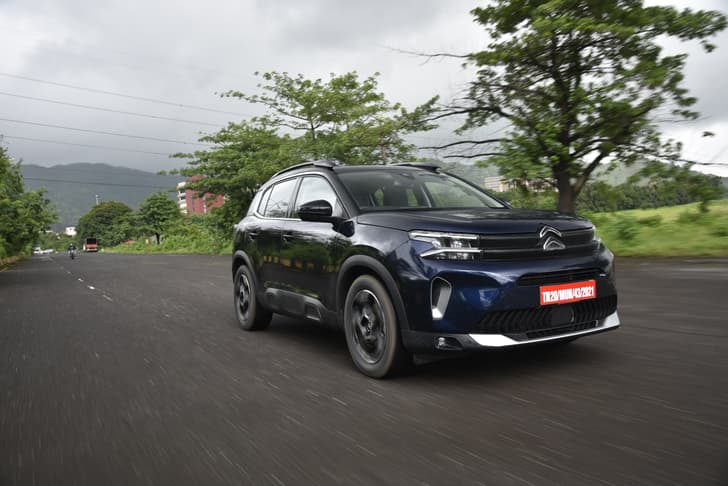
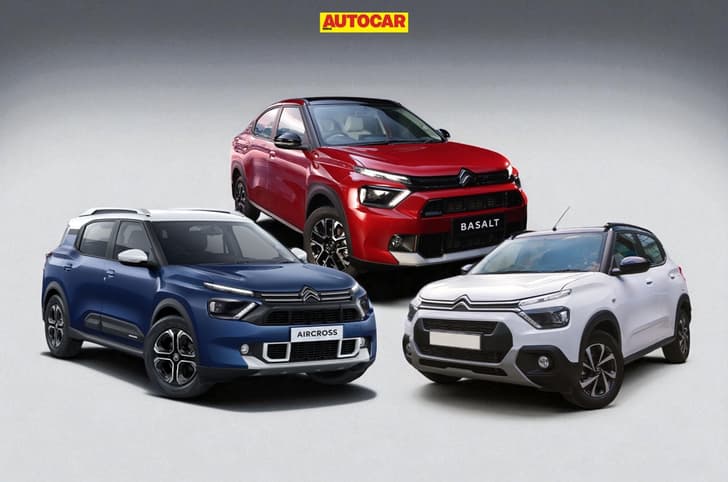
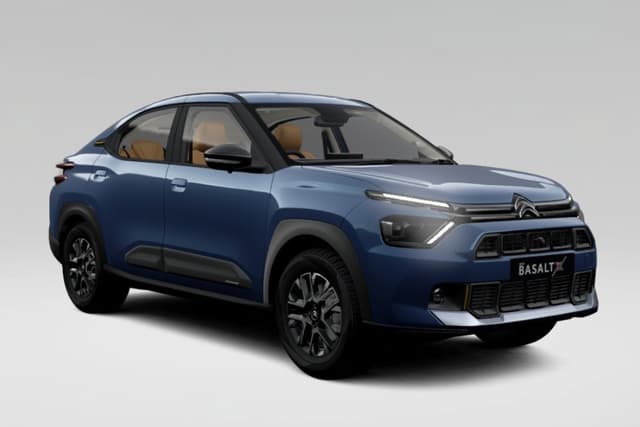
Based on the heavily localised CMP platform, the Basalt shares much of its front end with the C3 family but introduces a new, coupe-like rear profile. Its 180mm ground clearance and thick body cladding lend it SUV credentials, while the sloping roof and sculpted rear make it stand out. However, its 16-inch wheels look a bit undersized and the tyres don’t fill the arches convincingly. At 4,352mm in length and with a 2,651mm wheelbase, it’s sized well for Indian roads.
7.0
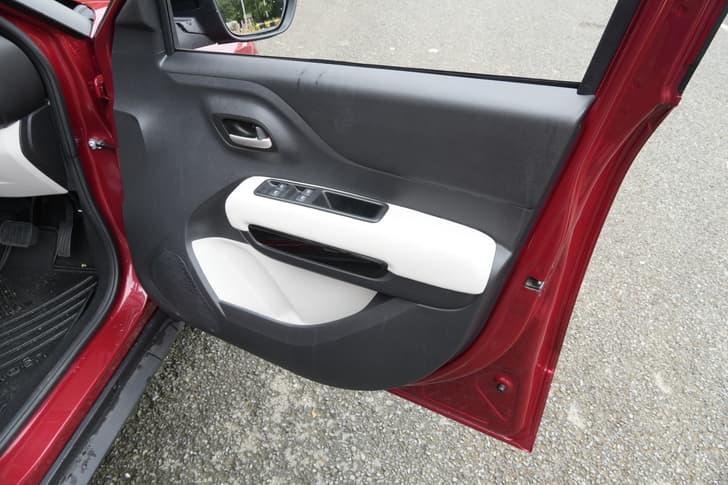
The cabin feels brighter and more upmarket, with champagne trims, soft-touch materials, and better fit-finish. Ergonomics are improved, with power window switches now on the doors. Front seats are comfortable and easy to set up, while the rear gets well-judged cushioning and a segment-unique adjustable thigh support (auto variant only). A large boot (470L) and split-opening tailgate boost practicality.
7.0
The Basalt gets a 1.2L naturally aspirated petrol (82hp) and a 1.2L turbo-petrol (110hp), paired with a 6-speed manual or 6-speed automatic. The turbo is punchy and responsive, though refinement at idle is lacking. Manual shifts are positive but not slick, and the clutch is a bit heavy. The automatic is smooth in manual mode but occasionally hesitant in full auto. Paddle shifters are missed.
7.0
The turbo-manual claims 19.5kpl, the auto 18.7kpl, while the NA engine claims 18kpl. Real-world figures will be lower, especially in city traffic.
9.0
Ride comfort is exceptional. The Basalt absorbs rough roads with ease, and the suspension is tuned for plushness, though it does result in some floatiness and nose dive under braking. Steering is heavy at low speeds but sharpens up well on the move, and body roll is present but well-controlled thanks to solid grip.
7.0
The Basalt covers essentials like LED headlamps, auto climate control, wireless charging, and a 10.2-inch touchscreen with wireless Android Auto and Apple CarPlay. Standard safety kit includes six airbags, ESP, hill-hold, and TPMS. Still, it misses several features like sunroof, cruise control, auto-dimming mirror, and keyless entry—some of which rivals already offer.
8.0
At Rs 7.99 lakh (ex-showroom), the Basalt is priced aggressively and offers a fresh, stylish take on the compact SUV formula. While it lacks a few key features and the auto could use polish, its unique design, spacious interior, and excellent ride comfort make it one of Citroen’s most compelling offerings to date.
Reviewed by: Saumil Shah
Citroen Basalt Official Brochure
Download the complete brochure with specs, features, and variants.
Citroen Basalt User Reviews
Tell us about your experience
Citroen Basalt reviews

Citroen Basalt comparison


Citroen Basalt EMI Calculator
Citroen Basalt Mileage
Citroen Basalt mileage depends on the engine and gearbox combination. The 1.2-litre naturally aspirated petrol with the 5-speed manual has an ARAI-claimed mileage of 18kpl. The 1.2-litre turbo-petrol is rated at 19.5kpl with the 6-speed manual and 18.7kpl with the 6-speed torque converter automatic.
The turbo-manual has the highest claimed figure in the range, but the difference between the three combinations is relatively small. Buyers choosing the naturally aspirated engine get a lower purchase price, while the turbo offers stronger performance. The automatic trades some claimed efficiency for the convenience of two-pedal driving.
Actual mileage will vary with traffic, driving style, road conditions and vehicle load. Inour own testing, the petrol-manual Basalt returned 13.8kpl, illustrating the gap between claimed and real-world efficiency.
Which model fits my driving?
- Mostly city driving: The naturally aspirated manual suits buyers looking to keep purchase costs down. Those who prefer an automatic can consider the turbo-petrol automatic, keeping its claimed mileage and gearbox behaviour in mind.
- Regular highway use: The turbo-petrol manual combines the range's highest claimed mileage with stronger performance for overtaking.
- Mixed city and highway use: The turbo-petrol offers more flexibility, while the choice between manual and automatic depends on traffic conditions and driving preference.
- Lowest running costs: Compare actual fuel consumption alongside the purchase price. A higher claimed mileage figure does not guarantee lower real-world fuel bills.
| PowertrainThe combination of engine type, fuel, and transmission that powers your vehicle and determines how it drives and what it runs on. | ARAI MileageMileage certified by the government, tested under controlled lab conditions. Real-world mileage will vary. | Autocar Tested MileageAutocar's experts test each vehicle on fixed city and highway routes under standardised conditions - single occupant, AC running, manufacturer-recommended tyre pressures. Tanks are filled to the brim before and after each run to calculate efficiency. Results reflect realistic real-world usage. | User Reported MileageMileage figures are reported by vehicle owners and represent the approximate real-world efficiency you may experience. Actual mileage will vary based on driving conditions, habits, and vehicle condition. |
|---|---|---|---|
Petrol-Manual 1199 cc | 18 kmpl | 13.8 kmpl | 17.34 kmpl |
Petrol-Automatic (Torque Converter) 1199 cc | 18.7 kmpl | NA | 17.73 kmpl |
Hear from the
Autocar Community
Join the Discussions
Citroen Basalt news
Citroen Basalt Images
Basalt images show 72 photos of the car. These are the details worth studying closely:
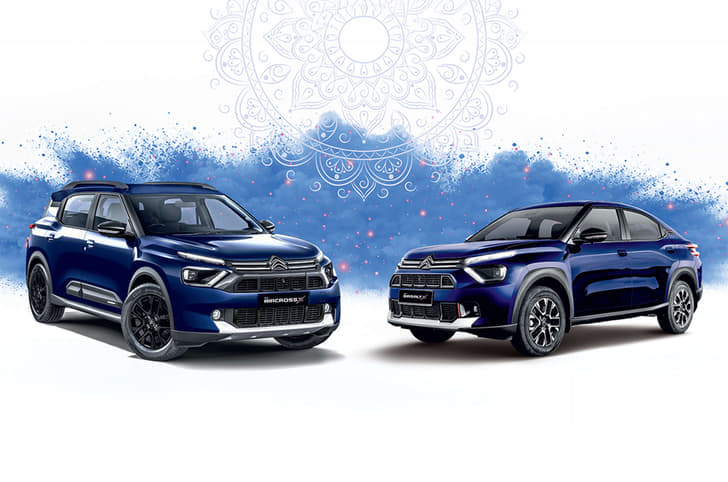
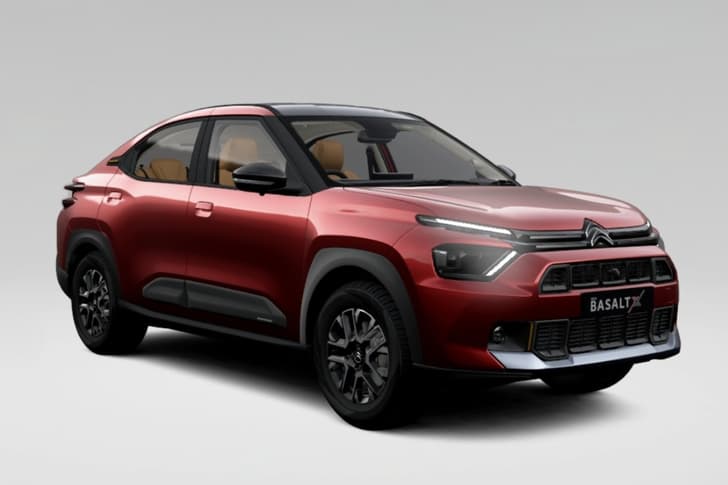
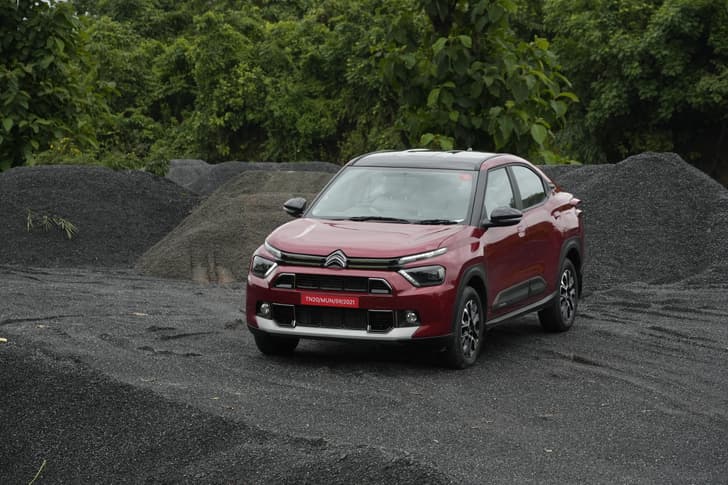
- Coupe-SUV profile: The sloping roofline and sculpted rear distinguish the Basalt from more conventional compact SUVs.
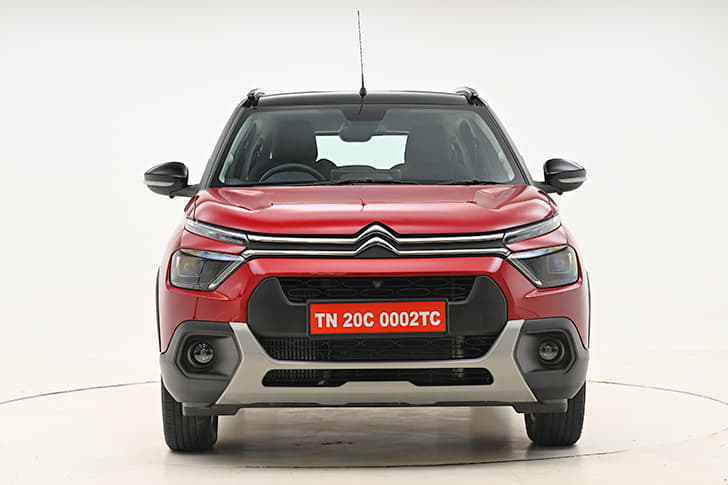
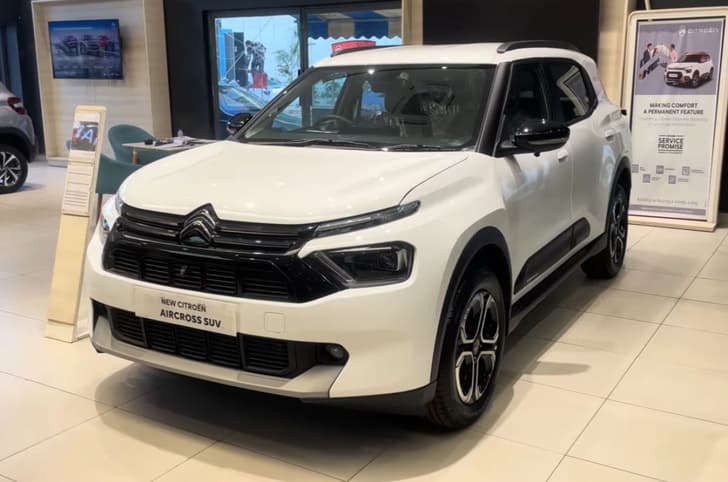
- Front-end design: Look at the split grille, Citroen chevron logo, LED daytime running lights and headlamp design. Headlamp equipment varies by variant.
- Cabin and screens: The 10.2-inch touchscreen, 7-inch digital driver display and dashboard layout give a better idea of the cabin's design and equipment.
- Rear-seat layout: Look at the rear-seat cushioning, headrests and adjustable thigh support available on automatic variants.
- Boot space: The 470-litre boot and tailgate, which opens with the rear windscreen, are important practical details.
- Wheel design: The 16-inch wheels are worth examining in proportion to the Basalt's body size.

Citroen Basalt videos
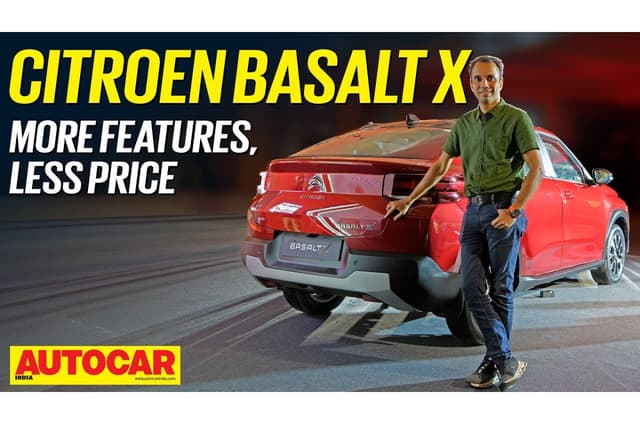
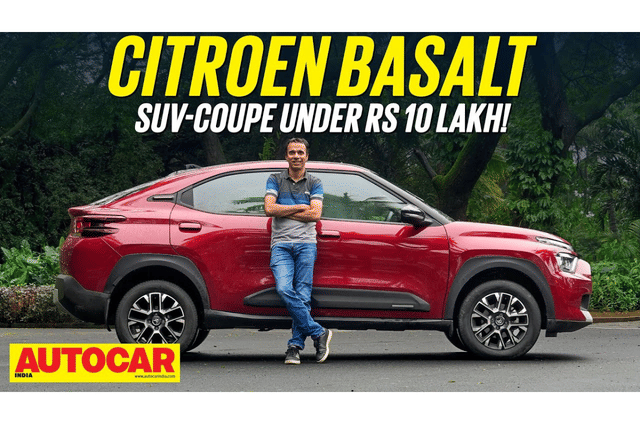
Basalt videos cover 3 reviews and walkarounds. They help show how the car behaves in everyday use, beyond what a specification list can explain:
- Ride quality: Watch how the suspension deals with broken roads and potholes, one of the Basalt's main strengths.
- Turbo-petrol performance: Listen to the engine under acceleration and observe how it responds when overtaking.
- Automatic gearbox: Pay attention to shifts in slow traffic and during acceleration, where the automatic can occasionally hesitate.
- Rear-seat comfort: Look at the seating position, headroom and adjustable thigh support on automatic variants.
- Boot practicality: The wide-opening tailgate and 470-litre luggage area are useful to assess in a walkaround.
- Feature omissions: Check the equipment on the specific variant being shown, particularly if a sunroof, cruise control or a 360-degree camera is important.

.jpg?w=640&q=75&fm=auto)
Citroen Basalt Colours
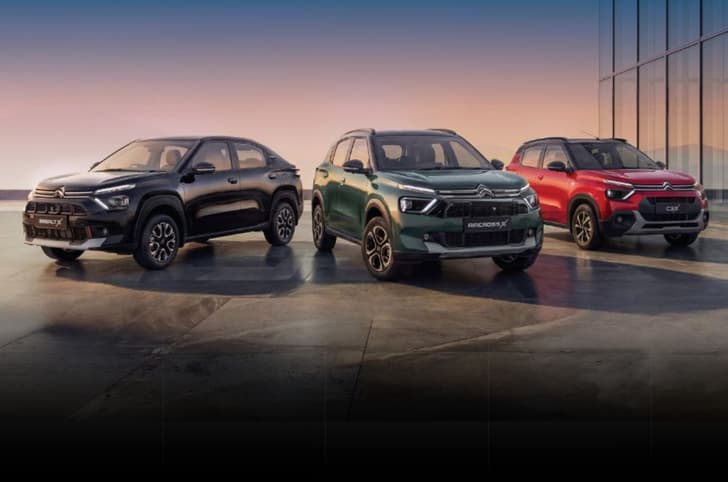
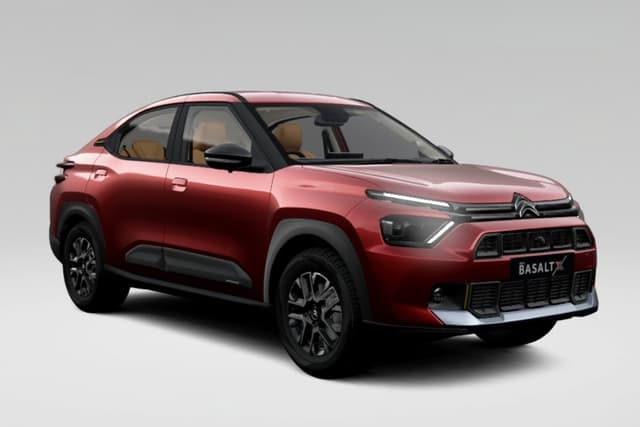
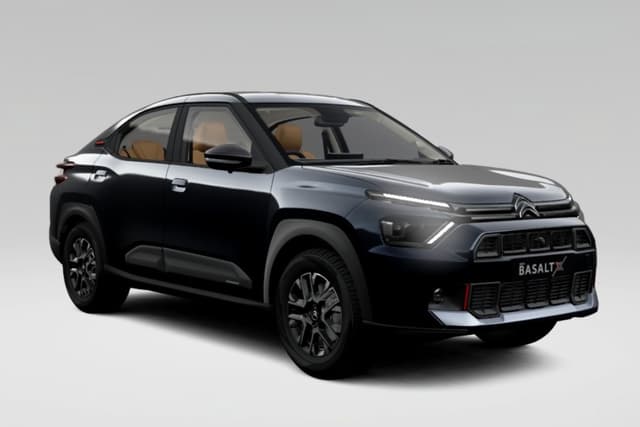
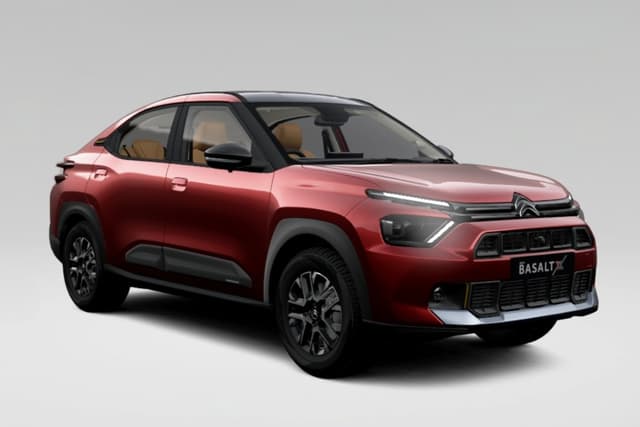
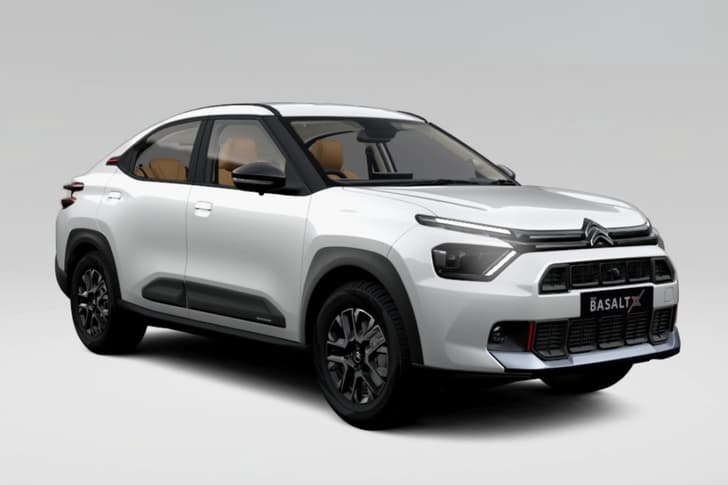
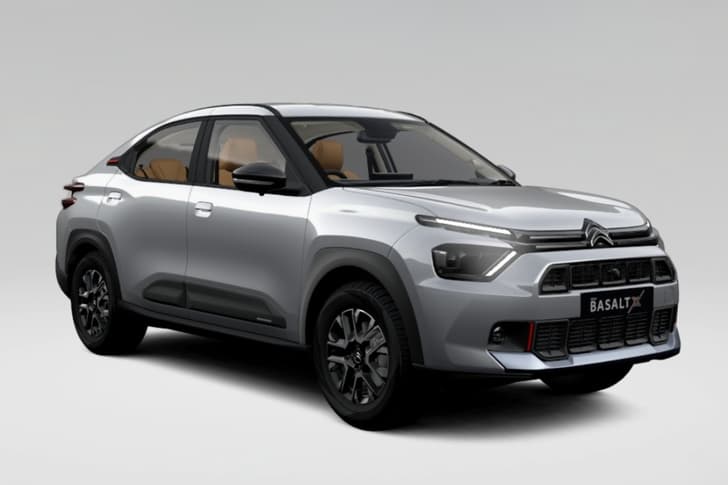
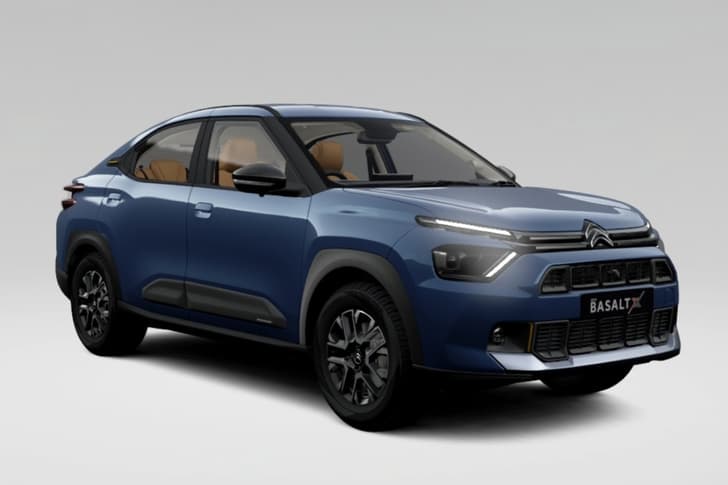
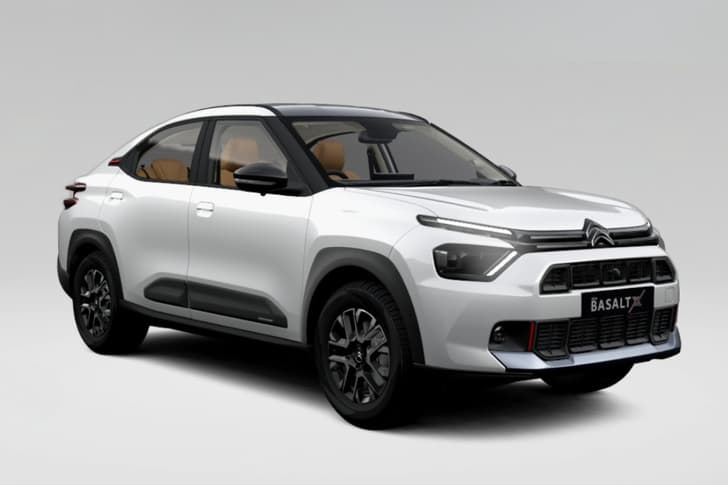
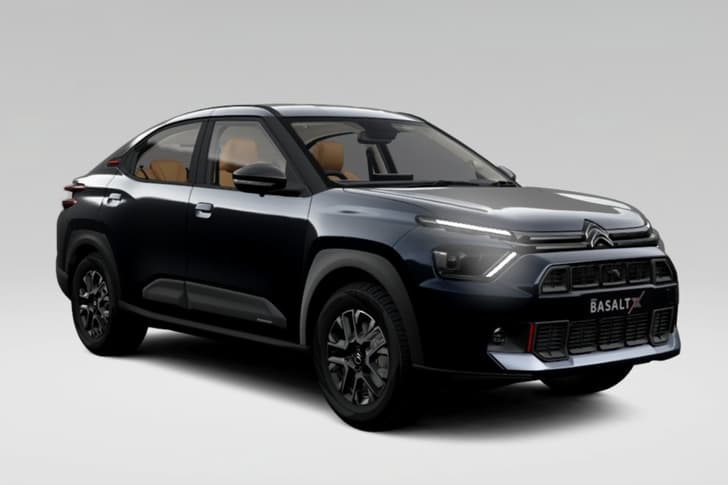
Citroen Basalt colours include 7 listed options, with both single-tone and dual-tone finishes. The named shades are Cosmo Blue, Garnet Red, Perla Nera Black, Polar White and Steel Grey. Dual-tone options pair Perla Nera Black with Polar White or Garnet Red.
Citroen Basalt Similar Cars to Explore
Citroen Basalt FAQs
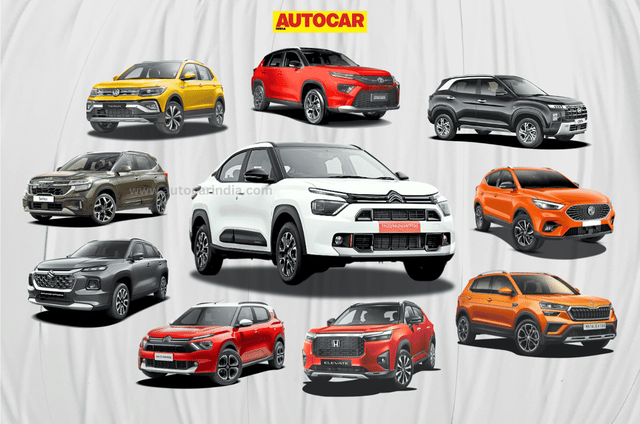
Unlike conventional SUVs such as the Hyundai Creta, Kia Seltos and Maruti Grand Vitara, the Basalt features a coupe-style roofline. Despite that, Citroen has managed to retain plenty rear-seat space and a large boot, making it a practical family car.
Yes. Ride comfort is one of the Basalt's strongest attributes. Like other Citroen models sold in India, it has been tuned to absorb broken roads and potholes effectively, while the comfortable seats make long journeys less tiring.
The Citroen Basalt is offered with either a 1.2-litre naturally aspirated petrol or a 1.2-litre turbo-petrol engine option. While the naturally aspirated engine is offered with only a manual transmission, the turbo-petrol unit also gets an option of a torque converter automatic gearbox. The turbo-petrol engine is the more powerful option and is better suited for highway driving and overtaking.
The Basalt comes equipped with six airbags, electronic stability control (ESC), hill-hold assist, tyre pressure monitoring system (TPMS), ISOFIX child-seat mounts and rear parking camera, depending on variant. Buyers should check the variant-wise safety equipment before purchasing.
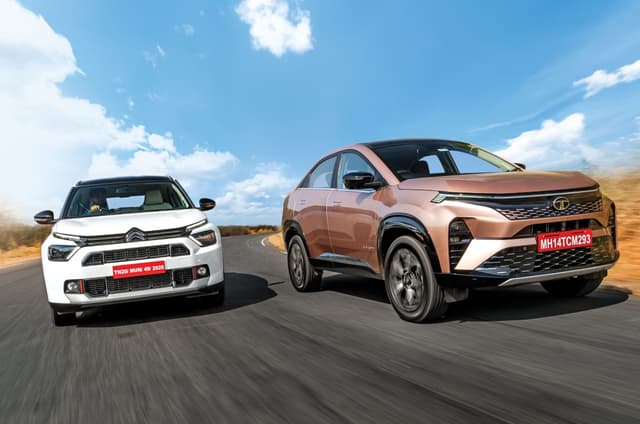
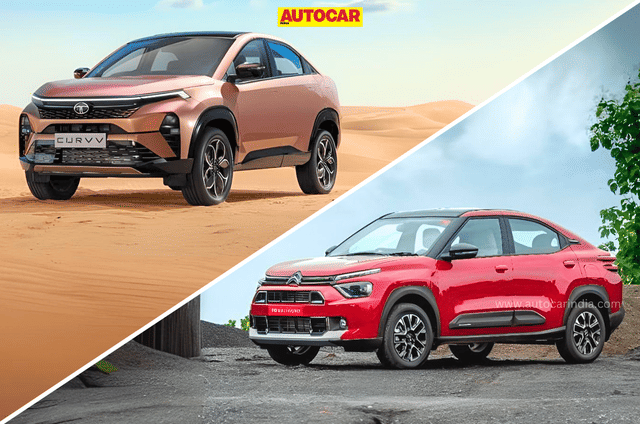
The Basalt and Tata Curvv are among the few mainstream coupe-SUVs in India. The Basalt focuses more on ride comfort and value for money, while the Curvv offers a broader powertrain range, more features and a more premium cabin experience.
The Basalt's main drawbacks include a smaller dealership and service network than major rivals, the absence of some premium features such as a sunroof and 360-degree camera, and lower brand presence compared to more established SUV makers.
Questions you may find useful
Cross-shopped the Kylaq and the Basalt this month. Resale value expectations in this segment are honestly still a guessing game for both.
Hello everyone, I've been driving a Hyundai Elite i20 CRDi since 2014, and after more than a decade, I'm planning to upgrade during the upcoming Dussehra/Diwali season. I live in a Tier-2 city, and my budget is up to ₹18 lakh (on-road). After a lot of research, I've shortlisted two cars: - Skoda Kylaq Sportline (upcoming) - Citroën Basalt X Fuel efficiency isn't a priority for me. What matters most is driving pleasure, stability, and long-term reliability. I have a few questions for owners and enthusiasts: 1. Which brand is likely to be more reliable in the long run, especially with E20 petrol? 2. How do the driving dynamics of the Basalt X compare with the Kylaq? I'm particularly interested in steering feel, handling, ride quality, and overall confidence at highway speeds. 3. How has your ownership experience been in terms of service, maintenance, and reliability? I'd really appreciate insights from people who have driven or owned either of these cars. Thanks in advance!
I own a Citroën Basalt automatic. When I start the car and shift into reverse gear, I notice a sudden jerk. However, this does not happen once the engine has warmed up. Could you please explain the reason for this behaviour and let me know if it indicates any issue with the car?
This usually happens because the engine and the automatic gearbox are cold. Right after a cold start, the engine idles a bit higher, and the gearbox oil is still thick. When you slot into reverse at that moment, the reverse clutch grabs with more force than it does when warm, so you feel a quick jerk. Once the engine settles and the oil warms up, the shift into reverse feels smooth.If the jerk is small and happens only on the first cold start, it is generally normal and not harmful. Try this: start the car, keep your foot firmly on the brake, wait 5 to 10 seconds for the idle to settle, then shift to R. Do not touch the accelerator while selecting reverse. This should remove the thud.If the jerk is strong, comes with a clunk noise, or keeps happening even after a short warm-up, get it checked under warranty. Ask the workshop to run a true cold-start test after the car sits overnight and to check a few simple things: gearbox oil level and condition, any transmission software updates, engine idle speed when cold, and the engine and gearbox mounts. These can also cause a harsh engagement.Based on what you described, it sounds more like normal cold behaviour than a fault. Try the short pause on start-up. If it still bothers you, have Citroen log it on a cold morning, and they can fine-tune or fix anything if needed.
Hello team, I read your blogs regularly and value your reviews. Please guide me on which car I should buy from my shortlisted options. This will be my first car, and I enjoy driving. My requirements are a minimalist design (not too many gadgets), a manual transmission, good comfort and space, and a roomy boot. I’ve shortlisted the Volkswagen Virtus, Honda Amaze, and Hyundai Basalt. My budget is ₹12–14 lakh. Please advise.
Thank you for your support. We're happy to help! Coming to your question, the Honda Amaze, while practical and comfy, does not have the driving thrill you would want. The Volkswagen Virtus, while impressive, will not fit in your budget apart from the base variant, which isn't too impressive. You can expect the Volkswagen Virtus mileage to be around 9 to 12 kpl in the city and 15 to 18 kpl on the highway.The Citroen Basalt X will be a good pick out of this lot. It has a punchy turbo-petrol engine that is lovely to drive, the ride comfort is excellent, and it has a large boot as well. Also, while it is feature-packed, it isn't unnecessarily complicated, and the functions are easy to use. The Basalt X would be our recommendation.
Will Citroen bring diesel cars in the future and do you think that it will succeed in the Indian market?
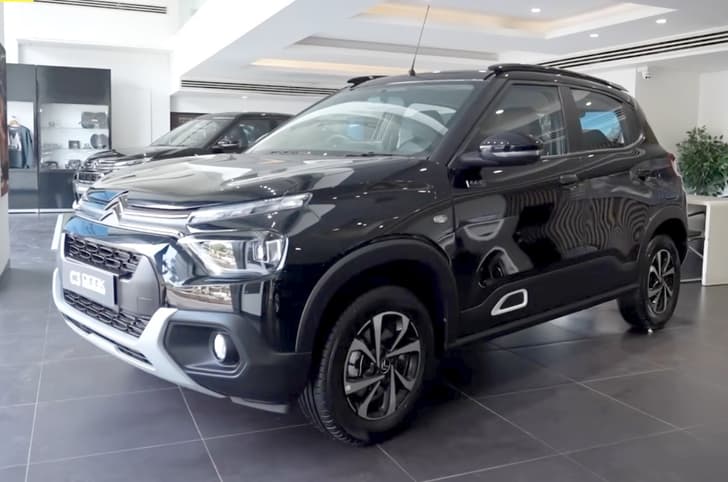
Citroen has no announced plans to introduce any new diesel model in India. Its locally developed C-Cubed range, including the C3, Aircross and Basalt, were not engineered to accommodate a diesel engine. Tighter emission requirements also make developing and selling diesel cars harder to justify, particularly for the affordable end of the market. Citroen has already mentioned that it does not intend to invest heavily in diesel, so a change of direction looks unlikely. Instead, expect more attention on alternative powertrains. Citroen entered the mass-market EV space relatively early with the eC3, ahead of several established manufacturers. More recently, it has expanded into CNG, while its parent company Stellantis has outlined a broader Indian strategy that includes hybrids and EVs. That does not confirm a particular future Citroen model, but it gives you a sense of the direction.
Upcoming Cars


Citroen Cars


Trending Cars


Latest Cars


Last Updated on: 30 Oct 2026