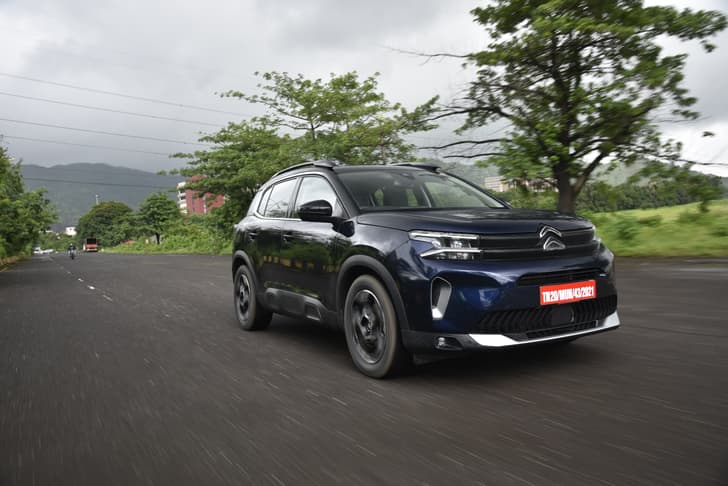
Citroen Basalt Automatic Jerk



Last Updated on: 16 Sep 2026
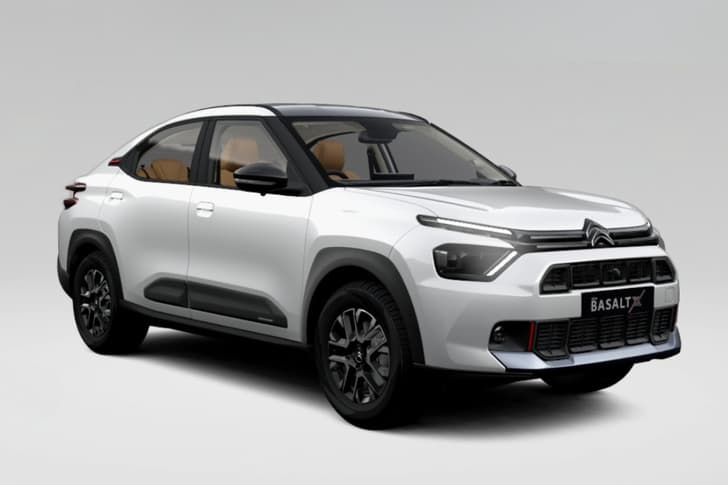
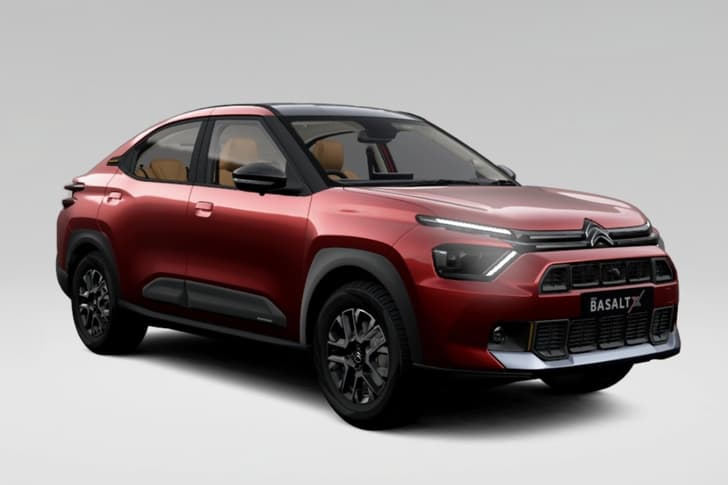
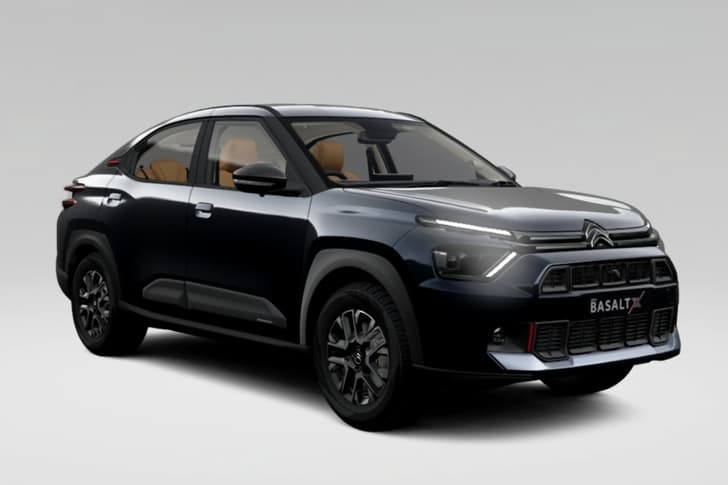
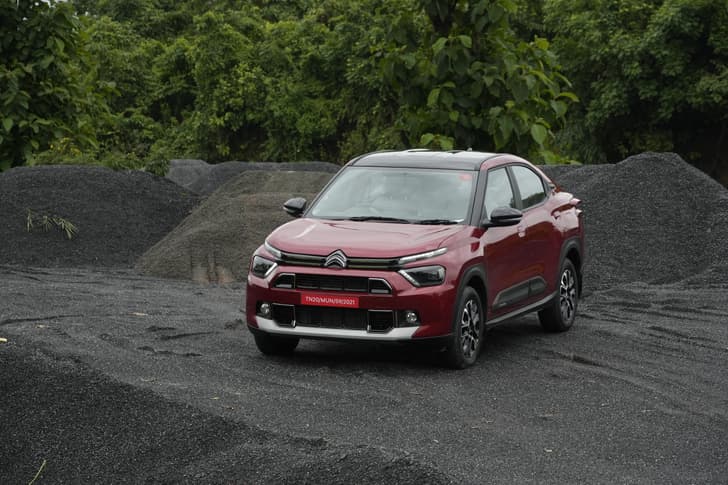
 Electronic Stability ControlManual Climate ControlFabric Seat MaterialHalogen Headlight TypeTraction ControlWarning Only Tyre Pressure Monitoring SystemFully Digital Digital Instrument ClusterPhone-based Satellite NavigationRemote AC On / Off via AppMiddle-Row FoldingRear Parking CameraTrunk LightWireless Phone ChargingLeatherette Seat MaterialShark Fin Antenna
Citroen Basalt Official Brochure
Download the complete brochure with specs, features, and variants.
.jpg?w=640&q=75&fm=auto)
Hello everyone, I've been driving a Hyundai Elite i20 CRDi since 2014, and after more than a decade, I'm planning to upgrade during the upcoming Dussehra/Diwali season. I live in a Tier-2 city, and my budget is up to ₹18 lakh (on-road). After a lot of research, I've shortlisted two cars: - Skoda Kylaq Sportline (upcoming) - Citroën Basalt X Fuel efficiency isn't a priority for me. What matters most is driving pleasure, stability, and long-term reliability. I have a few questions for owners and enthusiasts: 1. Which brand is likely to be more reliable in the long run, especially with E20 petrol? 2. How do the driving dynamics of the Basalt X compare with the Kylaq? I'm particularly interested in steering feel, handling, ride quality, and overall confidence at highway speeds. 3. How has your ownership experience been in terms of service, maintenance, and reliability? I'd really appreciate insights from people who have driven or owned either of these cars. Thanks in advance!
Cross-shopped the Kylaq and the Basalt this month. Resale value expectations in this segment are honestly still a guessing game for both.
Autocar, kindly suggest whether I should go for the Citroen Basalt X Turbo Max 2025 model at a reduced price of around Rs. 12.5 lakh or the Toyota Hyryder S Petrol. My running is around 30km per day in bumper-to-bumper traffic, and I do a 300km highway trip once a month. I currently own a Taigun 1.0 TSI petrol, but its mileage is very low.

 Toyota Urban Cruiser HyryderCitroen Basalt
I am currently driving a Polo 1.5 TDI, which has completed 10 years, and diesel vehicles older than 10 years are no longer allowed in Delhi-NCR. I am looking to buy a new car that is fun to drive and safe, and I am not keen on gimmicky features. Kindly suggest. I am also confused about ICE vehicles because of future fuel blending (ethanol/isobutanol). My on-road budget is capped at Rs 13 lakh.
Skoda KylaqCitroen BasaltTata Punch EVI am concerned about the future increase in ethanol blending percentages. Will E20 continue to be available as the base fuel option alongside higher ethanol blends in the future? I am considering the Citroen BasaltX, Honda Elevate CVT, and Kia Seltos NA CVT. My usage is mostly in the city with occasional highway drives, and my annual running is around 10,000 km. I am looking for a long-term car for at least 10-12 years.
Honda ElevateKia SeltosCitroen Basalt