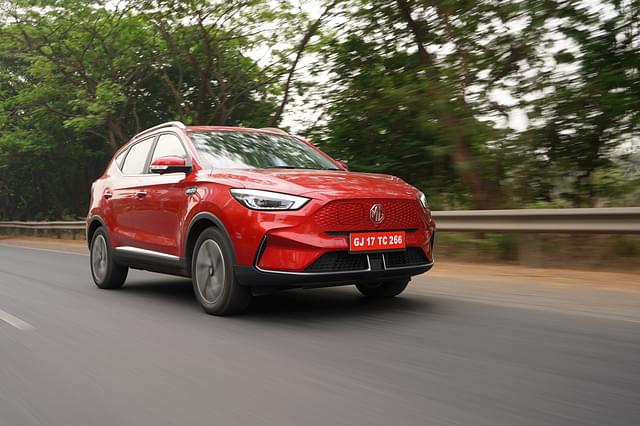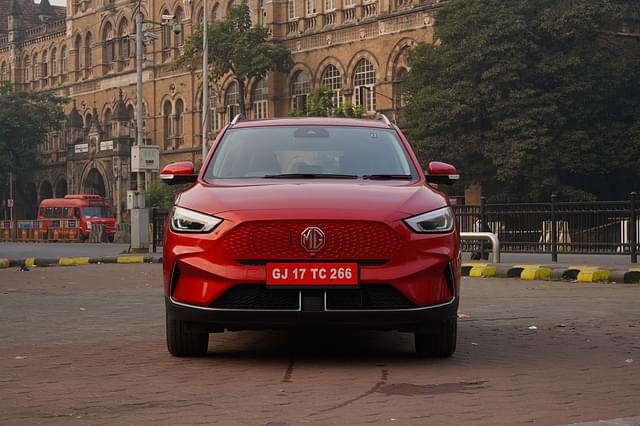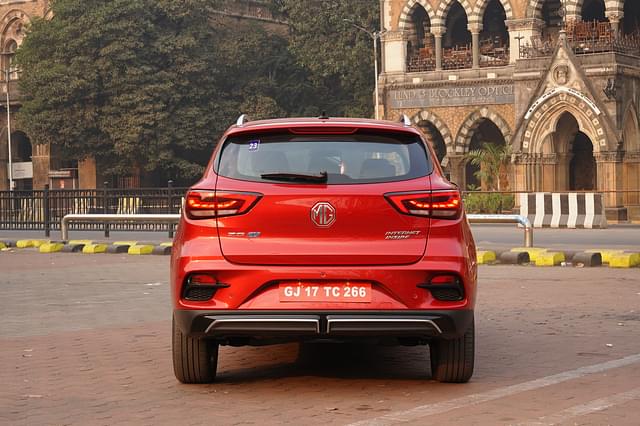

MG cars in India (10)
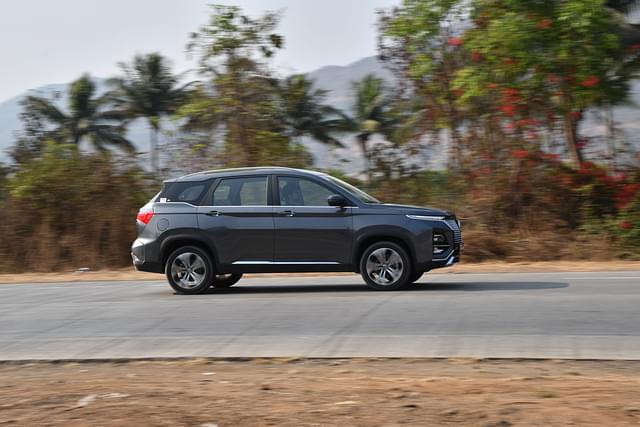
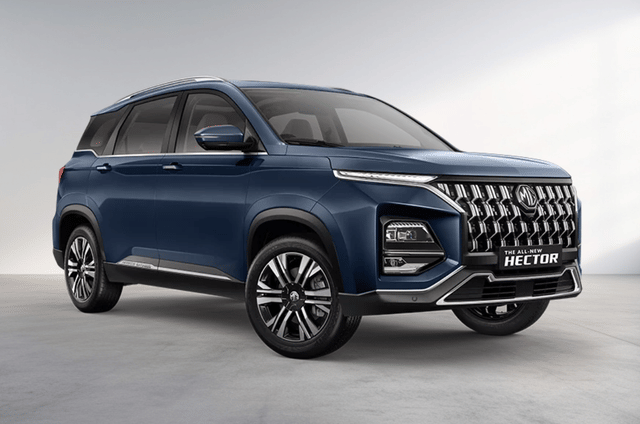
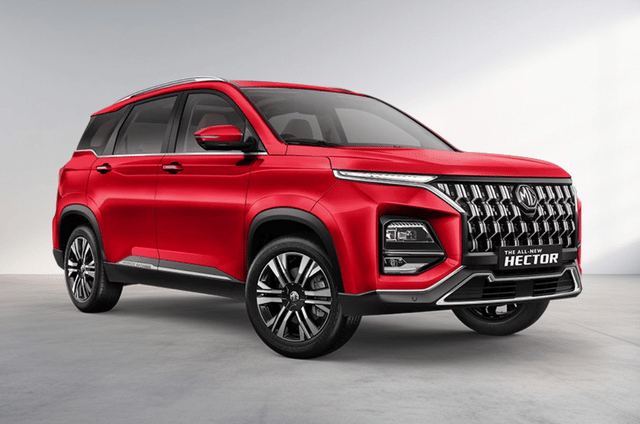
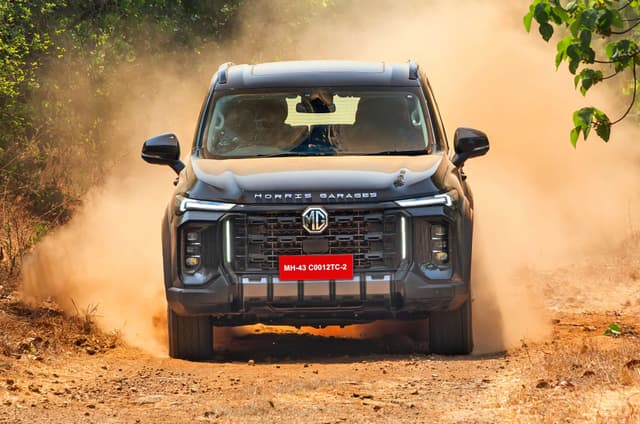
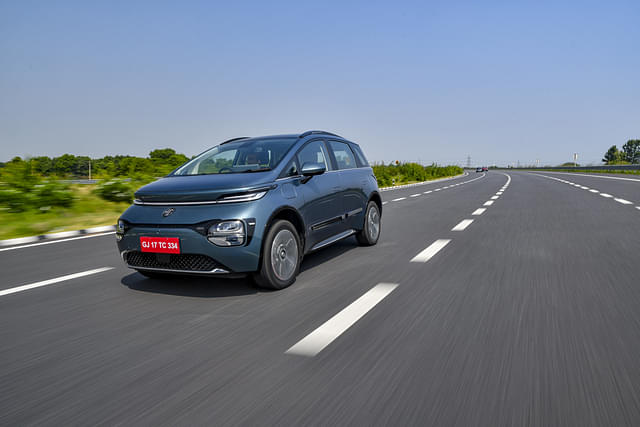
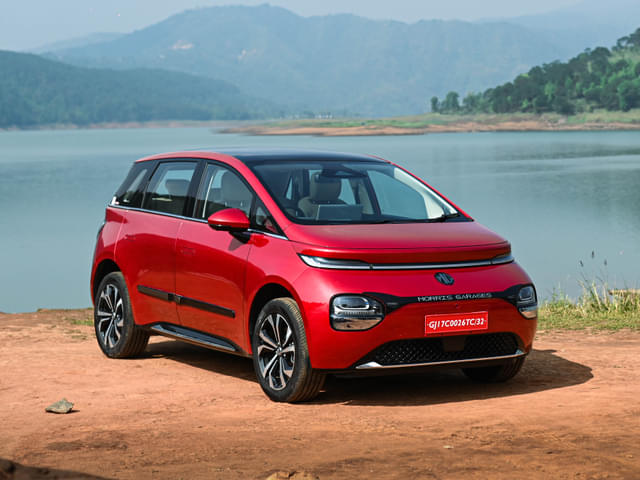
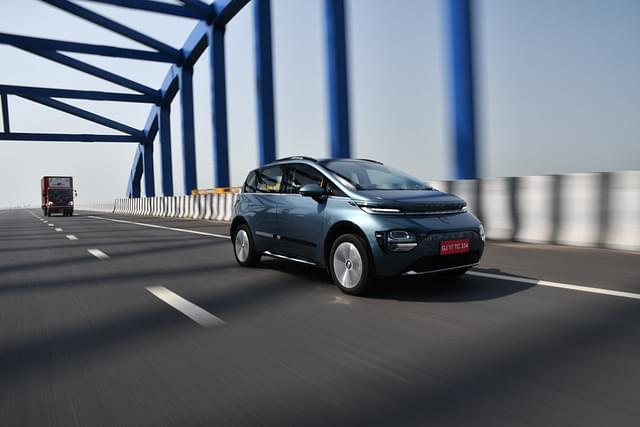
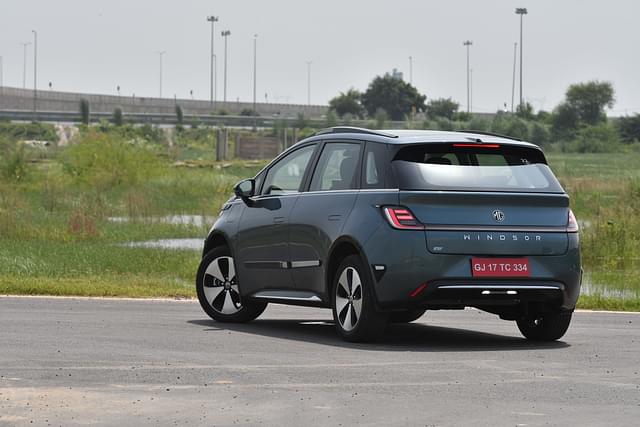
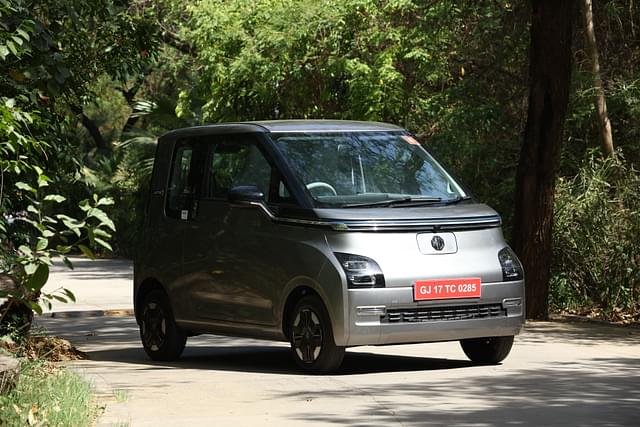
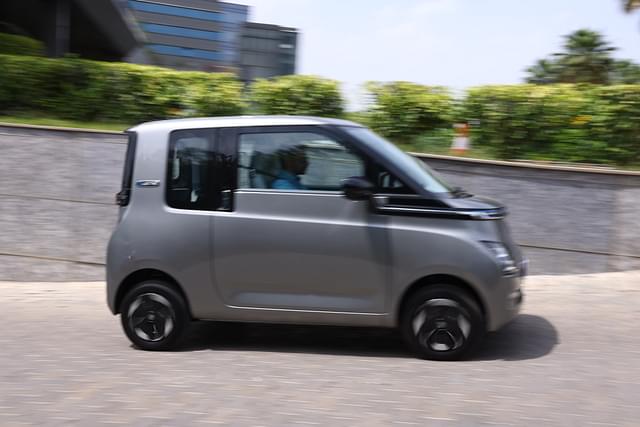
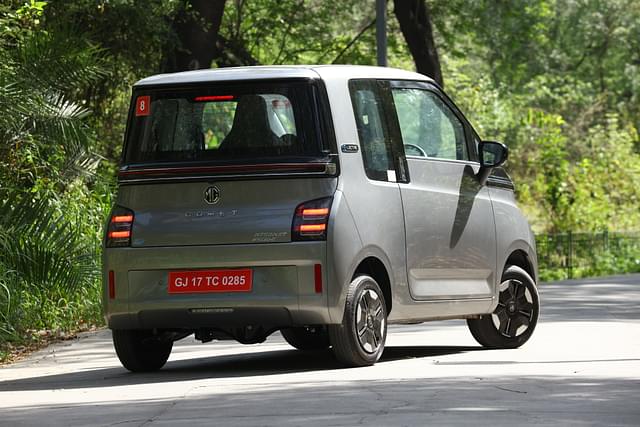
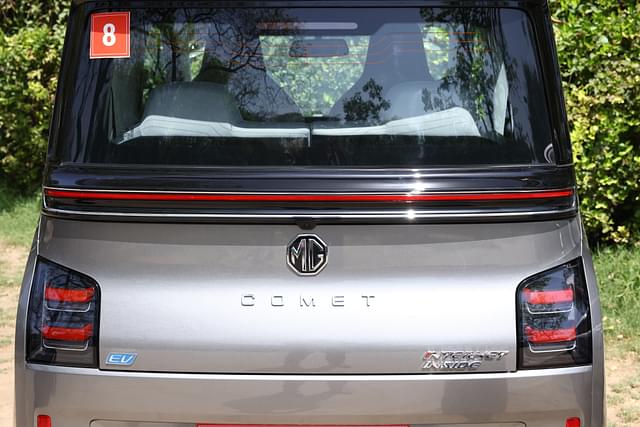
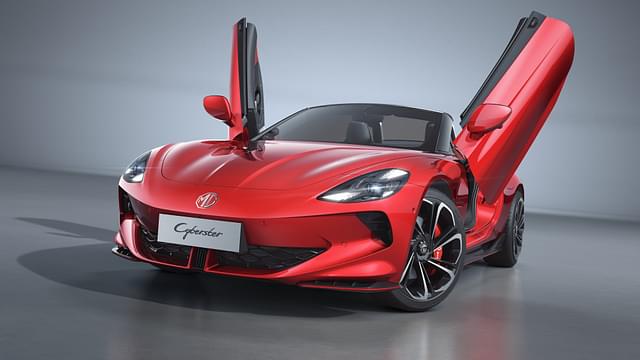
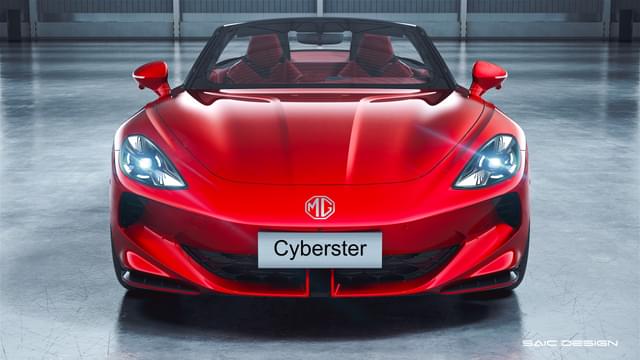
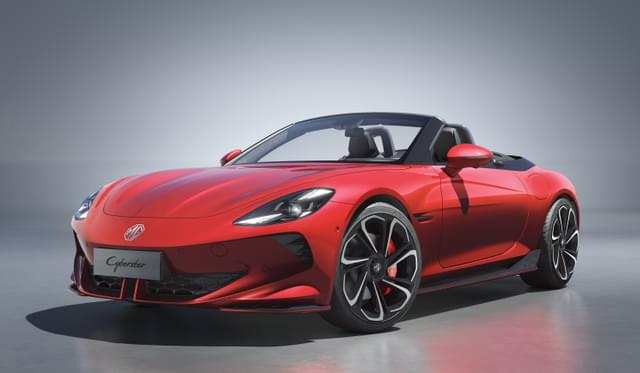
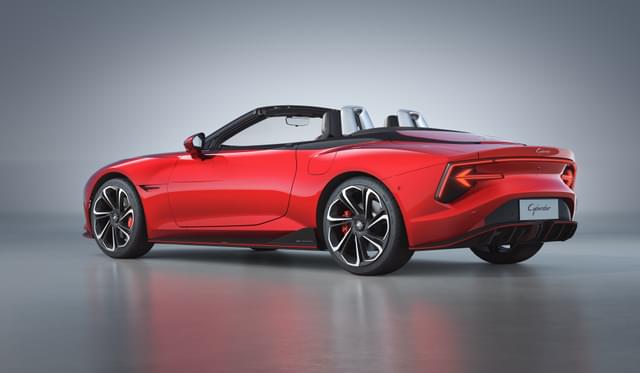
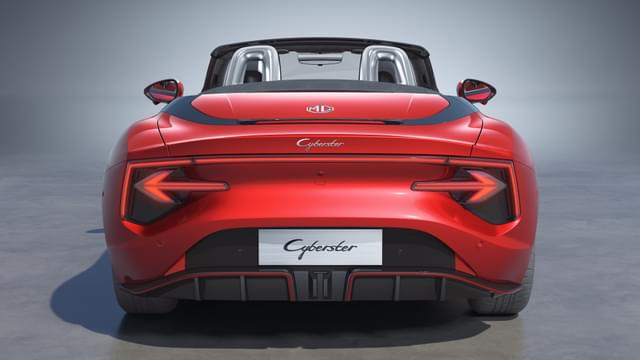
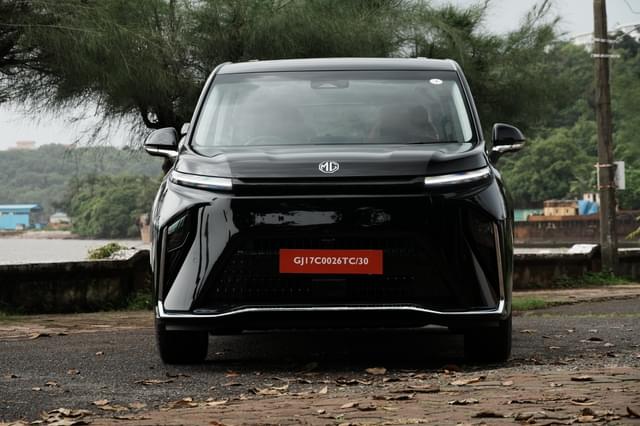
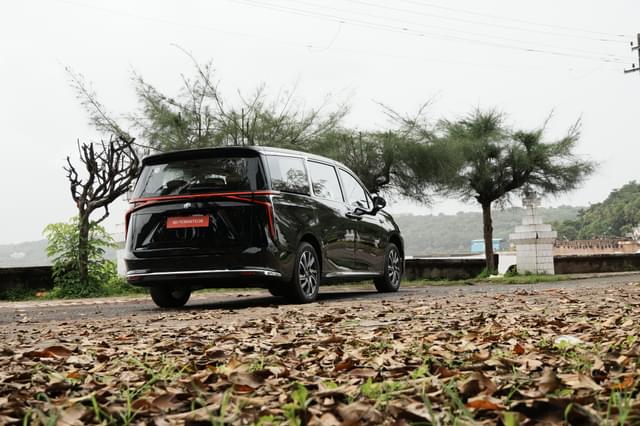
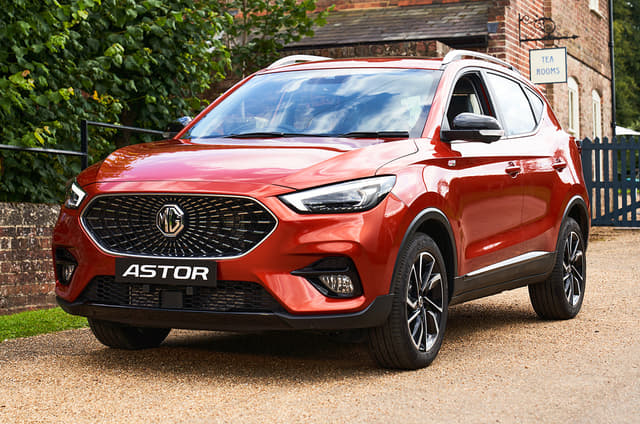
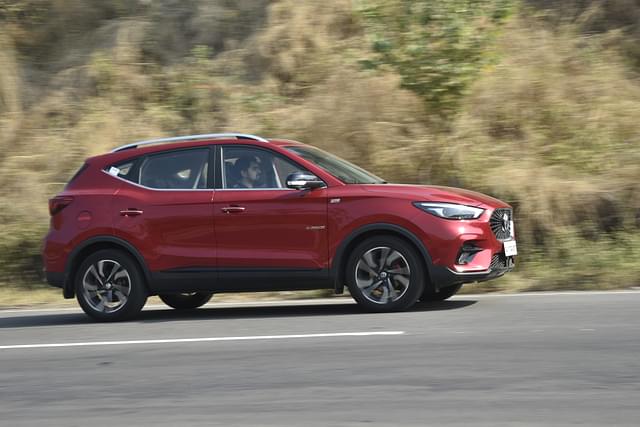
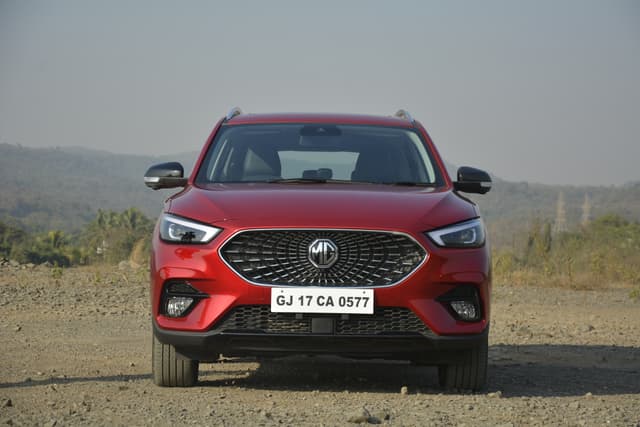
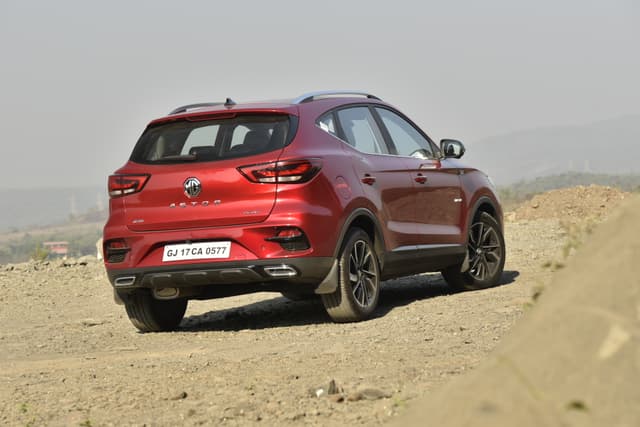
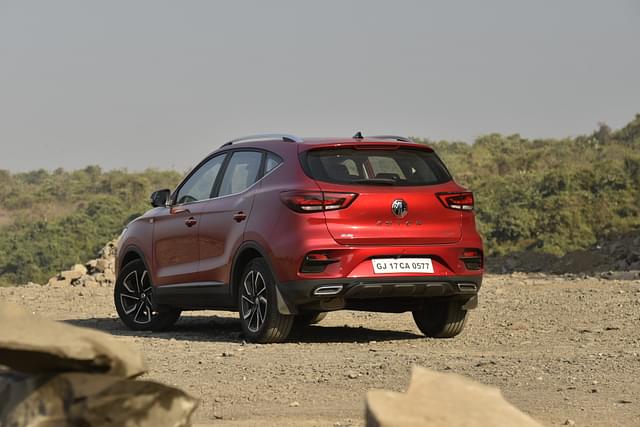
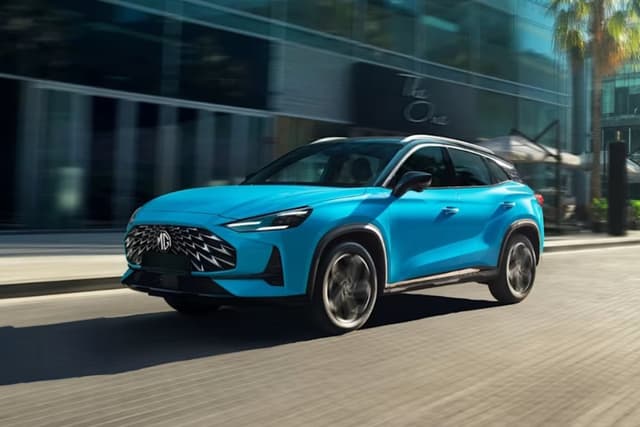
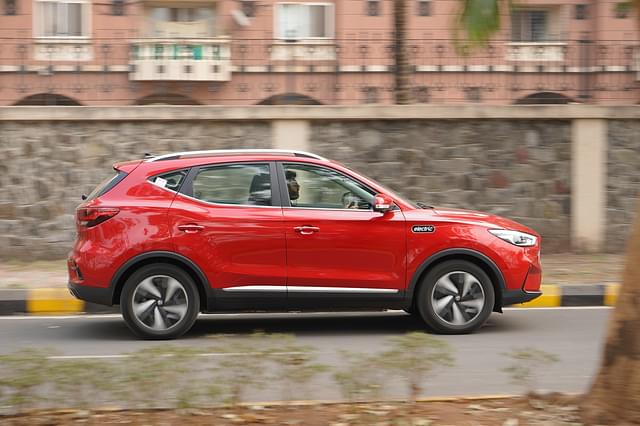
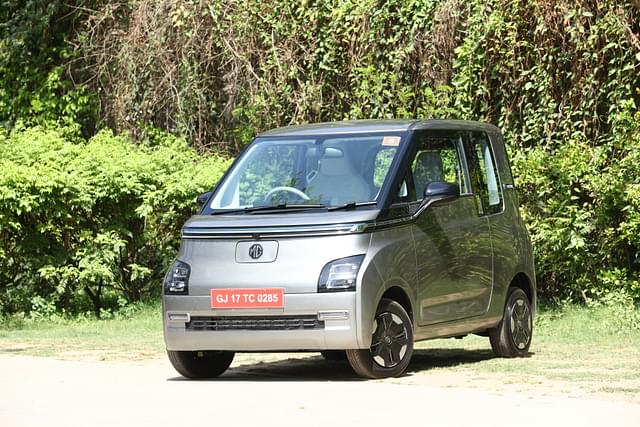
As of now, there are 11 MG cars in India, out of which 8 are on sale, and 3 are upcoming. The MG car price starts at ₹7.50 lakh and goes up to ₹77.50 lakh (ex-showroom). The cheapest MG car is the Comet, whereas the most expensive is the Cyberster. The MG cars available for sale in India are: Comet, Astor, Windsor, Hector, ZS EV, Gloster, M9, and Cyberster.
The Morris Garages India lineup includes 7 SUVs, 2 MPVs, 1 hatchback, and 1 convertible. The most popular MG cars in India are the Windsor, Hector, Astor, Gloster, and Comet. MG cars are available with petrol, diesel, and electric fuel type options.
Morris Garage, or MG Motor India, has been around in the country since 2019. This British car brand is currently owned by Chinese automotive giant SAIC Motor Corporation. MG Motor entered India with its first facility in Halol, Gujarat, and set up its corporate office in Gurugram, Haryana. The Hector was the first MG car launched for the Indian market.
MG Car Price List in India (July 2026)
View the latest MG car price of all the models available for sale in India:
Model Name | Price (ex-showroom) |
MG Comet | ₹7.50 lakh - ₹9.97 lakh |
MG Astor | ₹9.79 lakh - ₹15.30 lakh |
MG Windsor | ₹14.00 lakh - ₹18.60 lakh |
MG Hector | ₹11.99 lakh - ₹19.49 lakh |
MG ZS EV | ₹17.99 lakh - ₹20.50 lakh |
MG Gloster | ₹38.33 lakh - ₹46.24 lakh |
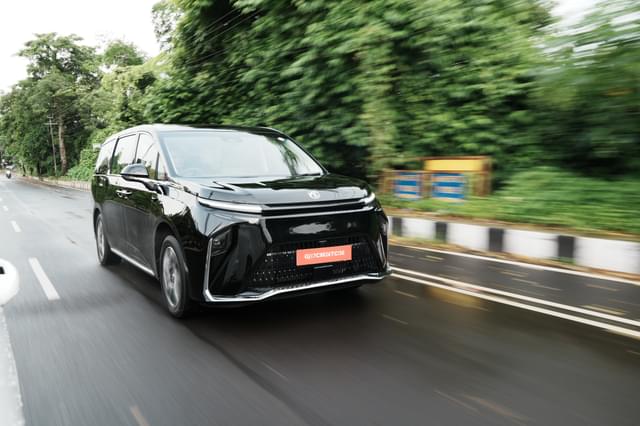
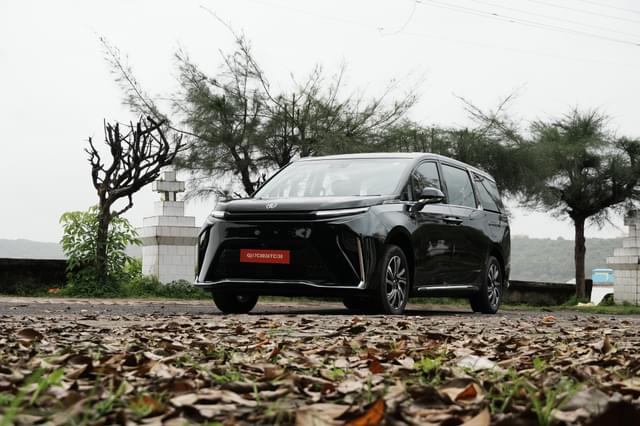
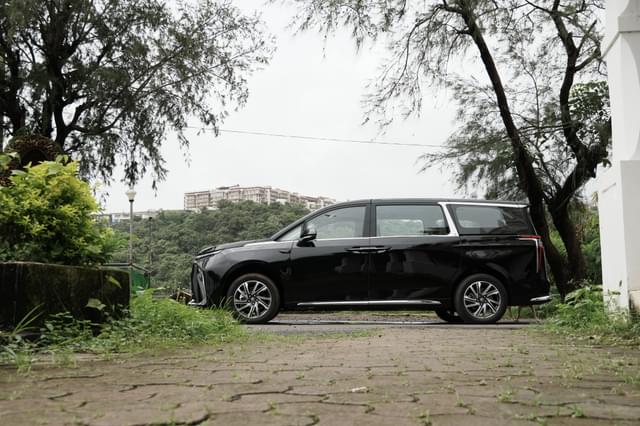
MG M9 | ₹75.90 lakh |
MG Cyberster | ₹77.50 lakh |
MG New Car List
The MG new car list includes three cars:
- MG Majestor
- Estimated price: ₹40.00 - ₹45.00 lakh (ex-showroom).
- Expected launch: May, 2026
- Fuel type: Diesel
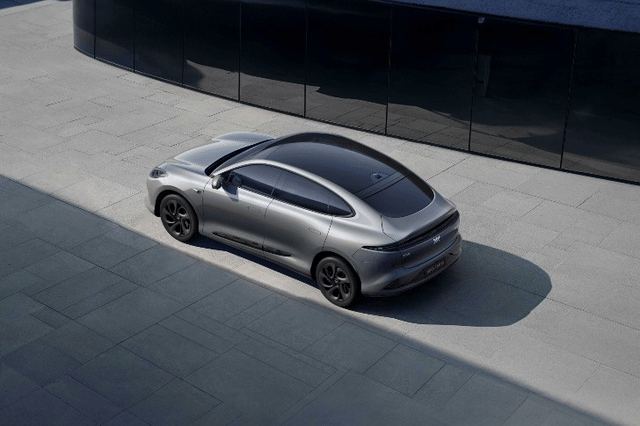
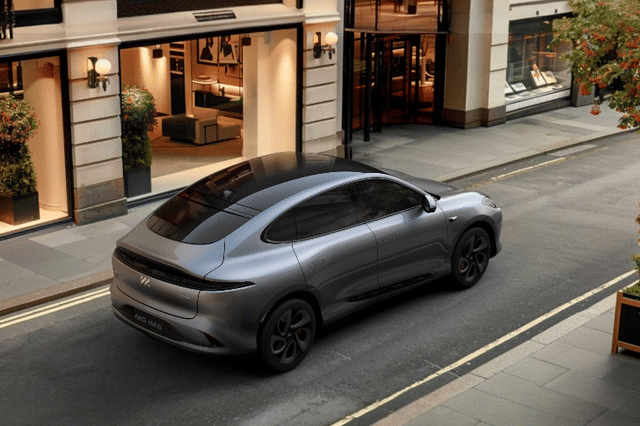
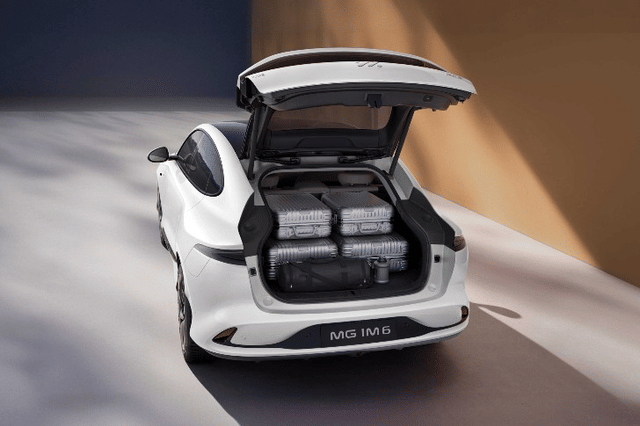
- MG IM6
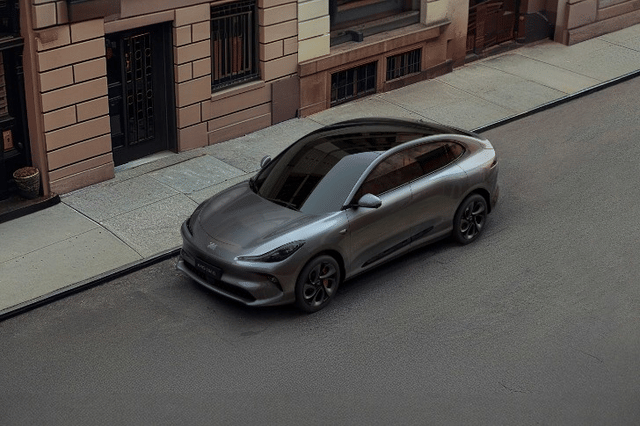
- Estimated price: ₹55.00 - ₹60.00 lakh (ex-showroom).
- Expected launch: October, 2026
- Fuel type: Electric
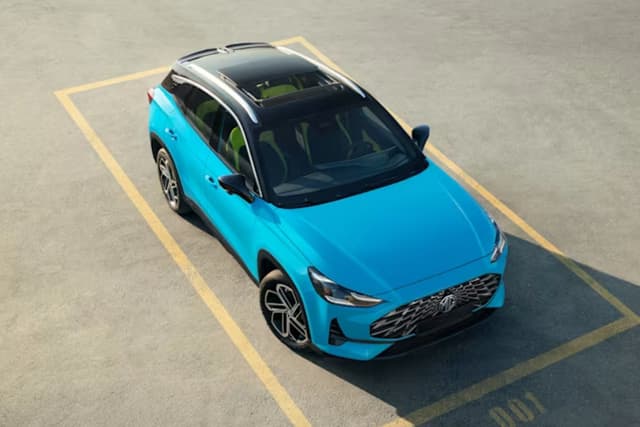
- MG New Astor
- Estimated price: ₹12.00 - ₹17.00 lakh (ex-showroom).
- Expected launch: 2027
- Fuel type: Petrol
MG Electric Cars
The MG EV car prices range between ₹7.50 lakh and ₹77.50 lakh. Presently, there are 5 MG electric cars for sale in India: Comet, Windsor, ZS EV, M9, and Cyberster. The cheapest MG electric car is the Comet, while the most expensive is the Cyberster.
MG Car - Latest Updates (July 2026)
- 11 March 2026: MG announced benefits of up to ₹70,000 on Windsor EV.
- 7 March 2026: JSW MG Motor developing new Astor and ZS EV replacements on a modular platform, launch expected in 2027.
- 5 January 2026: MG Windsor became India’s top-selling EV in 2025, with 46,735 units sold.
Find cars by body type
Filter your search
FAQs
MG stands for Morris Garages. It is a British-origin automotive brand that now operates in India as MG Motor India.
MG Motor India has been operating since 2019, with its first facility in Halol, Gujarat, and a corporate office in Gurugram.
MG electric car prices range between ₹7.50 lakh and ₹77.50 lakh, depending on the model.
Yes. MG cars are available in petrol, diesel, and electric variants.
Yes. There are three 7-seater cars in the MG India lineup: Gloster, M9, and Hector.
There are two upcoming MG cars expected to launch in 2026: the Majestor and the IM6.
Currently, there are 11 MG cars in India, out of which 8 are on sale and 3 are upcoming.
The top models are the Windsor, Hector, Astor, Gloster, and Comet.
Yes. The MG EV lineup includes Comet, Windsor, ZS EV, M9, and Cyberster.
Popular SUV models that are currently available for sale in India include the Astor, Gloster, Hector, and ZS EV.
The MG Comet is the lowest price car in the brand’s lineup, starting at around ₹7.50 lakh (ex-showroom).
Yes. The MG Cyberster is an electric sports car currently available in the Indian market.
The MG Comet is categorized as a small car, designed for city use with compact dimensions.
No. MG does not currently sell any sedans in India. The lineup includes hatchbacks, 7 SUVs, 2 MPVs, and 1 hatchback, and 1 convertible.
The Morris Garages car price in India starts at ₹7.50 lakh for the Comet.
The MG car price in India starts at ₹7.50 lakh and goes up to ₹74.99 lakh.
The Cyberster is the top model in the Morris Garages India lineup.
Trending Questions on MG Cars - Answered by Autocar Experts
I want to buy a new automatic car in the price range of the top-end Kia Sonet or the Mahindra XUV 3XO. The car will be driven around 7,000 km per year and will be used as a second vehicle. So, an EV may also be worth considering, as I have a solar plant at home. I like premium interiors and prefer a relatively maintenance-free vehicle. I also want good ground clearance to handle potholes. What would you suggest? Should I stick to sub-4-metre SUVs, or should I also consider larger options?
Your annual running of just 7,000km, the fact that this will be a second car, and having a solar plant at home make an EV a very compelling proposition. You'll enjoy extremely low running costs, quiet performance and the convenience of charging at home.Our top recommendation would be the MG Windsor EV. It is priced similarly to the top variants of the Sonet and 3XO, but offers a much more spacious cabin and a greater sense of space inside. It also feels more premium than its price suggests and is an excellent family car.The Tata Nexon EV is another excellent option. It offers good ground clearance, strong performance, a proven electric powertrain and a wide service network. If you prefer the more traditional SUV stance and slightly better rough-road ability, it remains a very sensible choice.If you decide to stay with a petrol automatic, we'd lean towards the Mahindra 3XO over the Kia Sonet. The 3XO offers a more spacious cabin, stronger safety credentials and a more comfortable ride, while the Sonet counters with a richer feature list and a more premium-looking interior.
Hello. My budget is Rs 20 lakh, and I'm looking for a big, full-size petrol automatic SUV. The MG Hector and Tata Harrier are the two options I have explored, but I'd like to consider more options because making the decision has been difficult. My family enjoys long road trips, and we also occasionally drive on broken roads and light off-road trails.
Get the Tata Harrier. Since long trips and basic off-roading are on your agenda, it will perform much better than the MG Hector. On highways, its ride feels more composed, and it remains more stable at higher cruising speeds. Besides multiple drive modes, the Harrier also gets terrain modes for loose surfaces, which adjust the power delivery and braking to improve traction. Compared to the Hector, you will sacrifice some rear-seat space, but that doesn't mean the Harrier is uncomfortable. Overall, it is the better choice for your intended usage.
Which electric car should I buy under Rs. 17 lakh for a daily commute of 50-80 km: the Tata Nexon EV Fearless 45, Maruti Suzuki e Vitara base model, MG Windsor EV, Tata Punch EV, or any other better 5-seater EV option?
The MG Windsor EV would be our recommendation here. Coming from a Honda City diesel, you're likely looking for a comfortable, spacious and practical family car. Among the EVs you've shortlisted, the Windsor feels like the most complete package. It offers the roomiest cabin, excellent rear-seat comfort and enough space for five adults to travel comfortably. It also feels like a genuine upgrade from a sedan in terms of practicality and everyday usability.The Nexon EV 45 would be our second choice. It is a proven product, offers good performance and range, and is a sensible option if you prefer a more compact SUV. However, it cannot match the Windsor for rear-seat space and overall family-car appeal.The Maruti Suzuki e Vitara is worth considering, but it does have some notable shortcomings. The rear-seat headroom and boot space are limited, the seating position is slightly knees-up, the ride can feel busy and there is more road and tyre noise than we'd like. Given how late it is to the EV market, we expected Maruti to address some of these areas more effectively.The Punch EV continues to offer excellent value, but it is a segment smaller than the others and may not feel like a significant upgrade from your Honda City in terms of space and overall comfort.
Current car: Honda City V i-DTEC. Budget: Rs. 12-17 lakh. Electric only. Daily commute: 50-80km. Shortlisted: Nexon EV Fearless 45, MG Windsor EV and Punch EV. Looking for a good 5-seater and still exploring more options.
For your requirements, we think you should go for the MG Windsor. It offers the most space within your budget, and since seating 5 is a priority, it is the best choice. Your budget won't get you the 'Pro' variant with the larger battery, but given your daily usage of 50-80km, the standard version is more than enough. Plus, you should be able to get the fully loaded Essence variant, with all the bells and whistles, in your budget.The Tata Nexon EV is your next best bet, and though not quite as spacious as the MG, it's got the softer suspension, and you and your passengers will appreciate the resultant comfort. It has a larger battery, so the real-world range will be higher, but given your usage, it shouldn't make much of a difference. The issue is you'll only get a mid-range variant in your budget, so you might have to give up a few features. The Punch EV is simply too cramped in the rear seat to be used as a regular five-seater, compared to these two.Whichever you choose, make sure you can have a home charger installed, as that's essential to running an EV as your only car.
Dear Editor, I currently own a Ford Aspire Petrol (top-end but one variant) and am planning to upgrade to a more spacious car in around Rs. 20 lakh (ex-showroom). My daily city commute is between 10 to 20 km with an additional 50-60 km once a week. I also take occasional long drives of around 500-700 km. I travel with 3 passengers, but occassionally my parents join us. I have a dedicated parking slot with home charging setup capability. Coming from a Ford, I deeply value sharp handling, tight body control, and steering feedback. I am highly intrigued by the MG Windsor EV Pro through corporate car lease due to its incredible tax benefits, low running costs, and lounge-like rear seats for my parents. However, I am worried about its soft suspension and light steering that will feel too disconnected as compared to my Aspire. Does the MG Windsor EV Pro offer enough driving engagement, and are its drive modes sporty enough for a driving enthusiast? Please suggest some other option if I buy a car myself or choose a corporate car lease. Also, between turbo petrol or EV, which one will be fun-to-drive?
Go for the Volkswagen Virtus 1.5 TSI or Skoda Slavia 1.5 TSI. They're the closest to your Aspire’s feel for Rs. 20 lakh - quick turbo punch, crisp steering, and tight body control that stays clean at highway speeds. They're exciting enough to keep you connected, yet are easy in the city. They're spacious, have big boots for trips, and the rear benches will keep your parents happy, though they're not “lounge-like”. Do note, both sedans are due for updates soon, so its best to wait for the latest versions. If you'd prefer higher seating, the VW Taigun 1.5 TSI and Skoda Kushaq 1.5 TSI SUVs are good alternatives.About the MG Windsor EV Pro: it's got an airy cabin, being an EV runs quiet, and your parents will love the sofa-like rear. But if driver feel matters, you will miss your Ford. The steering stays light and a bit numb, and the soft suspension brings float over bumps. Drive modes mostly tweak weight and throttle, not real feedback. Lease it only if rear comfort and ultra-low running cost beat driving fun for you.
I am currently driving a Maruti Suzuki Grand Vitara Delta Mild Hybrid Manual. Most of my driving is in the city, with occasional highway and mountain trips. I am considering MG Hector Plus, Mahindra XUV 7XO, Mahindra Scorpio N, Tata Safari and Mahindra Thar ROXX for my next vehicle. My preference is for a petrol automatic. I would also like the car to be feature-rich and offer strong performance. Considering my usage pattern and requirements, which of these options would you recommend?
Go for the Mahindra XUV 7XO petrol automatic. It suits your city-heavy use, is the most feature-rich here, and its turbo petrol has serious shove for highway and mountain climbs. It is easy to drive in traffic, rides comfortably, and the automatic is smooth. Tech like a 360 camera helps in tight city spots, and the safety and ADAS kit are handy on long trips.One thing to live with: fuel economy in the city will be far lower than your Grand Vitara. Expect single-digit kpl in heavy traffic.The next best alternative is the Tata Safari petrol automatic. It's got a refined engine and very smooth automatic gearbox. Again, fuel economy will be significantly down on your Grand Vitara, so account for that. The Tata feels tough and packs in plenty of equipment in the top end. Of the others, the Scorpio N and Thar Roxx aren't as comfortable while the MG Hector's high speed ride comfort and engine performance aren't great for highway and mountain drives.
Dear Autocar Team, as a long-time reader and enthusiast of automotive reviews, I am reaching out to seek your expert guidance regarding my next vehicle purchase. Currently, I own three vehicles: a 2012 Innova, a 2.5-year-old Mahindra XUV700, and a Windsor Pro. I previously owned a Toyota Hyryder NEO, which I found to be significantly lacking in comfort which prompted me to sell it. At this stage, I am evaluating whether to invest in an electric vehicle (EV) or a conventional internal combustion engine (ICE) vehicle. Given my primary usage pattern which is approximately 90% highway driving (90% of which is confined within the state of Telangana). I would greatly appreciate your recommendation for this specific use case. Your insights on the suitability of EV versus ICE options for long-distance, highway-centric travel in a regional context would be invaluable while making this important decision. Thank you for your time and expertise. I look forward to your advice.
Given that your garage already includes an Innova, XUV700 and a Windsor Pro EV, the decision should be less about EV versus ICE in general and more about what gap you're trying to fill. For your usage pattern of 90% highway driving, an ICE vehicle still holds certain advantages. You'll spend less time planning charging stops, refuelling is quicker and long-distance cruising remains more convenient, especially if you frequently cover large distances across Telangana at highway speeds. Highway driving also tends to reduce the range advantage that EVs enjoy in city conditions.That said, you already own a Windsor Pro, which gives you first-hand experience of EV ownership. If the Windsor is comfortably handling your requirements and charging infrastructure on your regular routes is not an issue, there is no reason to rule out another EV.However, if this purchase is intended to be your primary long-distance tourer, we'd lean towards an ICE vehicle. With an XUV700 and Innova already in the garage, it may be worth looking at something that offers a step up in comfort, refinement or driving experience rather than another midsize SUV.The challenge is that you haven't mentioned a budget, which makes it difficult to recommend a specific car. Depending on your spending range, the recommendation could vary from a premium SUV to a luxury sedan or even a premium EV.
I am planning to buy a car, and my average usage is around 500 to 1,000 km per month. Would an EV be suitable for my requirements? My budget is under Rs. 15 lakh. Could you please advise?
Yes, an EV can make sense for your usage, especially if you have access to home charging.With a monthly running of 500-1,000km, you may not recover the higher upfront cost of an EV as quickly as a high-mileage user would, but the lower running costs, smooth driving experience and ease of use in city traffic are still significant advantages. The key factor is whether you can conveniently charge the car at home or work.In your budget, the Tata Punch EV Long Range would be the recommendation. It offers a good balance of range, performance, practicality and safety, while being one of the more sorted EVs currently on sale. It is also comfortable enough for the occasional highway trip and its compact dimensions make it easy to live with on a daily basis.If you can stretch your budget slightly, the MG Windsor EV is also worth considering. It offers a more spacious cabin, better rear-seat comfort and feels like a larger, more premium car overall.
I currently own a Kia Seltos (2021, top-spec variant). However, my daily commute has now increased to around 110 km, and I am considering purchasing a reasonably priced EV for single-person daily use. Could you please suggest the best electric vehicle options for my requirements?
The Tata Punch EV Long Range would be the recommendation here. It is compact, easy to drive and park, offers enough performance for everyday use and has more than enough real-world range to comfortably handle your 110km daily commute. It also feels like one of Tata's more sorted EV products and offers good value for money.If you want something even more focused on urban commuting, the MG Comet EV is worth considering, but with a 110km daily drive, the Punch EV's larger battery and greater range provide a much bigger comfort buffer.If your budget stretches a little further, the MG Windsor EV is another excellent option, offering a more spacious cabin and a more premium feel.
I am planning to buy MG ZS EV, especially now that it is being offered at a reduced price. My daily commute is around 50 km, which makes an EV seem like a suitable option for my needs. However, I am confused by reports suggesting that the ZS EV may be discontinued and replaced by a new-generation model. Given this uncertainty, would it still be a good decision to buy the MG ZS EV now, or would it be better to wait for the upcoming replacement? Could you please advise?
The MG ZS EV is still worth buying today, especially at the heavily reduced prices being offered currently. Yes, MG is working on a replacement for both the Astor and ZS EV, but that car is not around the corner. The replacement is expected only around 2027 and will be based on an all-new modular platform with newer technology and powertrain options.For your use case, that shouldn't be a deal breaker. Your daily commute is only 50km, which the ZS EV can handle effortlessly. More importantly, the current discounts significantly improve the value proposition. The money you're saving today will likely offset a large part of the depreciation hit associated with buying a model that is approaching the end of its lifecycle.The ZS EV also remains a very competent EV. It has a proven powertrain, a comfortable ride, good performance and a feature-rich cabin.
Last Updated on: 3 Jul 2026