Autocar India
8h

I want to buy a new automatic car in the price range of the top-end Kia Sonet or the Mahindra XUV 3XO. The car will be driven around 7,000 km per year and will be used as a second vehicle. So, an EV may also be worth considering, as I have a solar plant at home. I like premium interiors and prefer a relatively maintenance-free vehicle. I also want good ground clearance to handle potholes. What would you suggest? Should I stick to sub-4-metre SUVs, or should I also consider larger options?

Verified
15m

Your annual running of just 7,000km, the fact that this will be a second car, and having a solar plant at home make an EV a very compelling proposition. You'll enjoy extremely low running costs, quiet performance and the convenience of charging at home.

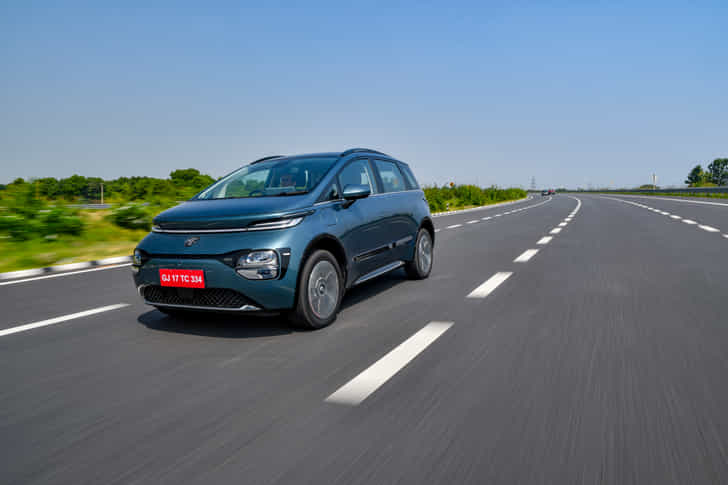
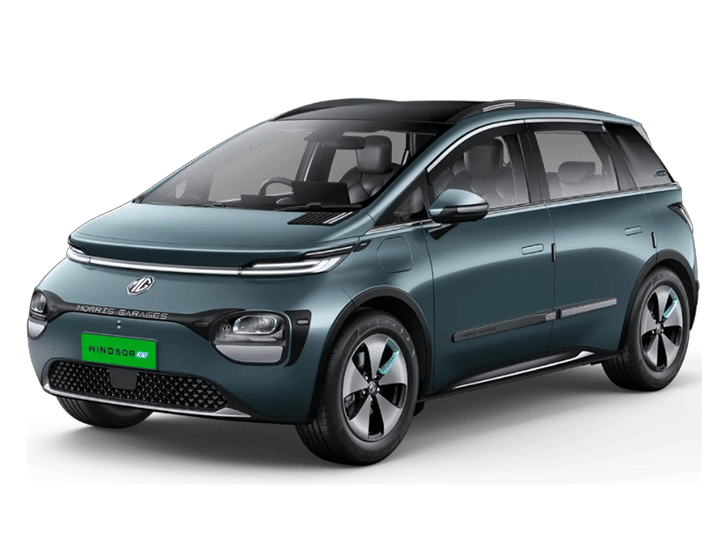
Our top recommendation would be the MG Windsor EV. It is priced similarly to the top variants of the Sonet and 3XO, but offers a much more spacious cabin and a greater sense of space inside. It also feels more premium than its price suggests and is an excellent family car.

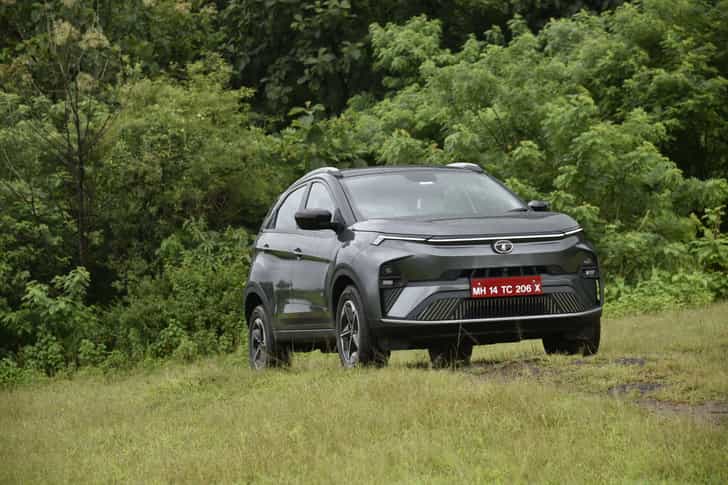
The Tata Nexon EV is another excellent option. It offers good ground clearance, strong performance, a proven electric powertrain and a wide service network. If you prefer the more traditional SUV stance and slightly better rough-road ability, it remains a very sensible choice.

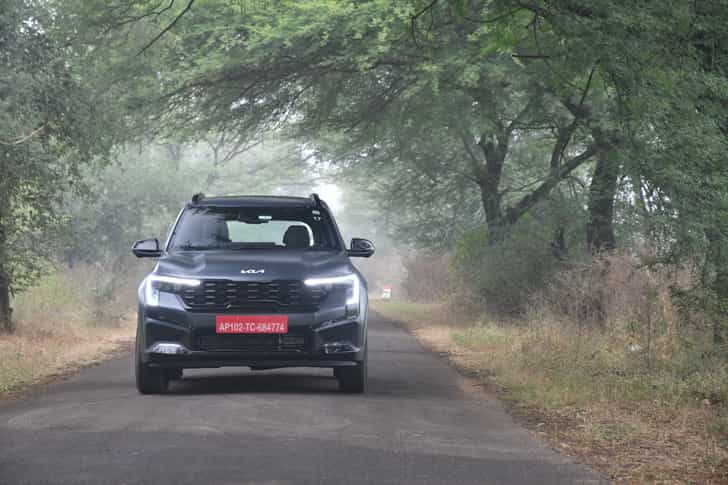
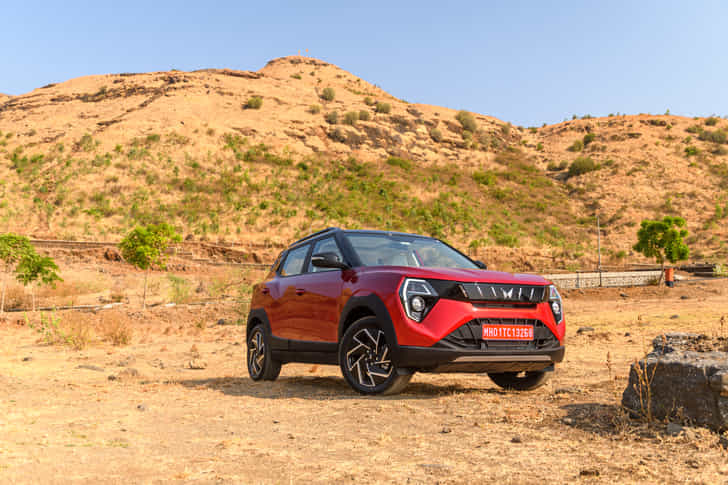
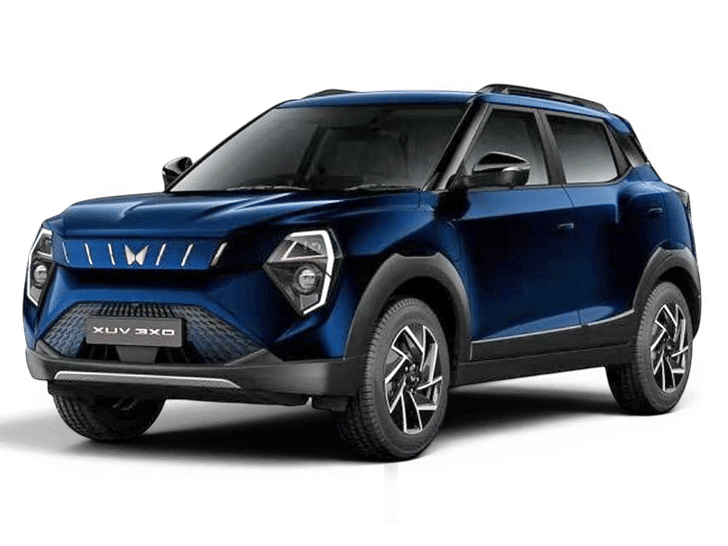
If you decide to stay with a petrol automatic, we'd lean towards the Mahindra 3XO over the Kia Sonet. The 3XO offers a more spacious cabin, stronger safety credentials and a more comfortable ride, while the Sonet counters with a richer feature list and a more premium-looking interior.
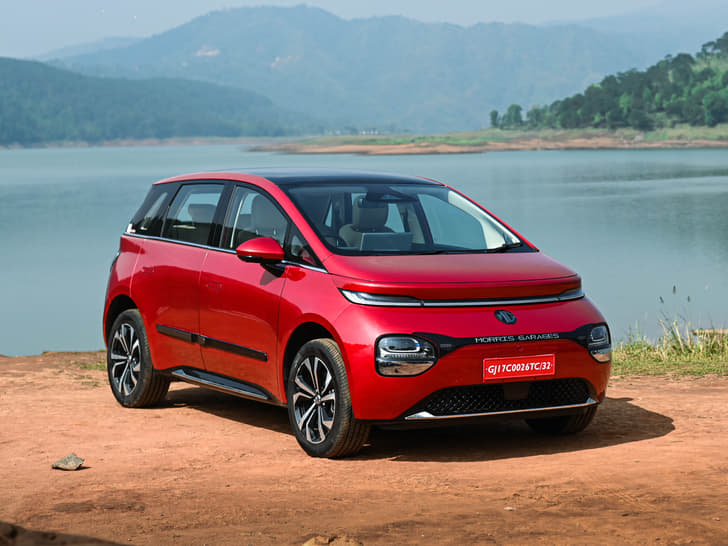
MG Windsor

MG Windsor

Was this helpful? Ask a follow-up

More questions on similar cars

1d

My annual running is about 5,000 km, and I plan to keep my next car for 10 years. I am confused between Elevate, Creta, Seltos Victoris and 3XO. My priorities are reliability, a good balance of power and fuel efficiency, family comfort, low maintenance and long-term ownership. I am also concerned about India's future ethanol-blending policy (E20 and higher blends). Which of these would be the best long-term choice and why?

Verified
1d

With an annual running of just 5,000km, fuel efficiency shouldn't be the deciding factor. Instead, you should prioritise comfort, reliability, ease of ownership and how well the car will age over the next 10 years. That's why we wouldn't prioritise the Victoris Hybrid. While it is an excellent strong hybrid, the price premium will be difficult to justify with such low annual running.Between the remaining options, the Seltos strikes the best balance. It offers a refined and proven naturally aspirated petrol engine, a smooth IVT automatic, a spacious and premium cabin, excellent comfort and a strong ownership experience. It also feels newer and more upmarket than the Elevate and 3XO, while the current Creta is due for a generational update sooner.The Honda Elevate deserves a mention for its simplicity and reliability. If absolute mechanical simplicity is your priority, it is arguably the safest long-term bet. However, it doesn't feel as premium as the Seltos, and the engine and CVT combination isn't quite as refined.As for ethanol blending, we wouldn't let it influence your purchase decision. While there is plenty of discussion around E25, E27 and E30 fuels, there is currently no confirmed roadmap for such a transition. More importantly, all of these cars are E20 compliant, and manufacturers have engineered a degree of tolerance beyond that. The most likely effect of higher ethanol blends would be a small reduction in fuel efficiency and slightly accelerated wear of certain fuel-system components over a very long period, not a major reliability issue.

VehicleKia Seltos
VehicleHonda Elevate
VehicleMahindra XUV 3XO
VehicleHyundai Creta
VehicleMaruti Suzuki Victoris

Popular discussions right now

Curated collections

Posted on: 3 Jul 2026