Autocar India
2d

Hi, I'd like to buy a new 7/8-seater diesel car. I've looked at the Toyota Innova Crysta, Innova HyCross and the Mahindra XUV 7XO. I will mostly be using the car on highways, covering around 50,000km per year. I also want good resale value. Kindly suggest which car would be the best choice.

Verified
9m
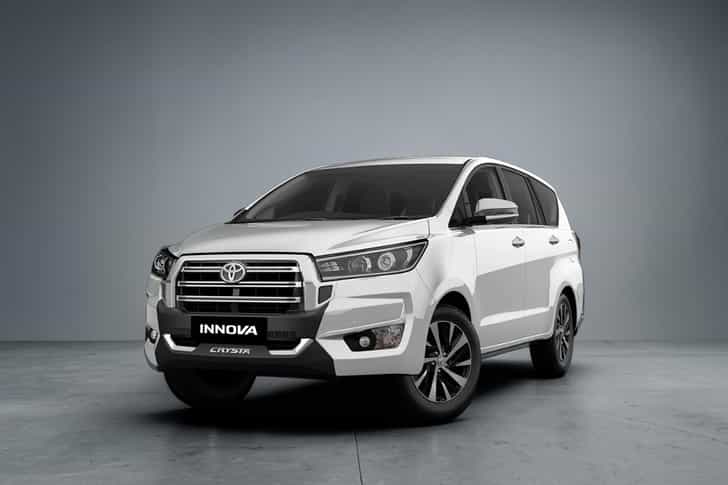
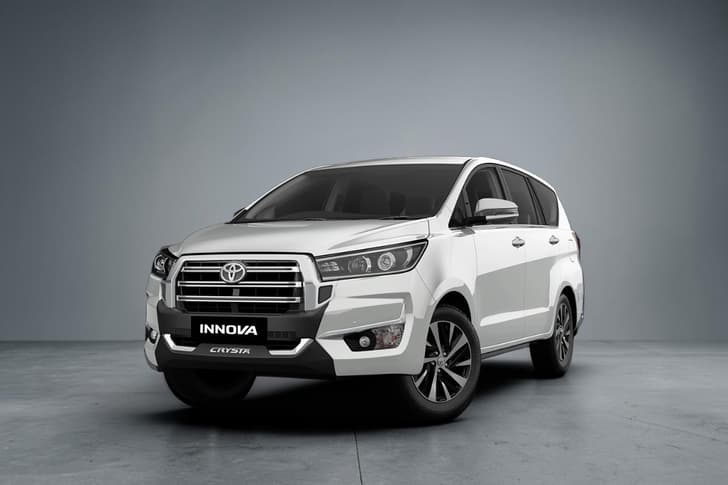
Buy the Toyota Innova Crysta diesel. For 50,000 km a year on highways, nothing in your list matches its long-distance durability, relaxed cruising and true 7/8-seat comfort. It also holds value better than almost anything else on our roads, and Toyota’s highway service reach makes life easy when you’re far from home.
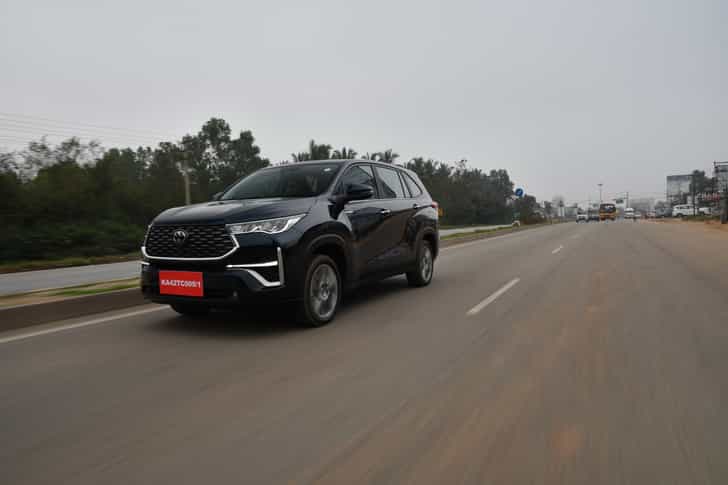
The honest catch is it isn’t the most modern inside and costs more than the Mahindra, but it pays you back in lower hassle and stronger resale. Innova HyCross doesn’t fit your brief because it’s petrol-hybrid, not diesel. It’s smooth and efficient in the city, but for heavy highway use, a diesel Crysta is cheaper to run.
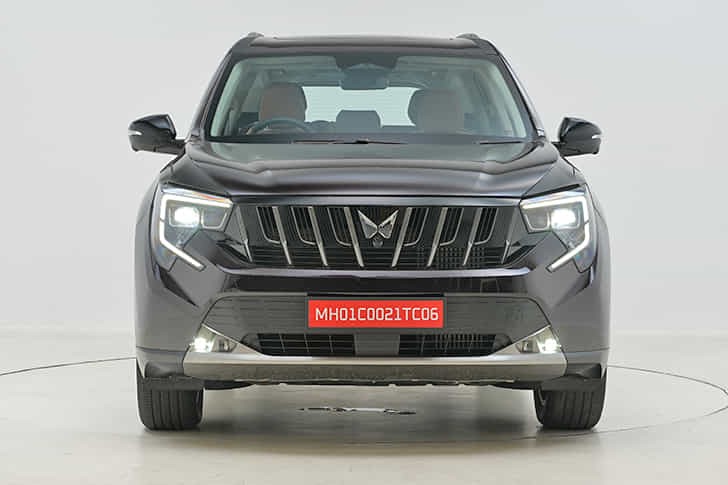
If you want a second option from your shortlist, look at the Mahindra XUV 7XO diesel. It’s quick, packed with features and priced keenly. For resale, though, it still trails the Crysta, and the third row isn’t as adult-friendly on long trips.
So, for a 7/8-seat diesel highway workhorse with the best resale, pick the Innova Crysta.
Toyota Innova Crysta

Toyota Innova Crysta

More questions on similar cars

1d

I own a 2017 Honda City Petrol VX CVT. Is it E20 compliant or compatible with higher ethanol blends? Also, what would be a good upgrade now, considering this is likely to be my last car purchase?

Verified
22h

Your 2017 Honda City Petrol CVT is E20 compatible. In fact, as reported by Autocar India, Honda has stated that its petrol cars sold in India have been E20 compatible since 2009. So, from an ethanol compatibility perspective, there is no reason to replace your current City.We also wouldn't be overly concerned about future ethanol blends. Even if India gradually moves towards E25 or E30, there is currently no official roadmap confirming such a transition. Modern E20-compatible cars have been engineered with a degree of tolerance beyond the mandated fuel standard, and the most likely impact of higher ethanol blends would be a small reduction in fuel efficiency and slightly accelerated wear of certain fuel-system components over a very long period, rather than any major reliability concerns.If this is likely to be your last new car purchase, we'd recommend choosing something comfortable, reliable and easy to own over the long term. If your budget allows, the Toyota Innova HyCross Hybrid would be our top recommendation. It offers outstanding comfort, excellent fuel efficiency, Toyota's proven reliability and should remain a dependable family car for well over a decade.If you're looking for something smaller, the Kia Seltos Petrol IVT is another excellent option. It combines a refined petrol engine, smooth automatic gearbox, a premium cabin and a strong ownership experience, making it one of the best all-round SUVs in its class.

VehicleToyota Innova HyCross
VehicleKia Seltos

Popular discussions right now

6d

My annual running is below 7,000 km, and I plan to keep my next car for 12-15 years. I am confused between Grand Vitara, Hyryder, Elevate, Creta, Seltos and Victoris. My priorities are reliability, a good balance of power and fuel efficiency, family comfort, low maintenance and long-term ownership. I am also concerned about India's future ethanol-blending policy (E20 and higher blends). Which of these would be the best long-term choice and why?

Verified
5d

With an annual running of less than 7,000km, fuel efficiency should not be the deciding factor. Instead, you should focus on comfort, reliability, ownership experience and how well the car will age over the next 12-15 years. That's why we wouldn't prioritise the Grand Vitara, Hyryder or Victoris Hybrid. Their hybrid systems command a price premium that you'll struggle to recover with such low annual usage.Between the remaining options, the Kia Seltos strikes the best balance. It offers a refined and proven naturally aspirated petrol engine, a smooth IVT automatic, a spacious and premium cabin, excellent comfort and a strong ownership experience. It also feels newer and more upmarket than the Elevate, while the Creta is due for a generational update sooner.The Honda Elevate deserves a mention for its simplicity and reliability. If absolute mechanical simplicity is your priority, it is arguably the safest long-term bet. However, it doesn't feel as premium as the Seltos. The engine and CVT combination isn't quite as refined, and Honda's dealer network is smaller.As for ethanol blending, we wouldn't let it influence your purchase decision. While there is plenty of discussion around E25, E27 and E30 fuels, there is currently no confirmed roadmap for such a transition. More importantly, all of these cars are E20-compliant, and manufacturers have engineered a degree of tolerance beyond that. The most likely effect of higher ethanol blends would be a small reduction in fuel efficiency and slightly accelerated wear of certain fuel-system components over a very long period, not a major reliability issue.

VehicleKia Seltos
VehicleHonda Elevate
VehicleMaruti Suzuki Grand Vitara
VehicleMaruti Suzuki Victoris
VehicleToyota Urban Cruiser Hyryder
6d

Dear Autocar experts, I have tentatively decided to buy the Mahindra XUV 7X0 petrol AX7L AT as my next ride. To be frank, it is out of a lack of choice and options that I have made this decision in my head. In terms of capability, it is a downgrade, as I'm moving on from my beautiful Ford Endeavour 3.2 Titanium AT. Of course, it has a long list of bells and whistles that will be all new (and strange) to me. Being based in Delhi NCR, I am reluctant to go for a diesel again at this time. My driving in the city is quite minimal, say about 15kms max per day on average, but always in the clutches of peak Delhi traffic. I am terrified of BSVI diesel DPF horror stories. I am hoping that the 7X0 will be able to negotiate hills, mountain terrains and roads satisfactorily, as I make these trips quite frequently. I plan to keep this car for the next 4-5 years till India sorts out its fuel preferences and diktats, and fresh options are introduced that combine clean energy and performance along with the infrastructure to support them. Is my thought process sound? If not, please poke as many holes in it as you can.

Verified
5d

Your plan seems sound for Delhi-NCR, because petrol dodges the 10-year diesel cap and DPF hassles, and your 15 km daily crawl will not punish petrol the way it would a BS6 diesel. The XUV 7XO petrol AT has strong performance and will certainly keep you satisfied while negotiating hill climbs. Sure, coming from an Endeavour 3.2, this will feel like a step down in terms of road presence and off-road ability. However, despite being a front-wheel drive monocoque, it still exudes an underlying toughness, which gives you ample confidence while dealing with rough terrain. Additionally, the tech and safety are up-to-date, and the three-row flexibility will come in handy, too, although boot space with all three rows in place is low. On the flipside, this petrol-AT is thirsty, so expect single-digit city fuel economy figures.If you aren't in a hurry, consider waiting for the Jetour T2 plug-in hybrid SUV that JSW is expected to launch in the latter half of this year. Sure, it'll be more expensive than the Mahindra, and it might not have the off-road capability of your outgoing Endeavour, but since you aren't fully convinced of the Mahindra, this could be worthy of your consideration.

VehicleMahindra XUV 7XO
VehicleJSW Motors Jetour T2

Posted on: 1 Jul 2026