Toyota cars in India (14)
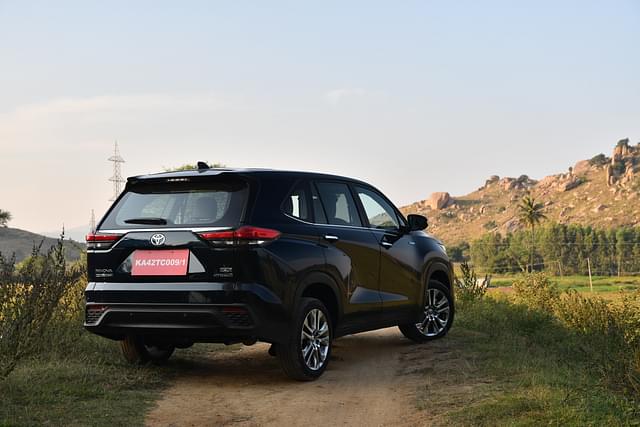
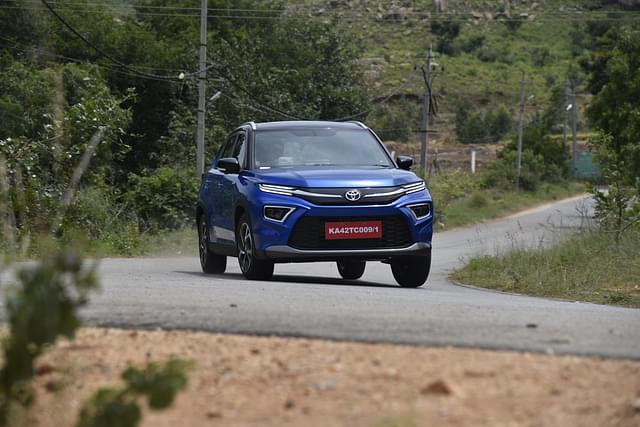
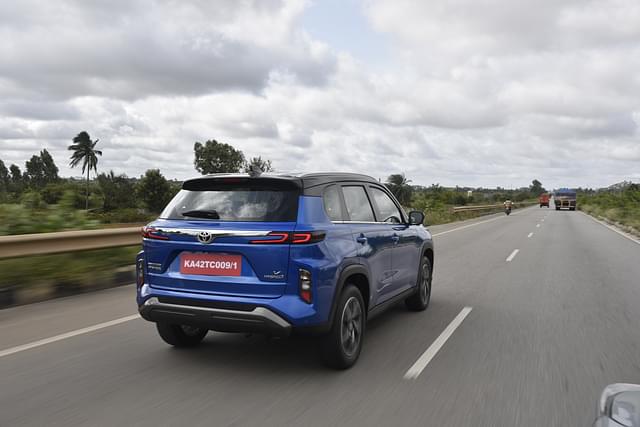
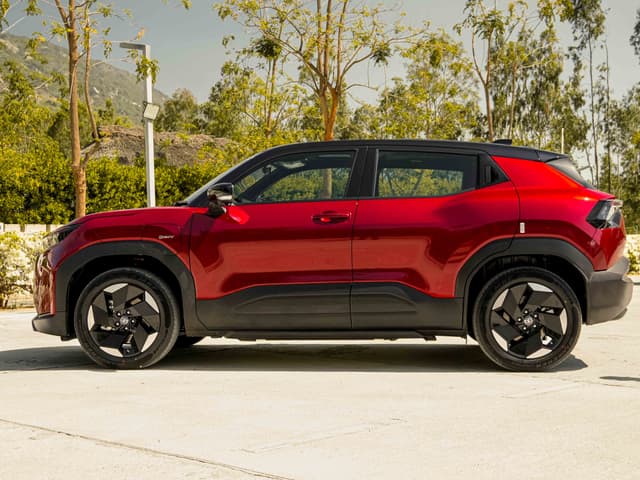
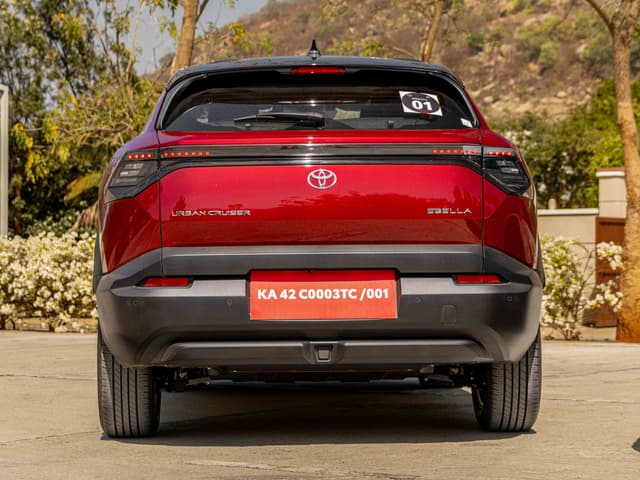
Toyota Motor Corporation has been a trusted name worldwide for reliability, safety, and innovation. In India, Toyota cars are sold through Toyota Kirloskar Motor Pvt. Ltd. (TKM), a joint venture established in 1997. Since then, the brand has introduced legendary models like the Qualis, Corolla, and Innova. As of January 2026, you can choose from 11 Toyota car models in India, spanning 3 SUVs, 1 sedan, 1 hatchback, 1 pick-up, 4 MUVs, and 1 crossover. sedans, MPVs.
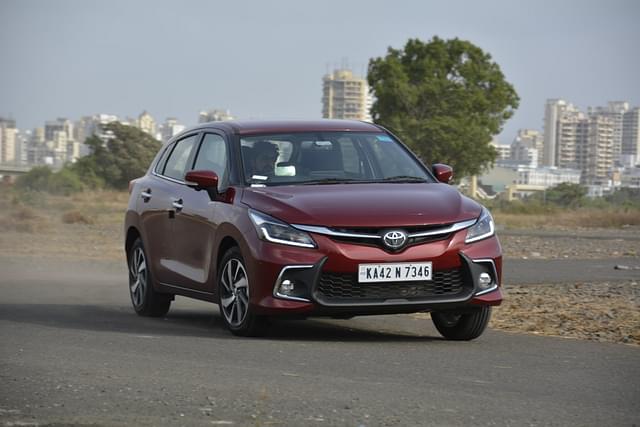
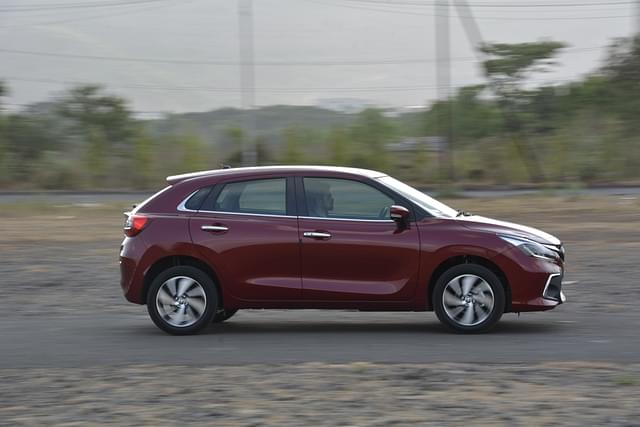
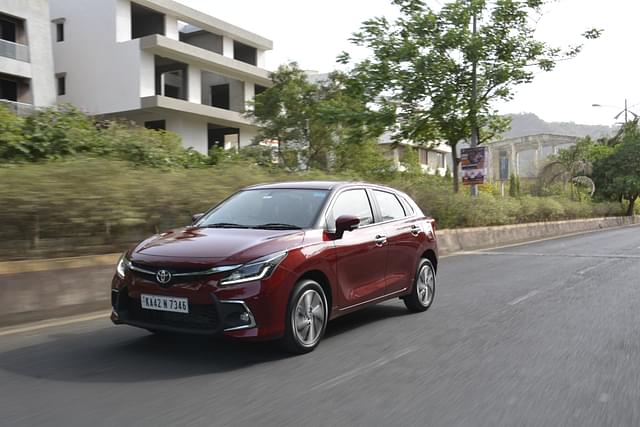
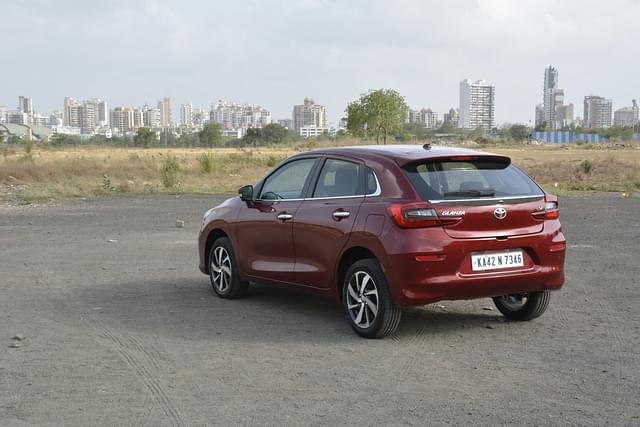
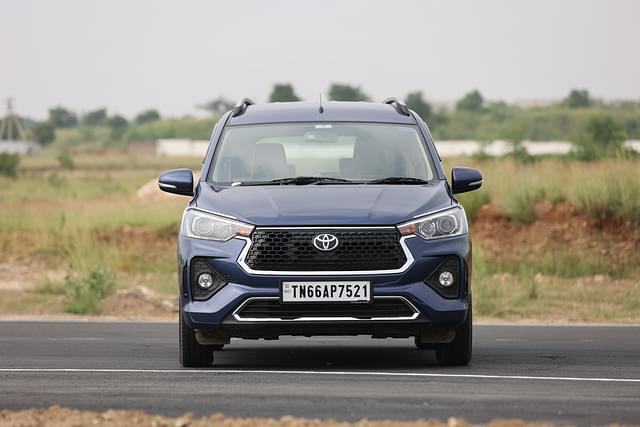
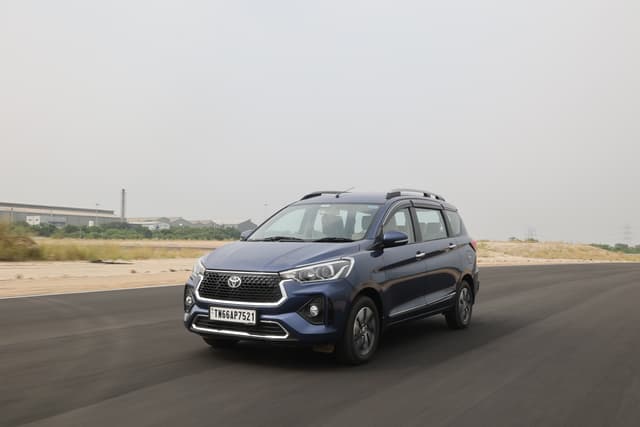
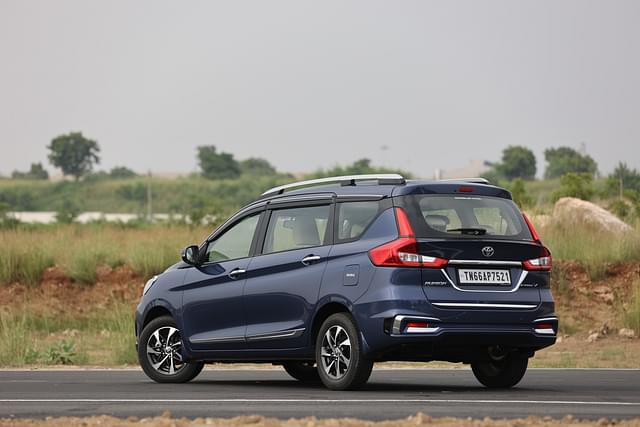
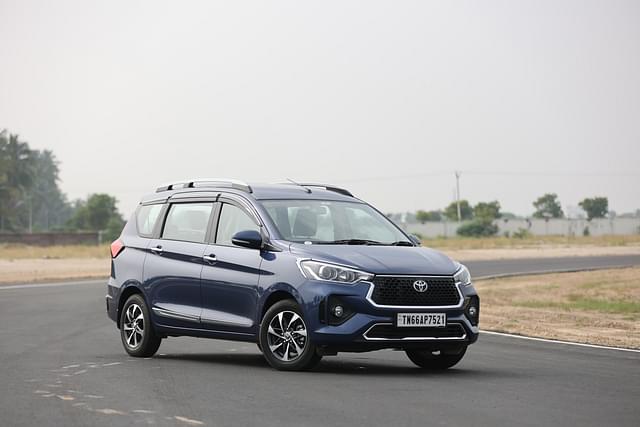
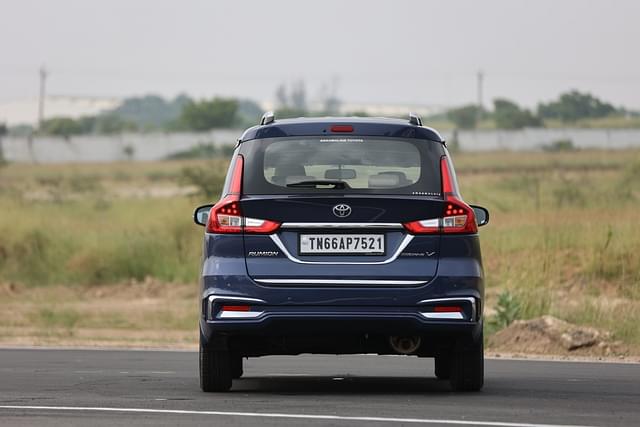
The cheapest Toyota car in India is the Glanza, starting at ₹6.39 lakh (ex-showroom). It takes on the Hyundai i20 and Tata Altroz. With prices rolling in from ₹9.50 lakh, the Rumion is the cheapest MUV from Toyota, and it competes with Kia Carens and Maruti XL6.
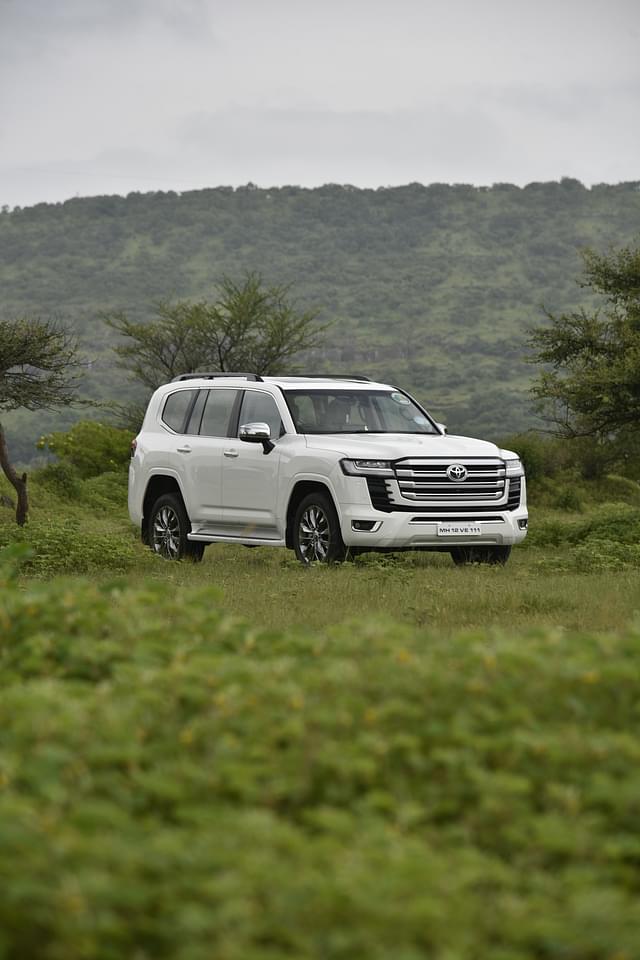
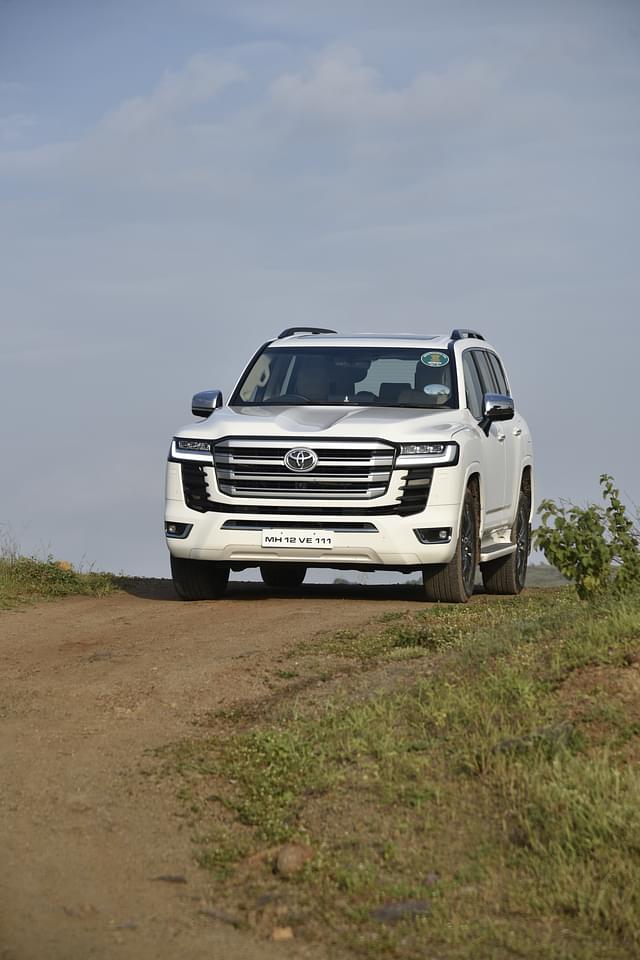
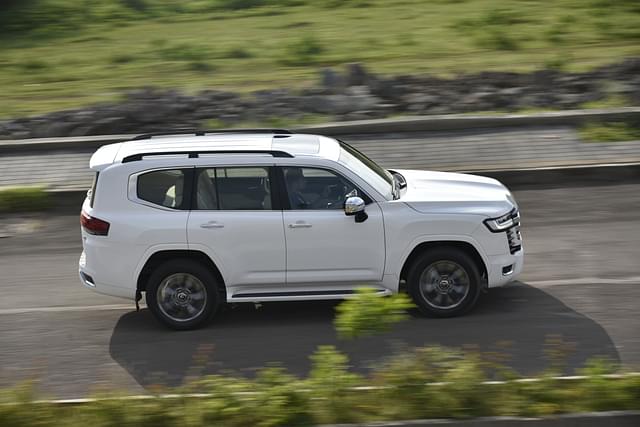
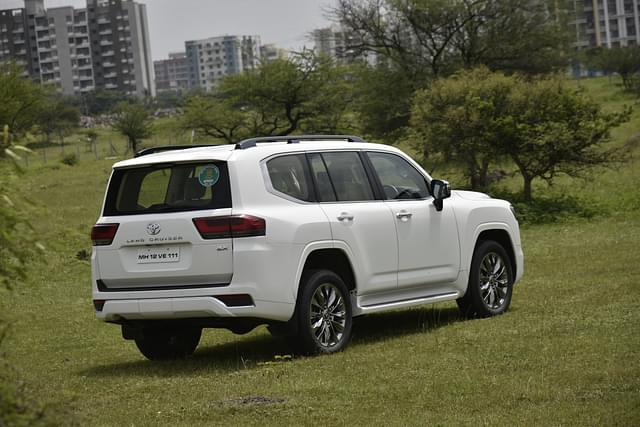
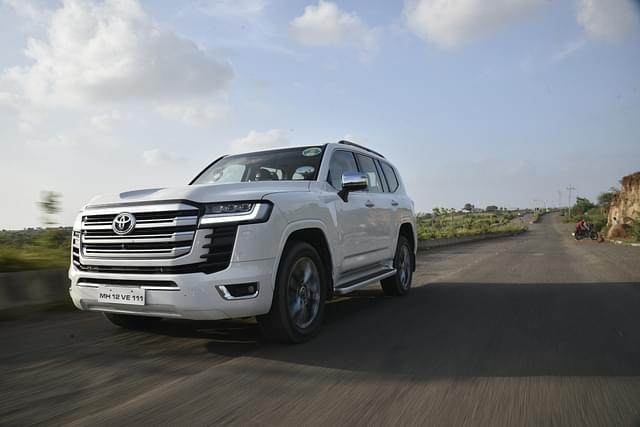
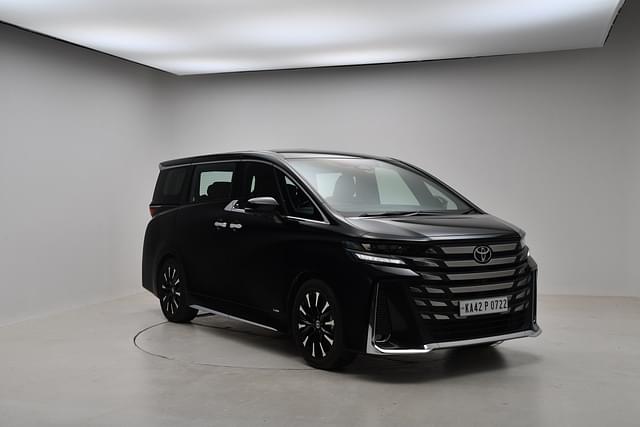
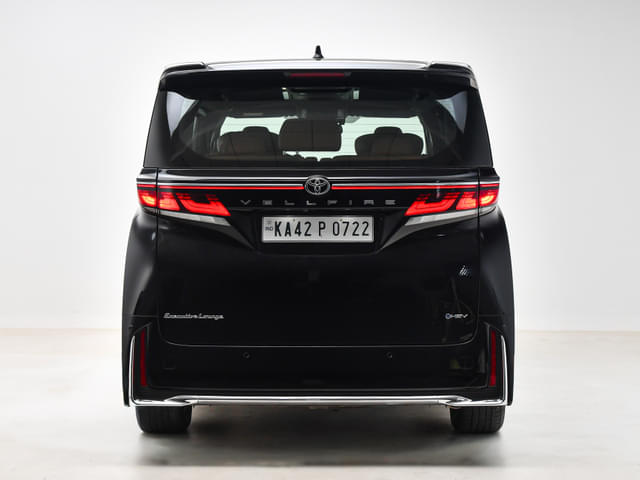
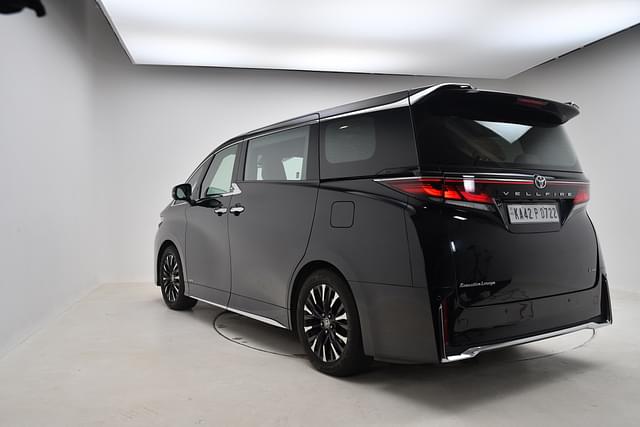
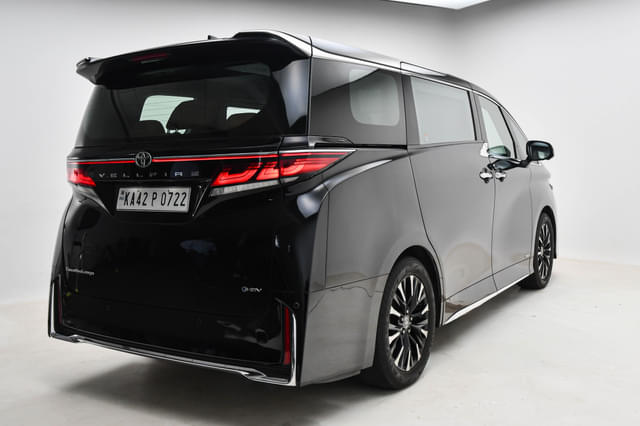
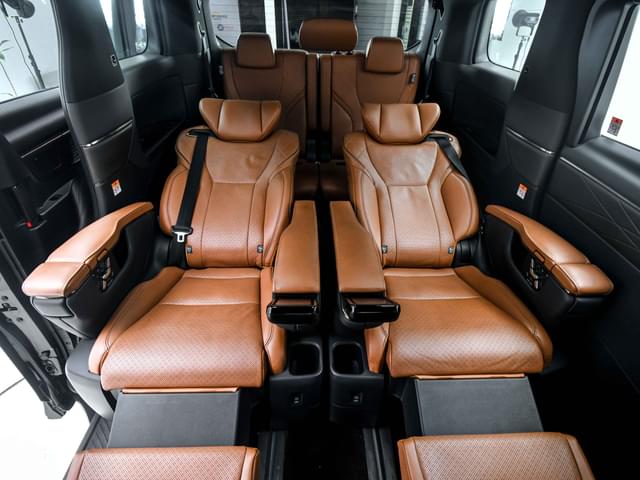
At the premium end, the Toyota Vellfire luxury MUV is priced from ₹1.19 crore, while the flagship Toyota Land Cruiser 300 costs ₹2.15 crore. (All prices mentioned are ex-showroom.)
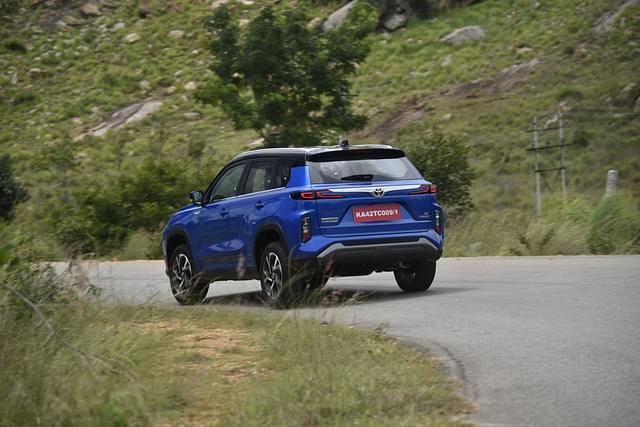
From affordable hatchbacks to premium SUVs and luxury MUVs, Toyota cars cater to the full spectrum of buyers.
Categories of Toyota Car Models in India
Here are the different categories of Toyota models available in India (2026):
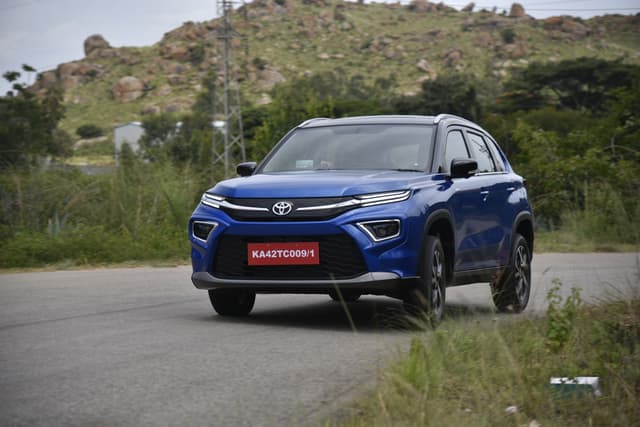
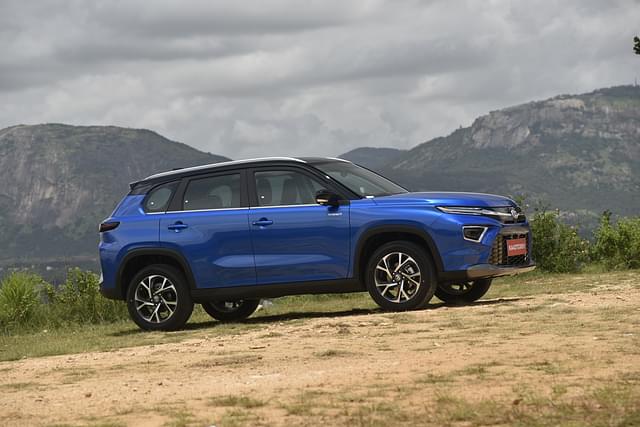
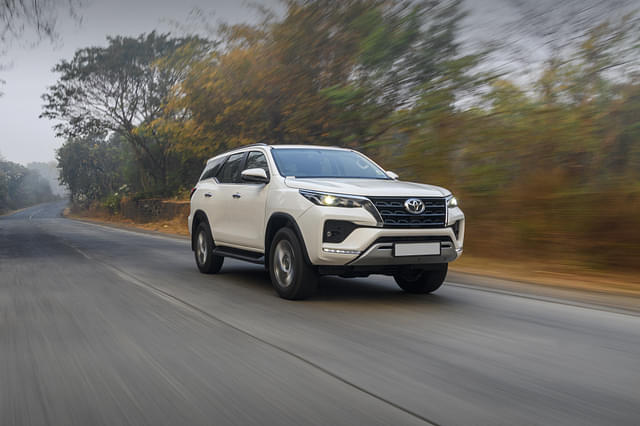
- SUV: Fortuner, Land Cruiser, and Urban Cruiser Hyryder
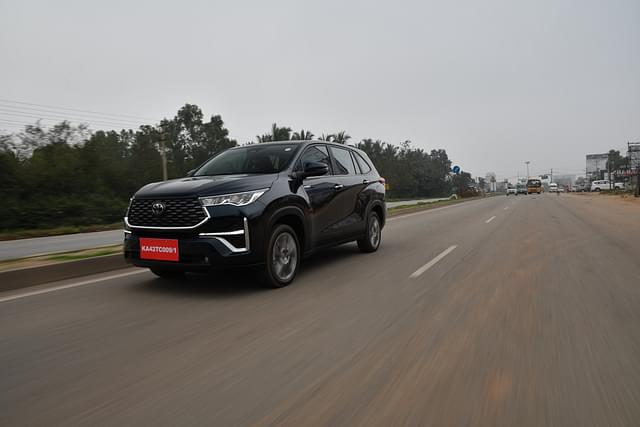
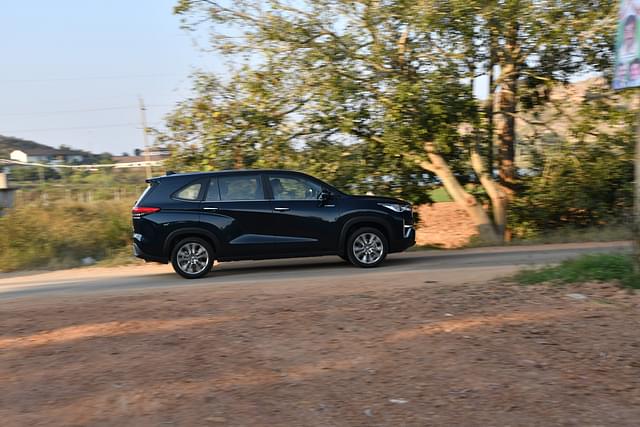
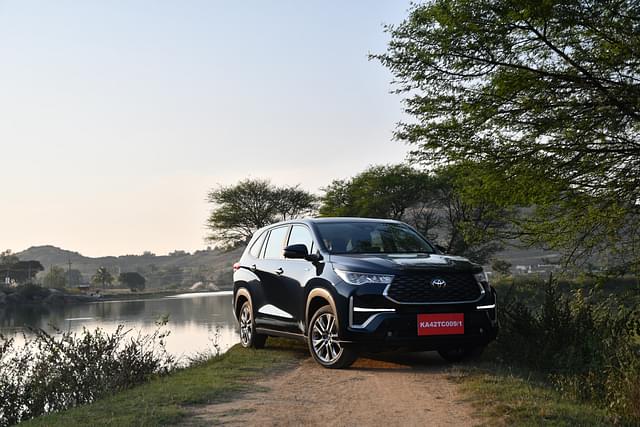
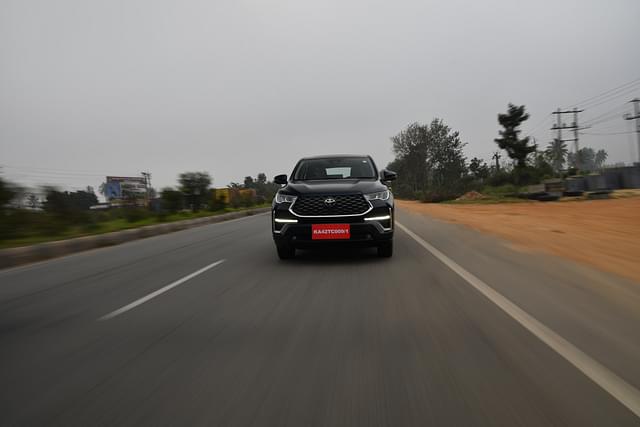
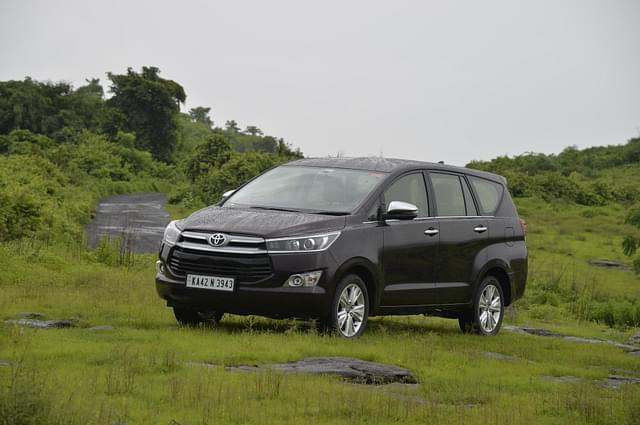
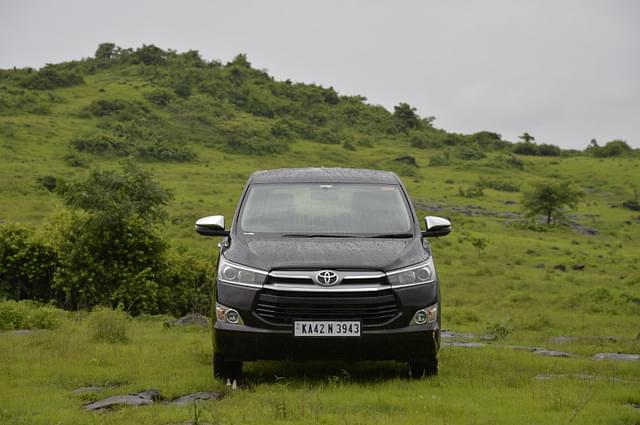
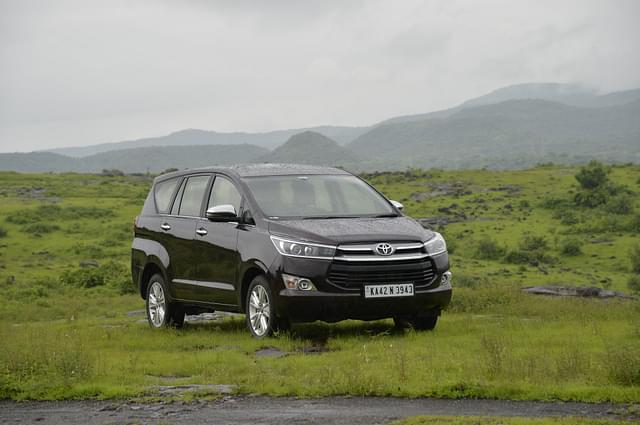
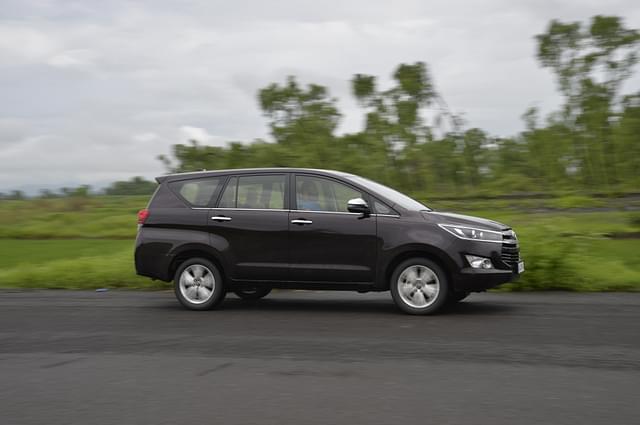
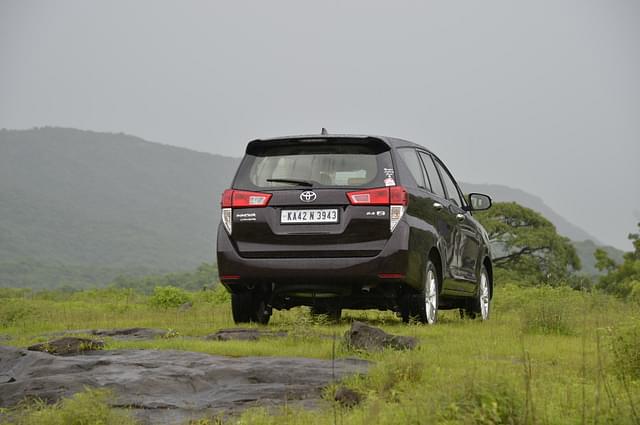
- MUVs: Innova Crysta, Innova HyCross, Rumion, and Vellfire
- Hatchback: Glanza
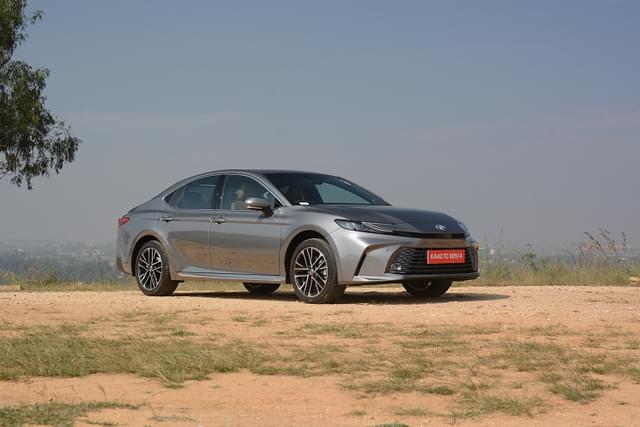
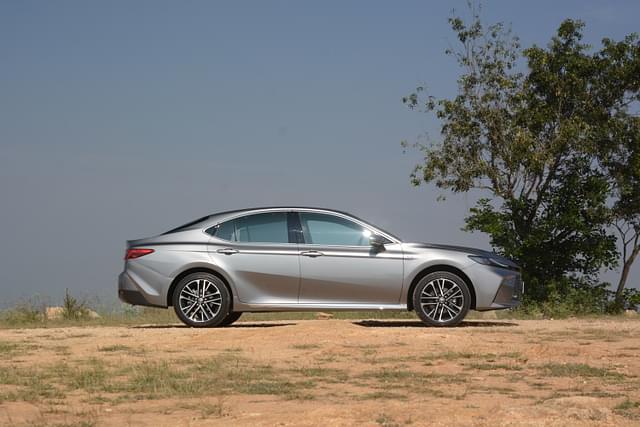
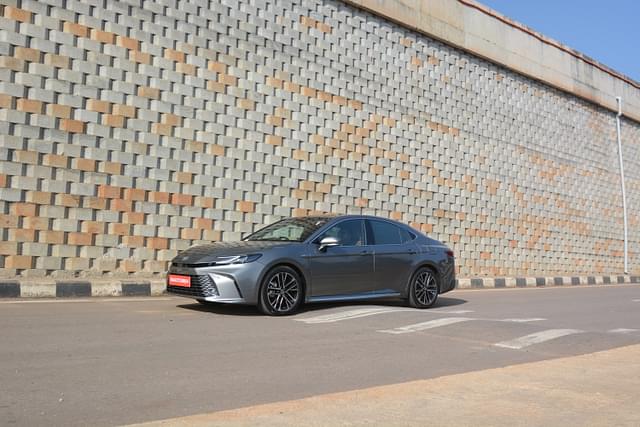
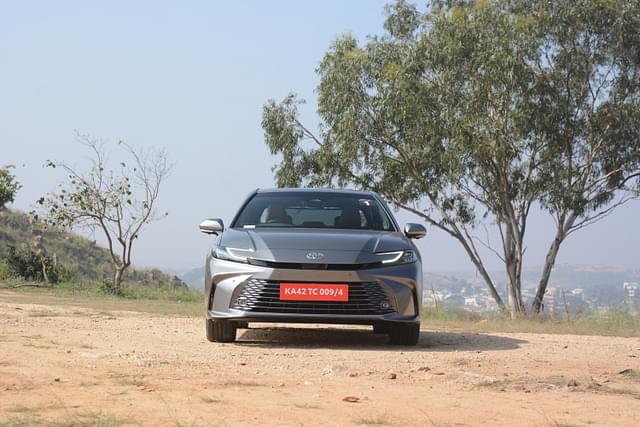
- Sedan: Camry
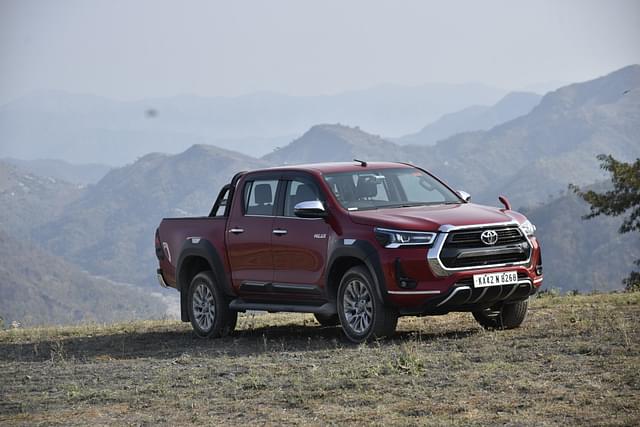
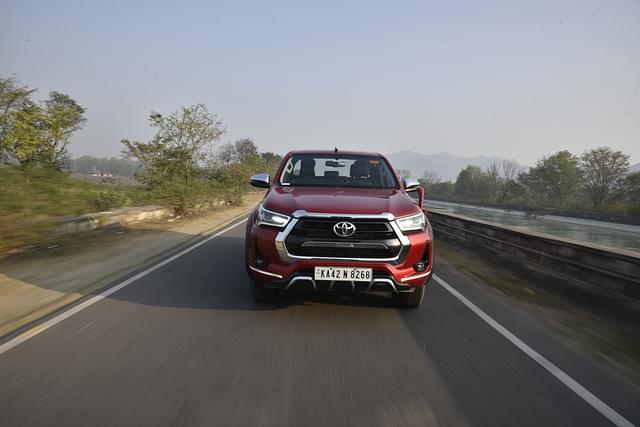
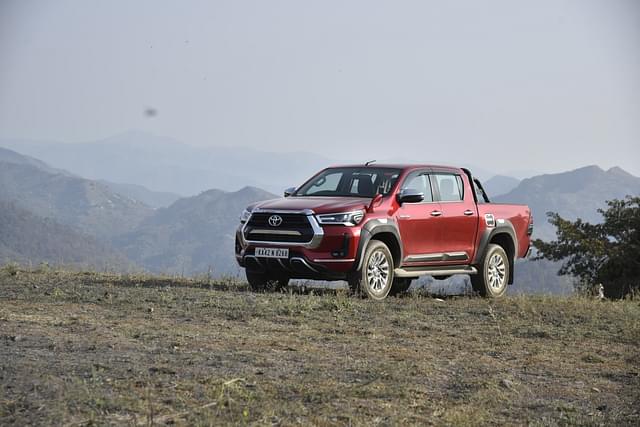
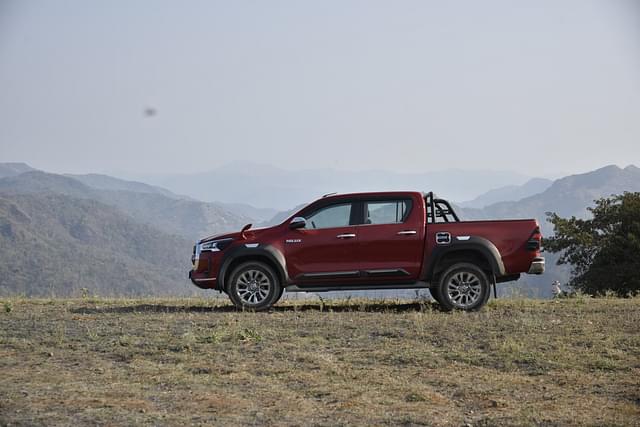
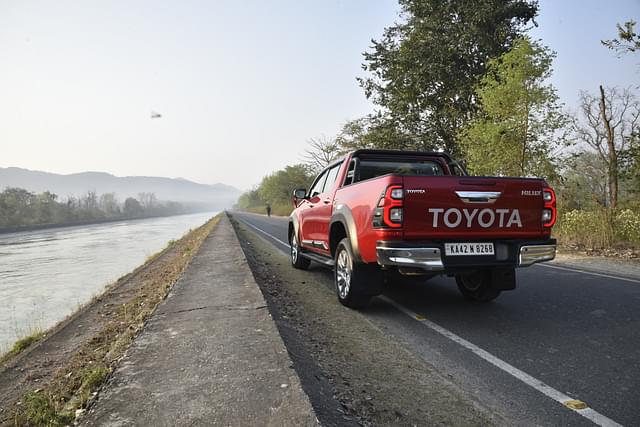
- Pick-up: Hilux
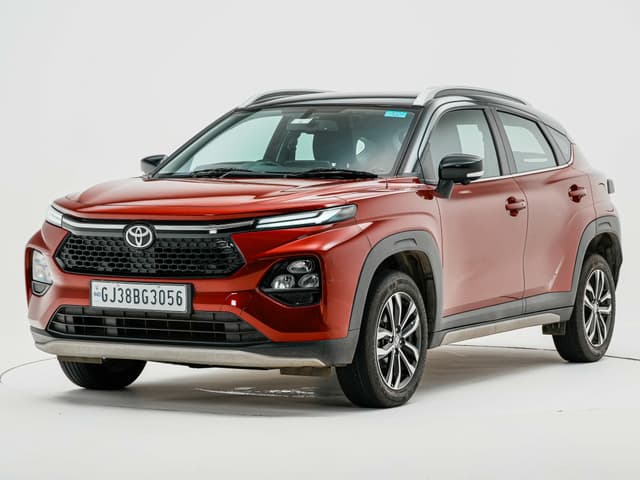
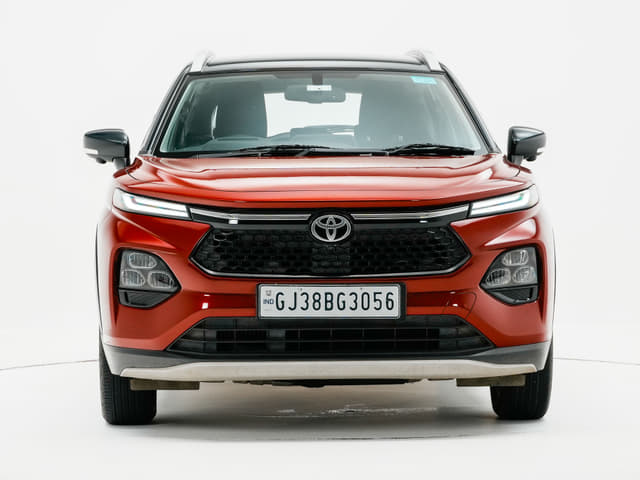
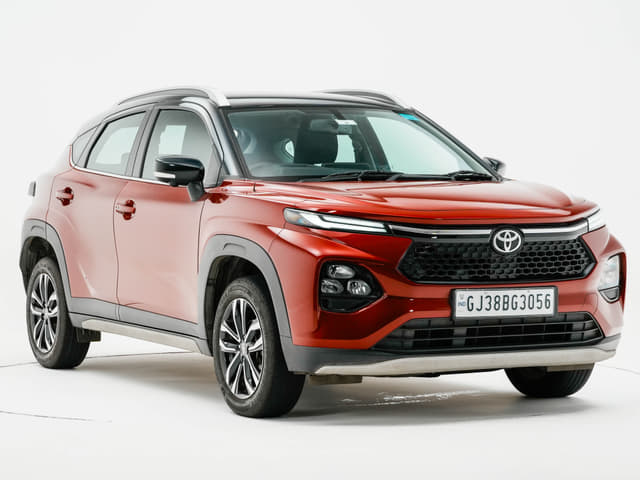
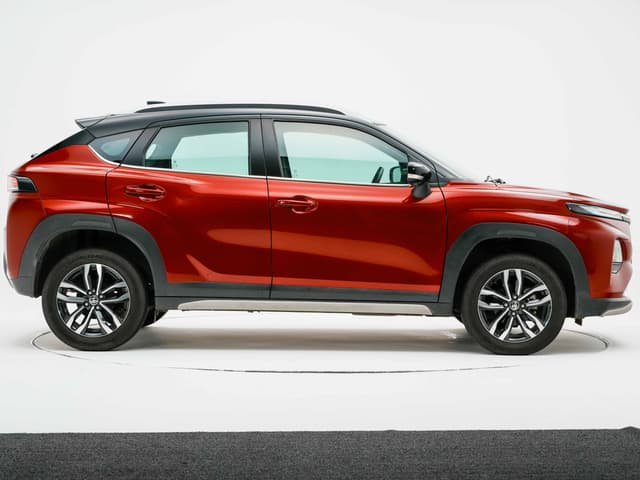
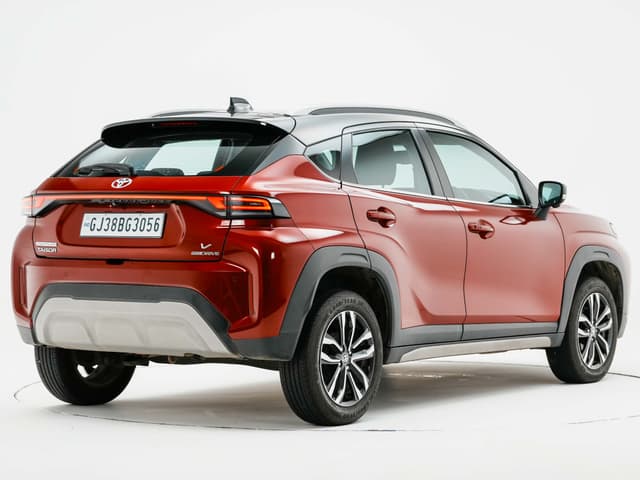
- Crossover: Urban Cruiser Taisor
Among these models, the Toyota 7 seater car range includes Innova HyCross, Innova Crysta, Rumion, and Vellfire.
Upcoming Toyota Cars in India
Explore the list of Toyota's new cars in India that will be arriving in showrooms by late 2026:
-
- Expected price: ₹1.20 crore - ₹1.50 crore
- Engine: 2755cc
- Fuel Type: Diesel
- Transmission: 8-speed AT
-
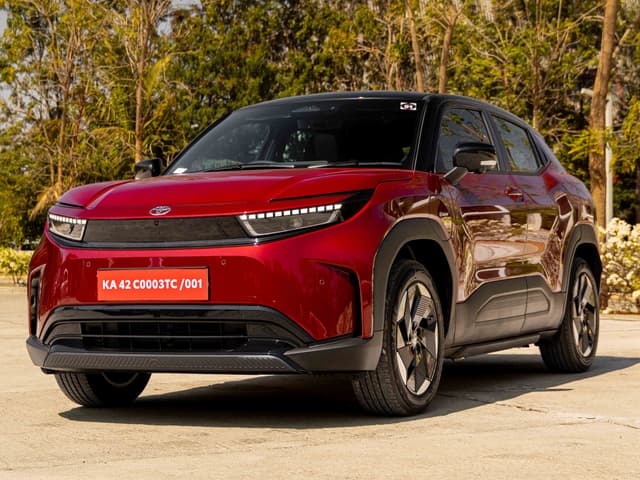
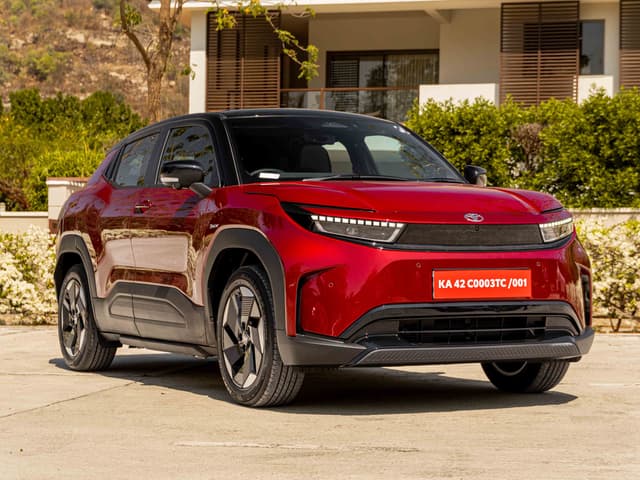
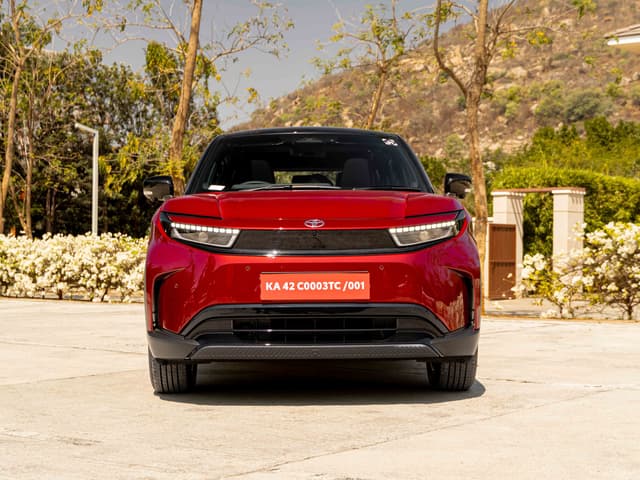
- Expected price: ₹20.00 lakh - ₹30.00 lakh
- Engine: 49kWh, 61kWh
- Fuel Type: Electric
- Transmission: 1-speed AT
Toyota Cars in India (January 2026)
The table below shows the ex-showroom price of all Toyota cars in India available for sale as of January 2026. The table also includes details like fuel type, seating capacity, and fuel tank capacity.
Model | Price (Ex-showroom) | Fuel Type | Seating Capacity | Fuel Tank (in litres) |
₹6.39 lakh - ₹9.14 lakh | Petrol | 5 | 37 | |
₹7.21 lakh - ₹11.91 lakh | Petrol | 5 | 37 | |
₹9.50 lakh - ₹13.61 lakh | Petrol | 7 | 45 | |
₹10.94 lakh - ₹19.57 lakh | Petrol | 5 | 45 | |
₹18.05 lakh - ₹31.89 lakh | Petrol | 7 - 8 | 52 | |
₹18.65 lakh - ₹25.27 lakh | Diesel | 7 - 8 | 55 | |
₹28.02 lakh - ₹35.37 lakh | Diesel | 5 | 80 | |
₹33.64 lakh - ₹48.85 lakh | Petrol and Diesel | 7 | 80 | |
₹47.48 lakh | Petrol | 5 | 50 | |
₹1.19 crore - ₹1.29 crore | Petrol | 7 | 60 | |
₹2.15 crore - ₹2.24 crore | Diesel | 5 | 110 |
Toyota Cars - Latest Updates
- January 02, 2026: Toyota plans to discontinue the Innova Crysta by 2027.
- November 10, 2025: Toyota set to make an electric Hilux.
- October 31, 2025: Toyota is set to launch the Land Cruiser FJ in India in 2028.
FAQs
Trending Questions on Toyota Cars - Answered by Autocar Experts
Should I buy the Innova Hycross non-hybrid or the Hycross hybrid? My usage is mainly on highways and less in the city. I am open to other options as well in 7/8-seater petrol vehicles. Good mileage, engine, and build quality are preferable, as I am planning to keep the car for more than 10 years.
The Toyota Innova HyCross Hybrid is a better pick over the non-hybrid version. The hybrid powertrain is more efficient and will be more suitable for your highway usage. The engine is smooth and refined, and the electric motor provides a good amount of additional torque (even at high speeds). It makes this car easy to drive in the city as well as on the highway.
The Innova HyCross Hybrid is also very fuel-efficient, and you can expect a real-world mileage of around 20kpl+ on the highway. The build quality is also very good, and the cabin is spacious and comfortable. If you are open to other options, you can also consider the Kia Carens Clavis. It's a little smaller but still very spacious and comfortable, and is available with a choice of petrol and diesel engines. It also has excellent build quality and is loaded with features; plus, far more affordable than the Innova Hycross.
I request your help in zeroing in on the SUV I plan to purchase. I currently own a KUV that has repeatedly faced rust issues on all four doors. My first preference is the Innova Crysta, but I am apprehensive that if the company discontinues it, servicing could become expensive and resale value limited. My next preference is the XUV 7XO, but I’m concerned about rust issues. For the Tata Safari, I feel the diesel engine is very noisy and the sound percolates into the cabin. My overall requirements are a spacious third row, strong road presence, good driving and ride comfort, and good mileage, all within a budget of ₹25–27 lakh. Can you please suggest an SUV?
The Toyota Innova Crysta will be discontinued when the CAFE 3 emissions norms come around in 2027. But it should not be a cause for concern in terms of maintenance. As the Toyota Fortuner and Hilux - which share the same IMV platform and diesel engine - are expected to continue on.
Thus parts availability will not be an issue and, as ever, Toyota's reputation for reliability and service precedes it. If you are still concerned, however, the Mahindra XUV 7XO is the next best option, and a much better value than the Innova Crysta, if not quite as spacious. The company has raised its production standards considerably since the days of the KUV100, so rust is unlikely to be an issue.
I have shortlisted two cars - Innova Hybrid and XEV 9S. I am now worried about electric vehicles over the long run (about 15 years), especially issues like public charging availability and getting charging slots as more EVs come on the road. I recently read an article saying that the future is hybrid because of battery life and disposal concerns. I have booked both vehicles. Which is the better choice? I am 70 years old. Please advise.
As EVs are still relatively new, their performance after 15 years is still an unknown quantity. EV batteries are expected to have a shelf life of 10-12 years. During the course of which the battery's capacity to hold a charge will gradually deplete.
After this point, it will have to be replaced, which is a high cost, although the savings on fuel over the years are expected to offset it. This, of course, reduces their resale value considerably compared to petrol or diesel cars.
Public charging infrastructure is improving at a rapid rate, so the problem of busy chargers should be less with each passing year. But the best charging solution remains to have a charger at your home and at your destination, and to charge in small amounts as needed.
As for hybrids, the same battery concerns apply to them too - it's just that the batteries are smaller and therefore cheaper to replace. Self-charging strong hybrids aren't burdened with charging and therefore not dependent on charging infrastructure. But while they are super efficient, they still use petrol, which is expensive. Still, if you do plan to keep the car for 15 years plus, a hybrid would be a safer bet overall.
I am looking for a comfortable 7-seater SUV or MUV for highways, ideally a long-distance cruiser (around 1,500+ km per trip). My budget is ₹25 lakh, and I have shortlisted the XUV 7XO and the Innova Crysta automatic. Since this will be used primarily for highway runs as a secondary car, I’m okay with a lightly used vehicle as well (hence considering a used Crysta automatic). Which car would you suggest between these two? I’m inclined toward the Crysta for its hassle-free experience, but the used prices (for a 3-year-old, 50,000 km+ driven vehicle) are so high that we could buy a new XUV 7XO AX7 variant instead. I would appreciate your expert advice on this tie-breaker, especially regarding whether a used Crysta automatic makes sense.
If you are looking for a true 7/8 seater, then the Toyota Innova Crysta is a better option for you. It is more spacious than the Mahindra XUV 7XO, especially on the 3rd row, and the 2.4-litre diesel engine is refined and powerful. The Innova Crysta also comes with Toyota's reliability and low service expenses, so even if you buy a used car, you will get the same benefit.
If you do decide to buy from the used car market, make sure you do your due diligence well and buy from authorized second hand dealers, that way you can have some peace of mind.
In case you do not need the third row for seating, or need the third row for seating for a limited time, then you can consider the 7XO, which is now tech-loaded with its triple-screen setup. The new suspension setup, it gives excellent ride quality, too. However, the 7XO's 3rd row is not very practical for actual use and leaves very little space for luggage if all 3 rows are up.
I have shortlisted the Toyota Hyryder Hybrid VX and the Mahindra XUV7XO petrol manual. Which car is better if I drive 60 % in the city and 40 % on highways? My priorities are high-speed stability, reliability, and fuss-free ownership. Please advise.
If you want a proper 6 seater, the Toyota Innova Hycross Hybrid is the better option. It is a more spacious and comfortable 7-seater of the two. Mahindra XUV 7XO has been updated recently and is rich in tech; its last row is not comfortable for adults.
Toyota Hycross also meets all your priorities - Stable drive, reliable and fuss-free ownership. Added advantage, you will get excellent mileage with its strong hybrid powertrain.
I have shortlisted the Innova HyCross Hybrid and the XEV 9S. Please advise which one I should buy. My usage is mostly city driving with occasional long trips.
I am planning to buy a new car. I used to drive a Ford Figo and have sold it. I want a petrol manual transmission car with turbo petrol performance, good mileage, safety, and features. My budget is ₹12-15 lakh. I am confused between sub-4m SUVs (mid or above variants) like Kushaq, 3XO, Venue, Sonet, and compact SUVs (base variants) like Seltos, MG Hector, Kushaq, Creta. Please suggest which one I should choose.
Given that you previously owned a Ford Figo, we would suggest considering either the Skoda Kylaq or the Mahindra XUV 3XO. Within your budget, you can easily get the top Prestige Plus variant of the Kylaq. The AX7 Luxury variant of the 3XO is more expensive but still fits within your budget. Both cars are enjoyable to drive, offer a comfortable ride quality and come well equipped.
The main difference between the two lies in rear seat space and boot capacity. The Kylaq’s rear seat is not as wide and offers less knee room than the 3XO, making it more suitable as a four-seater. On the plus side, it has a much larger boot. Also, keep in mind that both cars use powerful turbo petrol engines, which are not the most fuel-efficient. The clutch is on the heavier side, too, making city driving a bit more effort-intensive.
If better fuel efficiency and a lighter, more progressive clutch are priorities, you could also consider the Toyota Urban Cruiser Taisor or the Maruti Suzuki Fronx turbo petrol manual in their top variants. Both are more affordable than the Kylaq and the 3XO. While they do not feel as premium inside and miss out on a few features, the 1.0-litre Boosterjet engine is one of the best small turbo petrol engines to drive.
It is smooth, responsive, even at low speeds, with minimal turbo lag. The slick gearbox and light clutch make it very easy to drive in traffic. Both cars are spacious enough, offer a usable boot, and have a comfortable ride. They also deliver much better fuel efficiency. With the Maruti, getting double-digit mileage is easy, while achieving similar efficiency in the Skoda and Mahindra can be more challenging.
Looking to buy an SUV. Which among these (Innova HyCross, XUV 7XO, Skoda Kodiaq, and Jeep Meridian) has the best ride comfort, road handling, better suspension, and a comfortable third row?
I have range anxiety about buying the Mahindra XEV 9E. Should I buy the Toyota Innova Hycross ZX(O) or the Innova Hycross Exclusive Edition? Please advise.
If you are worried about the range on any EV, then it's best to stay away. An EV only makes sense if you have provision for charging at your home or place of work, and if your long runs can be done with ideally none, to no more than one stop to charge.
We tested the larger battery (79kWh) Mahindra XEV9e in our standard test cycle, and it showed a range of 456 kms in the mixed city and highway cycle. Thus, if your long trips are around 300 to 350 kms with not too many inclines and a lot of load in the car, you should be fine for a stop-free trip.
If this proves to be a problem for you, opt for the Toyota Innova HyCross. As for your query about the Exclusive edition, we don't think it will be available at dealers, as it was supposed to be a limited run. In any case, the differences were mostly cosmetic, with only an air purifier, a wireless charger, and a footwell lamp being the added equipment.
I want to buy a compact SUV (manual petrol) within a budget of ₹13 lakh. My priorities are a good interior, smooth ride quality, and good fuel economy. Please suggest at least three suitable options.
You should check out the Maruti Suzuki Brezza, which has a plush ride and scores well on fuel economy. Its interior doesn't wow with the latest tech and gizmos, but scores for space and excellent seat comfort.
The Maruti Suzuki Fronx Turbo/ Toyota Taisor Turbo would be next on our list. There's a bit more flash inside the cabin, the turbocharged engine is more exciting than the Brezza's and fuel economy is also good. Again, ride comfort is impressive.
The new Hyundai Venue is also an option. It's got a modern interior but trails the Marutis on ride quality.
Last Updated on: 2 Jan 2026