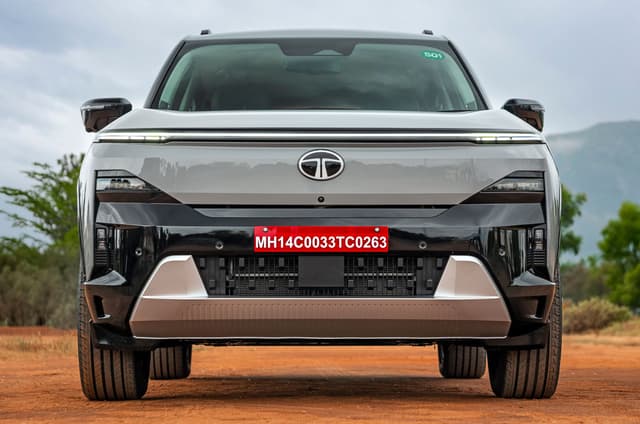
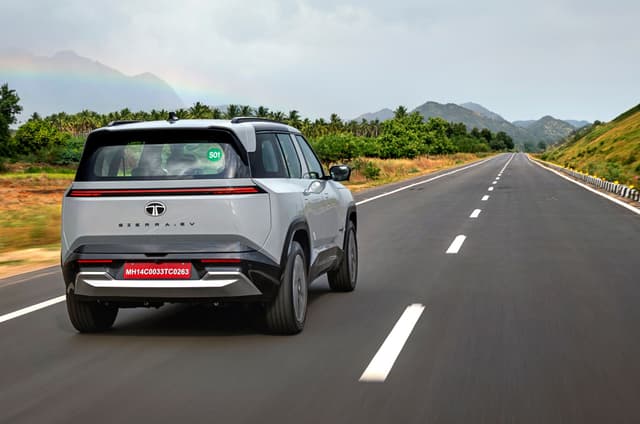
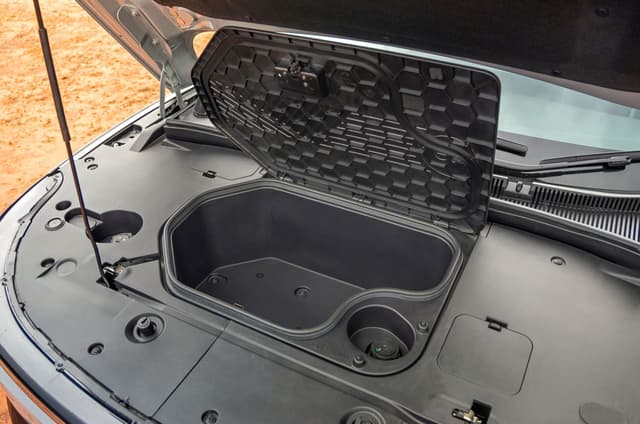
Last Updated on: 18 Jul 2026
Tata Sierra EV price in Lower Siang
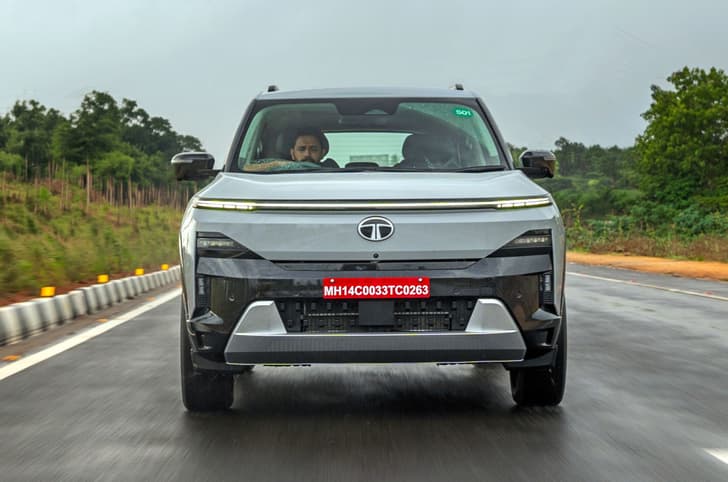
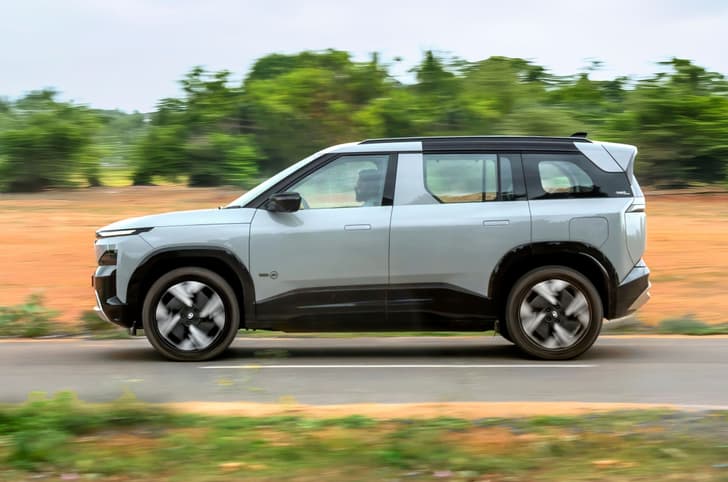
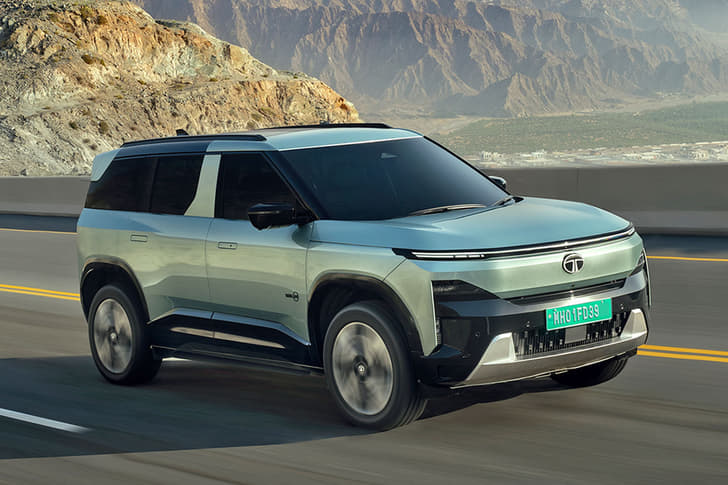
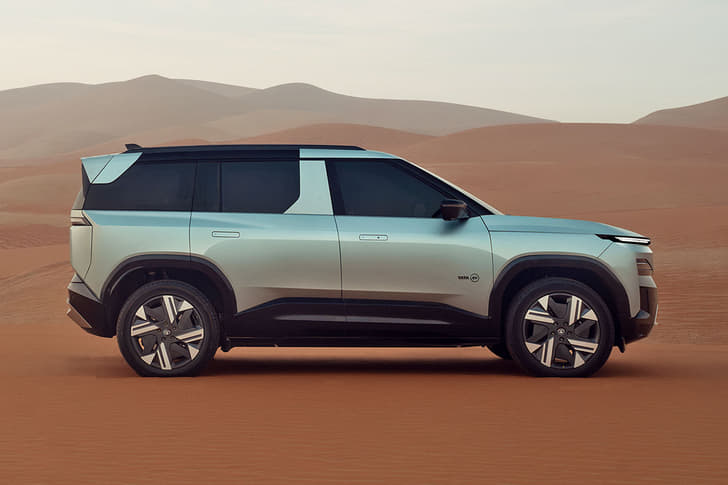
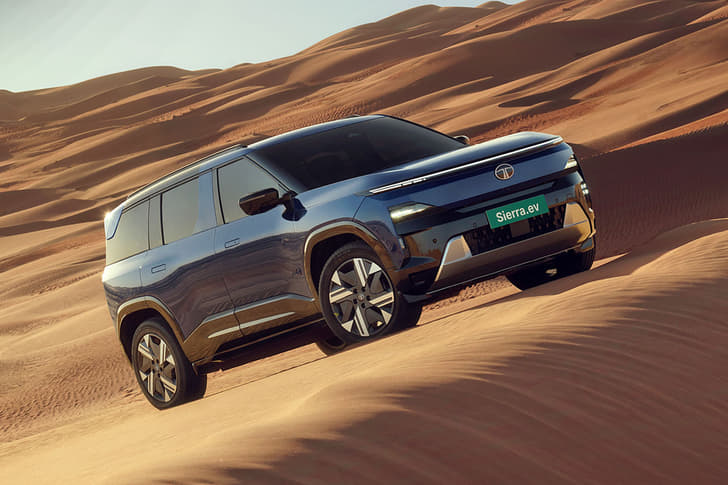
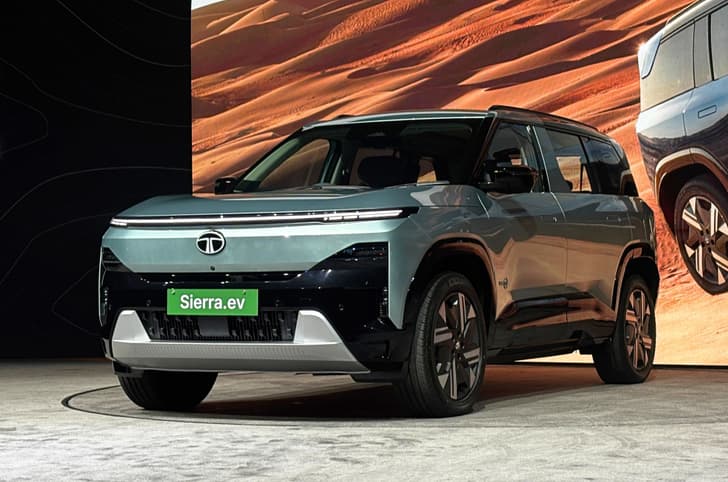
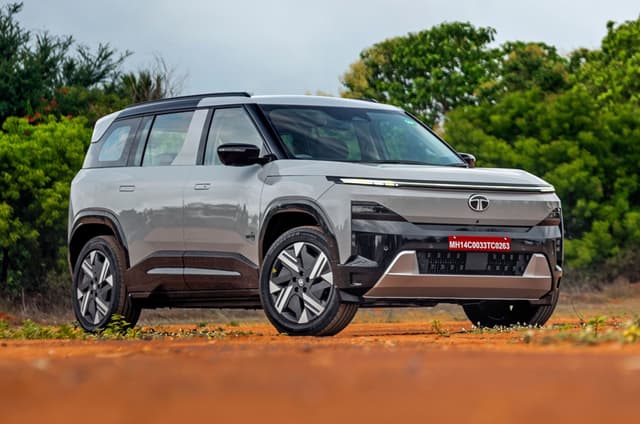
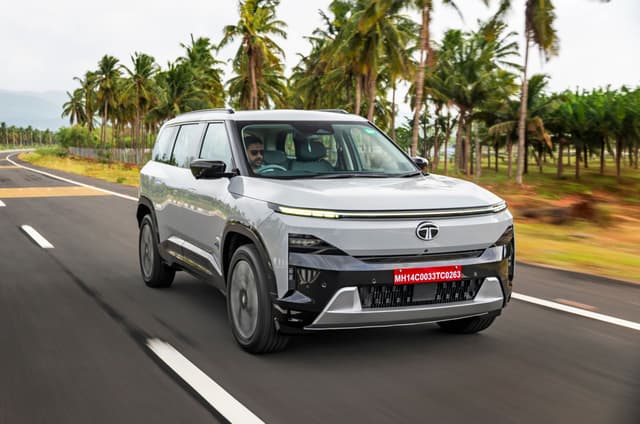
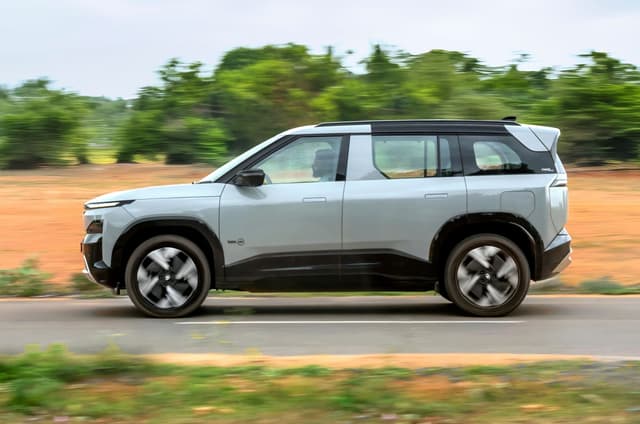
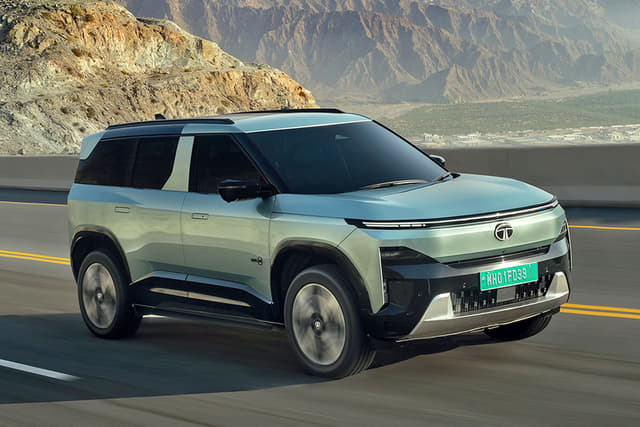
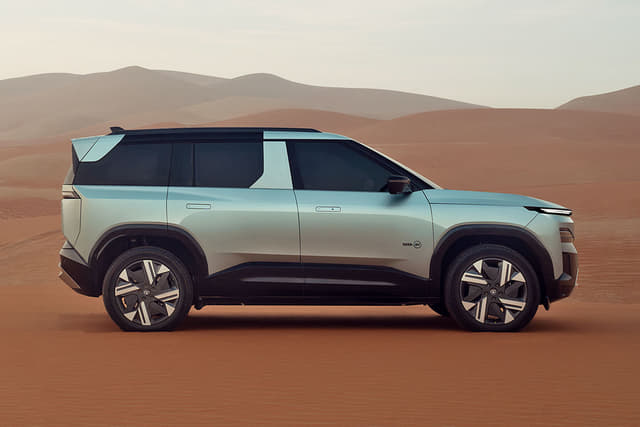
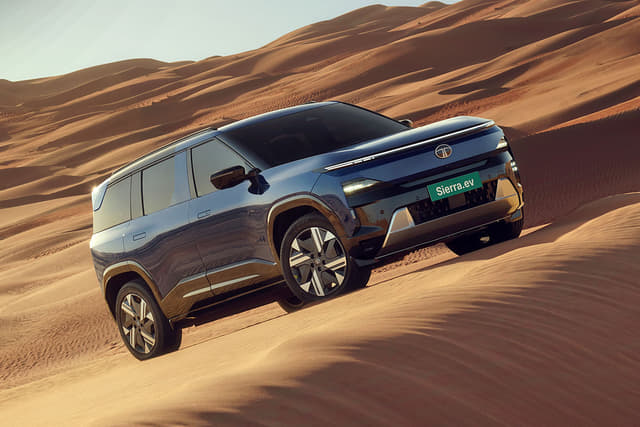
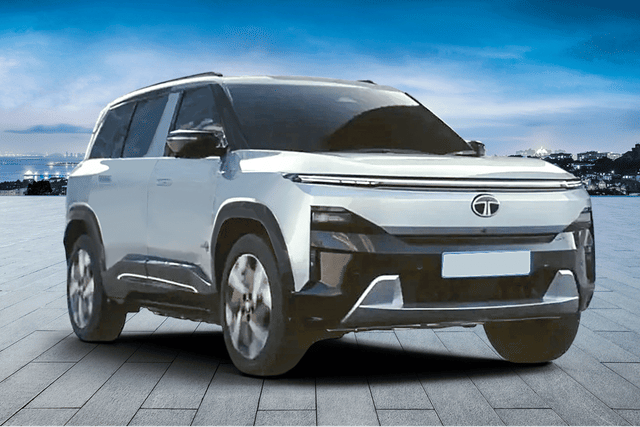
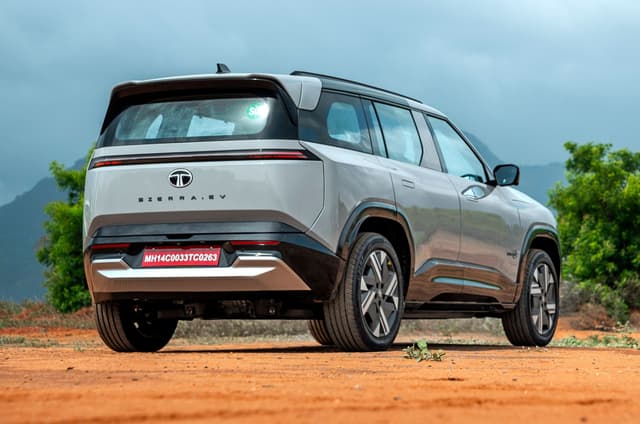
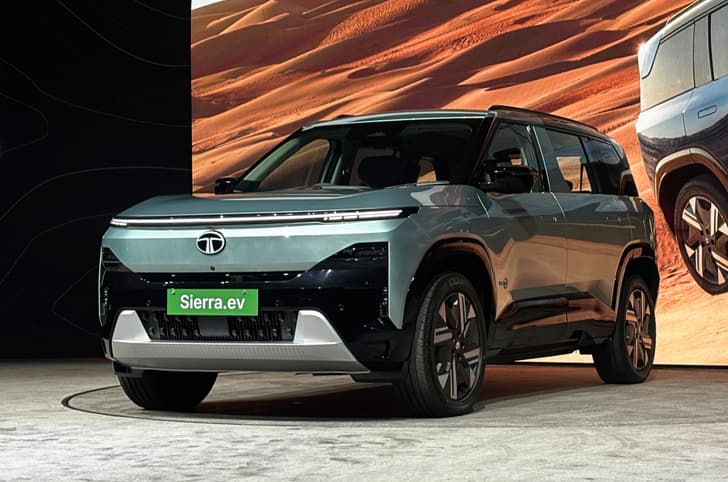
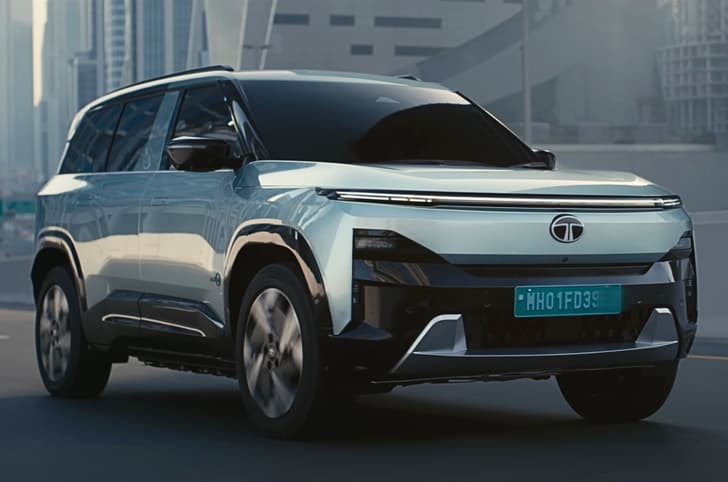
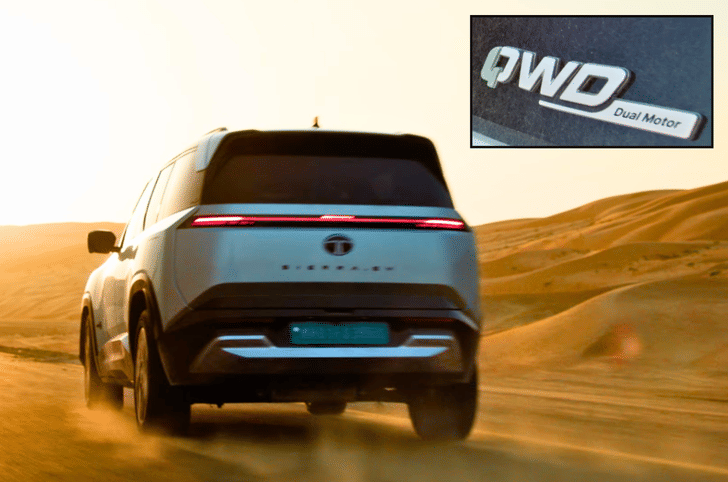
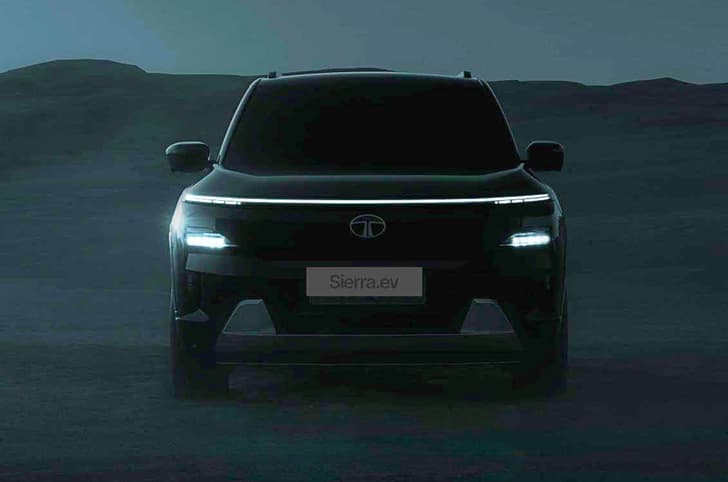
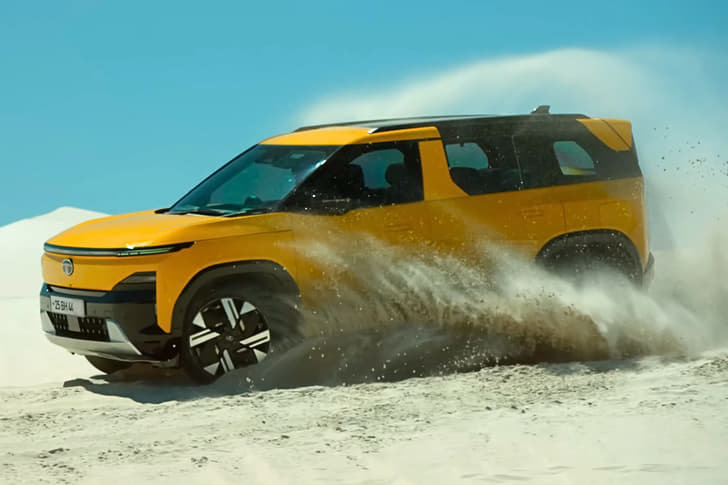
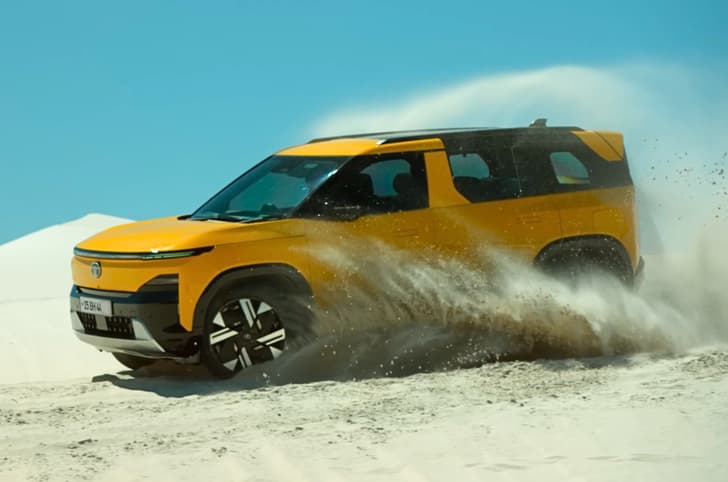
The Tata Sierra EV price in India starts at Rs 18.79 lakh and goes up to Rs 25.99 lakh (both ex-showroom). Buyers can choose between 63kWh and 75kWh battery packs, with rear-wheel drive offered across the range and quad-wheel drive available with select 75kWh variants.
Tata Sierra EV price in Lower Siang
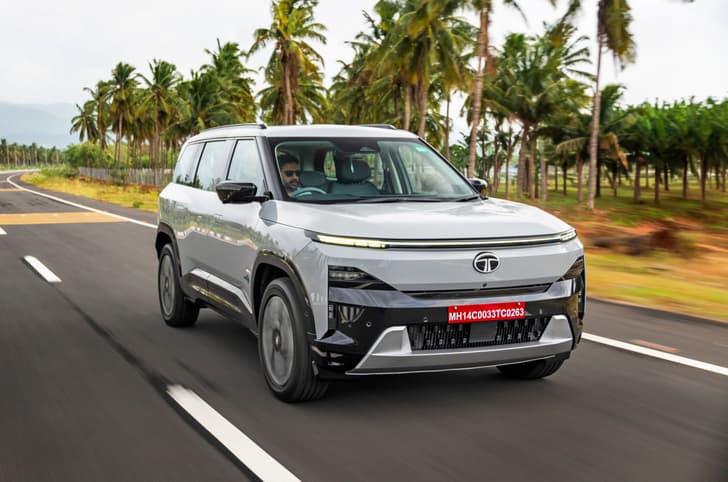
The Tata Sierra EV price in India starts at Rs 18.79 lakh and goes up to Rs 25.99 lakh (both ex-showroom). Buyers can choose between 63kWh and 75kWh battery packs, with rear-wheel drive offered across the range and quad-wheel drive available with select 75kWh variants.
Tata Sierra EV On Road Price by Variants
* Estimated on-road price. Final amount may vary.
Confused among 8 variants?
Let us narrow it down

Tata Sierra EV User Reviews
I got the Sierra.ev QWD Rapid and it was delivered to me on the first day. I am loving it and enjoying its tech features. Looking forward to long journeys to get bigger enjoyment.
The Sierra EV is a next-gen car with a solid build and rich features.
Sierra EV has better road presence, more space, and a bigger battery.
Love the design language and specifications offered in this ev.... Want to have 9ne
Tell us about your experience
Tata Sierra EV Official Brochure
Download the complete brochure with specs, features, and variants.
Calculate your Charging cost for Tata Sierra EV
Tata Sierra EV Images
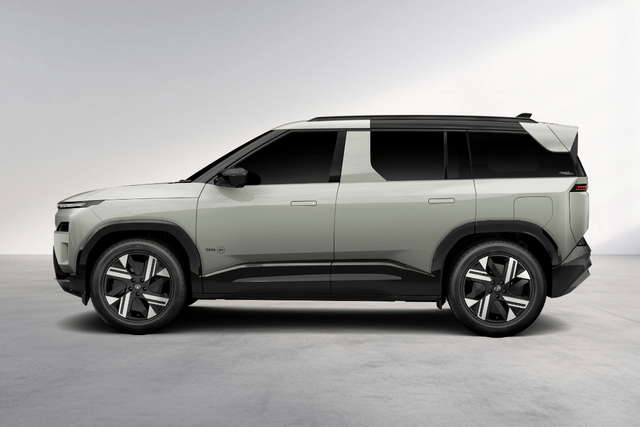
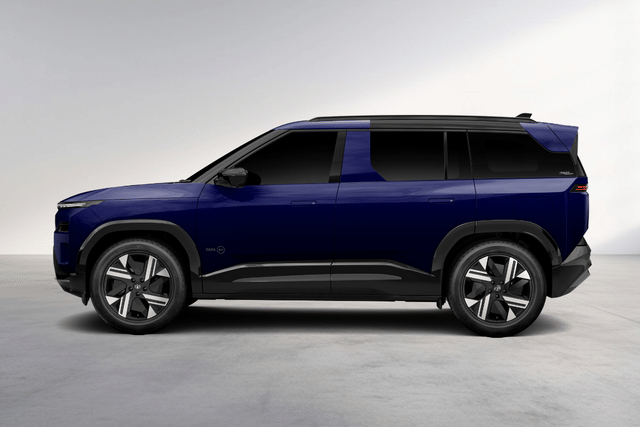
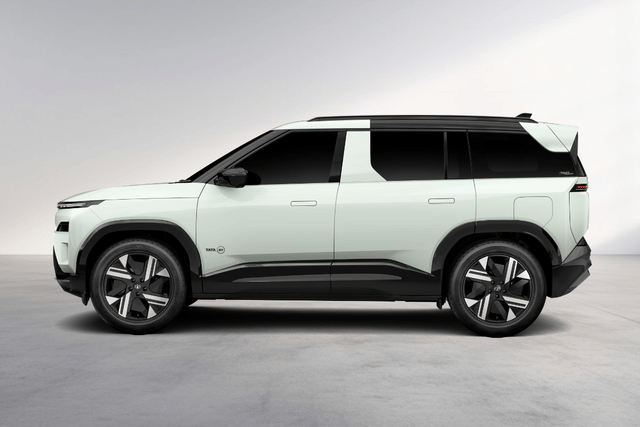
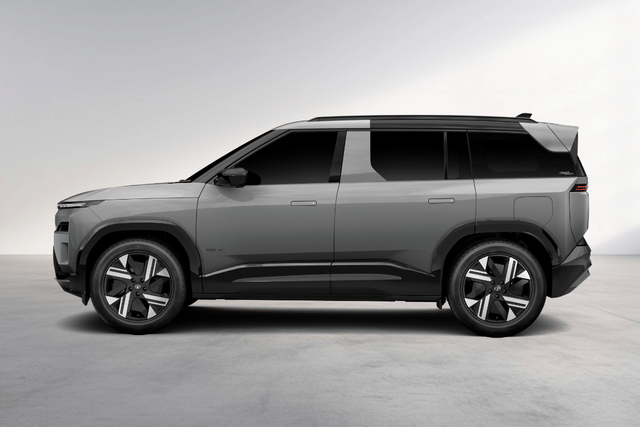
Tata Sierra EV Colours
Tata Sierra EV news
Tata Sierra EV videos


Have questions about this car?
Ask owners & Autocar experts.
Tata Sierra EV FAQs
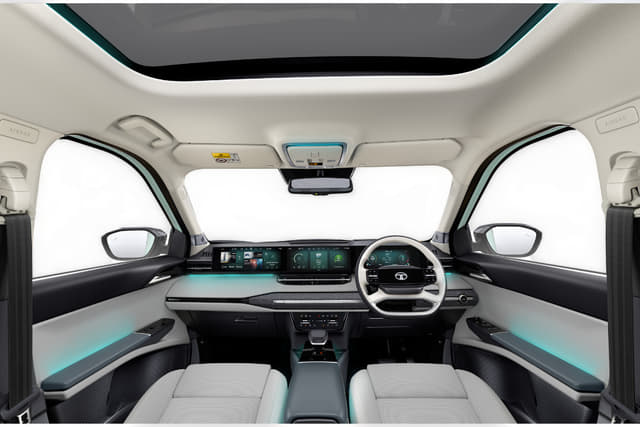
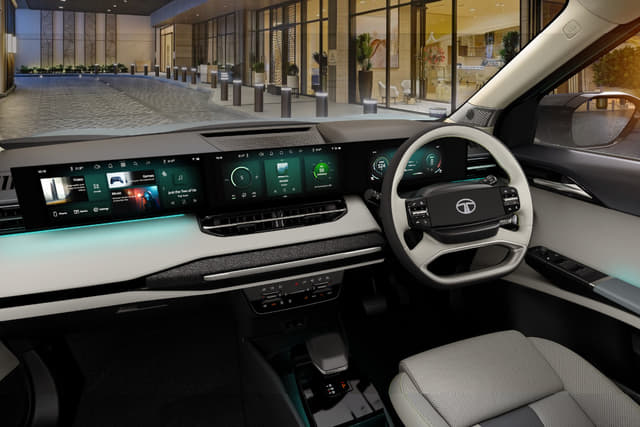
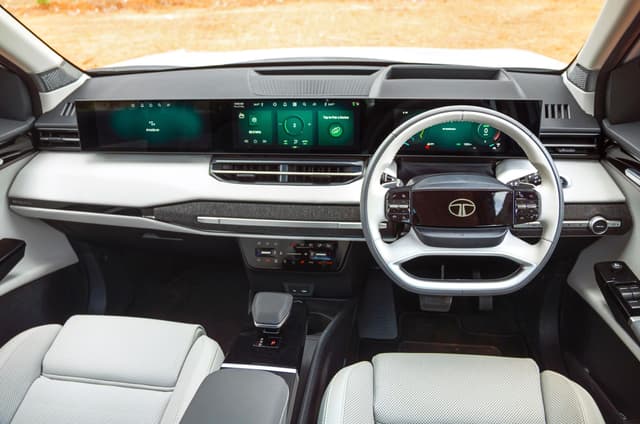
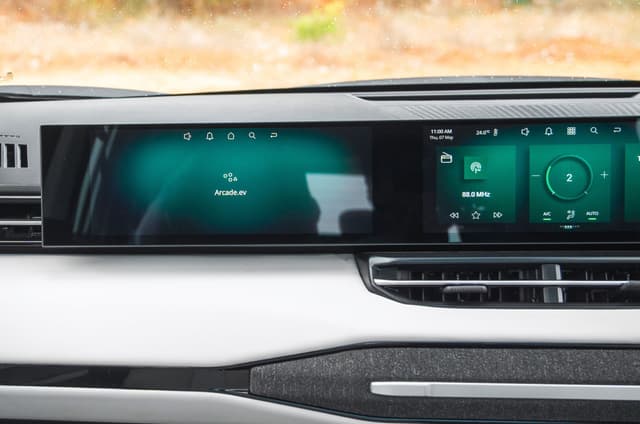
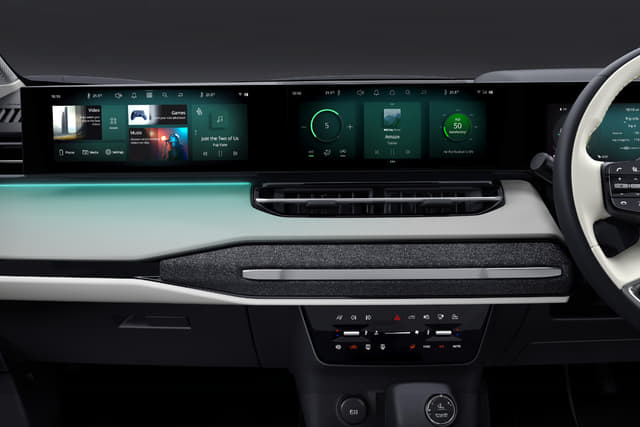
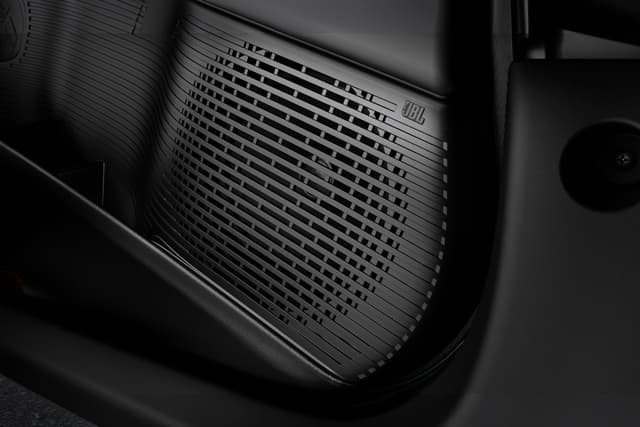
Yes. Depending on the variant, the Sierra EV offers a triple-screen dashboard, Level 2 ADAS, Auto Park Assist, head-up display, JBL audio system, AirConsole gaming, DrivePay, connected car technology and over-the-air software updates.
Questions you may find useful
Tushar
Sir, how is the rear suspension and ride quality of the Mahindra XEV 9e Pack One and Two? I tested the Pack Three and found the rear seat very boat-like with too much movement both vertically and sideways, which can get nauseating for rear-seat passengers. Is the suspension setup in Pack One and Two any better? Should I instead go for the Harrier EV 75 RWD if I want better ride quality, or should I wait for the Sierra EV? I want an EV bigger than the Nexon, but I do not like the Curvv EV and was thinking of avoiding Mahindra because of the suspension. I tried the Nexon EV and new Punch EV and found their rear suspension much better than the XEV 9e and even the eVitara. Please guide.

autocar.india
What you felt in the Mahindra XEV 9e Pack Three is a fair observation. The XEV 9e does have a softer suspension tune, and for some rear seat passengers, that can translate into a floaty, slightly boat-like vertical movement over undulations, which can feel uncomfortable or even nauseating if you are sensitive to that kind of motion. As far as we know, there is no major suspension hardware difference between Pack One, Two and Three that fundamentally changes this character, so we would not expect the lower variants to feel significantly different in this regard.If rear seat ride quality and body control are a major priority, the Tata Harrier EV is the better option right now. It feels more tied down, composed and generally better controlled from the rear, without that excessive floatiness. If you still want to stay with Mahindra, the XEV 9e actually feels more balanced in this respect and does not have the same exaggerated bouncy character as the XEV 9S.That said, since you are clearly particular about ride quality and already like how Tata’s EVs are tuned, we would absolutely suggest waiting for the Tata Sierra EV as well, especially since its launch is right around the corner. It should sit in that sweet spot above the Nexon EV in size while potentially offering the kind of more settled suspension setup you seem to prefer.
Sh
Hi, we live in Thane, and my commute is around 12 km on alternate days. Our budget is Rs. 20-25 lakh, and we’re looking for an automatic car. We’re open to both petrol and EV options. Based on reliability, comfort, mileage/running costs, and after-sales service, which cars would you recommend? Thanks!

autocar.india
With a 12km alternate-day commute and a Rs 20-25 lakh budget, you are in a sweet spot where both petrol automatics and electric cars make sense. The decision really comes down to your usage pattern and ownership priorities.If you have a dedicated parking space with charging access, an EV is a very strong option. The Hyundai Creta Electric is the most sensible recommendation here. It is a well-rounded EV with good range, a spacious cabin and a mature ownership experience. Your running costs will be significantly lower than those of a petrol car, and the short daily commute plays perfectly to an EV's strengths. Another good option is the newly launched Tata Sierra EV, though unless you stretch your budget, you might have to settle for the smaller 63kWh battery.If charging is not practical, a petrol automatic is the safer long-term choice. The Kia Seltos IVT is the recommendation here. It is a comfortable, well-equipped and reliable midsize SUV with a smooth automatic gearbox that is well-suited to city driving. Kia's after-sales network is strong in Thane, and the Seltos strikes a good balance between comfort, features, and peace of mind in ownership.
Reuben Charles
We are a family of two, and 95% of the time, the car will be used by just the two of us. We take trips with our extended family of 7 once or twice a year. My driving is split 50:50 between city and highway, and I also do leisure tours of at least 800 km every month as I enjoy driving and travelling. My overall monthly usage is between 2,500 and 3,000 km. My priorities are a car that is fun to drive, loaded with features, has low maintenance costs, makes a statement, is comfortable, and is practical for daily use. My budget is Rs. 27 lakh, and I have shortlisted the Sierra EV AWD and the XEV 9S Pack Two with the 79 kWh battery. Which one would you recommend?

autocar.india
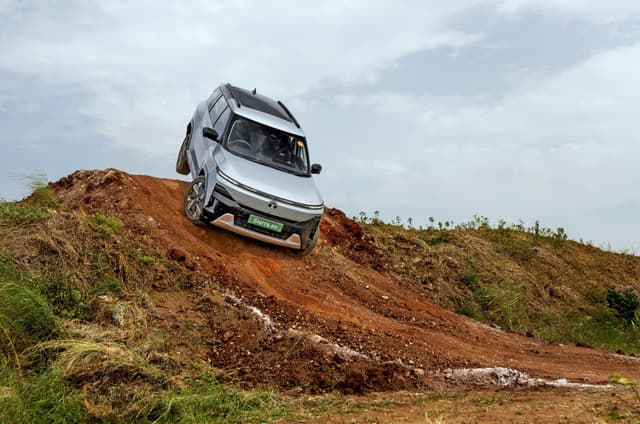
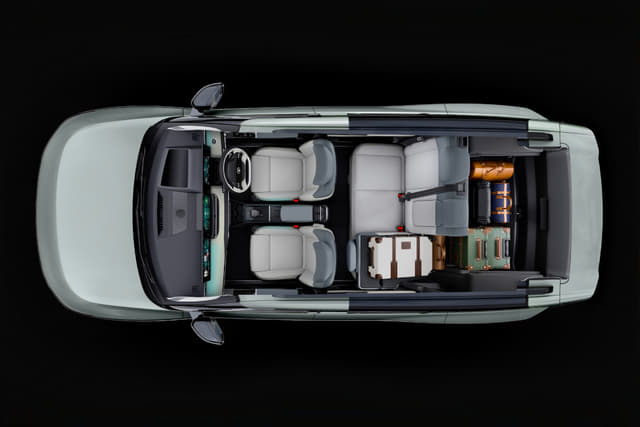
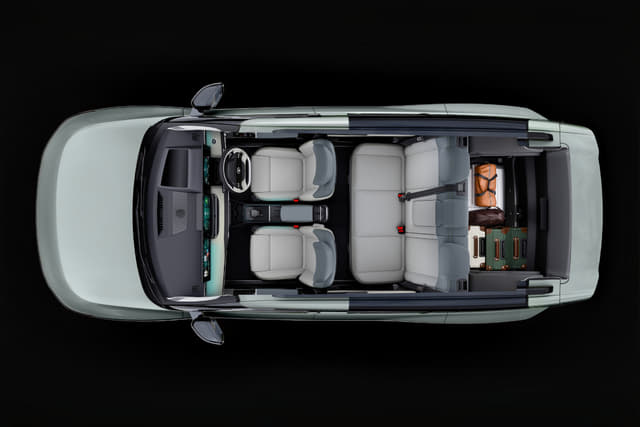
Given your usage pattern of 2,500-3,000 km per month, with a 50:50 city-highway split and a strong touring habit, the Mahindra XEV 9S Pack 2 is the better fit. The larger 79kWh battery gives you a more comfortable real-world range buffer for your 800 km leisure trips, reducing charging anxiety. This Mahindra car also offers a third-row seat, which will come in handy when you travel with your extended family. The Tata Sierra EV AWD is more stylish and eye-catching, and it is thrillingly quick too. The AWD system adds an extra level of safety in poor weather and also gives the Sierra a better off-road capability. This Tata car also packs in plenty of cool features and has a strong wow factor. However, its two-row seating layout will not work for you when you have seven passengers.Go for the XEV 9S, as it is the more practical and well-rounded choice for your requirements.
Atul
I have shortlisted the Sierra EV RWD and the XEV 9e, both in their top variants. My usage is mostly city driving, around 50 km a day on weekdays. Most of the time, I have a driver and sit in the rear seat, while on weekends, I drive the car myself around the city. My family consists of me, my wife, and two children aged 16 and 11. Which one would you recommend?

autocar.india
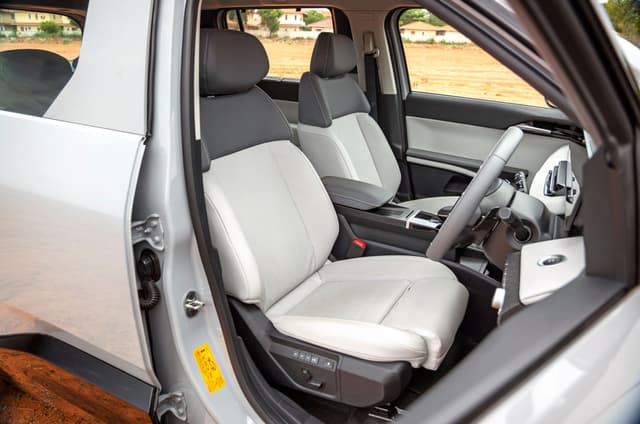
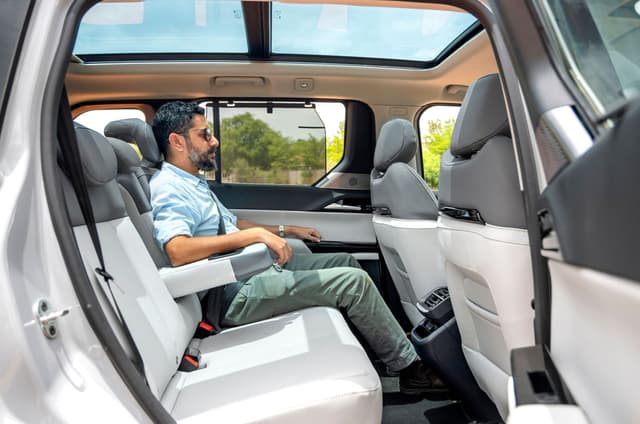
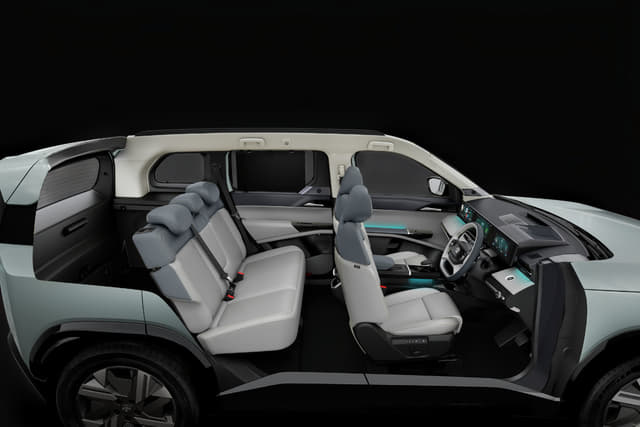
Go for the Tata Sierra EV RWD top variant. Your usage is predominantly city with a driver, and you spend most of your time in the rear seat. The Sierra EV is the better fit here because it is a genuinely comfortable, spacious and premium-feeling EV with a strong focus on rear-seat comfort. The ride quality is excellent, and the cabin feels airy. The Mahindra XEV 9S is a very good EV, but this Mahindra car is a larger, more premium SUV, and the price difference is significant. For your usage, that extra spend does not translate into a meaningful ownership benefit. The Sierra EV gives you everything you need: a comfortable rear seat for daily commutes, a premium cabin and strong EV performance. It is the more sensible and value-driven choice for your usage pattern.
Rohith
I currently own a Honda Elevate (CVT). I have driven around 72k km so far, with a mix of daily commuting and frequent highway trips for work. I am now looking to upgrade. There is nothing wrong with the Elevate - it has been a solid car - but the CVT feels a bit too tame for me now. I am looking for a logical upgrade with significantly better performance than the Elevate. My requirements are an automatic transmission, and I am open to both petrol and electric options. What would you recommend?

autocar.india
Given your usage pattern of high daily running and frequent highway trips, the Honda Elevate has clearly done its job as a dependable and comfortable workhorse. That said, your need for a meaningful performance upgrade is understandable. The 1.5-litre naturally aspirated engine paired with the CVT is smooth and efficient, but it does start to feel underwhelming once you begin to prioritise performance and responsiveness.A logical step up on the ICE side would be the Mahindra XUV 7X0 petrol. Its 2.0-litre turbo-petrol engine with 200hp delivers a strong jump in performance, and the 6-speed automatic is far more engaging than a CVT. Overtakes are effortless, and it brings a sense of urgency that the Elevate simply cannot match. The trade-offs, however, are worth noting. It is a larger car, so it won’t feel as nimble or easy to manoeuvre in tight urban conditions, and fuel efficiency can drop into the mid-single digits, especially with enthusiastic driving.If you are open to going electric, the upgrade in performance becomes even more pronounced. The Tata Sierra EV stands out as a compelling option. Like the Elevate, it sits in the mid-size SUV space but offers significantly more performance and space. With a 0 - 100kph time of under 6 seconds, it delivers instant torque and strong, seamless acceleration, which will feel like a dramatic leap, particularly in city driving and quick overtakes. It is also shaping up to be a well-rounded EV with a usable real-world range and a ride quality suited to long highway runs.In both cases, you are looking at a clear step up in performance, but the choice really comes down to whether you want the familiarity and refuelling ease of petrol, or the instant performance and lower running costs of an electric car.
Pradeep
I currently own a Maruti Ignis, which I have had for approximately nine years, and I am considering upgrading to the Sierra EV. I recently test-drove a demonstration model and found it to be quite heavy. This made me question whether such a robust build is truly necessary for vehicles. While I acknowledge that safety is paramount, I believe there may be opportunities to optimize the weight of the vehicle. The increased weight inherently affects the performance and power consumption of petrol, CNG, and electric vehicles. Modern safety features, such as ADAS, offer alternative approaches to improving vehicle safety.

autocar.india
The Tata Sierra EV is a very different proposition from your Ignis, and the weight you felt is a natural consequence of both its size and its construction. This Tata car is a significantly larger and more premium vehicle, and the battery pack itself adds considerable weight. That said, the Sierra EV is on the heavier side but is not unusually heavy for its class.On the question of whether such a robust build is necessary, it is important to understand that safety is not just about ADAS. While ADAS systems can help avoid accidents, it is the fundamental structure of the car that protects occupants when an accident does occur. A strong body shell, well-engineered crumple zones, and a rigid passenger cell are still critical elements of crash safety. That said, there is a trade-off. Heavier cars do consume more energy, whether petrol, CNG or electricity. Manufacturers are constantly working to optimise weight, but safety standards and battery technology set certain minimums. The Sierra EV is a safe, comfortable, and premium family electric car, but if you are particularly sensitive to weight and efficiency, you may want to consider slightly smaller EVs as well. Ultimately, the Sierra EV’s weight is not a flaw; it is a reflection of its priorities and its segment.
Rahul
I have booked the Tata Sierra EV, but I am concerned about the after-sales service and the possibility of receiving a faulty car.

autocar.india
The Tata Sierra EV is a genuinely appealing product, but your concerns about aftersales are valid. Tata has made significant improvements in service quality over the past few years, but the network still lacks the consistency of Maruti, Hyundai, Toyota or Honda. The bigger concern is that the Sierra EV is a brand-new product with no long-term ownership track record yet, so there is always a small risk of teething issues that only emerge with real-world use.If you are the kind of buyer who worries about reliability and wants absolute peace of mind, it may be worth waiting six to twelve months to see how this Tata car performs in the hands of early owners. If you are comfortable taking a calculated risk on a promising new product, the Sierra EV remains a strong choice.
Rahul Verma
I intend to buy an SUV with AWD, a peppy engine, and seating for five, with a generous boot. I'm also open to a seven-seater, as I can keep the third row folded when not in use. I would prefer a comfortable suspension setup, ideally with a multi-link independent suspension. I'm slightly inclined towards an EV, but only if its software is highly reliable, as I don't want to deal with breakdowns or roadside assistance due to software issues. My current shortlist includes the Tata Sierra EV QWD and the Mahindra XUV 7XO Diesel AWD. My annual running is around 5,000km in the city and 6,000-7,000km on highways. Kindly suggest the most suitable SUV for my needs.

autocar.india
Pick the Mahindra XUV 7XO diesel AWD. With your highway-heavy use and worry about EV software stranding you, the diesel AWD is the safer long-trip tool, gives strong torque for quick overtakes, and you are free from charging stops or app glitches. It also answers your hardware questions - the AWD for grip and an independent rear suspension that keeps it stable and comfy on rough patches. The XUV 7XO comes only as a 7 seater, but you can keep the third row folded for a big, usable boot.The Tata Sierra EV is tempting, and its AWD version will be quick and quiet, but early EV software performance can still be hit-or-miss, so it's perhaps better to wait a bit.Moreover, since you have quite a lot of highway driving in your mix, an electric car, even with a range as healthy as the Sierra's, is not the ideal choice. Conversely, since you have a good mix of city and highway driving, the diesel engine in the Mahindra car will get enough of a workout to keep the DPF regenerated as required.
Harsh
Trying to pick an electric car, budget - 25L, considering BYD Atto 3 and Tata Sierra. I’m open to other options as well if there are any good launches in the next 2-3 months. What would you recommend?

autocar.india
The BYD Atto 3 is a good option, and the car's powertrain is well-tuned and should prove to be very reliable in the long term. If you have a dealer nearby, you should give it serious consideration. The electric Sierra, on the other hand, is much better equipped and more spacious than the Atto 3, so it comes down to what you would value more. As far as alternatives go, the Hyundai Creta electric is the best all-rounder in the segment with a well-tuned powertrain that is easy and smooth to drive, a suspension that delivers a good ride in the city and on highways, comfy seats and a good equipment list too.
S Shyam Sundar
I have a Grand Vitara Strong Hybrid, and I am extremely satisfied with its mileage (900-1000 km from 45 liters). However, I am losing the joy of driving. I migrated to this car after owning a Swift Dzire Diesel and an XL6. The mismatch between engine revs and acceleration is becoming unpleasant. Overtaking feels riskier, and even the brakes feel spongy. I have experienced a few unpleasant situations because of this. As a result, I have reduced my overall speed, making the safety of my family a bigger priority. But the driver in me is unhappy. Should I upgrade to the Duster Hybrid, the Hycross Hybrid, or the newly launched Sierra EV? Also, do diesel engines still make sense today?

autocar.india
From what you've described, the Grand Vitara Strong Hybrid has impressed you with its efficiency but left you wanting more from behind the wheel. If driving enjoyment is back on your priority list, the Duster Hybrid looks like the most natural upgrade. It is expected to offer a much more engaging driving experience while retaining the fuel efficiency benefits of a strong hybrid.The Toyota Innova HyCross Hybrid will certainly improve on comfort, refinement and performance, but it won't fundamentally change the character you're looking for. It is still geared towards relaxed family motoring rather than enthusiastic driving.The Tata Sierra EV is an interesting option and has now been launched. It promises strong performance, a premium cabin and a spacious interior. However, if the "driver in you" misses the involvement and confidence of your earlier diesel cars, we'd still wait to experience how the Duster Hybrid drives before making a decision.As for diesels, we don't think they should be ruled out altogether. With the right usage, they continue to make sense. However, given your appreciation for the fuel economy of your Grand Vitara and the direction the market is heading, we'd lean towards a strong hybrid rather than going back to diesel.
Upcoming Cars


Tata Cars

Trending Cars


Latest Cars