
Last Updated on: 24 Jul 2026
Tata Sierra EV price in Dispur
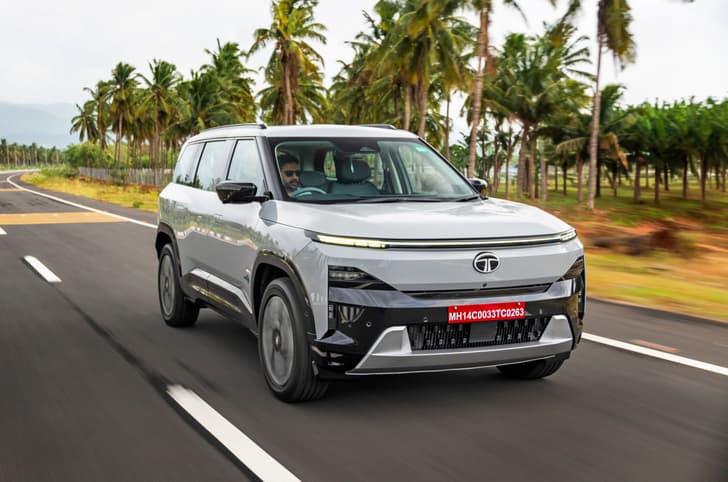
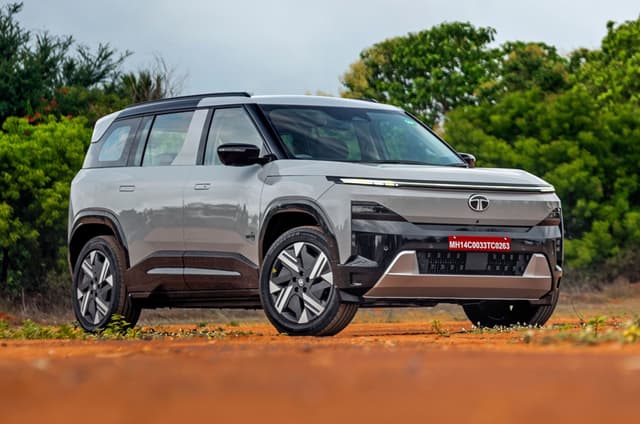
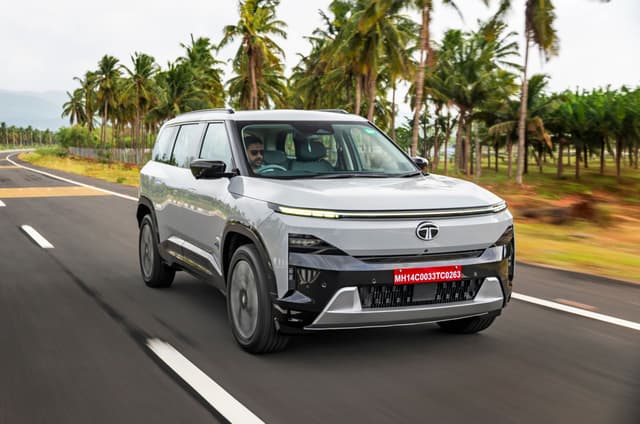
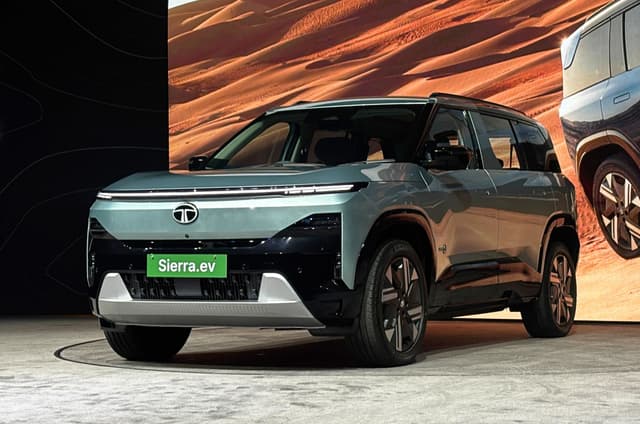
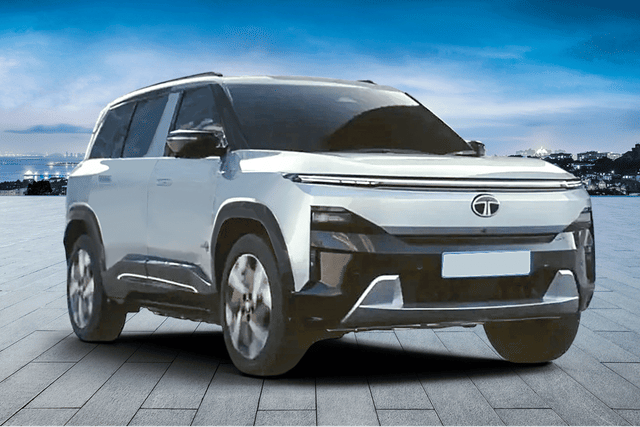
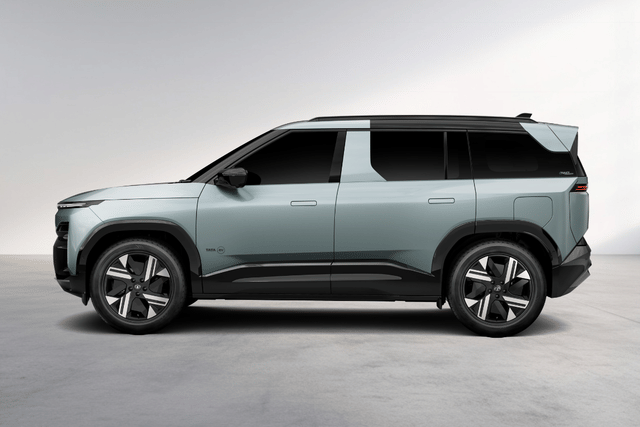
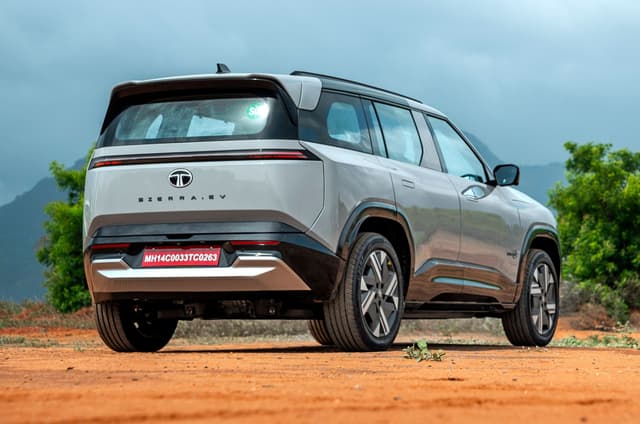
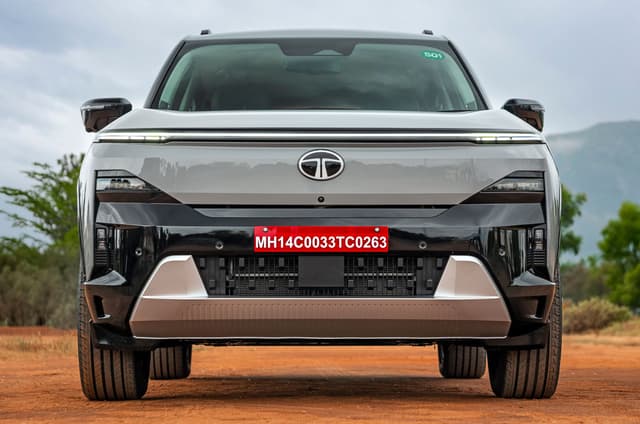
The Tata Sierra EV price in India starts at Rs 18.79 lakh and goes up to Rs 25.99 lakh (both ex-showroom). Buyers can choose between 63kWh and 75kWh battery packs, with rear-wheel drive offered across the range and quad-wheel drive available with select 75kWh variants.
Tata Sierra EV price in Dispur
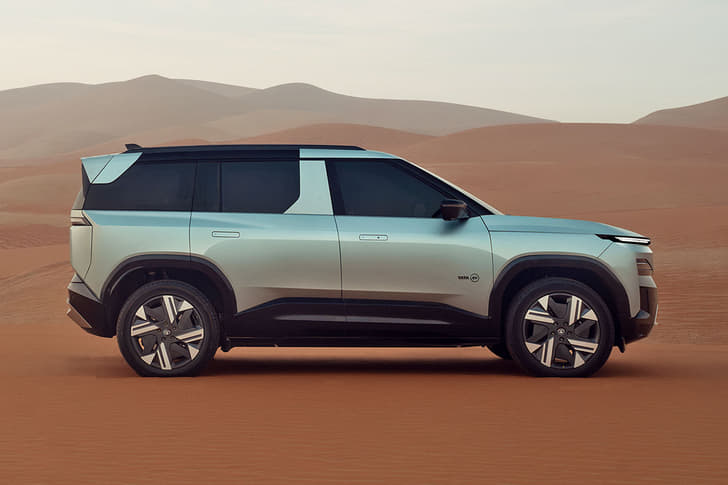
The Tata Sierra EV price in India starts at Rs 18.79 lakh and goes up to Rs 25.99 lakh (both ex-showroom). Buyers can choose between 63kWh and 75kWh battery packs, with rear-wheel drive offered across the range and quad-wheel drive available with select 75kWh variants.
Tata Sierra EV On Road Price by Variants
* Estimated on-road price. Final amount may vary.
Tata Sierra EV Official Brochure
Download the complete brochure with specs, features, and variants.
Calculate your Charging cost for Tata Sierra EV
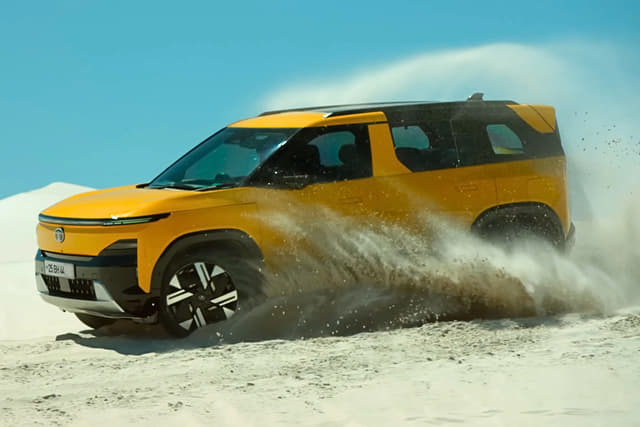
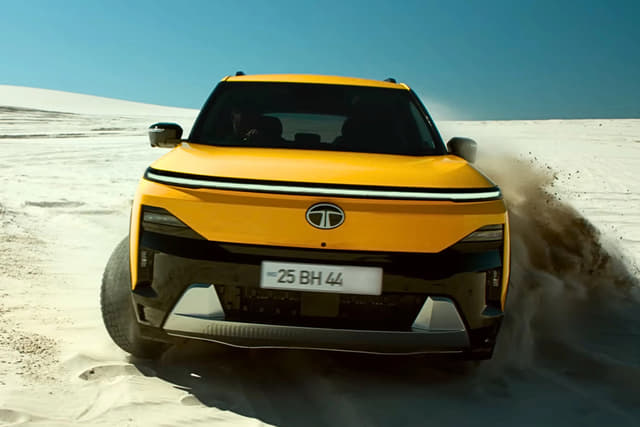
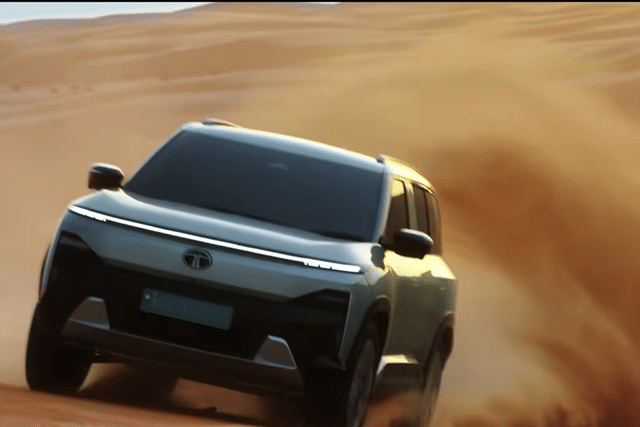
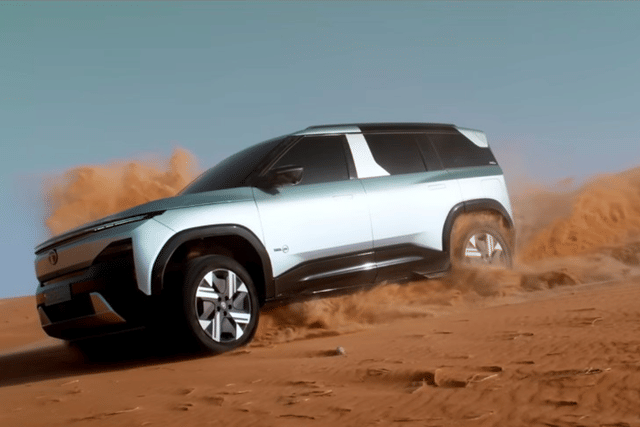
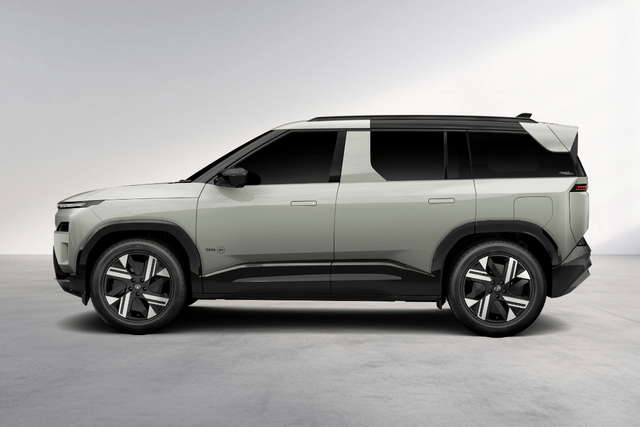
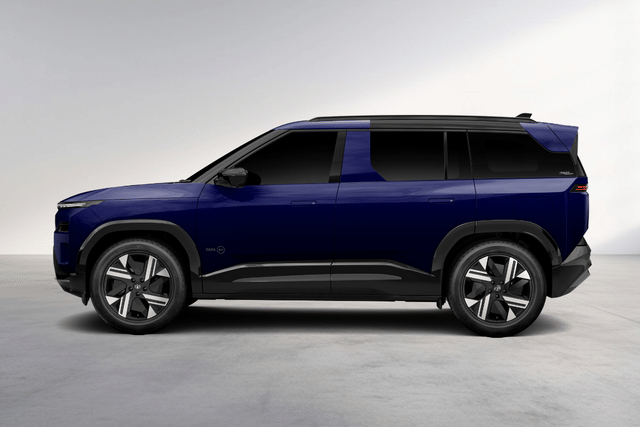
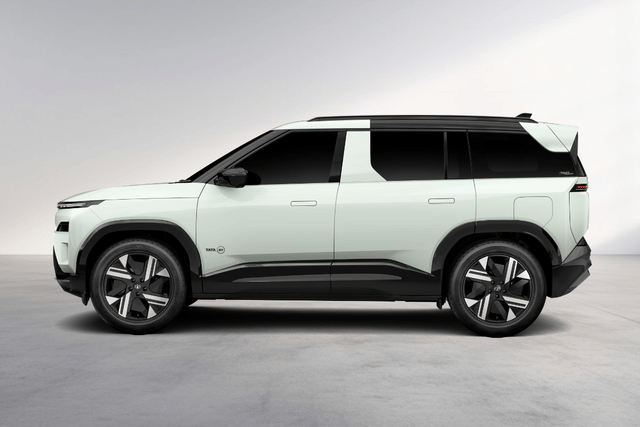
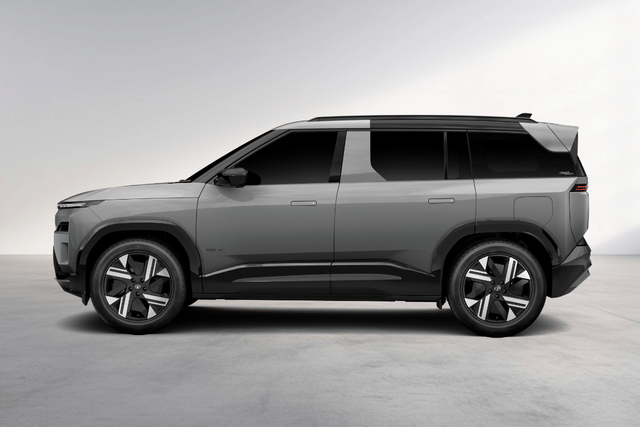
Tata Sierra EV Images
Tata Sierra EV news
Tata Sierra EV videos


Tata Sierra EV FAQs
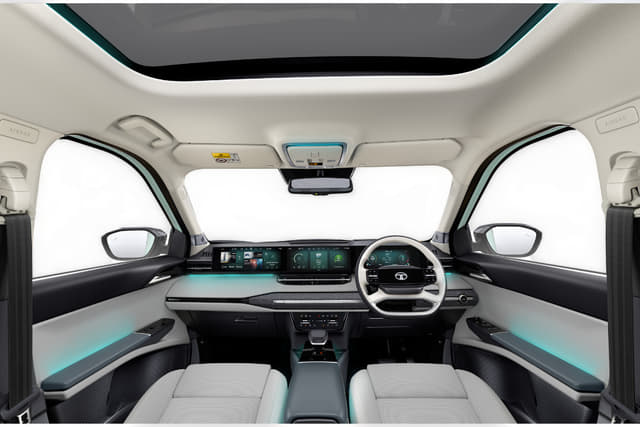
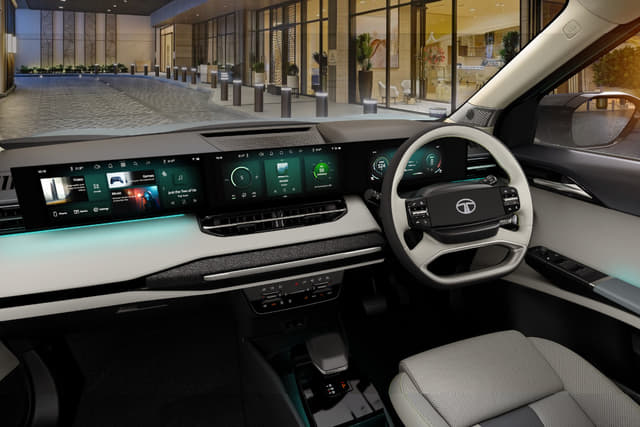
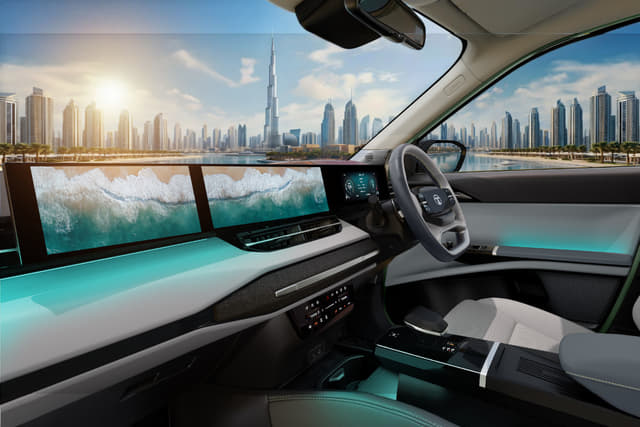
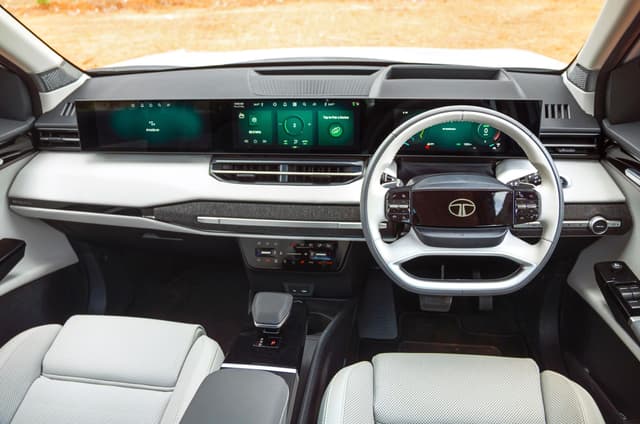
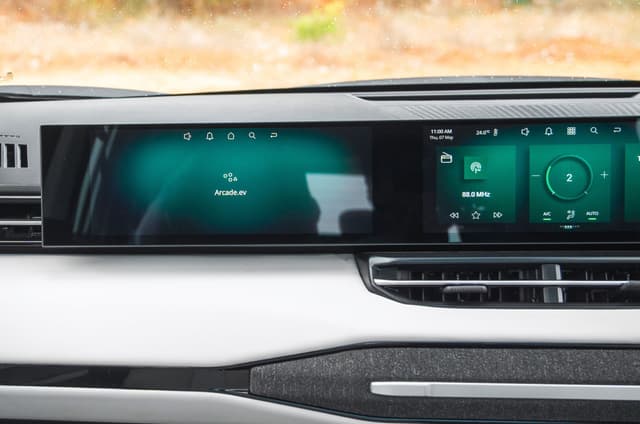
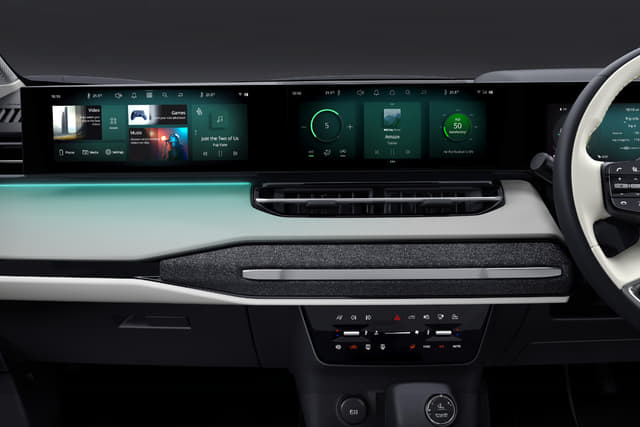
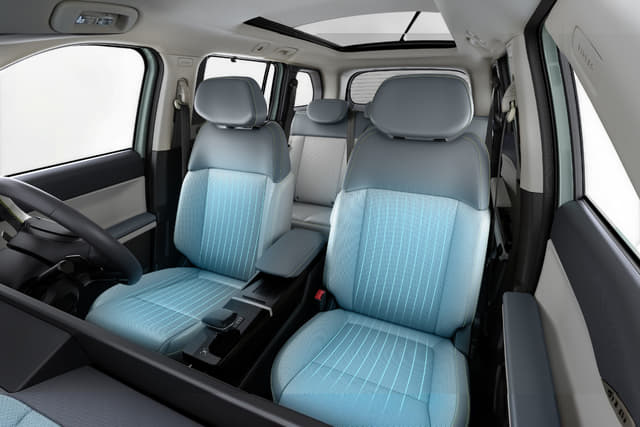
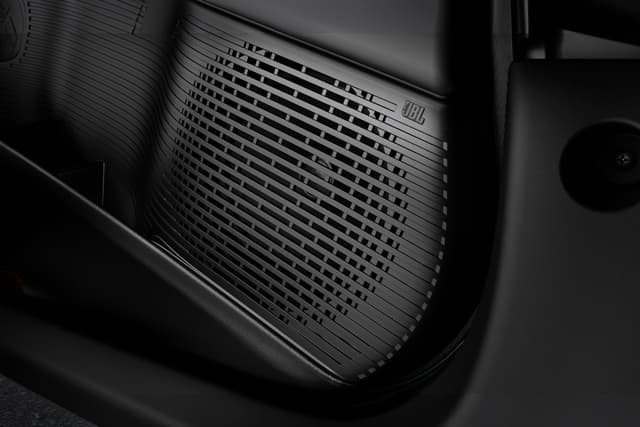
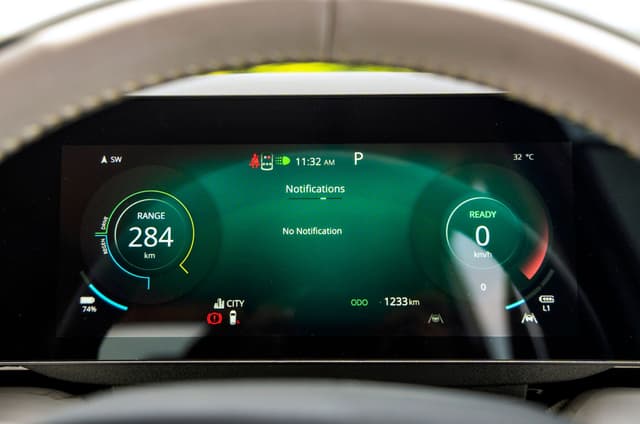
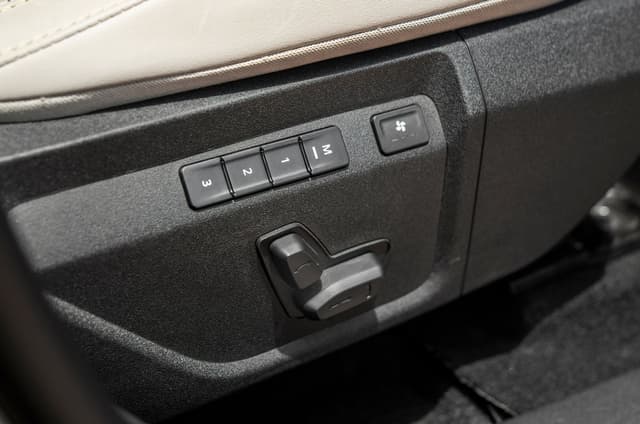
Yes. Depending on the variant, the Sierra EV offers a triple-screen dashboard, Level 2 ADAS, Auto Park Assist, head-up display, JBL audio system, AirConsole gaming, DrivePay, connected car technology and over-the-air software updates.
Questions you may find useful
Sir, how is the rear suspension and ride quality of the Mahindra XEV 9e Pack One and Two? I tested the Pack Three and found the rear seat very boat-like with too much movement both vertically and sideways, which can get nauseating for rear-seat passengers. Is the suspension setup in Pack One and Two any better? Should I instead go for the Harrier EV 75 RWD if I want better ride quality, or should I wait for the Sierra EV? I want an EV bigger than the Nexon, but I do not like the Curvv EV and was thinking of avoiding Mahindra because of the suspension. I tried the Nexon EV and new Punch EV and found their rear suspension much better than the XEV 9e and even the eVitara. Please guide.
What you felt in the Mahindra XEV 9e Pack Three is a fair observation. The XEV 9e does have a softer suspension tune, and for some rear seat passengers, that can translate into a floaty, slightly boat-like vertical movement over undulations, which can feel uncomfortable or even nauseating if you are sensitive to that kind of motion. As far as we know, there is no major suspension hardware difference between Pack One, Two and Three that fundamentally changes this character, so we would not expect the lower variants to feel significantly different in this regard.If rear seat ride quality and body control are a major priority, the Tata Harrier EV is the better option right now. It feels more tied down, composed and generally better controlled from the rear, without that excessive floatiness. If you still want to stay with Mahindra, the XEV 9e actually feels more balanced in this respect and does not have the same exaggerated bouncy character as the XEV 9S.That said, since you are clearly particular about ride quality and already like how Tata’s EVs are tuned, we would absolutely suggest waiting for the Tata Sierra EV as well, especially since its launch is right around the corner. It should sit in that sweet spot above the Nexon EV in size while potentially offering the kind of more settled suspension setup you seem to prefer.
I am 60 years old, with a family of 4. My budget is Rs 27 lakhs on-road. Which is the best suitable EV for me?
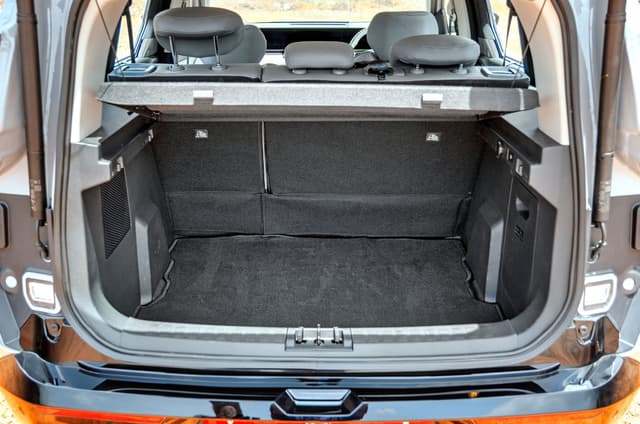
At an on-road budget of around Rs 27 lakh, you have a couple of strong EV options to consider. The recently launched Tata Sierra EV, especially in its top-spec Empowered variant, fits your budget well. It offers strong performance, a very comfortable ride, and a well-appointed cabin. The real-world Sierra EV range is over 450 km on a full charge, and it comes with a large, practical boot, making it well suited for a family.If you need more space or prefer the flexibility of a third row, the Mahindra XEV 9e (Pack Two) with the 79 kWh battery is worth considering. It matches the Sierra on equipment, feels extremely refined, and delivers strong performance. However, at higher speeds, it doesn’t feel quite as settled or planted as the Tata car. Overall, both are solid choices, so your decision can come down to whether you prioritise a sportier driving experience or additional seating and space.
Hi Autocar, I am currently using a 2019 Mahindra XUV300 diesel, and I have driven 2,50,000km so far. We are now planning to buy an EV. My daily usage would be around 100km (if I use city roads), 200km (if highway). We also go on a 3,000km road trip across South India every quarter, and once every year we drive 6,000- 7,000 km to North India. I am from Hyderabad, and I am considering the Tata Harrier EV, Tata Sierra EV and Mahindra XEV 9S. Please suggest whether an EV will really work for me. If yes, which one should I choose? If not, which car would suit my usage better? Thanks.
Given your usage pattern, an electric car is not the right choice for you. Your daily running of 100- 200 km is well within the comfort zone of modern EVs, but your quarterly 3,000km South India road trips and annual 6,000- 7,000 km North India trips are the deciding factor. While the charging infrastructure has improved significantly, long-distance EV touring in India still requires careful planning, and charging stops can add considerable time to your journey. The Harrier EV, Sierra EV and 9S are all capable EVs, but none of them can match the convenience and flexibility of a diesel SUV on long, cross-country trips.Given your experience with the XUV300 diesel and your high annual mileage, the Mahindra XUV 7XO diesel is the most sensible upgrade. It offers strong performance, excellent highway stability and a proven diesel powertrain that is well-suited to long-distance touring. If you want a more premium and comfortable experience, the Tata Harrier diesel is also a strong contender, with a spacious, refined cabin and a comfortable ride. Both cars will give you the range, flexibility and peace of mind you need for your long road trips, without the compromises of charging infrastructure.
I am planning to buy an electric car with a budget of around Rs. 30L as a family car. Which EV offers the best value for money in this price range? I also want to consider its resale value after 5-6 years. Which model would you recommend?
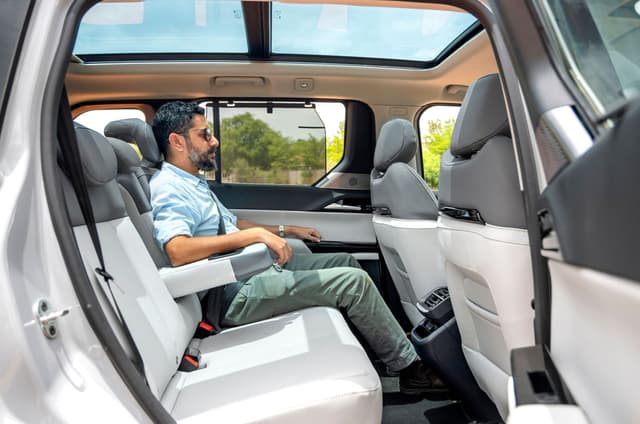
The best all-rounder when it comes to EVs at the Rs 30 lakh price range is the Mahindra XEV 9S. For one, it's a large vehicle with three rows of seats, giving you maximum space at this price. You also get plenty of choice in the form of three battery pack options, depending on your requirement, and on top of it all, it's loaded with features. For Cars Under 30 lakhs, you could get one of the top two variants - Pack Three or Pack Three Above - with all the bells and whistles and the largest battery pack. It also packs in strong performance, with a 286hp motor mounted on the rear axle, as well as good range from the large battery - around 480km in real-world usage. Another strong option is the newly launched Tata Sierra EV. While not as large as the XEV 9S and without the third row of seats, its front and second row are incredibly spacious and comfortable, and it has a large boot too. The better news is that you get the top variant at around Rs 28 lakh, on road, and this not only gets you a similar feature set to the Mahindra, but also a battery and range figure that's almost as good. Moreover, this also gets you a dual-motor AWD setup with even greater performance. In outright terms, the seven-seat XEV is a better value, but if you have no need for the third row, the Sierra might work better for you.Resale value on any EV at present is not going to be as good as an equivalent petrol car, due to various factors, such as uncertainty around the condition and quality of the battery after several years of use. With that in mind, a strong brand and popular model are likely to give a better resale value, and both these are popular models from popular brands, so they should be as good as it can get.
Hi, we live in Thane, and my commute is around 12 km on alternate days. Our budget is Rs. 20-25 lakh, and we’re looking for an automatic car. We’re open to both petrol and EV options. Based on reliability, comfort, mileage/running costs, and after-sales service, which cars would you recommend? Thanks!
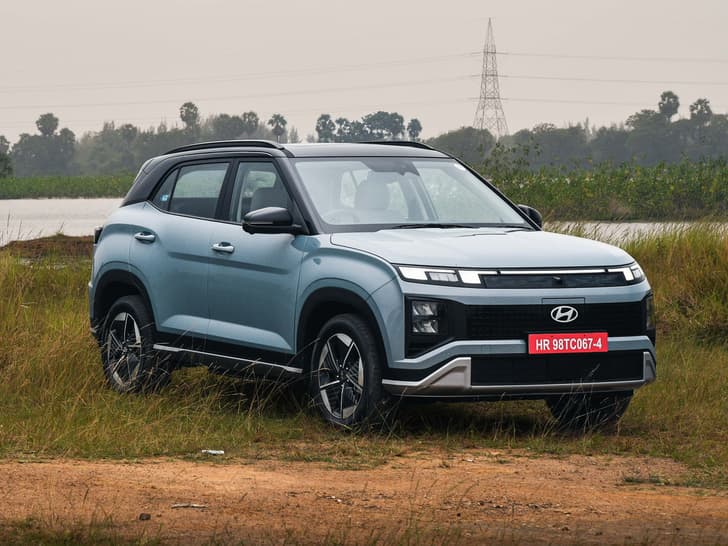
With a 12km alternate-day commute and a Rs 20-25 lakh budget, you are in a sweet spot where both petrol automatics and electric cars make sense. The decision really comes down to your usage pattern and ownership priorities.If you have a dedicated parking space with charging access, an EV is a very strong option. The Hyundai Creta Electric is the most sensible recommendation here. It is a well-rounded EV with good range, a spacious cabin and a mature ownership experience. Your running costs will be significantly lower than those of a petrol car, and the short daily commute plays perfectly to an EV's strengths. Another good option is the newly launched Tata Sierra EV, though unless you stretch your budget, you might have to settle for the smaller 63kWh battery.If charging is not practical, a petrol automatic is the safer long-term choice. The Kia Seltos IVT is the recommendation here. It is a comfortable, well-equipped and reliable midsize SUV with a smooth automatic gearbox that is well-suited to city driving. Kia's after-sales network is strong in Thane, and the Seltos strikes a good balance between comfort, features, and peace of mind in ownership.
Tata Sierra EV On Road Price in India
Upcoming Cars


Tata Cars

Trending Cars


Latest Cars