

Features|19 Jun 2026
Every car that does not have 6 airbags as standard



Last Updated on: 05 Oct 2026
Our Rating | |
Mileage | |
Engine | |
Fuel Type | |
Transmission | |
Seats | |
Body Style | |
Doors | |
Max Power | |
Max Torque | |
Warranty Distance | |
Warranty Duration |
Become an
Autocar Shopper
Unlock benefits up to ₹30,000 on Bolero Neo
Unbiased buying guidance
Guaranteed lowest price
Priority car delivery
Offer valid till 15th October 2026
 Anti-Lock Brakes (ABS)Fully Digital Digital Instrument ClusterVinyl Seat MaterialHalogen Headlight TypeElectronic Brakeforce Distribution (EBD)Manual Day Night Interior MirrorAudio Only Steering Mounted Controls4 SpeakersFabric Seat MaterialBluetooth Audio StreamingRear Parking CameraLeatherette Seat MaterialCruise ControlLED Daytime Running Lights4 SpeakersISOFIX Child Seat MountsCruise ControlDriver's Seat Height AdjustLED Daytime Running LightsFabric Seat MaterialFabric Seat MaterialCruise ControlLED Daytime Running Lights4 SpeakersRear Seat Backrest Fold
Tough-as-nails
Feels built to last
Not refined like other compact SUVs
Some missing features
6.0
6.0
7.0
7.0
6.0
5.0
6.0
Reviewed by: Saumil Shah
Mahindra Bolero Neo Official Brochure
Download the complete brochure with specs, features, and variants.
Tell us about your experience
| PowertrainThe combination of engine type, fuel, and transmission that powers your vehicle and determines how it drives and what it runs on. | ARAI MileageMileage certified by the government, tested under controlled lab conditions. Real-world mileage will vary. | User Reported MileageMileage figures are reported by vehicle owners and represent the approximate real-world efficiency you may experience. Actual mileage will vary based on driving conditions, habits, and vehicle condition. |
|---|---|---|
Diesel-Manual 1493 cc | 18.04 kmpl | 15.62 kmpl |
Join the Discussions


The Bolero Neo features a ladder frame chassis, which enhances its durability and off-road capabilities by providing better stability and strength.
No, Mahindra has not equipped the Bolero Neo SUV with a sunroof.
Mahindra Bolero Neo does not get an ADAS suite.
The Mahindra Bolero Neo is sold only with a diesel engine.
Mahindra launched the Bolero Neo in India on October 6, 2025.
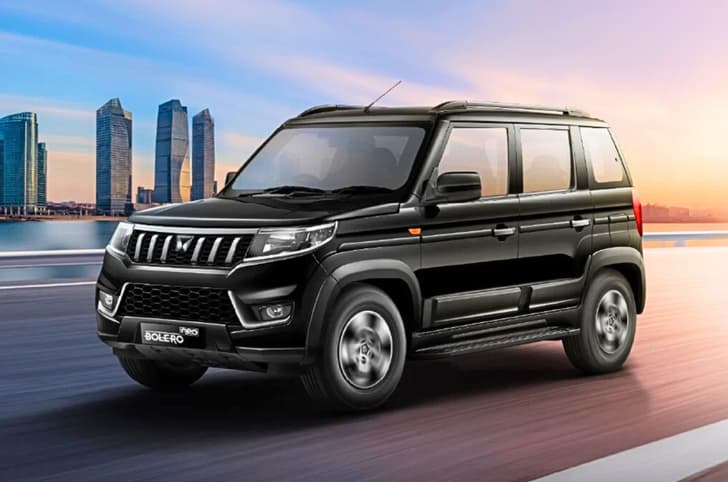
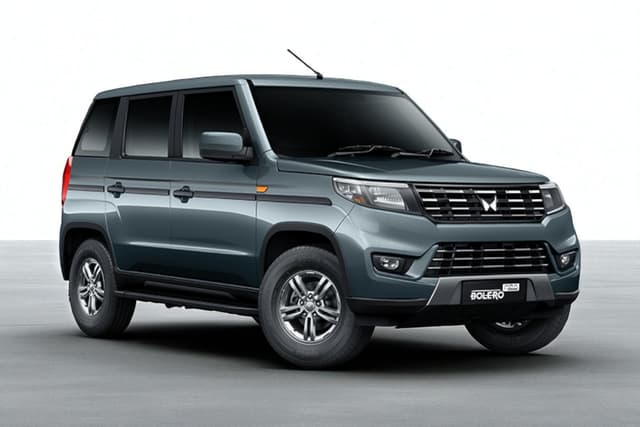
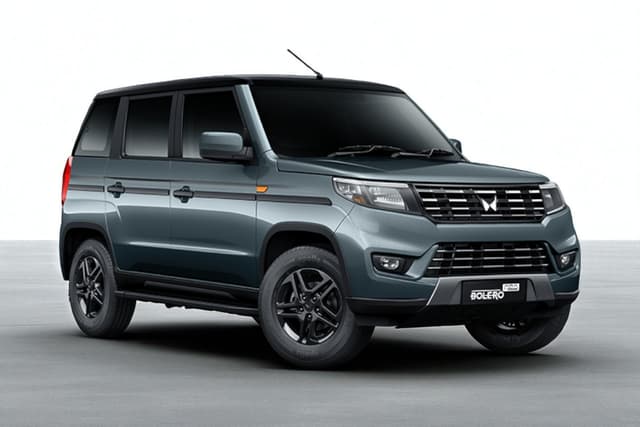
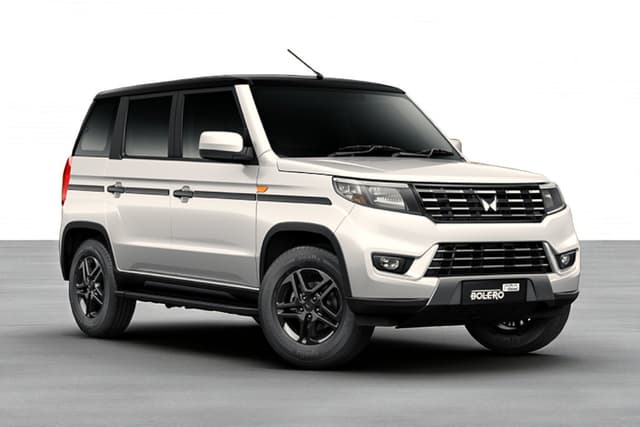
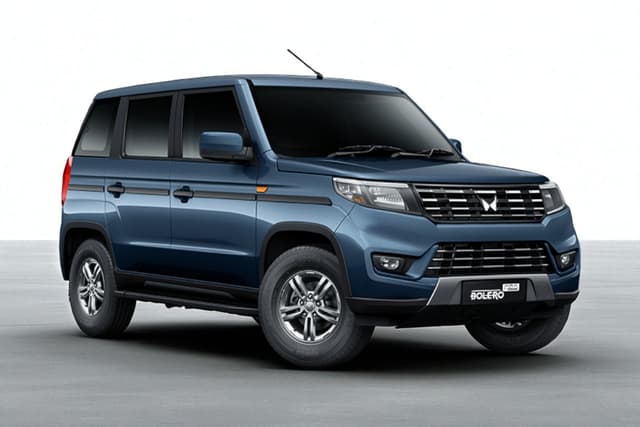
The list of Mahindra Bolero Neo features varies depending on the variant. Some of the key Mahindra Bolero Neo features are 16-inch alloy wheels, a 9-inch touchscreen infotainment system, rear wiper and defogger and leatherette upholstery.
The Mahindra Bolero Neo price in India starts at ₹8.99 lakh and goes up to ₹10.79 lakh, ex-showroom.
I have Verna SX IVT 2023 model. Ivt and NA. Really smooth, no issues. However facing less economy in potholes filled roads near home, being automatic car usually drive in 1 gear rpm when going extremely slow and using daily in potholes filled roads gives too low mileage. Being sedan not confident to drive faster and being long car not easy to drive in narrow roads. Planning to to get a car to handle potholes easily and reliable car with God mileage. What is best, Mahindra Bolero neo or seltos diesel automatic, creta ev or carens ev in budget of 19 lakh.
I am looking to buy a car for my family of six. My daily city driving is around 20 km, and I take trips to the hills twice a year. I currently drive a Maruti Suzuki Wagon R (2015 model) and am planning to upgrade within a budget of ₹10-12 lakh. I have shortlisted the Maruti Suzuki XL6, Kia Carens Clavis, and Mahindra Bolero Neo. Please suggest which would be the best option for my needs.

 Maruti Suzuki XL6Kia Carens ClavisMahindra Bolero Neo
I am looking to buy a budget 7-seater car and really like the Mahindra Bolero Neo for its looks, mileage, and performance. However, I am concerned about potential DPF issues since my monthly running is only around 500 km, mostly in city conditions. Alternatively, I am considering whether I should opt for a 5-seater SUV like the Skoda Kushaq or Tata Nexon. My family size is six members (5 adults and 1 child), although we will only occasionally travel with all six occupants.
Kia CarensMahindra Bolero NeoI am interested in buying a Bolero Neo, but my running is very low - only about 100 km every 2 to 3 months. Is it viable to buy it, especially since my son also likes that car?
Mahindra Bolero NeoWe are a family of six, and I am looking to buy a 7-seater manual SUV under 16 lakh. I prefer a body-on-frame design. My shortlisted options are the Scorpio Classic, Bolero Neo, and Bolero. Among these, please suggest the better choice for balanced city and highway use.
Mahindra Scorpio ClassicMaruti Suzuki ErtigaKia Carens ClavisMahindra Bolero Neo