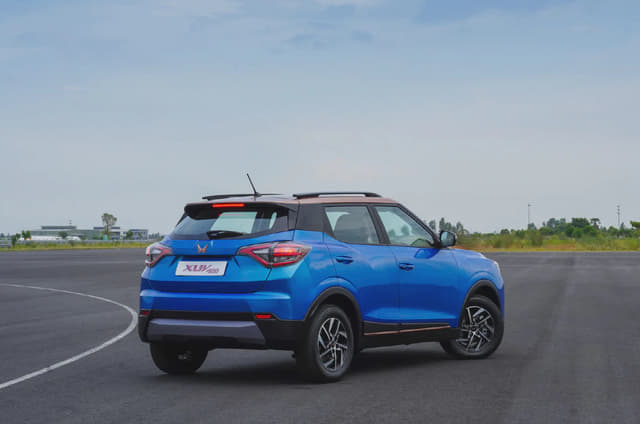
Mahindra cars in India (18)
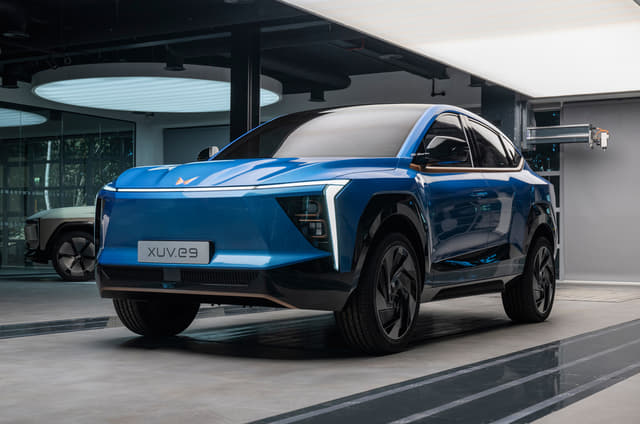
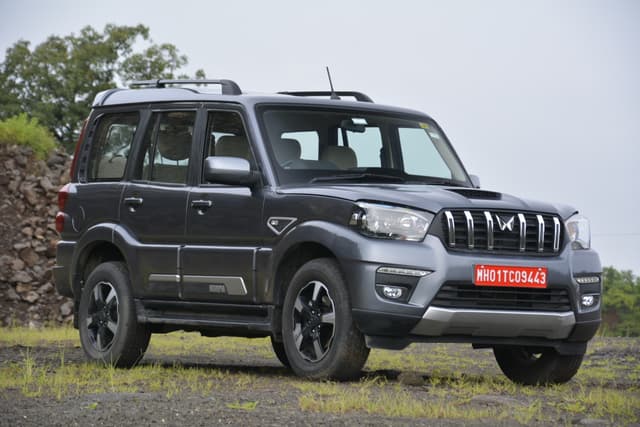
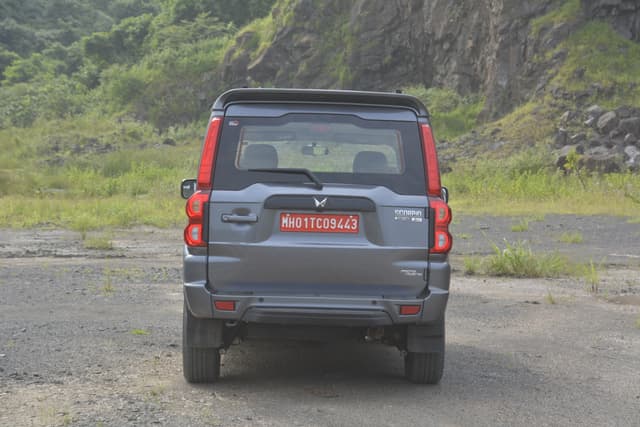
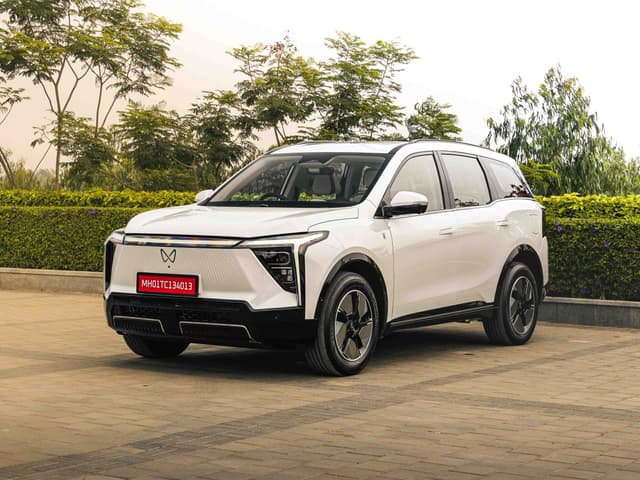
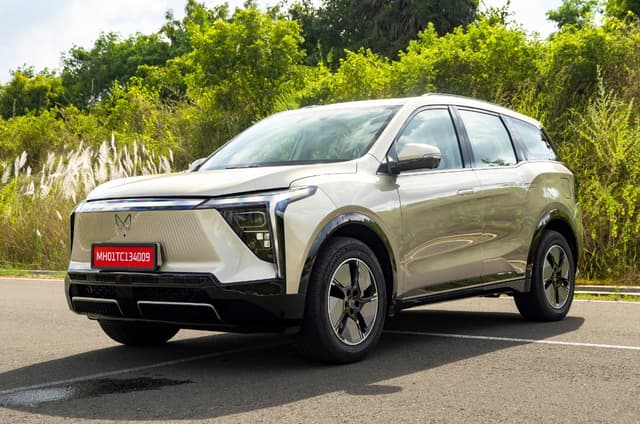
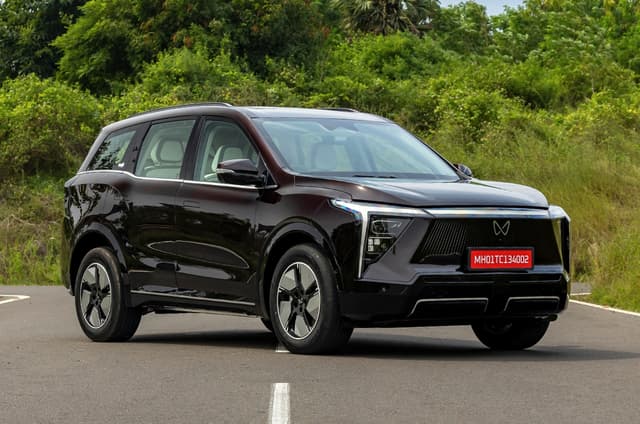
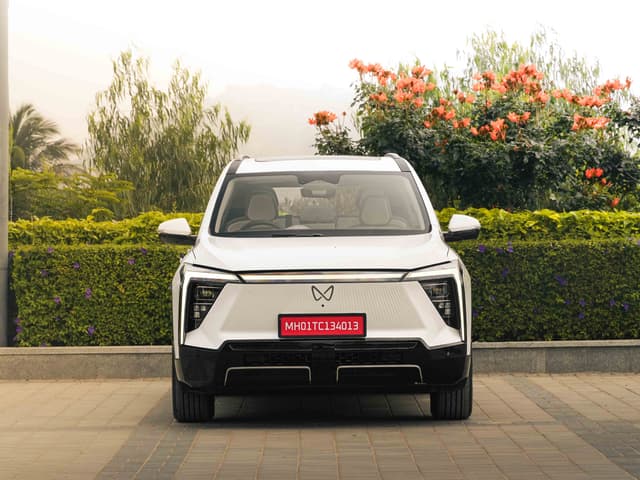
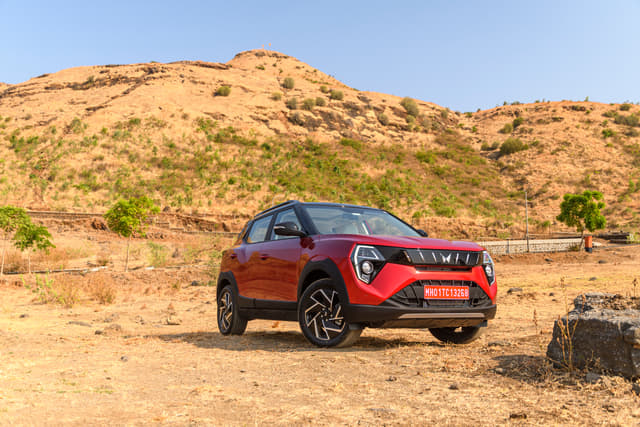
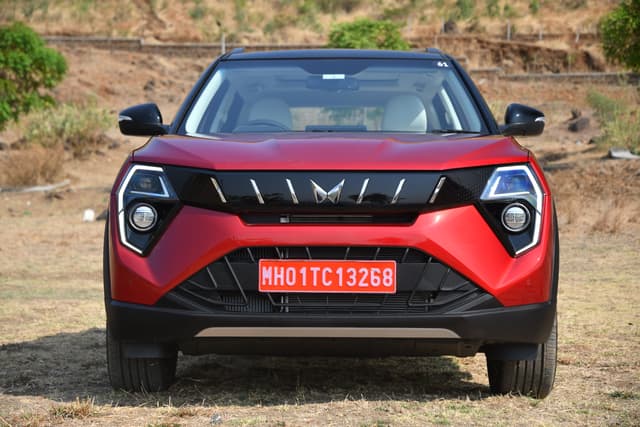
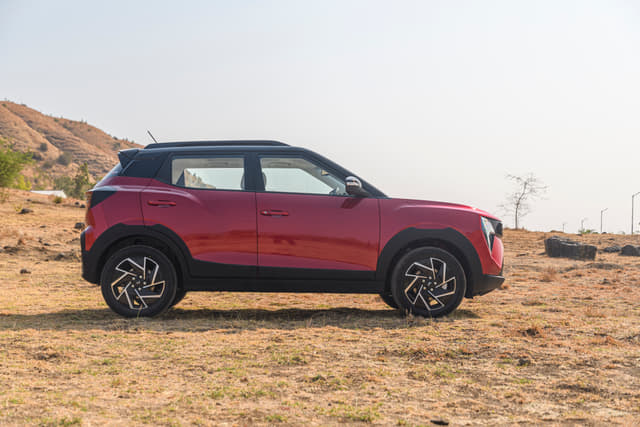
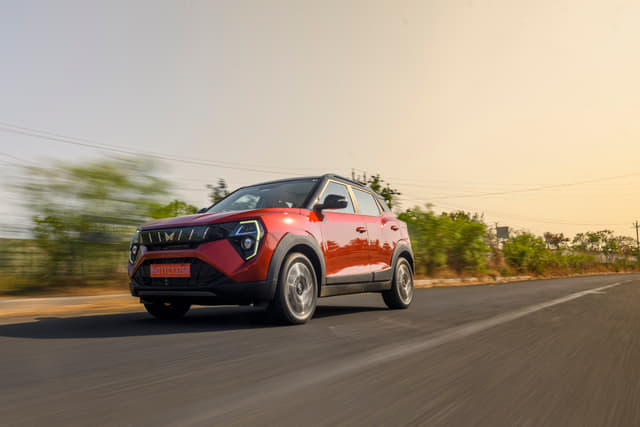
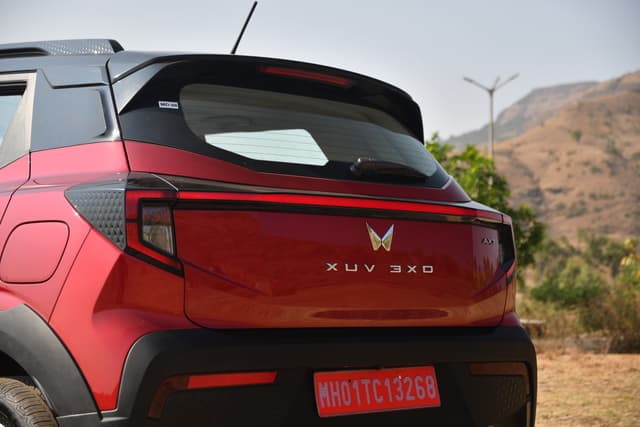
Currently, there are 17 Mahindra cars in India, with 14 on sale and 3 upcoming models. The Mahindra lineup includes 17 SUVs, with no sedans, hatchbacks, MPVs, or convertibles. The Mahindra car price starts at ₹7.37 lakh and goes up to ₹30.50 lakh (ex-showroom). The Mahindra cheapest car is the XUV 3XO, while the most expensive is the XEV 9e.
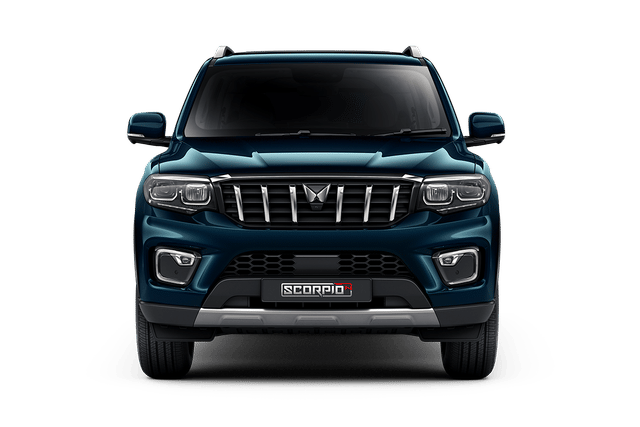
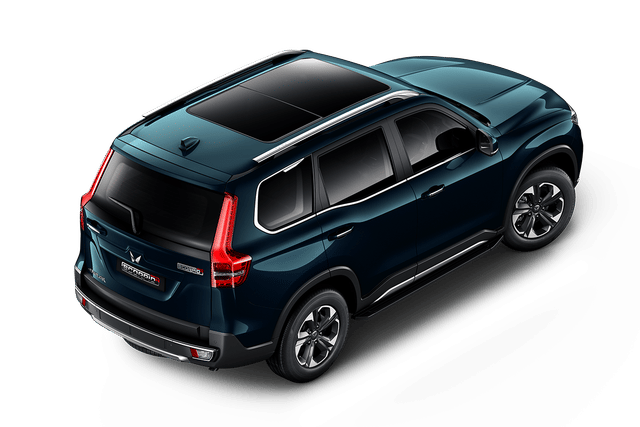
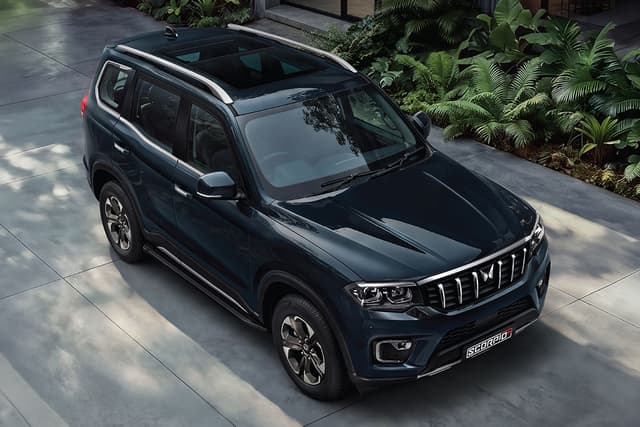
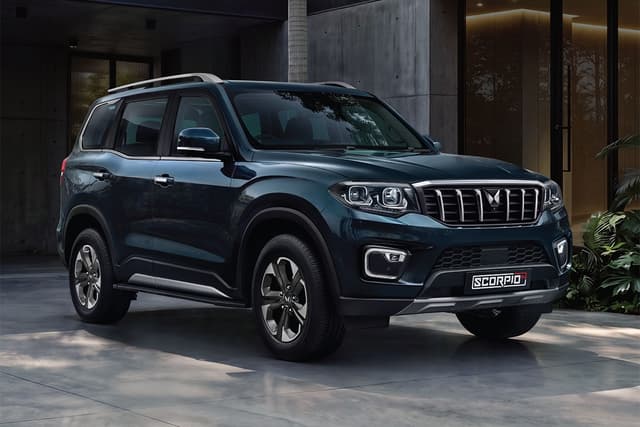
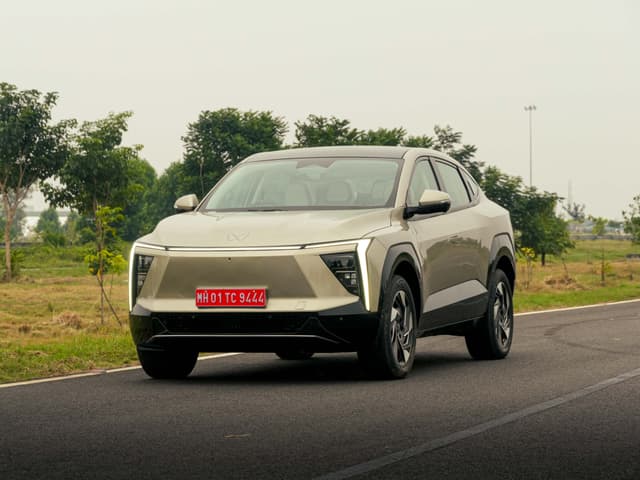
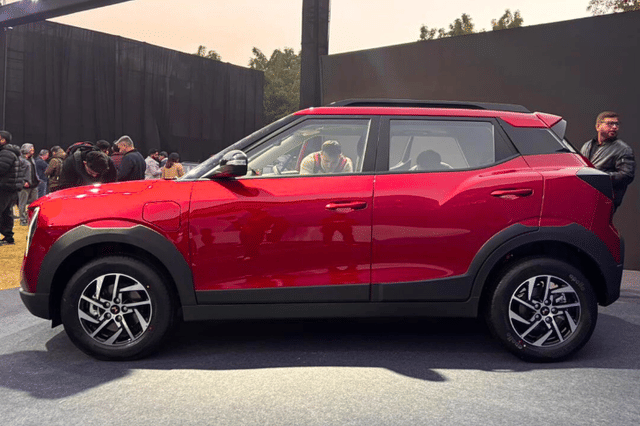
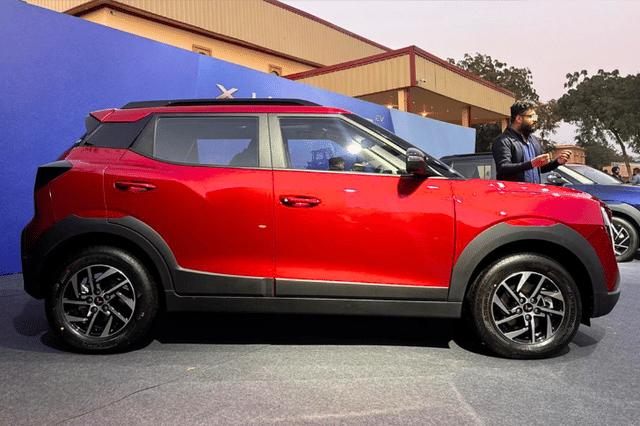
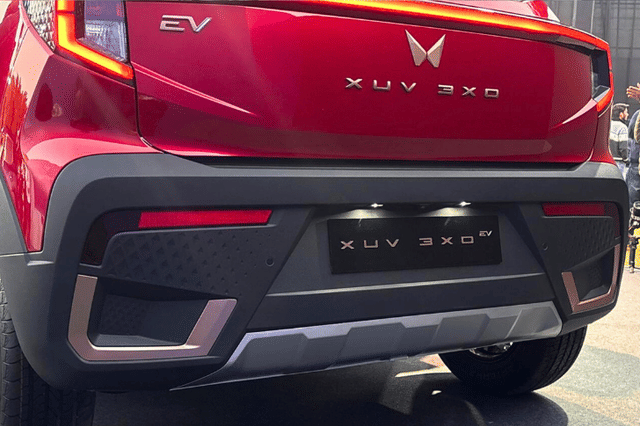
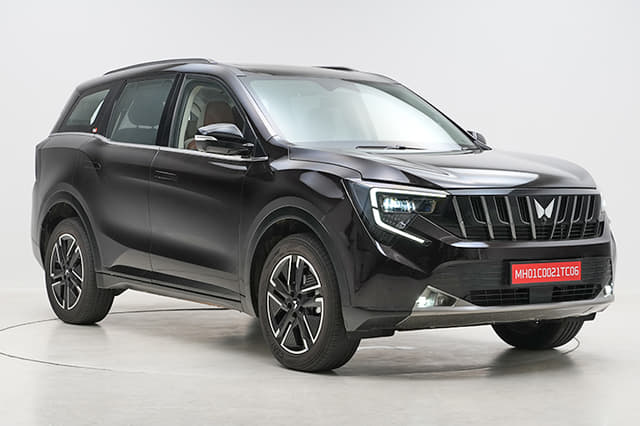
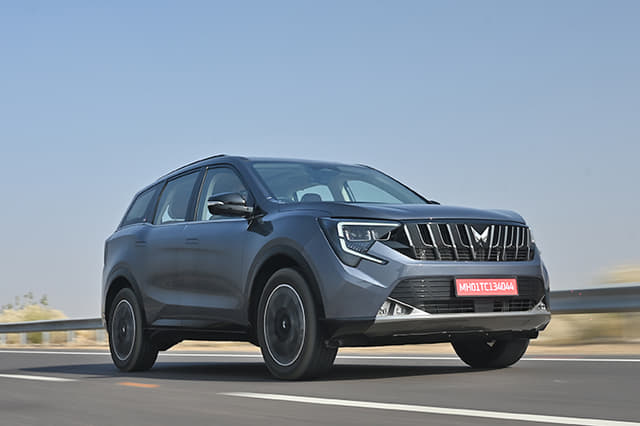
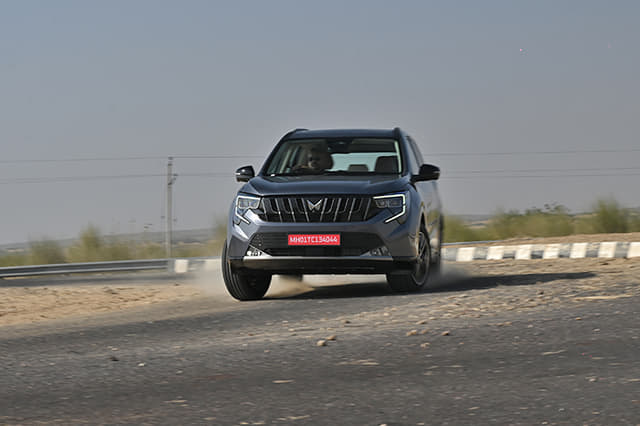
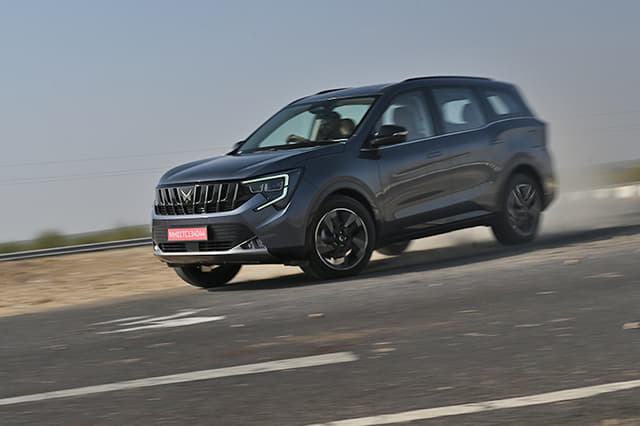
The most popular Mahindra car models in India are the Thar, Thar Roxx, Scorpio Classic, Scorpio N (the highest-selling Mahindra car), XUV 7XO (recently updated from XUV700), and XUV 3XO. Mahindra cars are available with petrol, diesel, and electric options. The newest Mahindra car is the XUV 3XO EV. It was launched on 6 January 2026 and is priced between ₹13.89 lakh and ₹14.96 lakh (ex-showroom).
Mahindra Cars Price List (June 2026)
The Mahindra car price in India ranges from ₹7.37 lakh for the XUV 3XO to ₹30.50 lakh for the XEV 9e. The top 5 popular Mahindra cars and their prices are: Thar Roxx (₹12.39 - ₹22.25 lakh), Scorpio Classic (₹12.98 - ₹16.70 lakh), Scorpio N (₹13.49 - ₹24.34 lakh), XUV 7XO (₹13.66 - ₹24.92 lakh), and XUV 3XO (₹7.37 - ₹14.55 lakh). View the latest Mahindra car prices of all models in the table below:
Mahindra Car | Price (Ex-showroom) |
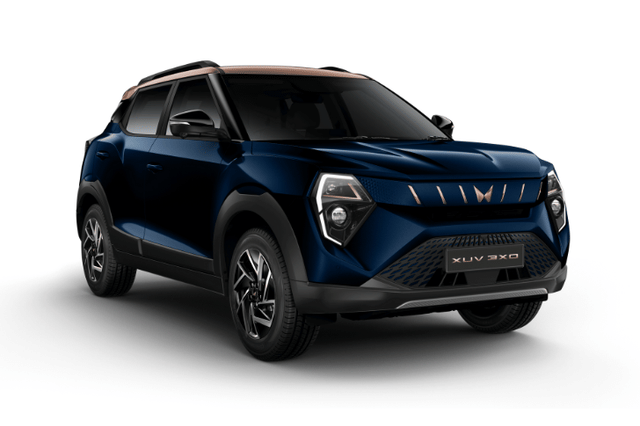
Mahindra XUV 3XO | ₹7.37 lakh - ₹14.55 lakh |
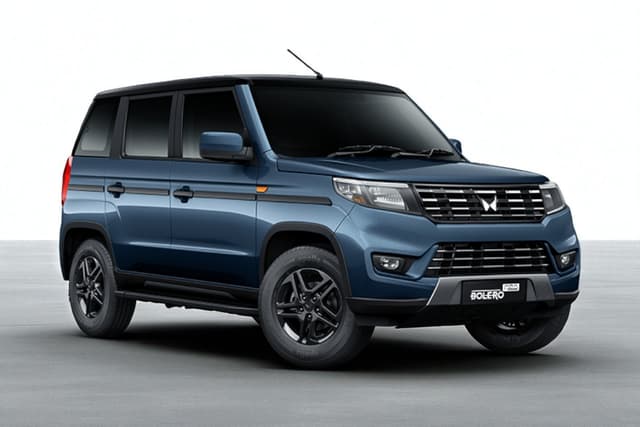
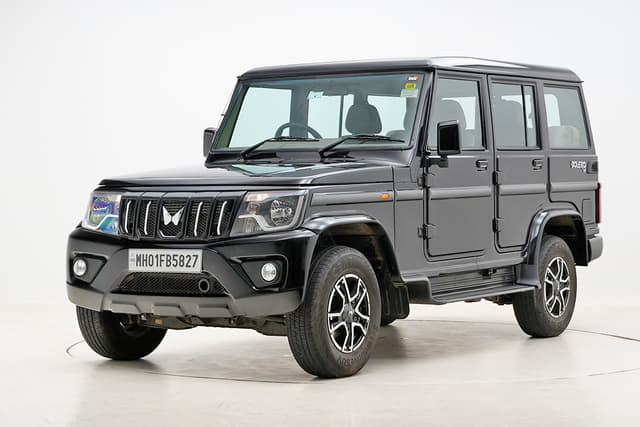
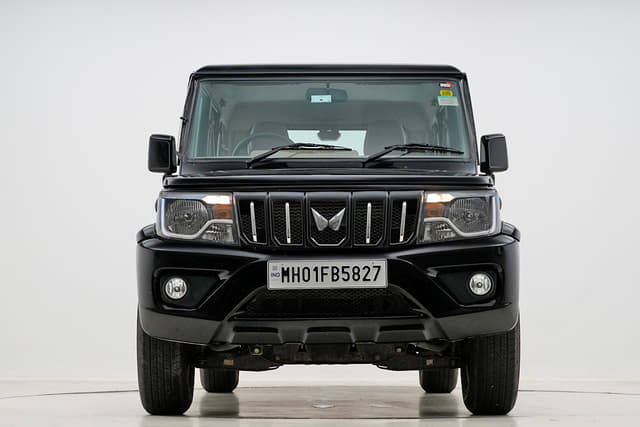
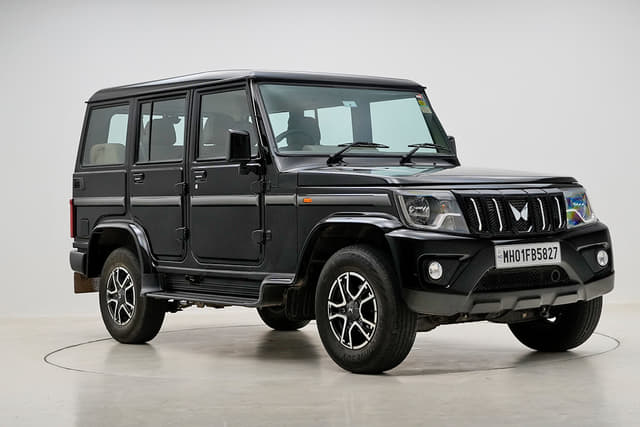
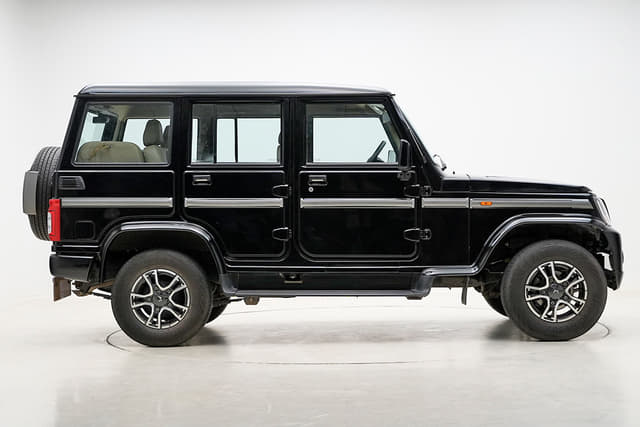
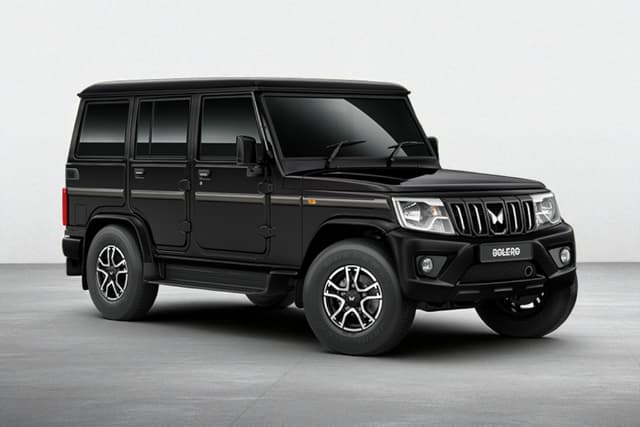
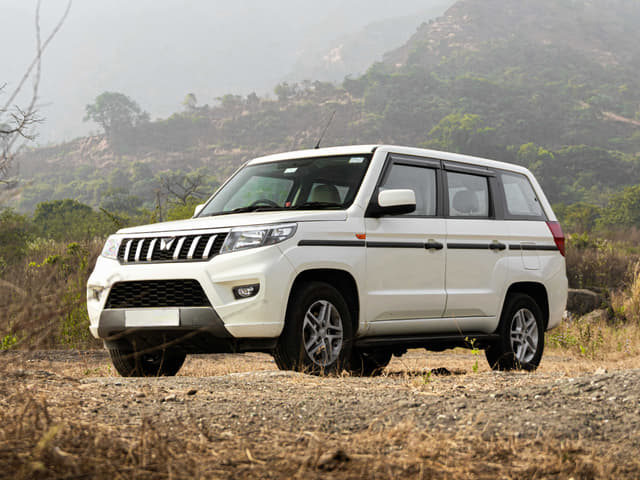
Mahindra Bolero | ₹7.99 lakh - ₹9.69 lakh |
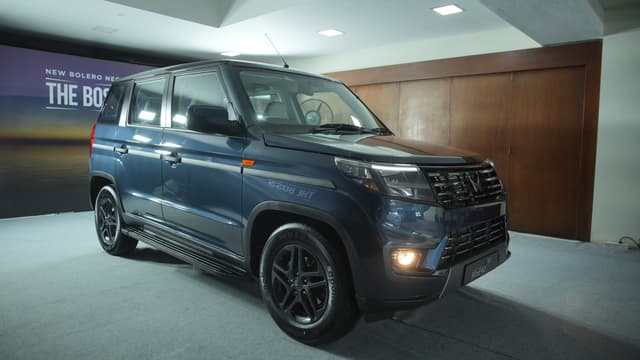
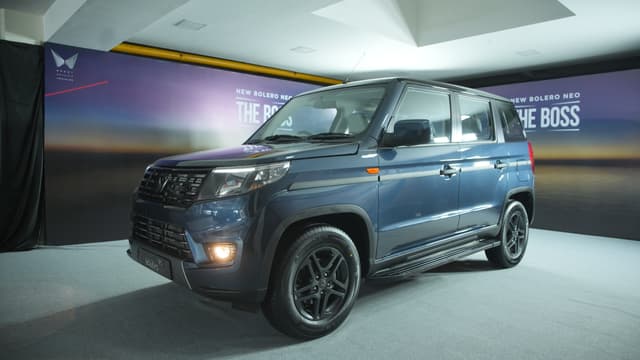
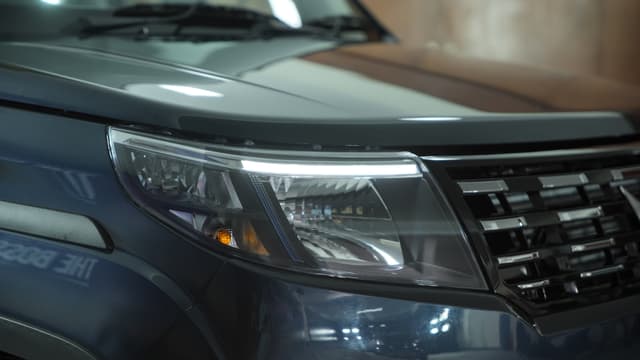
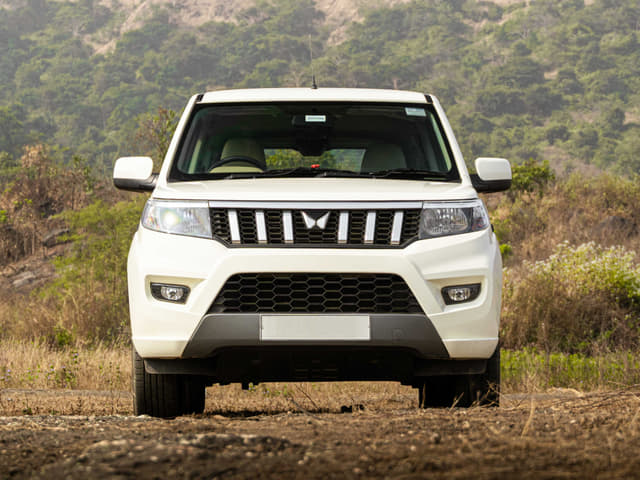
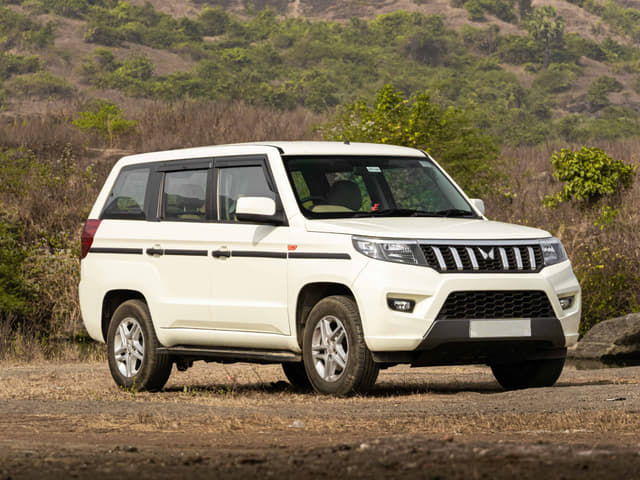
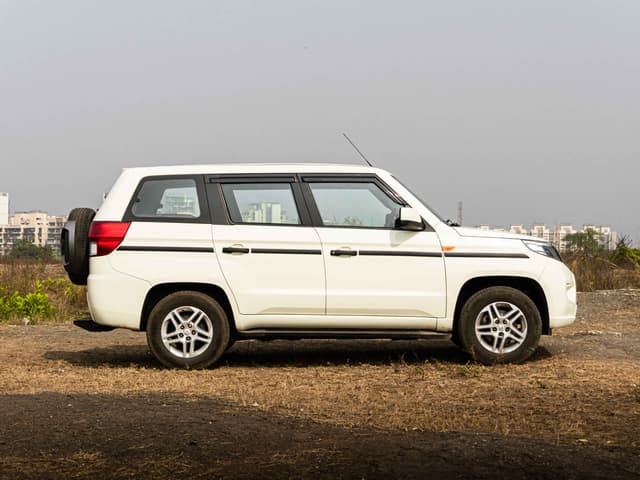
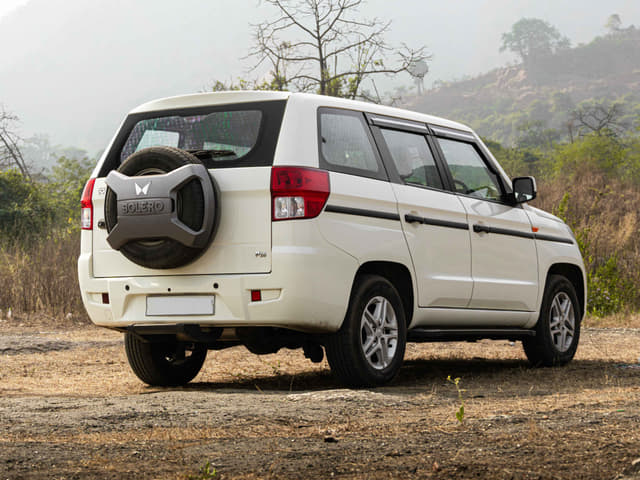
Mahindra Bolero Neo | ₹8.69 lakh - ₹10.49 lakh |
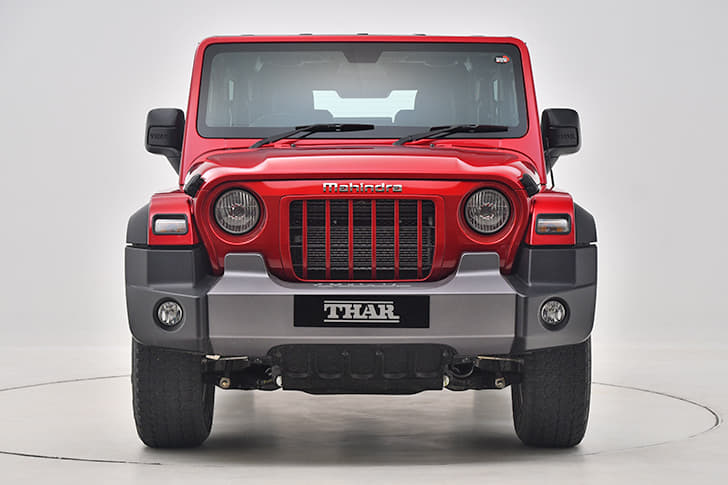
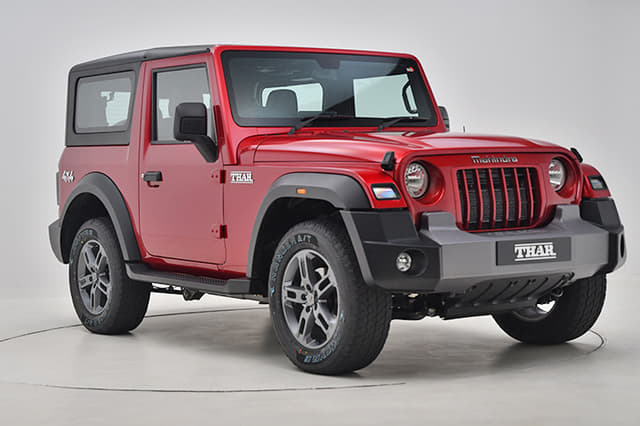
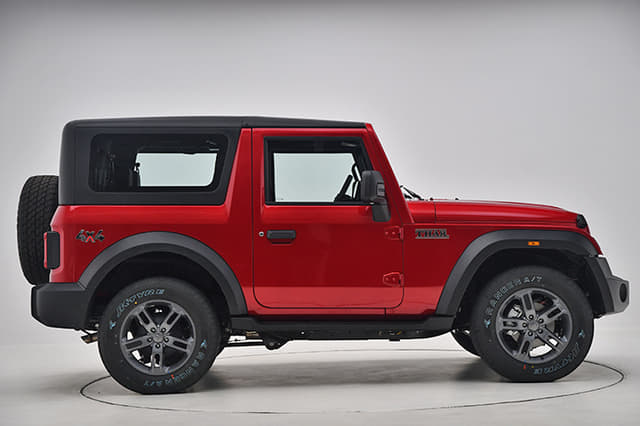
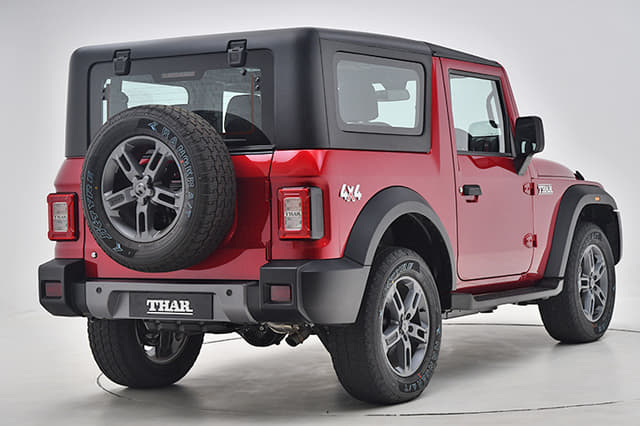
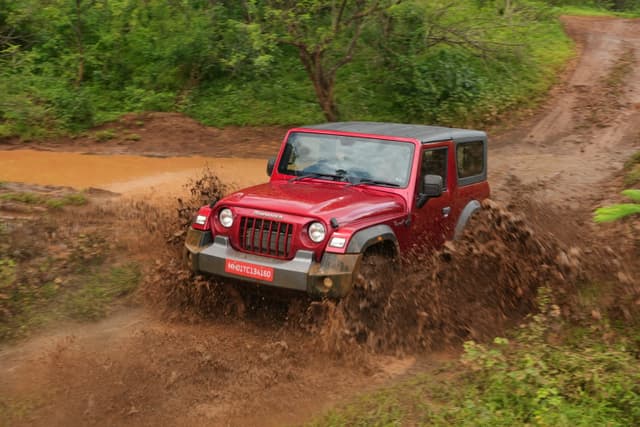
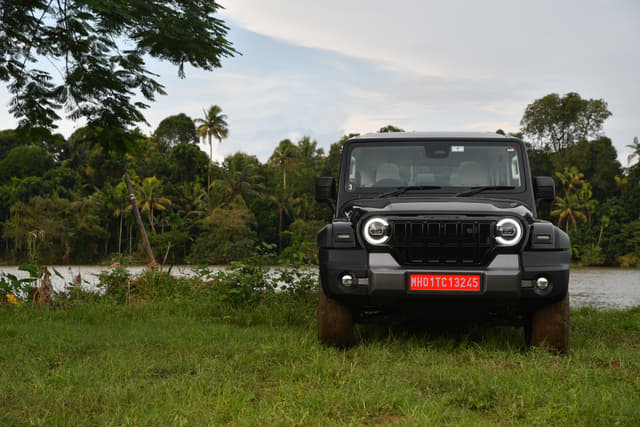
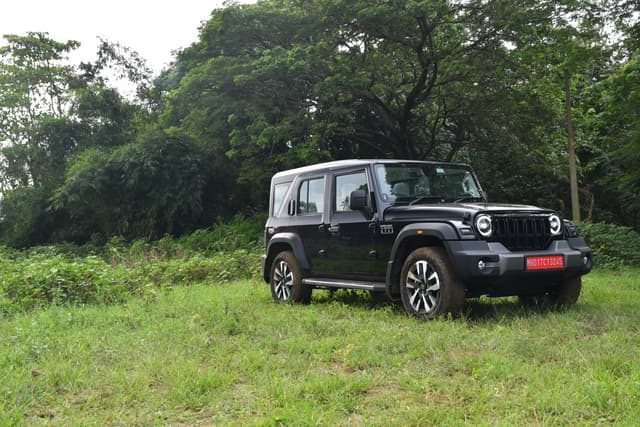
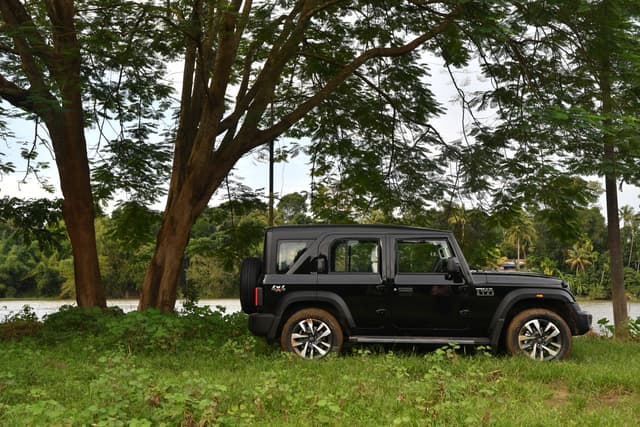
Mahindra Thar | ₹9.99 lakh - ₹17.19 lakh |
Mahindra Bolero Neo+ | ₹10.90 lakh - ₹11.95 lakh |
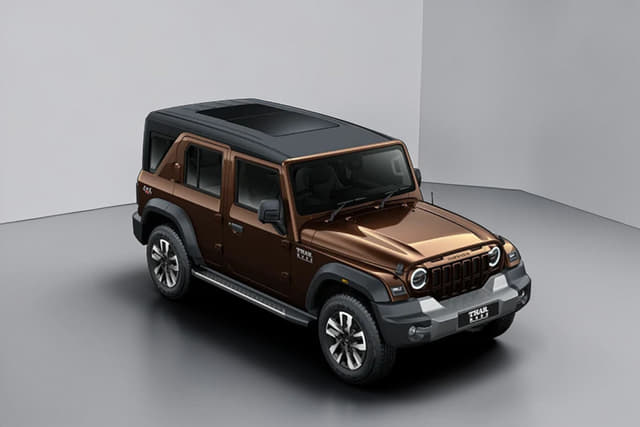
Mahindra Thar Roxx | ₹12.39 lakh - ₹22.25 lakh |
Mahindra Scorpio Classic | ₹12.98 lakh - ₹16.70 lakh |
Mahindra Scorpio N | ₹13.49 lakh - ₹24.34 lakh |
Mahindra XUV 7XO | ₹13.66 lakh - ₹24.92 lakh |
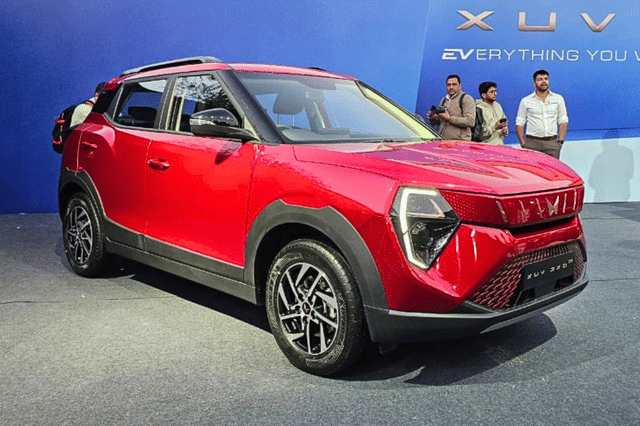
Mahindra XUV 3XO EV | ₹13.89 lakh - ₹14.96 lakh |
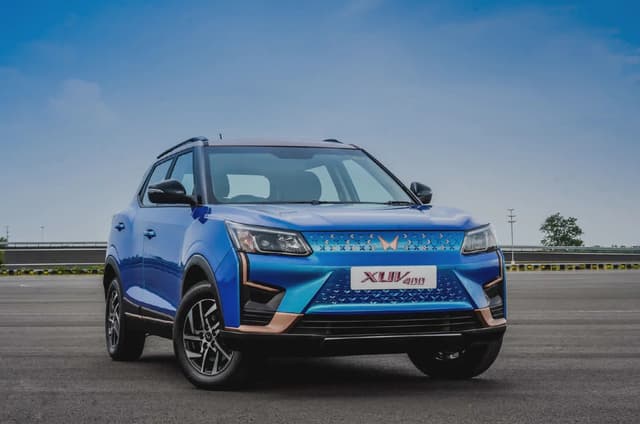
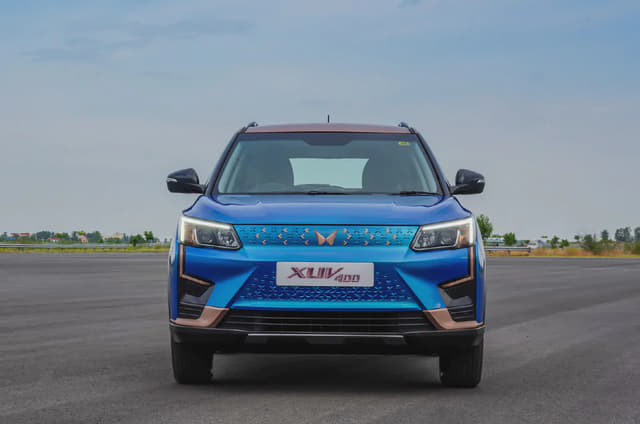
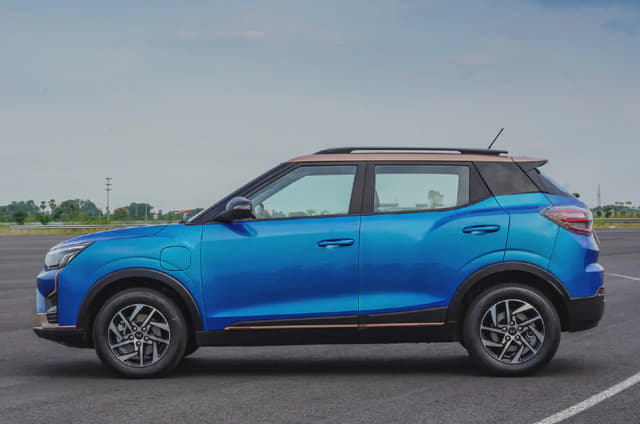
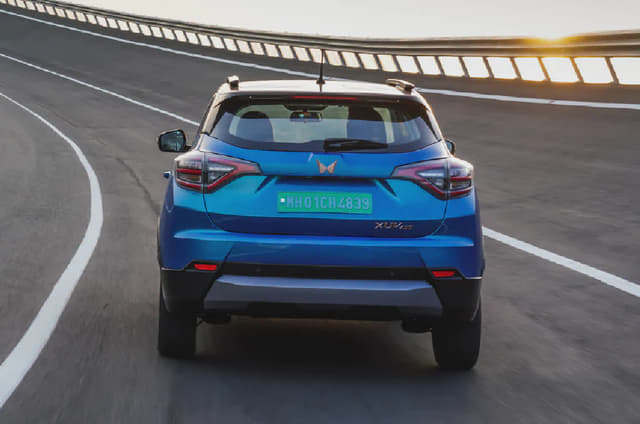
Mahindra XUV400 | ₹15.49 lakh - ₹17.49 lakh |
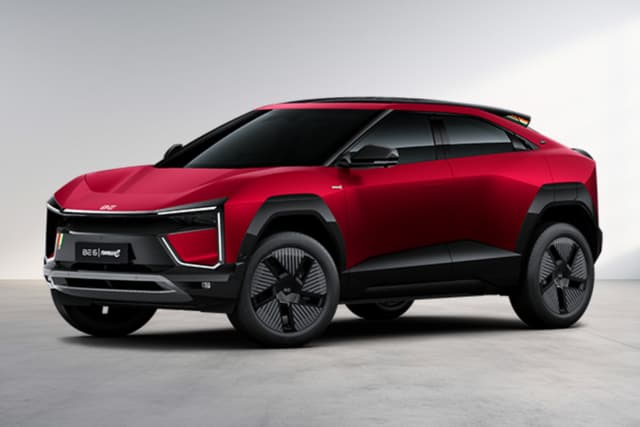
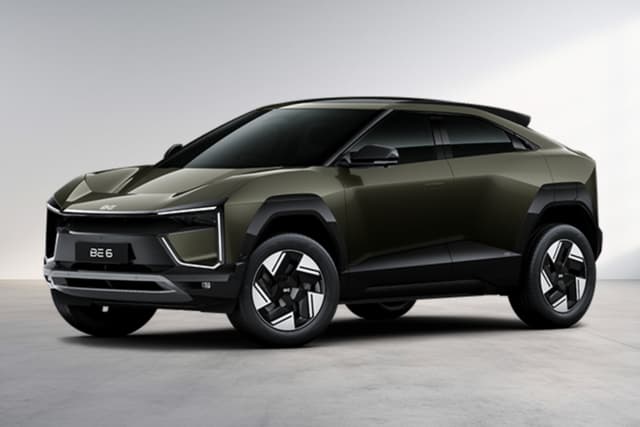
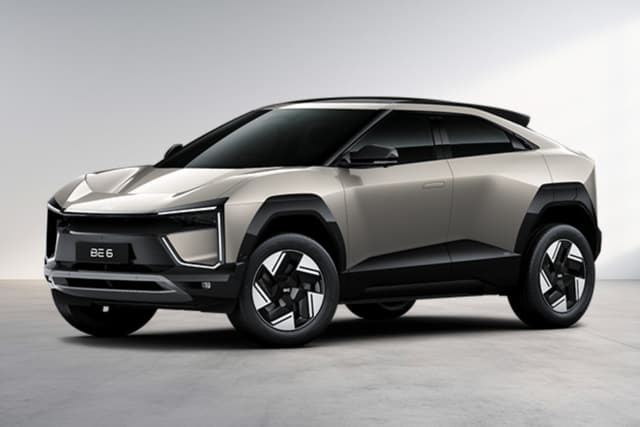
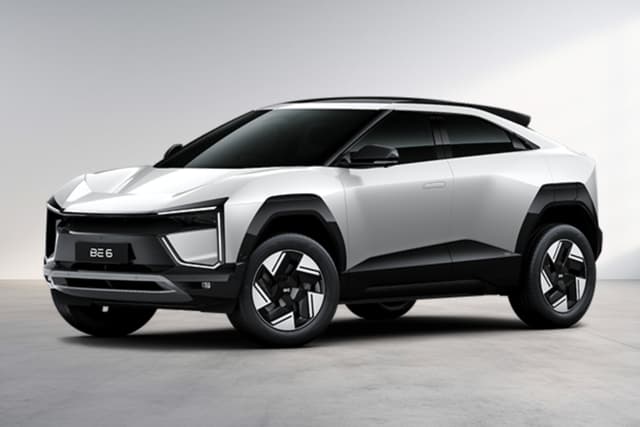
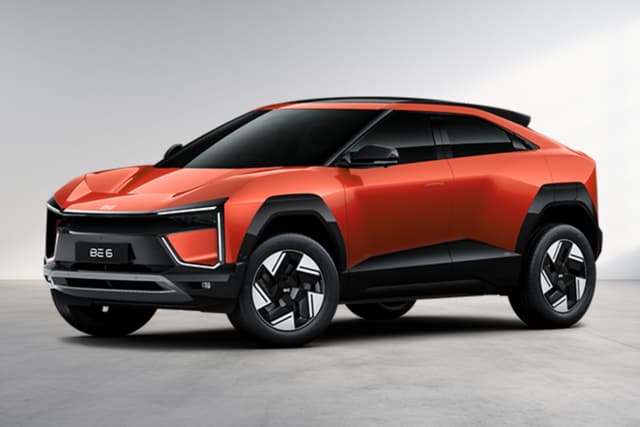
Mahindra BE 6 | ₹18.90 lakh - ₹26.90 lakh |
Mahindra XEV 9S | ₹19.95 lakh - ₹29.45 lakh |
Mahindra XEV 9e | ₹21.90 lakh - ₹30.50 lakh |
Mahindra New Car
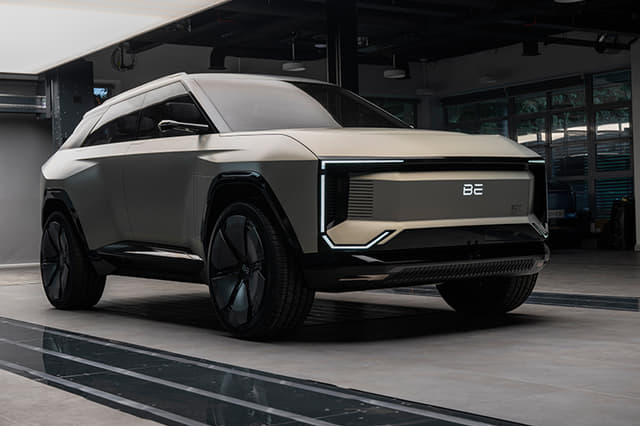
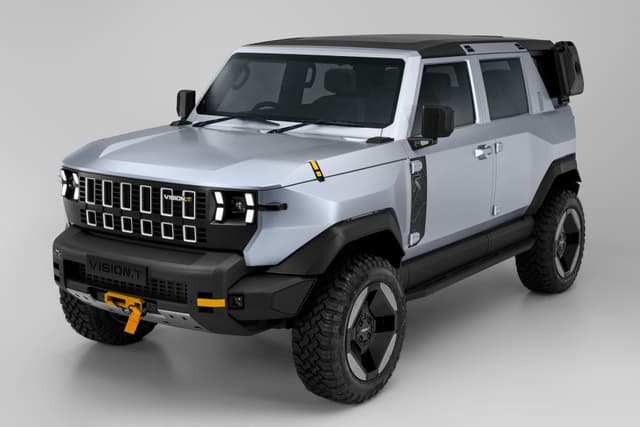
There are 3 new Mahindra cars set to launch in India:
- Mahindra Scorpio N facelift
- Expected price: ₹14.00 lakh - ₹26.00 lakh
- Expected launch: Early 2026
- Engine: 2184 cc
- Fuel Type: Diesel
- Transmission: Manual
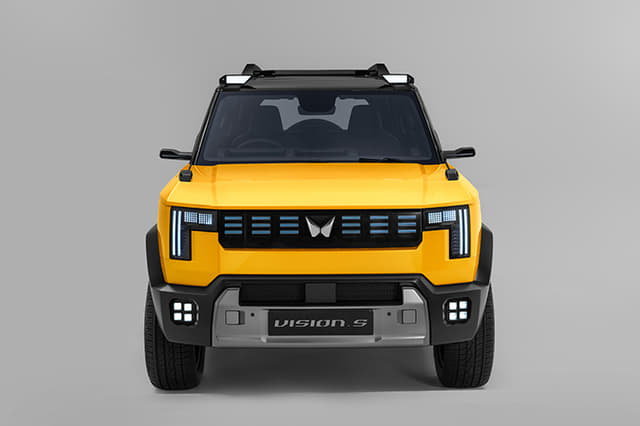
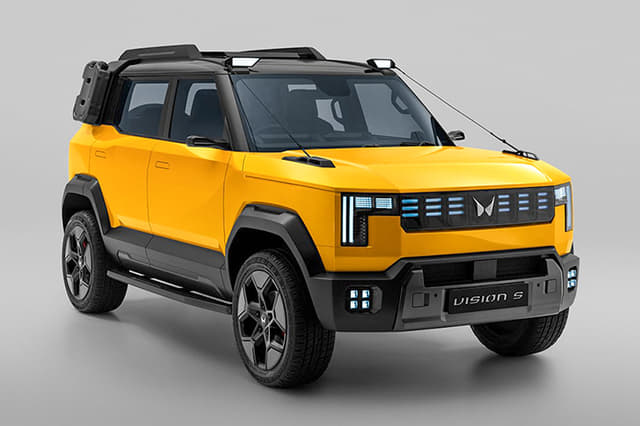
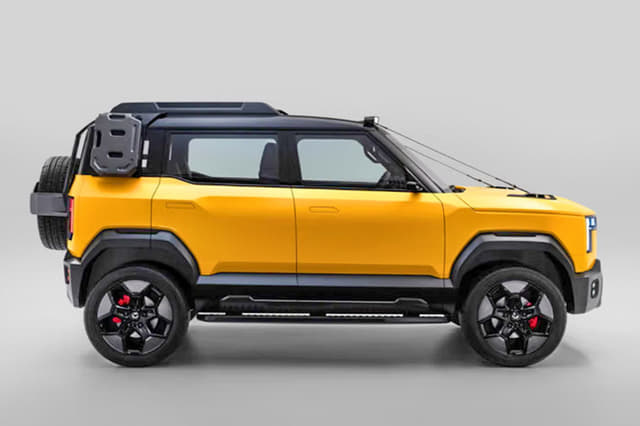
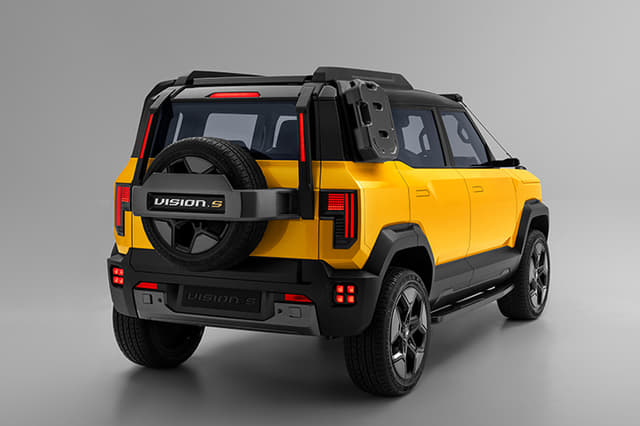
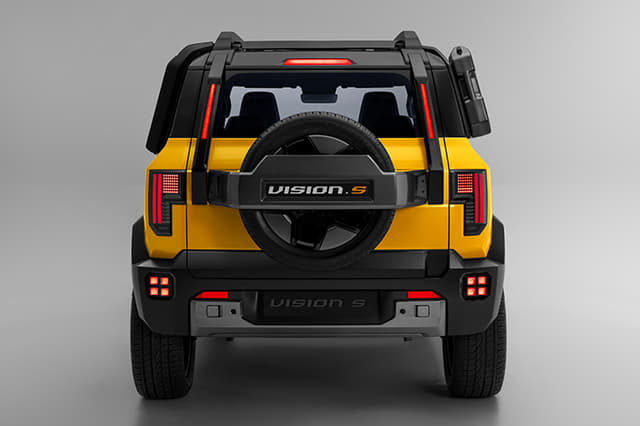
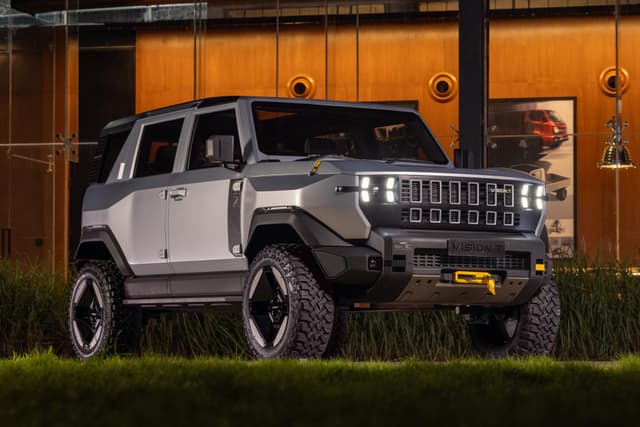
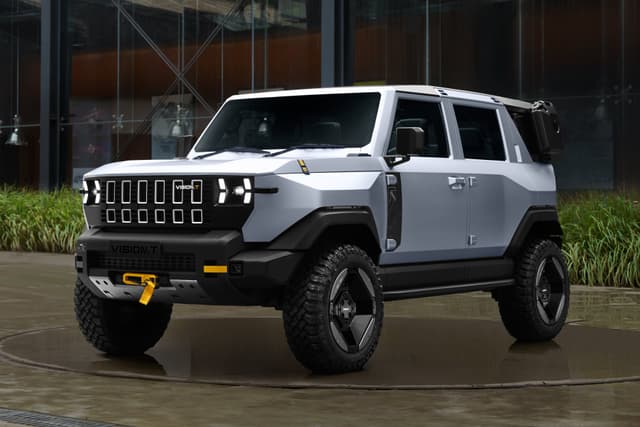
- Mahindra Vision S
- Expected price: ₹7.50 lakh - ₹13.00 lakh
- Expected launch: 2027
- Engine: To be revealed
- Fuel Type: Petrol
- Transmission: Automatic
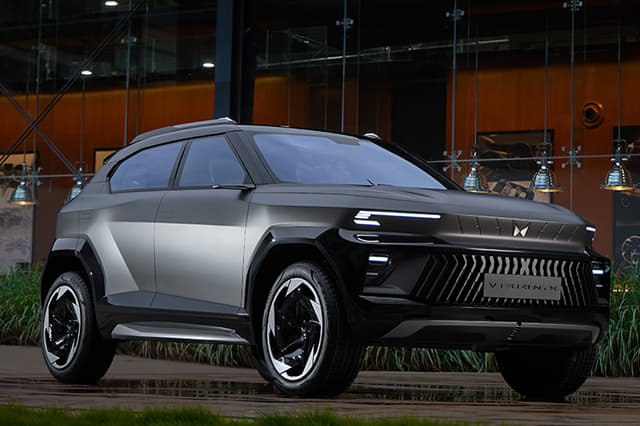
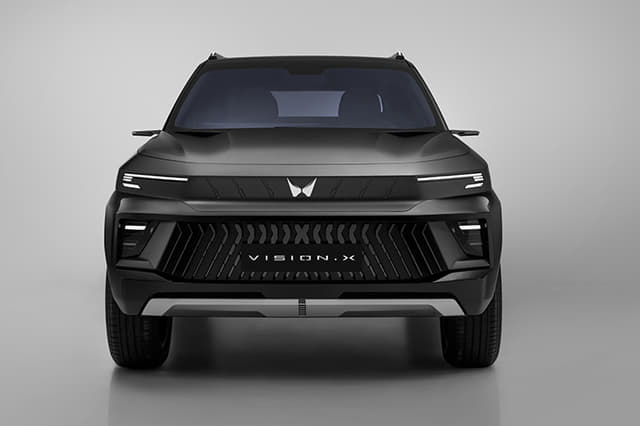
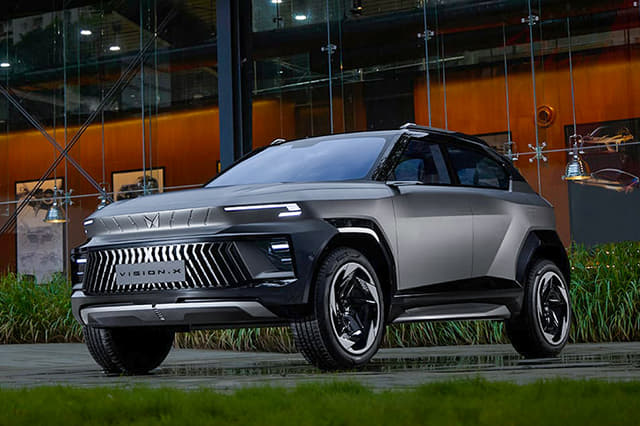
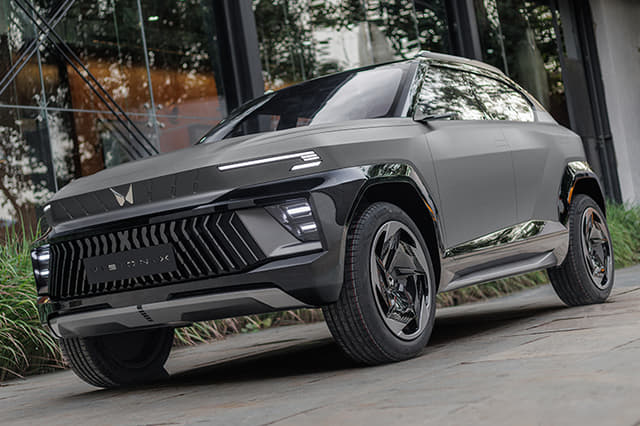
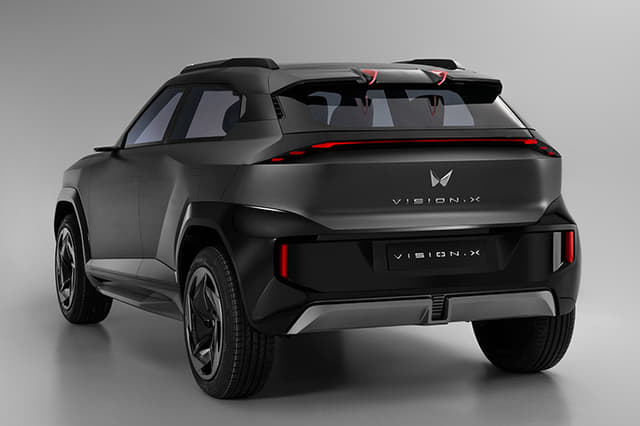
- Mahindra Vision X
- Expected price: ₹25.00 lakh - ₹30.00 lakh
- Expected launch: 2027
- Engine: To be revealed
- Fuel Type: Petrol
- Transmission: Automatic
Mahindra Electric Car
The Mahindra electric car price ranges between ₹13.89 lakh and ₹30.50 lakh. Presently, there are 5 Mahindra EV cars for sale in India: XUV400, BE 6, XEV 9S, XEV 9e, and recently launched XUV 3XO EV. The cheapest Mahindra electric car is the XUV 3XO EV, while the most expensive is the XEV 9e.
Mahindra Cars - Latest Updates
- 6 January 2026: Mahindra launched XUV 3XO EV at ₹13.89 lakh.
- 6 January 2026: The new Mahindra XUV 7XO, a facelifted XUV700, starts at ₹13.66 lakh (ex-showroom). Pre-bookings have closed, with fresh bookings reopening on 14 January 2026.
- 8 December, 2025: Mahindra XUV700 facelift, a.k.a., XUV7XO, will debut on Jan 5, 2026.
- 2 December, 2025: November 2025 car sales sees Mahindra reclaim second spot as Tata slips to third.
- 27 November, 2025: Mahindra has introduced the XEV 9S at a starting price of ₹19.95 lakh.
- 26 November, 2025: Mahindra has launched the BE 6 Formula E Edition at ₹23.69 lakh.
FAQs
The Mahindra car price starts at ₹7.37 lakh for the XUV 3XO and goes up to ₹30.50 lakh for the XEV 9e (ex-showroom).
The Mahindra electric car range includes 5 models: XUV400, BE 6, XEV 9S, XEV 9e, and XUV 3XO EV.
There are seven Mahindra 7 seater cars available for sale in India: Scorpio N, XEV 9S, XUV 7XO, Scorpio Classic, Bolero Neo, Bolero, and XUV700.
The Mahindra SUV car price in India starts at ₹7.28 lakh for the XUV 3XO and goes up to ₹30.50 lakh for the XEV 9e (ex-showroom).
Currently, there is no Mahindra CNG car on sale in India.
Yes. Mahindra offers 5 models with variants priced under ₹10 lakh: Thar, Bolero Neo+, Bolero, XUV 3XO, and the upcoming Mahindra Vision S. Vision S is expected to start at ₹7.50 lakh (ex-showroom).
The Mahindra top model car in terms of pricing is the XEV 9e, with prices going up to ₹30.50 lakh (ex-showroom).
Mahindra 5 seater car choices include the XEV 9e, BE 6, Thar Roxx, XUV 3XO, XUV400, and XUV 3XO EV.
Yes, 9 out of 16 Mahindra cars that are available for sale come with an automatic transmission option. These cars are - XEV 9e, BE 6, XEV 9S, Scorpio N, Thar, Thar Roxx, XUV700, XUV 3XO, and XUV400.
The Mahindra car on road price varies by city, starting at around ₹8.28 lakh in Delhi for the XUV 3XO and going up to about ₹32.33 lakh for the XEV 9e in major metros.
No. Currently, there is no Mahindra car under 5 lakh in India.
No, Mahindra does not sell a car under 8 lakh. The entry point starts at ₹7.28 lakh for the XUV 3XO, but the on-road cost is higher.
The Mahindra diesel car lineup includes the Scorpio N, Thar, Bolero Neo+, Thar Roxx, Bolero Neo, Bolero, Scorpio Classic, XUV 7XO, XUV700, and XUV 3XO.
Buyers looking for Mahindra cars with a sunroof can consider models such as the XEV 9e, BE 6, Scorpio N, Thar Roxx, XUV700, XUV 3XO, and XUV400. Availability of the sunroof depends on the variant chosen.
Trending Questions on Mahindra Cars - Answered by Autocar Experts
Zameer Patel
•6hHi, I have booked the Mahindra XUV 7XO AX7T Diesel. This will be my second car and will be used primarily for highway travel, serving as an alternative vehicle with occasional family trips. My annual running will be around 5,000 km, and I plan to sell the car after about two years. Given this usage pattern, would it be better to opt for the diesel variant despite potential DPF-related concerns, or should I consider the petrol variant instead? I am also somewhat concerned about the resale value of the petrol version.

Autocar India
In your case, we would actually stick with the diesel. The reason is that this is not going to be your primary city car. You have clearly stated that it will be used mainly for highway travel, occasional family trips and as a second vehicle. Those are exactly the conditions under which a modern diesel is happiest. With regular highway runs, the DPF gets the opportunity to regenerate properly, so we would not be overly concerned about DPF issues.The bigger factor is your planned two-year ownership period. In the used market, the diesel XUV 7XO is likely to be more desirable and easier to sell than the petrol, especially because buyers looking at a large SUV often prefer the stronger torque delivery and superior fuel efficiency of the diesel. That should help residual values as well.If you were doing 5,000 km a year entirely in city traffic, we would steer you towards the petrol. But your usage pattern is different. The car will spend most of its time doing exactly the kind of driving that suits the diesel powertrain.
Charan
•19hI drive a 2017 Creta, and I find its suspension super cool on bad roads and when driving fast on them. Now I am looking for a similar or better suspension car for EV. Budget is 20L, and for ICE 16L. Plz advise.

Autocar India
Since your priority is a good ride for your EV, pick the Hyundai Creta Electric. The suspension is stiffer than the ICE version’s to support the extra weight, but remarkably, it doesn’t translate into a crashy or uncomfortable ride experience. You can feel some firmness at low speeds, but road shocks are still well in check, and what’s nice is that the stiffness has eliminated unnecessary (secondary) body movements, and even at highway speeds, the Creta Electric doesn’t lose its composure. If a pure cushy feel is your only goal, then the Citroen eC3 rides even softer, but it’s smaller, slower and not as settled at higher speeds as the Creta. As for your ICE vehicle, we would recommend you look at the Mahindra XUV 3XO, which offers very good damping, so it stays composed on craters and doesn’t float when you’re quick over bad patches. Steering and stability inspire more confidence than most small SUVs in this price. The trade-off is size - cabin and boot are smaller than your Creta.
Nikhil shrimali
•1dI currently own a Maruti Suzuki Ertiga, which is either 5-seater or a 7-seater with a large boot space. I am planning to upgrade and am currently confused between the Toyota Innova HyCross and the Mahindra XUV 7XO. My annual running is around 35,000-40,000 km. Space and seating capacity are important requirements for my daily work. Based on these needs, which of these two vehicles would you recommend? Alternatively, is there any other option that might suit my requirements better?

Autocar India
Go for the Toyota Innova HyCross, because space is your maximum priority, and it has the most usable third row and the best boot flexibility here. The HyCross’ cabin is wider, the floor is flatter, and access to the last row is easier, so adults actually fit. Fold the third row and you get a big, clean load bay for daily work. The hybrid is smooth and quiet in traffic and will save you fuel in city use, as well as out on the highway.Pick the Mahindra XUV 7XO only if you want diesel punch, the SUV body style and road presence, and the latest tech. Its third row and boot are smaller and fuel use is higher, so is ultimately not as practical a 7-seater as the Hycross. The only thing you have to bear in mind is the Innova Hycross hybrid price at the top end will be higher than the XUV 7XO. That aside, however, the Toyota car remains the better option for you.
Manav Deep Kapoor
•2dHi, my budget is Rs 15-16 lakh maximum. I drive around 3,000-3,500 km per month, of which roughly 2,000 km is on highways, and the remaining 1,000-1,500 km is in the city. I am looking for a low-cost, high-value-for-money car. I have no issues with diesel. I need comfort, good power, strong torque, and decent ground clearance.

Autocar India
Buy the Mahindra XUV 3XO diesel. With your 2,000 km of highway every month, its strong diesel torque keeps overtaking easy and cruising relaxed, and it’s one of the few that still gives you real value under Rs. 16 lakh.It rides comfortably on broken roads and speed breakers, has proper ground clearance, and feels secure at highway speeds. The diesel’s running costs will stay low at your mileage, and Mahindra’s pricing of the mid trims means you don’t have to stretch for the useful bits like cruise control and six airbags. One thing you will have to live with is that the boot is smaller than most rivals, so fitting two large suitcases can be a squeeze.If you absolutely want an automatic for your 1,000 to 1,500 km of monthly city driving, options like the Kia Sonet, Kia Syros and Hyundai Venue offer smooth torque converter automatics in this price range and are very easy to live with in traffic. However, if fuel efficiency is a priority, we would suggest sticking to a manual, as it will be both more efficient and more affordable.If you’re fine with a manual, the XUV 3XO diesel is the sweet spot for torque, comfort, ground clearance and low running costs.
Satyajit Mukherjee
•2dHello Autocar team, This question is in two parts. I am tearfully moving on from my beautiful Ford Endeavour 3.2 Titanium AT and am in the market for a new vehicle. Priorities are good ground clearance (laden), a powerful and responsive engine, and preferably a 4-by-4 or AWD. The second part is the tough one. Situated in Delhi NCR, do you think it makes sense to go for diesel again? Because my boxes are mostly ticked only by diesel powertrains, and the petrol ones are either too expensive (Kodiaq), or too small (e.g., the Jimny). Can you please help?

Autocar India
4WD SUVs are getting rarer by the day, but given what you're looking for, the best fit is the Mahindra Thar Roxx. For the price, it feels the closest to your Endeavour in the stuff that matters - proper 4x4 with low range, generous ground clearance even when loaded, and a strong 2.2-litre diesel that responds eagerly. The Roxx's new-gen chassis is Mahindra's best ladder frame yet, soaking up rough roads without breaking a sweat and handling highway duties reasonably well too. It's also gotten a lot more liveable than previous Thars, with genuine space, premium feel and creature comforts.There's the Jeep Compass and Meridian too, but their interiors won't feel spacious enough after your Endeavour, and on the other end are the MG Majestor and Toyota Fortuner, though those are likely to be out of budget. Of the petrols, the Kodiaq is probably the best AWD bet, but as you said, it is too expensive. A few-year-old example of any of these, however, might be a good option.On diesel in NCR, it might still make sense, if you can make your peace with the 10-year cap - and the associated resale value hit. You may see the odd winter restriction put into place, but new BS6 diesels have generally been clear of those. It's not an easy decision, but if it's for a car you'll enjoy, and you can work out a shorter ownership cycle that suits your needs, it can still work.
Arunraj
•2dMy budget is around Rs. 15 lakh, and my usage will be approximately 80% city driving and 20% highway driving. I expect to drive less than 1,000 km per month. Given this usage pattern, would choosing a DCT be a good or bad option in the long run? Alternatively, is Tata's wet-clutch DCA a better choice? Torque converter options seem quite limited within my budget. I have considered the following options, but each comes with certain concerns: Skoda Kylaq - I am unsure about its long-term reliability and maintenance. Maruti Suzuki Brezza - Feels somewhat outdated. Maruti Suzuki Fronx - Does not seem to offer enough value for the price. Mahindra XUV 3XO - Concerned about dealer and service support. Hyundai Venue and Tata Nexon - Both seem like good options, but I am concerned about long-term gearbox wear and tear. Based on my usage and priorities, which vehicle would you recommend?

Autocar India
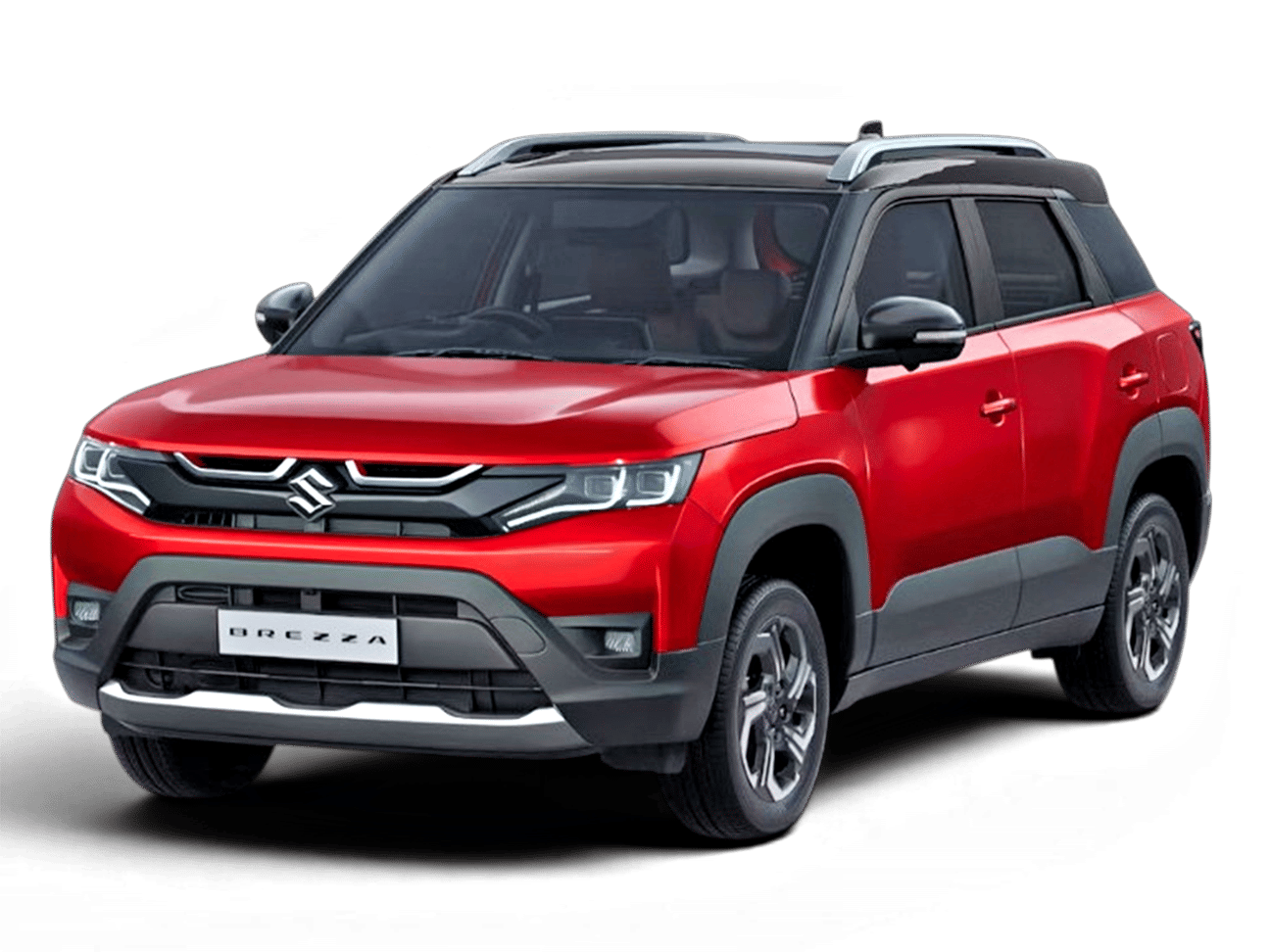
Pick the Mahindra XUV 3XO MPFi petrol automatic. Its torque-converter automatic gearbox is the most robust for your mostly city use with smooth crawling and far lower risk of costly clutch wear than a dual-clutch. While efficiency will not be as high as others like the Nexon or Brezza, your low 1,000 km a month should not make this too much of a worry and on the whole it stays well within your budget. Mahindra service can vary from dealer to dealer, so do check your local dealer options.If your Mahindra dealer is really weak, between the others, you could wait a for just about two months when the new updated Maruti Brezza is due to arrive. It too has a torque convertor autobox and its low ride is very plush and really a boon to have over bad city roads.
Raja Mukherji
•2dI want to buy both Mahindra Thar 3-door and a Kia Seltos. I am considering the base variants of both vehicles. The Thar will be used mainly for leisure, while the Seltos will be used primarily for city driving. In that case, would the petrol variant of the Seltos be a good choice? Also, I am looking at the base variant of the Thar, which is priced at around Rs. 9.99 lakh ex-showroom. Would this combination make sense for my requirements?

Autocar India
Yes, that combination actually makes a lot of sense if the roles are clearly defined. For the Seltos, the 1.5 naturally aspirated petrol is perfectly adequate if it is going to be your city car. It is smooth, refined, easy to drive in traffic and ownership costs are reasonable. You do not really need the turbo petrol if the car's primary duty is urban commuting. The NA petrol may not feel particularly exciting, but for city use it will feel relaxed and effortless. Even in its lower variants, the Seltos is surprisingly well equipped, so it does not feel bare bones.As for the Thar 3-door, if it is purely a weekend fun vehicle, the base model can make sense from a value perspective. However, it is worth remembering that the Rs. 9.99 lakh ex-showroom variant is a 4x2 model, so you do not get the full off-road capability that most people associate with the Thar. If your idea of enjoyment is primarily the lifestyle, road presence and occasional beach or trail drives, it will still do the job. However, if you genuinely want to explore tougher trails and off-road terrain, it is worth stretching to a 4x4 variant.
Ramananda Kumar Rayudu
•2dI am planning to buy the Mahindra XUV 7XO AX7T Automatic and would like to keep it for the next 10 years. However, I am confused between the petrol automatic and diesel automatic variants. My annual running will be around 6,000-8,000 km, with an occasional long highway trip once every three months. Considering my usage pattern, especially the potential DPF-related concerns with a diesel vehicle, which variant would you recommend?

Autocar India
For your usage, we would recommend the Mahindra XUV 7XO AX7T petrol automatic without much hesitation. Your yearly running is relatively low for a diesel to make financial sense. More importantly, while your occasional highway trips every three months will help, the usage pattern still does not naturally favour a diesel. Modern diesels are happiest when they are regularly driven for longer distances, and while you may never face a DPF issue, you are also not really using the diesel in the way that maximizes its advantages.The petrol automatic will be smoother for everyday use, quieter, easier to live with and better suited to a 10 year ownership horizon. The fuel efficiency will be lower than the diesel, but at your annual running, the difference in fuel cost is unlikely to offset the higher purchase price and the potential complexity of diesel ownership.
Thao
•2dI want to upgrade from my current car to an SUV, but I am confused between the Mahindra Scorpio N, Tata Harrier, and Mahindra XUV 7XO. During the rainy season, I occasionally have to drive on a slippery uphill stretch that my current Hyundai i10 is unable to handle. My budget is around Rs. 23 lakh. Which would be the most suitable choice for my requirements?

Autocar India
For your requirement, the Mahindra Scorpio N would be our first recommendation. The key reason is that you have specifically mentioned a slippery hill climb during the rainy season. The Scorpio N's rear wheel drive architecture, higher ground clearance and more rugged SUV underpinnings give it an advantage in low grip situations compared to the Harrier and XUV 7XO. If your budget allows, even a 4WD variant would be worth considering.The XUV 7XO would be our second choice. As an overall product, it is the most modern of the three, with a better interior, more technology and a more premium feel. It is also more comfortable and easier to drive every day than the Scorpio N. However, if that slippery hill climb is a recurring part of your ownership experience, the Scorpio N's more rugged nature gives it the edge.The Tata Harrier is a good highway SUV with a comfortable ride, but for your specific requirement it would be our third choice. It is front wheel drive only and, apart from offering a more comfortable third row, the XUV 7XO is the stronger product in most other areas, including performance, technology, interior quality and overall ownership experience.
Mihir Vora
•3dI am looking to replace my Toyota Innova Crysta GX and am considering either the Toyota Innova HyCross ZX Hybrid or the Mahindra XEV 9S or 9e, but I am unsure which would be the better choice. My usage includes a daily city commute of around 60 km and a highway trip of approximately 500 km once every month. I need a 5-seater car. Based on these requirements, which option would you recommend?

Autocar India
For your usage, we would suggest the Innova HyCross Hybrid rather than the XEV 9e or XEV 9s. The reason is that you are replacing a Crysta, and once you have lived with an Innova, you tend to appreciate things like space, practicality and long distance comfort more than headline technology. The HyCross feels like a natural evolution of what you already have. It is significantly more fuel efficient than the Crysta, the hybrid system is exceptionally well suited to a 60 km daily city commute, and for your monthly 500 km highway trips, it remains one of the most effortless cars you can buy.The XEV 9e and 9s are impressive EVs with strong performance, big batteries and low running costs. If your driving was almost entirely city based, they would be easier to recommend. However, for a family that regularly does longer highway trips, the HyCross still offers a level of convenience that is hard to beat.Between the two Mahindra cars, the 9e is the better choice. It has a more balanced ride and handling setup, feels more premium inside and out, and is the more complete product overall. The 9s feels noticeably softer, which can make it feel slightly bouncy over undulating roads.
Last Updated on: 5 Jun 2026