video|24 Sep 2025
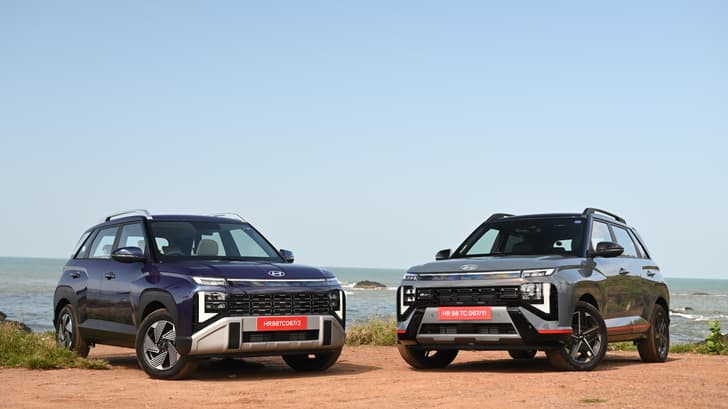
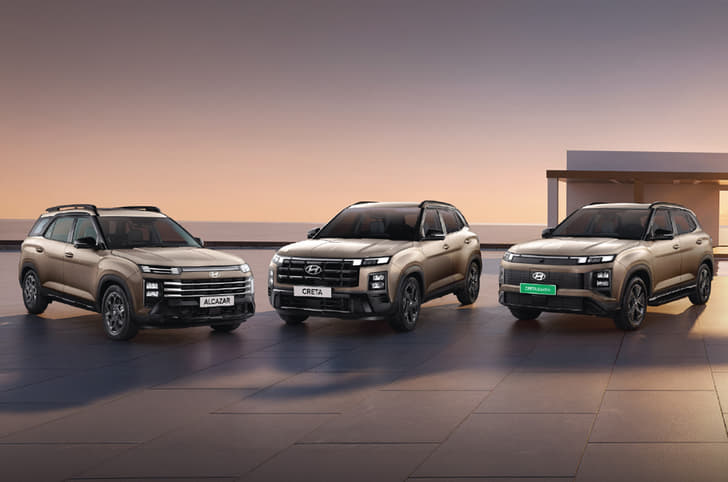
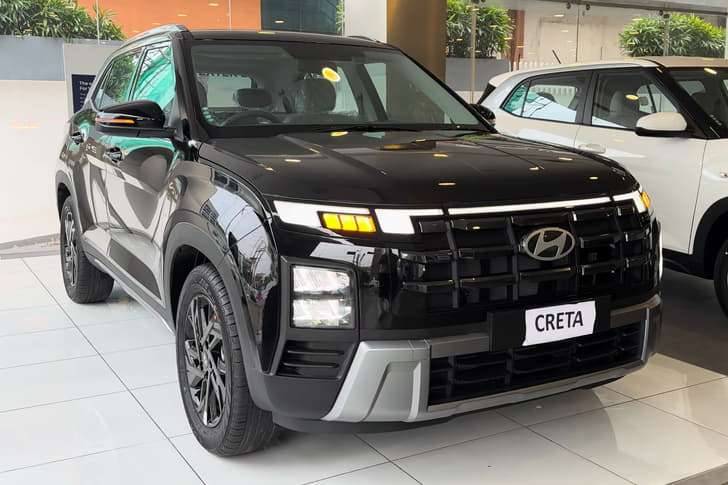
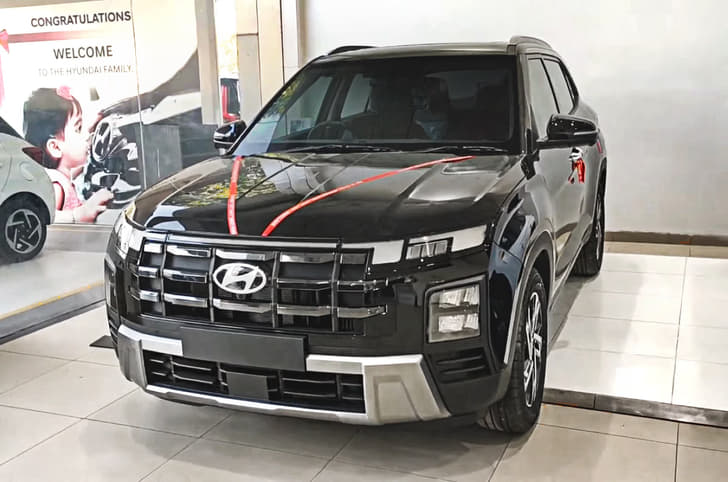
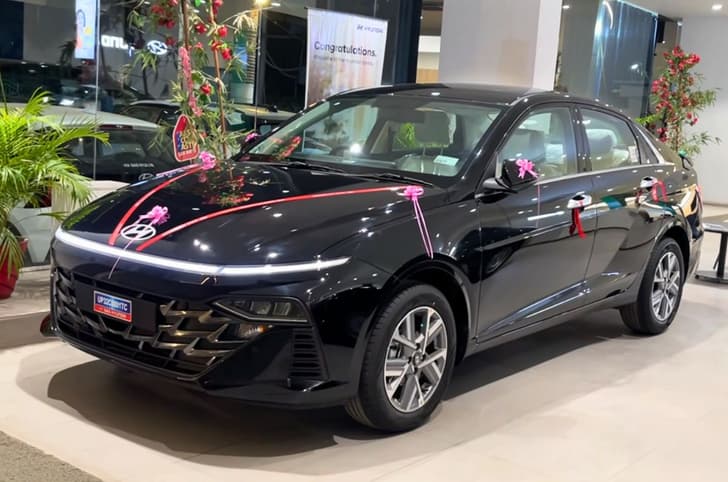
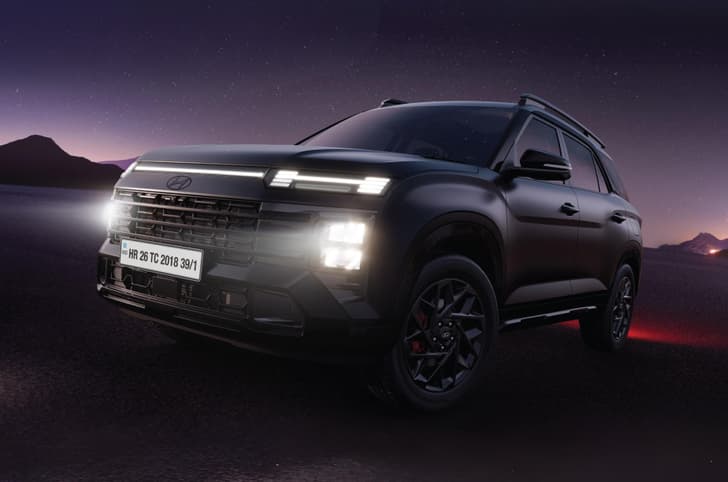
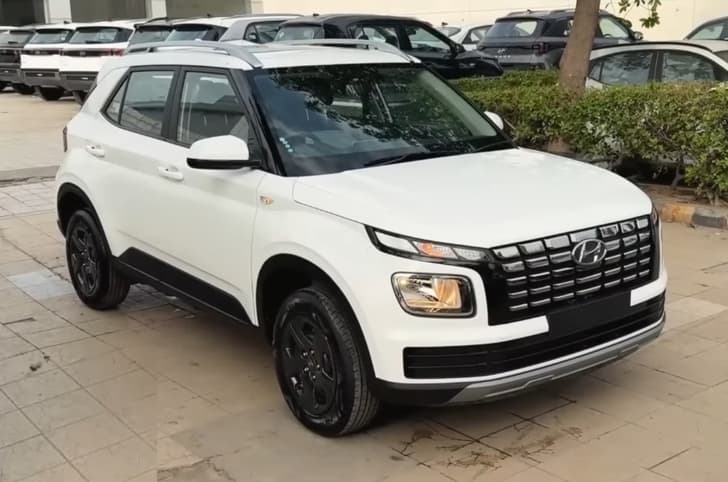
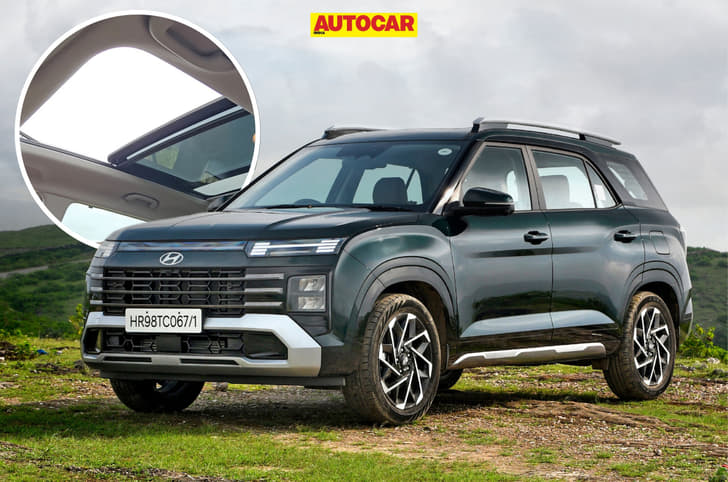
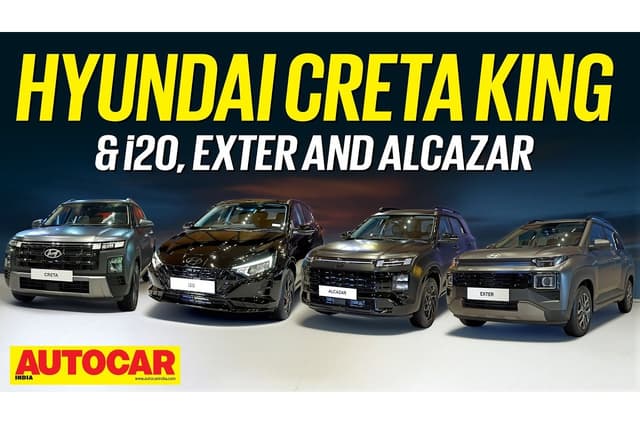
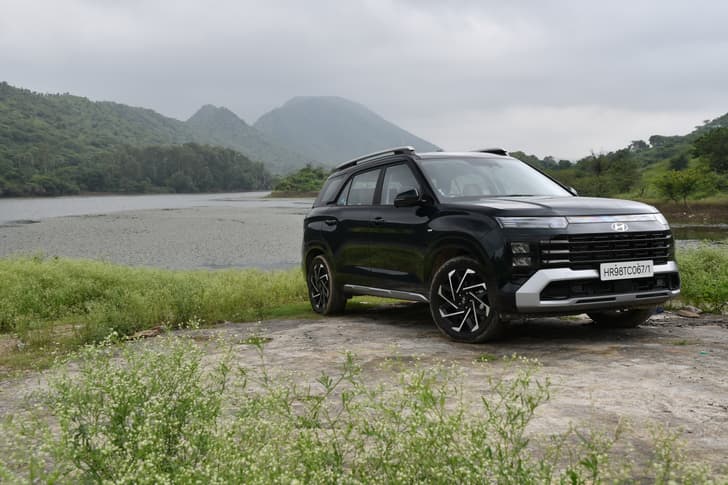
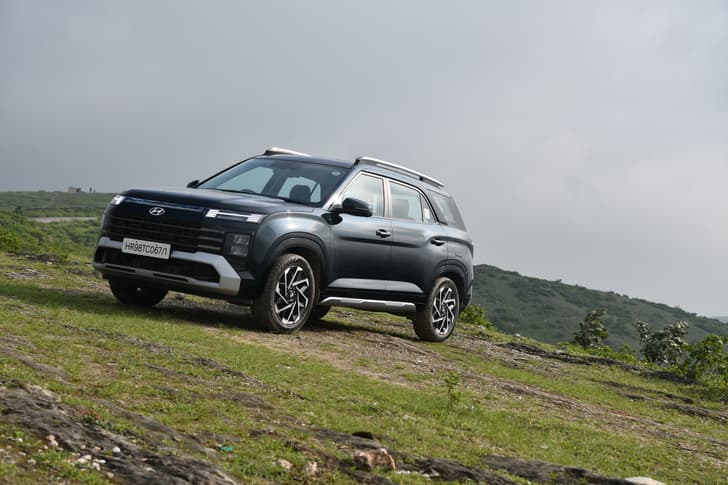
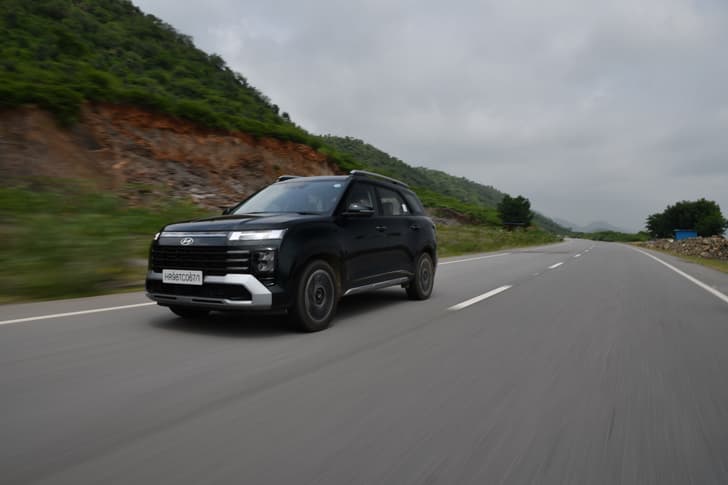
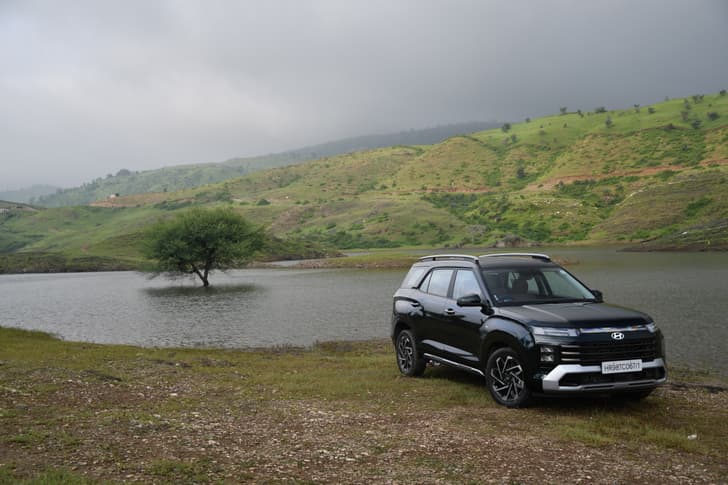
2025 Hyundai Creta King Edition and new Knight Editions walkaround video



Last Updated on: 23 Sep 2026
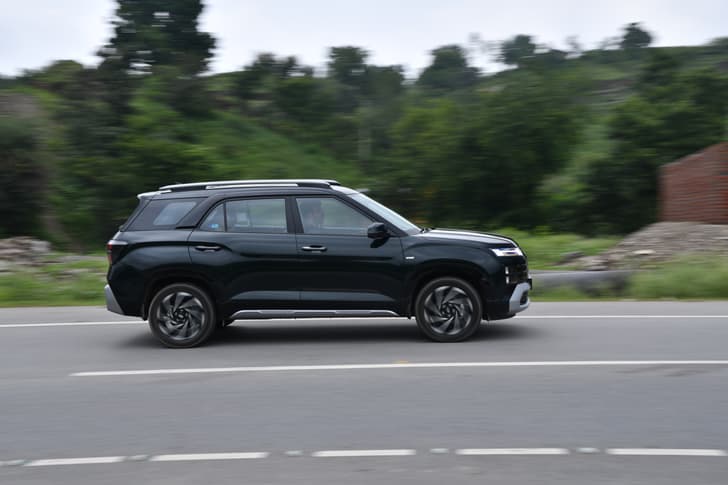
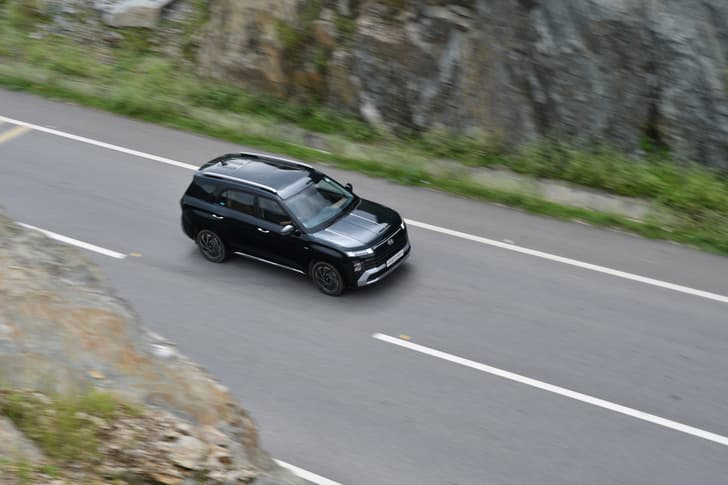
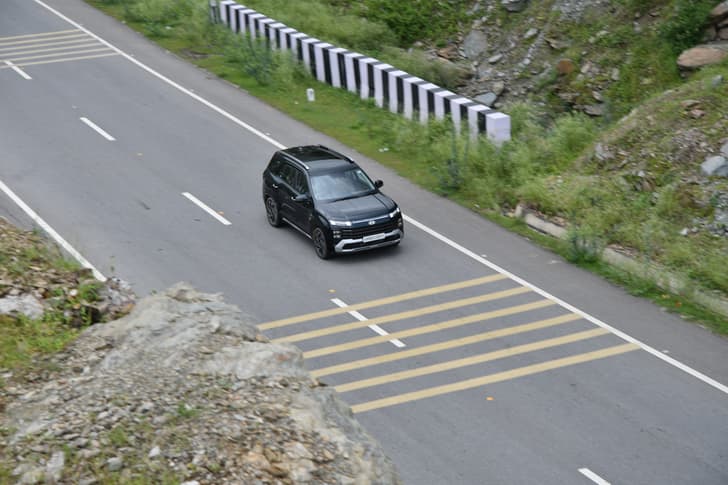
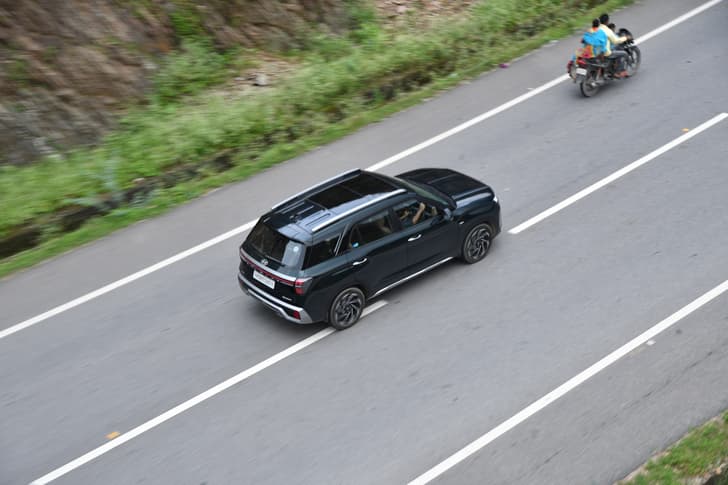
| PowertrainThe combination of engine type, fuel, and transmission that powers your vehicle and determines how it drives and what it runs on. | ARAI MileageMileage certified by the government, tested under controlled lab conditions. Real-world mileage will vary. | Autocar Tested MileageAutocar's experts test each vehicle on fixed city and highway routes under standardised conditions - single occupant, AC running, manufacturer-recommended tyre pressures. Tanks are filled to the brim before and after each run to calculate efficiency. Results reflect realistic real-world usage. |
|---|---|---|
Petrol-Manual 1482 cc | 17.5 kmpl | NA |
Diesel-Manual 1493 cc | 20.4 kmpl | NA |
Petrol-Automatic (DCT) 1482 cc | 18 kmpl | 10.24 kmpl |
Diesel-Automatic (Torque Converter) 1493 cc | 18.1 kmpl | NA |
Hyundai Alcazar Official Brochure
Download the complete brochure with specs, features, and variants.
Tell us about your experience
.jpg?w=640&q=75&fm=auto)
I’m planning to keep my next 7-seater for 8–10 years. My annual running is around 12,000km, mostly on the highway, although the car may sometimes remain parked for 3–6 months because I work abroad. My budget is around Rs 18 lakh, with some flexibility of another Rs 1–2 lakh, and I prefer a manual. I’m currently considering the Hyundai Alcazar Executive petrol, Alcazar diesel and Mahindra XUV 7XO base/AX3 diesel. The XUV 7XO is a large and heavy car, so I’m concerned that the petrol version may not deliver good real-world fuel economy. The Tata Safari petrol is also on the list, but I have some concerns about Tata’s after-sales service. My priorities are long-term reliability, real-world mileage, maintenance costs and overall peace of mind rather than just features. I’m also considering the implications of E20 petrol and potential DPF/AdBlue-related issues with a diesel car that may sit unused for several months. The XUV 7XO’s lower variants also have a long waiting period, whereas Hyundai is currently offering a Rs 1 lakh ex-showroom discount on the Alcazar. I’m currently driving a 2008 Maruti Suzuki SX4 petrol manual. There are six adults and a toddler in the family. Considering all these factors, which one would you personally buy in this situation, and why?

 Hyundai AlcazarMahindra XUV 7XOTata Safari
I'm looking for your expert opinion to help me finalise my next used family car. I'm currently considering the MG Hector Plus Sharp Pro 1.5 Turbo Petrol MT (2024), Hyundai Alcazar 2.0 MPI Petrol, Kia Carens 1.5 Naturally Aspirated Petrol, and Maruti XL6 Alpha Plus Petrol. My usage is around 500 km per month (approximately 6,000 km per year), with most of my driving being in the city. My family consists of four members, and while I rarely need the third row, having a 6- or 7-seater is a bonus for occasional family trips. I plan to keep the car for at least 7 to 10 years. Fuel economy is not a priority; instead, I value comfort, features, reliability, and good performance. Long-term dependability, ease of maintenance, and a hassle-free ownership experience are far more important to me than mileage. One of my biggest concerns is the increasing use of ethanol-blended petrol, with E20 already in use and the possibility of higher blends such as E30 in the future. I'm unsure whether I should avoid turbo-petrol engines for long-term ownership or whether modern turbocharged engines are reliable enough. Based on my usage, which of these four cars would you recommend? Would you choose a naturally aspirated engine, such as those in the Alcazar, Carens, or XL6, over the MG Hector's 1.5-litre turbo-petrol for someone planning to keep the vehicle for 7 to 10 years? How concerned should I be about E20 or future E30 fuel and its long-term impact on these engines? Is the MG Hector's 1.5 Turbo Petrol engine dependable enough for long-term ownership, or would you prefer the Hyundai 2.0 MPI or the other naturally aspirated options? Is the Kia Carens 1.5 NA petrol sufficiently powerful for occasional trips with six or seven passengers, or is it likely to feel underpowered? Similarly, is the Maruti XL6 Alpha Plus adequately powered for highway driving with a full load, or does its 1.5-litre mild-hybrid engine struggle in such conditions? Finally, how would you rank these four cars in terms of long-term reliability, performance (especially when fully loaded), build quality and safety, maintenance costs, service network, feature list, and overall ownership experience? If this were your own long-term family car purchase, which one would you choose and why? I'd really appreciate an unbiased recommendation based on my specific requirements rather than general market popularity. Thank you!
Hyundai AlcazarMG HectorKia CarensDear Autocar, I’m looking for some advice on a dilemma that I haven’t been able to resolve. I’m replacing my 2015 Audi Q3 Diesel, which has been an excellent long-distance tourer for us. I haven’t test-driven the Alcazar yet, but I plan to do so shortly. My annual running is relatively low, so this isn’t a petrol vs diesel question from a fuel-cost perspective. Our typical usage is very long road trips (Mumbai-Goa and similar), often 8-10 hours at a stretch, with two adults (my wife and me), our Beagle, and lots of luggage. We also drive through highways, ghats, villages and city traffic, so the car needs to feel effortless and confidence-inspiring in every situation, especially while climbing steep ghats with a full load. I’m considering the Hyundai Alcazar, but I’m confused between: 1. 1.5 Turbo Petrol DCT 2. 1.5 Diesel AT (Torque Converter) If the petrol had a conventional torque-converter automatic, I would probably choose it without a second thought. My dilemma exists only because the petrol comes with a DCT, whereas the diesel gets a torque-converter automatic, which is generally considered smoother and more refined at low speeds. My priorities are, in order: - Overall refinement and cabin quietness - Smoothness of the transmission in city traffic - Effortless performance while climbing ghats with a full load - Long-distance comfort and relaxed cruising - Long-term ownership experience and reliability I am not looking for maximum fuel economy or the lowest running costs. I also have another dilemma regarding the seating configuration. Should I choose the 6-seater with captain seats or the 7-seater with the bench seat? My wife almost always travels in the second row during our road trips. She normally likes sitting in the middle seat because she enjoys the forward view. However, from the videos I’ve watched, the captain seats in the 6-seater appear significantly more comfortable and supportive for long journeys. Based on my usage, which powertrain and seating configuration would you recommend, and why? Thank you.
Hyundai AlcazarMahindra XUV 7XOI am looking to upgrade from my Hyundai Creta to a 7-seater SUV. My annual running is only around 6,000 km, and my budget is up to Rs. 25 lakh. Is the Hyundai Alcazar a good option for my usage? I have also considered the Mahindra XUV 7XO and Tata Safari, but I am concerned about their relatively low fuel efficiency. Which 7-seater SUV would you recommend?
Hyundai AlcazarHyundai CretaMahindra XUV 7XOTata SafariMG WindsorI am confused between the Hyundai Alcazar and the Tata Safari in the diesel manual variants. My annual running is around 40,000 km, mostly on highways. I am looking for a car that offers decent mileage, strong safety, and reasonable maintenance costs. Which one would be the better choice for my usage?
Tata SafariHyundai AlcazarJoin the Discussions
With the 7-speed DCT, the turbo-petrol Alcazar returns 9.5kpl.
The Alcazar's 50-litre petrol tank should go up 475 kilometres in real world conditions.
In our tests, the Alcazar diesel recorded a 14.4kpl average across city and highway conditions.
The Alcazar diesel automatic claims a mileage of 18.1kpl, while the Safari has a slightly less figure of 14.1kpl.
The Alcazar diesel-manual's 20.4kpl figure is the highest compared to other engine and gearbox combinations.