Autocar India
1d

I'm looking for your expert opinion to help me finalise my next used family car. I'm currently considering the MG Hector Plus Sharp Pro 1.5 Turbo Petrol MT (2024), Hyundai Alcazar 2.0 MPI Petrol, Kia Carens 1.5 Naturally Aspirated Petrol, and Maruti XL6 Alpha Plus Petrol. My usage is around 500 km per month (approximately 6,000 km per year), with most of my driving being in the city. My family consists of four members, and while I rarely need the third row, having a 6- or 7-seater is a bonus for occasional family trips. I plan to keep the car for at least 7 to 10 years. Fuel economy is not a priority; instead, I value comfort, features, reliability, and good performance. Long-term dependability, ease of maintenance, and a hassle-free ownership experience are far more important to me than mileage. One of my biggest concerns is the increasing use of ethanol-blended petrol, with E20 already in use and the possibility of higher blends such as E30 in the future. I'm unsure whether I should avoid turbo-petrol engines for long-term ownership or whether modern turbocharged engines are reliable enough. Based on my usage, which of these four cars would you recommend? Would you choose a naturally aspirated engine, such as those in the Alcazar, Carens, or XL6, over the MG Hector's 1.5-litre turbo-petrol for someone planning to keep the vehicle for 7 to 10 years? How concerned should I be about E20 or future E30 fuel and its long-term impact on these engines? Is the MG Hector's 1.5 Turbo Petrol engine dependable enough for long-term ownership, or would you prefer the Hyundai 2.0 MPI or the other naturally aspirated options? Is the Kia Carens 1.5 NA petrol sufficiently powerful for occasional trips with six or seven passengers, or is it likely to feel underpowered? Similarly, is the Maruti XL6 Alpha Plus adequately powered for highway driving with a full load, or does its 1.5-litre mild-hybrid engine struggle in such conditions? Finally, how would you rank these four cars in terms of long-term reliability, performance (especially when fully loaded), build quality and safety, maintenance costs, service network, feature list, and overall ownership experience? If this were your own long-term family car purchase, which one would you choose and why? I'd really appreciate an unbiased recommendation based on my specific requirements rather than general market popularity. Thank you!

Verified
31s

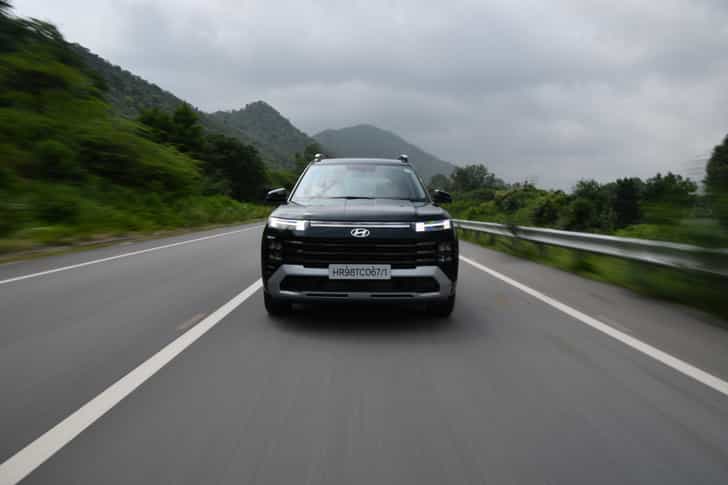
Based on your usage and priorities, the Hyundai Alcazar 2.0 naturally aspirated petrol would be our recommendation. Your monthly running is low, the third row will only be used occasionally, and you're looking for a comfortable, feature-rich family car that can be kept for 7 to 10 years. The Alcazar strikes the right balance. Its 2.0-litre naturally aspirated petrol engine is a simple, proven unit that should be easy to own over the long term, while also offering better performance than the Kia Caren's 1.5-litre naturally aspirated petrol engine. Hyundai cars also have a strong reputation for reliability and aftersales support, which becomes even more important for long-term ownership.

As for the E20/E30 question, there's little reason to worry. The Alcazar's 2.0 engine is likely E10 compliant but will run on E20 just fine, and while higher ethanol blends can lead to a slight reduction in fuel efficiency, they are unlikely to have a significant impact on long-term reliability.

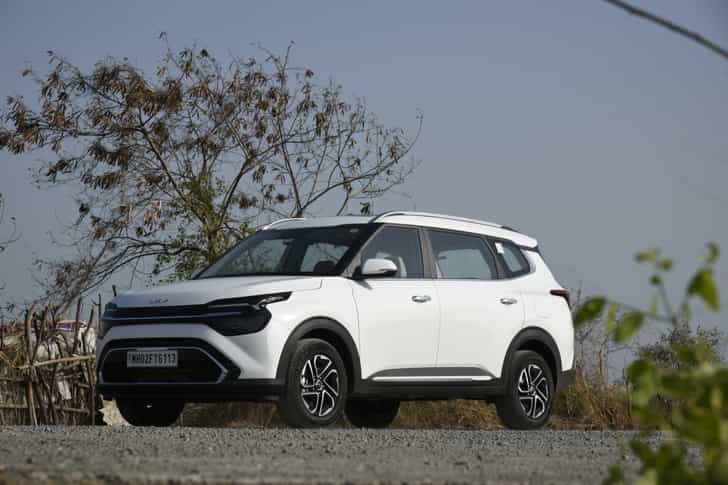
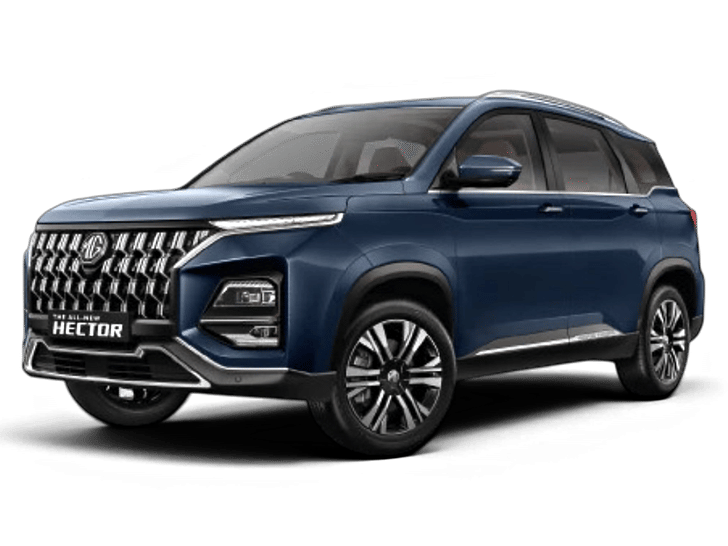
The MG Hector 1.5 turbo petrol is a good engine, but it is a heavier car and the turbo petrol will not offer any real advantage in your running. The Carens is the more practical and better packaged family car, but since you aren't frequently using the third row, the Alcazar is the better pick.
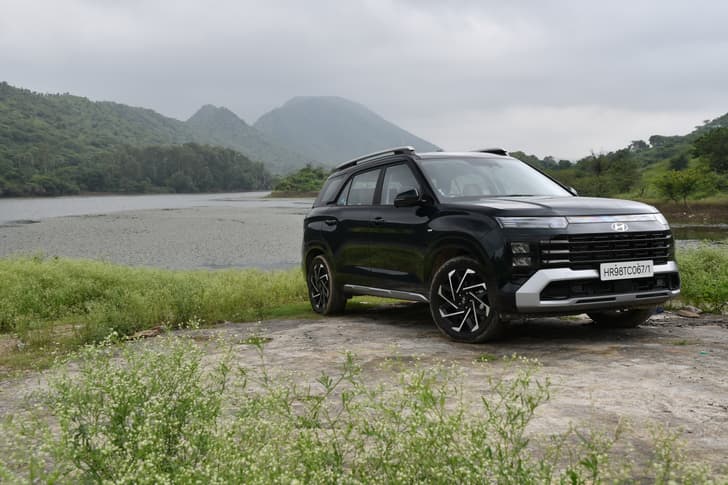
Hyundai Alcazar

Hyundai Alcazar

More questions on similar cars

1d

I currently own a 2022 Kia Seltos that has covered 35,000 km. My wife and I are the primary occupants, and we usually take one or two road trips every six months, covering up to 300 km in a day on highways. We are both 66 years old. I plan to continue driving myself for the next five years, after which I expect to hire a chauffeur. I have been considering replacing the Seltos with the MG Hector Savvy CVT 6-seater. Given my usage and future plans, would it be better to make the change now or wait?

Verified
7h

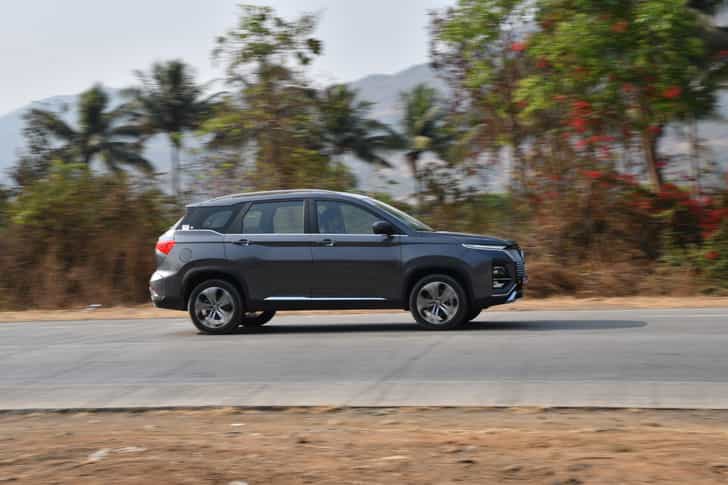
Based on your usage and priorities, there is no compelling reason to change your Kia Seltos right now. Your 2022 Seltos with 35,000 km is still relatively new and well within its prime ownership period. Since you and your wife are usually the only occupants, and your travel is limited to one or two highway trips every six months with a maximum of 300 km a day, moving to a larger 6-seater like the MG Hector Savvy CVT does not offer any meaningful advantage. While the Hector is a comfortable SUV, its larger dimensions and third row are unlikely to be fully utilised based on your current needs. The Seltos is already a comfortable and capable highway car, and it will continue to serve you well for the next five years until you transition to a chauffeur-driven setup. At that point, you can reassess your requirements and choose a more comfort-focused upgrade if needed. For now, keeping the Seltos is the more practical and sensible decision.

VehicleKia Seltos
VehicleMG Hector
5d

Dear Autocar, I’m looking for some advice on a dilemma that I haven’t been able to resolve. I’m replacing my 2015 Audi Q3 Diesel, which has been an excellent long-distance tourer for us. I haven’t test-driven the Alcazar yet, but I plan to do so shortly. My annual running is relatively low, so this isn’t a petrol vs diesel question from a fuel-cost perspective. Our typical usage is very long road trips (Mumbai-Goa and similar), often 8-10 hours at a stretch, with two adults (my wife and me), our Beagle, and lots of luggage. We also drive through highways, ghats, villages and city traffic, so the car needs to feel effortless and confidence-inspiring in every situation, especially while climbing steep ghats with a full load. I’m considering the Hyundai Alcazar, but I’m confused between: 1. 1.5 Turbo Petrol DCT 2. 1.5 Diesel AT (Torque Converter) If the petrol had a conventional torque-converter automatic, I would probably choose it without a second thought. My dilemma exists only because the petrol comes with a DCT, whereas the diesel gets a torque-converter automatic, which is generally considered smoother and more refined at low speeds. My priorities are, in order: - Overall refinement and cabin quietness - Smoothness of the transmission in city traffic - Effortless performance while climbing ghats with a full load - Long-distance comfort and relaxed cruising - Long-term ownership experience and reliability I am not looking for maximum fuel economy or the lowest running costs. I also have another dilemma regarding the seating configuration. Should I choose the 6-seater with captain seats or the 7-seater with the bench seat? My wife almost always travels in the second row during our road trips. She normally likes sitting in the middle seat because she enjoys the forward view. However, from the videos I’ve watched, the captain seats in the 6-seater appear significantly more comfortable and supportive for long journeys. Based on my usage, which powertrain and seating configuration would you recommend, and why? Thank you.

Verified
3d

Between the 1.5 turbo petrol and 1.5 diesel Hyundai Alcazar, the diesel is the better fit for your usage. It offers strong low-end torque and a more relaxed, effortless character on long drives. Just as importantly, the 6-speed torque converter automatic is smoother and more intuitive in city traffic. In contrast, Hyundai-Kia DCTs tend to have a sharper engagement, which can feel slightly jerky at low speeds and in stop-go conditions.Do note that while the 1.5 diesel pulls well from low revs, its top-end performance is not particularly strong. With a full load, highway overtakes will require a bit more planning compared to the turbo petrol. That said, for your kind of driving, which prioritises ease, consistency and long-distance comfort, the diesel’s overall delivery and gearbox pairing work better.On seating, the 6-seater with captain seats is the more comfortable choice. The individual seats are better contoured, offer superior support, and the addition of armrests makes a noticeable difference on long journeys. Your wife will likely appreciate the enhanced comfort over extended hours on the road. The trade-off, of course, is the loss of the exact central seating position she prefers, but in the Alcazar, the front seats are not overly bulky, so forward visibility remains reasonably good.One alternative worth considering is the Mahindra XUV 7X0 diesel. It offers stronger performance, better refinement, and feels more effortless on highways, especially when fully loaded. The ride quality is also well suited to mixed road conditions. However, it is a larger vehicle than the Alcazar and can feel more cumbersome in tight urban environments.Overall, for your priorities, the Alcazar diesel with captain seats strikes the best balance of comfort, smoothness and ease of driving

VehicleHyundai Alcazar
VehicleMahindra XUV 7XO

Popular discussions right now
Posted on: 6 Aug 2026