
Last Updated on: 18 May 2026
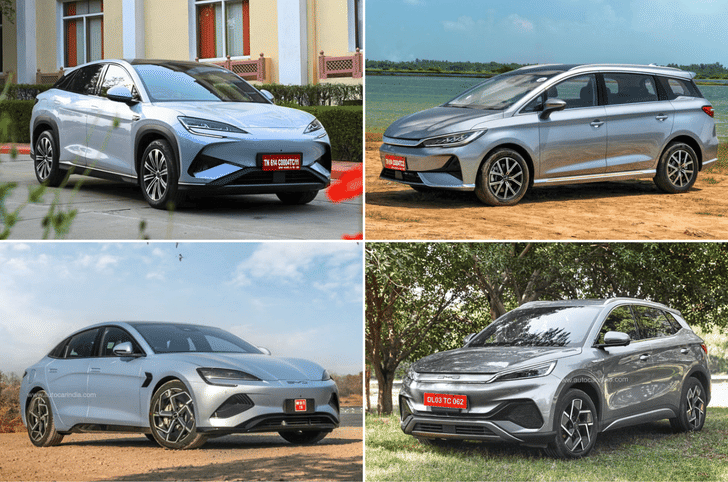
BYD Seal
The BYD Seal price in India starts at ₹41.00 lakh (ex-showroom). At this price point, the Seal rivals the Hyundai Ioniq 5, Kia EV6, Volvo C40, and BMW iX1 in the electric luxury sedan segment.
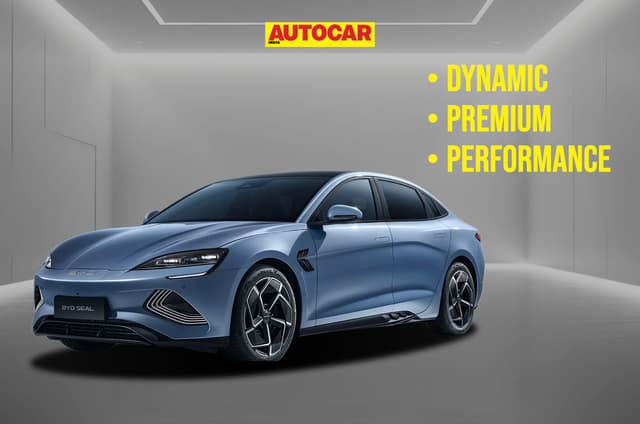
The BYD Seal battery capacity is 61.44 kWh in the entry-level variant and 82.56 kWh in the higher variants. This Sedan is offered in EV Dynamic, EV Premium, EV Performance variants with features such as Electronic parking brake, 360 view camera, Adaptive cruise control, Cruise control, Ventilated seats.
BYD Seal range is claimed at up to 510 km - 650 km (ARAI). The Dynamic variant offers 510 km range, while the twin-motor Performance variant manages 580 km, and the mid-range Premium variant delivers the highest range at 650 km. The BYD Seal top speed is 180 kph.
BYD Seal Highlights
- The BYD Seal in India comes with three powertrain options. The Dynamic variant features a 61.44 kWh battery paired with a single rear motor producing 204 hp. The Premium steps up to an 82.56 kWh battery and a 313 hp motor, while the Performance adds a front motor for all-wheel drive and a sports-car–level 530 hp.
- The BYD Seal interior offers a fixed panoramic glass roof, a floating 15.6-inch infotainment touchscreen that can rotate 90 degrees (with wireless Android Auto and Apple CarPlay), a 10.25-inch digital driver display, dual-zone climate control, ventilated and heated front seats, connected car tech, and leatherette upholstery.
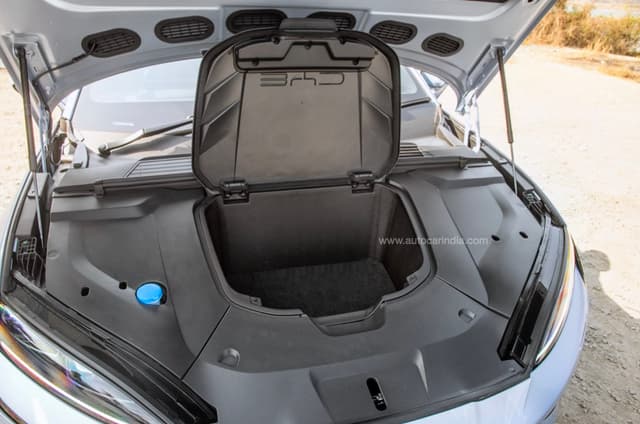
- The BYD Seal boot space rated at 400 litres along with a 50-litre frunk.
- The BYD Seal safety rating is 5 stars as per Euro NCAP and ANCAP. Its safety features include Level 2 ADAS, 9 airbags, a 360-degree camera, electronic parking brake with auto hold function, hill start assist, ESP, traction control, ABS with EBD, and more.
- Dimensions of the Seal stand at 4,800mm in length, 1,875mm in width, 1,460mm in height, with a wheelbase of 2,920mm.
- The BYD Seal charging time is as low as 26 minutes (30-80%) when using a 150 kW DC fast charger.
- BYD Seal ground clearance measures at 145 mm, suitable for a performance sedan.
- The BYD SEAL launch date was March 5, 2024 in India.
BYD Seal Latest Updates
- January 27, 2026: BYD Seal recalled in India over possible battery issues; customers can contact the service centre and have their cars picked up at their convenience.
BYD Seal Features and specifications
Our Rating | 9 |
Battery Range | 510 km - 650 km |
Fuel Type | Electric |
Transmission | Auto |
Seats | 5 |
Body Style | Sedan |
Doors | 4 |
Claimed Electric Motor Range | 580 km |
Warranty Distance | 150000 km |
Warranty Duration | 6 Years |
| Fuel Type/ Propulsion | Electric |
| Number of Motors | 2 |
| Pure Electric Driving Mode | Yes |
| Motor Type | Permanent magnet synchronous motor |
| Battery Capacity | 82.56 kWh |
| Claimed Range | 580 km |
| Charging Time | 45 min (0% to 80% 150kW DC) 12 -16 hrs (0% to 100% 7kW AC) hrs |
| 0-100kph | 3.8 s |
| Front Brakes | Discs |
| Rear Brakes | Discs |
| Type of Power Assist | Electric |
| Steering Adjust | Tilt and Telescopic |
| Length | 4800 mm |
| Width | 1875 mm |
| Chassis Type | Monocoque |
| Height | 1460 mm |
| Power Windows | Front and Rear |
| Electric Tailgate Release | |
| Cooled Cup Holders | |
| Cooled Glovebox |
| Airbags | 9 |
| Lane Departure Avoidance | |
| Passenger Airbag | |
| Overspeed Warning |
| Body Coloured Bumpers | |
| LED headlamps | |
| Cornering Headlights | |
| LED DRLs |
| Speedometer | Digital |
| Tachometer | |
| Trip Meter | |
| Average Fuel Consumption |
| Audio System | |
| Speakers | 12 |
| CD Player | |
| USB Input |
| Emergency Call Button | |
| Car Light Flashing & Honking via App | |
| Check Vehicle Status via App | |
| Find My Car |
BYD Seal price & variants
The BYD SEAL price in India starts at ₹41.00 lakh, (ex-showroom). BYD SEAL on road price will vary by city and charges like RTO, insurance, and other factors, but you can expect it to be in the ₹ to ₹ range depending on the chosen variant. In India, the SEAL is offered in 3 trim levels: EV Dynamic, EV Premium, EV Performance.
The base EV Dynamic variant gets the 61.44 kWh battery pack, whereas the EV Premium and EV Performance variants are available with the 82.56 kWh battery. The larger battery can be charged at up to 150kW on a DC fast charger (a claimed 0-80 percent in just 45 minutes), while the smaller one does 110kW.
The BYD Seal EV Performance features include a fixed panoramic glass roof, powered and ventilated front seats, a 15.6-inch rotatable infotainment touchscreen, a 10.25-inch digital driver display, dual-zone climate control, ventilated and heated front seats, 19-inch alloy wheels, and more.
BYD Seal Official Brochure
Download the complete brochure with specs, features, and variants.
BYD Seal expert review
We like
Luxury, Comfort and Features
Price, Performance
We don't like
Ground clearance
Limited dealer network
9.0
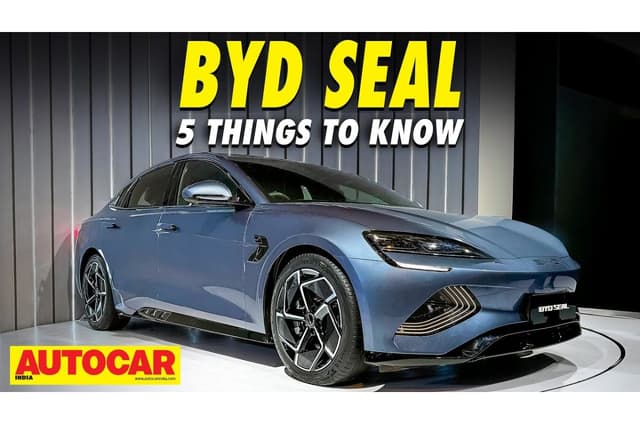
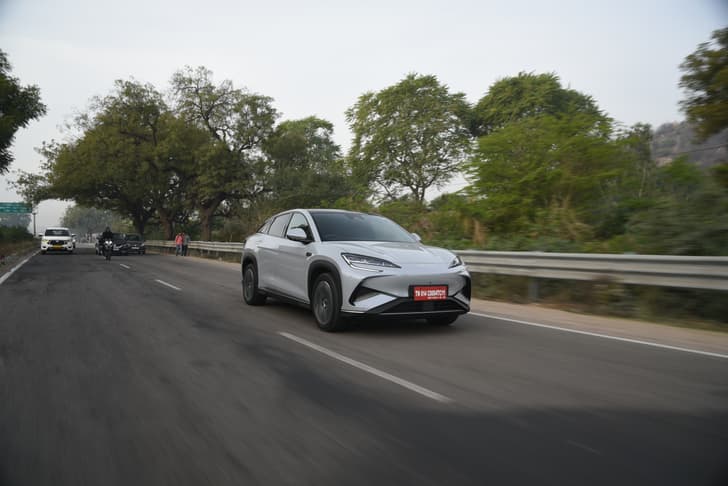
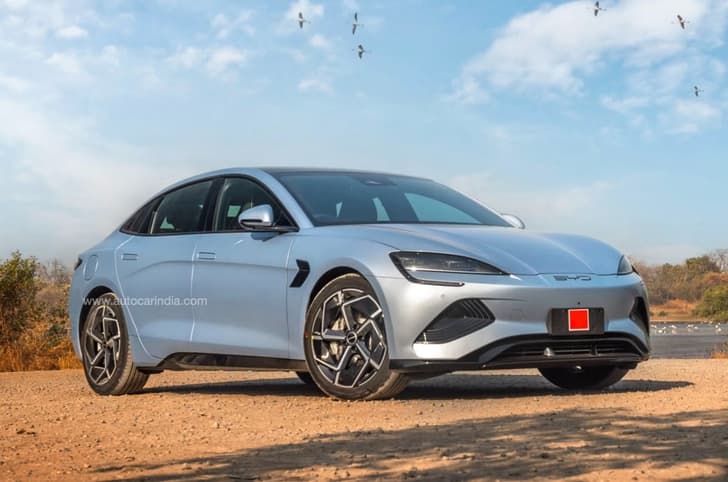
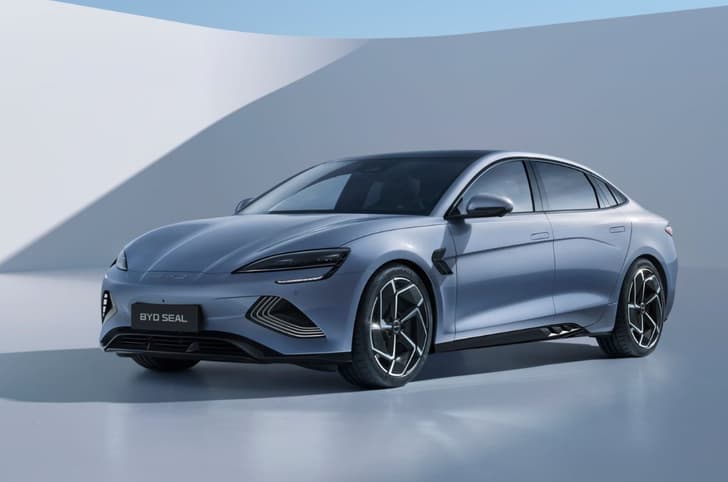
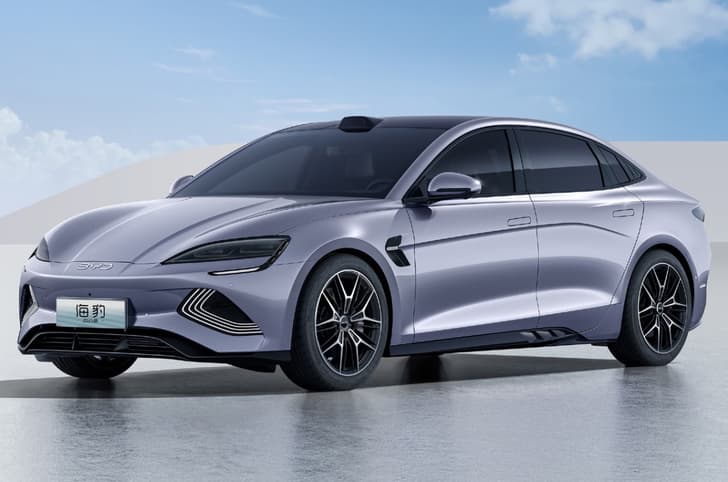
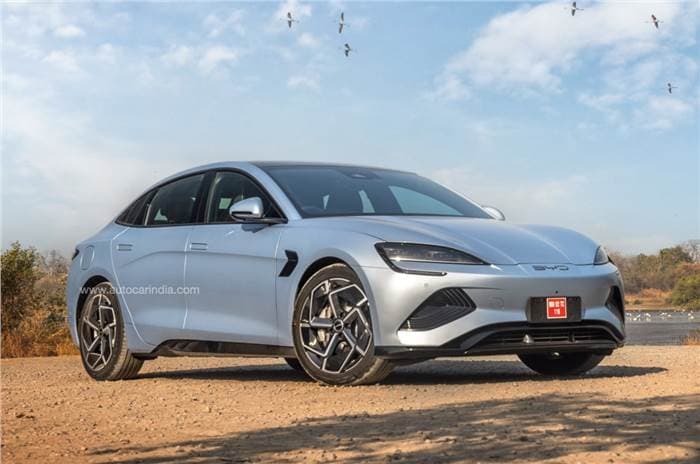
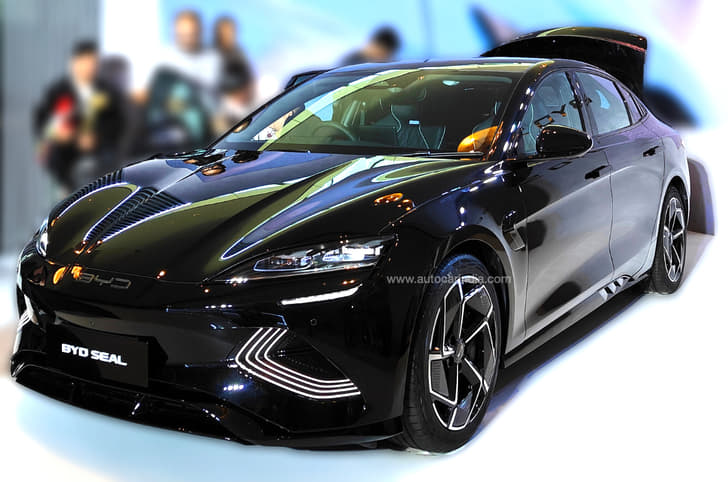
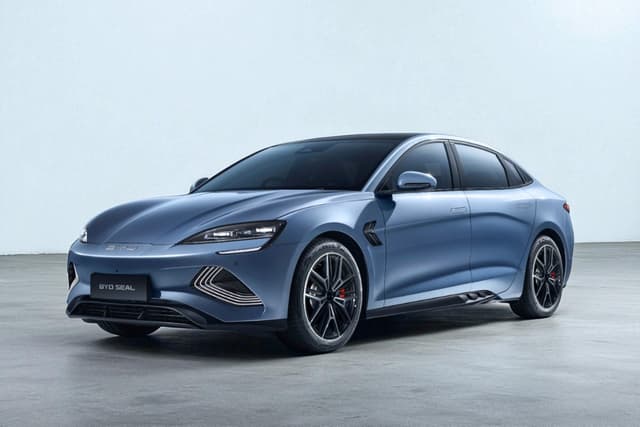
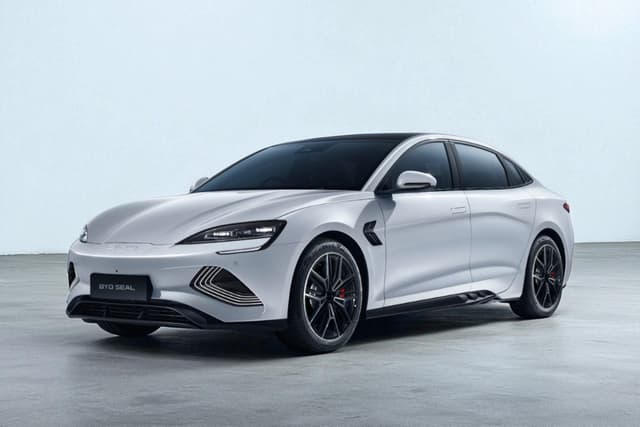
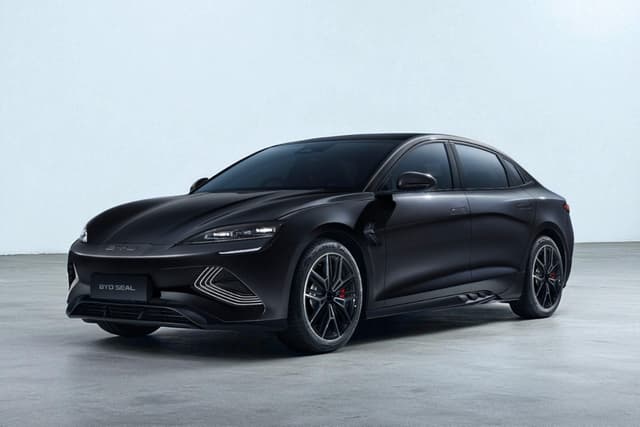
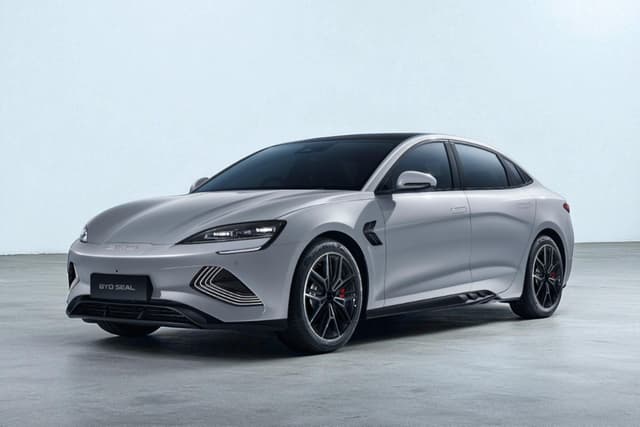
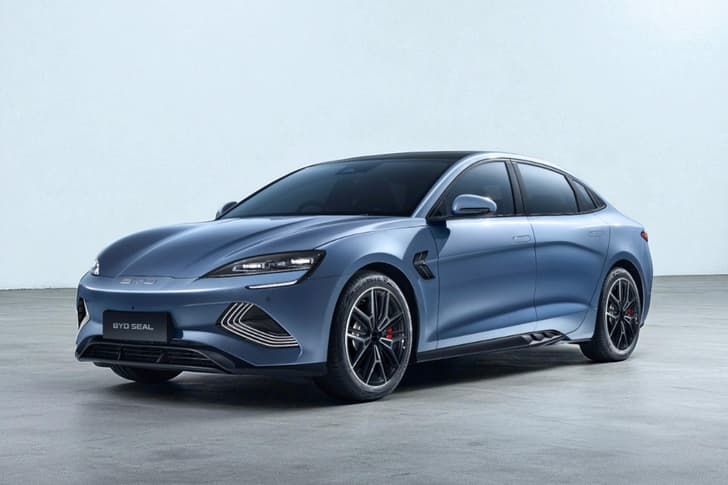
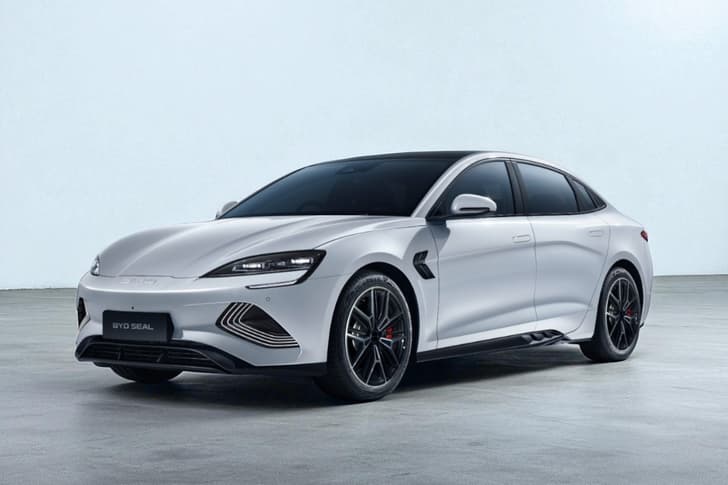
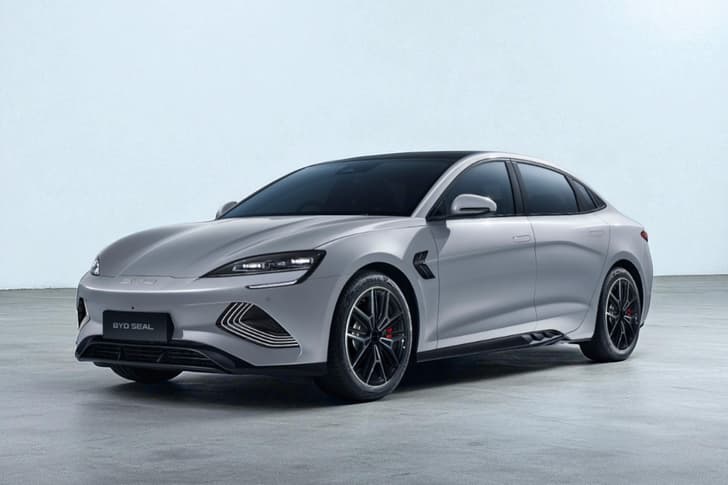
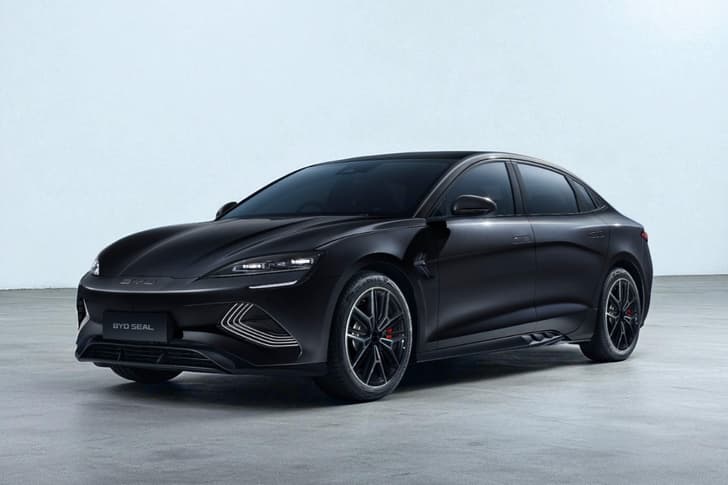
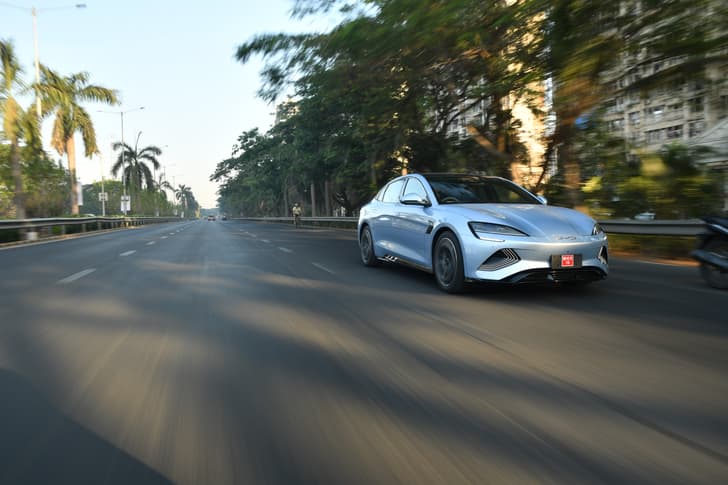
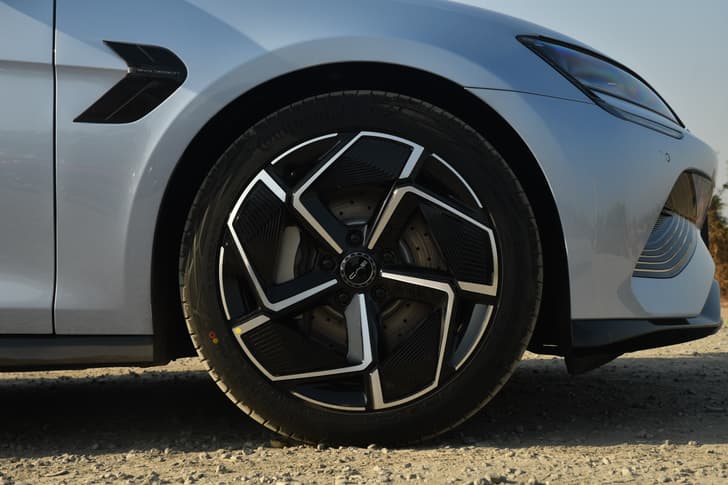
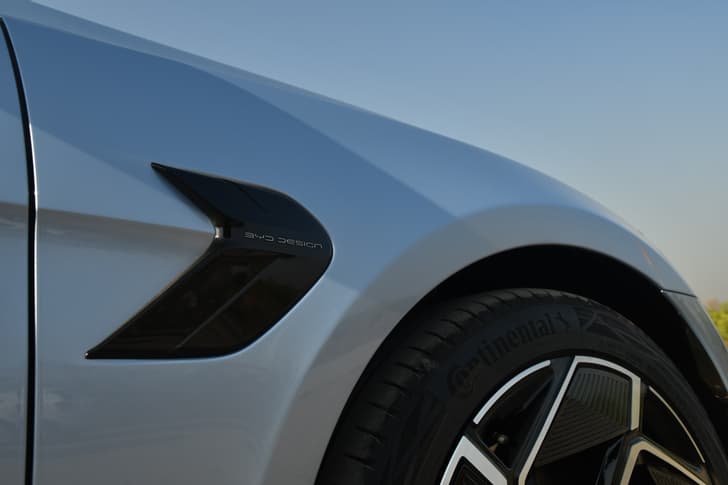
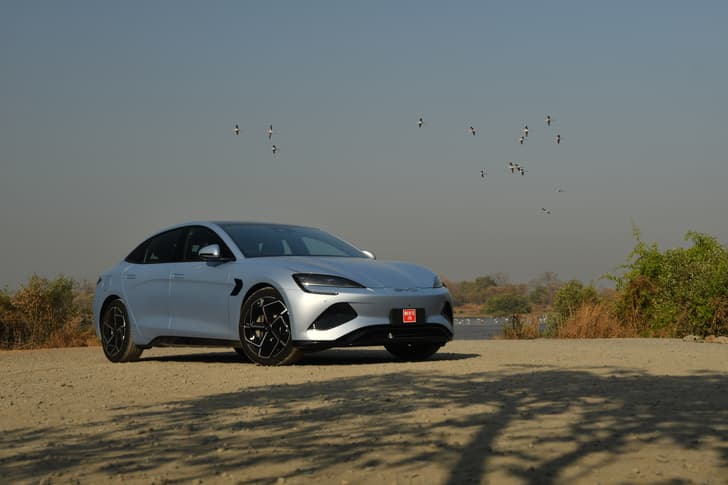
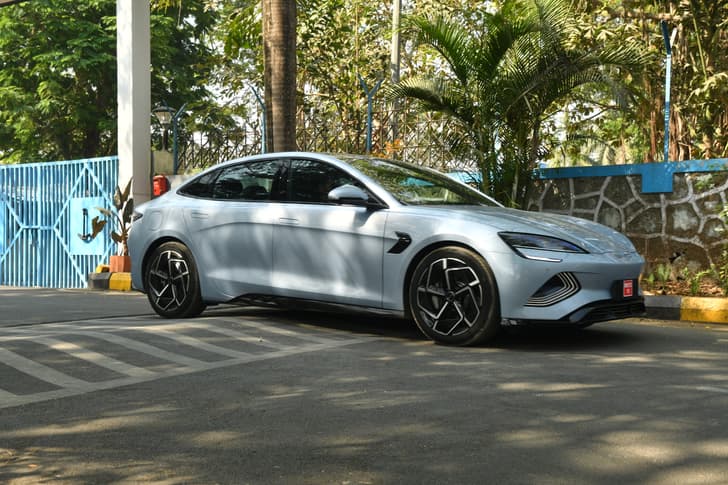
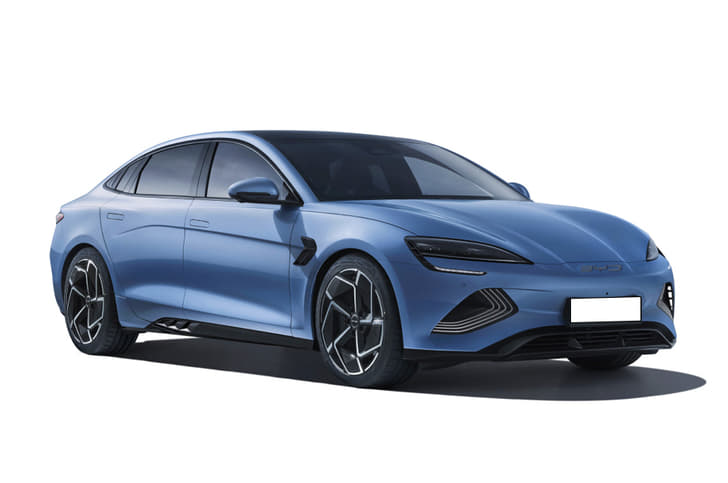
Globally a rival to the Tesla Model 3, the Seal’s 4,800mm length and 2,920mm wheelbase are close to a BMW 3 Series LWB. Ground clearance at 145mm is low and requires caution. Its 0.219 drag coefficient aids range, while the ‘ocean-inspired’ design features ripple-like LED DRLs, tight wheel arches, 19-inch alloys, and a sleek roofline ending in a stylish rear diffuser. It’s available in four colours: Atlantis Grey, Aurora White, Cosmos Black and Arctic Blue.
8.0
The Seal’s cabin balances sophistication with quality. Leatherette trim, piano black, and metallic accents elevate the experience, while clever storage solutions impress. The standout is the 15.6-inch touchscreen, which rotates between landscape and portrait. Though the AC controls buried in menus frustrate, physical toggles for key functions and intuitive steering controls help.
The ventilated, heated front seats are plush, though lumbar support is lacking. Rear seat comfort is excellent despite a knees-up position. Legroom is vast, headroom generous thanks to a tinted glass roof (now with a powered roller blind for 2025). Boot space is 400 litres, plus a 50-litre frunk, though there’s no spare tyre.
9.0
Three powertrains are offered, ranging from a 204hp RWD to a 530hp AWD. The 313hp Premium tested here feels like the sweet spot and delivers progressive, ICE-like power delivery with sub-6-second 0-100kph runs and three drive modes with adjustable regen.
7.0
Ranges vary from 510km for the 61.44kWh Dynamic, to 650km (NEDC) for the 82.5kWh Premium variant, with 150kW DC fast charging available on the larger battery. AC charging tops out at a slow 7kW. The blade-cell LFP battery is integrated into the chassis for added safety and rigidity.
8.0
Independent suspension and a stiff chassis rear-drive setup give it a European feel — firm yet composed. Handling is sharp too and this feels like a true RWD sports sedan. The 2025 variants improve further with DiSus-C suspension on the top variant for enhanced dynamics.
9.0
The Seal’s feature list is vast, including a brilliant 360-degree camera, wireless phone integration, an excellent sounding Dynaudio audio system, heads-up display and NFC card key. Safety kit includes 10 airbags, ADAS, parking sensors and driver attention monitoring.
9.0
Priced between Rs 41 lakh and Rs 53.15 lakh, with no real rival, it undercuts the Rs 72.50 lakh BMW i4. CBU duties hurt pricing, but for what it offers, the Seal is a tech-laden, attractively priced disruptor. It’s BYD’s best shot at making a lasting mark in India.
Reviewed by: Gavin DSouza
BYD Seal User Reviews
Tell us about your experience
BYD Seal reviews

BYD Seal comparison

BYD Seal mileage
The BYD Seal range is 650 km (ARAI) for the 82.56 kWh battery pack (Premium variant), whereas the 61.44 kWh option (Dynamic variant) delivers a claimed range of 510 km (ARAI). The top-of-the-line Performance AWD variant delivers a claimed range of 580 km (ARAI).
| Fuel type | Displacement | Transmission | Mileage |
|---|---|---|---|
| Electric | 61.44 kWh | Auto | 510 km |
| Electric | 82.56 kWh | Auto | 580 km |
BYD Seal news
BYD Seal Images
Images of the BYD Seal showcase its distinctive ocean-inspired design, dynamic coupe-like silhouette, sleek LED lighting, and aero-optimised alloy wheels. Seal interior images showcase the electric sedan’s tech-laden cabin, the rotating 15.6-inch touchscreen, panoramic glass roof, and the 53-litre frunk.
BYD Seal videos
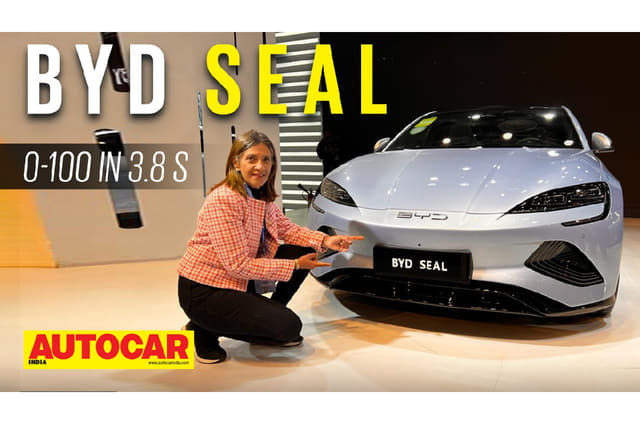
BYD Seal video reviews cover ride comfort, real-world range, handling, charging performance, and interior technology. Watch the SEAL sedan video to see how its Cell-to-Body (CTB) technology enhances structural rigidity and interior space, providing a premium driving experience.

BYD Seal Colours
BYD offers 4 colours for the Seal, namely . Dual-tone paint finishes are not offered. Regardless of the variant, the SEAL interior is primarily finished in a black and blue/grey colour scheme.
BYD Seal FAQs
The BYD Seal has a range from 510km to 650km, depending on the variant.
BYD full form is Build Your Dreams. It reflects the company’s vision of sustainable electric mobility across global markets.
The Seal is one of the most popular BYD electric cars in India. Seal is an all-electric sedan known for its impressive range, powerful performance, and sleek design. Globally, the Seal rivals the Tesla Model 3.
The Seal premium sedan was launched in India in March 2024. It is available in multiple variants and battery configurations through BYD India dealerships.
The BYD Seal price in India starts at ₹41.00 lakh and goes up to ₹53.15 lakh, ex-showroom.
Questions you may find useful
Nirmil Shah
•22hI am interested in the BYD Seal, but I’m concerned about its low ground clearance of the car. Is this a serious issue on Indian roads, speed breakers, and basement ramps?

Autocar India
The low ground clearance of BYD Seal is something you can live with, especially if you're used to driving sedans. Its nose sits low and the distance between the wheels is long, so tall, badly built breakers and sharp ramp crests can make it touch, especially with four or five people and luggage. However on regular speed breakers, it is likely to clear if you slow right down, and you don't necessarily need to take them at a slight angle.The underbody and battery are protected, so even if it scrapes a few times, it should not be a cause of concern, however, it will feel gut-wrenching to hear the underbody scrape over the unscientifically-built speed humps.Before finalizing, if your daily route has extra-tall breakers or a tricky ramp, take a test drive on that exact path. If it clears there, you’ll be fine in regular use.
PJ
•1wI am in a rather peculiar situation and genuinely need advice on how to move forward while keeping the right perspective. To give some background, I owned a used BMW 523i for four years and absolutely loved the experience. I eventually sold it because I moved back to Mumbai and only had access to open parking. By then, the car had also completed nearly 10 years in total. Over the last five and a half years, I have changed cars multiple times: Tata Nexon EV Prime (bought for ₹19 lakh, sold for ₹13 lakh) Upgraded to Nexon EV Max within 1.5 years (₹19.5 lakh, sold for ₹13.5 lakh) Upgraded again to MG ZS EV after 1.3 years (₹22 lakh, sold for ₹16 lakh) Finally bought a Skoda Kushaq top-end in September 2025 for ₹20.2 lakh through a good deal I do like the Kushaq, but now it feels slightly small after a new addition to the family (my baby), and my family also finds the rear seat less comfortable. At the same time, I still feel internally unsatisfied. It is not the badge value I miss, but rather the unmatched sense of satisfaction, thoughtful design, premium feel, and driving experience that I experienced with the BMW 523i and generally associate with luxury cars. I miss that feeling quite a lot. Luxury cars are beyond my ideal budget, but I could stretch financially with some sacrifices. I am seriously considering options like the BMW iX1 LWB, Mercedes-Benz CLA EV, or the Hyundai Ioniq 5 with the 84kWh battery. I feel I could manage the loan over seven years, and if I make this purchase, I would ideally want to keep the car for at least 10–15 years. At the same time, I worry about EV resale values in the long term, although luxury EVs seem to hold value slightly better than mainstream EVs. Given my situation, do you think moving into a premium EV makes practical and emotional sense, or should I hold on to the Kushaq for longer? I would really appreciate an honest perspective.

Autocar India
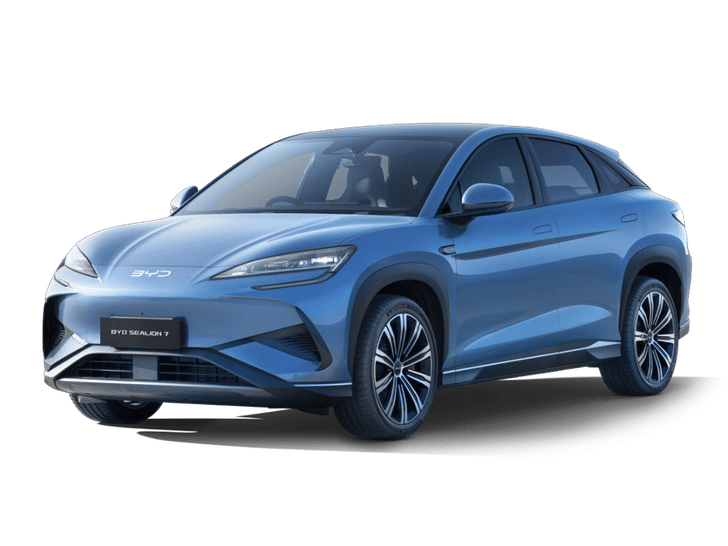
If you're looking to spend around Rs 53-57 lakh (on-road, Mumbai) for an EV, you have a lot of options - BYD Seal, BYD Sealion 7, Hyundai Ioniq 5, BMW iX1, Kia EV6, Mini Countryman, Mercedes CLA, Volvo C40 Recharge and Tesla Model Y.The BYD Sealion 7 is among the more affordable options here - it feels like a flagship product, with a richly appointed interior, and a solid, satisfying drive experience. The BMW iX1 gets its fundamentals right and will come closest to the BMW 523i's experience, as far as interior quality, sound insulation, and refinement go, although performance isn't its strong suit. For strong performance, a laundry list of features, and a larger and more spacious interior, consider the Kia EV6. Sure, on paper it is much more expensive; however, Kia dealers are offering mouth-watering discounts. Also, the AWD version's price is lower than the recently launched RWD Hyundai Ioniq 5.As far as resale value goes, EVs across the board don't hold strong residual values compared to their ICE counterparts, irrespective of the badge they wear or the segment they belong.
Krishna
•13wHi! I currently own a BMW M340i, which is 2 years old. I am considering buying an EV for daily and local commuting. I am looking for good design, a great music system and good battery life. Mahindra is already ruled out, as one of my cousins owns one. So I am considering either BYD or MG. If you could suggest any other ICE cars, that would be fine too. My budget is around Rs 30-40 lakh.

Autocar India
If you are looking for a good EV, the BYD Seal is a great option. It is one of the best electric cars in the Rs. 40 lakh range, offering a lot of tech, equipment, and a spacious interior. Performance, too, is very good, which, being a BMW 340i owner, you will appreciate.The MG ZS EV is a good car, but it's not in the league of the BYD Seal. If the Seal is beyond your budget, the BYD Atto 3, priced between Rs. 27 and 37 lakh, is the next best option. It is not as spacious as the BYD, but it is well-equipped and has a good range.Sadly, there are not many good ICE vehicles in that price bracket anymore, but the best option for your money is the Skoda Kodiaq, which ranges from Rs. 47-56 lakh.
Omkar Parit
•18wBro, I’m in love with the new Toyota Camry, but I don’t know if it is the best choice in this budget range. Please tell me which car I should buy in that price bracket.

Autocar India
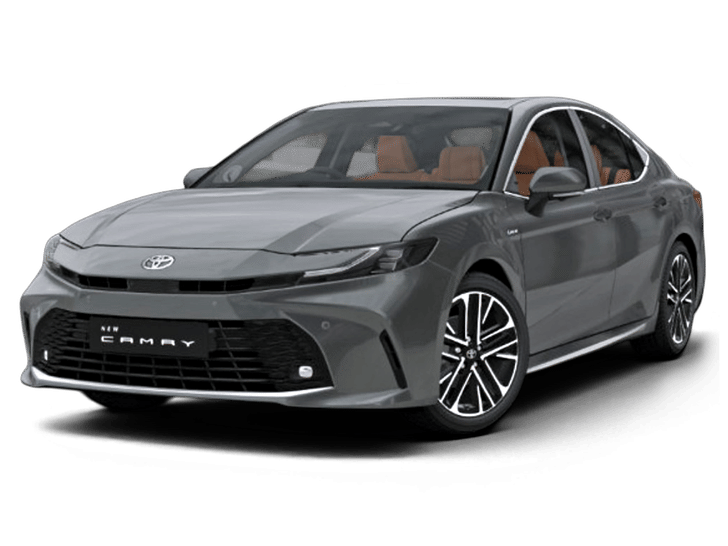
The Toyota Camry is an excellent sedan that feels spacious and luxurious. Its hybrid powertrain makes it extremely efficient, and its ride comfort is second to none. Even though it doesn't feel sporty to drive, its performance and dynamics are quite impressive. If you like the Camry Hybrid, go for it.Other sedans that you can consider in the same price point are BYD Seal, BMW 2-Series, Mercedes A-Class and Audi A4. Out of these, the Seal (EV) feels the sportiest, while the Audi A4 is the most rounded.
James
•19wI have been using a Nexon EV for the past three years and would now like to upgrade to another EV. What would be an ideal replacement below ₹50 lakh? We are a family of three, the car will be self-driven, and I prefer something compact.

Autocar India
Check out the Volvo EX30 - it's a compact crossover with a high-tech, luxurious interior and loads of features with a focus on safety. It comes with a large 65kWh battery with a WLTP range of 480km and strong performance from its 272hp single motor setup. Its quirky design is very EV forward and will stand out on the road for looking like nothing else on the market.The only consideration you have to make is that, being a compact electric car, it's not super spacious in the rear seat. There are other great EVs at this price, but none of them are compact - like the Hyundai Ioniq 5 and BYD Seal.
Amrit Jami
•19wI have been using a Honda City for the last 13 years and am now looking to buy a new sedan. Honda has discontinued the Civic, and Skoda has discontinued the Octavia. What would be a good replacement if I do not want to move to BMW or Audi and prefer a car that is comfortable and suited for city driving?

Autocar India
Yes, the sedan market is unfortunately hanging on by a thread, especially at the mass market end of the spectrum. As such, there's not much available between midsize sedans like the Honda City and Volkswagen Virtus, and luxury offerings from BMW, Mercedes-Benz and Audi. However, depending on your budget, there are two routes you could go down.First, the Toyota Camry, which, despite costing close to ₹50 lakh, offers excellent value when you look at the overall package. The other is the BYD Seal, which also offers strong value at a similar price point, along with impressive electric performance.Of the two, the Camry might be better suited to your needs as it's more comfortable and relaxed for city driving, though the Seal is more engaging from behind the wheel.
BYD Seal price in India
Trending Cars
Latest Cars