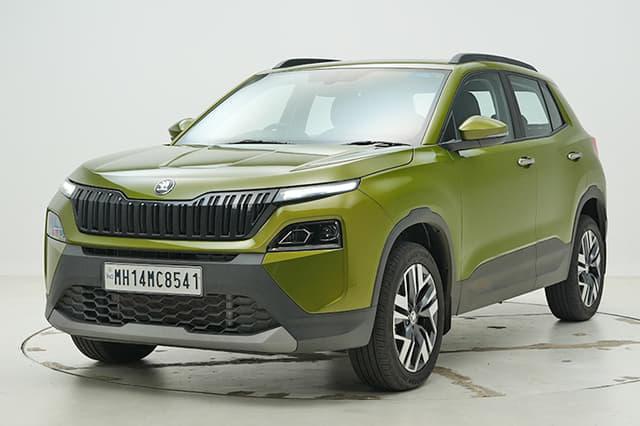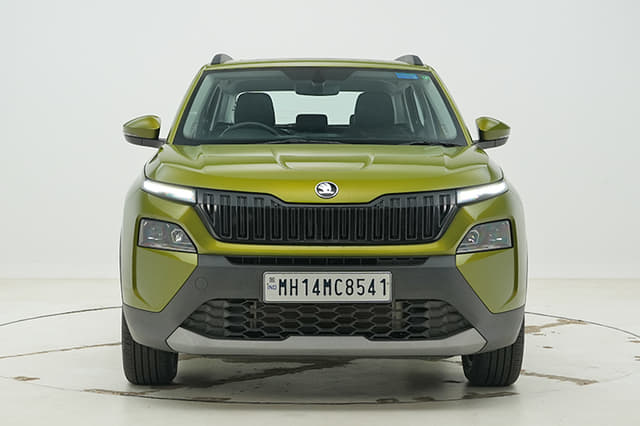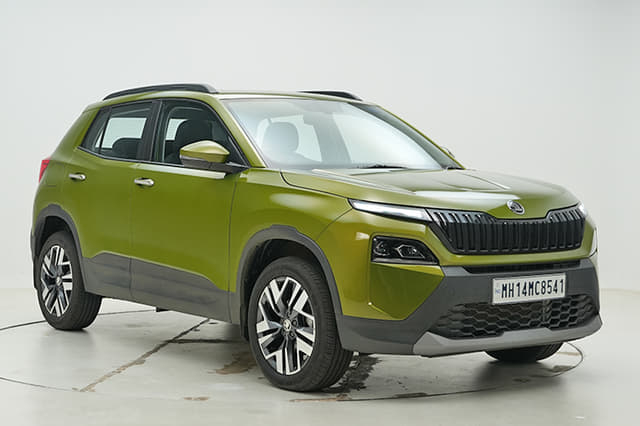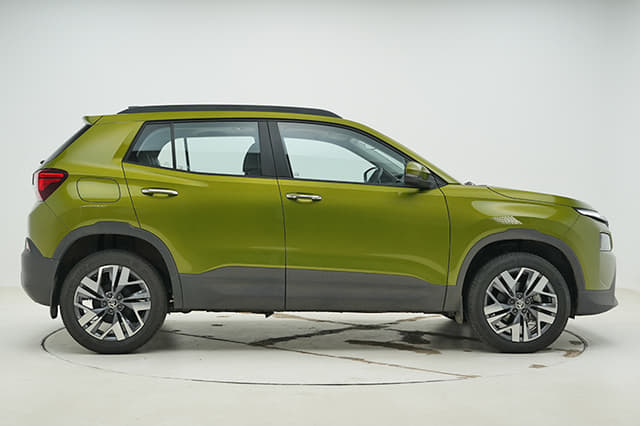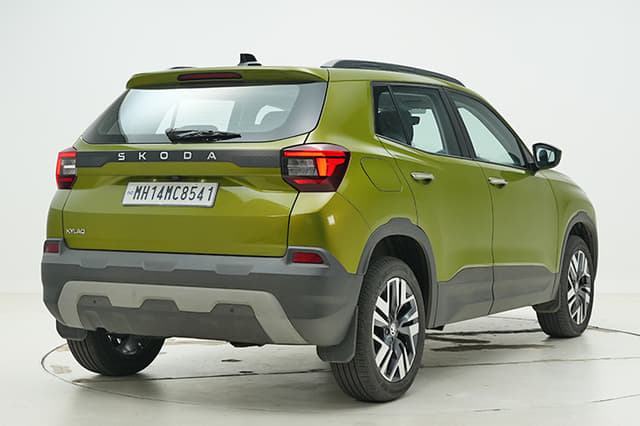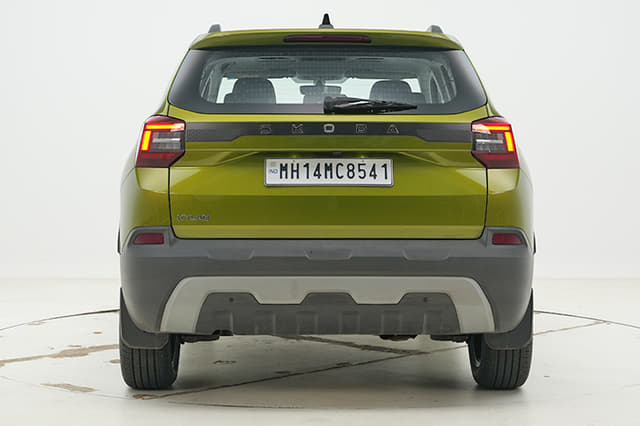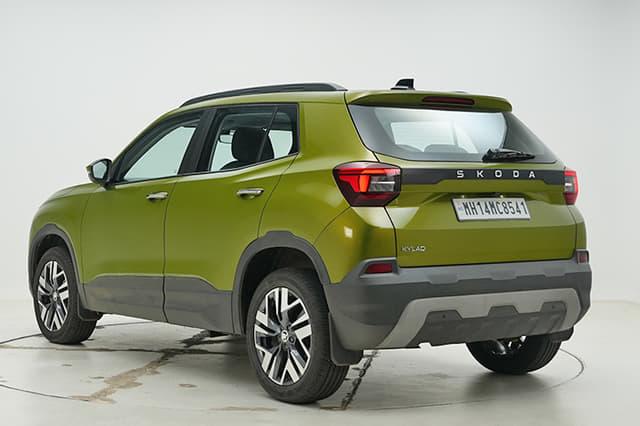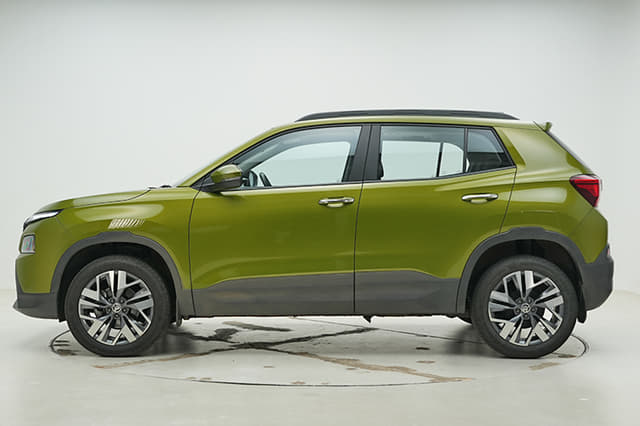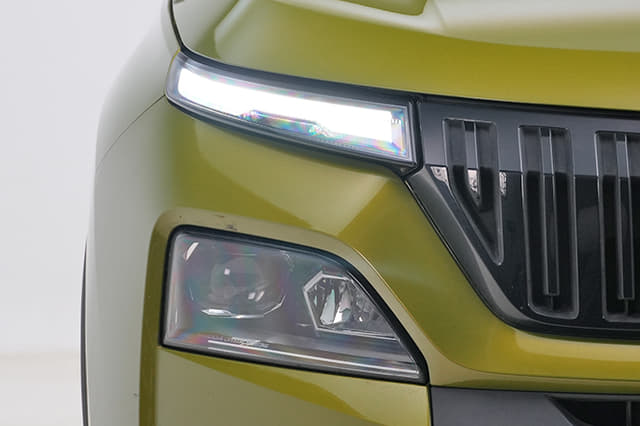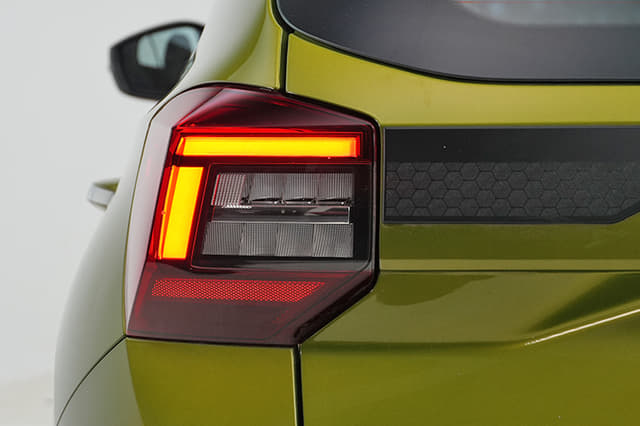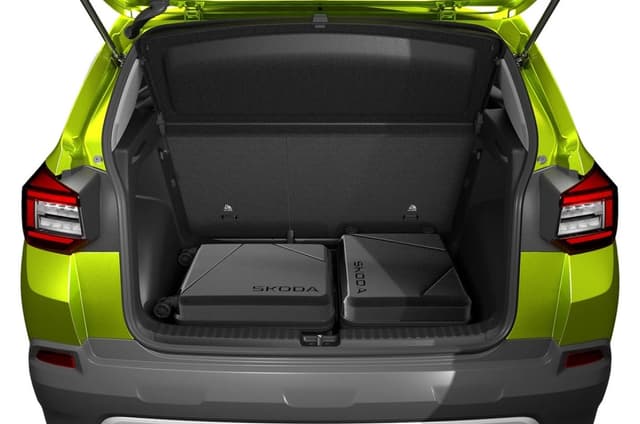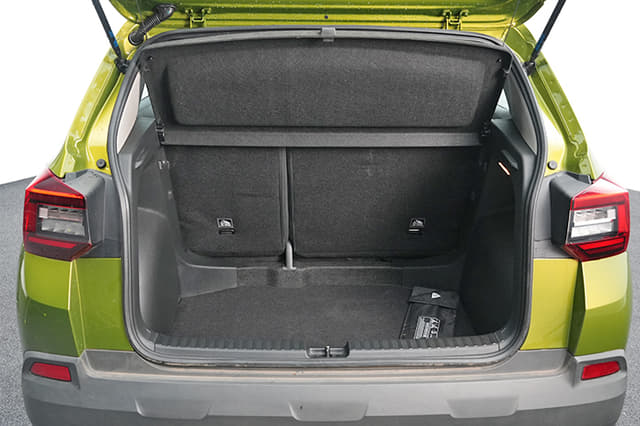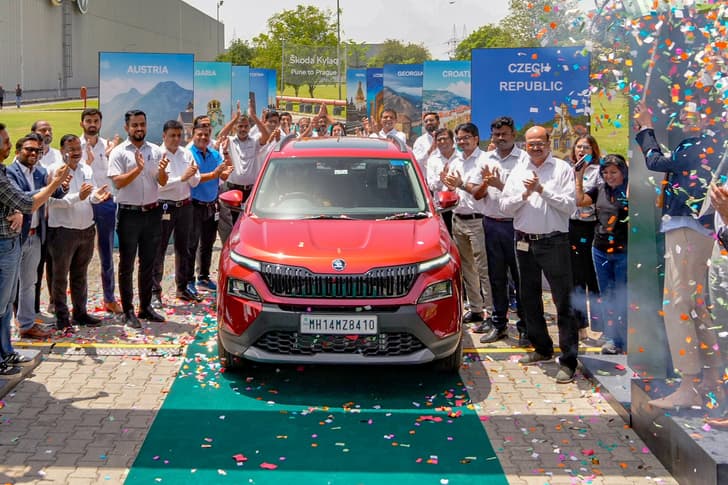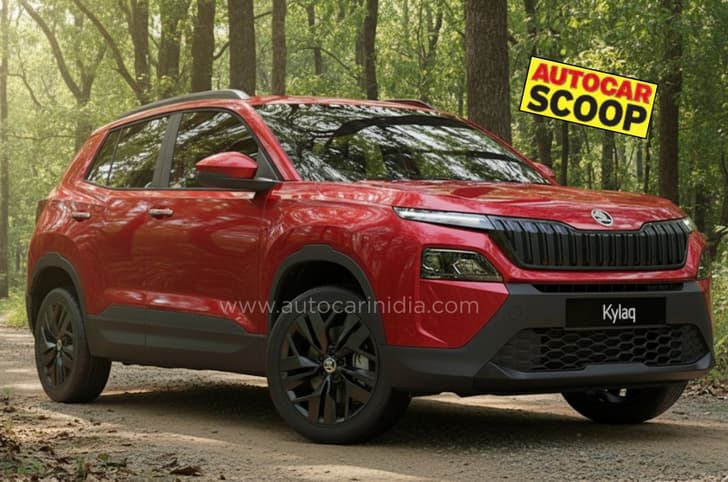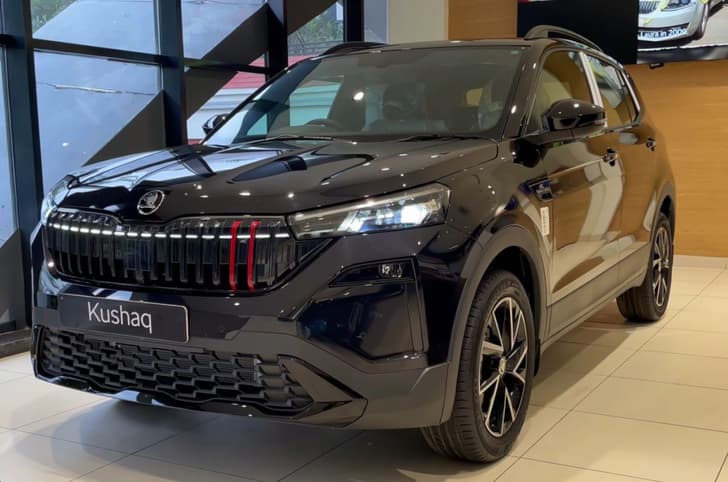
Presidency Skoda-Charwada
Plot No. CM-8/20, charwada Road, vapi Commercial plot industrial Area, Next to Blue Dart, N.H.No-8, Vapi, Gujarat 396195
Last Updated on: 19 Jun 2026
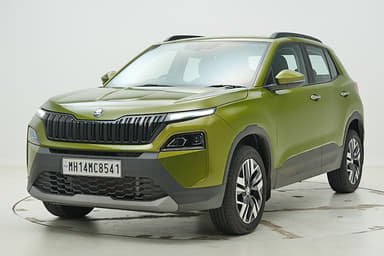
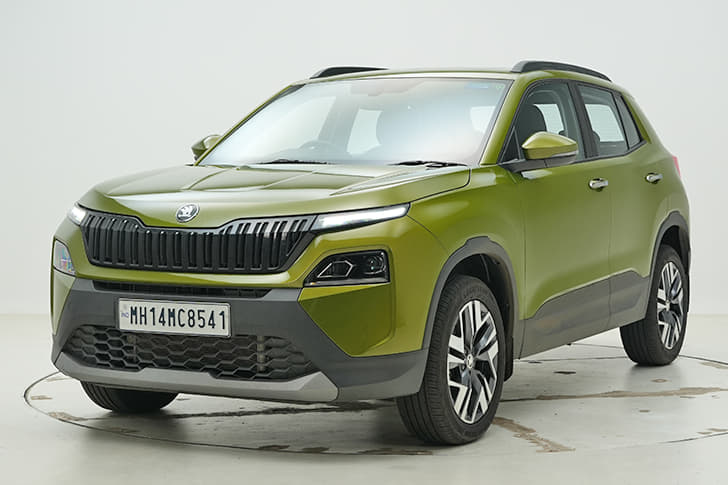
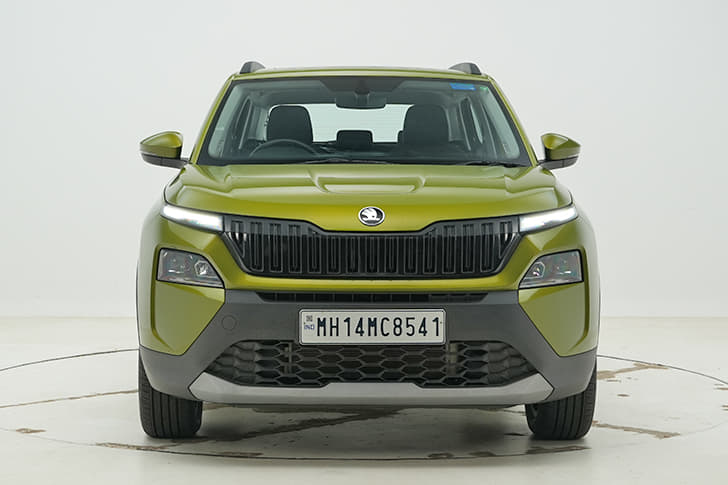
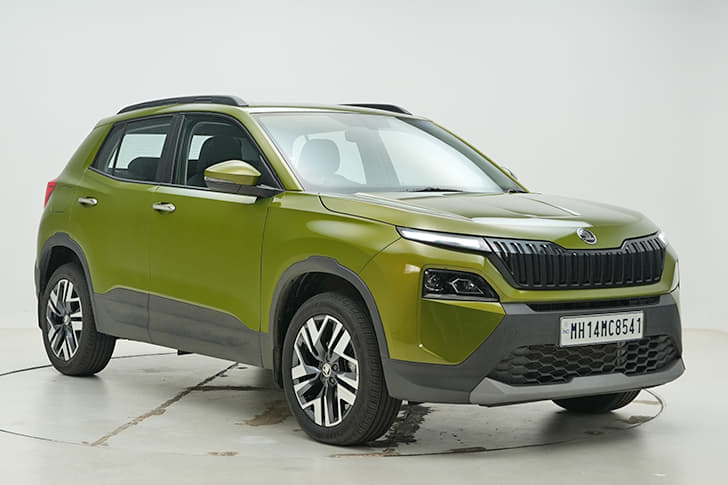
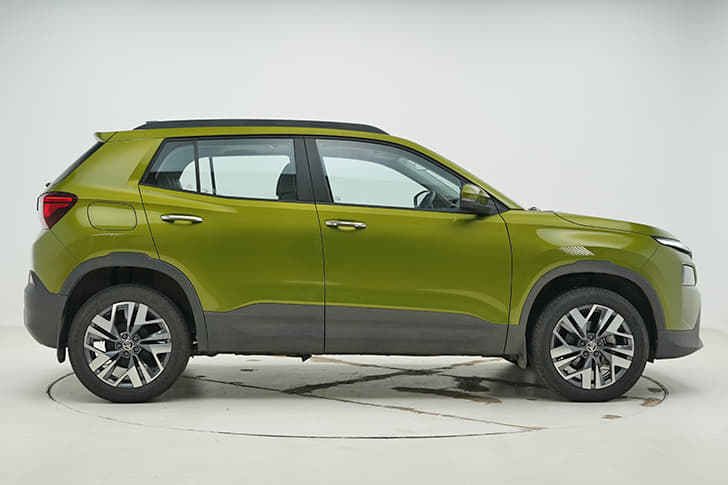
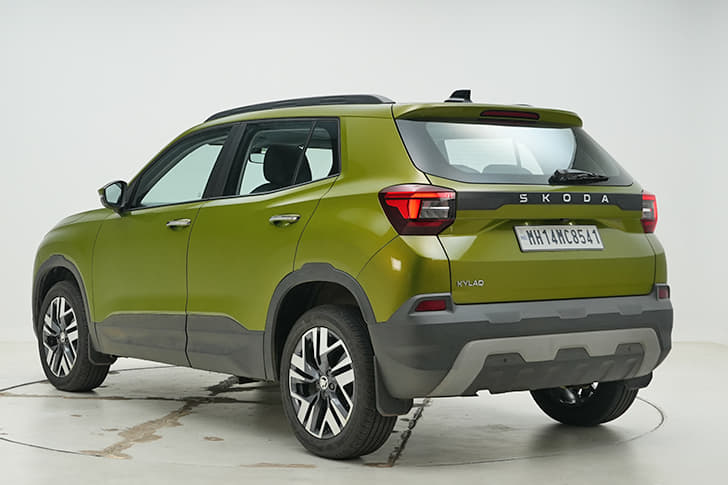
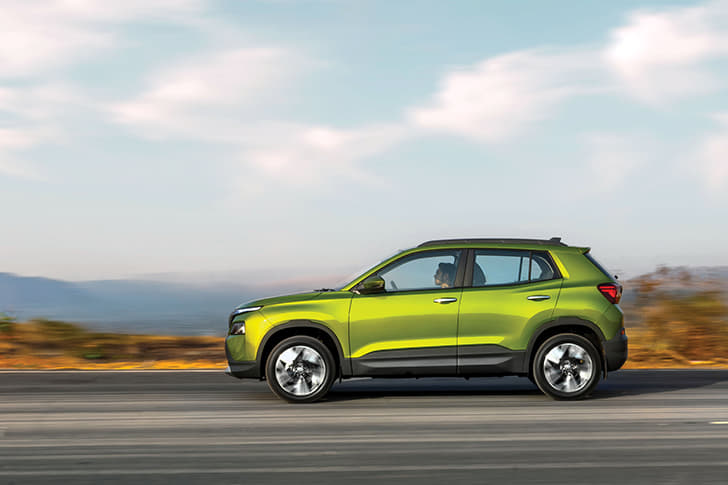
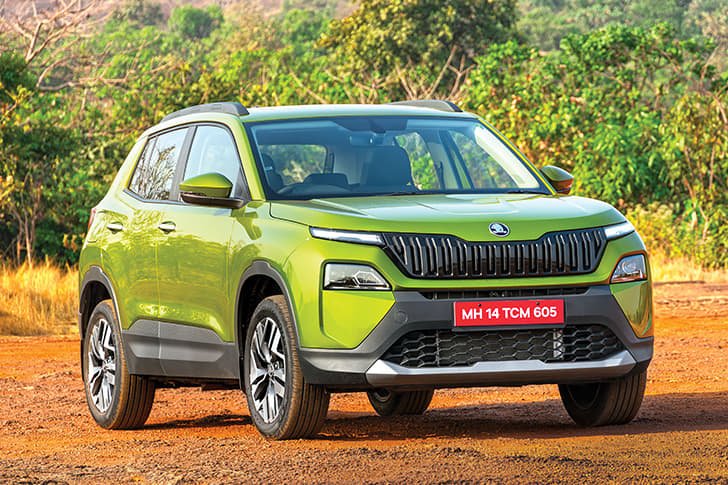
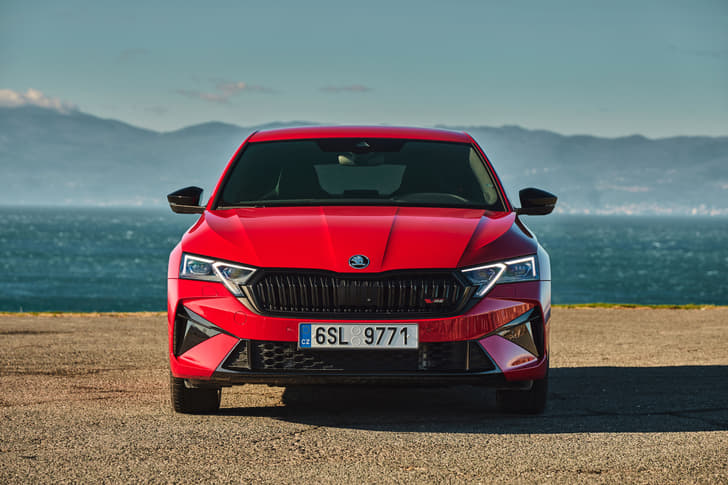
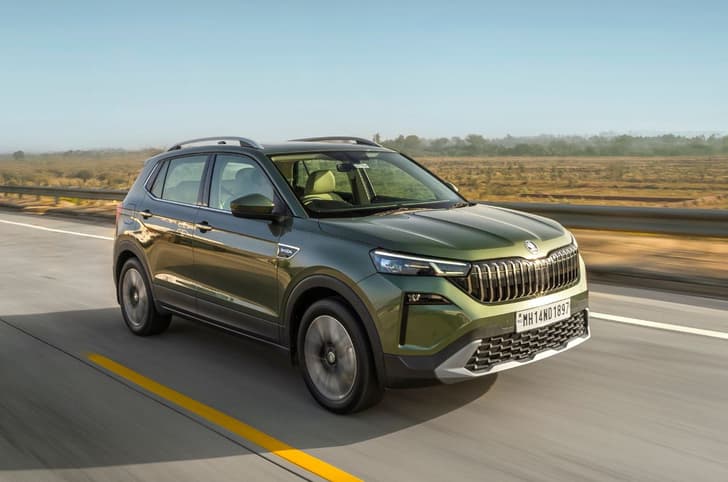
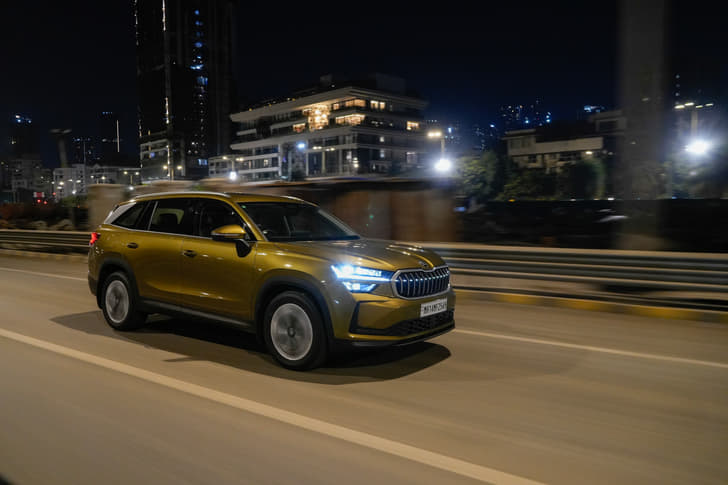
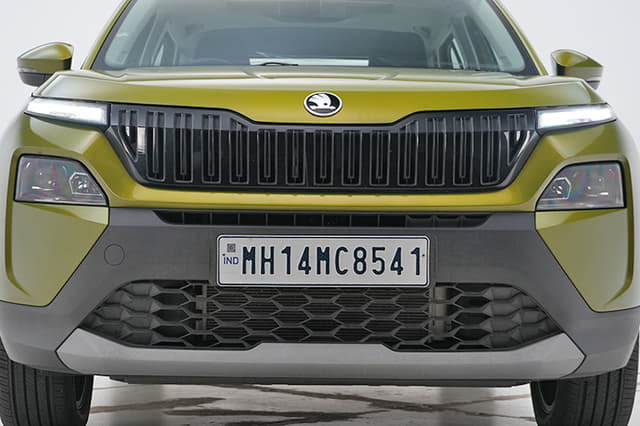
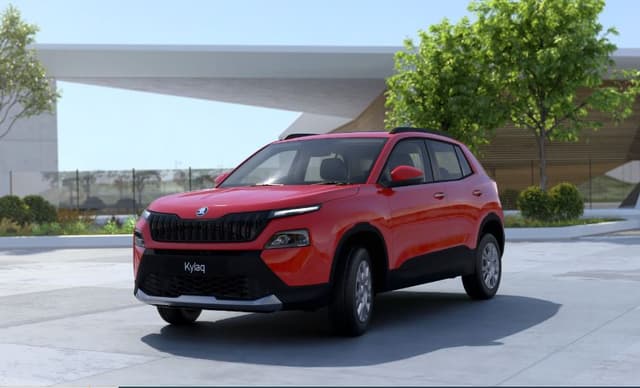
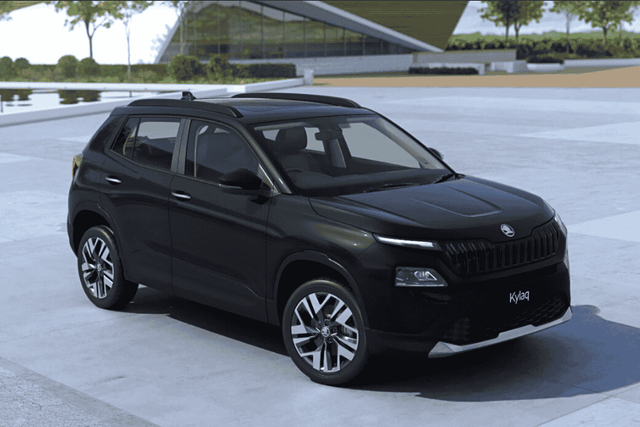
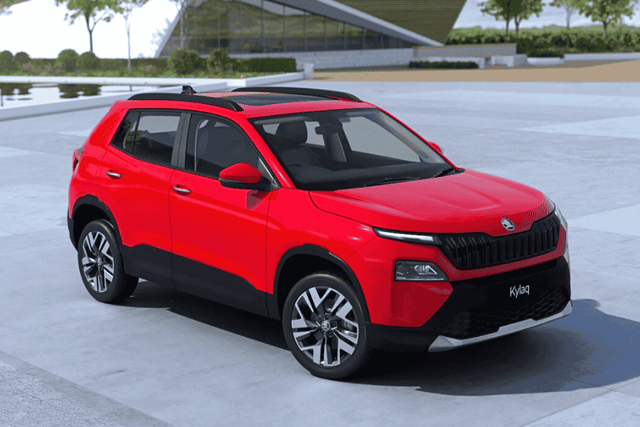
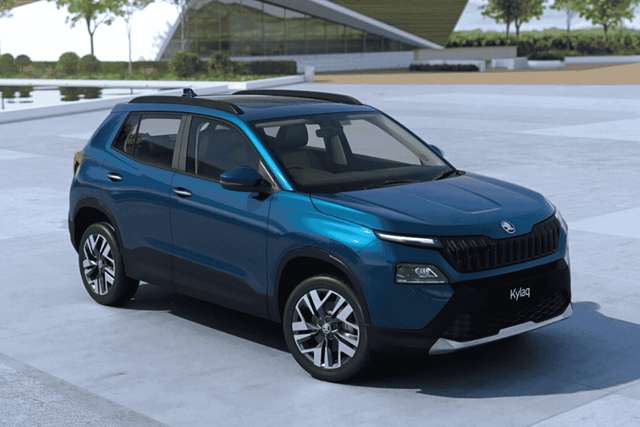
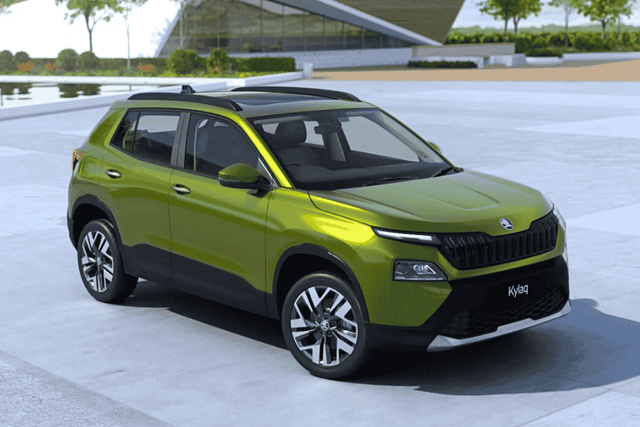
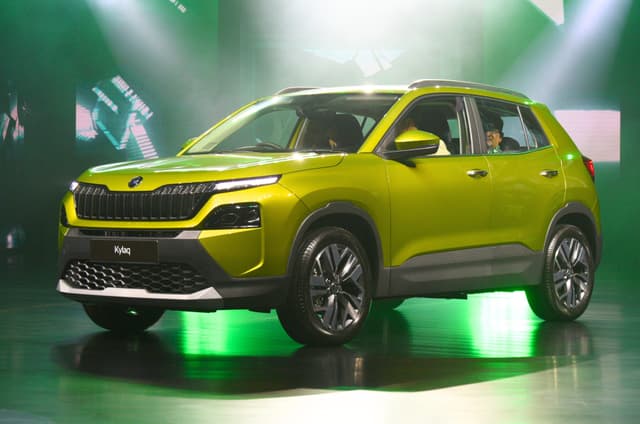
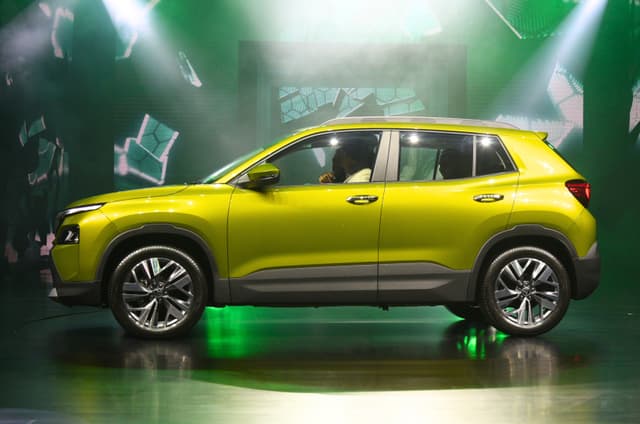
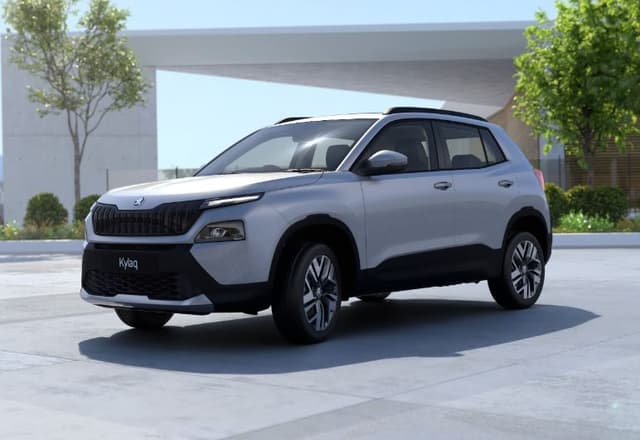
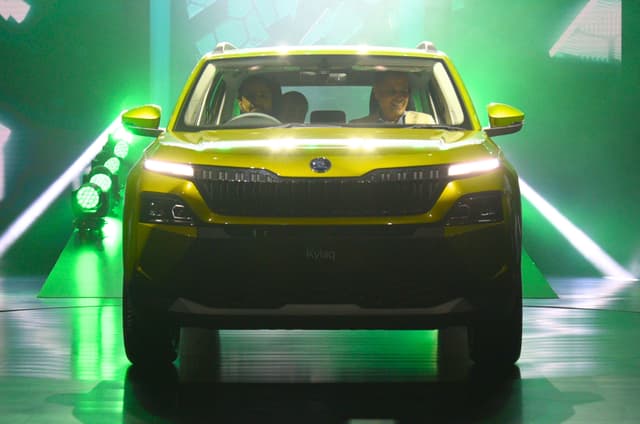
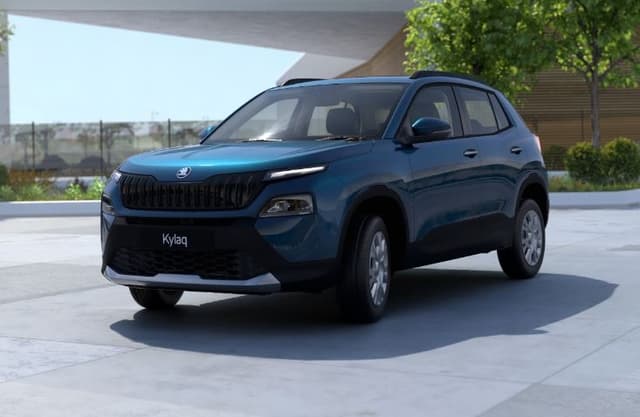
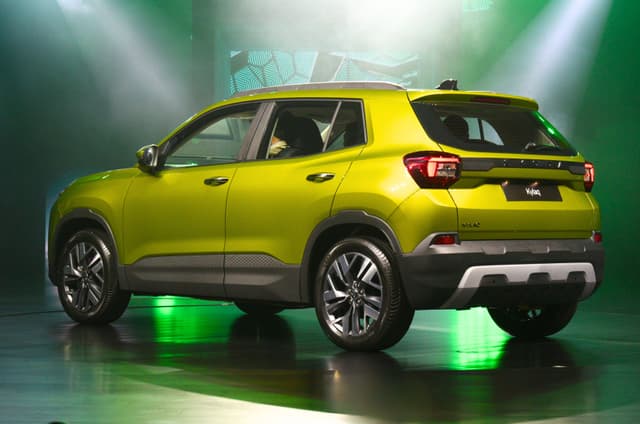
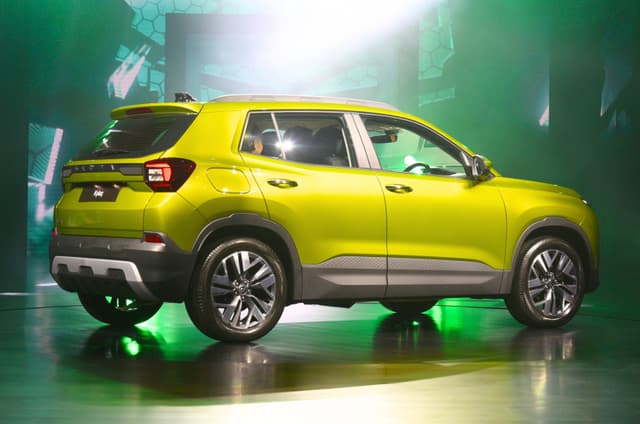
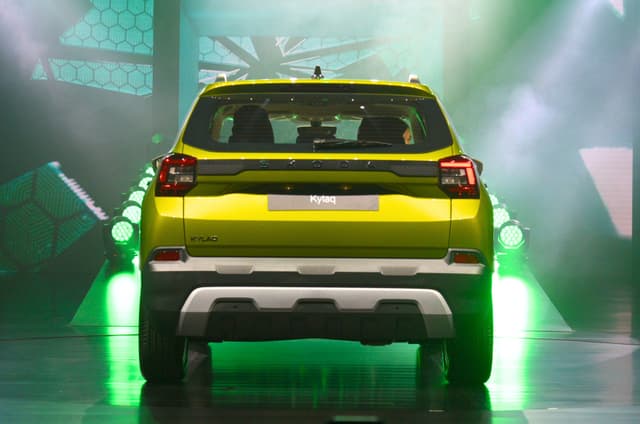
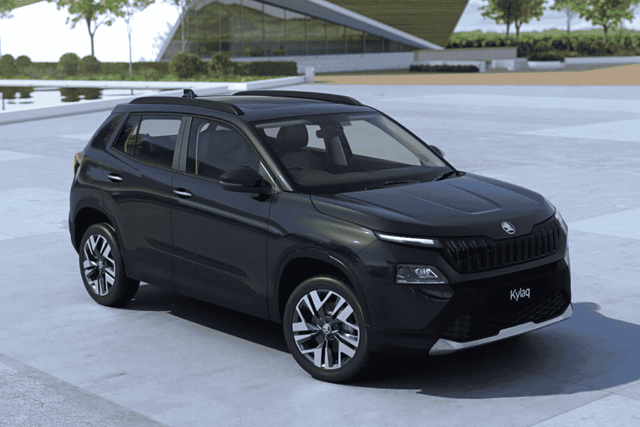
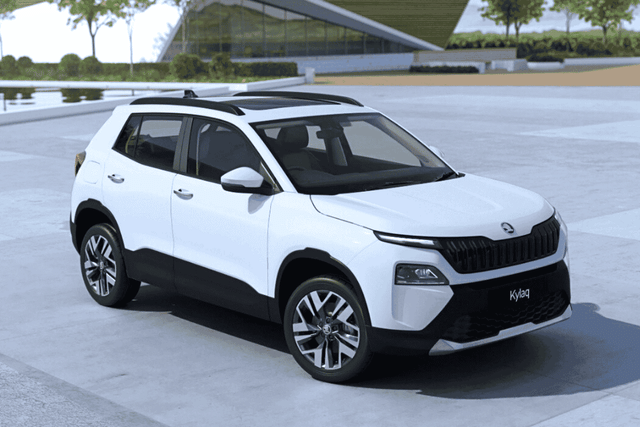
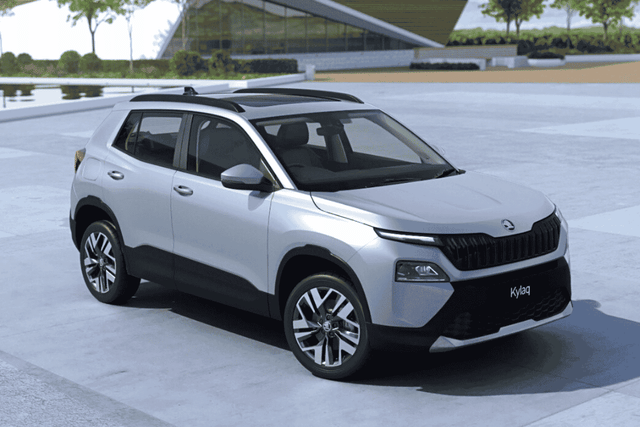
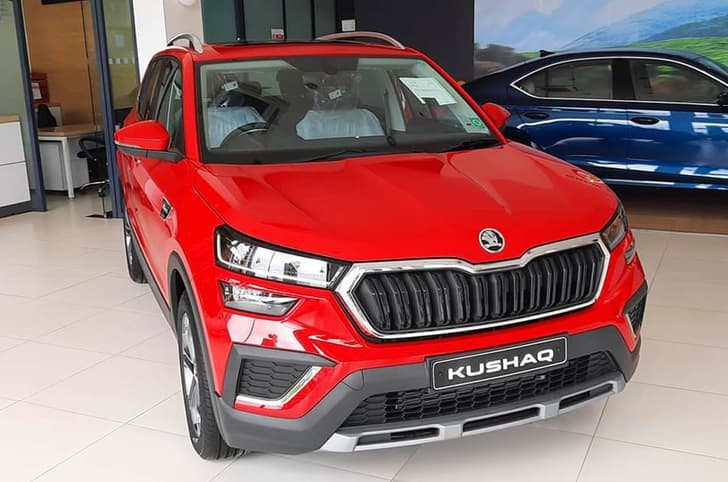
Skoda Kylaq price in Vapi
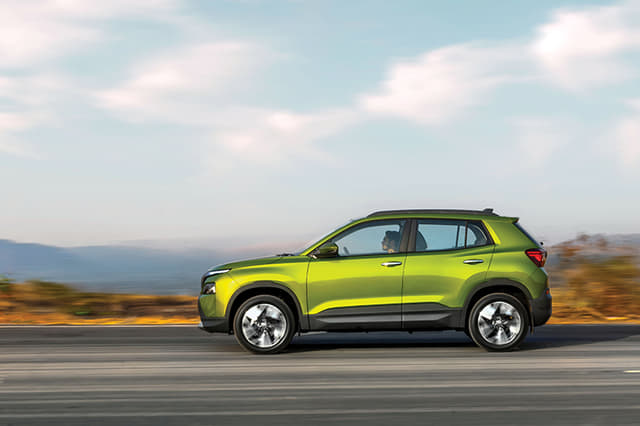
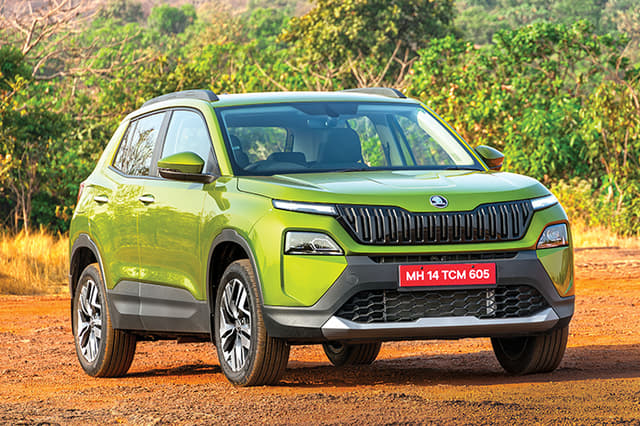
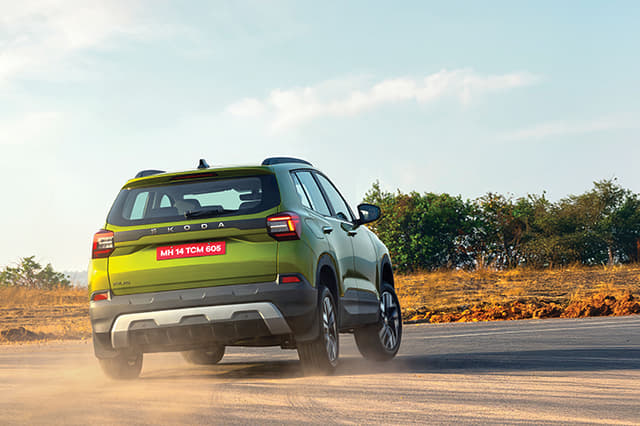
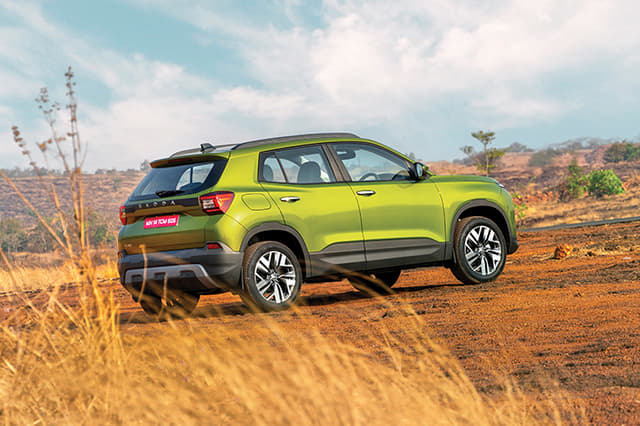
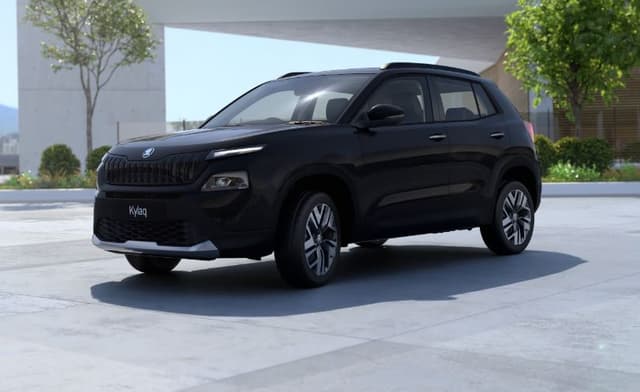
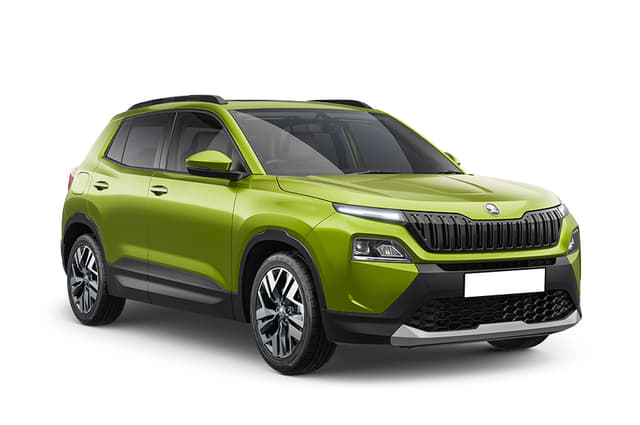
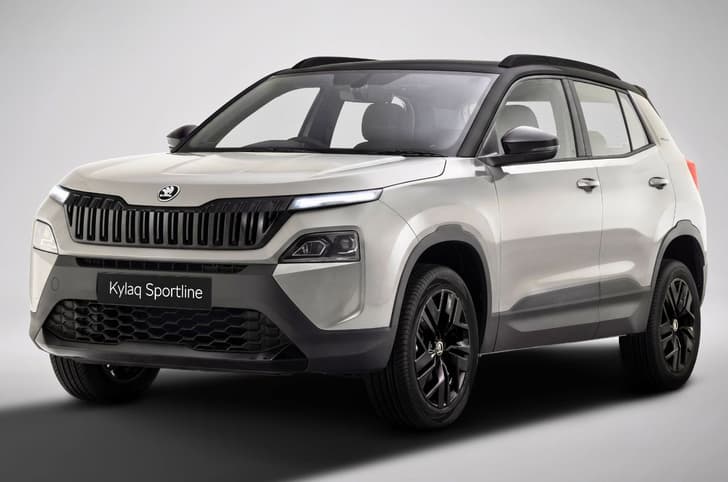
The Skoda Kylaq price in Vapi starts at Rs 7.59 lakh for the Classic MT and goes upto Rs 12.99 lakh for the Prestige+ AT. In comparison, the Kylaq on road price in Vapi starts from Rs 8.39 lakh to Rs 14.55 lakh (including all taxes, RTO fees, and insurance).
* Estimated on-road price. Final amount may vary.
Download the complete brochure with specs, features, and variants.
Planning to buy Kylaq? Here are a few dealers in Vapi
Plot No. CM-8/20, charwada Road, vapi Commercial plot industrial Area, Next to Blue Dart, N.H.No-8, Vapi, Gujarat 396195





.jpg?w=640&q=75)
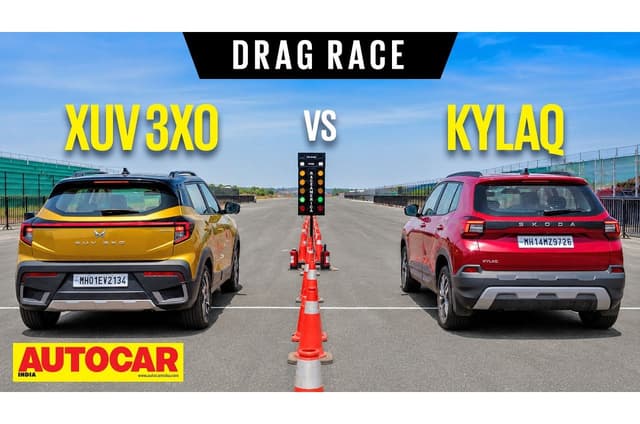
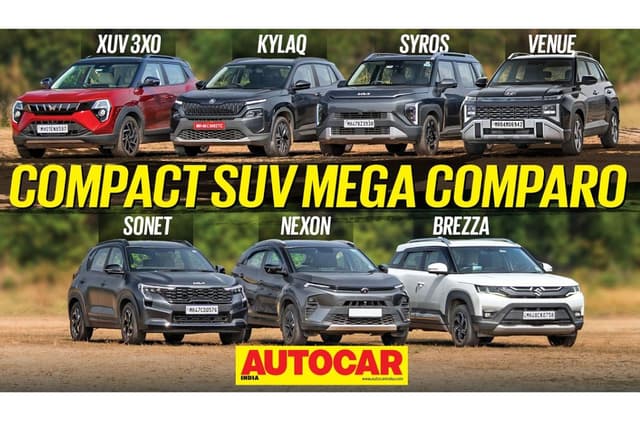
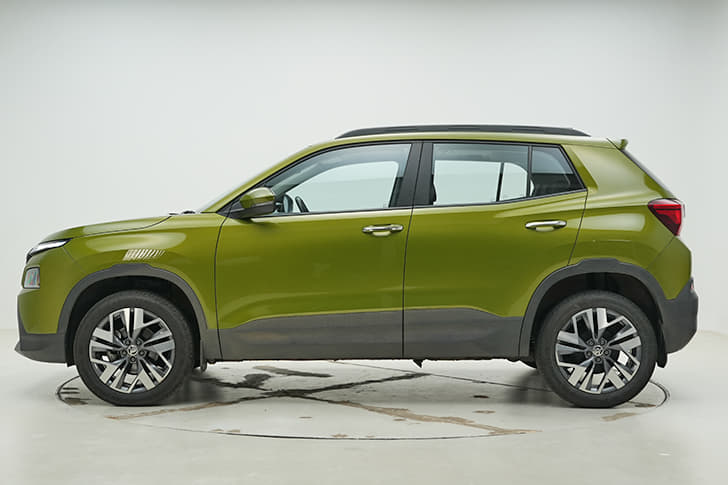
The Kylaq’s starting price is similar to the Tata Nexon and Mahindra XUV 3XO, which are also offered with a similarly powered turbo-petrol engine. Turbo-petrol engines offered with other rivals like Venue, Sonet, Magnite and Fronx have a higher starting price. The Kylaq also has one of the most affordable top-spec trims with a turbo-petrol engine in the segment at ₹12.99 lakh.
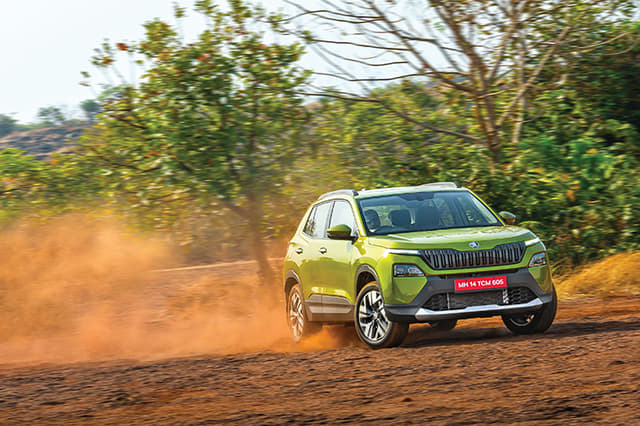
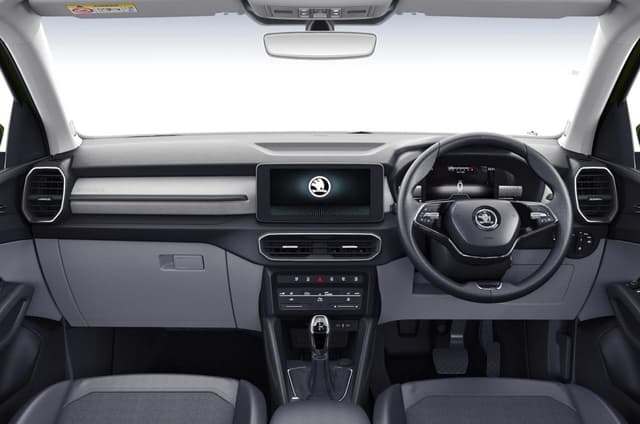
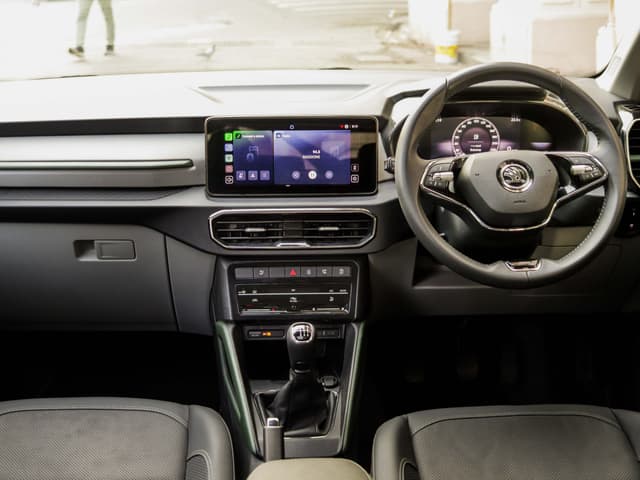
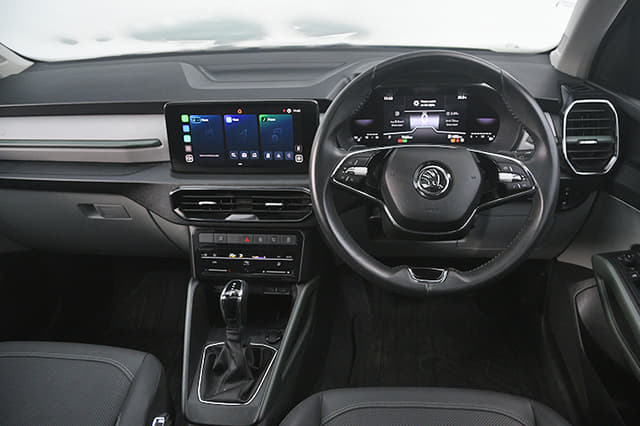
In terms of real-world performance, as well as the overall drive experience, the Kylaq is one of the best compact SUVs currently. However, it falls short in terms of equipment like a 360-degree camera and ADAS, which rivals offer. It is value-for-money if for you the driving experience precedes the requirement of premium features.
I need an SUV model for my family. We are 4 members, we need comfort and safety, also good build quality and low maintenance. Twice a year, we go on a long trip. Now we are using the Alto 2011 model. Budget 10 to 15 lakh.
The Skoda Kylaq Automatic would be the recommendation here. Coming from a 2011 Alto, the Kylaq will feel like a significant upgrade in terms of comfort, safety, performance and overall refinement. It offers strong build quality, a spacious cabin for a family of four, excellent safety credentials and a smooth automatic gearbox that makes city driving effortless. It is also comfortable enough for the two long trips you undertake every year.If low maintenance and hassle-free ownership are your top priorities, the Maruti Suzuki Brezza Automatic is another excellent option. It may not feel quite as solid or enjoyable to drive as the Skoda, but it offers proven reliability, good fuel efficiency and one of the widest service networks in the country.
I have been driving a Datsun GO A for almost 7 years now, and I feel it is time for an upgrade. My budget is up to Rs. 12 lakh, although I can stretch it by around Rs. 1 lakh if needed. I drive approximately 400 km per month and take occasional outstation trips, usually once or twice a year. I am open to recommendations across all vehicle segments, but I am not particularly fond of large vehicles because of traffic and parking challenges in Bengaluru. One thing I really enjoy about the Datsun GO is its peppy engine, and I would love a car that offers a similarly engaging driving experience. I can also postpone my purchase by about a year if there is an upcoming model that would be worth waiting for, such as the Hyundai Bayon. Considering my requirements, which cars would you recommend?
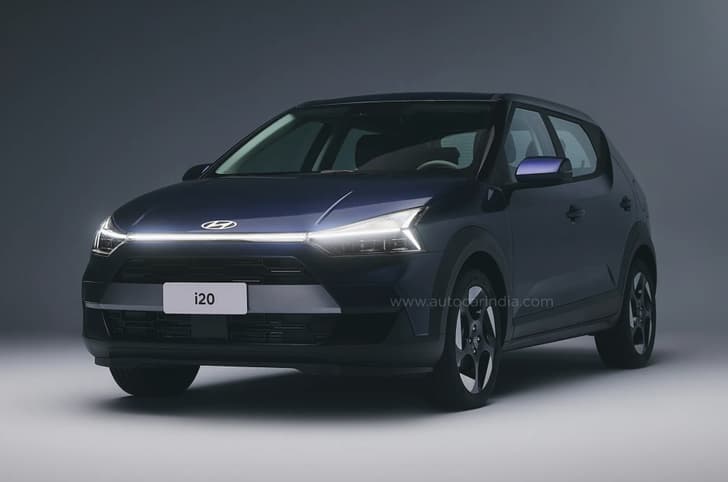
Coming from a Datsun Go, you'll probably appreciate a car that feels light, easy to manoeuvre and has a responsive engine rather than a large SUV. Given your relatively low monthly running of around 400km and the fact that most of your driving will be in Bengaluru, a petrol automatic makes the most sense.Our pick would be the Skoda Kylaq Signature AT. It is compact enough for city traffic, the 1.0-litre turbo-petrol engine feels genuinely peppy and the torque-converter automatic is smooth and easy to live with. It also offers a substantial upgrade over the Datsun in terms of safety, refinement and overall quality.If you prefer a hatchback, the Hyundai i20 IVT is worth considering. It is easy to drive in traffic, has a smooth and refined powertrain and offers a premium cabin. While it isn't as punchy as the Kylaq, it remains one of the best all-round city cars in this price range.As for the Hyundai Bayon, we wouldn't recommend delaying your purchase for it. Even if Hyundai decides to bring it to India, it is likely to be positioned above your budget and could end up closer to the Creta in terms of pricing.
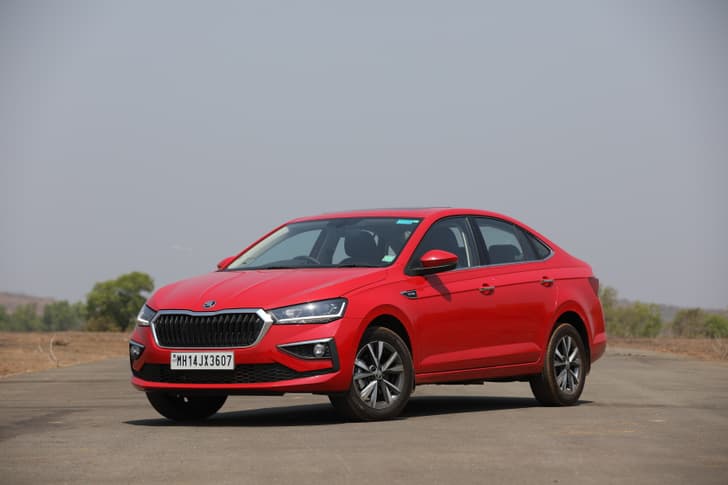
Hi. I have been driving an i20 diesel for the last 8 years, and it has covered 1.15 lakh km. The car has been maintained well. I recently moved to Bengaluru, and the urge to upgrade has come up. I looked at the Skoda Kylaq and even booked the Signature Plus Automatic, with my i20 valued at Rs. 4.6 lakh in exchange. However, after a test drive, my family now wants me to buy the Slavia 1.0 Automatic instead. I am also concerned about the ethanol-blending issue. Should I go ahead with the purchase or continue using the i20 for a few more years? I am getting the Slavia Prestige at Rs. 18 lakh on-road.
Go ahead with the Skoda Slavia 1.0 automatic. For Bengaluru traffic and family use, it will be nicer daily, and the current car is E20-compliant too.The Slavia’s 6‑speed automatic is smooth in stop‑go, the cabin and boot are a clear step up from your i20, and its high ground clearance for a sedan handles bad roads and speed humps without drama. Skoda’s 1.0 TSI is built to run on E20, so you won’t harm the engine or void the warranty. You may see a small dip in mileage with higher ethanol and, versus your diesel, expect higher fuel bills.Since you’d booked the Kylaq, know this: it drives almost similarly to the Slavia with the 1.0 automatic. Pick it only if you really want the higher seating and compact dimensions. If your running is mostly in the city and if your family prefers a sedan, the Slavia makes sense.Rs. 18 lakh on road for Prestige is fair in Bengaluru, and Rs. 4.6 lakh for your i20 diesel at 1.15 lakh km is about par. Unless you’re happy to keep the i20 another year just to save cash, there’s no strong reason to wait.
I’m looking to buy a car for my father, who does not have extensive experience driving in city traffic. My priority is a smooth and easy-to-drive automatic car with good visibility, light steering, and comfortable driving dynamics. My budget is around Rs. 10-15 lakh on-road. So far, I have shortlisted the Hyundai Venue HX5/HX8 DCT and the Skoda Kylaq Automatic. Are these good options, or are there any other cars in this price range that I should consider?
The Skoda Kylaq Automatic would be the recommendation here. For an older driver who is relatively inexperienced in city traffic, the Kylaq's torque-converter automatic is a major advantage. It is smoother and more predictable than a dual-clutch transmission in stop-start conditions, while the light steering, good visibility and compact dimensions make it easy to manoeuvre. The higher seating position also inspires confidence and makes getting in and out easier.The Hyundai Venue DCT is a good SUV, but if ease of use is the priority, the Kylaq's torque-converter automatic is the better fit. DCTs work best when driven smoothly and can occasionally feel less natural in heavy traffic than a conventional automatic.
I am planning to buy a new car in the range of 10-12 lakhs. As far as calculations go, Punch EV fits perfectly; however, I am hearing mixed reviews about EVs, both positive and negative. Please suggest a future-proof car in that range that offers the perfect combination of a driver's car and a family car in terms of space, with a good reputation for brand service.
Despite the mixed opinions surrounding electric cars in general, the Tata Punch EV has emerged as one of the most popular electric cars in the country and feels more sorted than many of Tata's other products. It offers strong performance, good space for a small SUV and low running costs.The reality is that at Rs 10-12 lakh, Tata is effectively your only choice if you want a mainstream EV, and the products themselves are fundamentally good. The bigger question is whether you're comfortable with the ownership experience and service network, which is where opinions tend to vary more than the cars themselves.If you're open to petrol power, the Skoda Kylaq Signature AT deserves serious consideration. It is a genuine driver's car with a smooth torque-converter automatic, strong safety credentials and enough space for a family of four. It also benefits from Skoda's improving service experience and avoids any uncertainty around charging infrastructure or battery technology.
Hi, I learned to drive as a teen and have been driving my dad’s Maruti Alto for years now. I also drive a Maruti Dzire. I want my next car to be at least a bit fun and engaging to drive. I’m based in Kolkata and planning to buy a new car with a budget of around Rs. 16 lakh. Currently, I’m looking at: Kia Seltos Manual (as it comes within this budget), Skoda Kylaq 1.0 TSI, and Kia Sonet Turbo DCT. However, I’m not completely convinced about the Seltos at this price point, mostly because I’m not a big fan of its shiny front grille. Considering my budget, preference for a fun driving experience, mostly city usage, and one or two highway trips a month, which one would you recommend?
The Skoda Kylaq has the most enthusiastic driving character of the three. Its turbo-petrol engine feels punchy, the steering is well judged, and the overall chassis feels more eager and involving than the Seltos or Sonet. The torque-converter automatic gearbox is also very well calibrated, making it both enjoyable on open roads and effortless in city traffic. Given your usage, it is worth stretching to the automatic rather than opting for the manual.The Kia Sonet Turbo DCT would be the second choice. The turbo-petrol engine is lively and the DCT adds to the fun factor, while the feature list is impressive. However, rear-seat space and ride quality aren't quite as accommodating as the Skoda's.The Kia Seltos Manual is the more mature and spacious option, but if you're already unconvinced by its styling, there's little reason to force the issue. It is a great family SUV, but it doesn't feel as engaging to drive as the Kylaq.
I am looking to upgrade my 19-year-old i10 Era and am seeking a vehicle that offers a great blend of comfort and longevity for the next 15 years. My budget is 12-16 lakh. While I am happy with my current car, I need something with more power for overtaking and lower maintenance requirements. Although my current annual usage is low (approximately 2,000-3,000km), I expect this to increase with a new car. My primary use will be city driving in Kochi with three passengers, but I need enough space and comfort for occasional long drives and airport runs. I am prioritising value for money. My current picks: Tata Punch EV (Empowered S+) - around 14 lakh Pros: The instant torque and overtaking performance are appealing. Shock absorbers are also nice. There are features (but not sure how much they will help me). Concerns: Tata’s quality control, long-term service consistency, and uncertainty around EV resale value and technology depreciation. Mahindra XUV 3XO (MX2 Pro TC Automatic) around ₹12 lakh Pros: Feels like a proper, spacious SUV. Cons: Lower fuel efficiency and higher RTO costs compared to an EV. Skoda Kylaq (Signature TC Automatic) - around 12.75 lakh Pros: Excellent reviews for handling and engine performance. Cons: Lower fuel efficiency and higher RTO costs compared to an EV. Citroen Aircross (X You Manual) - around 10 lakh Pros: Excellent reviews for ride comfort and handling. Cons: Manual transmission and concerns about the brand's service network. Overall, what should I choose between a manual, an automatic and an EV? Are automatics a no-brainer these days? Is the Punch EV a good option now?
Given your priorities of comfort, longevity, low maintenance and value for money, the Skoda Kylaq Signature AT would be the recommendation from your shortlist.The Tata Punch EV is actually one of Tata's more sorted products, and the instant torque will certainly make overtaking effortless. However, if you're planning to keep the car for the next 15 years, there are still some unknowns around long-term battery technology, resale values and how EVs will evolve over such a long ownership period. It makes sense as an EV, but perhaps not as the safest long-term bet.The Mahindra XUV 3XO offers more space and feels like a bigger vehicle, but its fuel efficiency is likely to be lower than the Kylaq's, and it doesn't feel quite as polished from behind the wheel.The Kylaq strikes a sweet spot. Its turbo-petrol engine provides the performance you're looking for, the torque-converter automatic is smooth and reliable, and the car feels well engineered. It is also likely to be easier to live with over the long term than an electric car if your goal is to keep it for 15 years.As for manual versus automatic, for a predominantly city-driven car in 2026, an automatic is increasingly becoming the default choice. Modern torque-converter automatics such as the one in the Kylaq are smooth, reliable and remove much of the fatigue associated with urban driving.
This will be my first car, and my budget is around Rs. 11 lakh. I have two choices. My first preference is the Skoda Kylaq. However, some car buyers are claiming issues related to the clutch and occasional breakdowns. Should I consider the Hyundai i20 N Line or the Maruti Suzuki Fronx instead? Or should I stick with the Skoda Kylaq?
Pick the Maruti Suzuki Fronx. It fits your Rs. 11 lakh budget, has light controls, so it's easy to drive and it gets a smooth automatic gearbox option for city traffic. Since it's your first car, you'll also appreciate the simple ownership experience associated with Maruti, thanks to its big service network and sensible costs. For weekend runs, the 1.0 turbo variant feels lively enough while still giving good efficiency if you drive calmly.Skoda Kylaq is the nicer driver’s car when money is no object, but at your budget you will likely be in a base manual. Upkeep and parts can also cost more, which is not ideal for a first car. Hyundai i20 N Line is fun, but the price climbs quickly for the automatic and the firmer ride is less friendly on bad roads. If you want stress-free first ownership under Rs. 11 lakh, stick with the Fronx.
I am planning to buy the Hyundai Venue 1.0L DCT. I have received mixed feedback regarding the DCT transmission. Some people say that DCT gearboxes are prone to overheating in heavy traffic. Is this issue a deal-breaker, or can I continue with my purchase assuming Hyundai has made it sufficiently robust over time?
Not a deal-breaker for most buyers, so you can go ahead with the Venue 1.0 DCT if your driving is a mix of city runs and some highway. Hyundai’s current DCT in the Venue has been updated over the years with better software and cooling, and in normal Indian traffic, it works smoothly and shifts quickly, which makes the 1.0 turbo feel lively and easy to drive.The worry is only in very slow, stop-start crawls for long stretches, especially in hot weather or on steep ramps. This dry-clutch automatic does generate heat if it’s slipping the clutch for ages, and you may see a temperature warning asking you to pause. It’s rare, but possible. If your daily grind is 60-90 minutes of bumper-to-bumper crawling every day, this could be problematic. However, if it involves flowing traffic with only minor jams, the DCT will cope just fine.If you are looking for alternatives, both the Skoda Kylaq and the Maruti Suzuki Fronx turbo come with torque converter autos that cope better while crawling in traffic.
I am planning to purchase a new automatic car for my daughter. She recently obtained her driving license and is currently driving an automatic Tata Nano. Now that she is comfortable and confident with it, I am considering upgrading her to a larger vehicle. I am evaluating options such as the Kylaq and the Kia Sonet. However, my wife is insisting on an electric car. I am a bit sceptical about EVs, as they are not yet fully proven to be trouble‑free, and her weekly commute is around 150 km. I am also waiting for the launch of the updated Brezza, and my preference is for a torque‑converter automatic rather than a DCT. I would appreciate your opinion on electric cars, the Kia Sonet diesel, the Brezza, and which one I should go for. This car will be mostly used for city drives since I have an Ertiga manual for long trips.
Of your shortlisted cars, go for the Skoda Kylaq automatic. For mostly city use and just 150km a week, its punchy turbo petrol engine with a smooth torque converter is a great mix of fun and ease of use. Its light yet sharp steering, upright seating and compact size feel like a natural step up from a Nano, and the interior feels fresh and upmarket too.The Kia Sonet diesel automatic is quick and efficient, but a diesel engine is overkill for your daughter's limited usage. Not only is it pound-for-pound more expensive than an equivalent petrol to buy, but it also requires extra care, such as regenerating the DPF (diesel particulate filter) every so often via a high-speed run, as well as top-ups of the ad-blue tank. The Brezza is a good option thanks to its simple, naturally aspirated engine, which should deliver better fuel economy than the Kylaq. But in its current form, it's just a bit uninteresting and unenthusiastic an offering, and it's best to wait for the facelift, which is right around the corner, before making that decision.For 150 km a week, an electric car is actually ideal if you have a private parking spot with a 15A socket or a home charger. The powertrains these days are much smoother, batteries carry long warranties, and city running is silent and cheap. Upfront cost, charging access and resale value are the only real hurdles, so if you are interested, a compact EV like the Tata Punch EV is a great option.