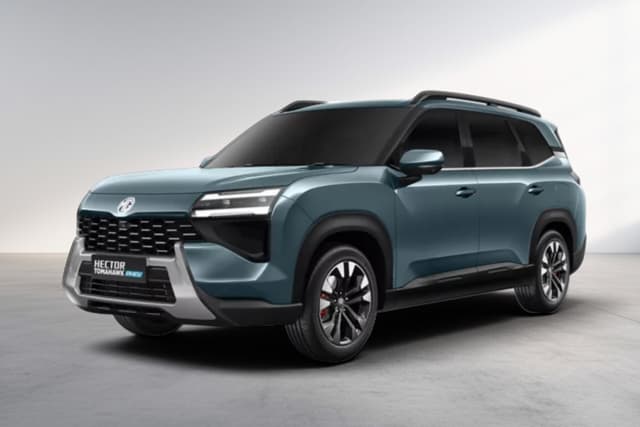
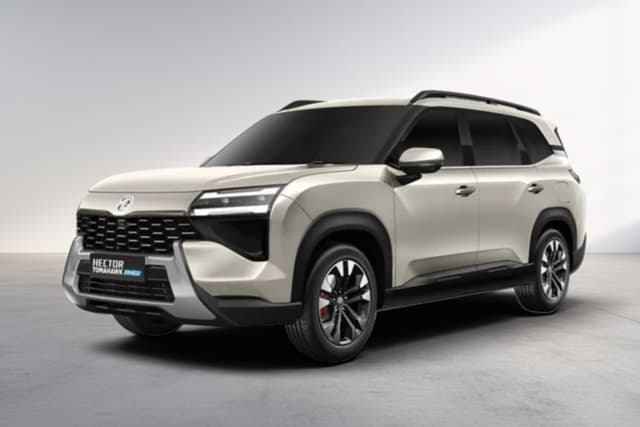
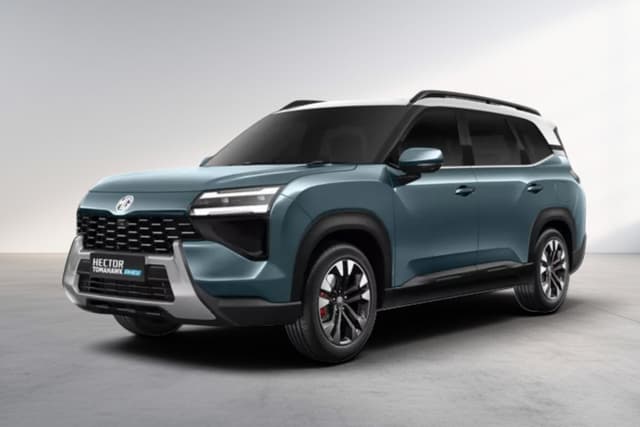
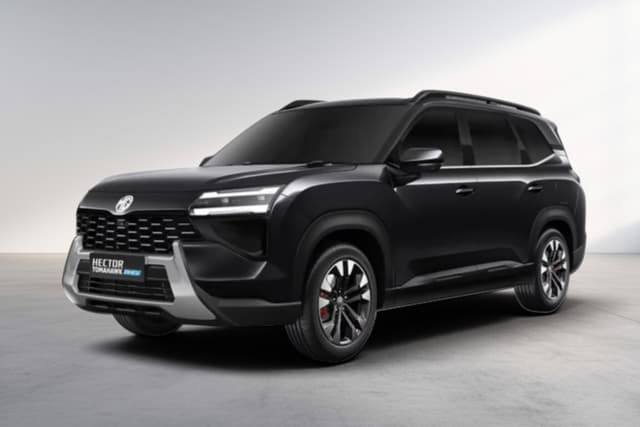
MG Tomahawk PHEV or XUV700?

Last Updated on: 21 Sep 2026
Tell us about your experience
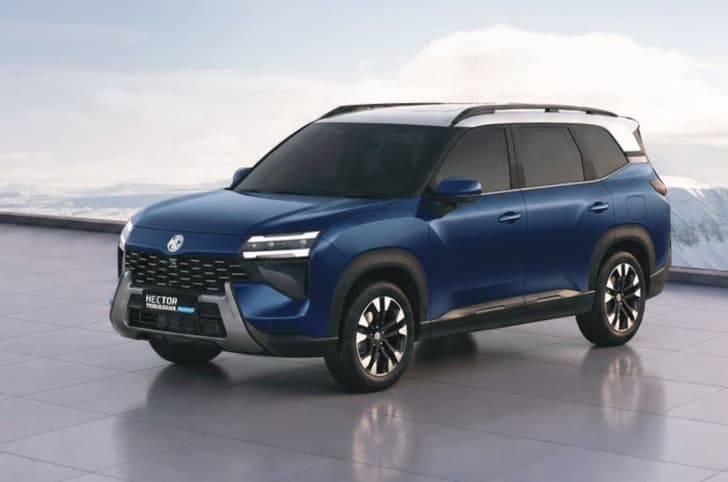
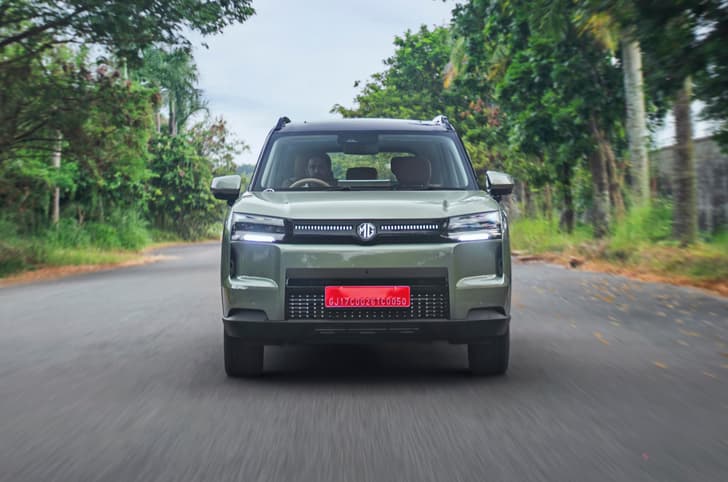
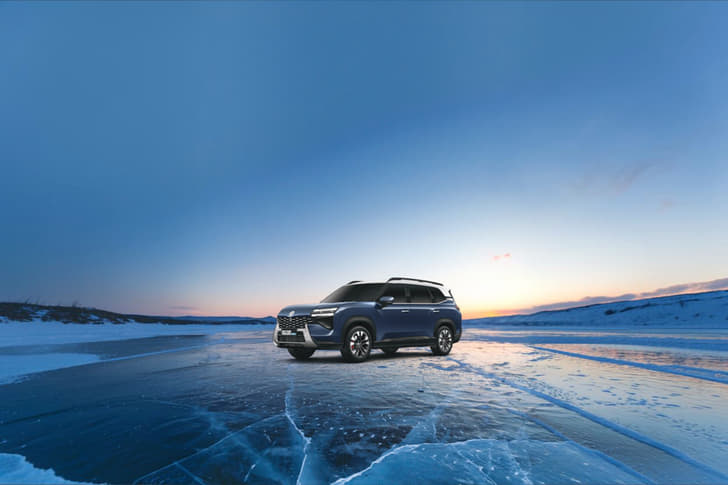
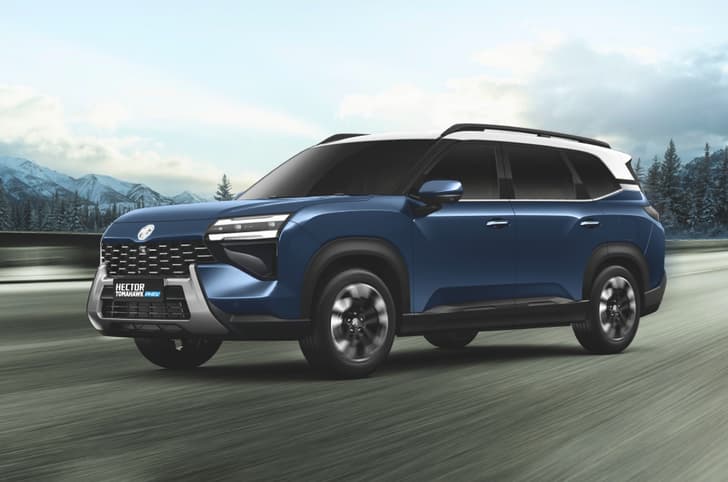
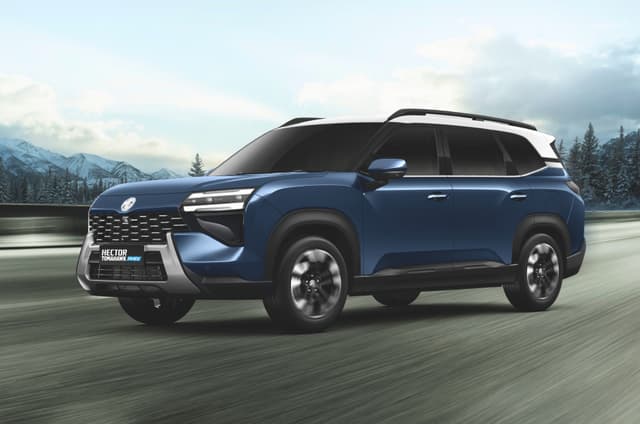
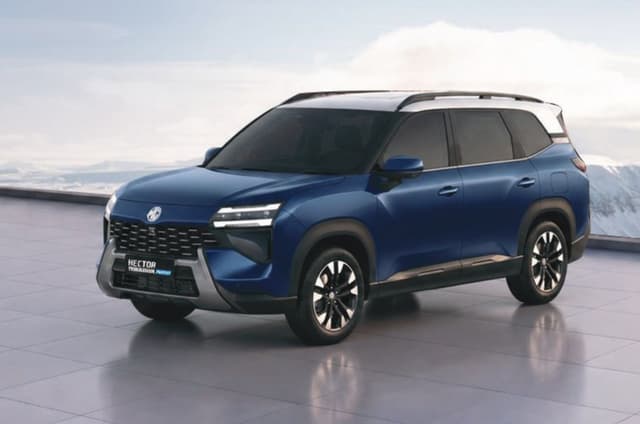
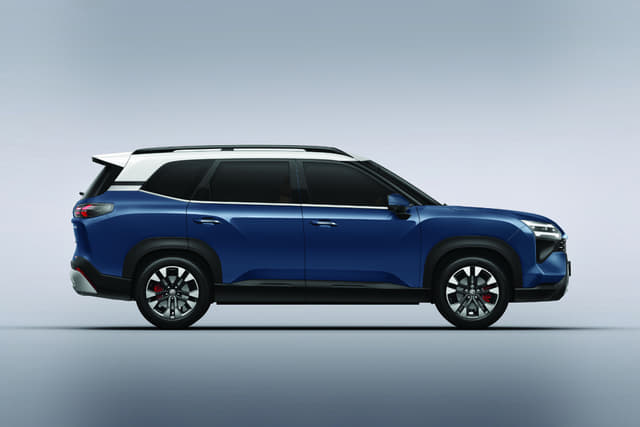
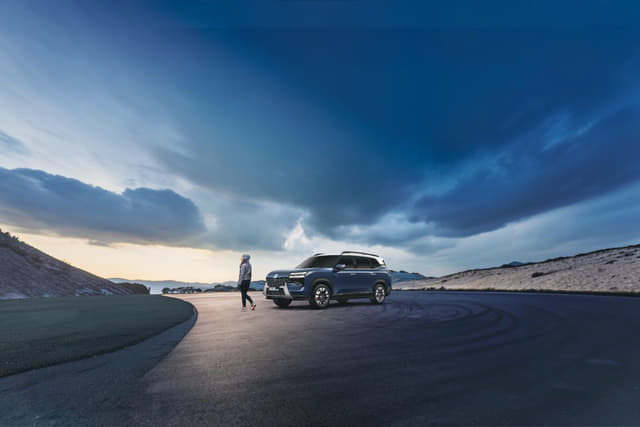
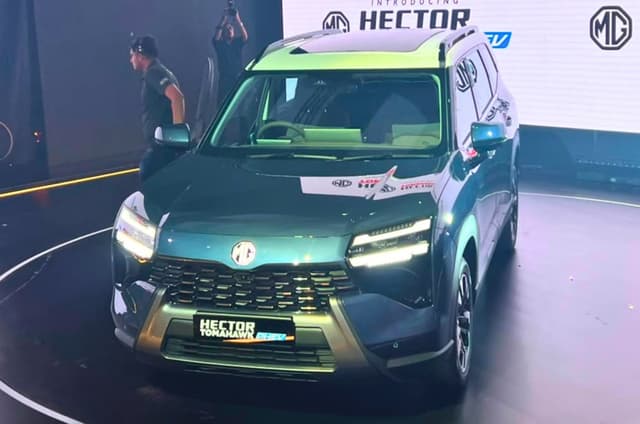
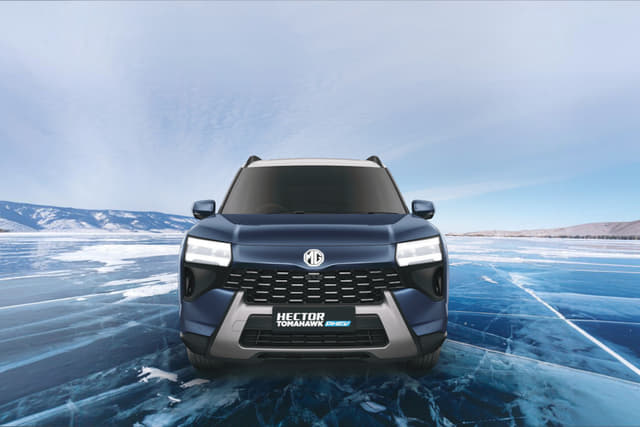
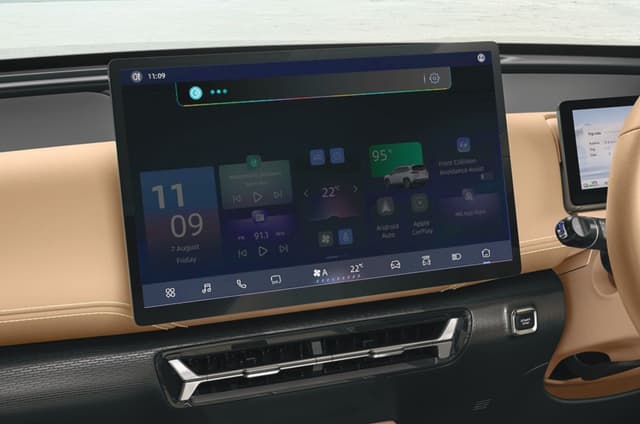
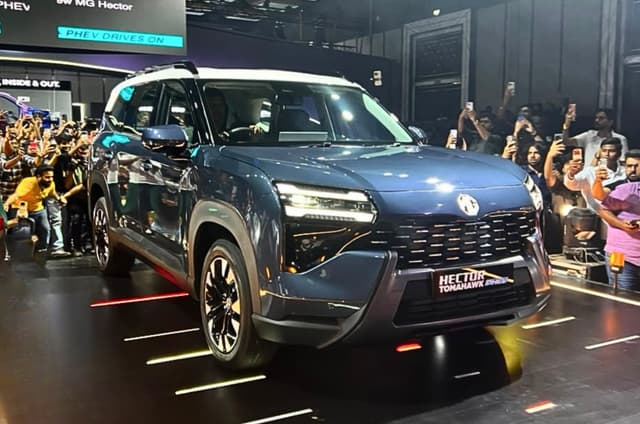
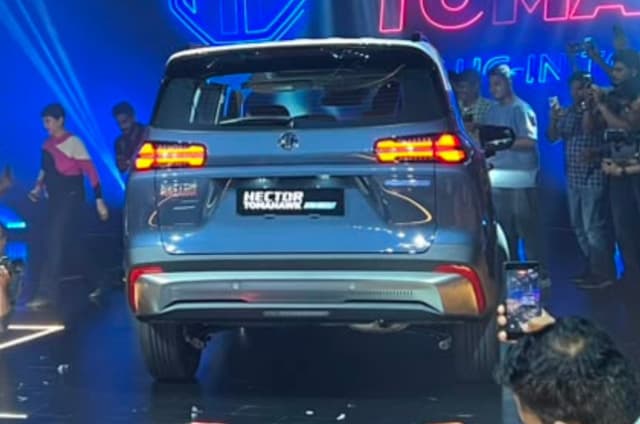
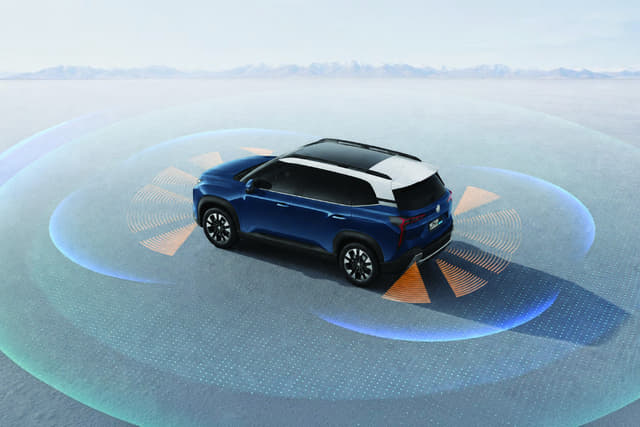
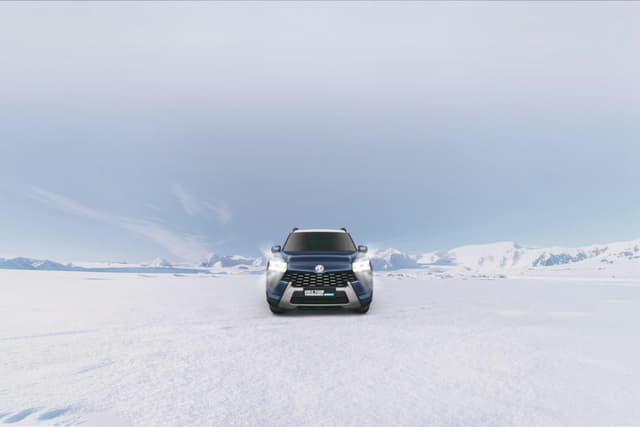
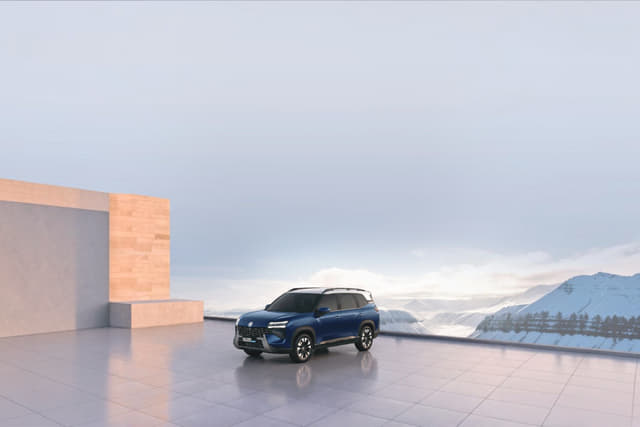
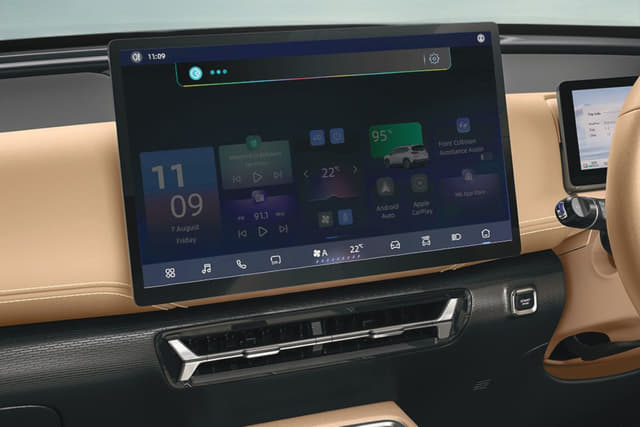
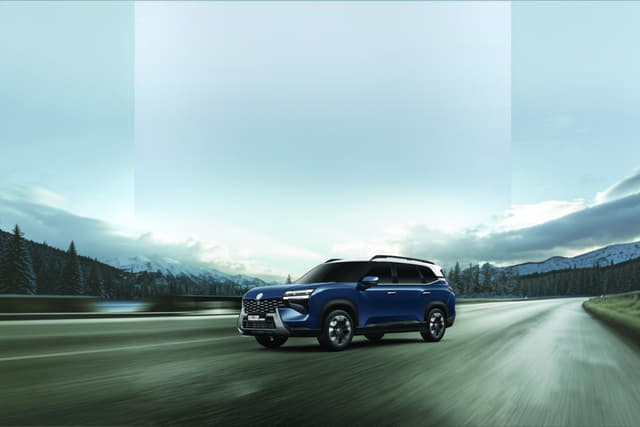
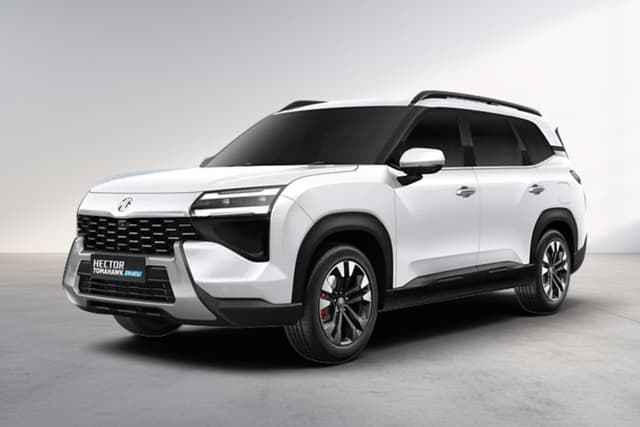
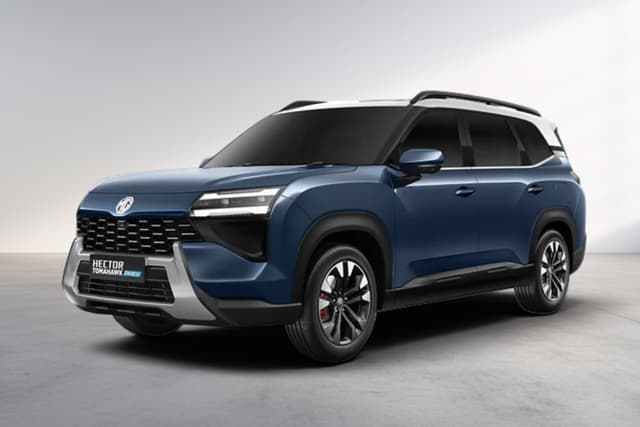
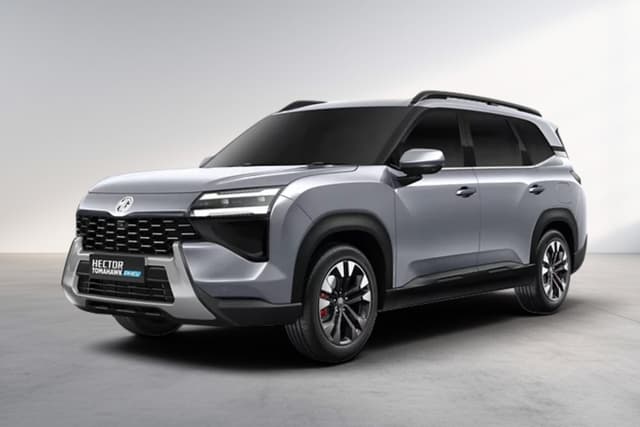
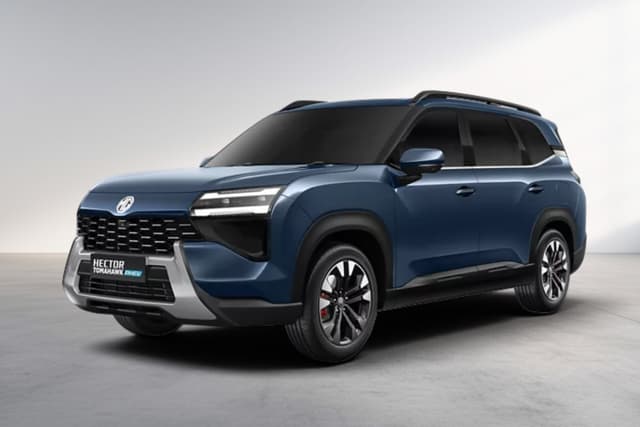
The MG Hector Tomahawk PHEV features a 1.5-litre, naturally aspirated petrol engine, along with a 20.5kWh battery pack powering an electric motor. Together, this system produces 198hp and 230Nm, and offers a claimed range of over 1,100km. The electric-only range is over 115km. MG claims a combined fuel efficiency figure of over 40kpl.
Solid technology, it has plenty of features compared with other car like tata, hyundai , mahindra and toyota cars, best in class. It's a introductory price. It's beats in all parameters like length, width and height. Colours are dominating. PHEV will rock the automobile industry.
At this price, I can get a similar ev and a petrol vehicle of the same segment from other brands. Also in india many states provide subsidy for zero road tax for EVs. But govt don't recognise PHEVs. Ofcourse there is petrol engine but people will try to use the battery for daily usage. The petrol engine would be preferred for longer drives only. In our state the on road price of this base PHEV is around 32L
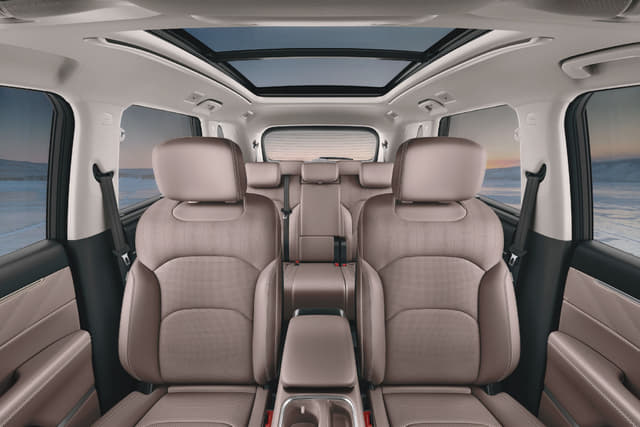
For a new launch Price is not aggressive to disturb market. Also third row seems unusable for adults, high knees up sitting posture even for an average adult without even a manageable thigh support. Too we need to spend so much when you have the Carens Clavis as a proper 7 seater. Maruti YMC when launched may kill Tomahawk. Was awaiting for the launch, Disappointed as nothing special to be an alternative to existing EV models. Not sure what the PHEV number of 52 kmpl will be in real world, so seems not an VFM proposition.
Price is too much. Design of the car is also pathetic
Hear from the
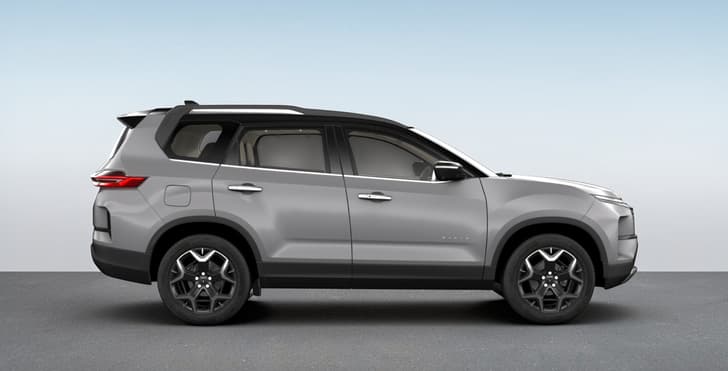
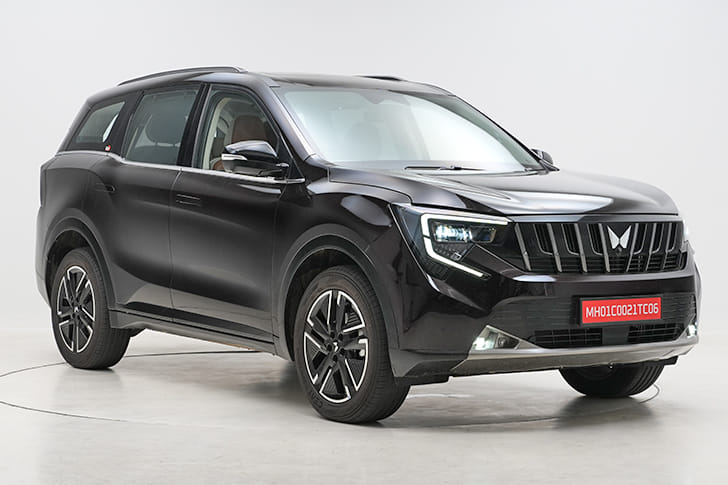
I am planning to buy a 7-seater SUV but am confused between the MG Tomahawk PHEV and XUV 7XO.
For a seven-seater, the Tomahawk PHEV has an interesting advantage over the XUV 7XO. It can handle much of your everyday driving on electric power, while the petrol engine lets you take longer trips without planning around charging. It is also designed with comfort and space as priorities.The XUV 7XO makes more sense if performance, highway driving and a more conventional powertrain are higher on the priority list. It also offers more engine and transmission choices, including diesel, making it a more straightforward proposition for heavy highway use.The important caveat is that we are yet to drive the Tomahawk PHEV, so its ride quality, real-world efficiency, performance and overall refinement cannot be judged against the XUV 7XO yet. Those aspects should be assessed once a production car is tested.
Hi Team, I am confused between the Mahindra XUV 7XO diesel AX7T and Tata Harrier EV Fearless Plus. My concern is that diesel vehicles may be phased out sooner, which could affect diesel engines in general. Since there is no proper hybrid vehicle in this segment and reliability concerns around EVs in India are causing some uncertainty, I am a bit unsure. Any advice would be appreciated.
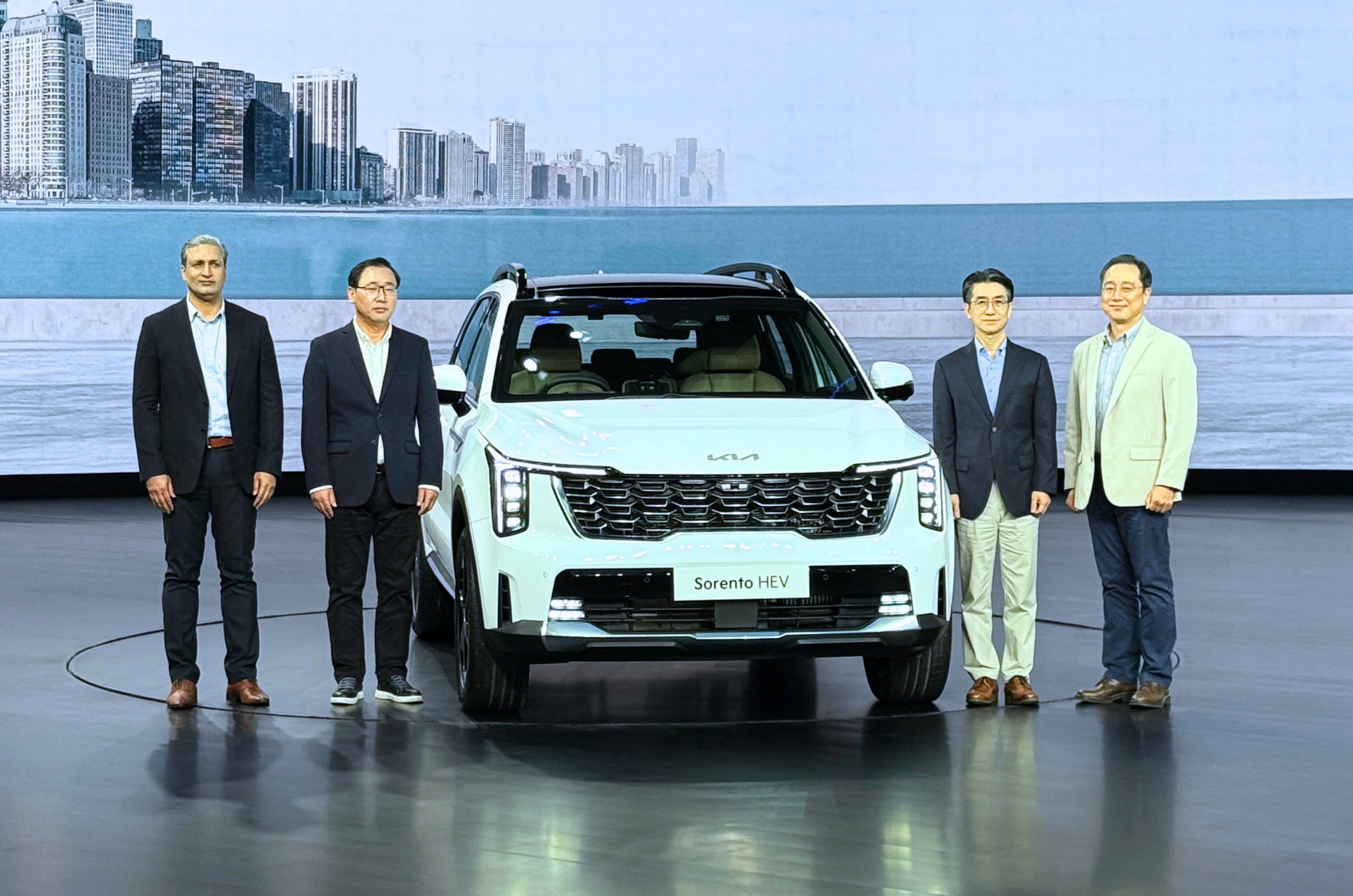
First, a quick clarification: diesels are unlikely to be phased out anytime soon. There are tighter emissions norms and some city-specific restrictions to keep an eye on, but there is no immediate reason to avoid a modern BS6 diesel purely on the assumption that it will soon become unusable. Mahindra, in particular, is likely to continue offering diesel SUVs for as long as there is meaningful demand. The XUV 7XO AX7T’s 2.2-litre diesel remains a strong fit for frequent highway use, long-distance touring, heavy loads and buyers who value effortless torque and quick refuelling.Your EV reliability concern is understandable, but it should not be a deciding negative by itself. An electric car has fewer mechanical moving parts than an ICE vehicle, which can reduce routine powertrain maintenance requirements. The more relevant question is whether your charging situation and typical driving pattern suit one. If you have dependable home or workplace charging, the Harrier EV makes a compelling case with its quieter, smoother driving experience and substantially lower running costs. The Fearless+ gets a 65kWh battery with a claimed 538km range, while 75kWh versions claim up to 627km, though real-world range will naturally be lower and depend on speed, weather and driving style.If you do regular intercity runs, especially in areas where charging stops may be inconvenient, the Mahindra XUV 7XO diesel is still the easier all-round ownership proposition. It is also likely to be the better choice if you plan to keep the car for a long time without changing your travel routine.If a hybrid is what you are after, there are now two relevant options. The MG Hector Tomahawk PHEV offers a useful EV-only range of around 100km, backed by a 1.5-litre petrol engine. However, a plug-in hybrid only makes sense if you can charge it regularly. The Kia Sorento is a conventional strong hybrid, so it does not need external charging and should offer better refinement and economy than a regular petrol SUV. It is, however, considerably more expensive than the XUV 7XOOur advice: Choose the Harrier EV if you have home charging and most of your running is urban or predictable. Choose the XUV 7XO diesel if long highway trips and maximum convenience matter more.

I am in love with MG Hector's old version that offers better space, legroom, driving experience, boot space, etc. but my problem is mileage, as I am using Ford Ecosport now but it offers similar mileage. So, would it be better option to take Hector diesel in the range of 12 lakh (2022 model) in the second hand market. Should I opt for Tomahawk, because I genuinely don't like it.
If you genuinely love the Hector and are getting a well-maintained 2022 diesel for around Rs. 12 lakh, it is a very good option. The Hector is a spacious, comfortable SUV with a genuinely premium feel, and the diesel engine is well suited to highway driving and long-distance touring.The Tomahawk is a more modern product, but if you do not like the car, there is no point forcing yourself into it. The Hector diesel is a proven package and at that price point represents strong value in the used market. Just make sure the service history is clean and the car has been well maintained.If you are happy with the mileage you are getting from the EcoSport and your priority is space, comfort and a premium feel, the Hector diesel is the right choice.
I have a 2024 XUV700 AT petrol. I want to upgrade it. I want an SUV with a turbocharger and, if possible, a hybrid, with a budget of max Rs 37 lakh. Pls suggest one.
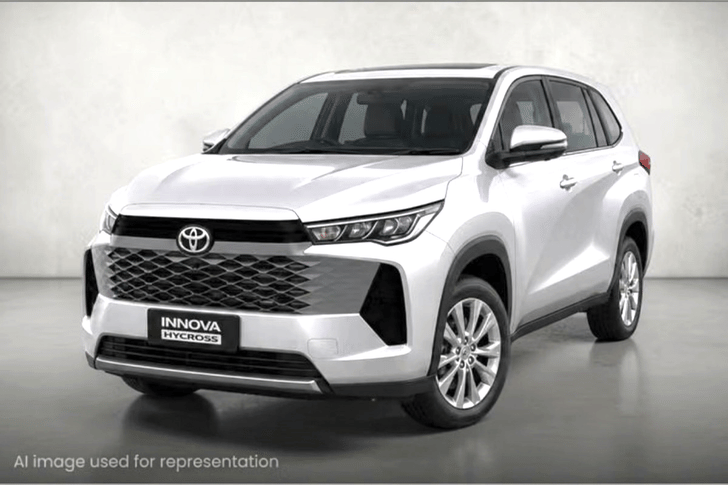
Wait for the upcoming JSW Jetour T2-based SUV. If your priority is specifically a turbo-petrol hybrid, this is the most interesting option to wait for. JSW is expected to bring the Jetour T2 to India as a locally assembled plug-in hybrid, using a 1.5-litre turbo-petrol engine with electric motors. It is expected around late 2026/early 2027, and we expect JSW to price it at around Rs 35-40 lakh ex-showroom price bracket.If you want to buy right now, the choices become more limited because most hybrids in this price range use naturally aspirated petrol engines. The Toyota Innova HyCross is the obvious option if you want a proven hybrid and maximum practicality, although it won't give you the turbo-petrol character you're looking for.The newly launched MG Hector Tomahawk PHEV is another interesting option. It uses a plug-in hybrid system with a 20.5kWh battery and offers over 115km of claimed electric range.
Should I choose a petrol or hybrid SUV car in Rs. 25-45 lakh range?
At this price range, a hybrid is a good option, and there are two new options in that you should check out. On one hand is the just-launched new Kia Sorento, which is attractively priced between Rs 29.49 lakh to Rs 40.39 (ex-showroom) for the strong hybrid variant. It's a 3-row SUV with a generous features list and even the option of AWD in upper variants. While we are yet to review it, what you can expect is Kia quality, reliability and hassle-free ownership, as well as a smooth and efficient powertrain.The second option is the MG Hector Tomahawk, which is a bit smaller and positioned slightly lower, at Rs 25.7 lakh to Rs 27.8 lakh (ex-showroom), although deliveries are expected a little later than the Kia. If you don't need the added space, this could be a better option for you. The difference is, where the Kia is a self-charging strong hybrid, the MG is a plug-in hybrid or PHEV. This means it has a larger 20.5kWh battery that you can charge from a plug, and a much longer electric only range, leading to greater efficiency overall and the potential to run it as an EV only for city use. The disadvantage, of course, is having to charge it like an EV to get its full potential.