Autocar India
•2h

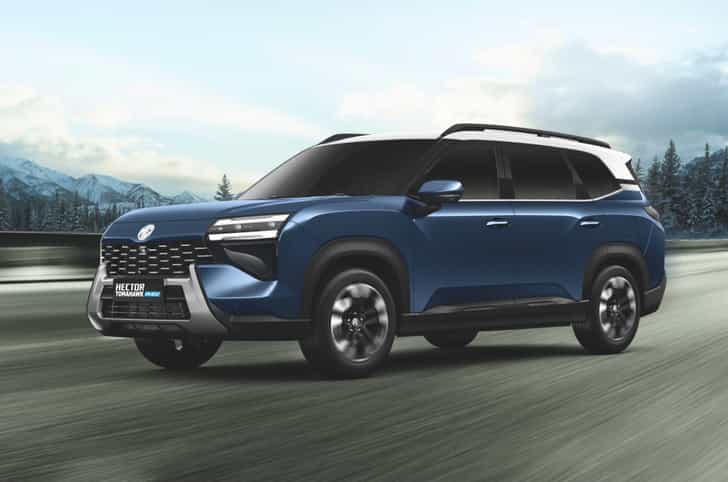
I am planning to buy a 7-seater SUV but am confused between the MG Tomahawk PHEV and XUV 7XO.

Verified
•6m

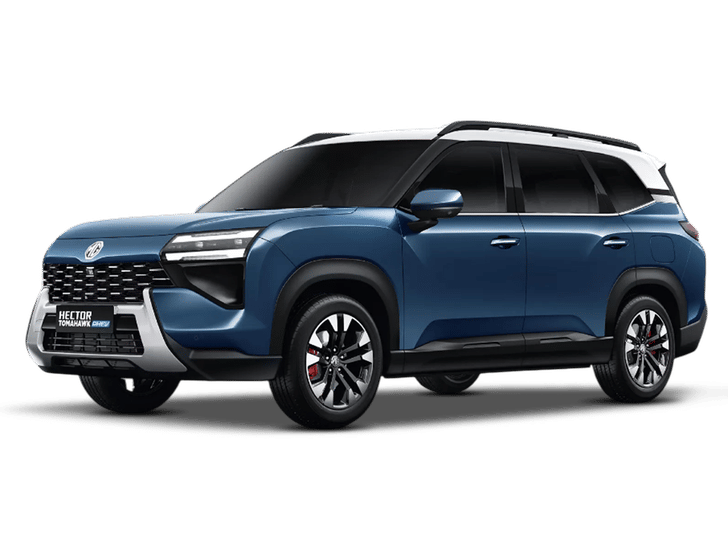
For a seven-seater, the Tomahawk PHEV has an interesting advantage over the XUV 7XO. It can handle much of your everyday driving on electric power, while the petrol engine lets you take longer trips without planning around charging. It is also designed with comfort and space as priorities.

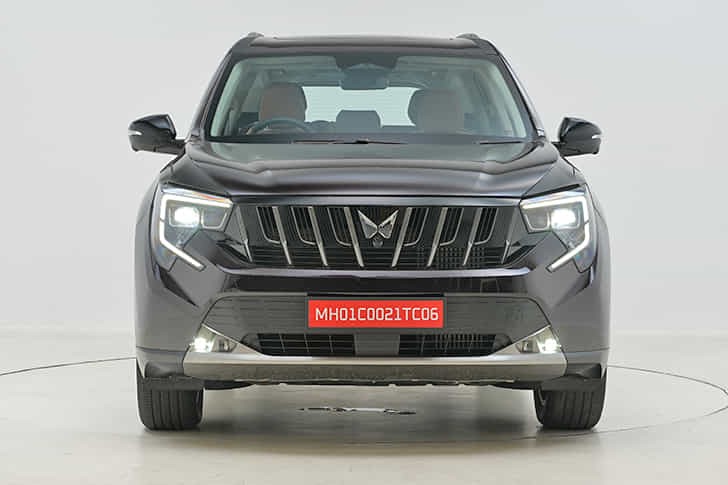
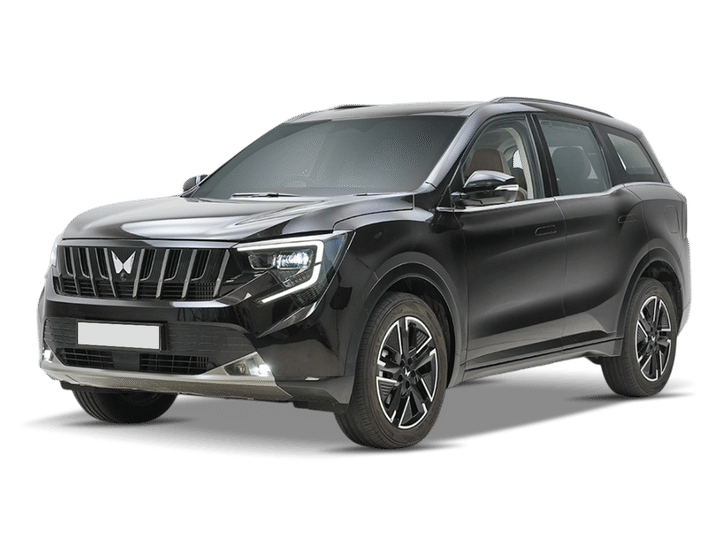
The XUV 7XO makes more sense if performance, highway driving and a more conventional powertrain are higher on the priority list. It also offers more engine and transmission choices, including diesel, making it a more straightforward proposition for heavy highway use.

The important caveat is that we are yet to drive the Tomahawk PHEV, so its ride quality, real-world efficiency, performance and overall refinement cannot be judged against the XUV 7XO yet. Those aspects should be assessed once a production car is tested.
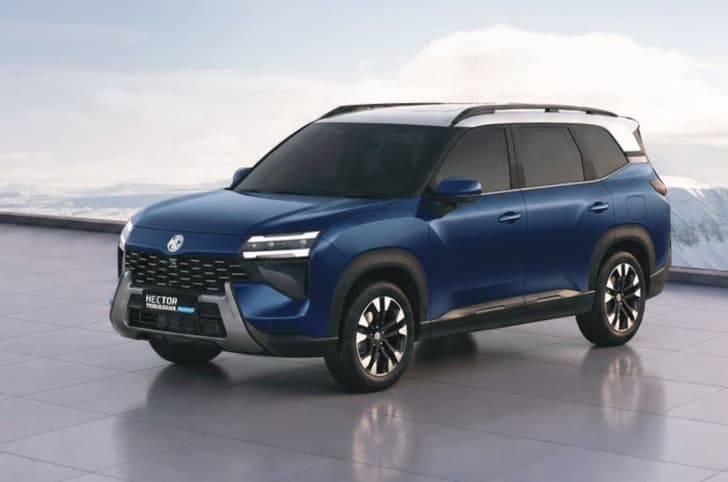
MG Hector Tomahawk PHEV

MG Hector Tomahawk PHEV

More posts on similar cars

•3d

I am planning to buy a 7-seater car and am confused between the Kia Carens Clavis HTX (O) Petrol DCT and the Mahindra XUV 7XO AX5 Diesel. My confusion is mainly around a few points. The XUV 7XO has better looks and more power than the Clavis, while the Clavis offers better third-row space and a more spacious cabin. I do not have a very high annual running either. With my current car, I drive around 12,000-14,000km a year, including both city and highway driving, with occasional hill trips. This has left me confused about whether I should opt for a diesel or petrol. The XUV 7XO petrol is also not known for particularly good mileage, which makes the decision even more difficult. With the diesel option, I am also concerned about potential DPF-related issues, especially given my relatively low annual running. Since the car will primarily be driven in NCR, there is also some uncertainty around the applicability of BS6 diesel vehicles when GRAP Stage 4 restrictions are in force, as government regulations can change. Another concern is the DCT transmission. I have heard about DCTs facing heating issues in bumper-to-bumper traffic, although I am not sure how significant this issue is with the Carens Clavis. During my test drive, I also felt that the Clavis seemed somewhat underpowered in Normal mode, particularly when starting from a standstill. I had to press the accelerator pedal quite hard to get it moving more quickly. Is this simply a characteristic of the DCT and its calibration, or could it be specific to the particular test-drive car? I would really appreciate any suggestions or experiences that could help me clear up these doubts before making a decision. Thanks in advance.

Verified
•2d

Go for the Kia Carens Clavis HTX (O) Petrol DCT. Your annual running of 12,000-14,000km with a mix of city, highway and occasional hill drives is pretty healthy actually, but given your other concerns like DPF regeneration and NCR policies, petrol is the safer long-term choice. A turbo petrol gives you the punch you need out on the highway and in the hills, while also the benefits of a petrol engine that you're looking for. The Mahindra XUV 7XO is the more powerful and more rugged SUV, but the Clavis is the better family car. It has a more usable third row, a more spacious and practical cabin, and a more comfortable ride for everyday use. On the DCT, yes, it can feel a bit hesitant at low speeds and in bumper-to-bumper traffic, but Kia’s DCT is one of the better ones in the market, and it is not a deal-breaker. The slight lag you felt in Normal mode is more to do with the car’s tuning than the gearbox itself. Switch to Sport mode and it feels much more responsive. The Clavis is not as powerful as the XUV 7XO, but it is quick enough for family use and much easier to live with in the long run. And as you pointed out, the heavier, more powerful XUV 7XO petrol is is nowhere near as efficient as the Clavis.

VehicleKia Carens Clavis
VehicleMahindra XUV 7XO
•1d

I am planning to buy a new car and currently considering the Toyota Urban Cruiser Hyryder Strong Hybrid S. My primary reasons for considering the strong hybrid are fuel efficiency and the combination of adequate power with smooth city driving Here is my typical usage: Daily running: Around 30-40 km Main usage: Office commute within Mumbai Traffic: A significant part of my daily driving is in bumper to bumper/heavy city traffic Highway usage: Around 4-5 trips per year Hometown distance: Approximately 450 km one way from Mumbai Priority: Fuel efficiency, reliability, comfortable city driving and reasonable performance Expected ownership: Long-term However, before making the final decision, I would really appreciate opinions from Hyryder owners and automobile experts.

Verified
•8h

Your usage is almost tailor-made for the strong hybrid. With 30- 40 km of daily Mumbai commuting and a significant amount of stop-and-go traffic, the Hyryder can make frequent use of its electric motor at low speeds, making it exceptionally smooth and quiet in traffic. In our testing, the Hyryder hybrid returned 20.28kpl in the city and 22.85kpl on the highway, which is particularly impressive for a petrol SUV.The e-CVT is another major advantage for your usage. There are no conventional gear shifts, and the car can move in EV mode at low speeds before the petrol engine cuts in when more power is required. Performance is adequate rather than sporty, so it will comfortably handle the occasional 450km highway journey but should not be bought expecting strong acceleration.Toyota's hybrid system is also a mature technology, which makes the Hyryder a sensible choice for long-term ownership. One thing to keep in mind is the relatively small 255-litre boot in the hybrid, which is around 100 litres smaller than the mild hybrid. The rear seat is also not particularly generous for tall passengers.The S trim is the entry point to the strong hybrid range, so it makes sense if the priority is the powertrain rather than having every feature. If the budget allows, however, moving to the higher hybrid trim brings useful additional equipment.

VehicleToyota Urban Cruiser Hyryder
•1d

I am confused about choosing between the Invicto Zeta Plus 8-seater and the Hycross Hybrid VX 8-seater. My annual running is around 30,000-40,000 km. Which one would cost less in terms of maintenance and be more beneficial in the long run? As of now, if I choose the Invicto, I will save approximately Rs. 3 lakh upfront, but I will miss out on a few features that the Hycross offers. Please suggest.

Verified
•19h

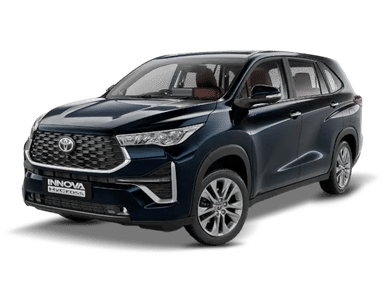
At 30,000- 40,000 km a year, the Invicto Zeta Plus makes a lot of sense, particularly with an upfront saving of around Rs 3 lakh. The Invicto and Hycross share the same basic hybrid powertrain, platform and e-CVT, so there is no meaningful difference in the fundamental driving experience or fuel efficiency. Both have an ARAI-claimed 23.24 kpl, while Autocar's user-reported figure for the Invicto is around 21.2kpl.The Hycross VX does give you some useful additional equipment, like a 360-degree camera, front and rear parking sensors. The Invicto, however, gets six airbags as standard and is not a stripped-down version of the Hycross.For your annual running, the bigger consideration is that the Invicto is not likely to cost significantly more to run or maintain simply because it carries the Maruti badge. The underlying hybrid system is essentially the same Toyota-developed system. Maruti also has a much wider service network, which can be useful if the car is being used this extensively.The Hycross does have an advantage in terms of Toyota's long-standing ownership reputation and potentially stronger resale value. However, paying roughly Rs 3 lakh more for the VX purely for the additional features is difficult to justify when the powertrain, space and efficiency are fundamentally similar.

VehicleMaruti Suzuki Invicto
VehicleToyota Innova HyCross

Expert reviews worth reading

Popular discussions right now

•5d

I currently drive a Hyundai i10 CNG, with daily running of around 6 km in Gurgaon city traffic and a monthly highway drive of around 200 km. I am now planning to upgrade my car, with an on-road budget of Rs. 12 lakh for a petrol sub-4-metre SUV, up to Rs. 14 lakh for a petrol midsize SUV, and Rs. 15 lakh for an EV. I live in a rented apartment on the second floor, so I am apprehensive about getting an EV. I prefer an EV, but installing a charger could be complicated due to the sanctioned load. My running could increase to nearly 800 km per month in the future. My key priorities are: - Good suspension and ride comfort, as I have a back problem - Decent fuel efficiency in heavy city traffic - Low to medium maintenance costs - Auto hold and ventilated seats would be good to have I sometimes consider buying a manual, but I mostly prefer an automatic. I am currently considering the Maruti Brezza, Baleno AMT, Fronx AMT/AT, Sonet iMT, Exter AMT, and even the upcoming Inster, VF3, and Bayon. I am open to other suggestions as well. Note: I had a bad driving experience with the Punch AMT, as it caused back fatigue.

Verified
•4d

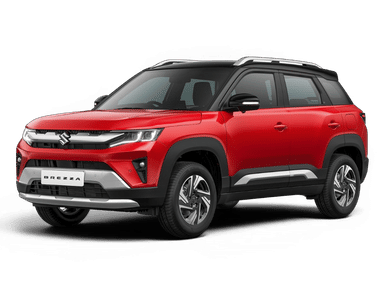
Given your priorities of ride comfort, fuel efficiency and low maintenance, the Maruti Brezza automatic is the most sensible upgrade. It offers a comfortable ride, a proven naturally aspirated petrol engine and Maruti's strong service network, which keeps long-term ownership costs in check. The torque converter automatic is smooth in city traffic, and the Brezza's higher seating position will help with your back issues. The Sonet iMT is not the right choice here. While it is a good car, the iMT is not a true automatic and will not offer the same ease of use in Gurgaon traffic. The Baleno AMT and Exter AMT are also not ideal given your back issues and the fact that AMT gearboxes are not as smooth as torque converter automatics in stop-start conditions.On the EV front, your apprehension about charging is valid. Without a straightforward home charging solution, an EV will add unnecessary complexity to your ownership experience. The upcoming Bayon is interesting and if you can wait a few weeks you would have a better picture before making a decision. For now, the Brezza automatic strikes the best balance between comfort, efficiency and hassle-free ownership.

VehicleMaruti Suzuki Brezza
VehicleKia Sonet
VehicleMaruti Suzuki Baleno
VehicleHyundai Exter
VehicleHyundai Bayon
•3d

Hi, I want to buy my last car as I am 66 years old. I have been driving a Honda City for the last 12 years without any major hiccup. The Honda City engine and its reliability is excellent although its ground clearance is an issue. I have looked at Elevate and given its ground clearance as an SUV, I am impressed although the issues on E20 and abrupt blending issues are surely technical issues. Windsor EV was a great test drive but all controls on screen could be a bottleneck for me at my age and am planning to move to an automatic. Please recommend as experts. My monthly running will not be more than 500 km. Should I also look at Seltos. I will appreciate a feedback from experts. I want a reliable, easy to drive car with low maintenance cost and good family value with. There won't be any great pick ups or many highway drives will not be there.

Verified
•2d

Given your 12 years of trouble free City ownership, the Elevate is the most natural replacement. It retains Honda’s simple 1.5-litre naturally aspirated petrol engine, adds substantially better ground clearance and gives you the easier ingress and SUV driving position you liked. The CVT is also very well suited to your low speed, low running usage and should make the transition to an automatic easy.On your E20 concern, we would not treat it as a reason to avoid the Elevate. Honda says all its cars manufactured in India since January 2009 are E20 material compatible, and the current Elevate is officially certified for E20. Honda also says E20 should not cause durability concerns or require any component changes. There can be a marginal reduction in fuel economy because ethanol contains less energy than petrol, but with your 500km monthly running, that is unlikely to be significant.The Seltos is worth a look, particularly if you want a more feature rich and premium cabin, but given your priorities of reliability, easy driving, low maintenance and long term ownership, the Elevate fits your requirements more naturally. The Windsor EV is also an interesting option, but at just 500km a month, there is little financial reason to move to an EV, especially when you have concerns about its touchscreen heavy interface.

VehicleHonda City
VehicleHonda Elevate
VehicleMG Windsor
VehicleKia Seltos

Upcoming launch buzz

Community discussions on upcoming launches

Posted on: 27 Sept 2026