


Last Updated on: 06 Aug 2026
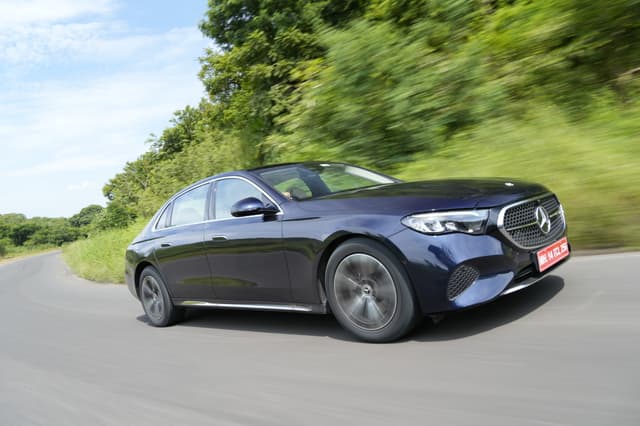
Mercedes-Benz E-Class User Reviews
Tell us about your experience
we have a 1996 facelifted W124 E250D and i am extremely happy with it, very clean car even now. the OM605 engine on our E250D is almost maintanence free besides regular servicings, engine transmission body and papers all clean. hoping to take it to 1 million km on the odometer. genuinely remarkable how reliable these old mercedes are
Mercedes-Benz E-Class Expert Reviews
We like
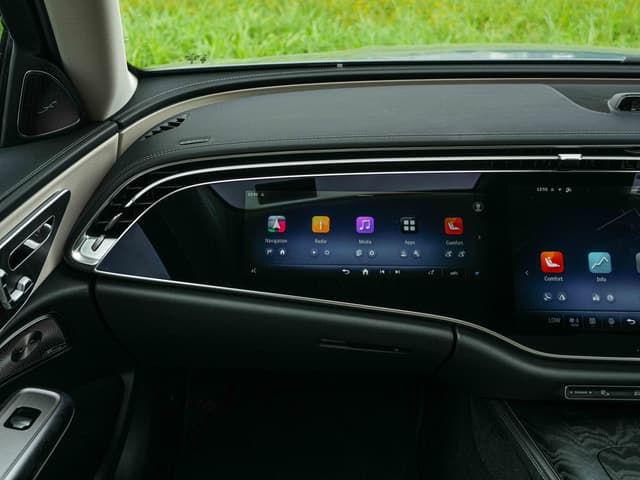
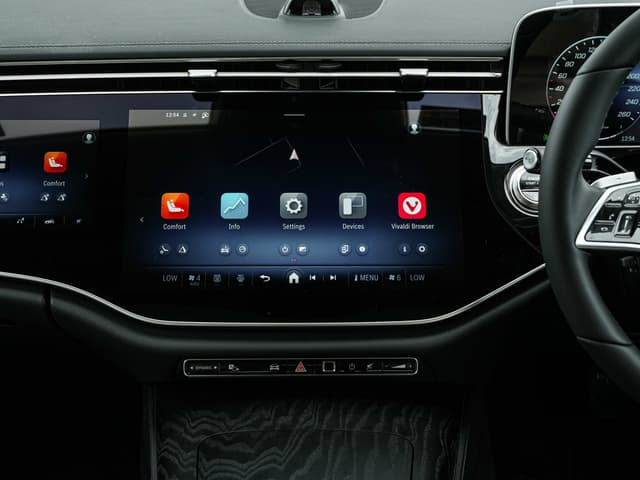
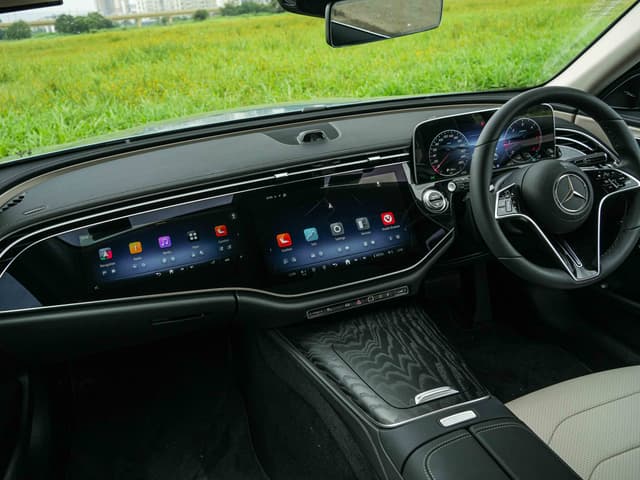
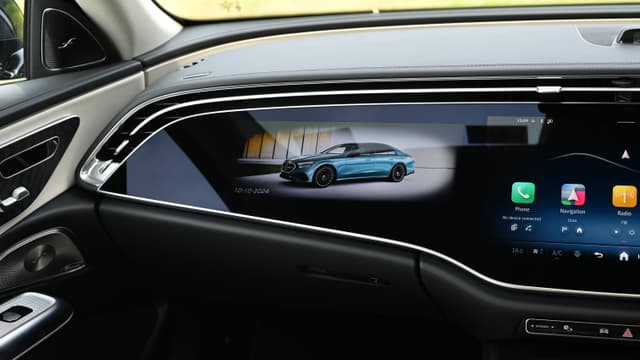
Tech
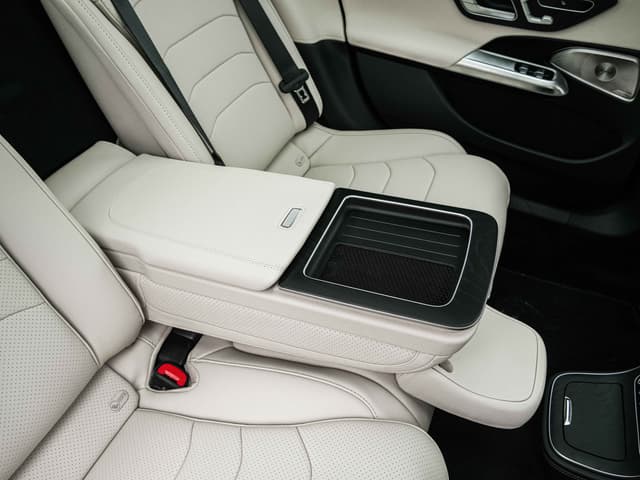
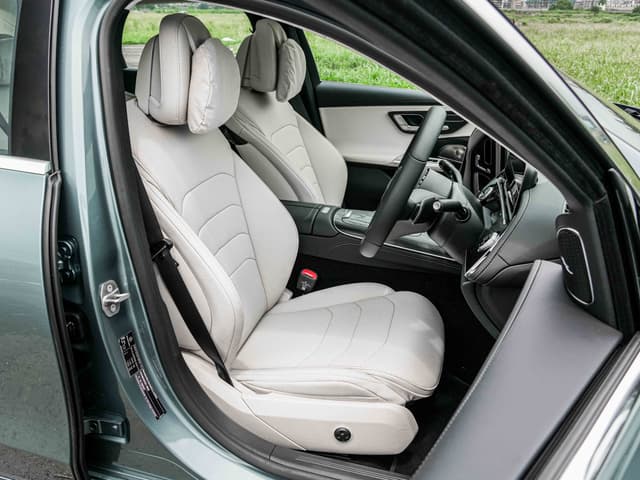
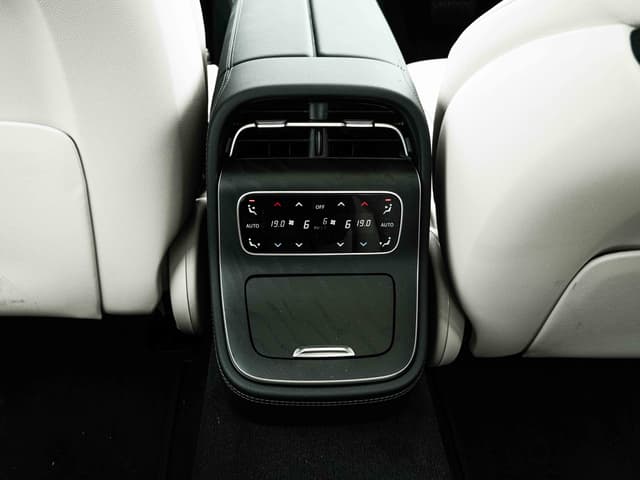
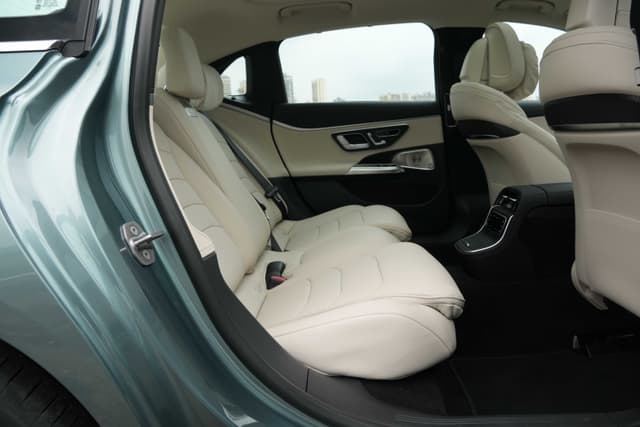
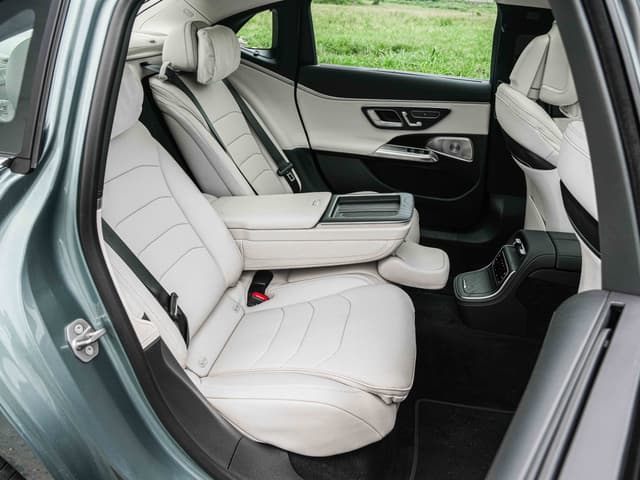
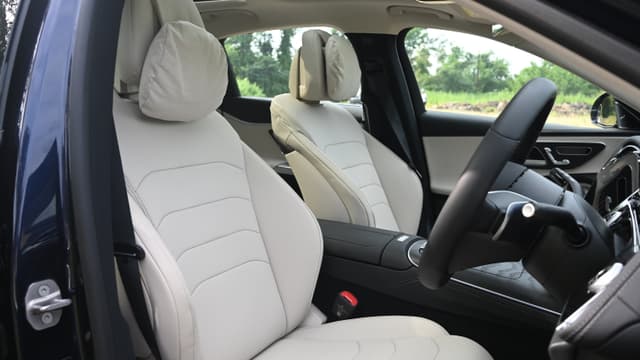
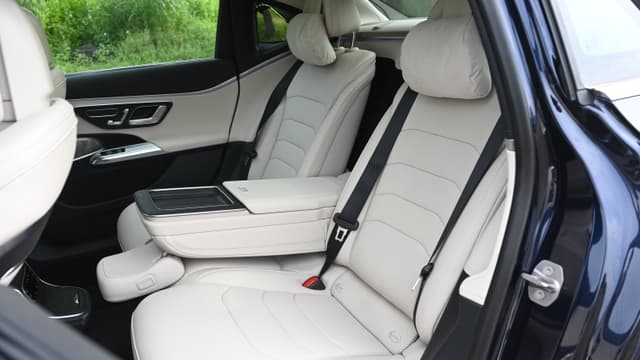
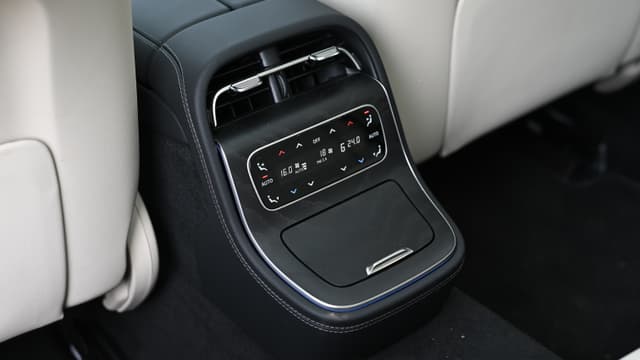
Rear-seat comfort
We don't like
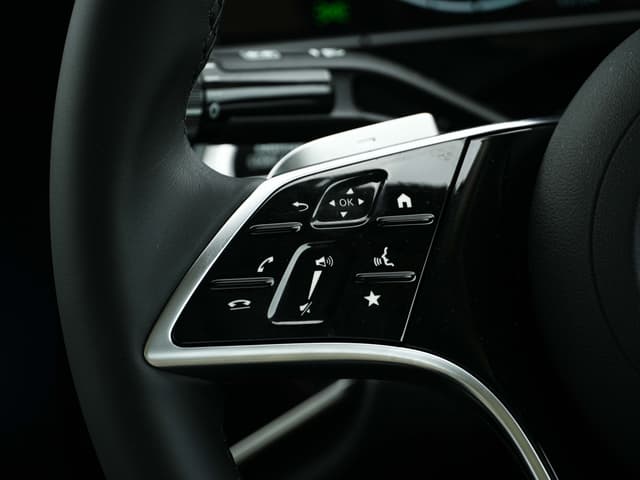
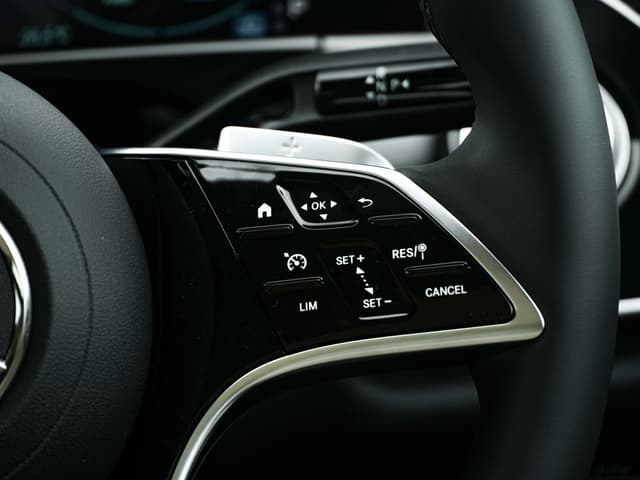
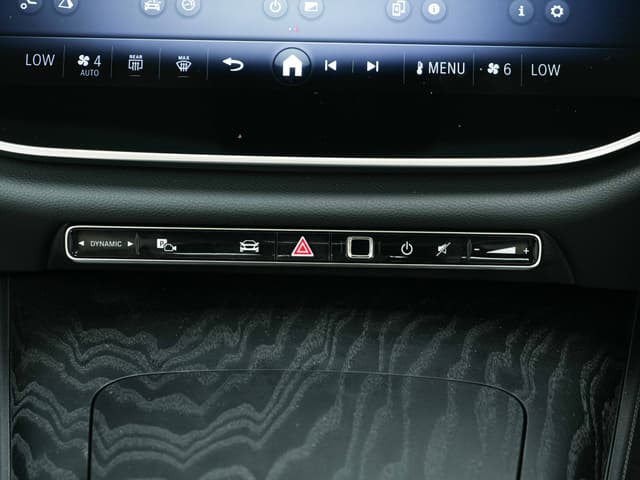
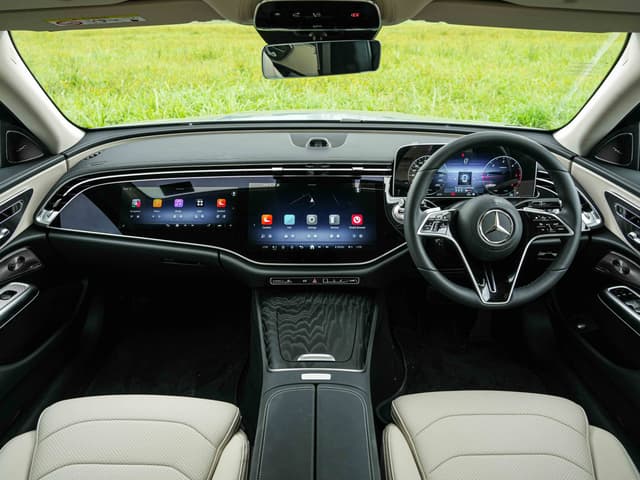
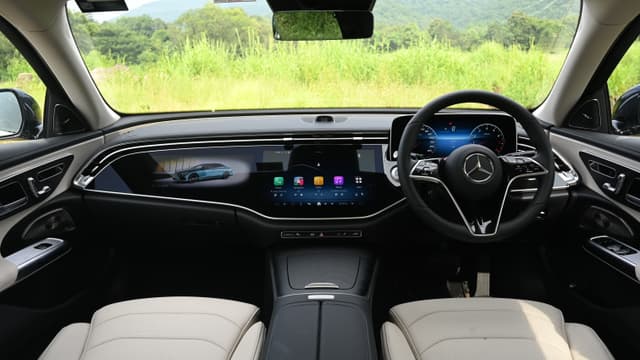
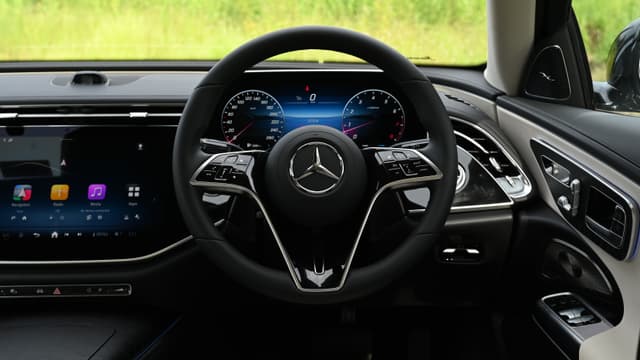
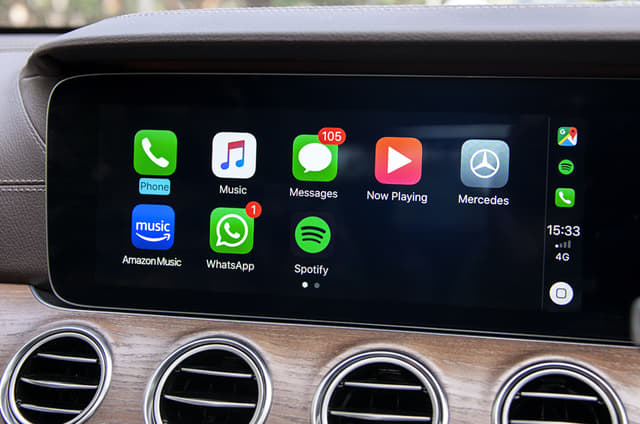
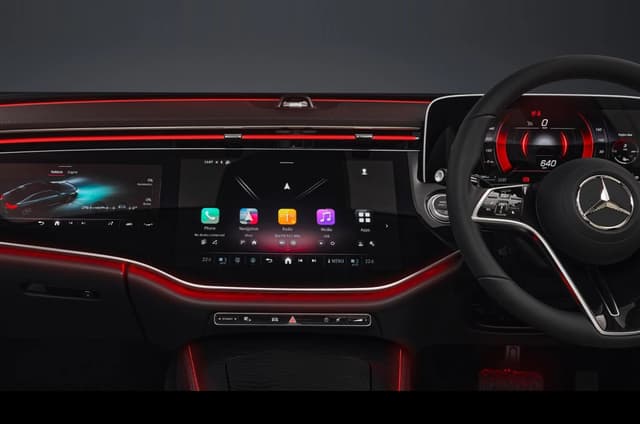
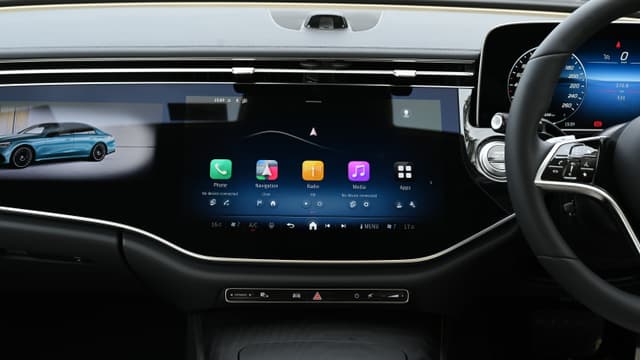
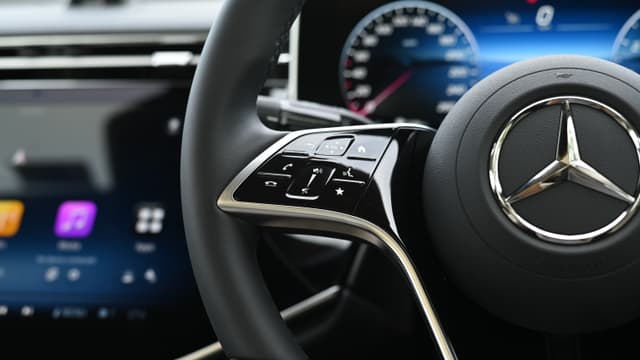
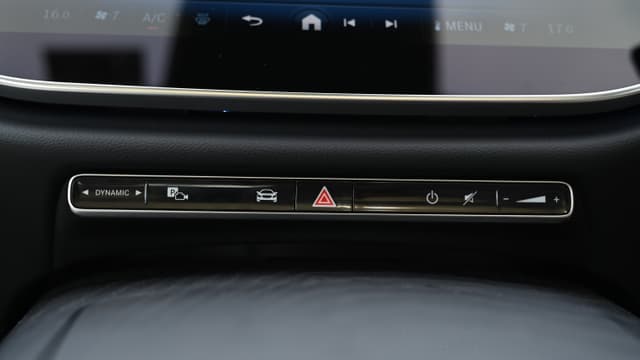
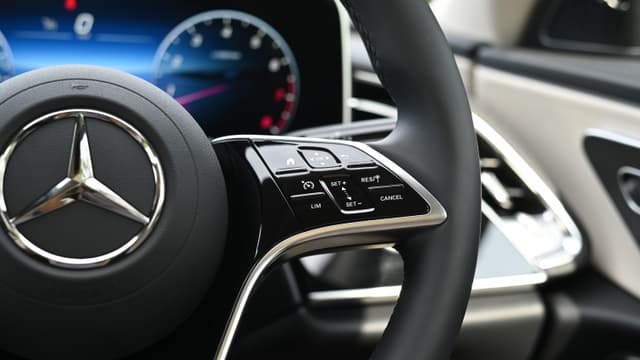
Over-use of touch controls
Busy ride
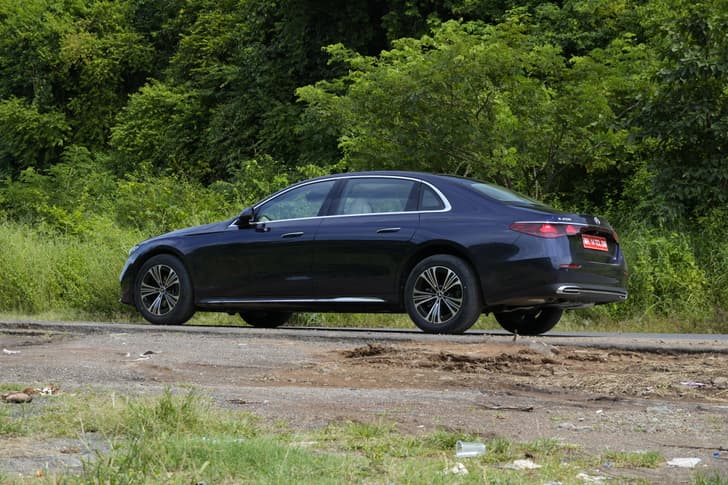
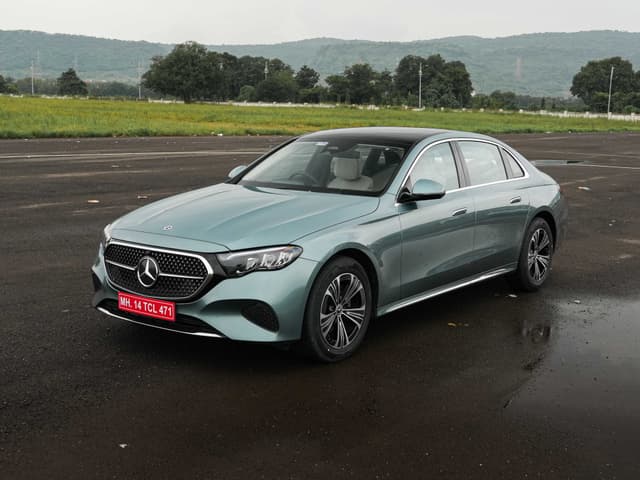
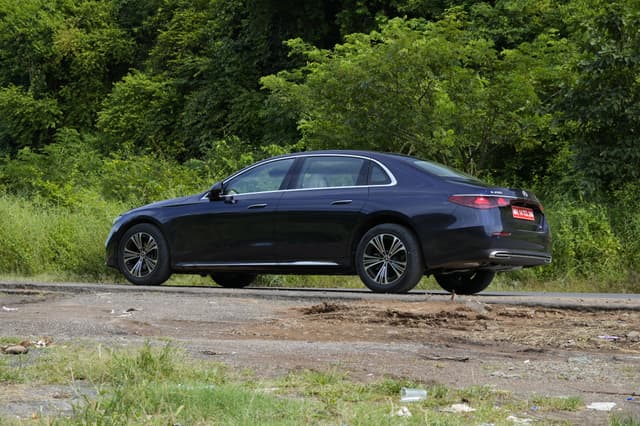
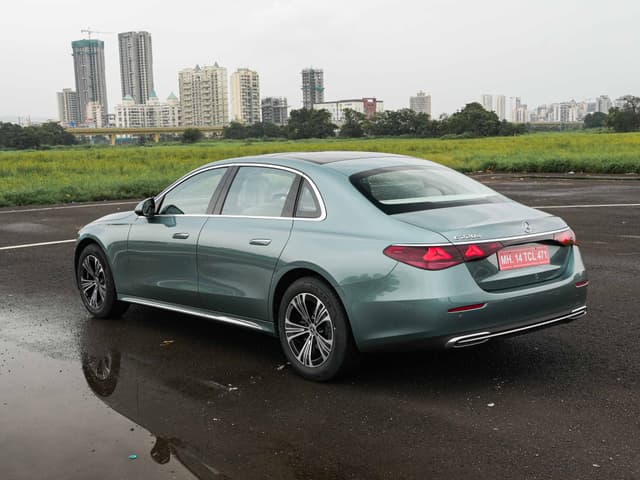
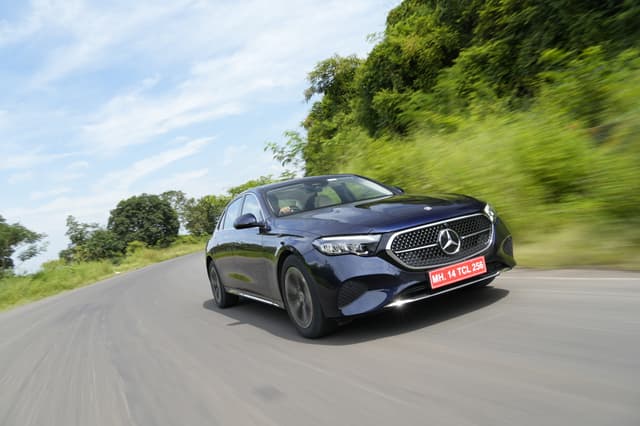
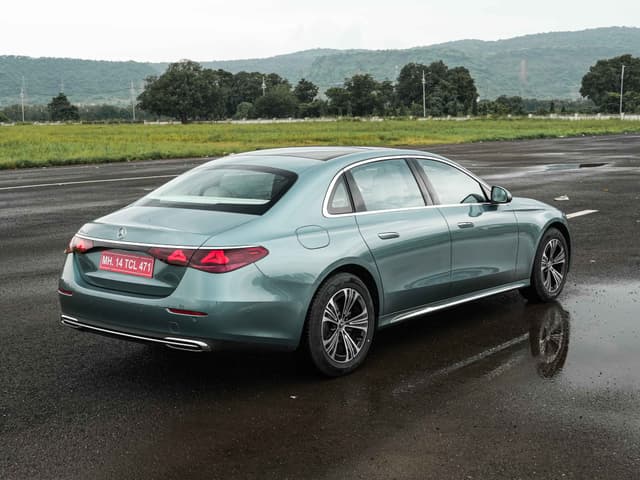
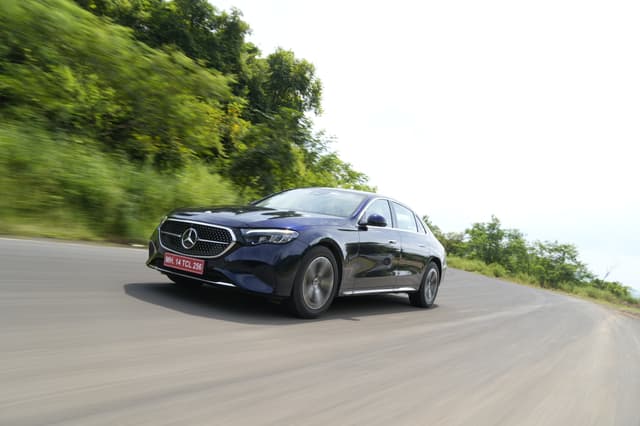
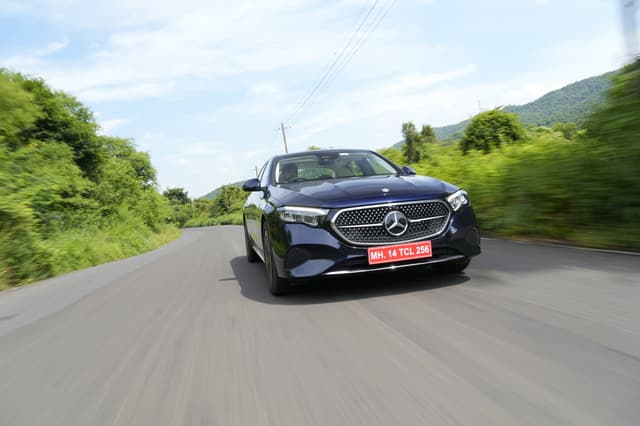
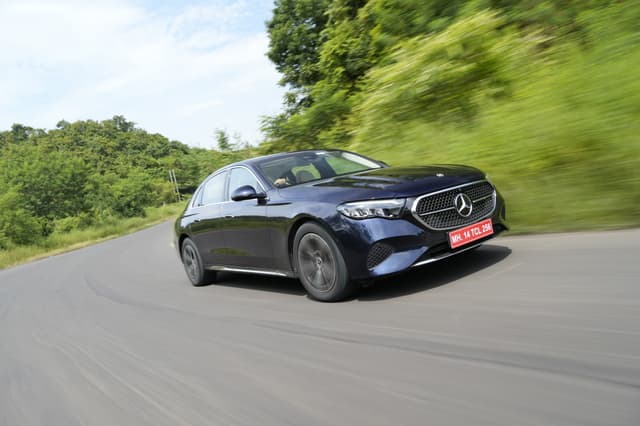
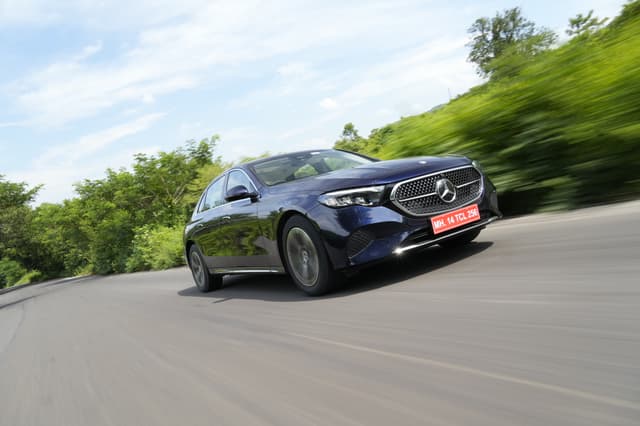
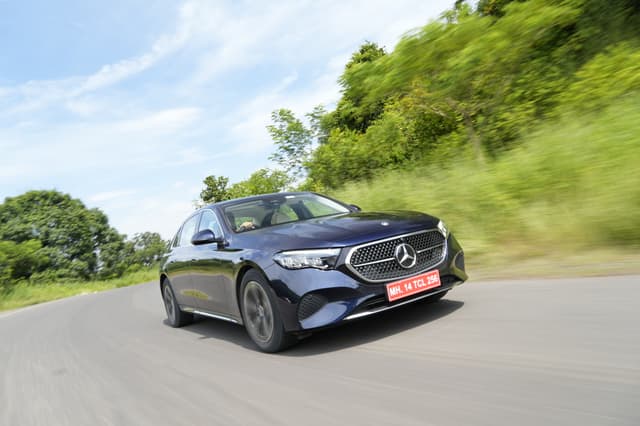
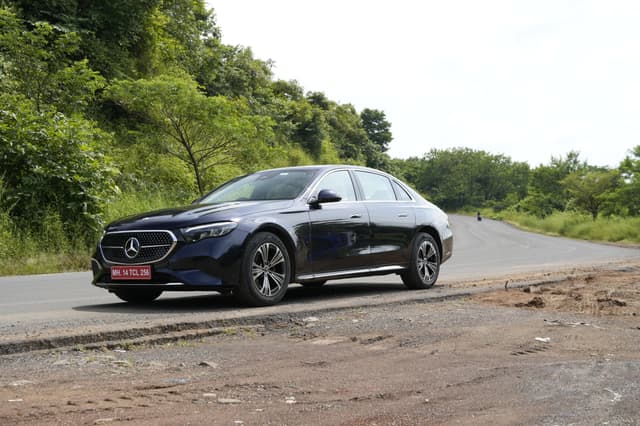
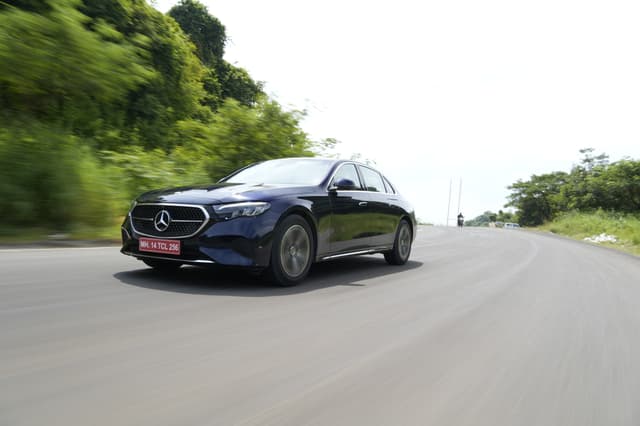
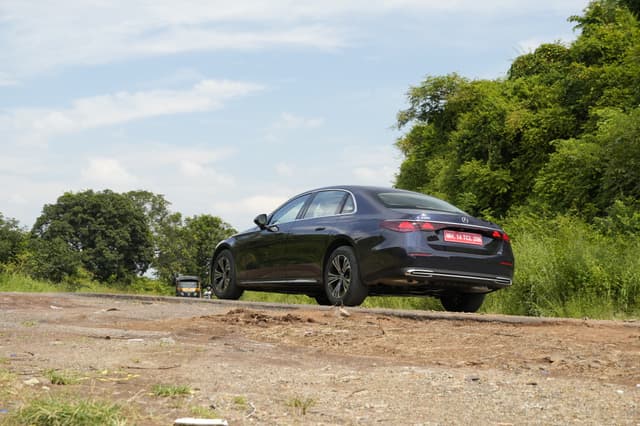
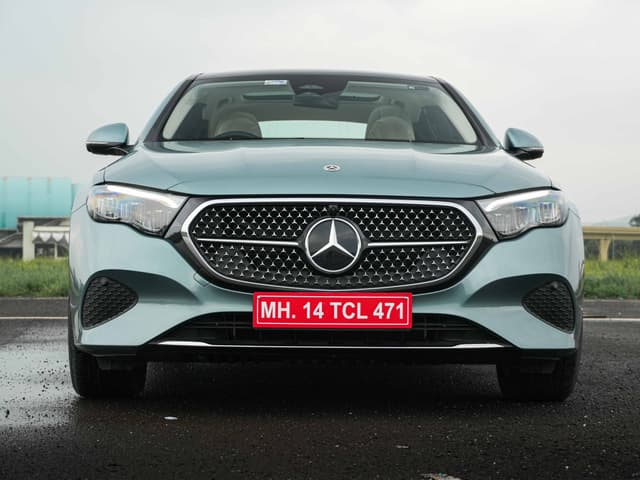
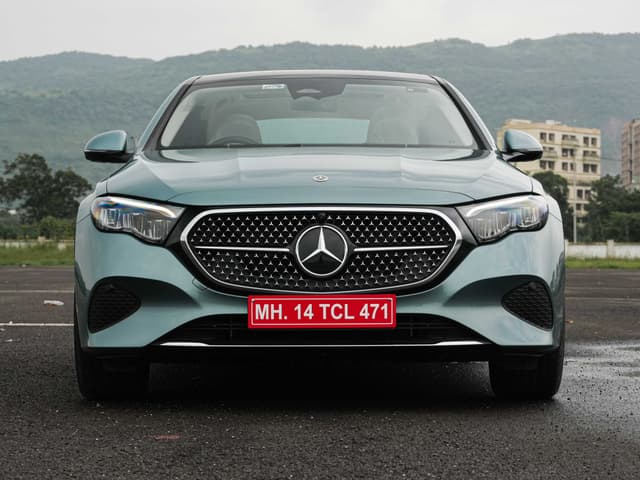
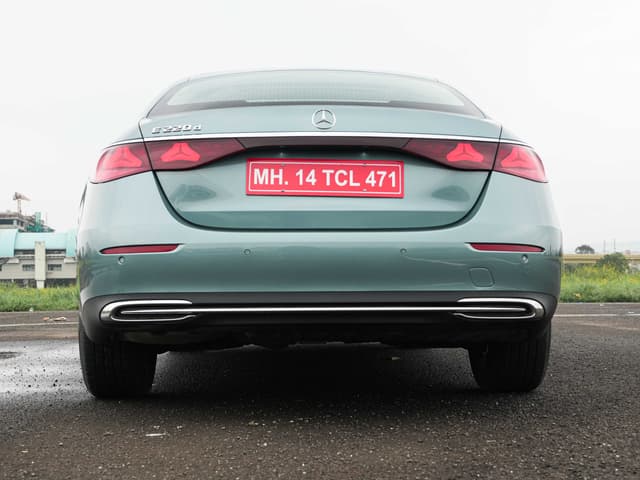
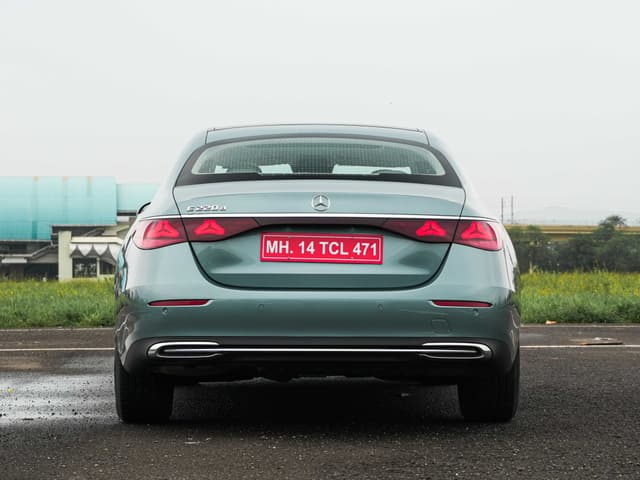
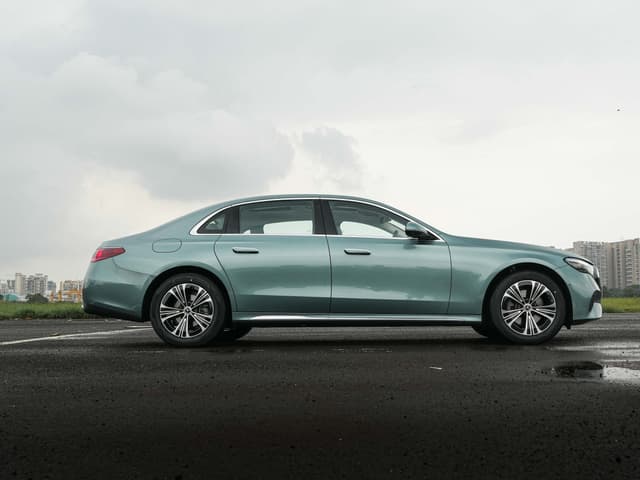
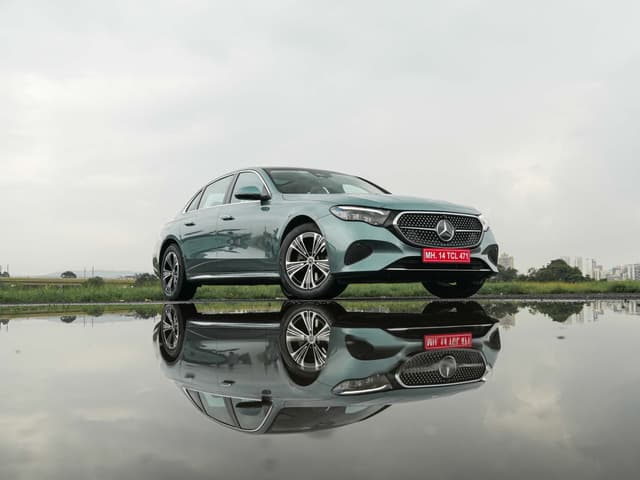
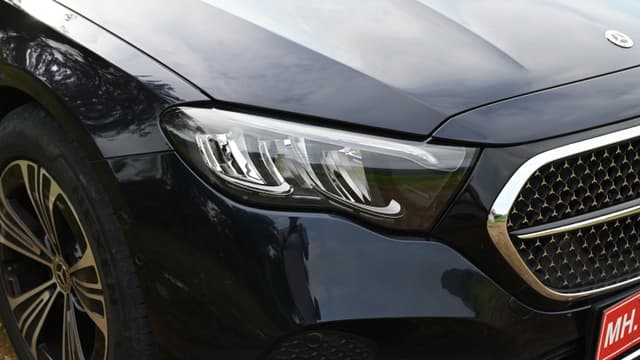
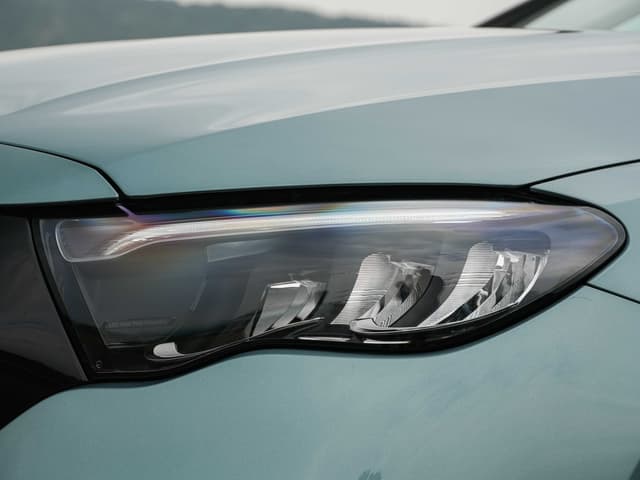
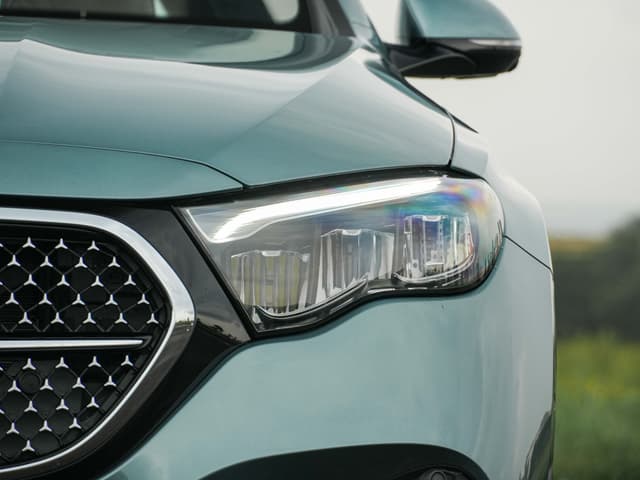
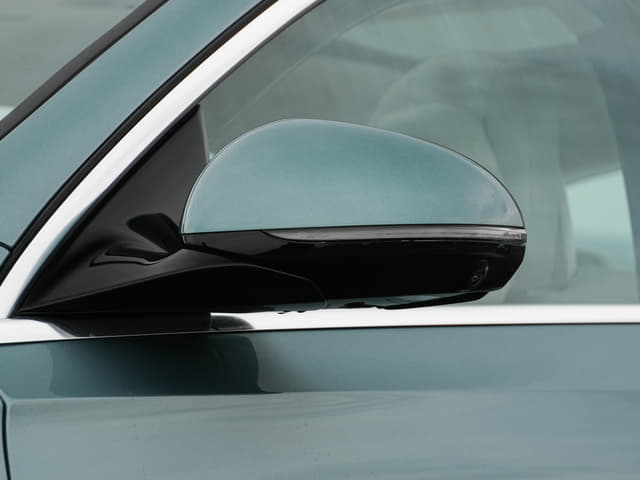
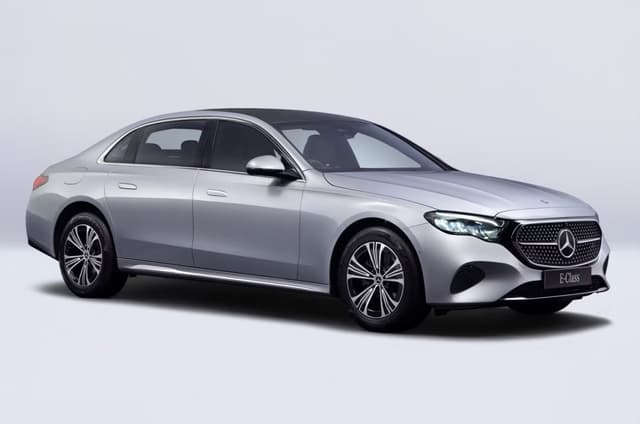
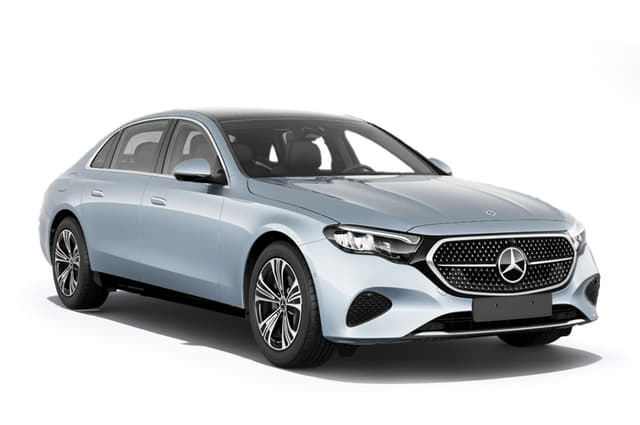
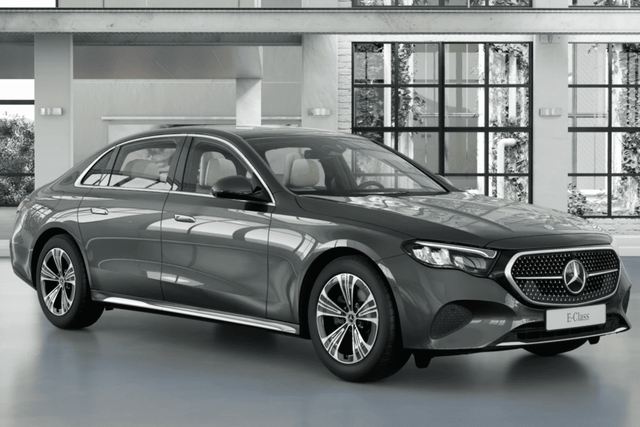
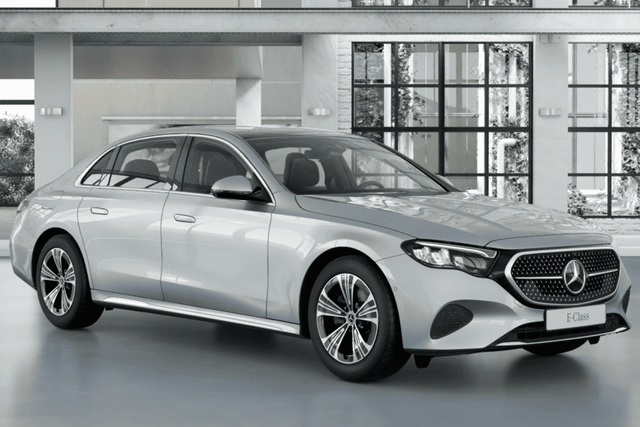
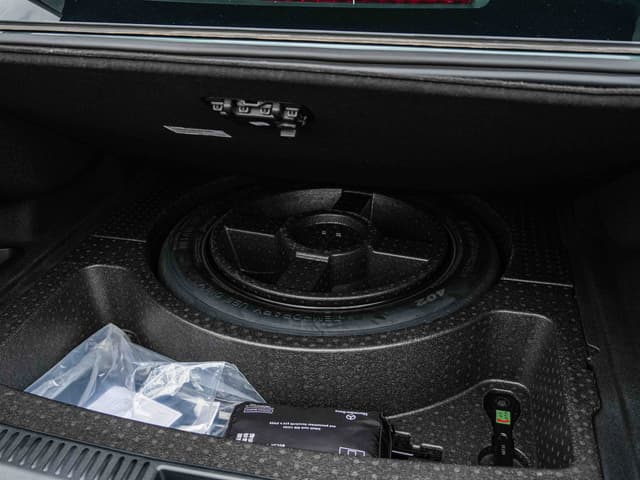
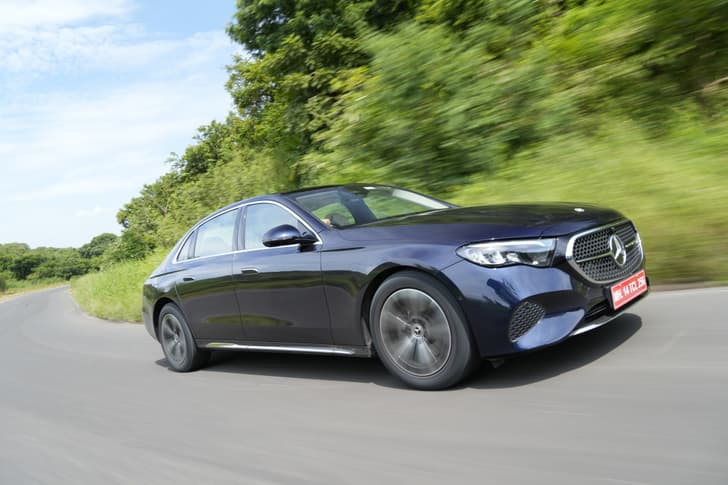
Mercedes-Benz E-Class Images
Questions you may find useful
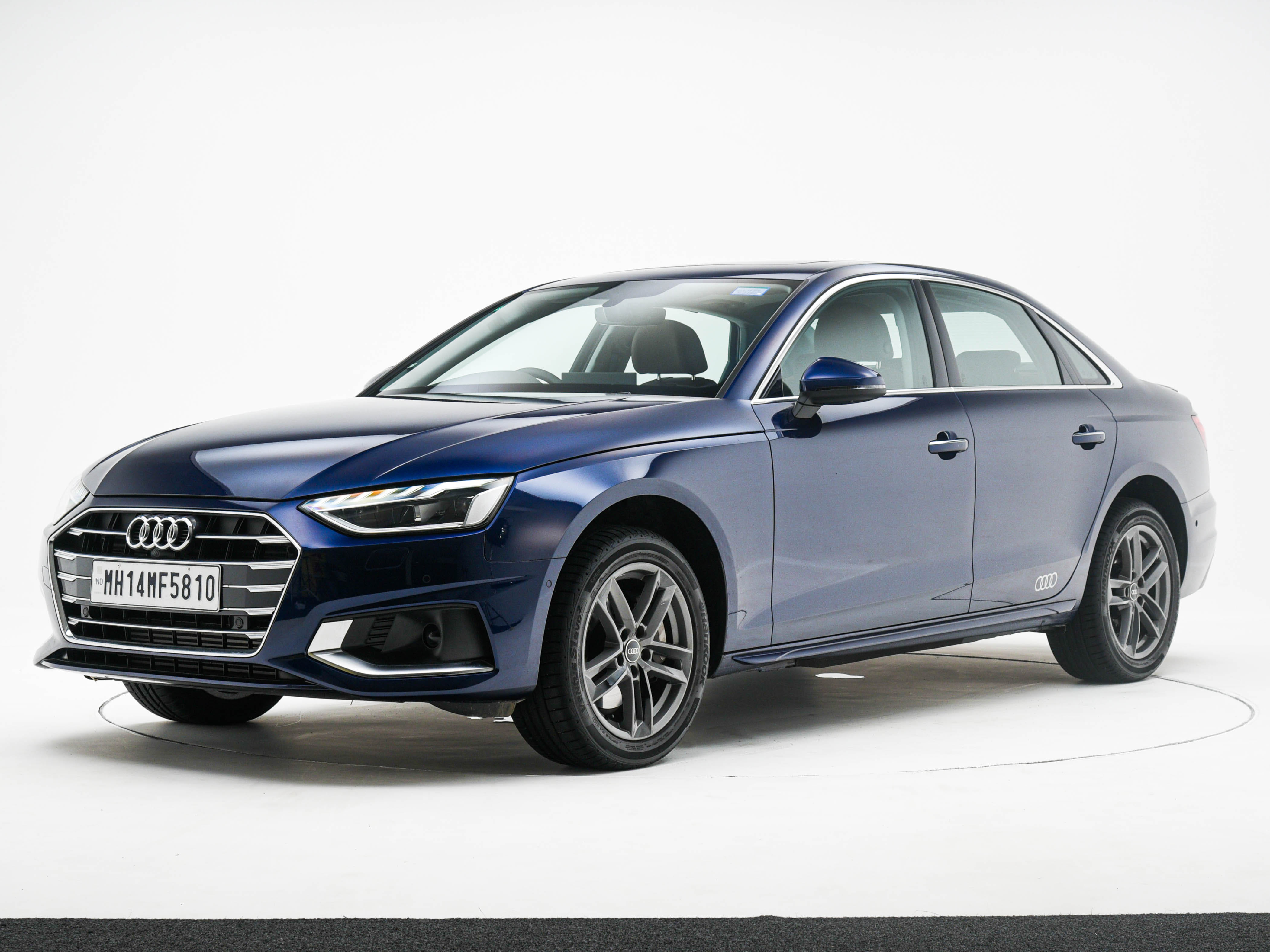
Hi Autocar team, I'm buying my first luxury sedan and have shortlisted the newly launched Lexus ES350h, BMW 530Li LWB and Mercedes E-Class LWB. I plan to keep the car for 10-12 years, so reliability, comfort, refinement and low ownership costs matter more to me than outright performance. If all three had the same badge, I'd choose the Lexus. However, the BMW and especially the Mercedes have much stronger brand recognition in India, and my family feels that matters at this price point. The Mercedes is also around 20 lakh more expensive than the Lexus on-road. Given my priorities, would you still recommend the Lexus, or do the BMW/Mercedes offer enough additional ownership satisfaction over the long term to justify the higher price?
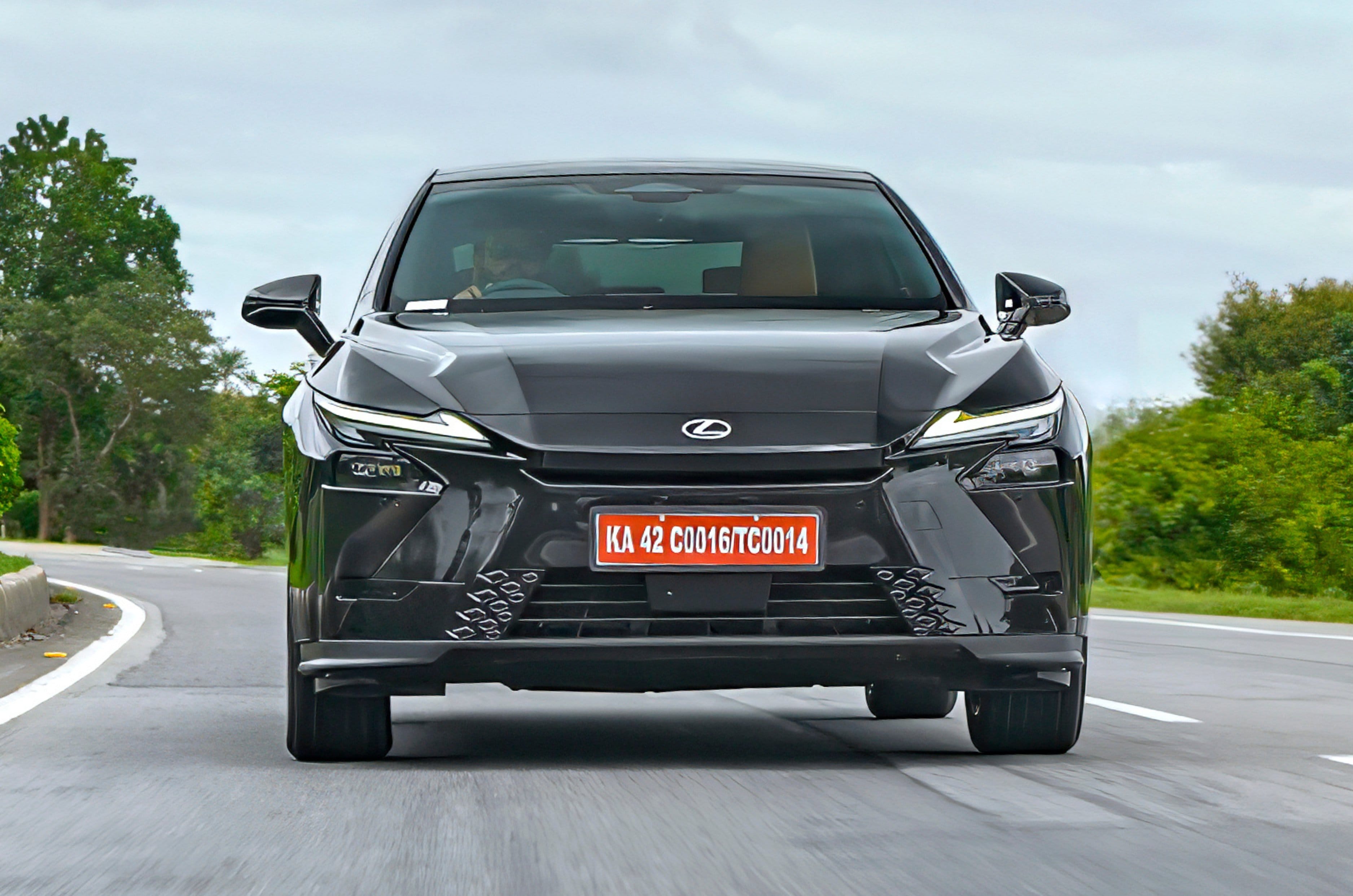
Given your priorities of long-term ownership, reliability, comfort and low running costs, the Lexus ES Hybrid 350h is the most sensible choice. The hybrid powertrain is refined, efficient and well-proven, and Lexus has a strong reputation for reliability and low ownership costs over a 10-12 year period. The new-generation ES that's just been launched is also a genuinely comfortable and luxurious car, with a focus on refinement and rear-seat comfort that suits your usage perfectly.The BMW 530Li LWB and Mercedes E-Class are both excellent cars, and the Mercedes in particular has the strongest brand pull in India. However, as you've pointed out, this Mercedes-Benz car is significantly more expensive than the well-priced Lexus. Similarly, the BMW 530Li LWB is priced higher and offers a more engaging driving experience, but that does not seem to be your primary requirement.If you are genuinely happy with the Lexus car, we would not let brand perception override that decision. The ES 350h is genuinely a premium sedan, and over a decade of ownership, the satisfaction of a reliable, comfortable and refined car will matter far more than the badge on the bonnet.
Hello team. I am looking to buy a new luxury car and am unable to decide between a sedan and an SUV. Within each category, I am confused between the Mercedes GLE, BMW X5, Mercedes E-Class, and BMW 5 Series. The car will be both chauffeur-driven and self-driven. My monthly usage is around 1,300 km. My budget is approximately Rs 1.3 crore, but I can stretch to Rs 1.4 crore if truly necessary. Thank you.
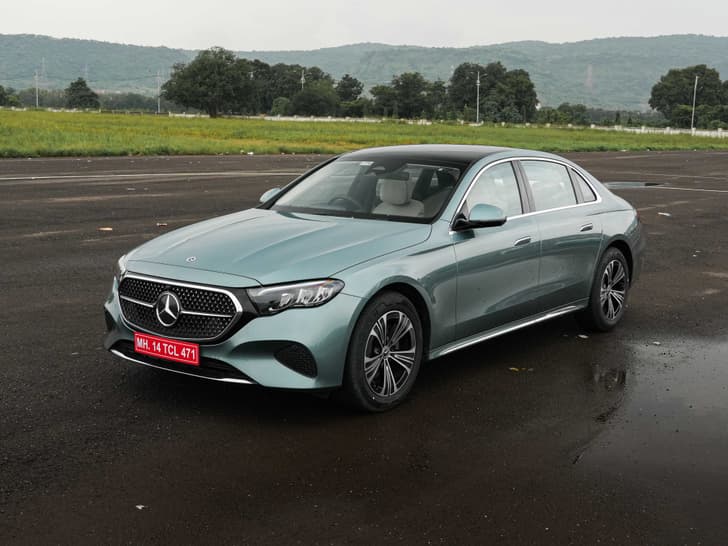
While the SUVs are good options, unless you value the tall seating position and road presence they bring by virtue of their height and boxy shape, there's no need to go there. Ultimately, a sedan will almost always deliver a better driving experience than an equivalent SUV owing to its lower centre of gravity and relatively lighter weight, and factor in the aerodynamic advantage, and it's likely to be more fuel efficient too.While the difference isn't as great in the rear seat these days, in this particular class of cars, it's the sedans that win, with their long-wheelbase designs and luxurious rear seats.We'd recommend the Mercedes-Benz E 450 4Matic, which is as much of a treat from the driver's seat as this Mercedes-Benz car is from the rear. Its 381hp 3.0-litre 6-cylinder petrol engine is powerful and silky smooth, channelling torque to all four wheels for strong power delivery, which is assisted by sharp and precise steering, making for a thrilling driving experience, even for such a long car. The rear seat experience is best in class, with huge amounts of legroom, reclining seats, ambient lighting and powered sunshades all around.
I’m looking for a family car for five people with a comfortable rear seat, strong driving character, and good resale value. My budget is around ₹90 lakh. I’m torn between the Mercedes-Benz E-Class and the Audi Q7. Please help me decide.
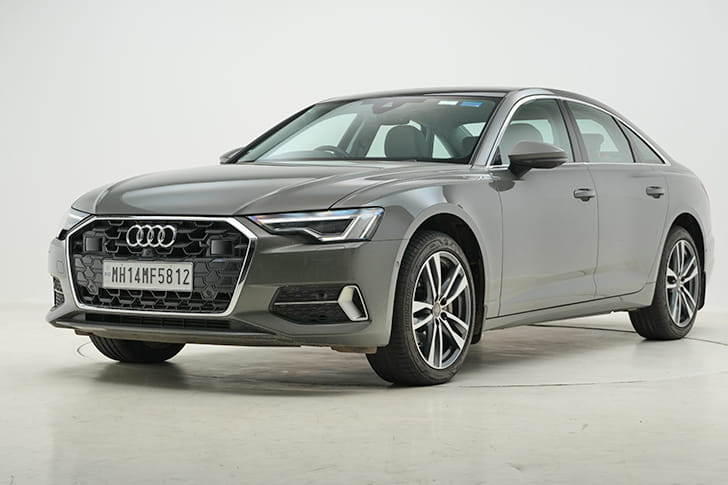
If your requirement is to carry five people, then the answer is definitely an SUV. While the Mercedes-Benz E-Class has one of the best back seats for the money, this Mercedes-Benz car is designed to be best for two people and not three. The Audi Q7 is a good option, which also gives you the flexibility of a third row of seats. It's got a smooth and refined V6 petrol engine, comfortable air suspension, and though it is a bit old now, the latest update introduced about a year ago means this Audi car has the most modern creature comforts. Bear in mind, however, that it is likely to go a little over your budget of Rs 90 lakh, but if you can manage the stretch, it is definitely the better choice.
I have a Škoda Superb L&K 2022, which comes with a front-wheel-drive (FWD) drivetrain, while in some international markets, the Superb has been offered with a rear-wheel-drive (RWD) setup. My first question is: how does FWD differ from RWD in terms of basic driving dynamics? Secondly, what does chassis weight distribution mean in a car, and what significance does it have for driving dynamics and handling? Is an ideal weight distribution necessarily associated with an RWD setup? Also, is it correct to say that RWD is always better than FWD or AWD? Finally, does a four-cylinder engine with twin turbochargers have any significant advantage over an inline-six-cylinder engine?
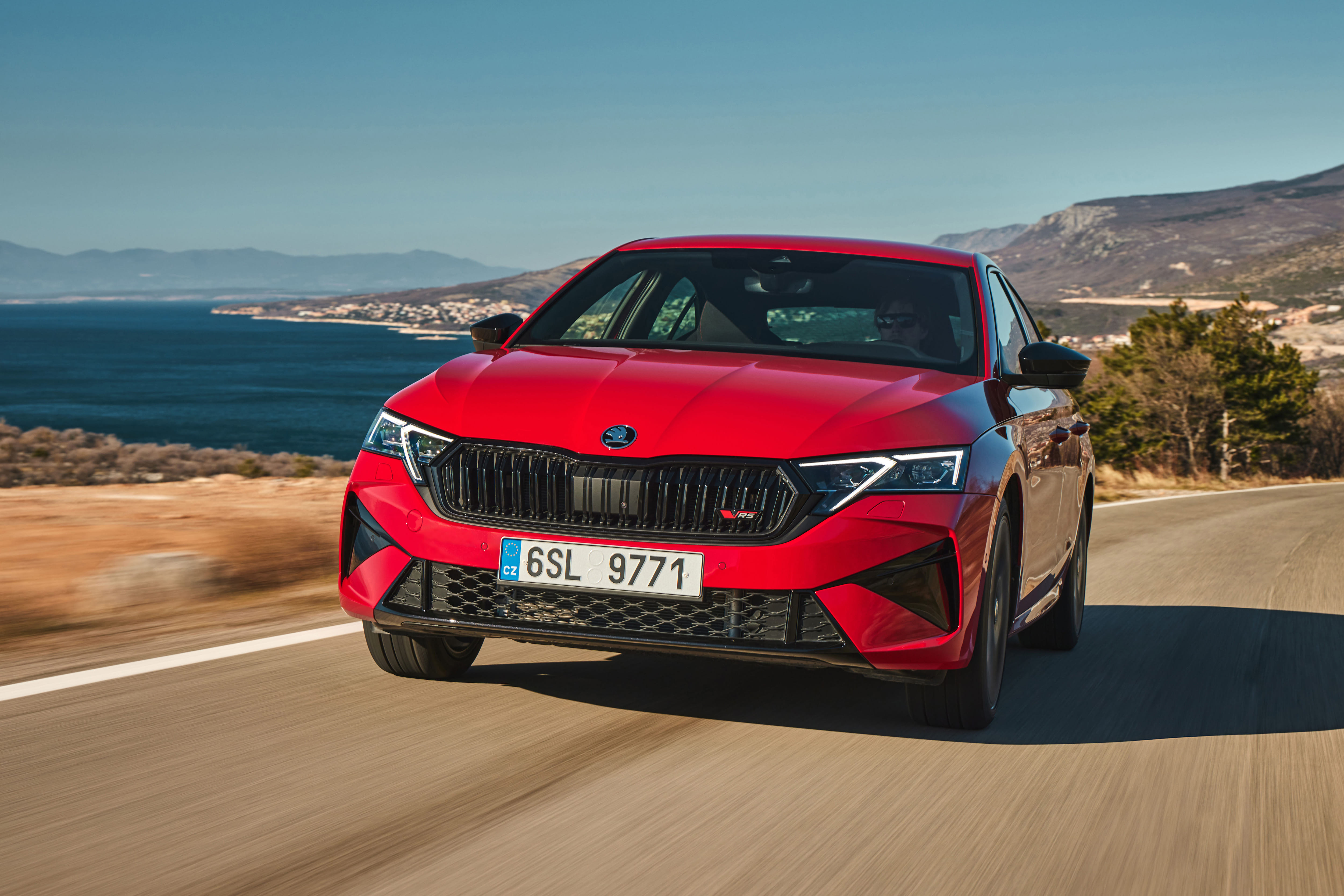
The Skoda Superb is a front-wheel-drive car globally, including in international markets. There is no rear-wheel-drive version of the Superb. The confusion may come from the fact that some premium sedans in the same segment, such as the BMW 5 Series and Mercedes E-Class, are rear-wheel drive, but the Superb itself is not. The Superb is available in some markets with AWD (all-wheel drive), but that too is a front-biased system with the rear wheels driven only when needed.The difference between FWD and RWD is most noticeable in driving dynamics. In a front-wheel-drive car, the front wheels are responsible for both steering and putting power down, which can lead to understeer (the car does not turn as much as intended) and torque steer (the car pulls to one side on its own) when pushed hard. In a rear-wheel-drive car, the front wheels steer while the rear wheels deliver the power, which generally results in better balance and a more engaging driving experience, especially in performance driving.Weight distribution refers to how the car's mass is spread between the front and rear axles. A 50:50 weight distribution is often considered ideal because it helps the car remain balanced during cornering. This is not exclusive to rear-wheel-drive cars, but it is easier to achieve in RWD layouts because the drivetrain components are more evenly distributed along the length of the car.It is not correct to say that RWD is always better than FWD or AWD. Each layout has its own advantages. FWD is more space-efficient, cost-effective, and better in slippery conditions; RWD offers better driving dynamics; and AWD provides the best traction in all conditions.On the engine front, a 4-cylinder twin-turbo can produce impressive power and torque, and tends to be lighter, but an in-line 6 or V6 is inherently smoother and more refined. A larger-capacity engine tends to also be more effortless than a boosted low-capacity engine making the same power output. The choice between the two depends on the application: the 4-cylinder is lighter and more efficient, while the inline-6 offers a more premium and refined driving experience.
I am saving up for my first and maybe only luxury purchase in a couple of years. Confused between E220D, GLC300D, and 520D
Your shortlist today will almost certainly look different in a few years. By then, the current GLC 300d may well be gone, with an electrified or full‑EV GLC taking its place, so banking on that exact diesel variant being available is risky. BMW’s new‑gen 5 Series for India is now only offered as the long‑wheelbase 530Li petrol, so if you specifically want a diesel 520d, there isn’t oneThat’s why the Mercedes‑Benz E 220d remains your best bet for your first and maybe only luxury purchase. The long‑wheelbase E‑Class continues to be the benchmark luxury sedan, with lounge‑like rear space, a calm, almost cocooning ride and outstanding long‑distance ease.You do give up SUV‑style ground clearance and 4Matic traction, but the E-Class’s clearance is actually quite usable by Indian luxury‑sedan standards, and the way it rides and flows at a cruise is more relaxing than a taller SUV anyway.Also in 2027 or early 2028, a facelift of the E-class is expected, and hence, it would be the right time to buy one, and hopefully, you would have saved up enough by then.
Similar Car Reviews
Upcoming Cars


Mercedes-Benz Cars

Trending Cars


Latest Cars