Autocar India
11w

I am saving up for my first and maybe only luxury purchase in a couple of years. Confused between E220D, GLC300D, and 520D

Verified
11w
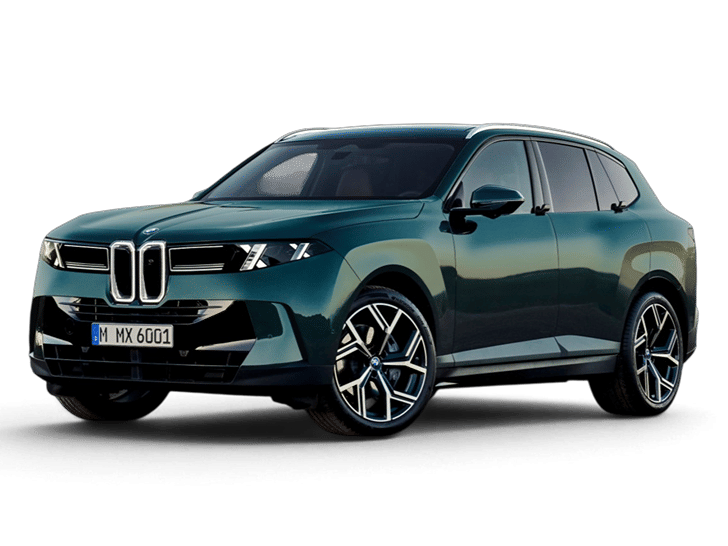
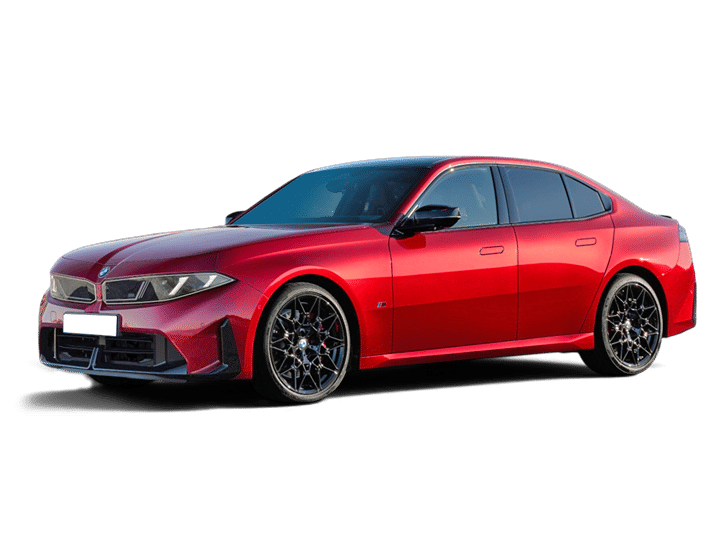
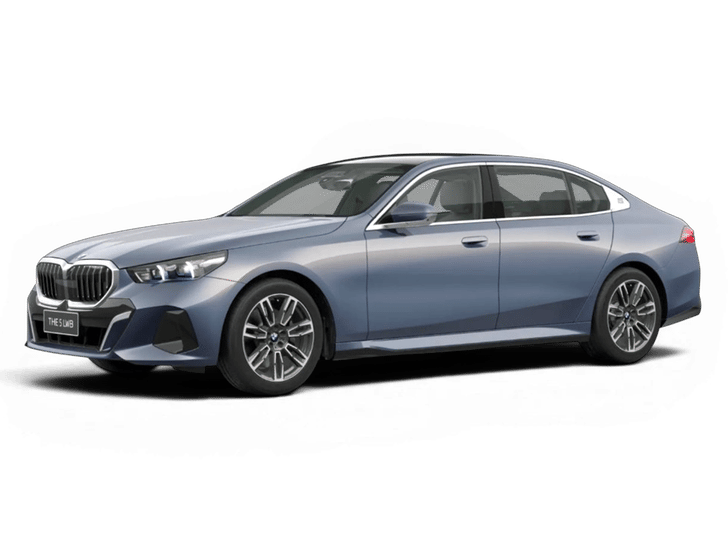
Your shortlist today will almost certainly look different in a few years. By then, the current GLC 300d may well be gone, with an electrified or full‑EV GLC taking its place, so banking on that exact diesel variant being available is risky. BMW’s new‑gen 5 Series for India is now only offered as the long‑wheelbase 530Li petrol, so if you specifically want a diesel 520d, there isn’t one
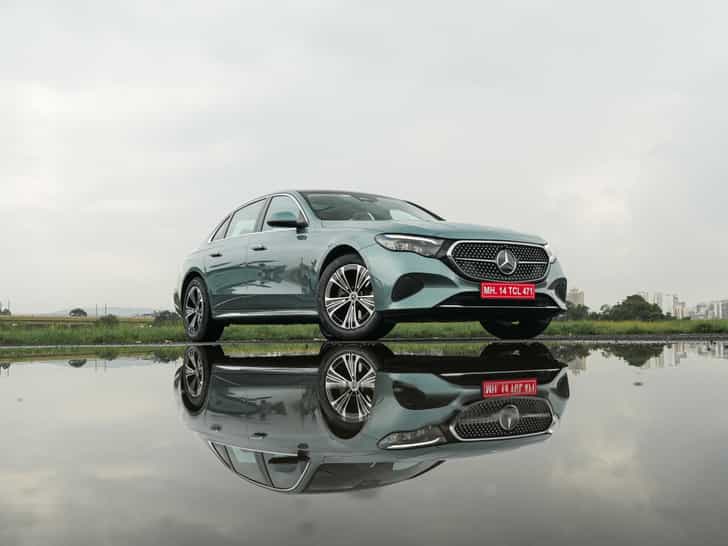
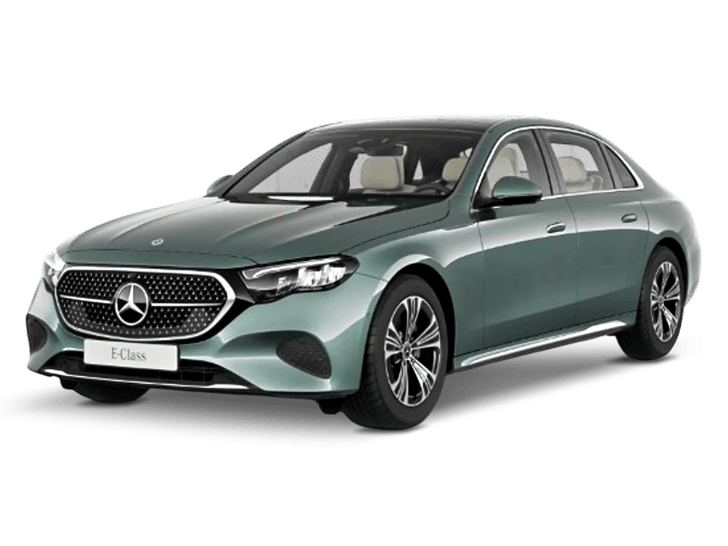
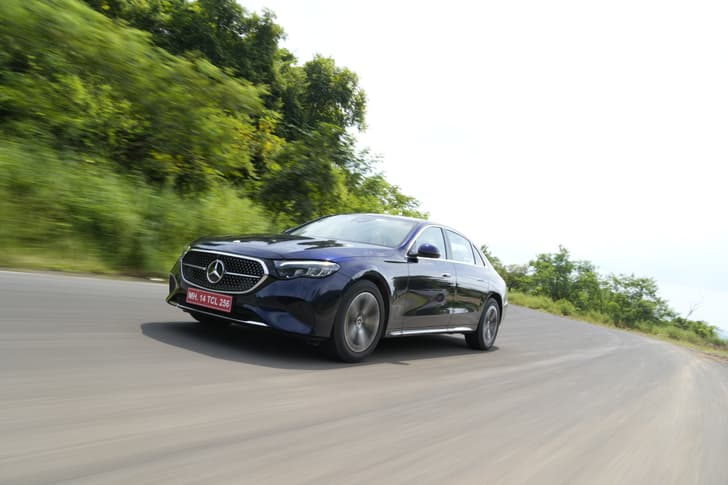
That’s why the Mercedes‑Benz E 220d remains your best bet for your first and maybe only luxury purchase. The long‑wheelbase E‑Class continues to be the benchmark luxury sedan, with lounge‑like rear space, a calm, almost cocooning ride and outstanding long‑distance ease.
You do give up SUV‑style ground clearance and 4Matic traction, but the E-Class’s clearance is actually quite usable by Indian luxury‑sedan standards, and the way it rides and flows at a cruise is more relaxing than a taller SUV anyway.
Also in 2027 or early 2028, a facelift of the E-class is expected, and hence, it would be the right time to buy one, and hopefully, you would have saved up enough by then.
Mercedes-Benz E-Class

Mercedes-Benz E-Class

10w

Planning to buy a car under 25 lakh which should be an better option kia seltos or mahindra scorpion n

11w

Hi Satish, a couple of months ago we were confused on similar options. We were considering E220d, 530Li or a Toyota/Lexus. Owning a Toyota for about 15 years we had enough confidence in the brand but the Camry and ES didn't speak the same luxury language as the Germans did. To begin with, experience at the BMW showroom was quite better than the Merc so we did incline more towards the 530Li (user experience matters). Design: I prefer the designs of earlier models of both the cars. But I have come at peace with the BMWs recent design language. I like the titanium accents that the have put in the 5 which goes well with the shades of blue. The long bonnet does take some time to get used to but looks really good. Ground clearance is an additional point for the 5 series, since I have scraped it twice I cant imagine what the damage would have been on a Merc as it rides considerably lower. Ride quality and handling: BMW has a softer suspension setup than the Merc and goes over bumps effortlessly. BMW being a more driver focused car could have had a firmer suspension but I am happy with the floaty ride on Indian roads. BMW also seems a tad bit quieter tbh. Interior: Both the cars have really good interiors and its a matter of preference. At our home we like driving ourselves to places, hence the rear seats are vacant 70% of the times. I also prefer physical buttons more than the touch screen and BMW has a lot more than the merc. I believe buttons are a cheap way to cut costs. I strongly dislike the extensive interior lighting in the Merc which feels gimmicky, BMW's simply seem more elegant by a mile. Engine: This is again a win for the BMW as the B48 petrol engine has around 250bhp which is about 25% more than the E Class. I does feel a lot quicker. Fuel economy in the city is around 9.8-10 km/l in the city and about 15kmpl on the highway. Not so sure about the Merc but since it is a diesel it would definitely be better. The petrol engine is very refined and quiet almost like an EV until floored. Cost: 530Li costs about 10% lesser than the E220d. The only things I find lacking in the 530Li are the blinds and rear seat functions. With all the additional stuff in the BMW it was an easy win for me. I was unable to wrap my head around the thought that these 2 things would cost 7-8 L and still be missing other benefits that BMW has. Overall, we ended up going for the 530Li.

More questions on similar cars

3d

My current car is a 2012 Skoda Fabia Petrol 1.6 MPI. For an upgrade, I am considering the Kylaq AT, Kushaq AT or the Honda Elevate Hybrid, if it becomes available. My usage consists of limited city driving on weekends and around 10,000km of highway travel annually, including a 600km one-way trip to my hometown. My budget is Rs 15-18 lakh, although I can stretch a little if it makes sense.

Verified
6h

Our suggestion would be to keep it in the Skoda family and pick the Kushaq. Your 600km highway runs will feel the easiest in this one, thanks to the TSI engine's strong pull and a stable, confident high-speed feel. Coming from a Fabia, you will also like the familiar solid build, but it's still compact enough for your weekend city drives. For your usage, the 1.5 TSI with the DSG gearbox is honestly the better bet, as it has the stronger yet smoother engine, snappier gearbox and almost no fuel economy penalty thanks to clever cylinder deactivation tech.However, these variants are several lakhs outside your budget, so you might have to choose the 1.0 TSI, which is also very good. The Kylaq with the 1.0 TSI is also a good bet, but it won't feel as significant an update from your Fabia in terms of size.The Honda Elevate hybrid, sadly, does not look like it will see the light of day, as Honda is focused on bringing out its midsize EV first, and other all-new models thereafter. You could look at the Elevate petrol, however, which is plenty efficient enough on its own. However, we still think the Kushaq is the best option for you.

VehicleSkoda Kushaq
VehicleSkoda Kylaq
2d

I am planning to buy a new touring car and want a naturally aspirated petrol manual. The cars I have shortlisted are: Suzuki Jimny, Honda Elevate, Tata Sierra (maybe diesel?), Hyundai Creta/Kia Seltos, and Suzuki/Toyota Grand Vitara. I need advice on the best price-to-value, and general service-related problems are not an issue (I usually service my car myself). If possible, please explain the compromises, both mechanically and feature-wise.

Verified
7h

Of your shortlist, it comes down to the Honda Elevate, Maruti Suzuki Victoris/Grand Vitara, or Toyota Hyryder, and finally the Kia Seltos.The Maruti Suzuki Jimny is simply not practical enough for the money, and its ride isn't suitable for touring. The Sierra's 1.5 NA petrol is its weakest engine, and the diesel is expensive, and between the Creta and Seltos, we'd pick the newer Seltos as it is more modern, larger and more spacious. And though we would recommend using the official service outlets, if you are interested in servicing the vehicle yourself, the naturally aspirated petrol manual is the best bet. The good news is that all these cars will fall comfortably within your budget, too.The Maruti and Toyota SUVs are superbly reliable and incredibly efficient, though rear-seat space is not as good as the others. The power figure is not great either, and though sufficient in the city, for your highway touring use, you might feel it wanting slightly.The Kia Seltos' 1.5-litre petrol engine produces slightly more power, but the vehicle is also heavier, so it does not feel dramatically quicker on the highway. It is larger than the others, though, offering noticeably more cabin space, better interior quality and a stronger feature list. While it costs roughly Rs 1.5 lakh more in higher trims, you do get more for your money.In terms of outright value, though, the Honda Elevate strikes the best balance. It is more spacious than the Maruti/Toyota, cheaper than the Seltos, and has the most powerful engine, which is also fuel-efficient and legendarily reliable. The 1.5-litre i-VTEC remains tractable at low speeds as well as strong enough on the highway. It is also backed by solid ride and handling dynamics. Downsides are that refinement isn't as good as the others, and even in top-spec guise, the feature set is not as good, though you do get the essentials. We would recommend the Honda over the others for your needs.

VehicleHonda Elevate
VehicleMaruti Suzuki Jimny
VehicleMaruti Suzuki Victoris
VehicleMaruti Suzuki Grand Vitara
VehicleToyota Urban Cruiser Hyryder
VehicleKia Seltos

Expert reviews worth reading

Popular discussions right now

1w

Which would be the better choice among the BYD Sealion 7, Mahindra XEV 9e, and Vinfast VF7? I currently own a Skoda Superb, which is 6 years old, and my ownership experience has been good so far. However, I am considering switching to an EV as a replacement, mainly because I am concerned about potential mechatronics-related repairs and higher maintenance costs as the car ages, even though I have not faced any issues yet. My heart says the BYD Sealion 7 would be the ideal replacement or upgrade for the Superb because of its build quality, premium cabin, and overall feel. However, my mind wonders whether it truly offers good value for money considering its premium price tag, although budget is not a major constraint for me. My daily driving is around 20-30 km, mostly within the city, with only occasional outstation trips. Considering my usage pattern and expectations, which of these EVs would you recommend?

Verified
1d

Pick the BYD Sealion 7. It comes closest to your Superb in the way it feels inside and the calm, premium way it goes down the road, and BYD’s EV tech is well proven here. For 20-30km city usage it is smooth, very efficient, and the cabin quality, quietness and ride will feel like a real upgrade that's on par with luxury cars in the same price range.The Mahindra XEV 9e and Vinfast VF7 do sound like good value with the amount of performance and features they offer, but they both belong a size and segment down on the BYD, and that's reflected in the price too. Plus, though feature laden, their cabins will not give you the same plushness you enjoyed in your Skoda Superb. One catch with the Sealion 7 is BYD’s smaller network as compared to Mahindra. But with budget not being a big worry and your usage being mostly in the city, the peace-of-mind of mature EV hardware and genuine upmarket feel makes the BYD the right call for you. Charge at home and you will need to top up just once every few days.

VehicleBYD Sealion 7
VehicleSkoda Superb
VehicleMahindra XEV 9e
VehicleVinfast VF7

Posted on: 2 Apr 2026