

Delhi
•45w
Hello team. I am looking to buy a new luxury car and am unable to decide between a sedan and an SUV. Within each category, I am confused between the Mercedes GLE, BMW X5, Mercedes E-Class, and BMW 5 Series. The car will be both chauffeur-driven and self-driven. My monthly usage is around 1,300 km. My budget is approximately Rs 1.3 crore, but I can stretch to Rs 1.4 crore if truly necessary. Thank you.

While the SUVs are good options, unless you value the tall seating position and road presence they bring by virtue of their height and boxy shape, there's no need to go there. Ultimately, a sedan will almost always deliver a better driving experience than an equivalent SUV owing to its lower centre of gravity and relatively lighter weight, and factor in the aerodynamic advantage, and it's likely to be more fuel efficient too.
While the difference isn't as great in the rear seat these days, in this particular class of cars, it's the sedans that win, with their long-wheelbase designs and luxurious rear seats.
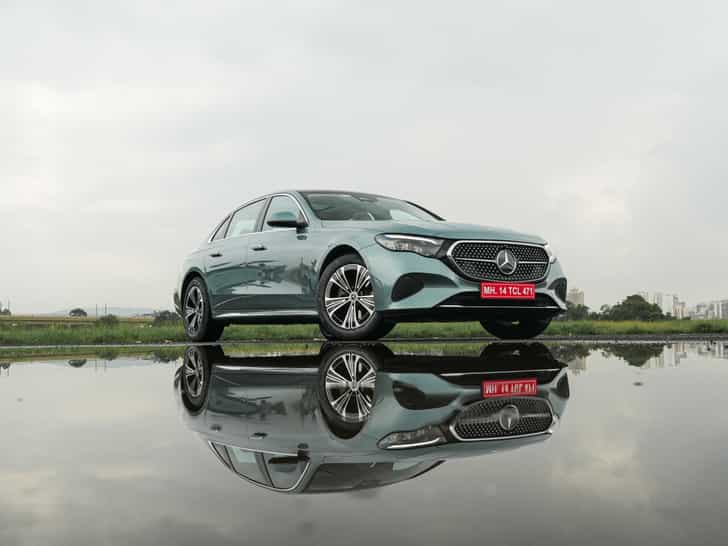
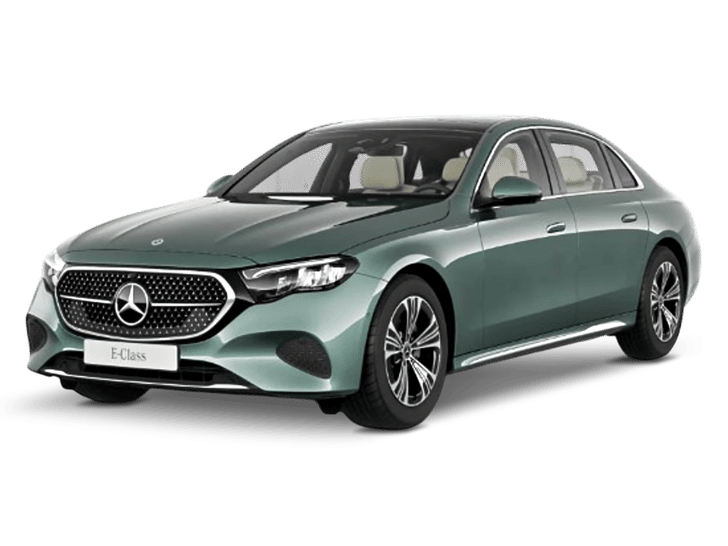
We'd recommend the Mercedes-Benz E 450 4Matic, which is as much of a treat from the driver's seat as this Mercedes-Benz car is from the rear. Its 381hp 3.0-litre 6-cylinder petrol engine is powerful and silky smooth, channelling torque to all four wheels for strong power delivery, which is assisted by sharp and precise steering, making for a thrilling driving experience, even for such a long car. The rear seat experience is best in class, with huge amounts of legroom, reclining seats, ambient lighting and powered sunshades all around.
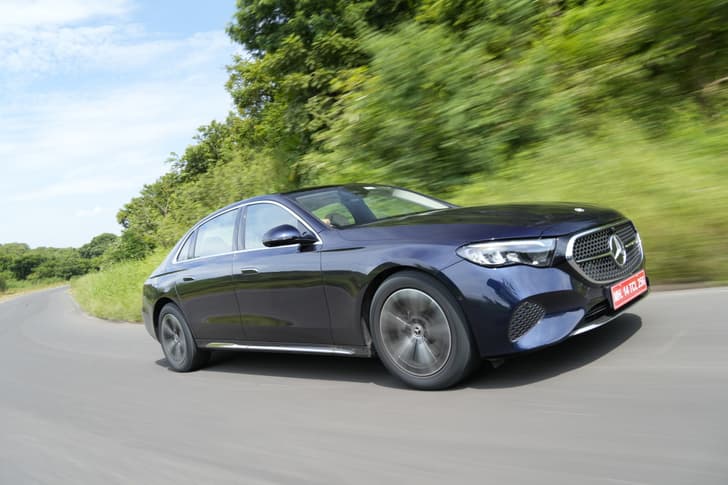
Mercedes-Benz E-Class
Explore cars mentioned
More posts on similar cars

Has E20 fuel affected your mileage?

Expert reviews worth reading
Is ADAS worth paying extra for in a car?
Popular discussions right now
Upcoming launch buzz
Community discussions on upcoming launches



Add a photo of your GLE
First sightings, real road conditions, delivery buzz

Posted on: 17 Dec 2025
