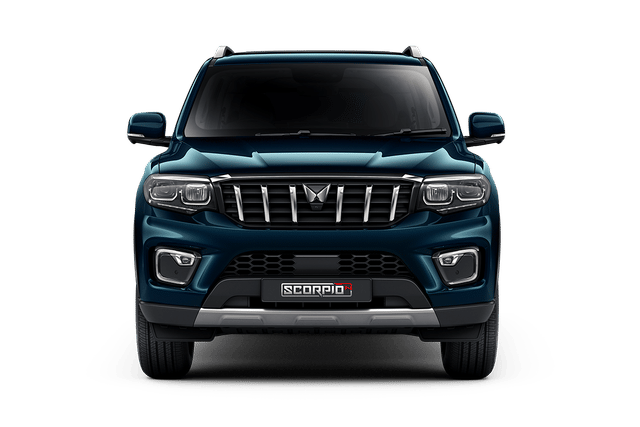
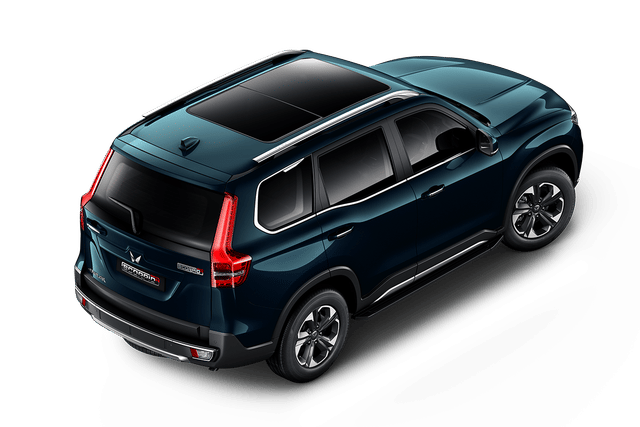
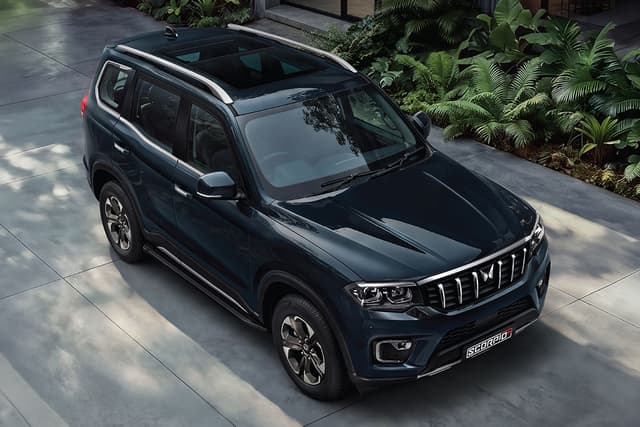
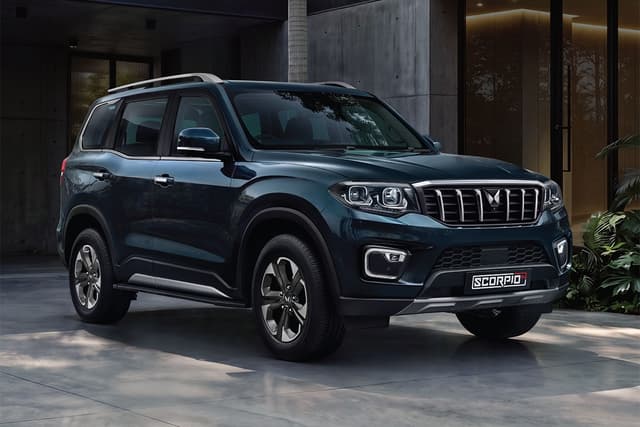
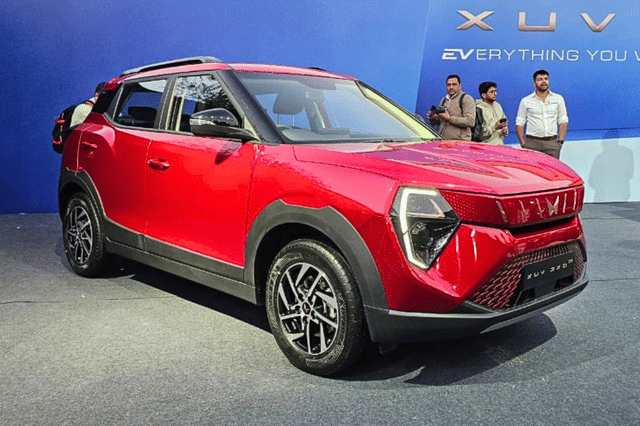
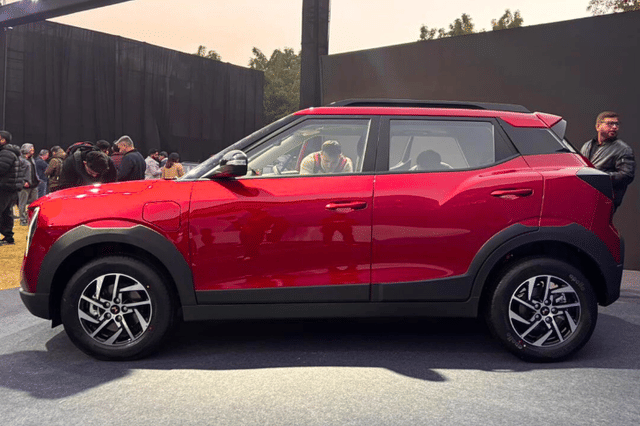
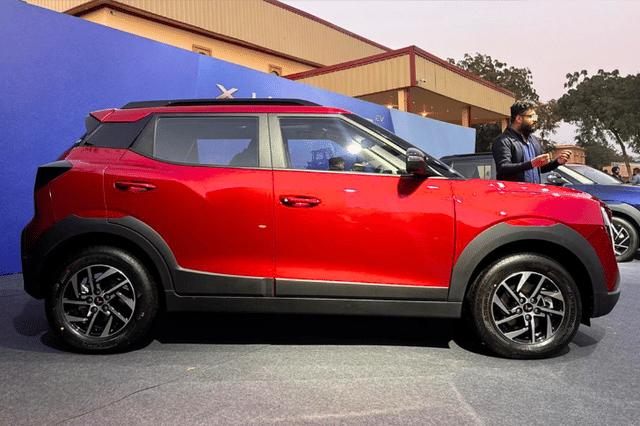
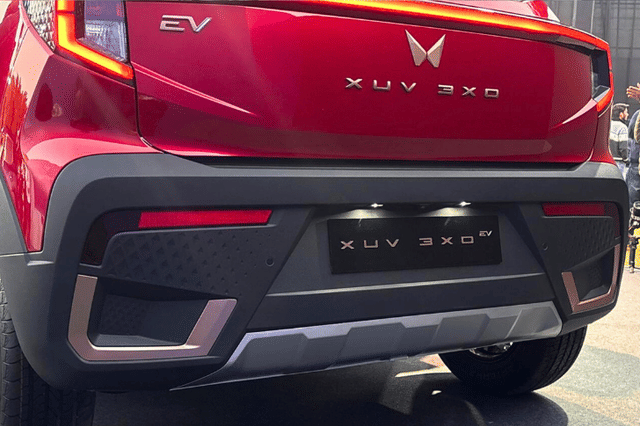
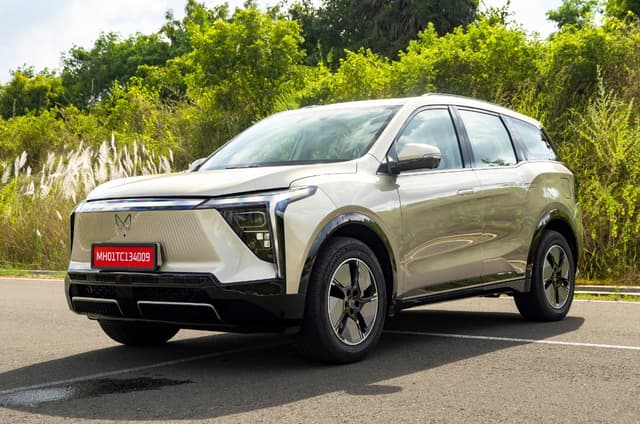
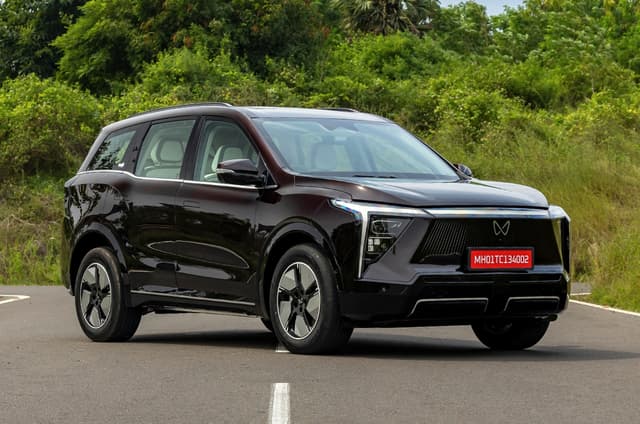
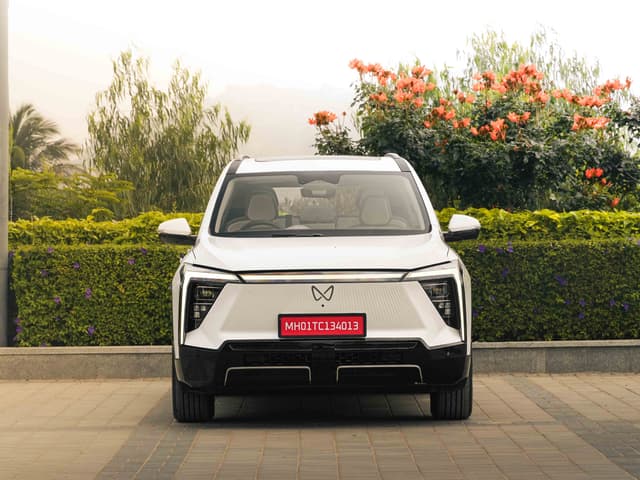
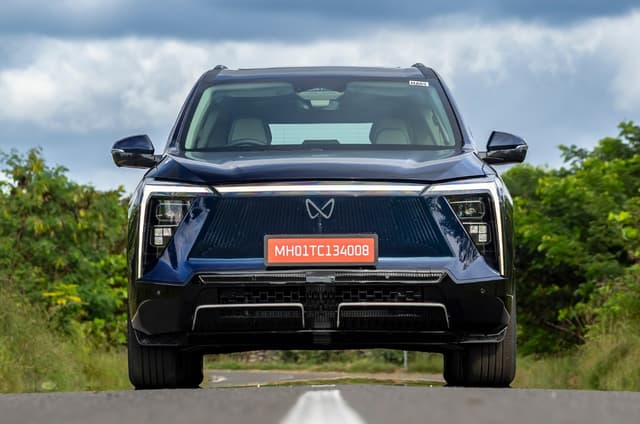
Mahindra cars in India (19)
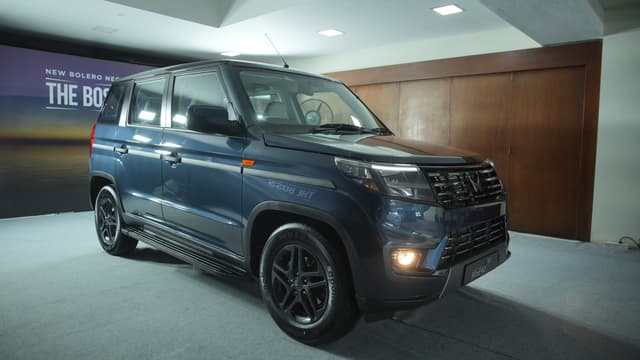
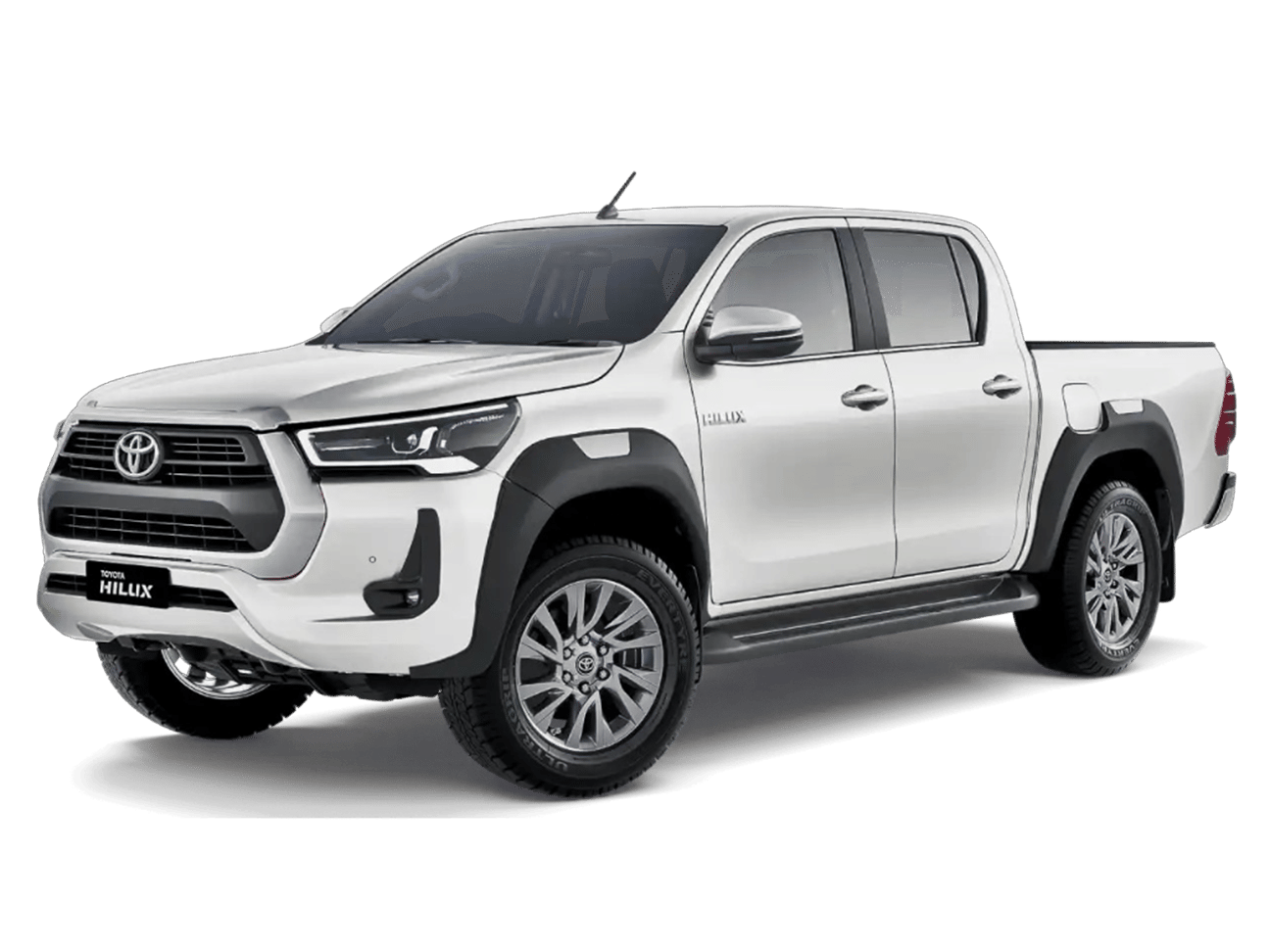
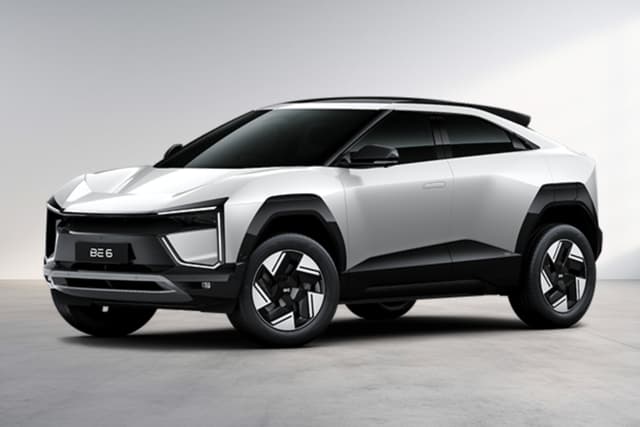
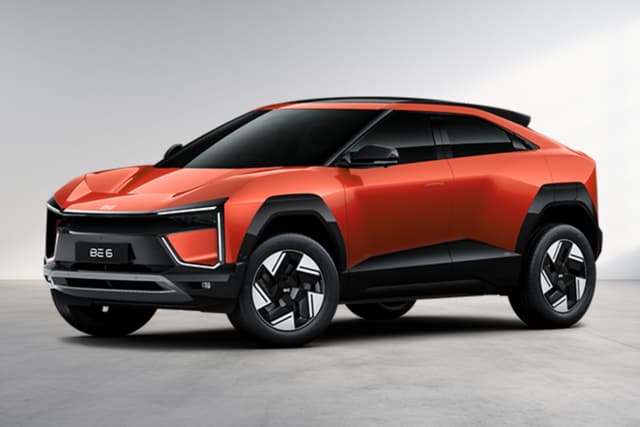
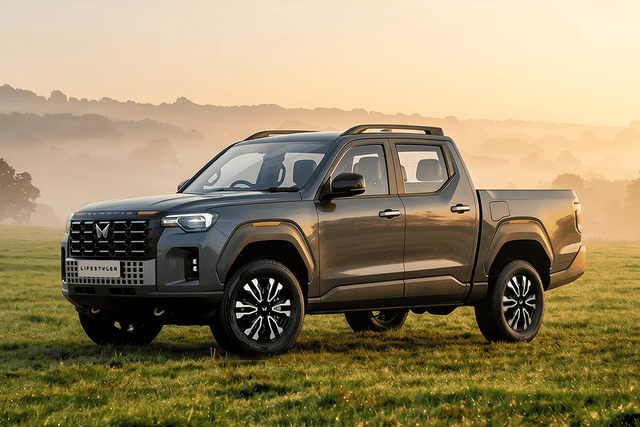
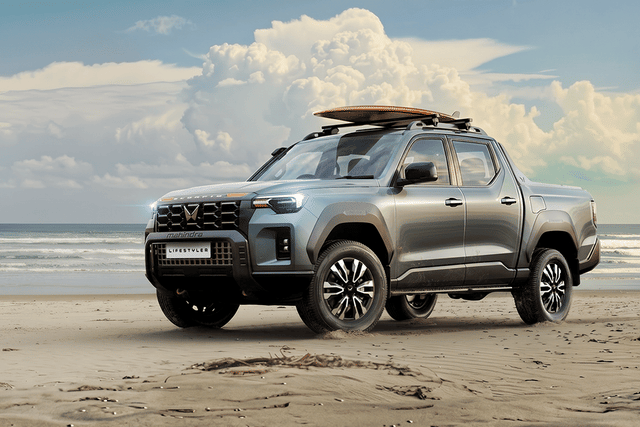
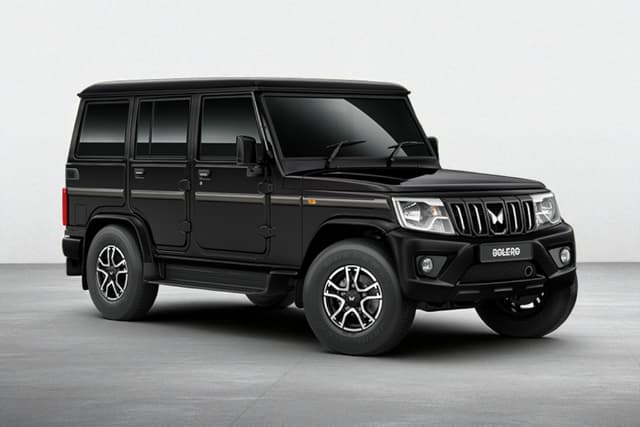
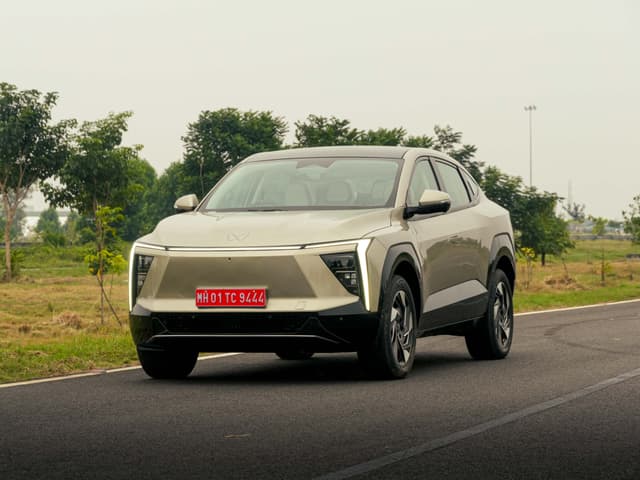
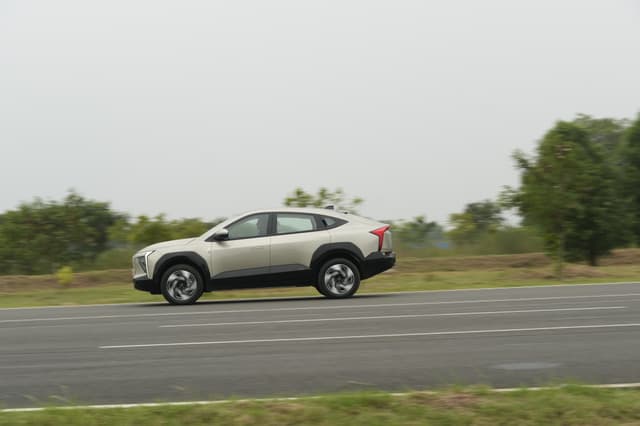
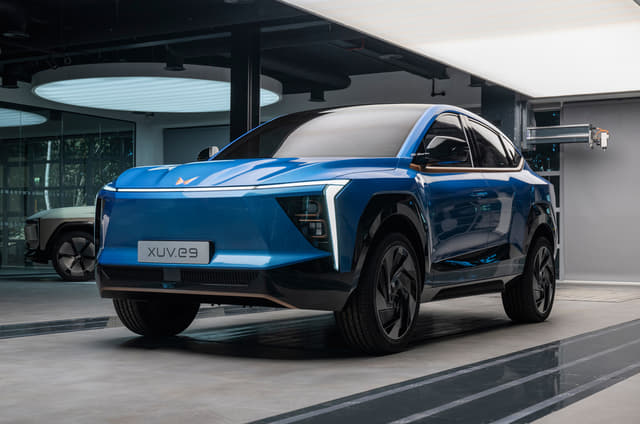
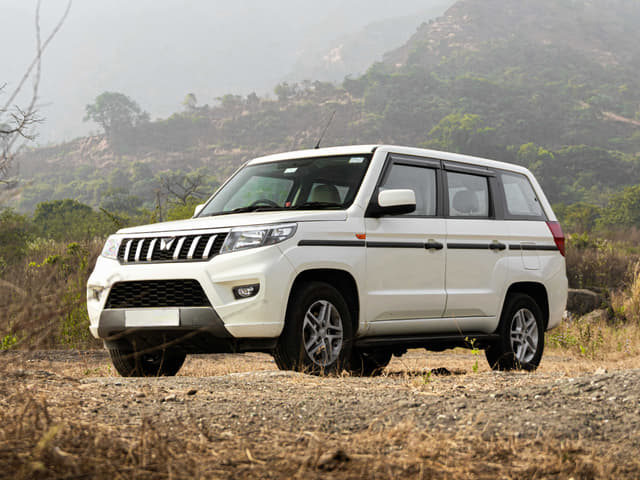
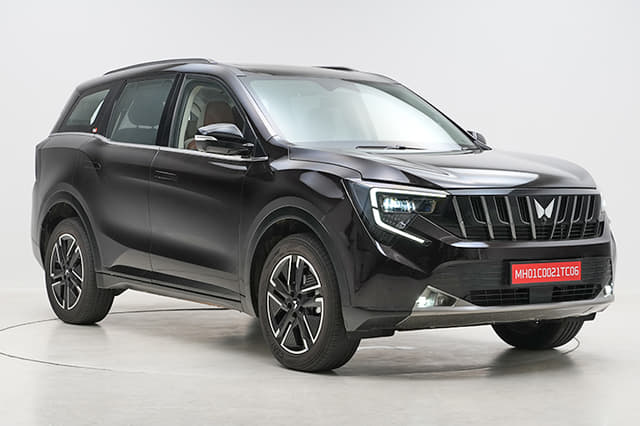
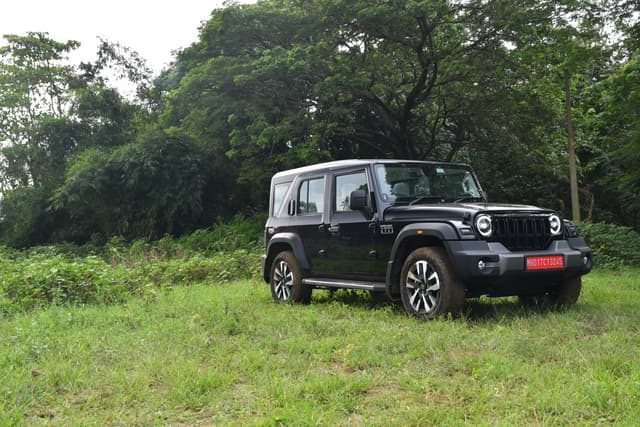
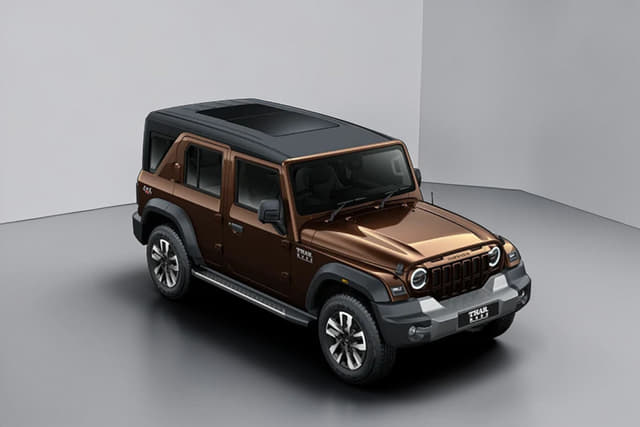
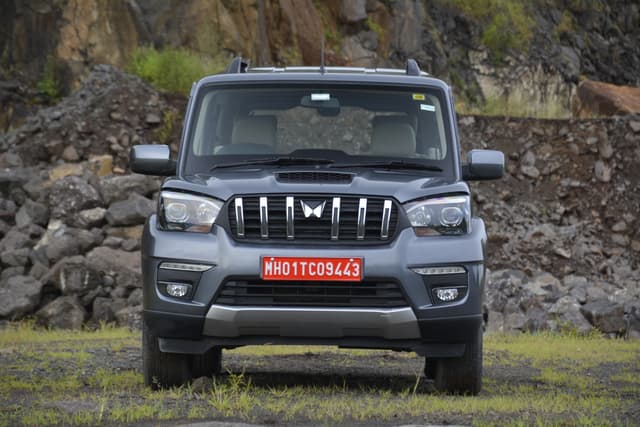
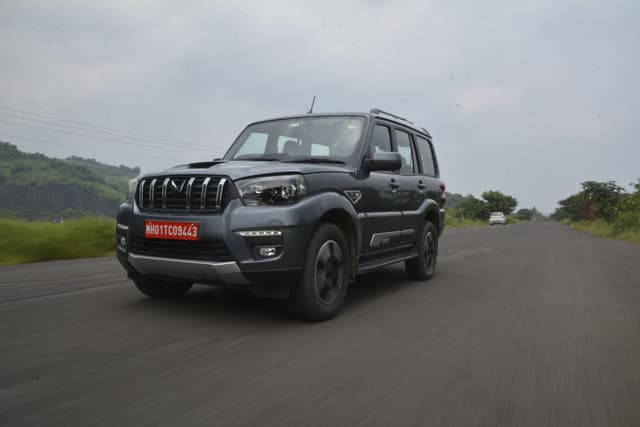
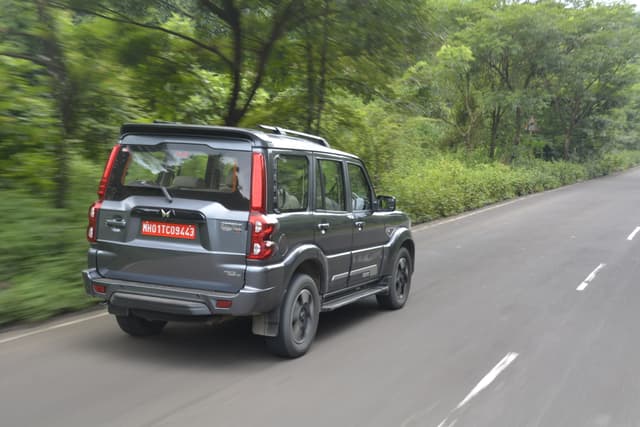
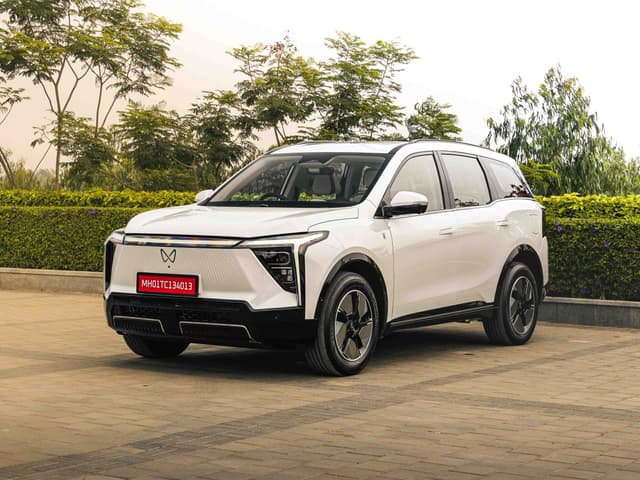
Initially a steel trading firm founded by brothers Kailash and Jagdish Mahindra, along with Malik Ghulam Muhammad in October 1945, Mahindra officially began its automotive journey in 1949. This was followed by the assembly of the brand’s first contracted Jeep CJ series for the Indian military. Mahindra’s entire line-up currently consists of utility models that primarily include SUVs and pickup trucks, with petrol, diesel and fully electric powertrain options.


Filter your search


Filter your search

Find cars by fuel type


Find cars by transmission
Mahindra Cars - FAQs
While Mahindra's legacy is rooted in SUVs and farm equipment like tractors, the company launched the Logan sedan in April 2007 as a joint venture with Renault. This was followed by the Verito and Verito Vibe hatchback a few years later.
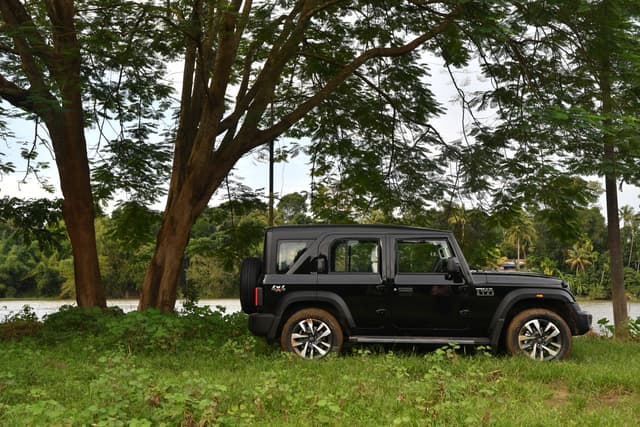
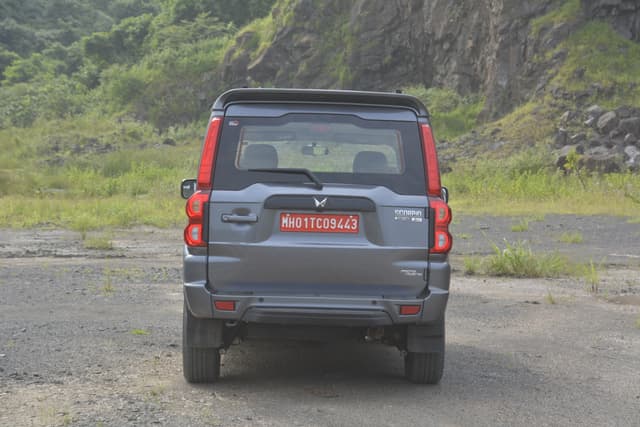
Only a handful of Mahindra's body-on-frame SUVs come equipped with old-school mechanical four-wheel drive systems with a low-ratio transfer case and a locking differential.
While new Tata SUVs are all based on monocoque platforms, select Mahindra models are still available with rugged body-on-frame architecture for those who wish to go off-roading regularly without worrying about accidental structural damage.
Trending Questions on Mahindra Cars - Answered by Autocar Experts
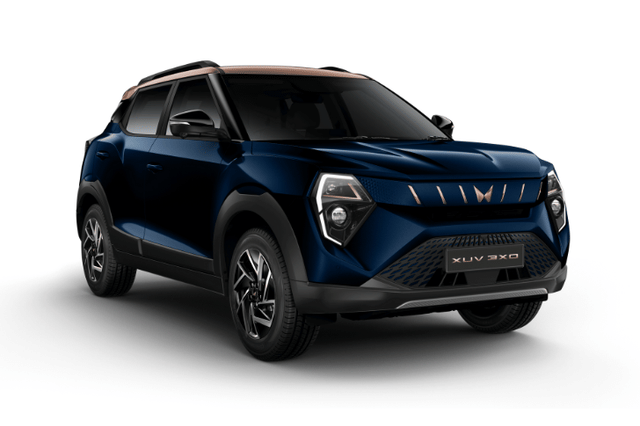
I am planning to buy a sub-4-metre SUV and have shortlisted the Mahindra XUV 3XO and Hyundai Venue. My main requirement is good rear-seat space along with decent performance. Should I go for the diesel or petrol variant? I am concerned about the poor mileage of the turbo-petrol engines in both cars.
Go for the Mahindra XUV 3XO petrol. It offers the most rear-seat space in the segment, a wide cabin, and a genuinely comfortable back seat, which is exactly what you are looking for. The Hyundai Venue is a good car, but its rear seat is not as spacious or as comfortable as the 3XO's. In terms of performance, both the 3XO and Venue turbo petrols are strong, but the 3XO's 1.2 turbo petrol is punchy and well suited to both city and highway driving.On the diesel versus petrol question, it really comes down to your running. If your annual mileage is below 15,000 km, the petrol makes more sense. Modern turbo petrols aren't as fuel efficient as naturally aspirated engines, but the difference isn't huge unless you are doing very high mileage. The diesel is only worth considering if you do a lot of highway driving and your annual running is high enough to justify the higher upfront cost.
My maximum budget is Rs 15 lakh on-road in Mumbai. I’m okay with a petrol manual car. I need good rear-seat space and don’t want a cramped cabin. I prefer an SUV. Please advise.
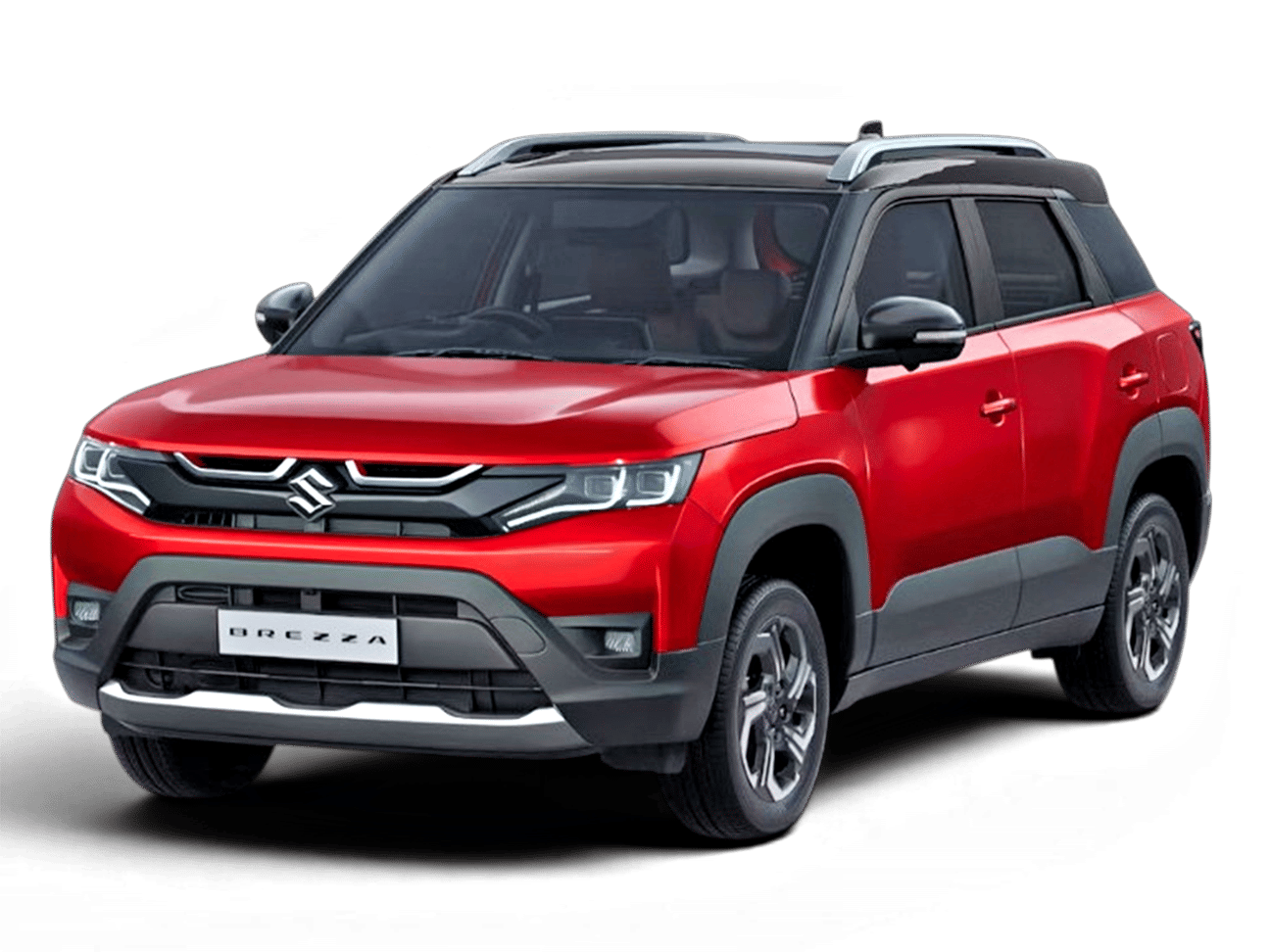
Go for the Mahindra XUV 3XO petrol manual. It is one of the most spacious compact SUVs in the segment, with a wide rear bench that comfortably accommodates three passengers, making it a genuinely practical family car. The petrol engine is smooth and punchy, and the manual gearbox is easy to use in city traffic. This Mahindra car also offers a good ride quality and a strong feature set for the price. The only real drawback is that the boot is on the smaller side compared to some rivals, but if rear seat space is your priority, this is the best compromise. If you want a slightly larger boot and are willing to sacrifice some rear seat width, the Maruti Brezza is a good alternative, but overall the 3XO is the better fit for your requirements.
I am new to driving and am looking for a sub-4-metre petrol SUV with a torque converter automatic gearbox. My budget is around Rs 12-13 lakh on-road. I have shortlisted two options: the Skoda Kylaq Signature automatic and the Mahindra XUV 3XO MX2 Pro automatic. We are a family of five. My current usage is mostly within the city, but based on my future work requirements, it could shift to an 80:20 mix of city and highway driving.
Go for the Skoda Kylaq Signature AT. For a new driver with predominantly city use, its 1.0 TSI with a 6-speed torque-converter automatic is smooth and easy to drive, while the compact dimensions make it relatively easy to manage in traffic. It also has a more mature, planted feel on the highway.The Mahindra XUV 3XO MX2 Pro AT is the better choice if rear-seat space is the priority. Its cabin is wider and more accommodating for a family of five, and its 1.2 turbo-petrol makes 200Nm, giving it stronger low-end and mid-range performance than the Kylaq.However, the 3XO's boot is also one of its compromises, while the Kylaq offers a better balance of driving dynamics, boot space and highway manners. With your usage potentially becoming 80:20 city/highway, the Kylaq's combination works particularly well.
I have been using an i20 for almost 14 years now, and I’m quite satisfied with its ownership experience and service quality. I’m now planning to upgrade to an EV, with a strict on-road budget of Rs 25 lakh. My monthly running would be around 850- 1,000 km, mostly within the city. Since my parents would accompany me on almost 40% of my trips, easy ingress and egress, along with a comfortable ride quality, are important to me. I’m looking for a reliable EV with good efficiency and a real-world range of 400+km. I have been considering the Creta Electric Executive LR and Smart LR, while some of my friends have suggested that I also look at the Mahindra BE 6. What would you recommend based on my requirements? I’d appreciate an expert opinion on which EV would be the better choice for me.
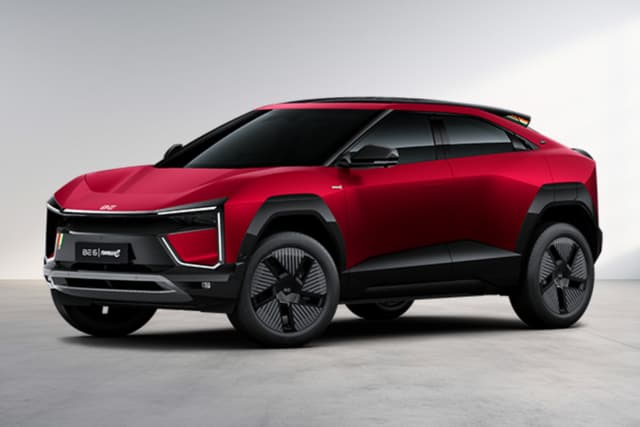
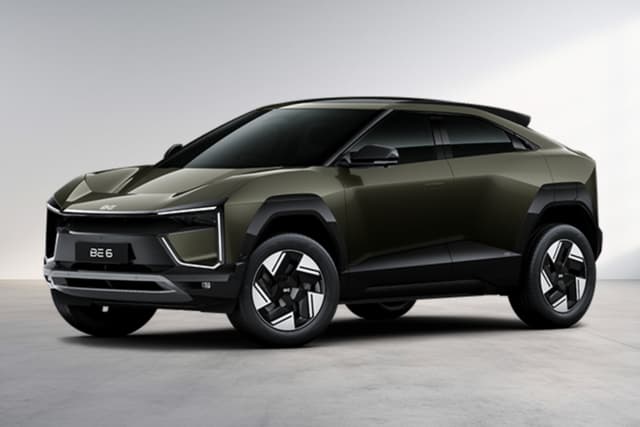
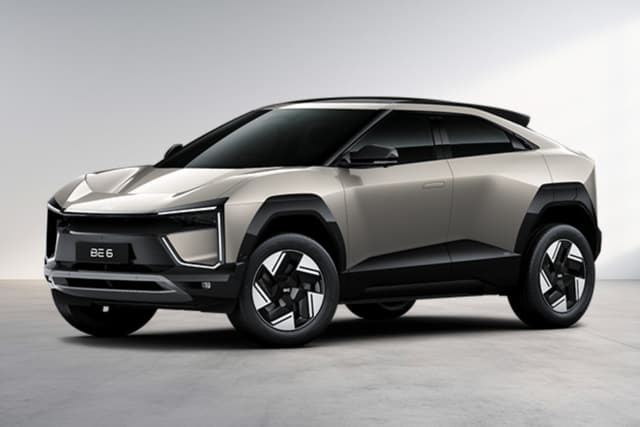
Given your requirements, the Hyundai Creta Electric Long Range is the most sensible recommendation. Your mostly city running is ideal for an electric car, and the Creta Electric offers a real-world range of over 400km, which gives you the flexibility to use it as your primary car without range anxiety. Coming from a Hyundai i20, the Creta Electric will feel familiar but also like a significant upgrade in terms of space, comfort, and overall refinement. The ride quality is excellent, and the rear seat is comfortable enough for your parents on regular trips. Hyundai's service network and ownership experience are also strong, which is important given your positive experience with the brand so far.Another strong contender is the Kia Syros EV, which uses the same powertrain as the Creta, but comes in at a lower price. This Kia car is a bit more compact but just as good on space, and the better news is that, thanks to its tall design, ingress and egress for your parents should be easier. The Mahindra BE6, meanwhile, is powerful and fun to drive, but very poor on space, practicality, and especially ingress and egress in the rear seats. Overall, the Creta and Syros are better bets.
Hi, I am looking for my first EV. My daily driving is around 50 km from home to office, so I am looking for an EV priced around Rs. 25 lakh. I liked the Mahindra XEV 9S Pack 2, although it is slightly over my budget. I also like the MG Hector Tomahawk EV, which falls within my budget. I am confused between the two. Please guide me on which one would be a better choice for my requirements.
The MG Hector Tomahawk EV is definitely worth waiting for before making the final decision. On paper, it is a very strong proposition, especially at the price you are considering, and it could prove to be better value than the XEV 9e.However, the Tomahawk EV is a completely new product, so it is difficult to give a definitive verdict based purely on specifications. Real-world range, ride comfort, performance, refinement, charging experience and overall usability will only become clear after we have driven and tested it properly.The XEV 9s, meanwhile, is the more established choice and has already demonstrated that it is a capable, premium EV. If you are comfortable stretching your budget, it remains the safer choice today.But with your 50km daily commute and home charging, there is no particular need to rush into the XEV 9s.
Last Updated on: 12 Sept 2026