
Autocar India
Mahindra

Mahindra cars in India (18)

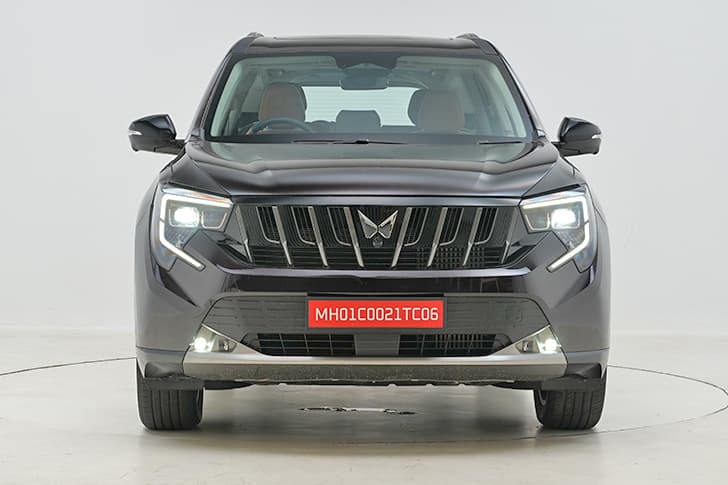
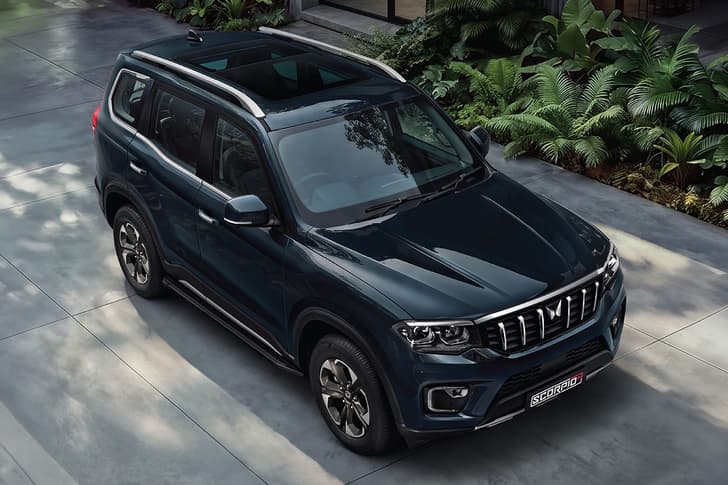
Currently, there are 17 Mahindra cars in India, with 14 on sale and 3 upcoming models. The Mahindra lineup includes 17 SUVs, with no sedans, hatchbacks, MPVs, or convertibles.  The Mahindra car price starts at ₹7.37 lakh and goes up to ₹30.50 lakh (ex-showroom). The Mahindra cheapest car is the XUV 3XO, while the most expensive is the XEV 9e.


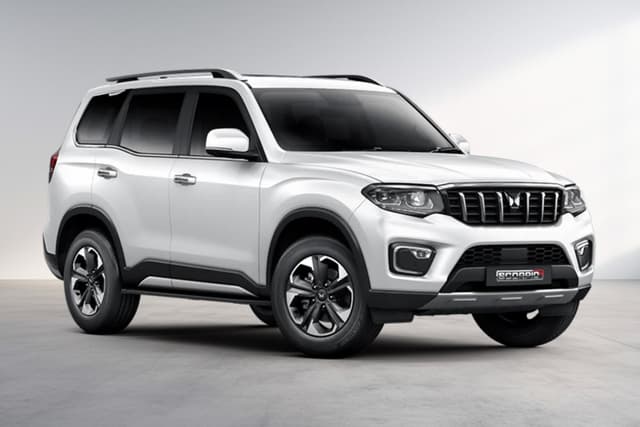
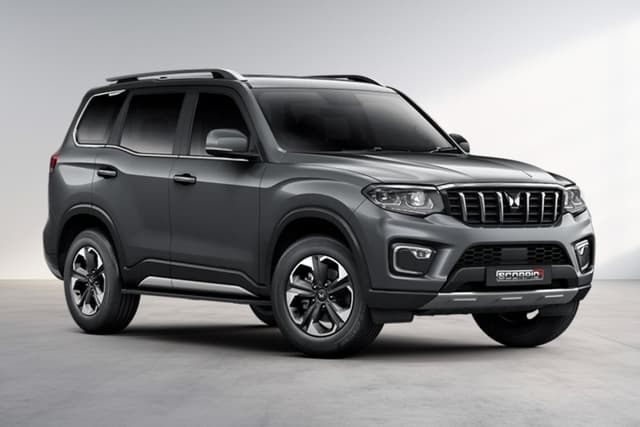
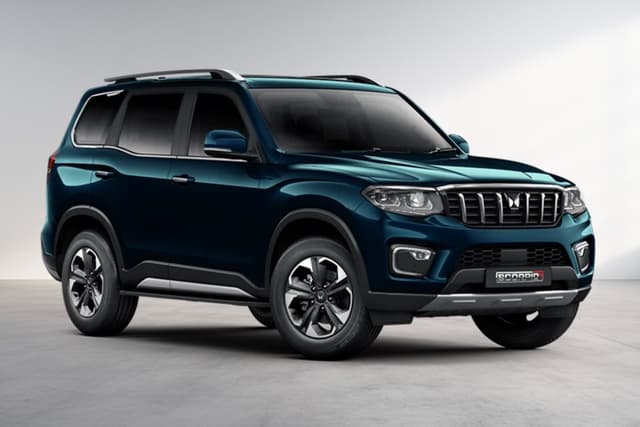
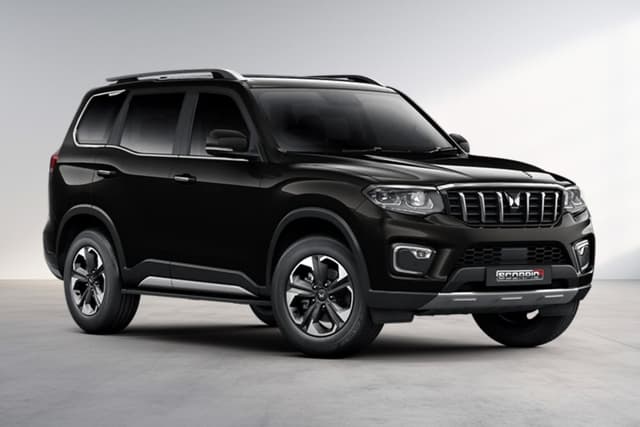
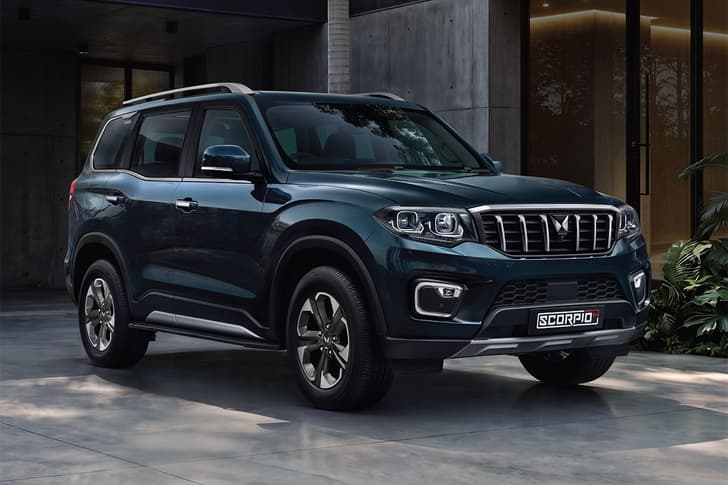
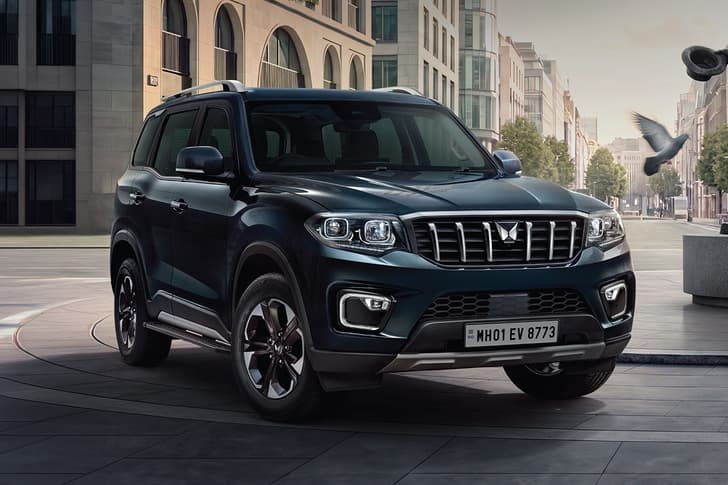
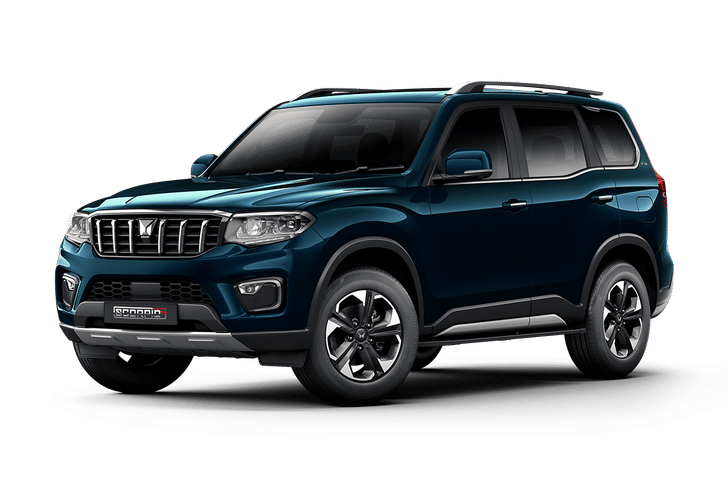
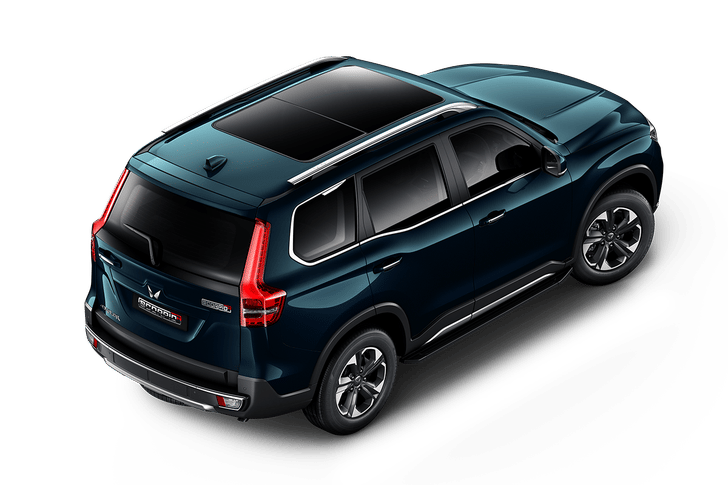
The most popular Mahindra car models in India are the Thar, Thar Roxx, Scorpio Classic, Scorpio N (the highest-selling Mahindra car), XUV 7XO (recently updated from XUV700), and XUV 3XO. Mahindra cars are available with petrol, diesel, and electric options. The newest Mahindra car is the XUV 3XO EV. It was launched on 6 January 2026 and is priced between ₹13.89 lakh and ₹14.96 lakh (ex-showroom).


Mahindra Cars Price List (June 2026)


The Mahindra car price in India ranges from ₹7.37 lakh for the XUV 3XO to ₹30.50 lakh for the XEV 9e. The top 5 popular Mahindra cars and their prices are: Thar Roxx (₹12.39 - ₹22.25 lakh), Scorpio Classic (₹12.98 - ₹16.70 lakh), Scorpio N (₹13.49 - ₹24.34 lakh), XUV 7XO (₹13.66 - ₹24.92 lakh), and XUV 3XO (₹7.37 - ₹14.55 lakh). View the latest Mahindra car prices of all models in the table below:


Mahindra Car

Price (Ex-showroom)

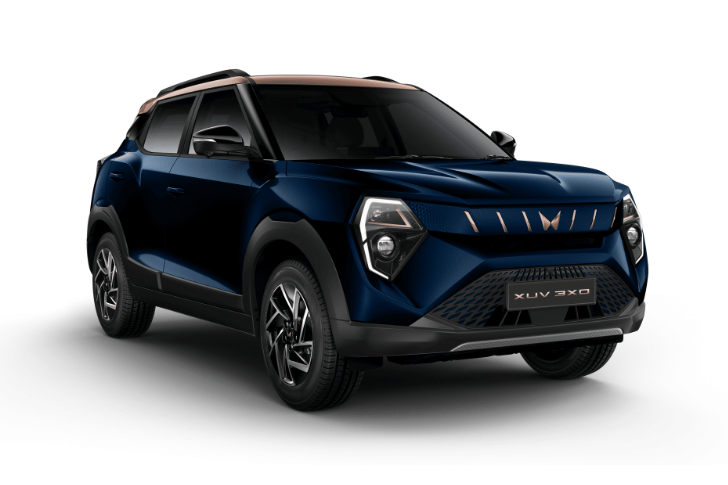
Mahindra XUV 3XO

₹7.37 lakh - ₹14.55 lakh

Mahindra Bolero

₹7.99 lakh - ₹9.69 lakh

Mahindra Bolero Neo

₹8.69 lakh - ₹10.49 lakh

Mahindra Thar

₹9.99 lakh - ₹17.19 lakh

Mahindra Bolero Neo+

₹10.90 lakh - ₹11.95 lakh

Mahindra Thar Roxx

₹12.39 lakh - ₹22.25 lakh

Mahindra Scorpio Classic

₹12.98 lakh - ₹16.70 lakh

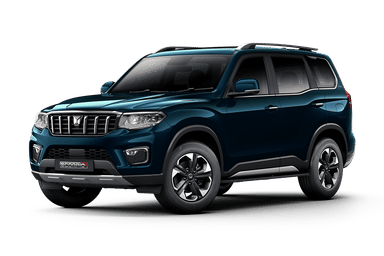
Mahindra Scorpio N
₹13.49 lakh - ₹24.34 lakh

Mahindra XUV 7XO

₹13.66 lakh - ₹24.92 lakh

Mahindra XUV 3XO EV

₹13.89 lakh - ₹14.96 lakh

Mahindra XUV400

₹15.49 lakh - ₹17.49 lakh

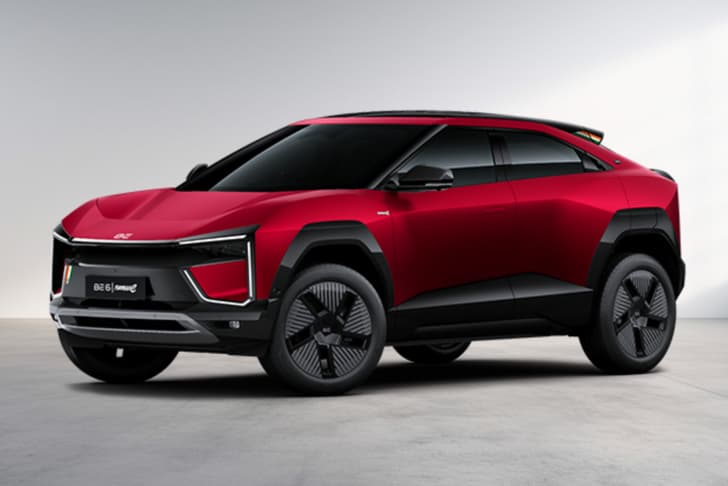
Mahindra BE 6

₹18.90 lakh - ₹26.90 lakh

Mahindra XEV 9S

₹19.95 lakh - ₹29.45 lakh

Mahindra XEV 9e

₹21.90 lakh - ₹30.50 lakh


Mahindra New Car 


There are 3 new Mahindra cars set to launch in India:


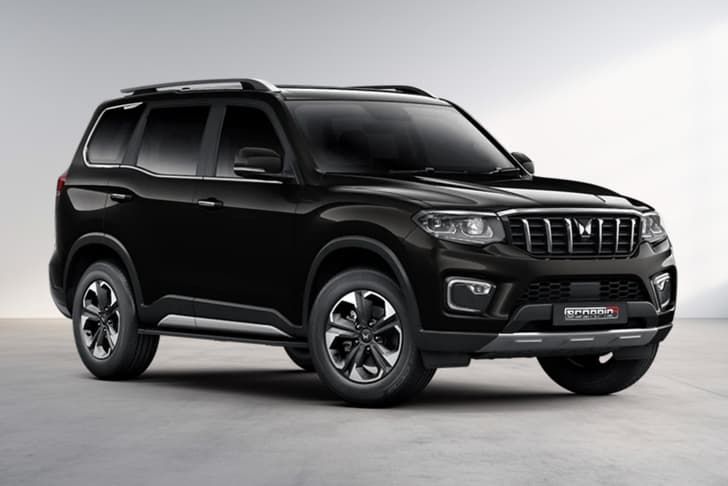
  • Mahindra Scorpio N facelift
    • Expected price: ₹14.00 lakh - ₹26.00 lakh
    • Expected launch: Early 2026
    • Engine: 2184 cc
    • Fuel Type: Diesel
    • Transmission: Manual


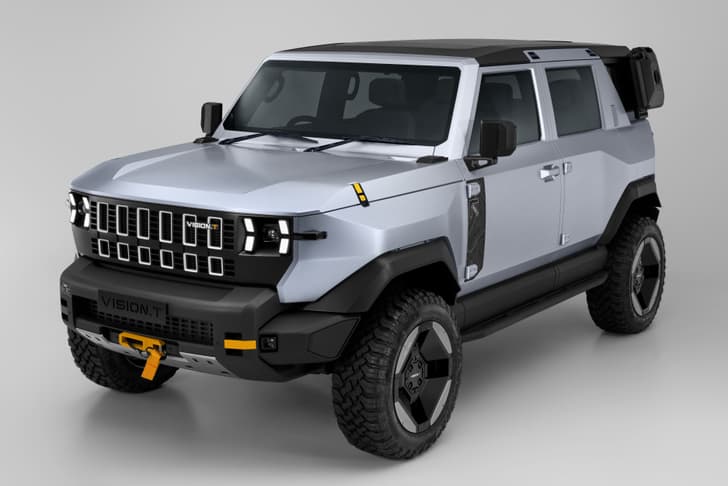
  • Mahindra Vision S
    • Expected price: ₹7.50 lakh - ₹13.00 lakh
    • Expected launch: 2027
    • Engine: To be revealed
    • Fuel Type: Petrol
    • Transmission: Automatic


  • Mahindra Vision X
    • Expected price: ₹25.00 lakh - ₹30.00 lakh
    • Expected launch: 2027
    • Engine: To be revealed
    • Fuel Type: Petrol
    • Transmission: Automatic


Mahindra Electric Car


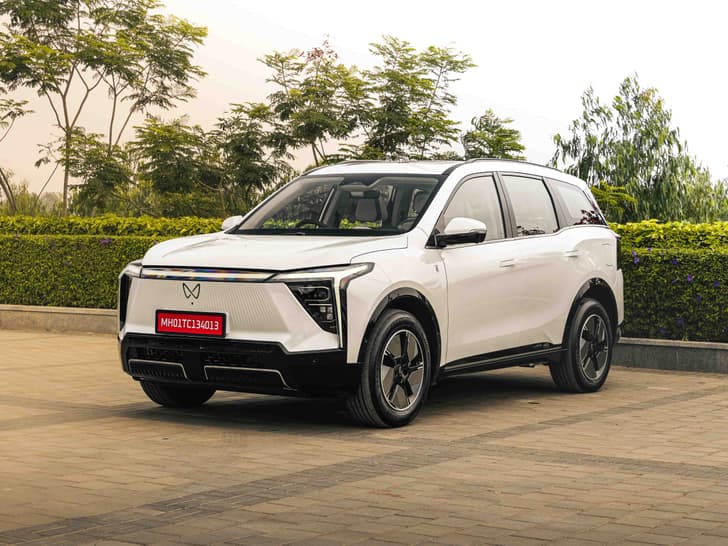
The Mahindra electric car price ranges between ₹13.89 lakh and ₹30.50 lakh. Presently, there are 5 Mahindra EV cars for sale in India: XUV400, BE 6, XEV 9S, XEV 9e, and recently launched XUV 3XO EV. The cheapest Mahindra electric car is the XUV 3XO EV, while the most expensive is the XEV 9e.


Mahindra Cars - Latest Updates

  • 6 January 2026: Mahindra launched XUV 3XO EV at ₹13.89 lakh.
  • 6 January 2026: The new Mahindra XUV 7XO, a facelifted XUV700, starts at ₹13.66 lakh (ex-showroom). Pre-bookings have closed, with fresh bookings reopening on 14 January 2026.
  • 8 December, 2025: Mahindra XUV700 facelift, a.k.a., XUV7XO, will debut on Jan 5, 2026.
  • 2 December, 2025: November 2025 car sales sees Mahindra reclaim second spot as Tata slips to third.
  • 27 November, 2025: Mahindra has introduced the XEV 9S at a starting price of ₹19.95 lakh.
  • 26 November, 2025: Mahindra has launched the BE 6 Formula E Edition at ₹23.69 lakh.
Show more

Find cars by body type

Can't decide which car to buy?
Ask our experts and get answers to all your cars related queries.

FAQs

The Mahindra car price starts at ₹7.37 lakh for the XUV 3XO and goes up to ₹30.50 lakh for the XEV 9e (ex-showroom). 

The Mahindra electric car range includes 5 models: XUV400, BE 6, XEV 9S, XEV 9e, and XUV 3XO EV.

There are seven Mahindra 7 seater cars available for sale in India: Scorpio N, XEV 9S, XUV 7XO, Scorpio Classic, Bolero Neo, Bolero, and XUV700.

The Mahindra SUV car price in India starts at ₹7.28 lakh for the XUV 3XO and goes up to ₹30.50 lakh for the XEV 9e (ex-showroom).

Currently, there is no Mahindra CNG car on sale in India.

Yes. Mahindra offers 5 models with variants priced under ₹10 lakh: Thar, Bolero Neo+, Bolero, XUV 3XO, and the upcoming Mahindra Vision S. Vision S is expected to start at ₹7.50 lakh (ex-showroom).

The Mahindra top model car in terms of pricing is the XEV 9e, with prices going up to ₹30.50 lakh (ex-showroom).

Mahindra 5 seater car choices include the XEV 9e, BE 6, Thar Roxx, XUV 3XO, XUV400, and XUV 3XO EV.

Yes, 9 out of 16 Mahindra cars that are available for sale come with an automatic transmission option. These cars are - XEV 9e, BE 6, XEV 9S, Scorpio N, Thar, Thar Roxx, XUV700, XUV 3XO, and XUV400.

The Mahindra car on road price varies by city, starting at around ₹8.28 lakh in Delhi for the XUV 3XO and going up to about ₹32.33 lakh for the XEV 9e in major metros.

No. Currently, there is no Mahindra car under 5 lakh in India.

No, Mahindra does not sell a car under 8 lakh. The entry point starts at ₹7.28 lakh for the XUV 3XO, but the on-road cost is higher.

The Mahindra diesel car lineup includes the Scorpio N, Thar, Bolero Neo+, Thar Roxx, Bolero Neo, Bolero, Scorpio Classic, XUV 7XO, XUV700, and XUV 3XO.

Buyers looking for Mahindra cars with a sunroof can consider models such as the XEV 9e, BE 6, Scorpio N, Thar Roxx, XUV700, XUV 3XO, and XUV400. Availability of the sunroof depends on the variant chosen.

Need an expert opinion on your car related queries?

Trending Questions on Mahindra Cars - Answered by Autocar Experts

1d

I am looking for a 7-seater family car in the budget of Rs. 25-27 lakh. I am already aware of the popular options in this segment including XUV 7XO, Safari, Scorpio-N, Kia Carens Clavis, etc. The challenge is that I keep getting tempted towards the top-end variants. Features like ADAS, panoramic sunroof, 360° camera, premium audio, ventilated seats, and all the latest tech make me question if I am getting everything after spending this much amount. At the same time, I am also struggling to differentiate what I genuinely need and what are nice-to-have features. I am in my late 20s and am a car enthusiast. I love driving and road trips. The car that I am looking for will be primarily used for family travel, city driving, and highway runs. My plan is to keep the car for around 5-7 years. I would like to know a few things from those who have owned or upgraded cars in this segment. Which features are genuinely useful in day-to-day ownership and which features feel exciting initially but, were rarely used later? Also, is it worth stretching my budget for top-end variants, or is the sweet spot usually the mid/high variant? If you were in my place and had the same budget today, which 7-seater would you buy and why? I am trying to make a rational decision rather than buying a car for features that I will rarely use.

Verified
11m

In terms of price to features ratio, the sweet spot is almost always the mid variant rather than top variants. You’ll miss out on only a little but save a chunk as high-end features tend to be priced more based on their perceived value rather than their actual value. However, since you are enthusiastic about cars, choose a variant as high end as you can afford and enjoy the experience. Features that you will appreciate regularly are, all‑row AC vents, auto climate control, LED headlamps, TPMS, auto‑dimming inside mirror, wireless phone integration and plenty of USB‑C ports. In a big SUV, a 360° camera and front sensors are gold in tight city spots. Ventilated seats matter a whole lot in our summers. Adaptive cruise is handy on long expressways, but other ADAS nudges can feel fussy and many owners turn off parts of it in the city. However, what amazes at delivery but fades later, are things like panoramic sunroof that stays shut most of the time during the year and also adds heat. Another one is the connected app feature which most people typically use for a month and then forgot about it. Third such feature is the 'passenger' screen, which is also all the rage these days, but after a while, most owners do not use it. Watching a movie or playing games on the go aren't something you do often and not even pleasant over rough city roads while your are hunched forward in your seat. In your Rs. 25-27 lakh budget, we would suggest Tata Safari or the Mahindra XUV 7XO as they are great for highway comfort. The Mahindra car has an edge on performance but the Safari has the better third row. The Kia Carens Clavis is another good car if you are comfortable with its MPV image as it is the more sensible buy.

VehicleTata Safari
VehicleMahindra XUV 7XO
VehicleKia Carens Clavis
2d

I am currently driving a Maruti Suzuki Grand Vitara Delta Mild Hybrid Manual. Most of my driving is in the city, with occasional highway and mountain trips. I am considering MG Hector Plus, Mahindra XUV 7XO, Mahindra Scorpio N, Tata Safari and Mahindra Thar ROXX for my next vehicle. My preference is for a petrol automatic. I would also like the car to be feature-rich and offer strong performance. Considering my usage pattern and requirements, which of these options would you recommend?

Verified
1d

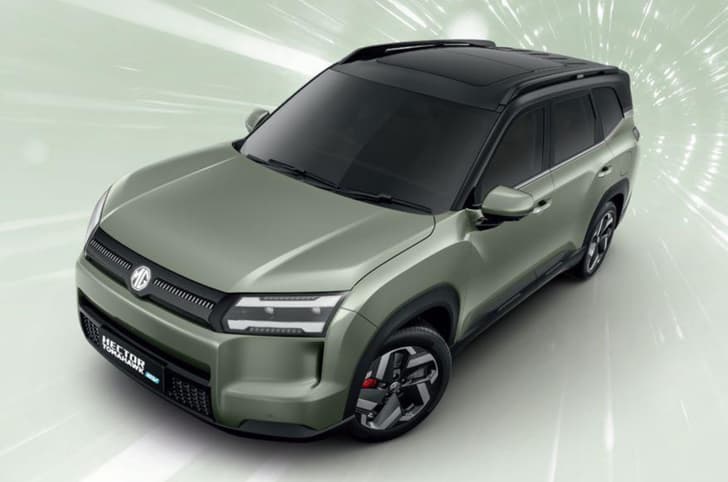
Go for the Mahindra XUV 7XO petrol automatic. It suits your city-heavy use, is the most feature-rich here, and its turbo petrol has serious shove for highway and mountain climbs. It is easy to drive in traffic, rides comfortably, and the automatic is smooth. Tech like a 360 camera helps in tight city spots, and the safety and ADAS kit are handy on long trips.One thing to live with: fuel economy in the city will be far lower than your Grand Vitara. Expect single-digit kpl in heavy traffic.The next best alternative is the Tata Safari petrol automatic. It's got a refined engine and very smooth automatic gearbox. Again, fuel economy will be significantly down on your Grand Vitara, so account for that. The Tata feels tough and packs in plenty of equipment in the top end. Of the others, the Scorpio N and Thar Roxx aren't as comfortable while the MG Hector's high speed ride comfort and engine performance aren't great for highway and mountain drives.

VehicleMahindra XUV 7XO
VehicleMahindra Scorpio N
VehicleMahindra Thar Roxx
VehicleTata Safari
VehicleMaruti Suzuki Grand Vitara
VehicleMG Hector
2d

Hello, I am currently driving a Ford Figo 1.5 TDCi Diesel and have covered almost 1.5 lakh km with it. The car has been extremely reliable, and I still enjoy its excellent ride quality, handling, punchy engine, and fuel efficiency. I am now exploring an upgrade, but so far I haven't found many options that offer the same balance of driving pleasure, comfort, and efficiency. I have test-driven most of the diesel automatic options currently available in the market, and the only one that impressed me was the Mahindra XUV 7XO. Lately, I have also started considering strong hybrid vehicles. The Renault Duster and its upcoming sibling, the Nissan Tekton, have caught my attention, and I am willing to wait for them. My requirements are: - Budget: Rs. 25–28 lakh - 5-seater preferred - Open to both SUVs and sedans - Good ride and handling - Strong performance - Excellent fuel efficiency - Can wait 6–8 months for upcoming launches Based on these requirements, what would you recommend? Are there any upcoming launches that I should specifically keep an eye on?

Verified
1d

Pick the Mahindra XUV 7XO diesel automatic. The steering still feels natural, the ride stays calm at speed, and the 2.2 diesel has effortless shove for quick highway passes while returning impressive mileage. Sure, being much larger in size, it might not feel as agile or as convenient to drive as your Figo, but that's something you will have to get used to.Alternatively, you could consider the Honda City hybrid too. It is a very efficient sedan which recently got a mid-life makeover and some new features. Yes, the City is expensive, but it is the only hybrid sedan on this side of Rs 30 lakh.If you're not in a hurry to buy, the strong-hybrid versions of the Renault Duster and Nissan Tekton could be worth waiting for.

VehicleMahindra XUV 7XO
VehicleHonda City
VehicleRenault Duster
VehicleNissan Tekton
2d

Hi, I am a resident of Bangalore and drive mainly in the city, with occasional highway drives. I am planning to buy a car that can handle both. Right now, my choices are the Honda Amaze IVT automatic and the Maruti Fronx CVT automatic. Please recommend the better of the two cars. Factors to be considered are mileage, service cost, spare part cost, driving comfort, and, of course, reliability. Also, please let me know if the Mahindra XUV 3XO torque converter automatic is a better choice compared to these two. I am looking for value for money, good mileage, longevity, and good performance.

Verified
1d

A correction, first. The Maruti Suzuki Fronx does not come with a CVT. The base 1.2-litre petrol engine is offered with an AMT, while the 1.0-litre turbo-petrol gets a torque-converter auto combination. Both versions are fuel-efficient for their respective engine type. However, given your priorities, the Fronx AMT makes more sense. It isn't the slickest gearbox, but it is smooth enough for everyday city driving. What really strengthens the Fronx AMT's case is its fuel economy, which is comparable to that of a manual car. You will not have any issues with spare parts or service costs. The Fronx Turbo AT offers a smoother, punchier experience, but fuel economy takes a hit. The Honda Amaze CVT is very smooth and refined, making for a practical package. However, mileage isn't as good as the Fronx AMT, and long-term ownership costs will be higher than those of a Maruti, too.The Mahindra XUV 3XO with the torque-converter automatic is an exciting option, but doesn't fit your key requirements. The turbo-petrol engine and torque converter auto combo isn't particularly efficient.

VehicleMaruti Suzuki Fronx
VehicleHonda Amaze
VehicleMahindra XUV 3XO
3d

I am confused about which EV would be the best choice: the BMW iX1, a Volvo EV, or Mahindra XEV 9S. Are there any other EVs that I should also consider before making a decision? My only concern with the BMW iX1 is its interior.

Verified
23h

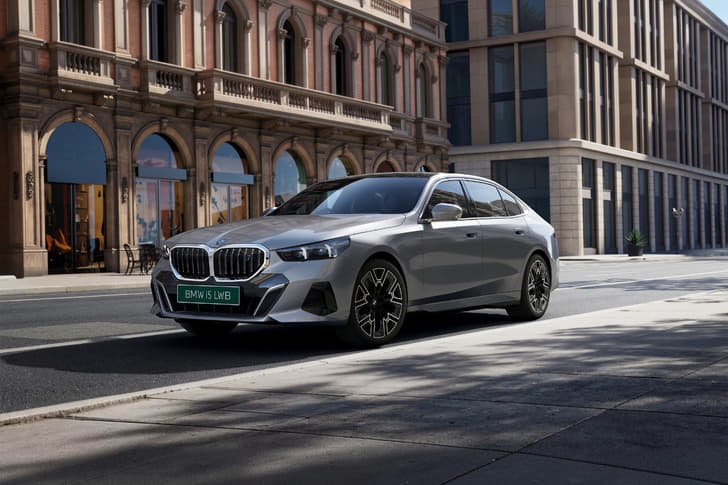
The BMW iX1, Volvos and Mahindra XEV 9S are all quite different propositions, so the ‘best’ one really depends on what you value beyond interiors.The BMW iX1 is actually one of the more practical luxury EVs, with a spacious cabin. a genuinely premium feel and strong performance, which makes it very good value in the luxury EV space. If your only concern is that the interior doesn’t wow you visually, it’s still worth a serious look because the perceived quality, ergonomics and driving experience are all very strong.Assuming you’re referring to the Volvo EC40 and EX30, both offer very classy, minimalist cabins with high-quality materials and that typical Scandinavian design feel, but with almost everything controlled via the touchscreen. However, they are not very spacious; the EX30 in particular is tight at the rear, with limited legroom and a cramped benchThe Mahindra XEV 9S cannot match the Europeans for material richness or finesse of fit and finish, but it is fantastic value and absolutely nails space, comfort and features, especially if you need a proper family EV and possibly seven seats. If interior design “feel” matters more than outright luxury, the 9S may actually make you happiest in daily use, while the BMW is the better pick if you want a true luxury EV with strong dynamics.

VehicleBMW iX1 LWB
VehicleVolvo EC40
VehicleMahindra XEV 9S
VehicleVolvo EX30
5d

My daily ride is 120 to 150km, mostly on Highway 90%, suggest a good car within 20 lakh. Should I buy a diesel or a hybrid petrol?

Verified
4d

While hybrids are a great option and do deliver maximum mileage, in your budget of Rs 20 lakh, you will only get a base model variant of the three hybrids in this price range, namely the Maruti Suzuki Victoris and Grand Vitara, and the Toyota Urban Cruiser Hyryder. Hence, we would recommend going with a diesel, of which there are many options within your budget.If you want a larger vehicle, we would recommend the Kia Seltos diesel, which you will get in the mid-spec HTK (O) and HTX variants within your budget. It's a modern SUV with great space and comfort, and a lot of the latest features and tech. Its diesel engine is not the strongest, but it is very smooth and efficient, and can be had with a stutter-free torque converter automatic gearbox.If you don't mind a smaller car, go for the Mahindra XUV 3XO, whose diesel engine is even more powerful than the one in the Seltos. It will feel stronger out on the highway, helped by its smaller size and lighter weight. It's got a spacious cabin and a comfortable and stable ride that feels like an SUV from a segment above. Do note, however, that its boot is not that large, in case you travel with luggage frequently, and it uses an AMT-type automatic, which isn't very smooth. Best of all, however, you can get a fully loaded version within your budget.

VehicleMaruti Suzuki Victoris
VehicleMaruti Suzuki Grand Vitara
VehicleToyota Urban Cruiser Hyryder
VehicleKia Seltos
VehicleMahindra XUV 3XO
5d

Hi, Many thanks for your time and effort in answering the question. I want to buy an automatic car between Rs 11-12 lakh. The car should be comfortable for five adults. Running would be 70% in the city (Delhi), with 3-4 occasional intercity vacation trips annually, and my average monthly running is around 500 Kms. I am considering the Hyundai i20 Asta (o) ivtech, Kia Sonet HTK+(O) DCT and Sonet HTX DCT. If you have any better suggestions, then please give them.

Verified
5d

The Hyundai i20 Asta (O) IVT would be the recommendation here. Your priorities are comfort for five adults, predominantly city driving and a smooth automatic gearbox. The i20 delivers very well on all three counts. Its rear seat is among the roomiest in the premium hatchback segment, the IVT automatic is exceptionally smooth in Delhi's stop-start traffic, and the overall driving experience is relaxed and refined. It is also easier to drive and park than an SUV in crowded urban conditions.The Kia Sonet HTK+(O) DCT and HTX DCT offer a more powerful turbo-petrol engine and a higher seating position, but the rear seat isn't as accommodating for three adults, and the DCT transmission isn't as seamless in heavy traffic as Hyundai's IVT.If you want an SUV, the Maruti Suzuki Brezza AT and Mahindra 3XO AT are the alternatives worth considering. Both have wider cabins and are among the best five-seaters in this price bracket. Importantly, both use conventional automatic gearboxes that feel smoother and more natural in everyday city driving than the Sonet's DCT. The Brezza scores well on refinement, efficiency and ease of ownership, while the 3XO offers a more premium cabin and stronger performance.

VehicleHyundai i20
VehicleKia Sonet
VehicleMaruti Suzuki Brezza
VehicleMahindra XUV 3XO

Last Updated on: 24 Jun 2026