Hycross vs Alcazar: Which?


Last Updated on: 14 Oct 2026
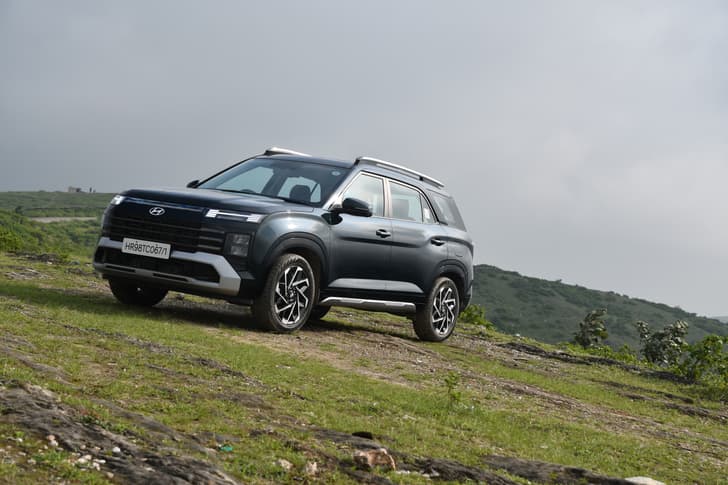
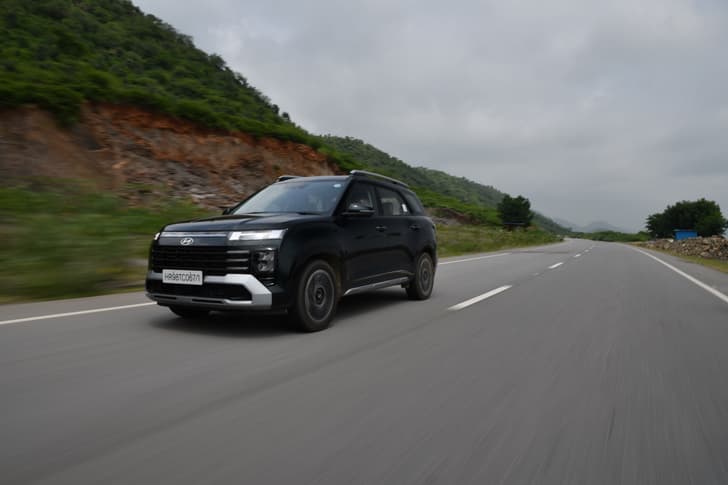
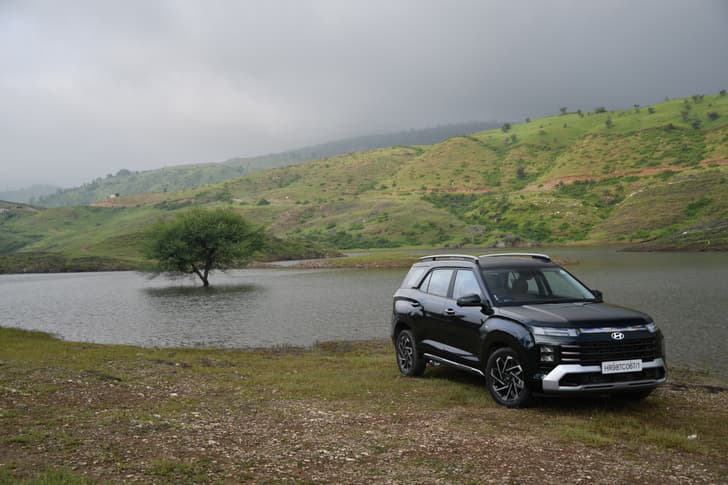
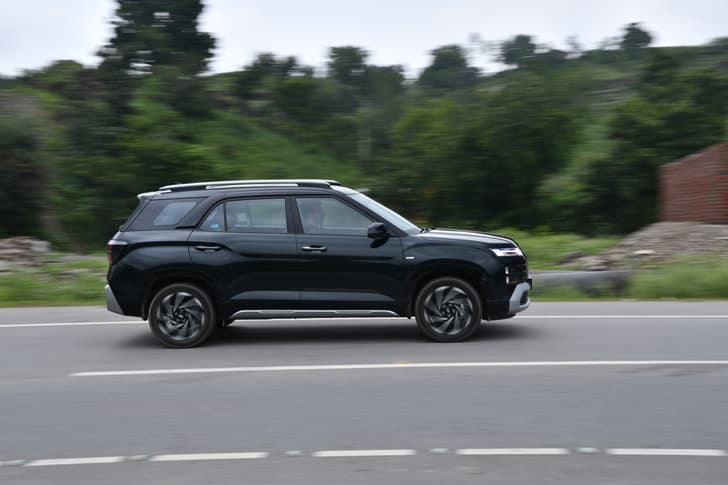
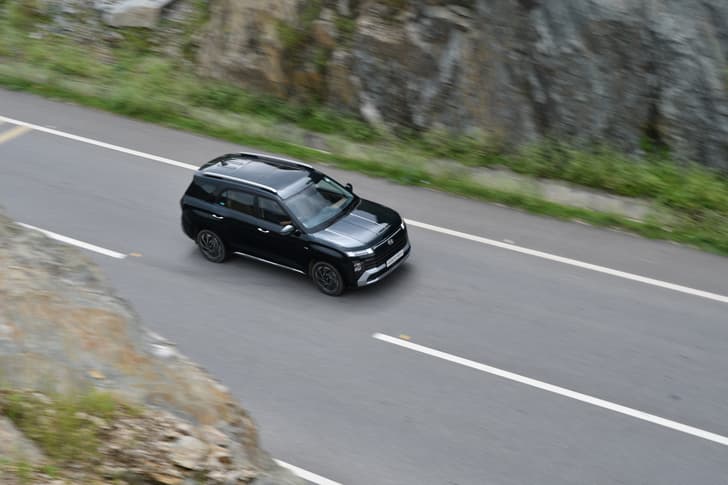
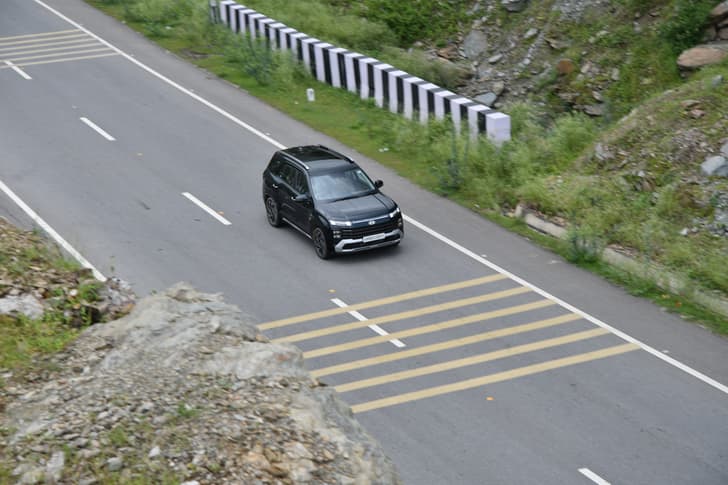
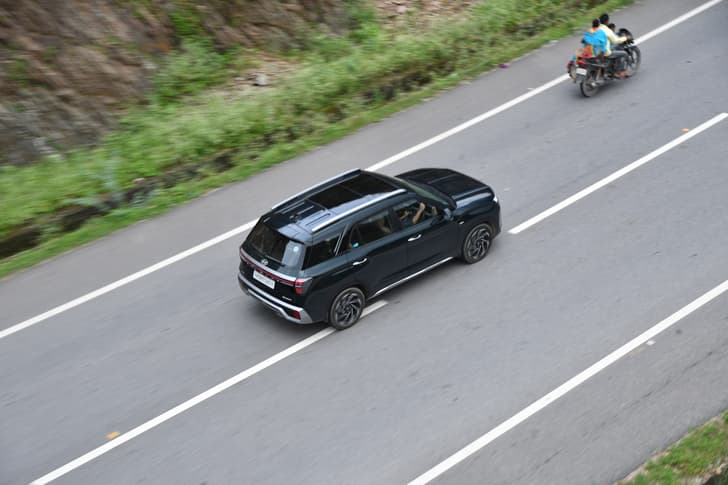
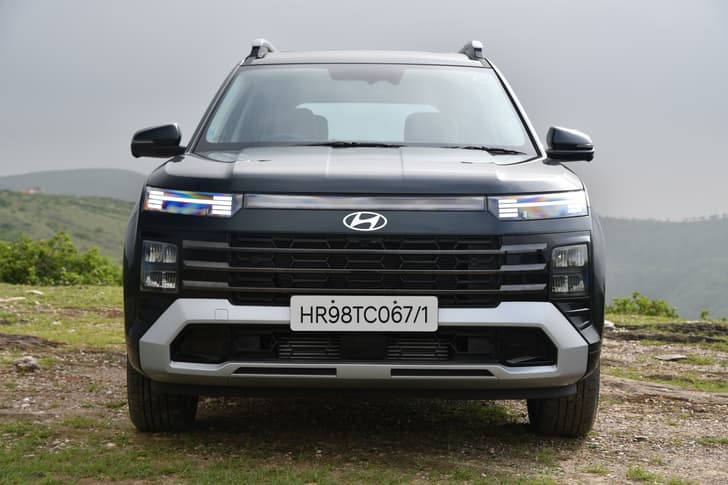
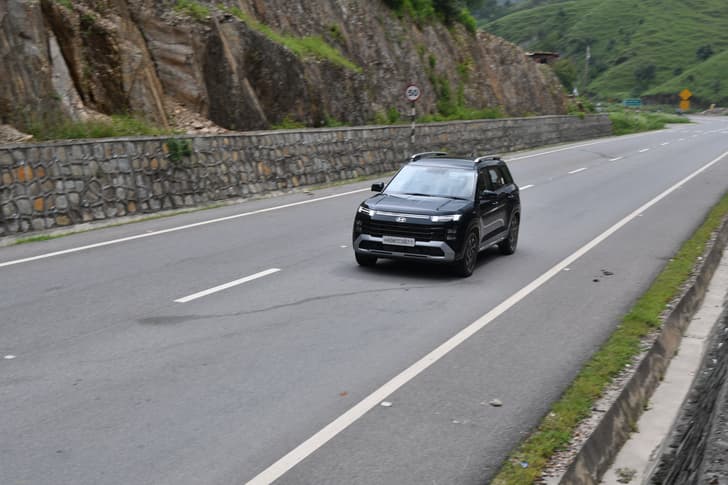
Mileage 17.5 kmpl - 20.4 kmpl | Engine 1482 cc - 1493 cc |
Fuel Type Diesel, Petrol | Transmission Torque Converter, Manual, DCT |
Body Style SUV | Seats 5 - 7 |
Engine Type | Turbocharged |
Engine Displacement | 1493 cc |
Number of Cylinders | 4 |
Engine Installation | Front |
Fuel Type/ Propulsion | Diesel |
Gearbox Type | Torque Converter |
Number of Gears | 6 |
Manual Shifts via Gear Lever on Automatic Gearbox | Yes |
Paddle Shifters for Automatic Gearbox | Yes |
Sport Mode for Automatic Gearbox | Yes |
Drive Layout | Front Wheel Drive |
Lockable Differential/s | No |
Max Engine Power | 116 hp at 4000 rpm |
Max Engine Torque | 250 Nm at 1500 - 2750 rpm |
Fuel Supply System | Common Rail |
Emission Standard | Bharat Stage VI |
Auto Start/Stop | Yes |
Official Fuel Economy | 18.1 kmpl |
City Fuel Economy as Tested | 12.50 kmpl |
Highway Fuel Economy as Tested | 16.30 kmpl |
Fuel Tank Capacity | 50 litres |
0-100kph | 12.08 s |
20-80kph (in third gear/ kickdown) | 7.05 s |
40-100kph (in fourth gear/ kickdown) | 9.05 s |
Front Suspension Type | Independent, McPherson Strut |
Front Springs | Coil Springs |
Rear Suspension Type | Non-independent, Torsion Beam |
Rear Springs | Coil Springs |
Damper Control | No |
Ride Height Adjust | No |
Type of Power Assist | Electric |
Steering Adjust type | Manual |
Steering Adjust | Tilt and Telescopic |
4 Wheel Steer | No |
Front Brakes | Disc |
Rear Brakes | Disc |
Wheel Size | 18 inches |
Front Tyre Size | 215/55 R18 |
Rear Tyre Size | 215/55 R18 |
Wheels | Alloys |
Spare Wheel | No |
Length | 4560 mm |
Width | 1800 mm |
Height | 1710 mm |
Wheelbase | 2760 mm |
Chassis Type | Monocoque |
Doors | 5 |
| Exterior Mirrors Electric Adjust | |
| Remote Locking | |
| Push Button Start | |
| Rear AC Vents | |
| Third Row AC Vents | |
| Rear Windscreen Sun Shade |
| Anti-Lock Brakes (ABS) | |
| Brake Assist (BA) | |
| Electronic Brakeforce Distribution (EBD) | |
| Traction Control | |
| Electronic Stability Control | |
| Hill Start Assist |
| Body Coloured Bumpers | |
| Headlight Type | LED |
| Projector Headlamps | |
| Daytime Running Lights | LED |
| Front Fog Lamps | |
| Outside rear view mirror (ORVM) |
| Speedometer | Digital |
| Tachometer | Digital |
| Trip Meter | |
| Average Fuel Consumption | |
| Average Speed | |
| Distance to Empty |
| Audio System | |
| CD Player | |
| USB Input | |
| AUX Input | |
| Bluetooth Audio Streaming | |
| Bluetooth Telephone Function |
| Emergency Call Button | |
| Find My Car | |
| Check Vehicle Status via App | |
| Remote Car Lock/Unlock via App | |
| Remote AC On / Off via App | |
| Remote Sunroof Open / Close via App |
Tell us about your experience
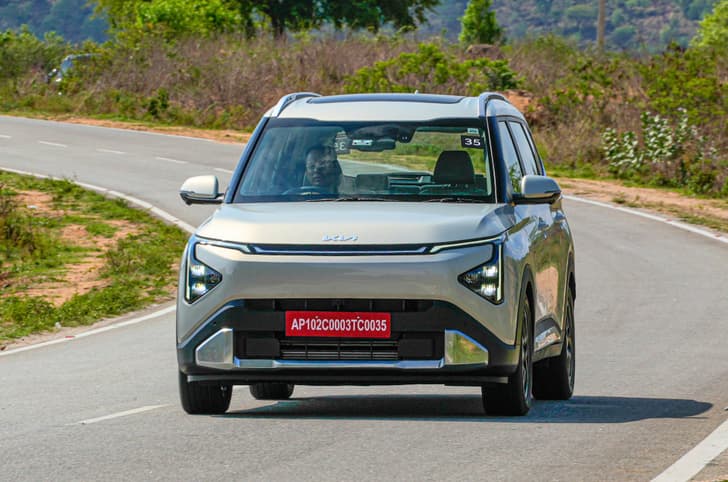
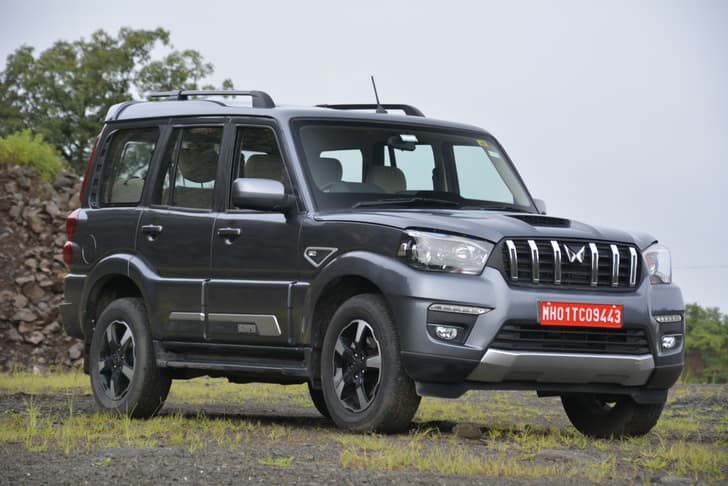
Hi Autocar, I am 29 years old, married, and currently working from home. My regular travel mainly includes weekly trips to town of around 50–60 km, along with occasional long drives twice a month of over 100 km. My total monthly driving averages around 500 km. I currently own a 2013 Maruti Suzuki Dzire and am now looking to upgrade to a more suitable family car for both my family and parents. I specifically want a diesel vehicle, as I prefer diesel engines and am also slightly concerned about increasing ethanol blending in petrol. The cars I am currently considering are: Kia Sonet HTX Diesel Automatic Tata Nexon Creative Plus Diesel AMT Hyundai Alcazar Executive Diesel Manual My budget is around ₹15 lakh, with slight flexibility if required. The basic features I am looking for are: Height-adjustable driver’s seat Cruise control Alloy wheels Reverse parking camera Good seating comfort Optional but desirable features include: Ventilated seats Paddle shifters Rear window sunshades Basic sunroof Could you please suggest which option would best suit my requirements and usage pattern?

 Kia SonetHyundai AlcazarKia Syros
I am confused between the Hyundai Alcazar and the Tata Safari in the diesel manual variants. My annual running is around 40,000 km, mostly on highways. I am looking for a car that offers decent mileage, strong safety, and reasonable maintenance costs. Which one would be the better choice for my usage?
Tata SafariHyundai AlcazarMy monthly commute is around 1,500 km, mostly within the city. I need a petrol vehicle with a six-seater capacity, and I’m confused between the XUV700 AX7L 6-seater AT and the Alcazar Signature 6-seater DCT. I plan to buy the top variant only. My family includes my parents, wife, and 6-year-old twins, and I prefer captain seats in the middle row. I’d also like a good fuel average.
Hyundai AlcazarI’m considering a mid-sized SUV up to an on-road price of ₹25 lakh. It must have good second-row legroom, decent boot space, good fuel economy, and strong resale value. Should I choose the Tata Harrier, Hyundai Alcazar, or Maruti XL7?
Hyundai AlcazarHi, I currently drive a Kia Sonet HTX iMT, which I purchased in December 2020. It has covered around 46,500km so far, with an annual running of approximately 10,000km. My current daily usage is 34km, mainly on the highway, as my office is in an industrial area. I am now looking to upgrade to a mid-size SUV with an automatic transmission. My priorities are a feature-rich car with a 5-star safety rating, good mileage, and enough space for a family of four, with occasional seating for six people. My expected usage will be around 80% city and 20% highway driving in the future. My budget is around Rs 21 lakh, although I can stretch it slightly for a better overall package. Please suggest some suitable options.
Hyundai AlcazarMahindra Scorpio NMG HectorMahindra XUV 7XOTata SafariKia Carens ClavisJoin the Discussions
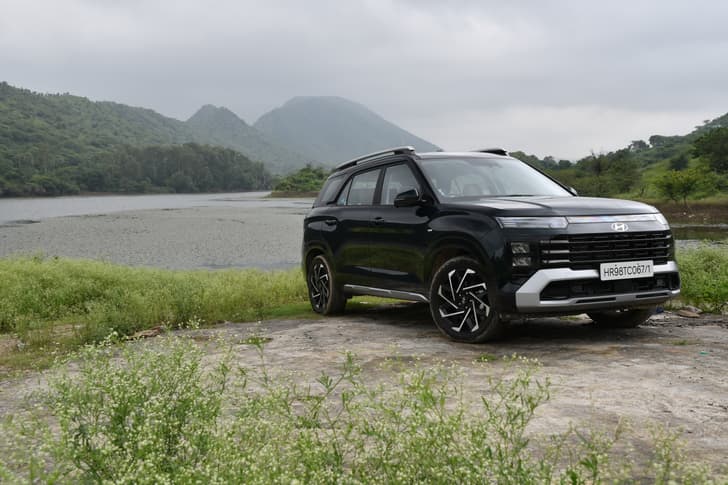
The Alcazar offers 200 mm of ground clearance.
The Alcazar is based on the Creta’s Global NCAP-tested platform (3-star rating for Creta); the Alcazar itself has not been individually tested yet.
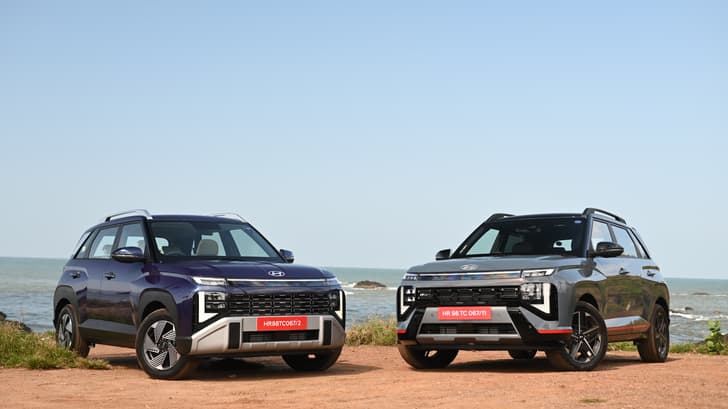
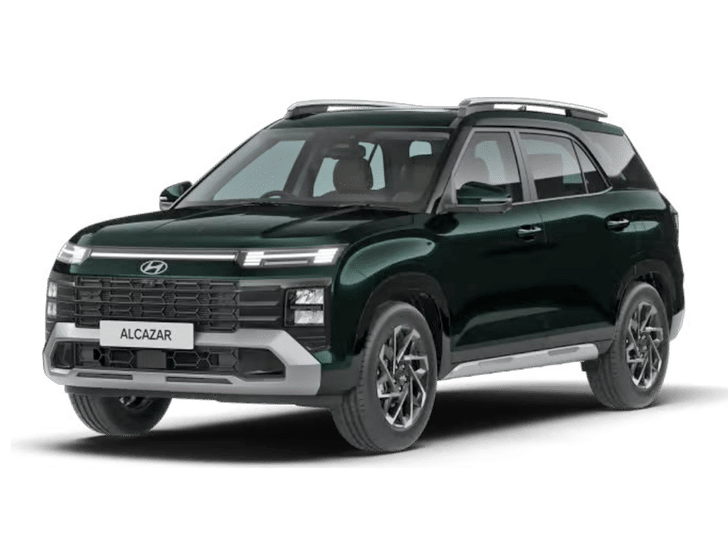
The Hyundai Alcazar measures 4,560 mm in length, 1,800 mm in width, and 1,710 mm in height, with a 2,760 mm wheelbase.
With all seats up, it offers an impressive 180 litres, which is good enough for 3-4 soft bags. With the third row folded down, more storage space can be opened up.