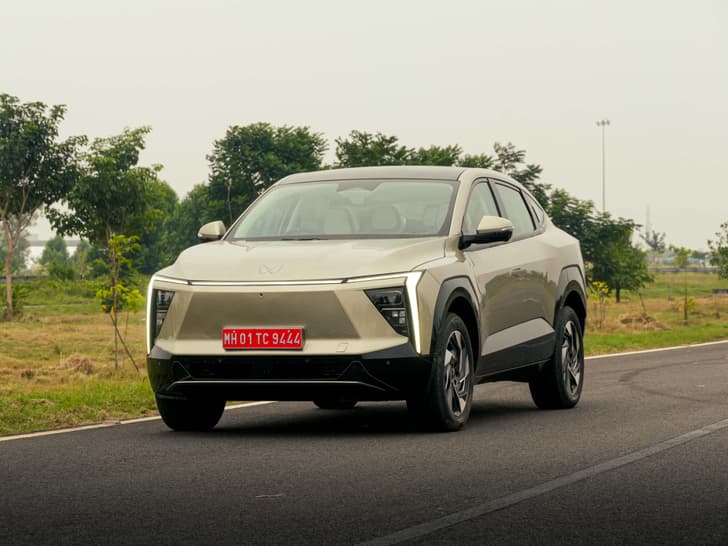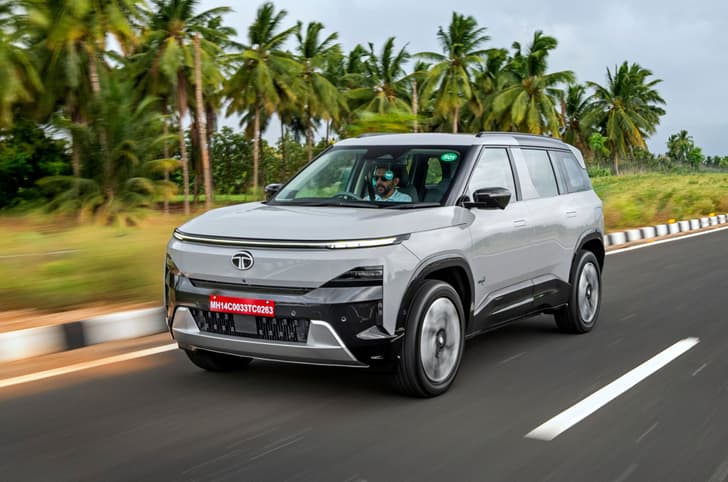

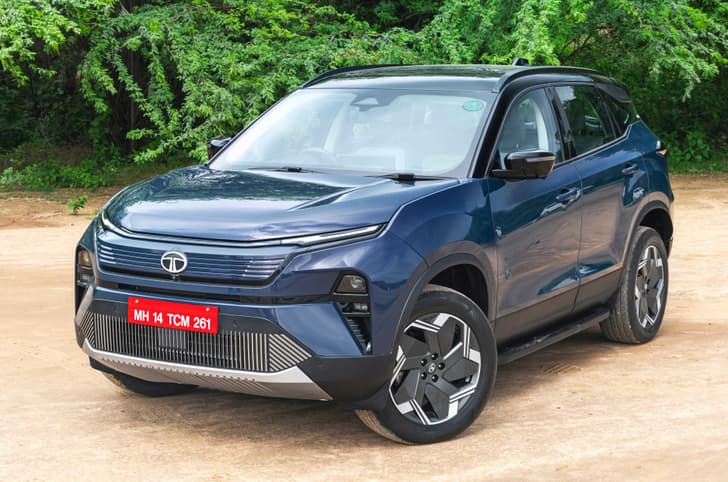
The Tata Harrier EV launched last month as the Indian carmaker’s flagship all-electric model. Right from the off, the Harrier EV garnered substantial interest thanks to its potent powertrains, vast feature set and compelling pricing with respect to competitors like the Mahindra XEV 9e and BYD Atto 3. Now that we’ve reviewed the Harrier EV, here are three reasons why you should go for Tata’s latest and greatest, and two areas where its rivals perform better.
Segment-best pricing with long list of features
Cheapest starting price, lifetime battery warranty
Introductory prices for the Harrier EV start at Rs 21.49 lakh and top off at Rs 28.99 lakh, making it the most affordable electric SUV in its segment. At the base level, the Harrier EV undercuts the XEV 9e by Rs 41,000 and the Atto 3 by Rs 3.50 lakh (imported via the CBU route). Tata also offers the Harrier EV with a lifetime battery warranty.
Harrier EV feature list is loaded
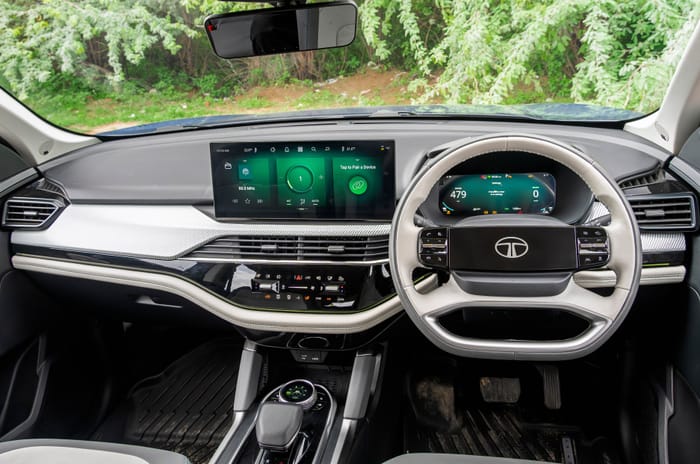
The more affordable pricing of the Harrier EV line-up doesn’t come at the expense of creature comforts either, as the Tata SUV’s feature list includes a 14.53-inch Samsung QLED infotainment touchscreen with wireless Apple CarPlay and Android Auto, a 10.25-inch digital driver’s display, a panoramic sunroof, a powered tailgate, a digital interior rearview mirror, a 10-speaker JBL sound system, a 360-degree camera, powered Boss mode, a digital key, a built-in dashcam, ventilated and powered front seats, Level 2 ADAS, connected car tech, ambient lighting and auto park assist.
Strong powertrains
65kWh and 75kWh batteries
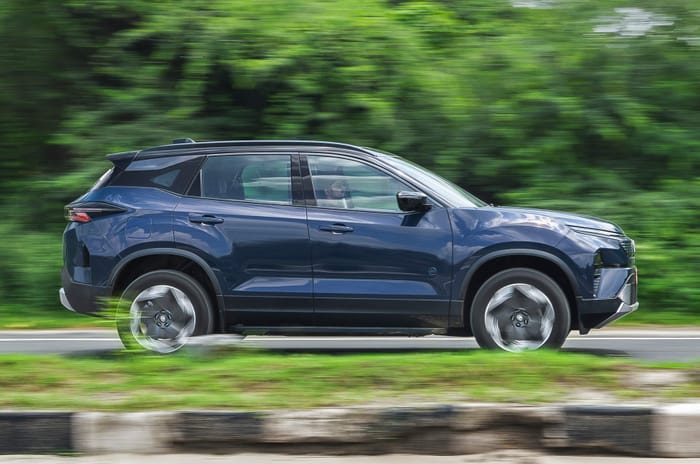
The Harrier EV comes with 65kWh and 75kWh LFP battery pack options, both wired to a single rear-mounted electric motor in all but the top-spec variant, which adds a 158hp motor on the front axle to form an all-wheel-drive layout – a segment-first feature.
Produces up to 313hp and 504Nm
In the Harrier EV’s 65kWh and 75kWh RWD variants, the SUV develops 238hp and 315Nm, while the top-end 75kWh AWD variant bumps the output up to 313hp and 504Nm. Tata claims a 0-100kph time of 6.3 seconds for the Harrier EV, and we recorded a 6.65sec run for the same in our testing.
Up to 627km of range
Coming to range, the Harrier EV 75kWh RWD variants can travel a claimed 627km on a single charge, with the 75kWh AWD following closely at 622km and the 65kWh RWD coming in third at 538km. Charging options comprise 120kW DC fast charging, which can juice the Harrier EV’s battery from 20 to 80 percent in 25 minutes, while a 7.2kW AC charger can take up to 10.7 hours for a 10 to 100 percent charge.
Great ride comfort and off-road capabilities
Gets frequency-dependent rear dampers
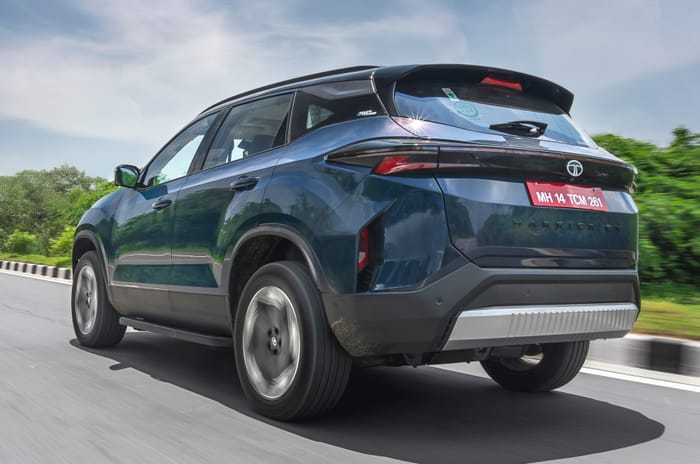
Tata has equipped the Harrier EV with a new rear suspension setup dubbed ‘Ultra Glide’ to better deal with the weight of the electric motor, with frequency-dependent dampers thrown into the mix as well. In our review of the Harrier EV, we noted that the Ultra Glide rear suspension makes for stellar ride comfort without sacrificing composure during cornering.
On broken surfaces and at low and medium speeds, the Harrier EV particularly excels, easily ironing out imperfections while keeping occupants isolated. There is some perceptible vertical movement at higher speeds, but the Harrier EV settles quickly and should feel better when fully laden. Handling is predictable, too, with body roll kept well in check and decent grip on offer. The steering can feel a bit heavy at low speeds but weighs up reassuringly at high speeds.
Off-road features aplenty
.jpg?w=700&c=0)
With the Harrier EV being the first Tata model to sport an AWD setup since the discontinuation of the Safari Storme in 2020, the SUV places a greater emphasis on off-road capabilities. The Harrier EV gets six terrain modes – Normal, Snow/Grass, Mud-Ruts, Sand, Rock Crawl and Custom – to optimise drivability on rough terrain, as well as a 540-degree camera that projects a view of what’s underneath the car, and low-speed cruise control that can be set as low as 5kph.
Now, let’s dive into a couple of reasons why you might want to hold off on the Tata Harrier EV.
Technical glitches
Infotainment screen and driver display software could do with more polish
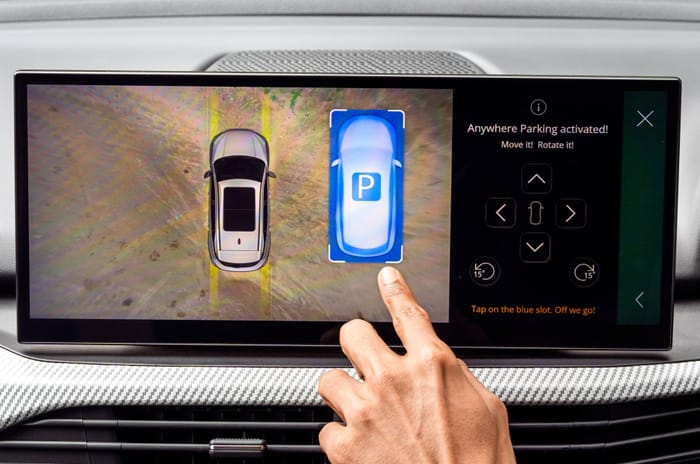
Though the Harrier EV has a lot of advanced tech, the execution falls short in some areas. During our Harrier EV review, we faced software glitches like flickering on the infotainment touchscreen and random warning lights in the driver display.
Summon mode needs more refinement
The Harrier EV’s Summon mode, which allows remote extrication of the SUV from a tight parking spot, didn’t work as smoothly as expected either, and the image quality of the parking camera appeared choppy and low-res. Of course, these issues can be rectified and may not even manifest in every Harrier EV, but buyers should be wary of them regardless.
Brakes feel spongy
Not enough bite given the Harrier EV’s weight
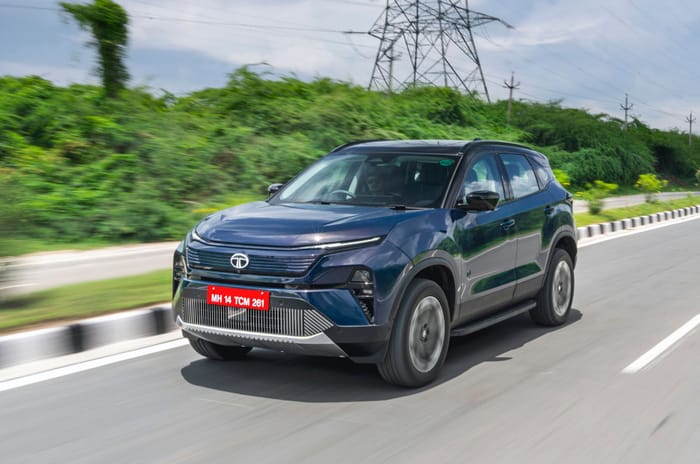
The Harrier EV gets 4-level regenerative braking that can be adjusted via the steering-mounted paddle shifters, but the brake feel itself leaves much to be desired. The pedal feels spongy, and you often have to press it harder than expected to bring the Harrier EV to a stop.

 Uday Singh
 Glenn Noronha
 Dipan Sur