




Platform and component sharing isn’t new in the automotive world. It’s one of the most efficient ways for carmakers to develop multiple models without having to start from scratch each time. In the mass-market space, this often takes the form of badge engineering, where two near-identical cars are sold under different brand names, some examples of which we have already detailed earlier.
However, when you move up the price ladder, the idea of sharing becomes more refined and complex. Unlike mass-market models that often rely on badge swaps or mild cosmetic changes, luxury carmakers use the same underlying platform to craft vehicles that differ significantly in design, purpose and personality. Here are some examples of luxury car duos that share a common foundation yet offer entirely different experiences.
Audi RS Q8, Lamborghini Urus
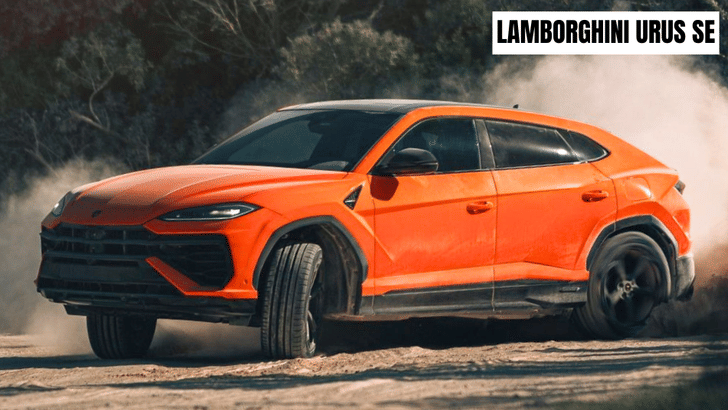
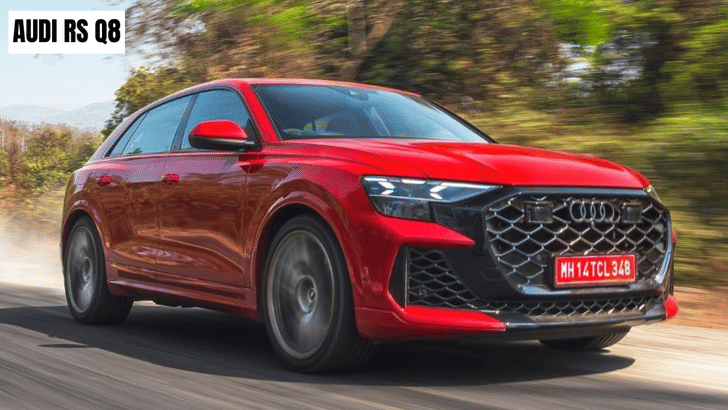
Mockingly called the poor man’s Urus, the Audi RS Q8 is built on the Volkswagen Group’s MLB Evo platform, which is the same foundation used by the Lamborghini Urus SUV. Both high-performance SUVs share the core 4.0-litre twin-turbo V8 engine, but the Lamborghini integrates a plug-in hybrid system.
What community is saying on the Q7?
The Urus not only extracts significantly more combined power and torque due to its hybrid system but is also slightly quicker to 100kph, despite the added weight of the battery pack. The Urus SE also offers a pure electric driving mode.
While both SUVs have similar dimensions, the Urus features a slightly longer and wider body. The Urus also benefits from a sportier exterior design and a more premium feel than the Audi model.
Talking about the prices, the Audi RS Q8, although fairly pricey at Rs 2.32 crore, is still substantially more affordable than the Lamborghini Urus, which starts at Rs 4.57 crore, representing a price difference of over Rs 2 crore.
BMW iX1 LWB, Mini Countryman Electric
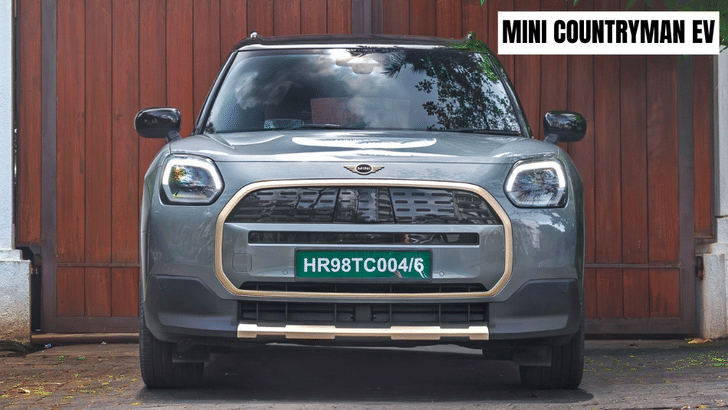
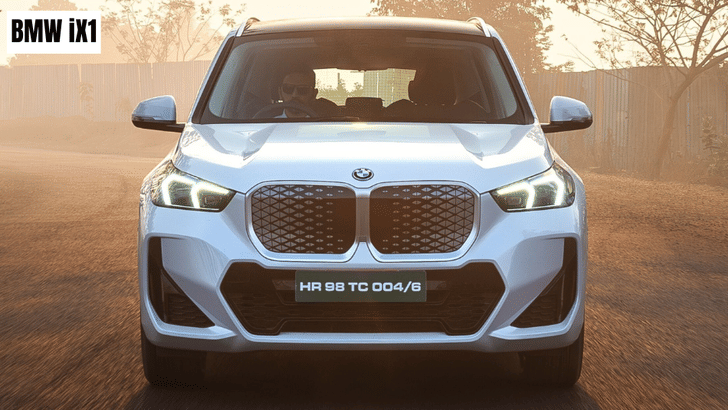
The BMW iX1 LWB and Mini Countryman Electric serve as the entry points into their respective brands’ EV line-ups. BMW acquired Mini in 1994, and since 2001, the German manufacturer has been responsible for designing and producing the modern Mini range.
The iX1 and Countryman Electric are among the latest examples of BMW’s shared engineering approach. Both are built on the FAAR (Frontantriebsarchitektur) platform, which is an FWD architecture derived from the UKL2 framework that underpins BMW’s entry-level ICE and hybrid models. Not surprisingly, the two e-SUVs share near-identical technical specifications.
The key difference lies in their dimensions. The Countryman Electric’s length and wheelbase are shorter than the iX1’s by 171mm and 108mm, respectively, but it is 224mm wider, lending it a chunkier stance.
Priced at Rs 54.90 lakh, the Mini Countryman EV’s entry-level variant costs Rs 5 lakh more than the BMW iX1.
Audi Q7, Porsche Cayenne
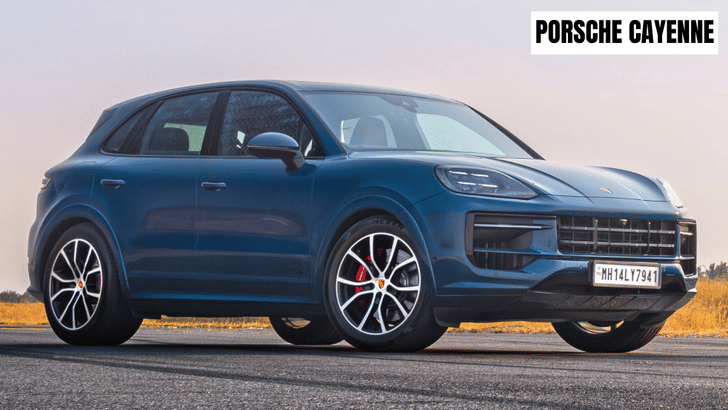
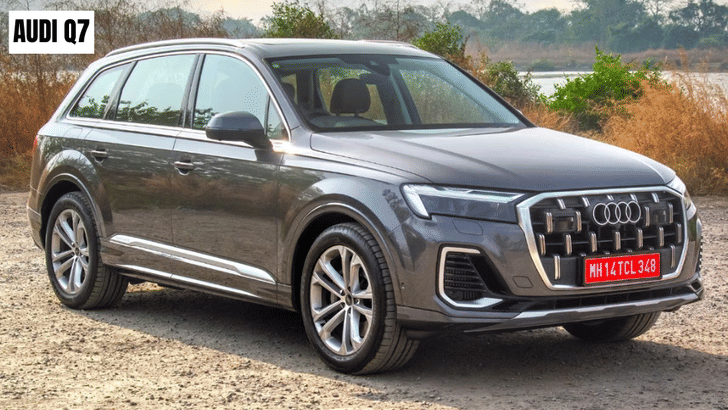
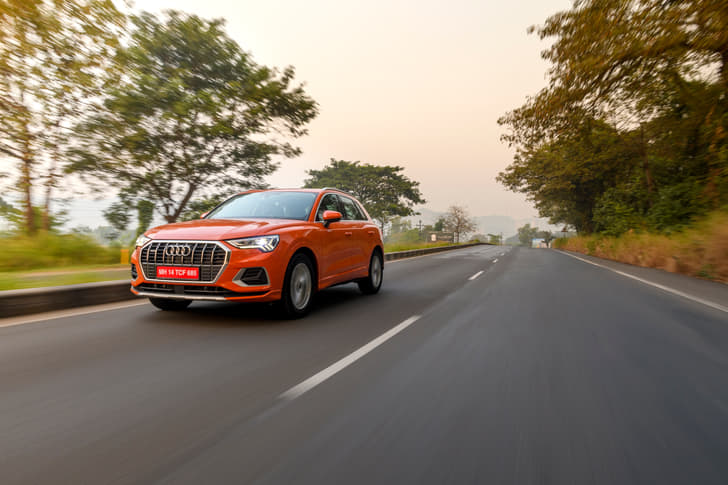
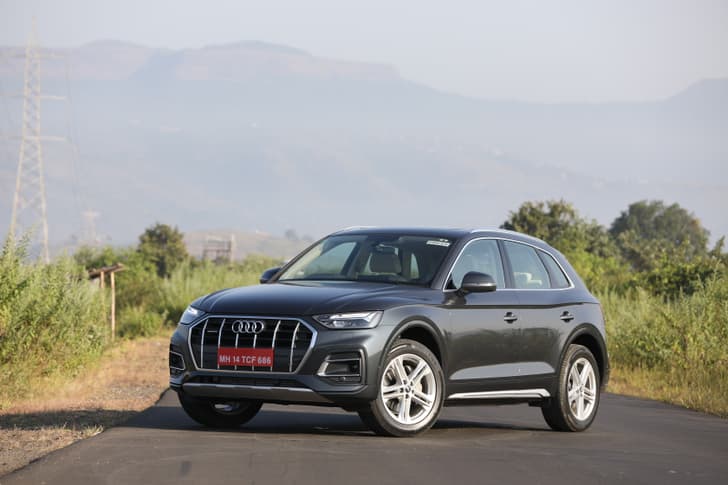
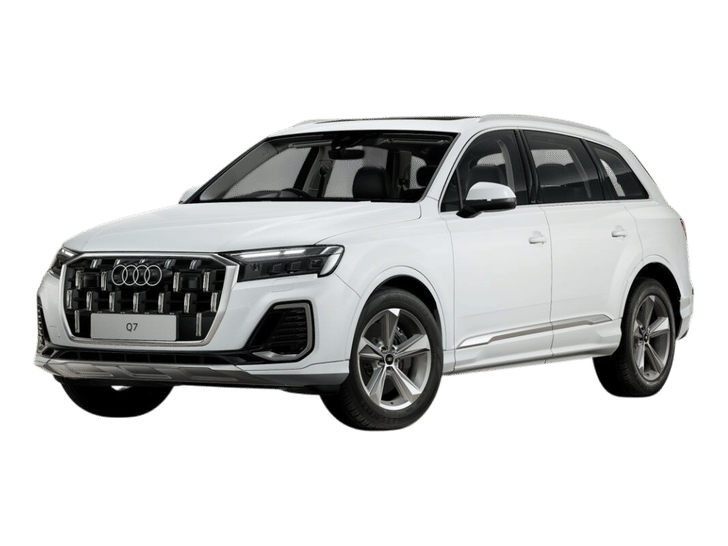
The Audi Q7 and Porsche Cayenne also share the same MLB Evo platform but are targeted towards different sets of buyers. The Q7 has a 7-seat layout that can be used to travel long distances with family, while the Cayenne is an SUV with the sportiness that is expected from Porsche. Not only do the driving dynamics differ, but the design differences also scream the purpose of both SUVs. While the Q7 packs in Audi’s understated charm, the Cayenne looks sporty from every angle.
That said, both German SUVs get the same engine options, with almost identical specifications:
Not only are their powertrain options similar but also their dimensions.
The pricing of the Q7 and Cayenne also differs by a huge margin. The Q7 starts at Rs 86.14 lakh, which makes it a whopping Rs 52.86 lakh more affordable than the base-spec Porsche Cayenne.
Lexus LM, Toyota Vellfire
.png?w=728&h=415&q=75&fm=auto "Toyota Vellfire")
.png?w=728&h=415&q=75&fm=auto "Lexus LM")
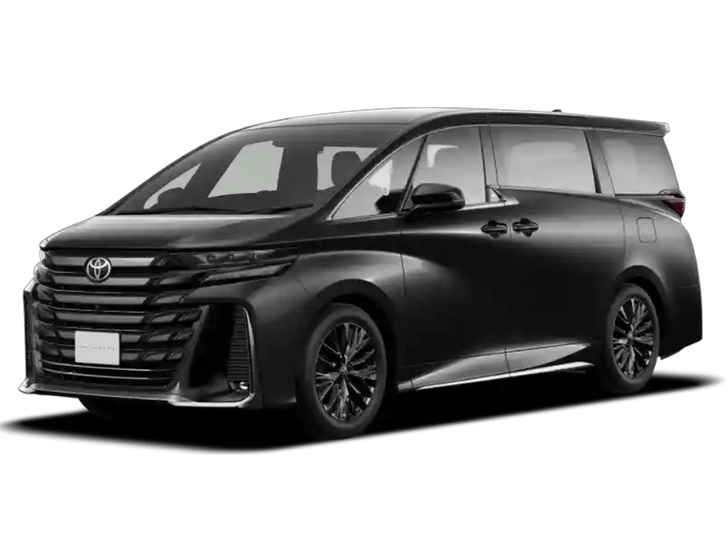
The Vellfire is Toyota’s flagship MPV in India, which shares its underpinnings with the Lexus LM. Both MPVs are built on Toyota’s TNGA-K platform and share the same powertrain options.
The two Japanese MPVs are similar in size, but the difference lies in the level of luxury they offer. The Vellfire is a 7-seater that focuses on comfort and practicality, while the Lexus LM offers 6- and 4-seat layouts for a more spacious and lounge-like cabin. The LM also elevates the experience with even finer materials, better insulation and a more advanced feature list.
All of this accounts for the Lexus LM commanding a Rs 95 lakh premium over the Toyota Vellfire, which has a starting price of Rs 1.20 crore.
Toyota Land Cruiser, Lexus LX
.png?w=728&h=415&q=75&fm=auto "Lexus LX")
.png?w=728&h=415&q=75&fm=auto "Toyota Land Cruiser")
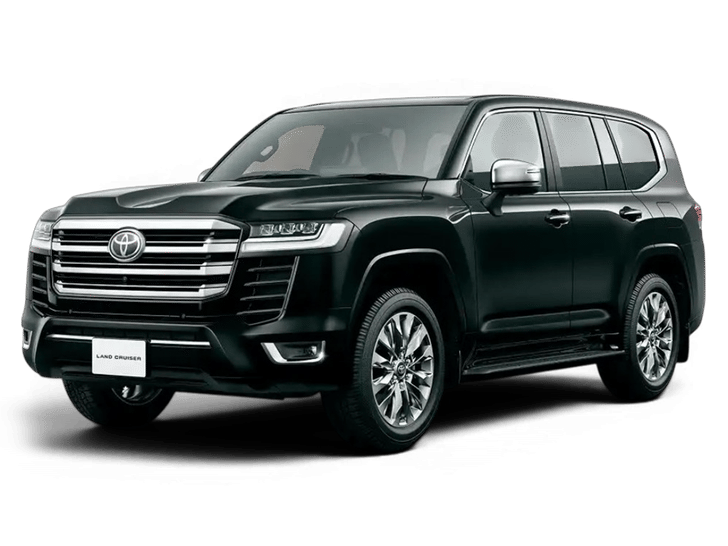
The Toyota Land Cruiser and the Lexus LX share the same TNGA-F platform, as well as the same powertrain.
The dimensions of both SUVs are also nearly identical, but their character differs in purpose and execution. The Toyota Land Cruiser 300 focuses on rugged off-road performance with its functional and durable interior, while the Lexus LX 500d builds on these strengths with an added layer of opulence. The LX offers a more luxurious cabin finished in higher-grade materials and a more advanced feature list.
With the added differences, none of which are technical, the Lexus LX commands a price premium of Rs 64 lakh over the entry-level version of its Toyota counterpart, which costs between Rs 2.16 crore and Rs 2.25 crore.
Toyota Camry, Lexus ES
.png?w=728&h=415&q=75&fm=auto "Lexus ES")
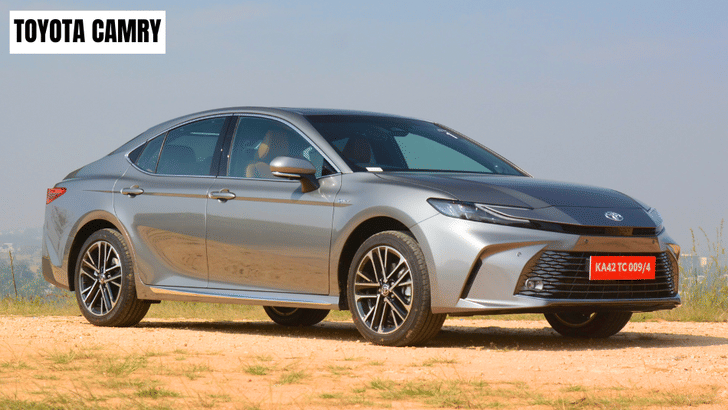
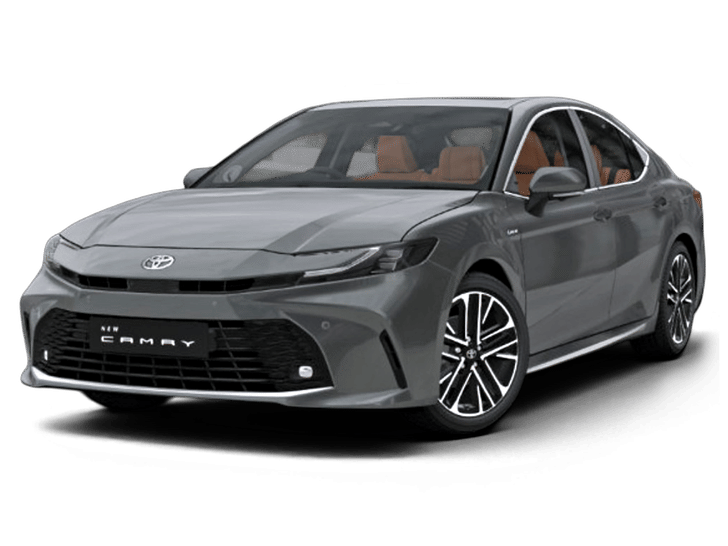
The Toyota Camry and the Lexus ES sedans share their platforms and many technicalities with each other. Both Japanese models are built on the TNGA-K architecture and have the same hybrid powertrain.
While both models are mechanically identical and offer a long list of similar features, including ventilated seats, a panoramic sunroof and a comfortable rear seat experience, their appeal lies in how they interpret the same formula. The Toyota Camry delivers a practical blend of comfort, performance and value, making it an ideal choice for those who want luxury without the badge premium. The Lexus ES, on the other hand, takes things up a notch with richer cabin materials, finer detailing and superior noise insulation.
Talking about the prices, the Camry costs Rs 47.48 lakh, while the Lexus ES ranges between Rs 62.65 lakh and Rs 68.23 lakh.
All prices are ex-showroom, India.
Also See:


 Uday Singh
 Glenn Noronha