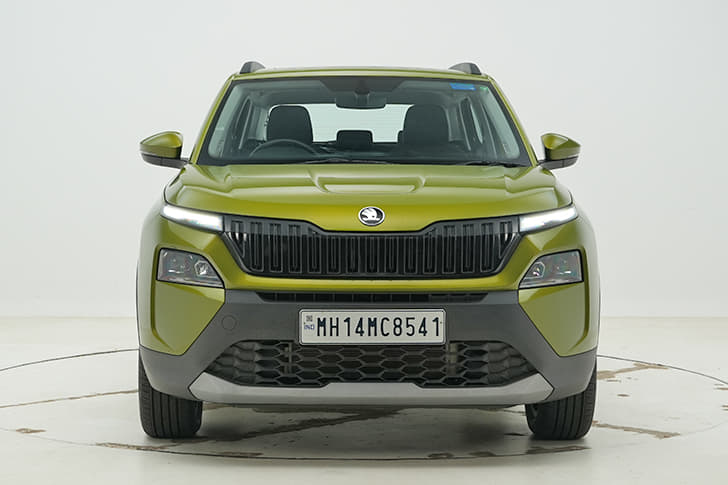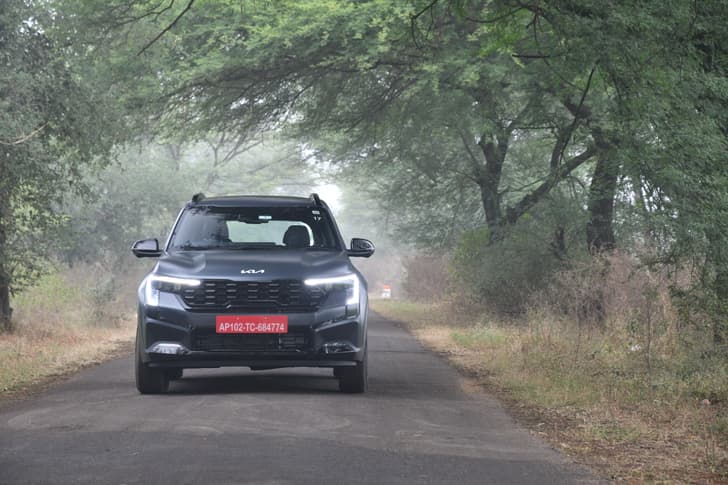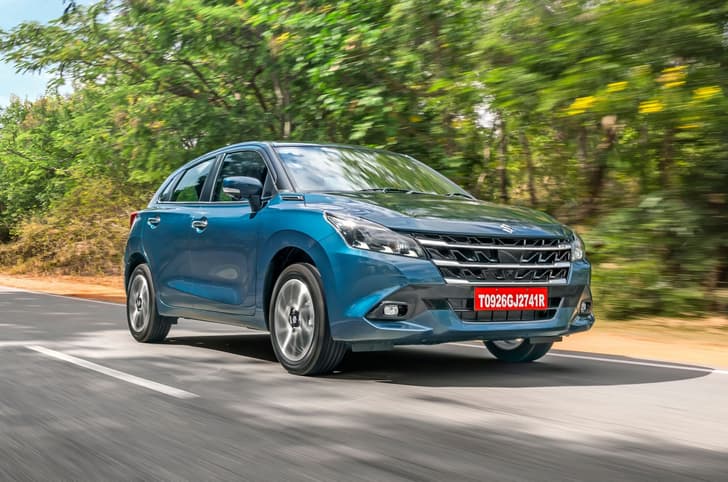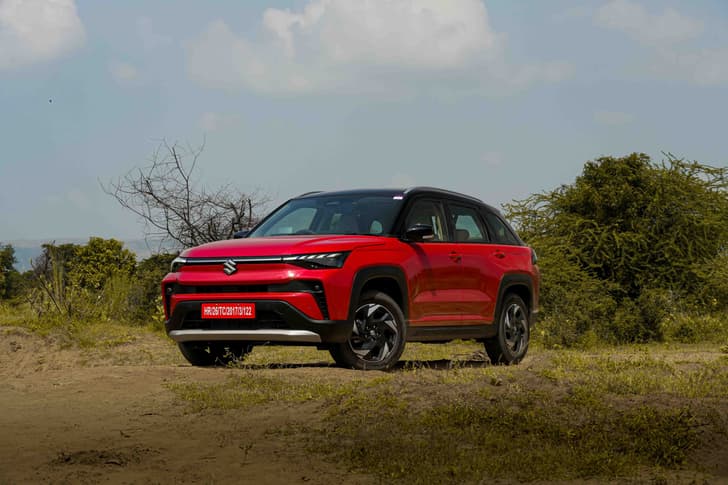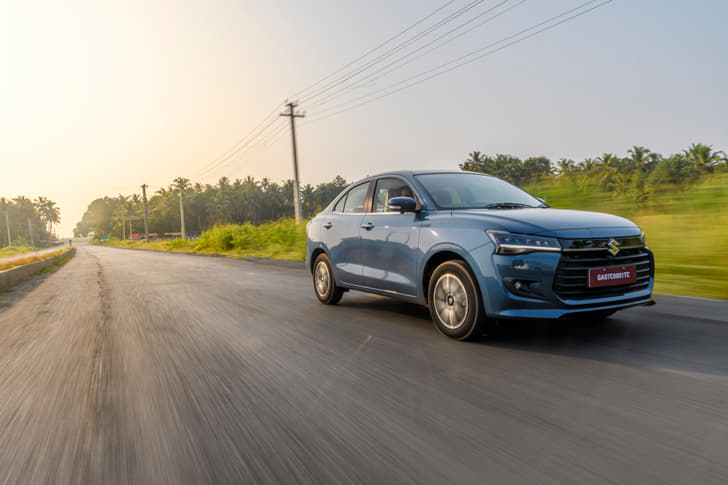

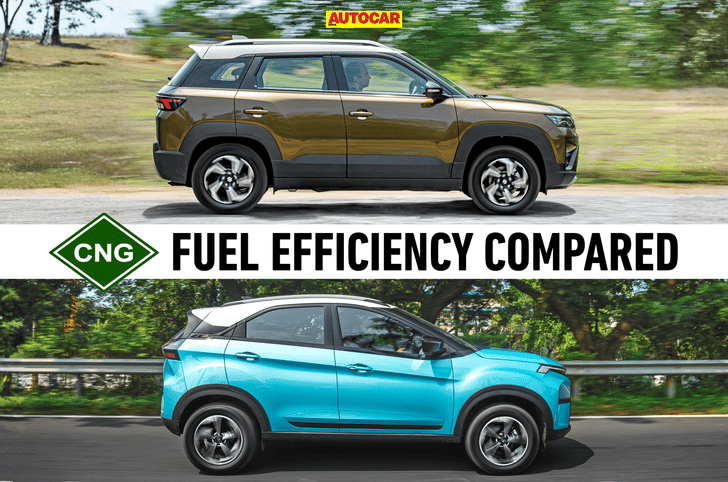
The Maruti Brezza and Tata Nexon are two of the few compact SUVs to offer a factory-fitted CNG kit. Both are also among the best-selling models for their respective brands, and since CNG cars are known to offer good mileage, it makes sense to compare these two and see which is more fuel-efficient in the real world. Keep reading to find out more.
Maruti Brezza CNG vs Tata Nexon CNG: Specs and price
While the Brezza uses a four-cylinder naturally aspirated engine, the Nexon gets a three-cylinder turbocharged unit. Notably, no other compact SUV currently offers a CNG kit with a turbocharged engine. The Nexon has a clear performance advantage over the Brezza. In petrol guise, its 1.2-litre turbo-petrol engine produces 120hp and 170Nm, giving it a 19hp and 33Nm edge over the Brezza's 1.5-litre naturally aspirated petrol engine, which develops 101hp and 137Nm.
In CNG mode too, the Nexon leads with 100hp and 170Nm, compared to the Brezza CNG's 88hp and 122Nm. That gives the Nexon a 12hp and 48Nm advantage in CNG form. It also gets a 6-speed manual, compared with the Brezza's 5-speed unit, and a larger 60-litre CNG tank (dual-cylinder setup). The Maruti, meanwhile, uses a more conventional cylinder arrangement.
The Brezza’s 1,462cc engine also crosses the 1,200cc threshold for the lower 18 percent GST slab, so it’s taxed at 40 percent. That shows up in pricing, too, with the Brezza’s entry price sitting Rs 95,000 above the Nexon’s. At the top end, though, the Tata is Rs 2.1 lakh pricier than the equivalent Brezza CNG variant.
Maruti Brezza CNG vs Tata Nexon CNG: Real-world mileage
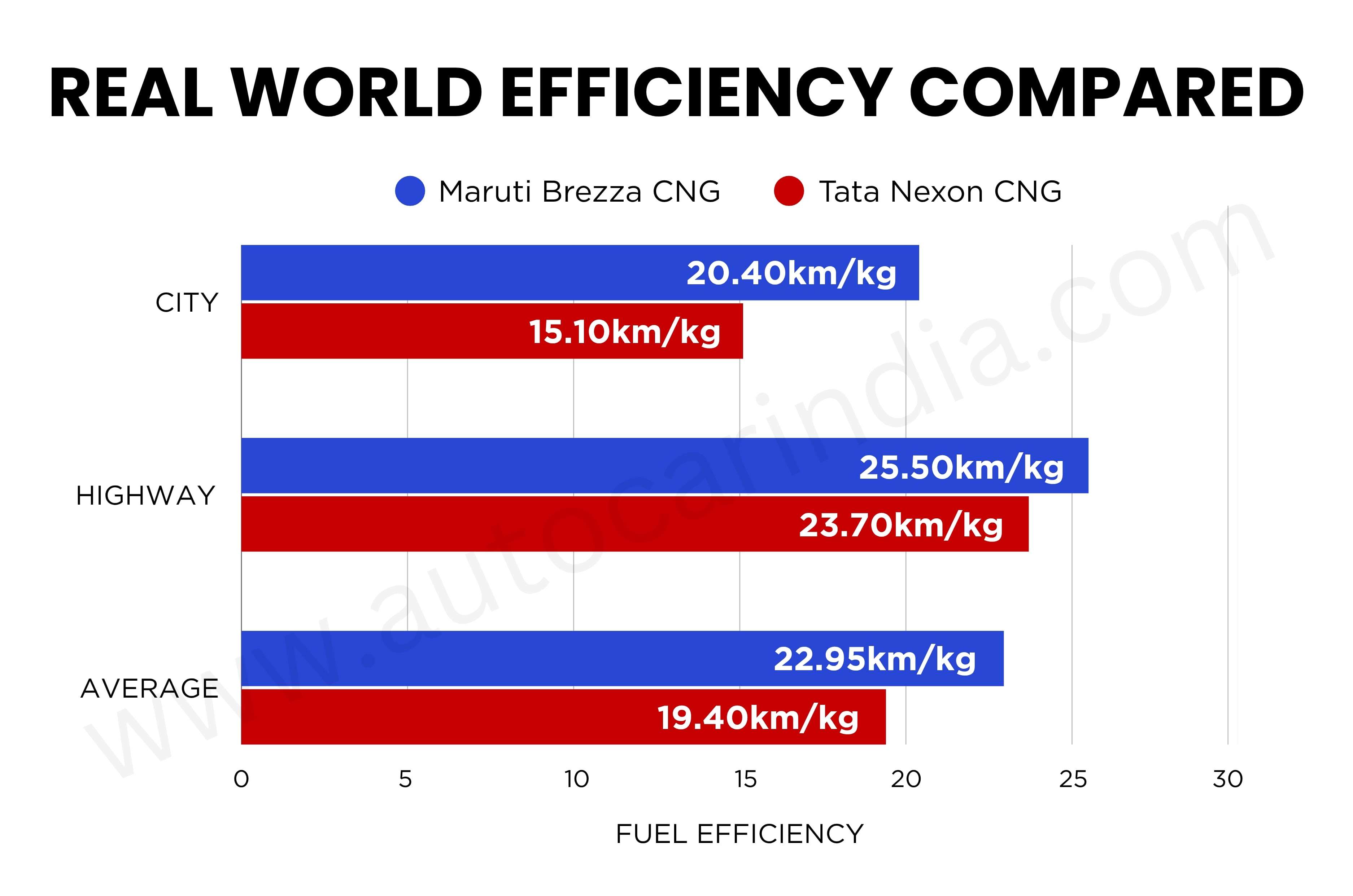
The Brezza CNG is clearly more efficient in real-world use than the Nexon CNG. In the city, it returns 5.3km/kg more than the Tata SUV. The Brezza maintains its lead on the highway as well, but the gap narrows to 1.8km/kg. As a result, the average figure also favours the Brezza, which is ahead by 3.55km/kg.
Part of the Brezza’s efficiency advantage comes from its much lighter kerb weight and a naturally aspirated setup. It should be noted that the Nexon’s CNG setup does not significantly affect drivability or performance in everyday use. It can also be started directly in CNG mode, and even the added weight of the kit – 120kg more than the petrol Nexon – does not make it feel breathless or strained.
Autocar India's fuel efficiency testing
Before our real-world fuel efficiency tests, we fill our test cars’ tanks to the brim and maintain tyre pressures based on the manufacturer’s recommendations. These cars are driven in fixed city and highway loops in and around Navi Mumbai, and we maintain certain average speeds. Throughout the tests, there is only one person in each car, running the air conditioner and other electricals, such as the audio system, indicators and wipers, when required, just like a regular user would. Periodic driver swaps further neutralise variations in driver patterns. At the end of each cycle, we calculate efficiency by refilling the tanks to full.



 Glenn Noronha
 Dipan Sur
 Dhruv Dhaka
 Aditya Panicker
 Hormazd Sorabjee