The Federation of Automobile Dealers Associations (FADA) announced the results of its 2026 Dealer Satisfaction Study (DSS) on September 1, with JSW MG remaining at the top with 865 points in the four-wheeler mass-market segment, while Royal Enfield led the two-wheeler segment with 878 points. The study, conducted with PremonAsia, received 2,045 dealer responses collected during July and August 2026. It covered around 60 attributes across six factors. Scores were given out of 1,000, with higher scores indicating greater dealer satisfaction. FADA said the rankings were based on ratings from participating dealers.
The overall mass-market four-wheeler dealer satisfaction index (DSI) rose 39 points year on year to 810, while the same for two-wheelers jumped by 35 points to 827. The overall DSI in India rose 29 points YoY to 810. FADA president Sai Giridhar said the improvement in the overall index also highlighted unresolved issues around dealer economics. “The findings clearly underline the need for greater focus on dealer viability,” he said, pointing to sustainable margins, inventory and buyback policies, training cost-sharing and greater clarity in OEM policies.
Dealer Satisfaction Study 2026 results
Four-wheeler mass-market segment
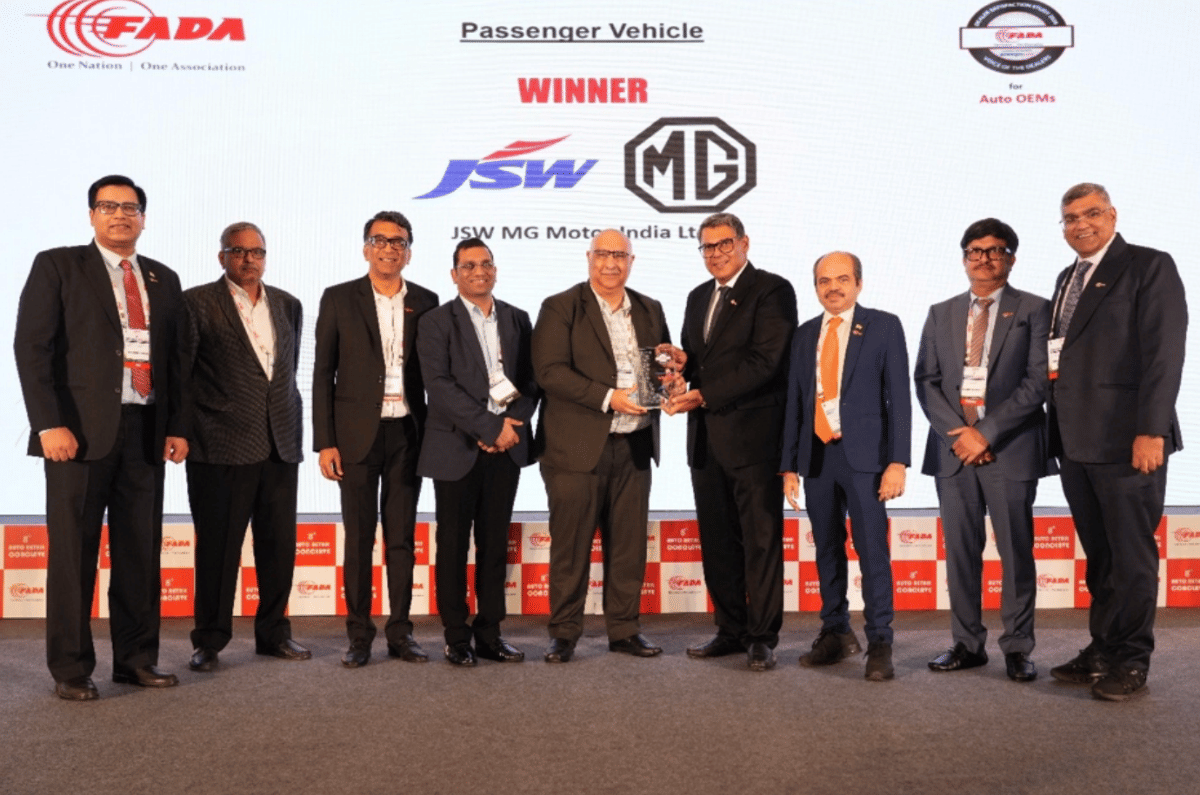
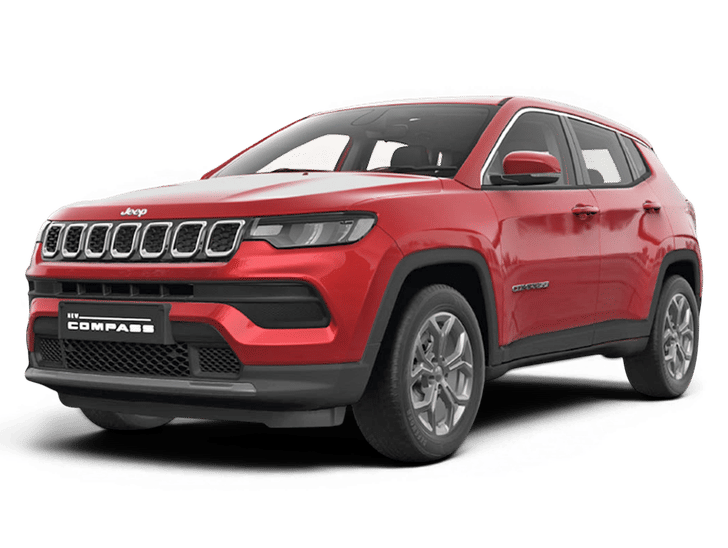
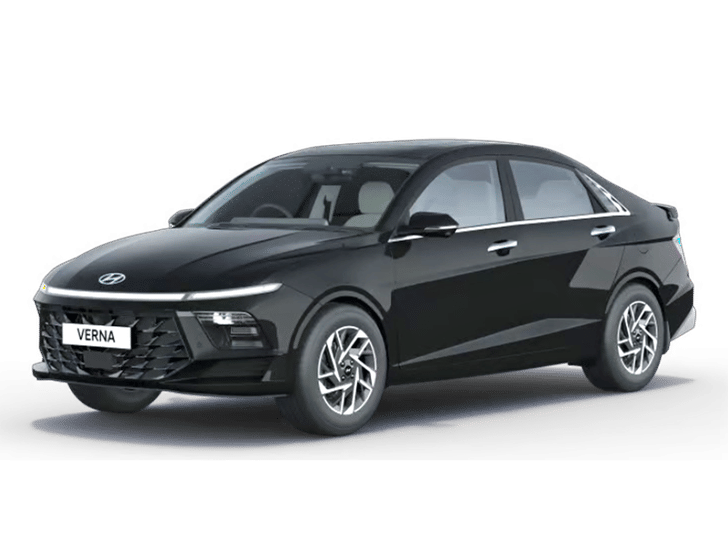
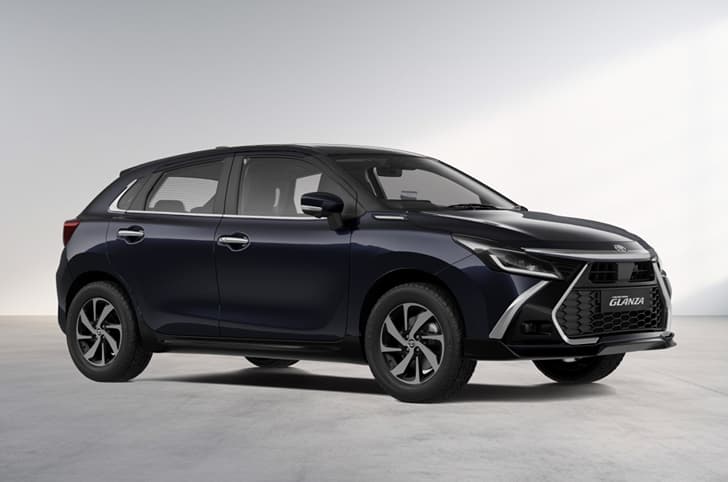
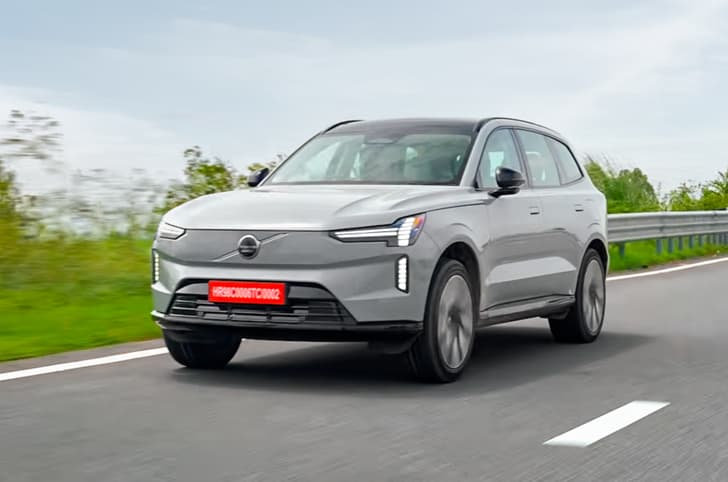
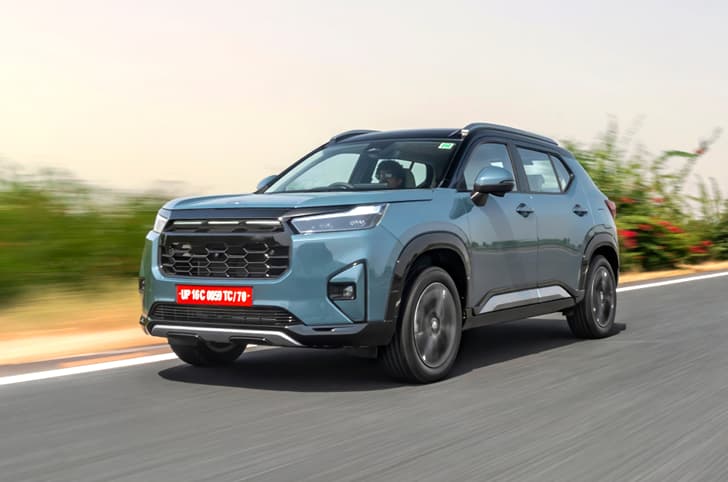
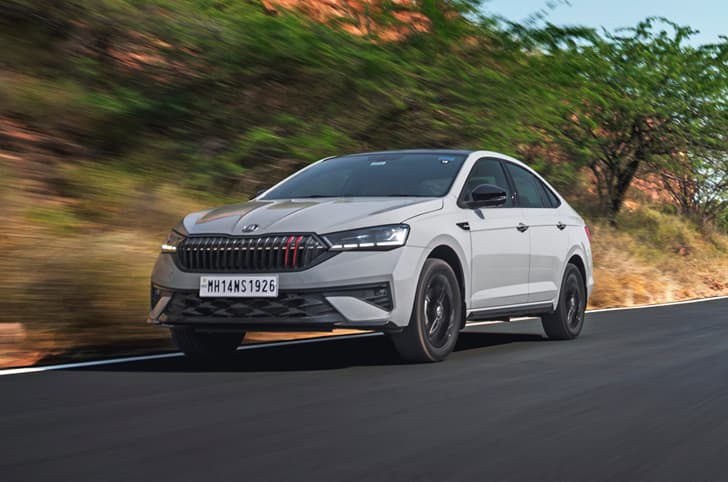
JSW MG leads the rankings, followed by Mahindra, Tata and Kia. Toyota rounds out the top five, while Hyundai, Maruti Suzuki and Renault are at the lower end. The results show a clear gap between the top and bottom performers, with a massive 268-point difference between JSW MG and Renault.
Four-wheeler luxury segment
In the four-wheeler luxury passenger vehicle segment, BMW recorded 779 points. The segment’s average stood at 758, according to the study.
Two-wheeler segment
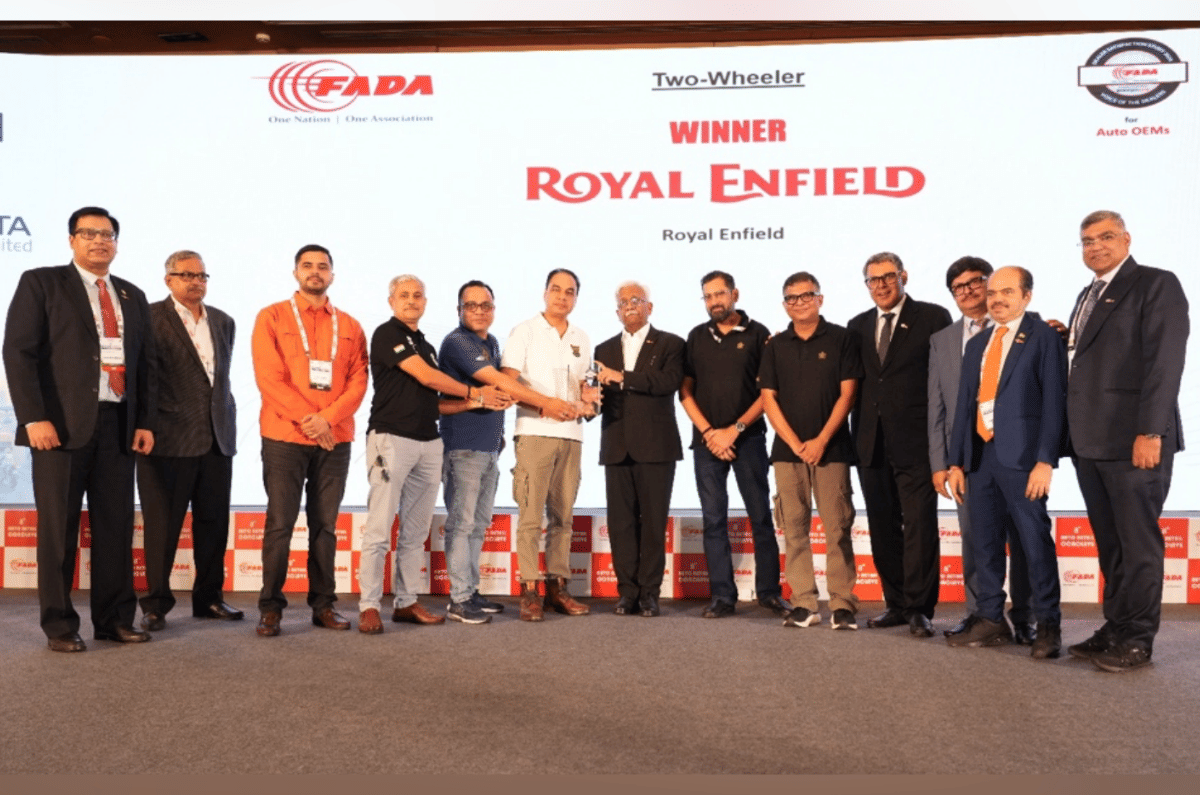
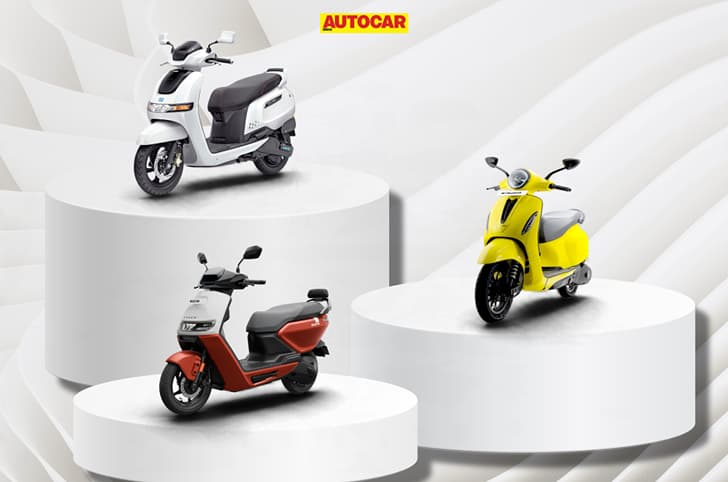
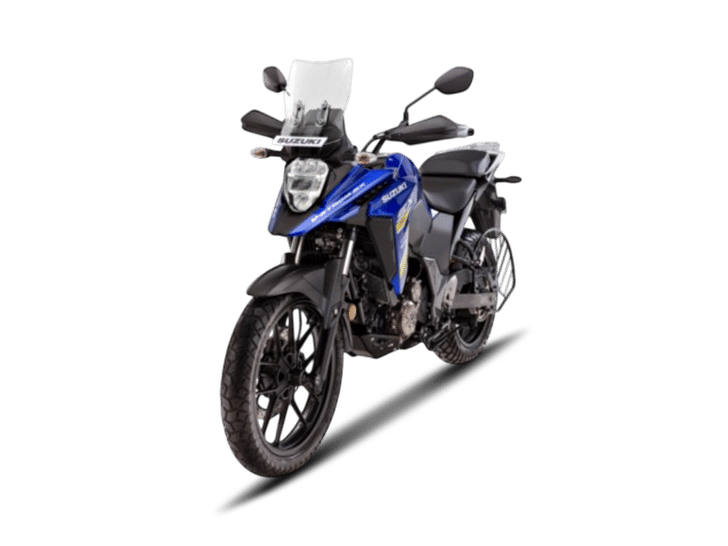
Royal Enfield and Hero are clear leaders in dealer satisfaction in the two-wheeler segment, with almost similar scores. TVS is third, after a significant gap, followed by Suzuki and Honda. Bajaj ranks last, 308 points behind Royal Enfield. The study also found that EV readiness is becoming more important for two-wheeler dealers, especially in terms of infrastructure, manpower capability and service costs.
Pure electric vehicle segment
Vinfast leads the four-wheeler EV segment with 858 points, while Ather tops the electric two-wheeler segment with 864 points.
Dealers raised concerns about inventory, spare-part margins
The study also revealed that in the four-wheeler mass-market segment, dealers raised concerns about inventory, parts availability, delivery times and more. They also sought more clarity on investments required to meet OEM corporate identity standards, and registration and RTO processes.
In the two-wheeler segment, dealers continue to appreciate product reliability and range, warranty fairness, sales-team training and digital marketing support. However, unsold inventory and training cost-sharing remain prominent concerns. Dealers also seek better vehicle and spare-part margins, greater clarity on multi-brand outlets and parallel dealer policy and more disciplined sales incentives.
Product remains the highest-scoring factor. After-sales, sales and order planning, and business viability and policy together account for nearly 68 percent of dealer priorities. Business viability and policy remained the lowest-scoring factor. Key concerns include buyback or write-off of unsold inventory, training cost-sharing, vehicle and spare-parts margins, parts availability and turnaround times. Dealers also highlighted vehicle-on-road economics, network expansion and long-term dealership viability.
According to PremonAsia director and COO Rahul Sharma, dealer priorities are shifting beyond the product itself. “Profitability, inventory, dealer rights and future readiness are now central to the OEM-dealer partnership,” he said. The study also found that profitability and margins were the most common areas dealers wanted to be improved, followed by product and EV transition, the OEM relationship, inventory and stock, and dealer rights and policy.
 Dhruv Dhaka
 Ajit Dalvi

 Suraj Viswanathan